Artwork
Seasonal Landscapes: Winter
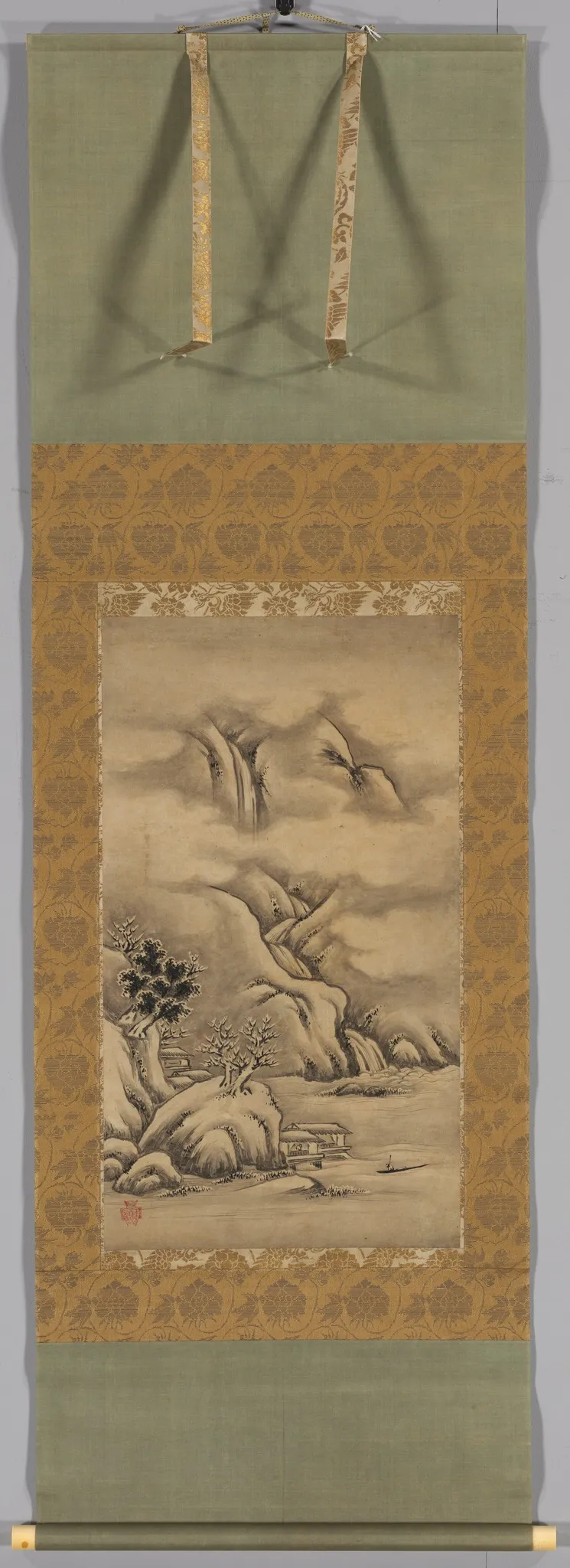
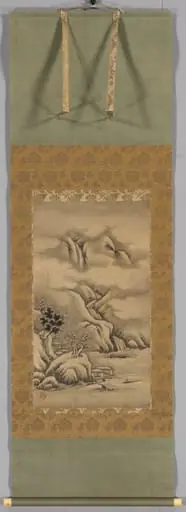
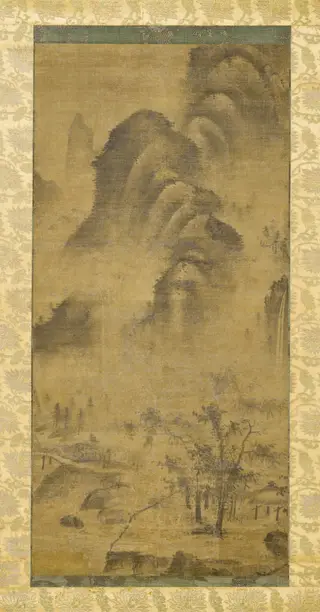
Seasonal Landscapes: Winter is an unspecified painting by the Kanō school artist Kano Hideyori. It dates from 1550 and is held in the collection of the Cleveland Museum of Art.
About this work
History & Provenance
Seasonal Landscapes: Winter is held in the collection of the Cleveland Museum of Art. Its inventory number is 1988.13.2. The painting, created in 1550 in Japan, entered the museum's holdings and remains part of its collection. No exhibition history is documented in the available sources.
Legacy
The painting's enduring reputation stems from its role in shaping seasonal motifs within Edo-period landscape painting, a tradition later artists referenced when exploring nature's cyclical rhythms. Its compositional treatment of snow-covered terrain and atmospheric perspective informed subsequent interpretations of winter scenes across East Asian visual culture, particularly in works emphasizing quiet contemplation of seasonal change.
Overview
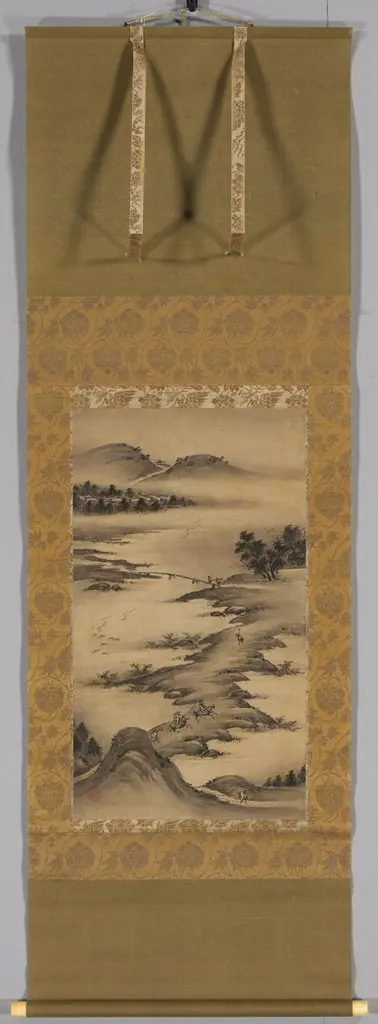
Created circa 1550 by Kanō Hideyori, a mid‑Sixteenth‑century painter of the Kanō school in Kyoto, this hanging scroll presents a winter scene. The composition is framed by a green border edged with a gold motif, and the work is mounted on a green cloth with a tassel at the top, echoing traditional scroll formats.
Subject & Meaning
The image portrays a snow‑laden mountain slope where a waterfall descends toward a modest hut nestled at its base. Cloud‑filled skies loom above, while sparse trees cling to the rocky terrain, evoking the seasonal motif of winter that was common in series of landscape paintings of the period.
Technique & Style
Hideyori employs predominantly black ink on a light ground, using varied brushwork to suggest depth and texture in the snow and rock. The decorative border and the overall composition reflect a synthesis of Japanese yamato‑e ornamentation with a fundamentally Chinese aesthetic, a hallmark of the Kanō tradition.
Artist & collection
Artist
Kanō Hideyori (狩野秀頼) was a Japanese painter of the Kanō school in Kyoto. His date of birth and death are unknown, however he was active in the mid-16th century, the beginning of the Momoyama period (1573–1603). Not much…