Artwork
Seasonal Landscapes: Winter
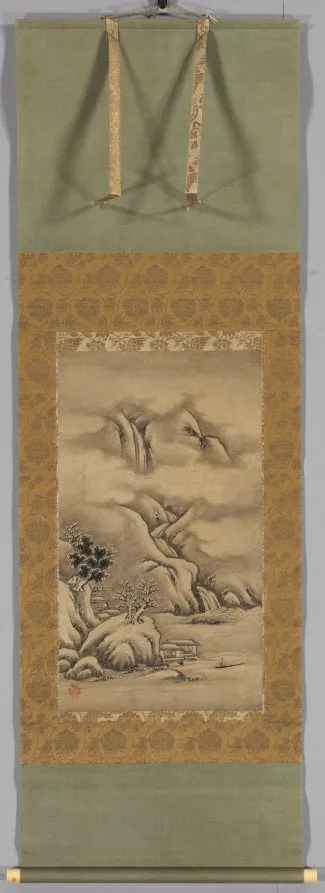
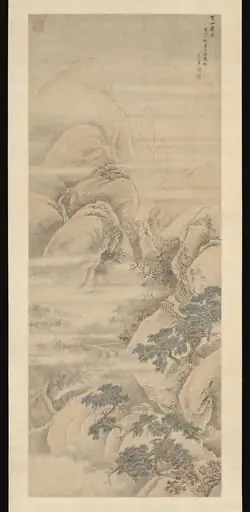
Seasonal Landscapes: Winter is an unspecified painting by the Kanō school artist Kano Hideyori. It dates from 1504 and is held in the collection of the Cleveland Museum of Art.
- Accession no.
- 1988.13.2
- Credit line
- Leonard C. Hanna Jr. Fund
About this work
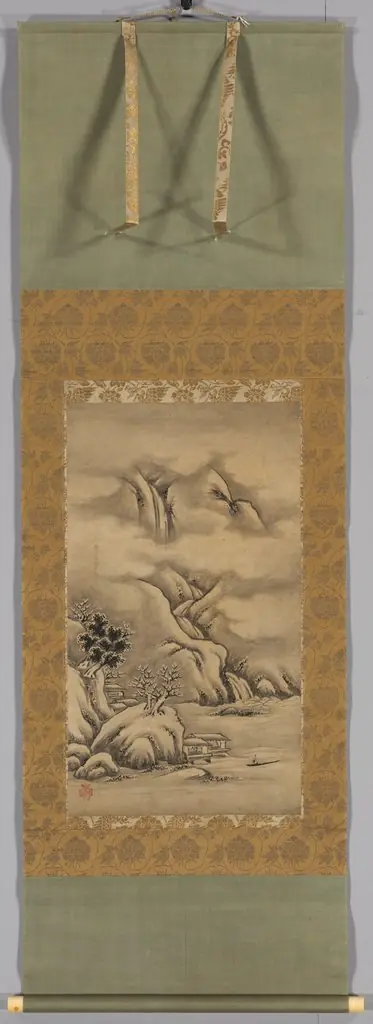
The artist used a quick, rounded brush, like fast handwriting, to keep the scene light and flowing.
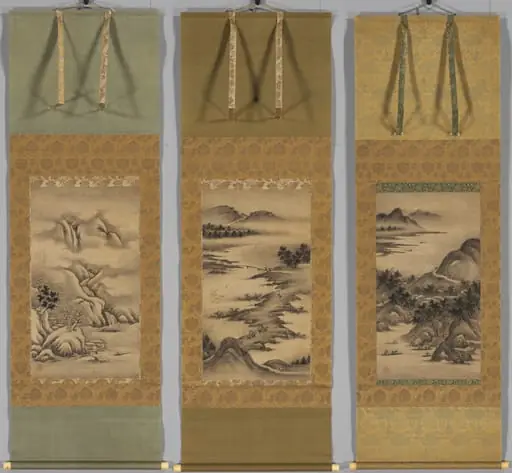
You see bare trees, a frozen stream, and a few travelers bundled in robes against the snow.
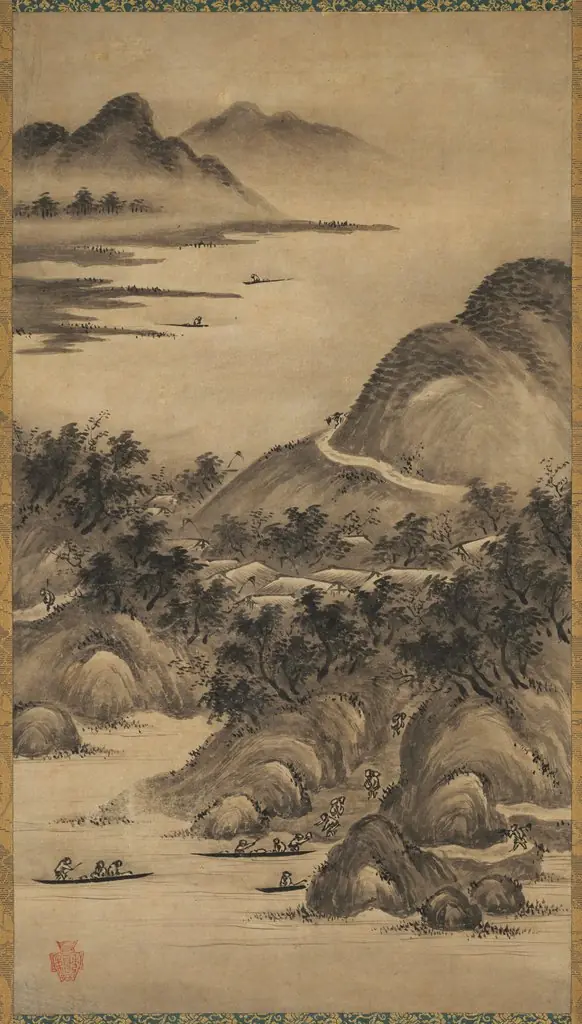
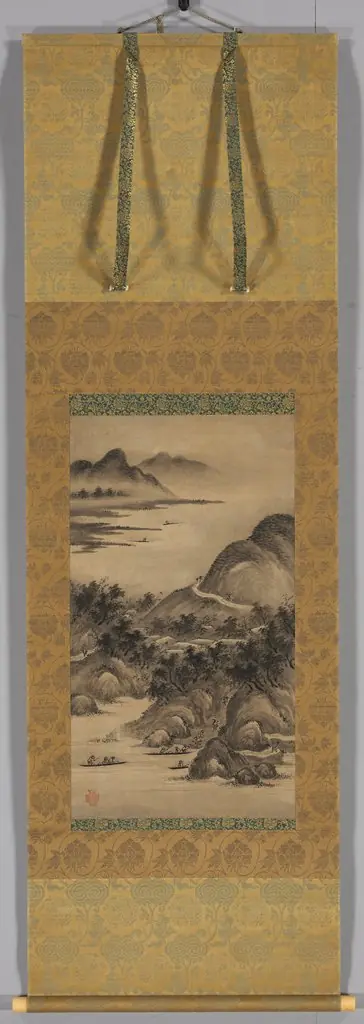
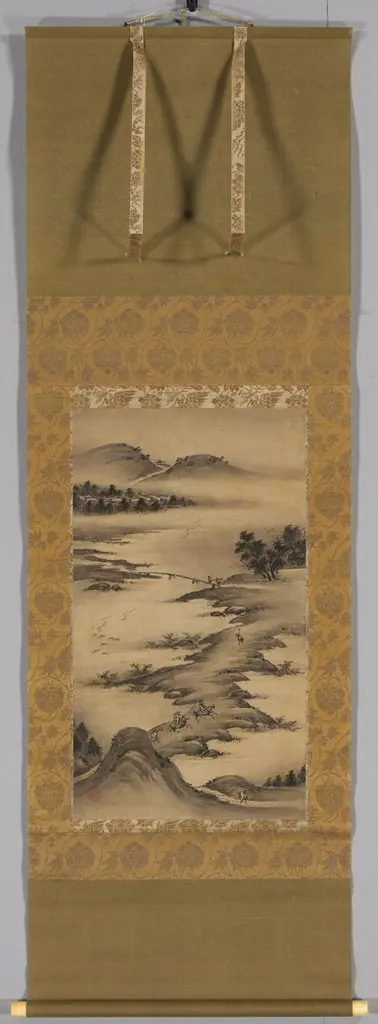
This is one of four scrolls that once showed all four seasons. The artist used a quick, rounded brush, like fast handwriting, to keep the scene light and flowing. It’s not about perfect detail; it’s about feeling the cold air and quiet of winter.
Look up Japan, Muromachi period (1392–1573) to see more art like this.
Overview
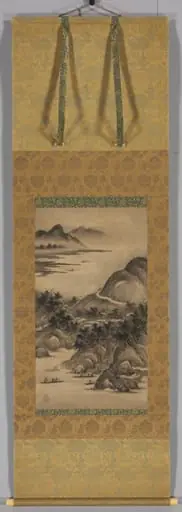
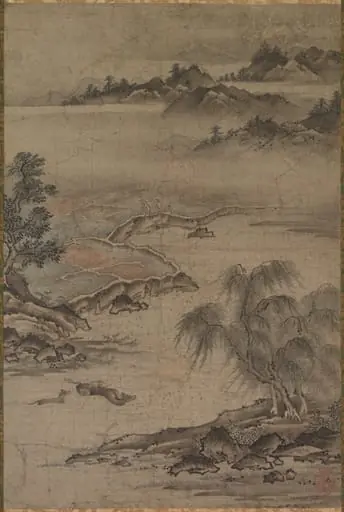
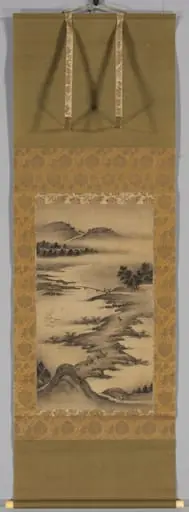
The work is a painted scroll entitled Seasonal Landscapes: Winter, one component of a quartet originally representing the four seasons. Today only three scrolls survive, with the winter scene depicting a stark, snow‑covered landscape. The composition features leafless trees, a frozen watercourse, and a small group of travelers wrapped in robes, conveying the quiet austerity of the cold season.
Subject & Meaning
The imagery focuses on the elemental aspects of winter: barren foliage, ice‑bound streams, and human figures braving the chill. By presenting a minimal, desolate environment, the artist invites contemplation of transience and the subtle beauty found in starkness, themes resonant in Japanese aesthetic thought.
Technique & Style
Executed in the gyō mode, the brushwork employs swift, rounded strokes reminiscent of semi‑cursive calligraphy. This approach favors spontaneity over meticulous detail, allowing the ink to suggest form and atmosphere with a light, flowing hand. The use of gyō aligns the painting with contemporary ink practices that value expressive gesture.
History & Provenance
The scroll belongs to a series created during the Muromachi period (1392–1573), a time when ink painting flourished in Japan. Although originally four panels, only three remain, making the surviving pieces among the most significant extant works by the artist. Their continued preservation reflects their historical and artistic value.
Context
Muromachi‑era ink paintings often drew on Chinese calligraphic conventions, adapting terms such as shin, sō, and gyō to describe brush techniques. This work exemplifies that synthesis, situating itself within a broader tradition of seasonal landscape painting that served both decorative and contemplative functions in aristocratic and monastic settings.
Artist & collection
Artist
Kanō Hideyori (狩野秀頼) was a Japanese painter of the Kanō school in Kyoto. His date of birth and death are unknown, however he was active in the mid-16th century, the beginning of the Momoyama period (1573–1603). Not much…