Artwork
Chilbosan (Seven Jeweled Mountain)
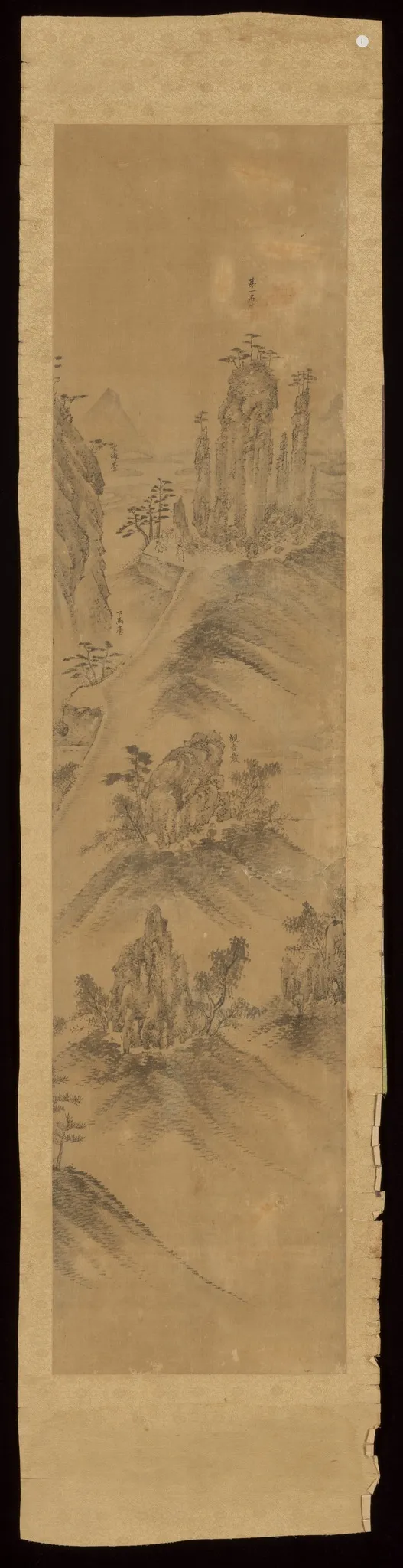
Chilbosan (Seven Jeweled Mountain) is an unspecified painting by the Joseon dynasty painting artist Unknown. It dates from 1849 and is held in the collection of the Metropolitan Museum of Art.
About this work
Overview
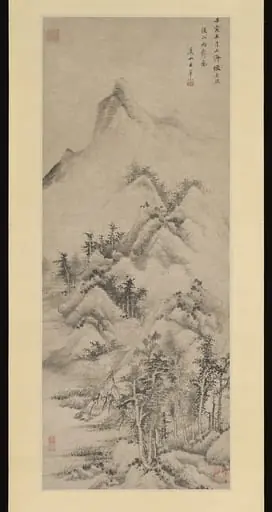
Chilbosan (Seven Jeweled Mountain) is a Korean ink-and-color landscape painting that captures a quiet, elevated terrain.
Chilbosan (Seven Jeweled Mountain) is a Korean ink-and-color landscape painting that captures a quiet, elevated terrain. The composition centers on layered peaks receding into the distance, with a meandering path guiding the viewer’s gaze through dense foliage and weathered rock formations. The palette remains restrained, favoring soft grays, greens, and earth tones to evoke stillness. Brushwork is deliberate but unobtrusive, emphasizing harmony over drama.
Subject & Meaning
The title references a sacred mountain in Korean Buddhist tradition, symbolizing spiritual purity and enduring natural order. The painting does not depict a literal site but rather an idealized vision of mountain sanctity. The absence of human figures reinforces a contemplative atmosphere, inviting reflection rather than narrative.
The path suggests a journey, not physical, but inward, aligned with Daoist and Zen ideals of harmony with nature.
Technique & Style
The artist employs fine, layered brushstrokes to model form and texture, particularly in the rendering of tree bark and rocky surfaces. Subtle gradations of ink create depth through chiaroscuro, without harsh contrasts. Color is applied thinly, allowing the paper’s texture to show through, enhancing the sense of air and atmosphere. The style reflects late Joseon-period literati painting, prioritizing expressive restraint over ornamental detail.
History & Provenance
The painting’s origin is attributed to the late 18th or early 19th century, a period when Korean artists increasingly turned to landscape as a vehicle for philosophical expression. While its exact provenance remains undocumented, its stylistic features align with works produced in scholarly circles outside the royal court. It likely passed through private collections before entering institutional care, though no public records confirm its early ownership.
Context
During the Joseon dynasty, landscape painting flourished among Confucian scholars who valued nature as a mirror of moral order. Unlike Chinese models that emphasized grandeur, Korean artists favored intimate, grounded scenes. Chilbosan reflects this shift, its scale is modest, its mood subdued.
It stands apart from the more theatrical works of court painters, embodying the quiet aesthetic of the literati class.
Legacy
Though not widely known outside Korea, Chilbosan exemplifies the quiet sophistication of late Joseon ink painting. Its influence is seen in later generations of artists who continued to explore landscape as meditative space rather than spectacle. While comparisons to Kim Hong-do are sometimes made, this work differs in tone, less anecdotal, more contemplative, highlighting a distinct strand within Korea’s artistic heritage.
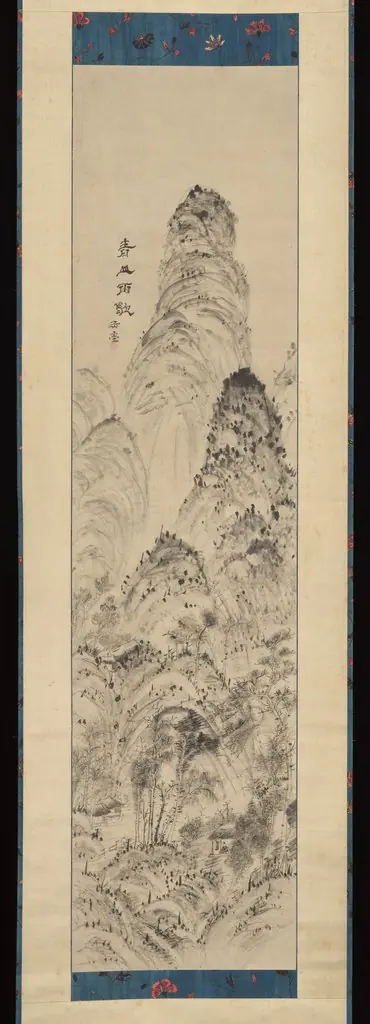
Artist & collection









- Green Mountains as the Rain Ceases
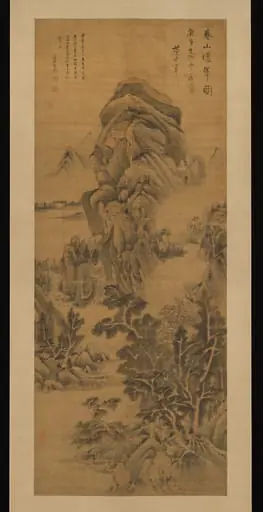 明 董其昌 春山暖翠圖 軸|Spring Mountains over Warm Greenery
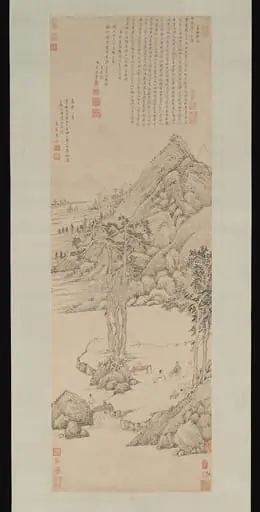 明 文嘉 為項元汴作山水圖 軸|Landscape dedicated to Xiang Yuanbian
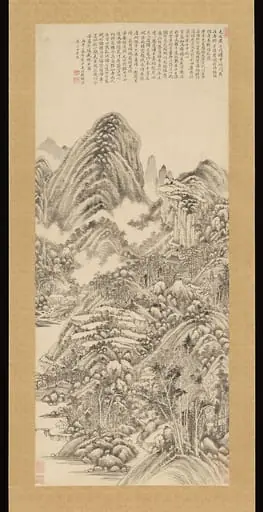 清 王時敏 仿黃公望山水圖 軸 絹本|Landscape in the style of Huang Gongwang
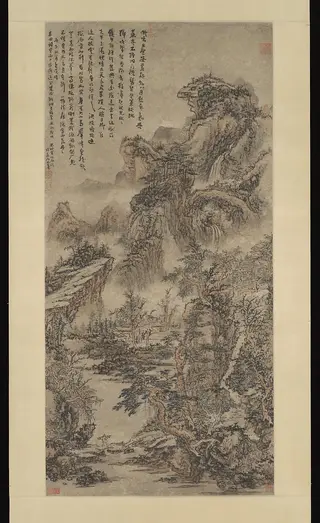 清 倣髡殘 蒸嵐昏巒圖 軸|Wooded Mountains at Dusk
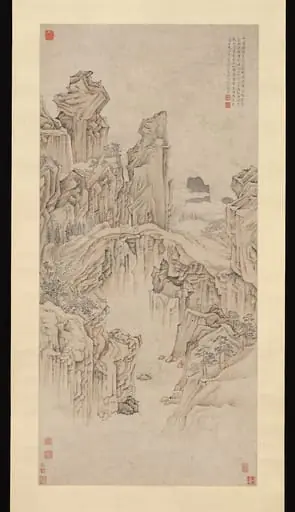 Untitled
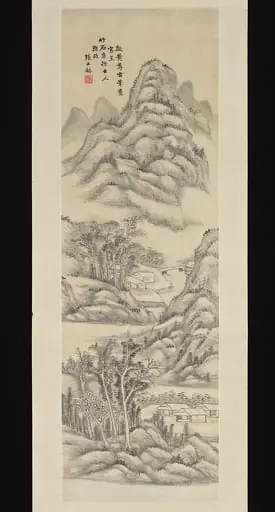 清 張上龢 山水 軸|Landscape
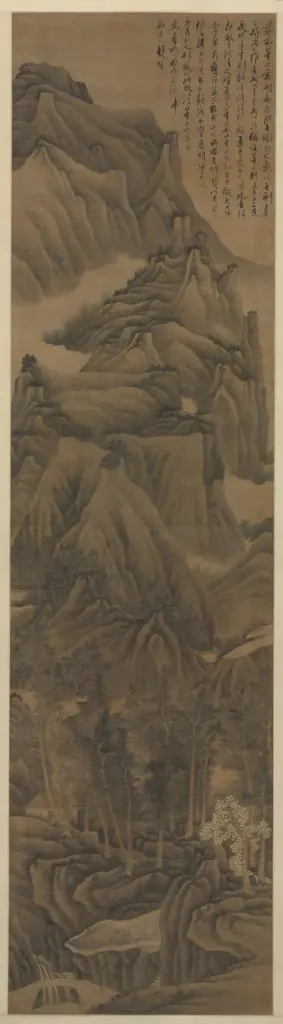 Landscape in the Style of Dong Yuan and Juran
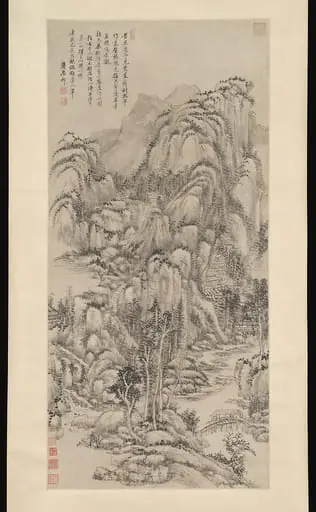 清 王原祁 倣吳鎮山水圖 軸|Landscape after Wu Zhen
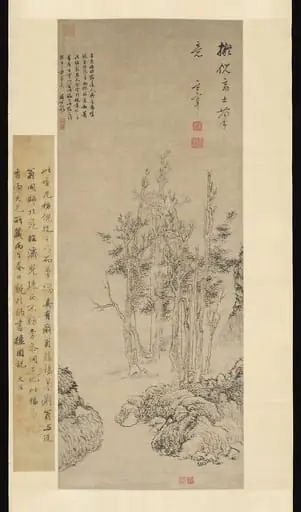 明 董其昌 倣倪瓚山水圖 軸|Landscape with Trees in the Manner of Ni Zan (1301–1374)
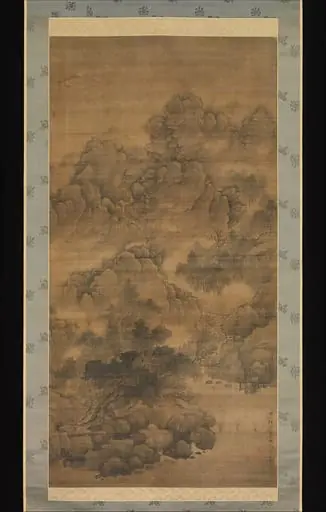 清 法若真 雲山圖軸|Cloudy Mountains
 清 王翬 溪山雨霽圖 軸|Clearing after Rain over Streams and Mountains