Artwork
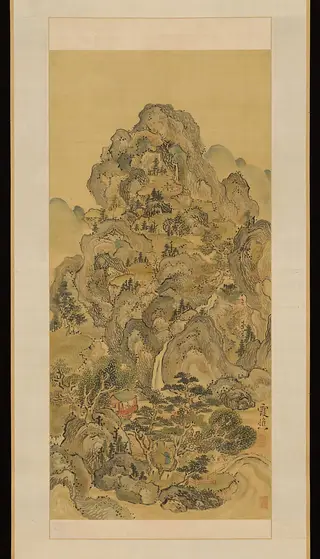
Autumn Landscape 秋景山水 図 (Shūkei sansui zu)
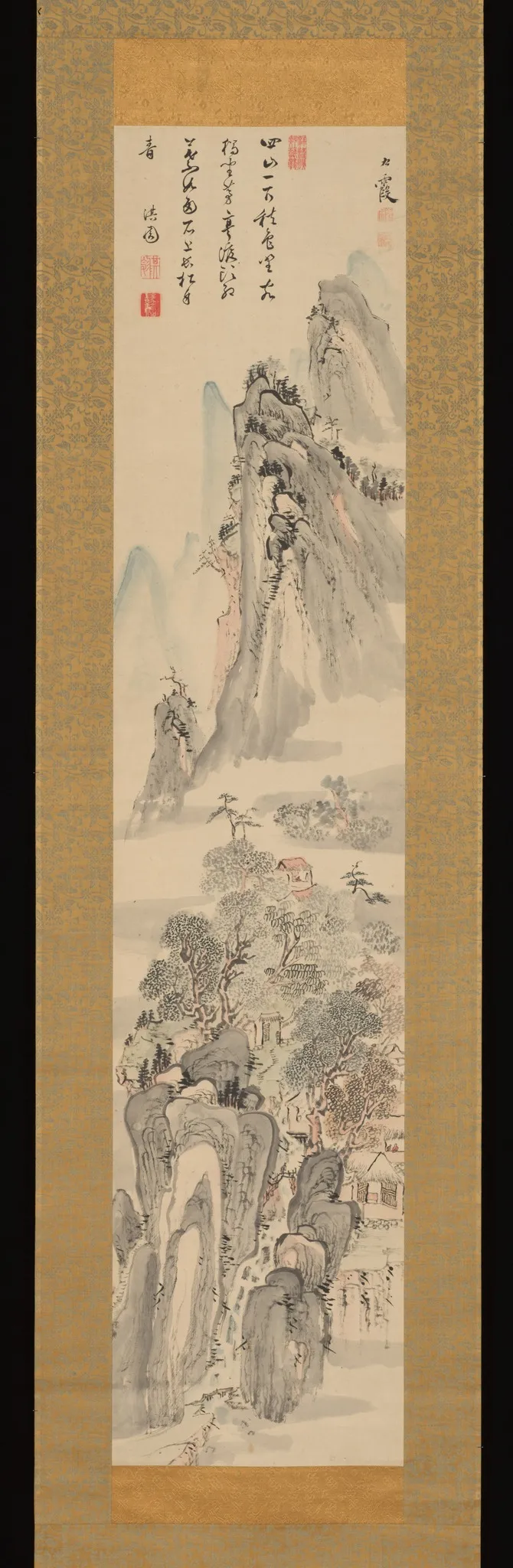
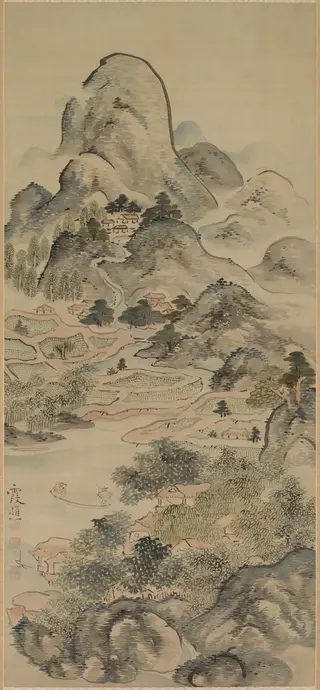
Autumn Landscape 秋景山水 図 (Shūkei sansui zu) is an unspecified painting by the Nanga artist Ike Taiga. It dates from 1759 and is held in the collection of the Metropolitan Museum of Art.
About this work
History & Provenance
The work has not been recorded in major traveling exhibitions or loan records, according to available documentation from the Metropolitan Museum of Art.
The painting Autumn Landscape 秋景山水 図 (Shūkei sansui zu) by Ike no Taiga is part of the Metropolitan Museum of Art's collection, listed under inventory number 1981.165. It was acquired by the museum in 1981 and has been displayed in the Asian Art galleries as part of the museum's permanent collection exhibitions.
The work has not been recorded in major traveling exhibitions or loan records, according to available documentation from the Metropolitan Museum of Art.
Context
The painting Autumn Landscape 秋景山水 図 (Shūkei sansui zu) by Ike no Taiga exemplifies his integration of Chinese-inspired landscape traditions within the broader Edo-period artistic milieu, reflecting scholarly recognition of his role in synthesizing Southern School aesthetics with Japanese sensibilities. Its reception underscores its significance within the artist's oeuvre and the evolving discourse on East Asian painting traditions.
Overview
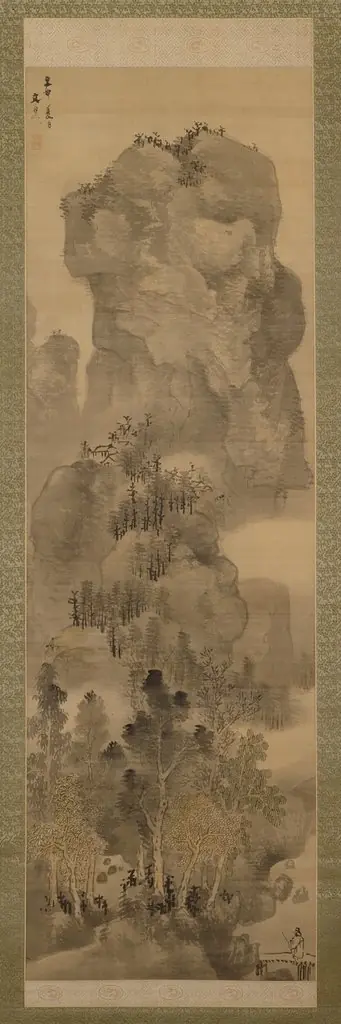
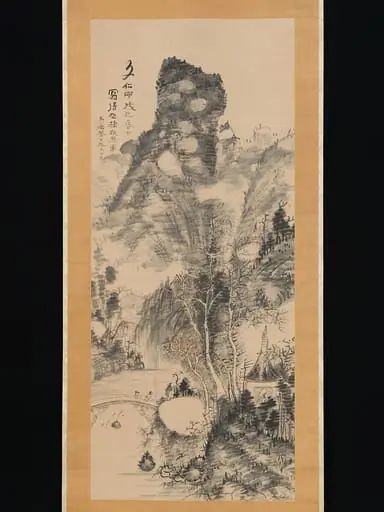
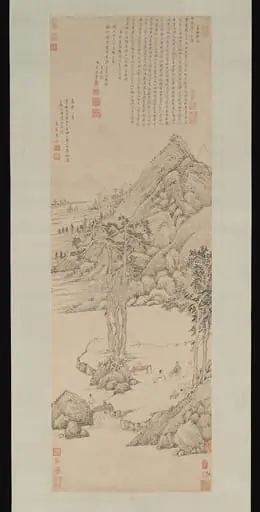
Created circa 1759 by the Kyoto-born painter and calligrapher Ike no Taiga, this vertical composition depicts an autumnal mountain scene rendered in the bunjinga, or nanga, tradition. The work is part of the Metropolitan Museum of Art’s collection and exemplifies the literati-inspired approach that Japanese artists of the Edo period adopted from Chinese models.
Subject & Meaning
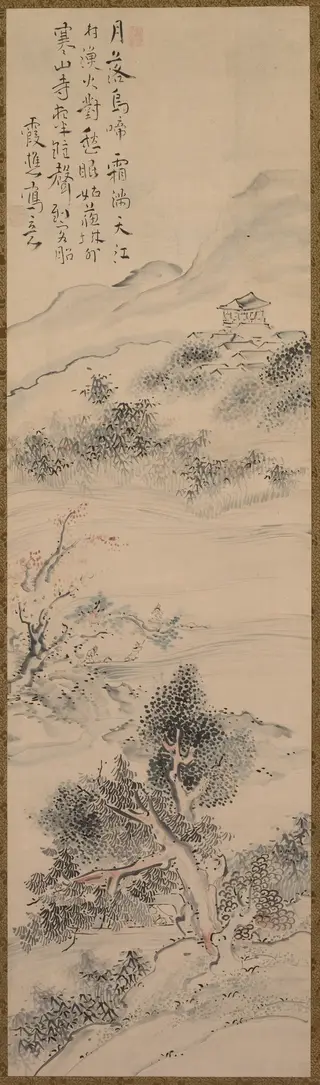
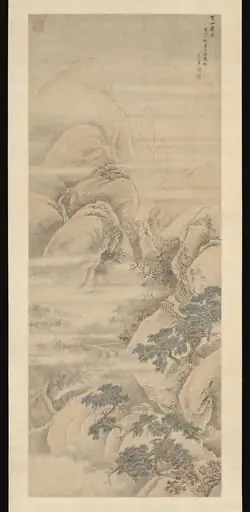
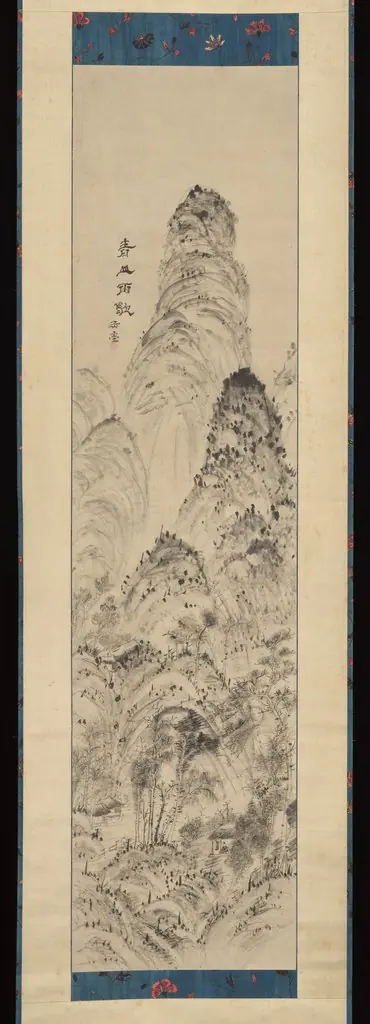
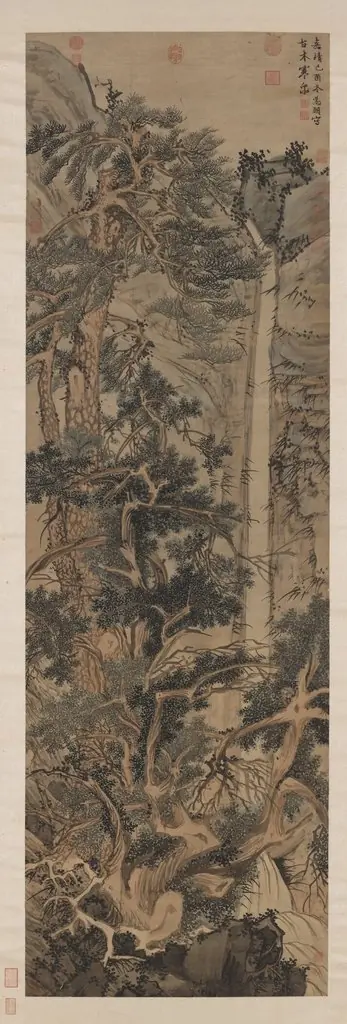
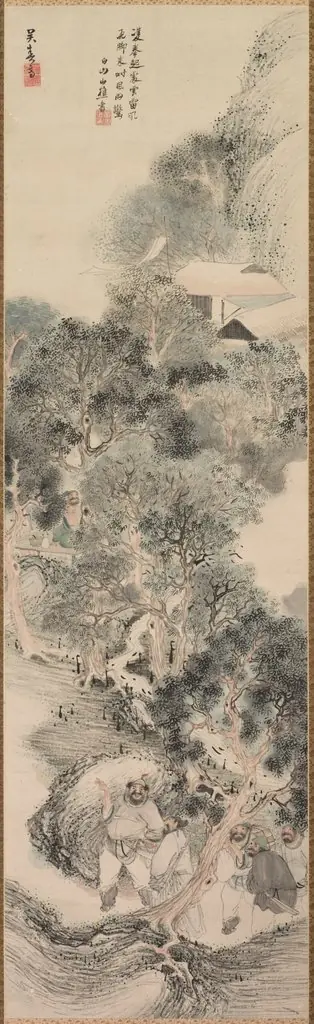
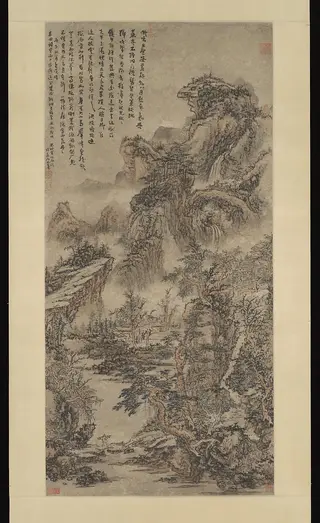
The painting presents a slender vista of craggy peaks, scattered trees, and a modest village nestled among the hills. A waterfall descends the left side of the mountain, while a muted sky occupies the upper space. The overall atmosphere is one of quiet contemplation, inviting the viewer to linger in a serene, almost poetic landscape.
Technique & Style
Taiga employs a restrained palette of soft grays, muted greens, and a touch of blue, allowing the composition to breathe. Brushwork is loose and swift, suggesting a rapid, sketch‑like execution that captures the essence rather than detailed realism. The calligraphic inscription in red and black at the top adds a literary dimension typical of the bunjinga aesthetic.
Artist & collection