Artwork
Seasonal Landscapes: Summer
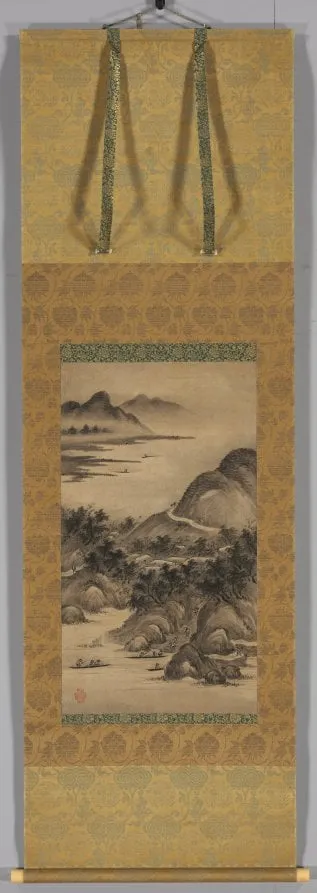
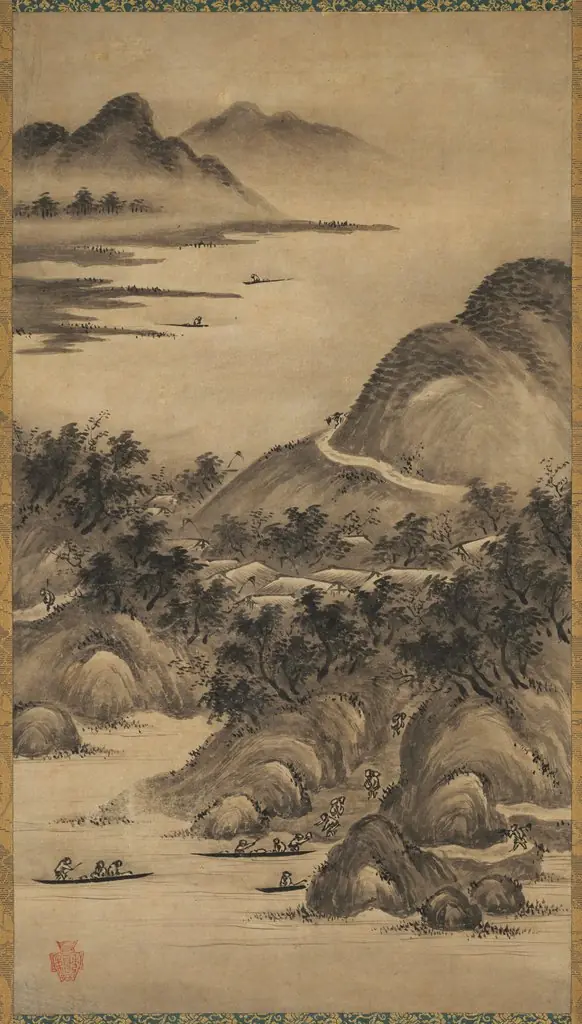
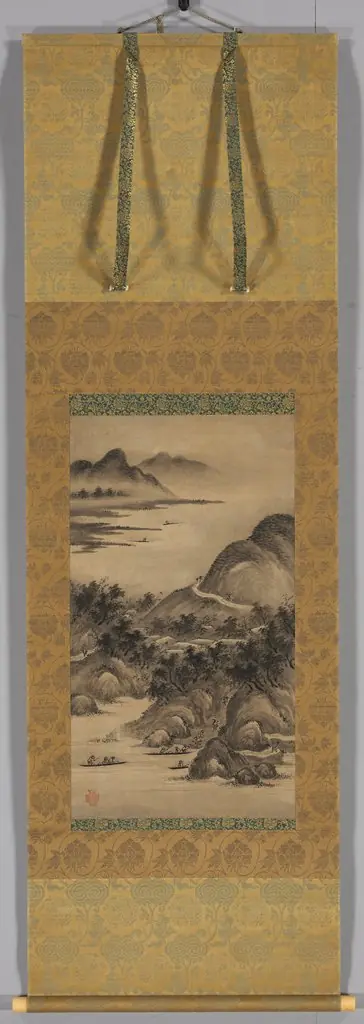
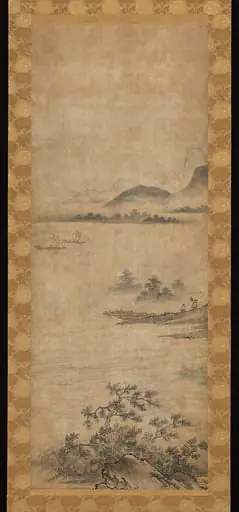
Seasonal Landscapes: Summer is an unspecified painting by the Renaissance artist Kano Hideyori. It dates from 1504 and is held in the collection of the Cleveland Museum of Art.
- Accession no.
- 1988.13.1
- Credit line
- Leonard C. Hanna Jr. Fund
About this work
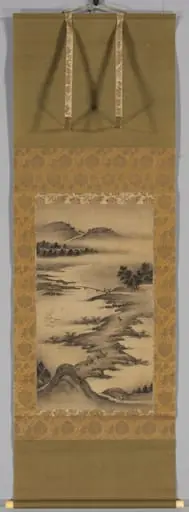
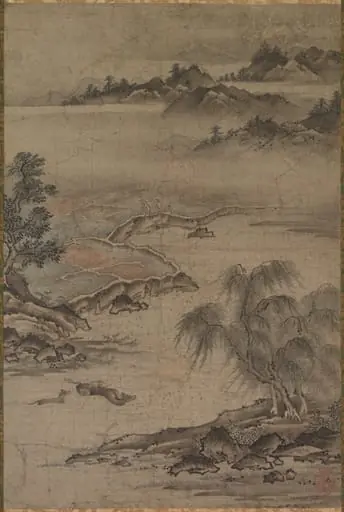
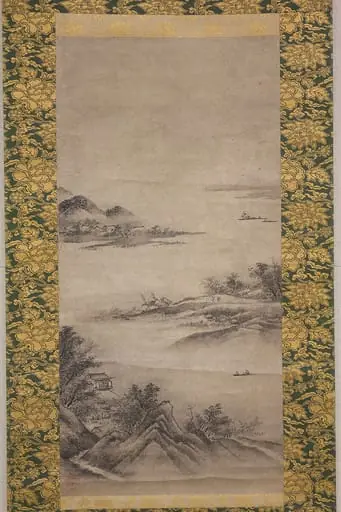
You see a tall scroll of ink on paper: a single tree, bamboo, and a few rocks under a pale summer sky.
The brushwork is loose and quick, called gyō mode, like handwriting that barely slows down. Artists used three speeds: formal, cursive, and this in-between. It’s the same idea as calligraphy, but with landscapes.
If you like this, look up japan, muromachi period (1392–1573).
Overview
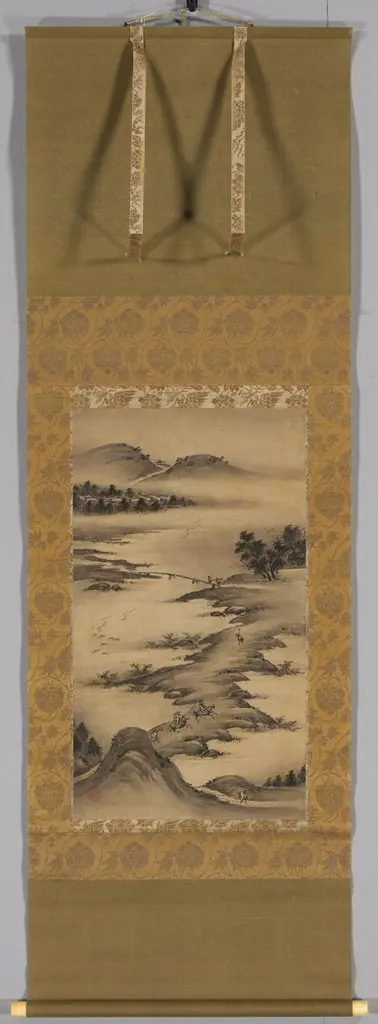
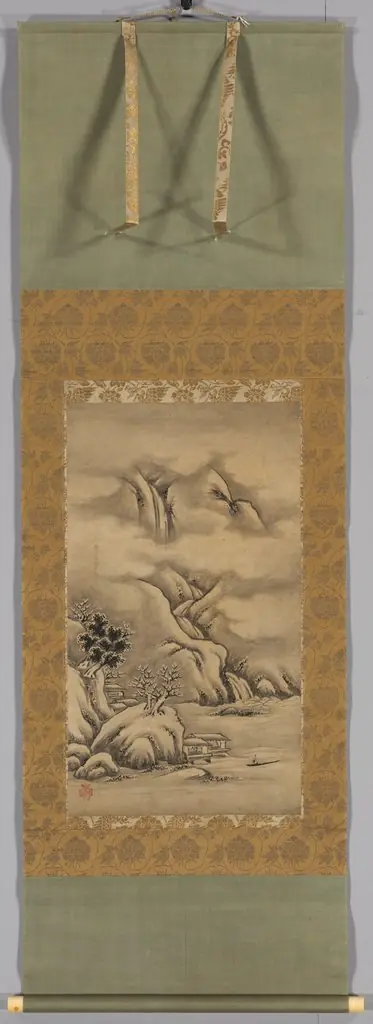
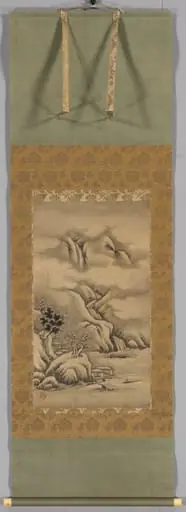
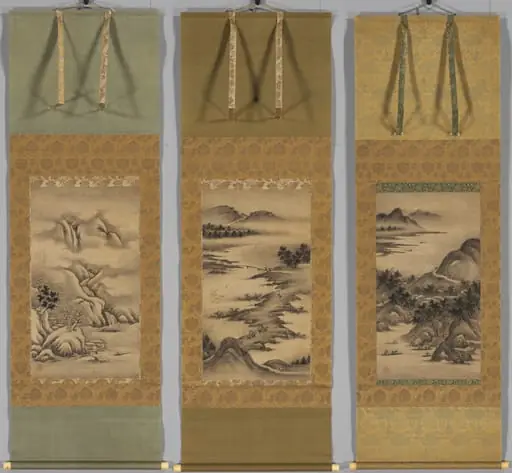
Seasonal Landscapes: Summer is one of three surviving scrolls from an originally four-part set depicting the seasons, constituting a seminal work among the artist's extant oeuvre.
Subject & Meaning
The scroll portrays a serene summer landscape featuring a solitary tree, bamboo, and rocks set against a pale sky, evoking a sense of tranquil natural beauty.
Technique & Style
Executed in the gyō mode, the painting showcases loose, quick brushstrokes with rounded motions, characteristic of this semicursive style borrowed from calligraphy terminology.
History & Provenance
Originally part of a four-scroll set, the work now exists as three scrolls, with its creation dating back to the Muromachi period (1392–1573), a significant era for Japanese art.
Context
The piece reflects the artistic influences of its time, notably the adaptation of calligraphic brushwork styles (shin, sō, gyō) into ink landscape painting, a hallmark of the period's aesthetic.
Legacy
As a key surviving work by the artist, Seasonal Landscapes: Summer contributes significantly to the understanding and appreciation of Muromachi period art, particularly in its demonstration of gyō brushwork in landscape painting.
Artist & collection
Artist
Kanō Hideyori (狩野秀頼) was a Japanese painter of the Kanō school in Kyoto. His date of birth and death are unknown, however he was active in the mid-16th century, the beginning of the Momoyama period (1573–1603). Not much…