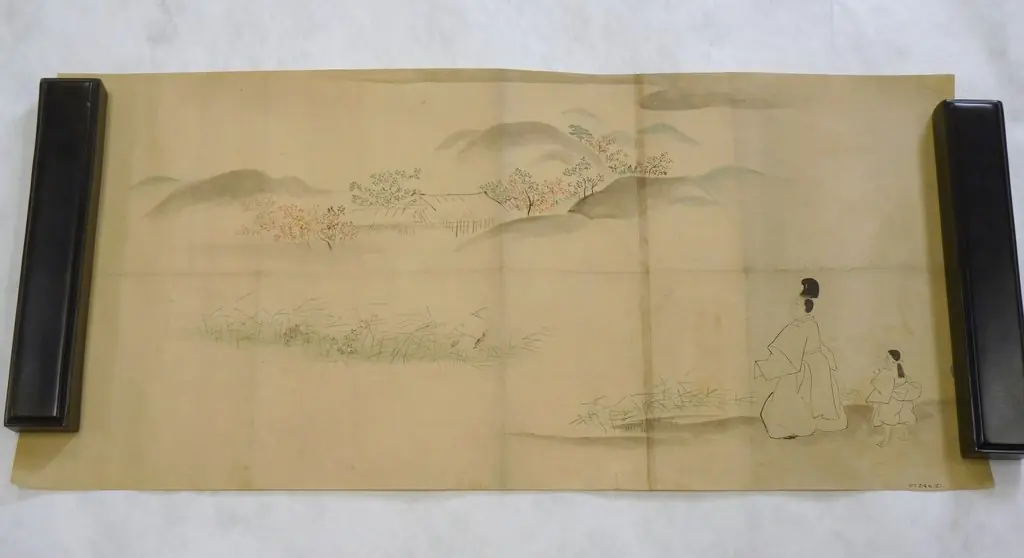
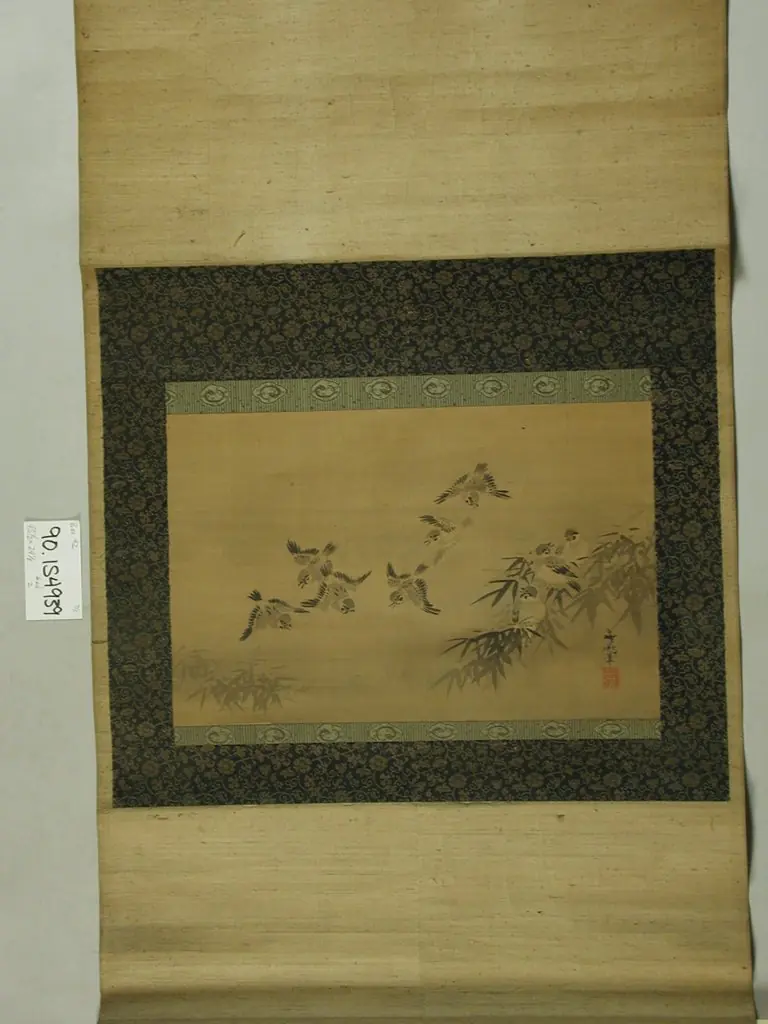
Artwork
Untitled
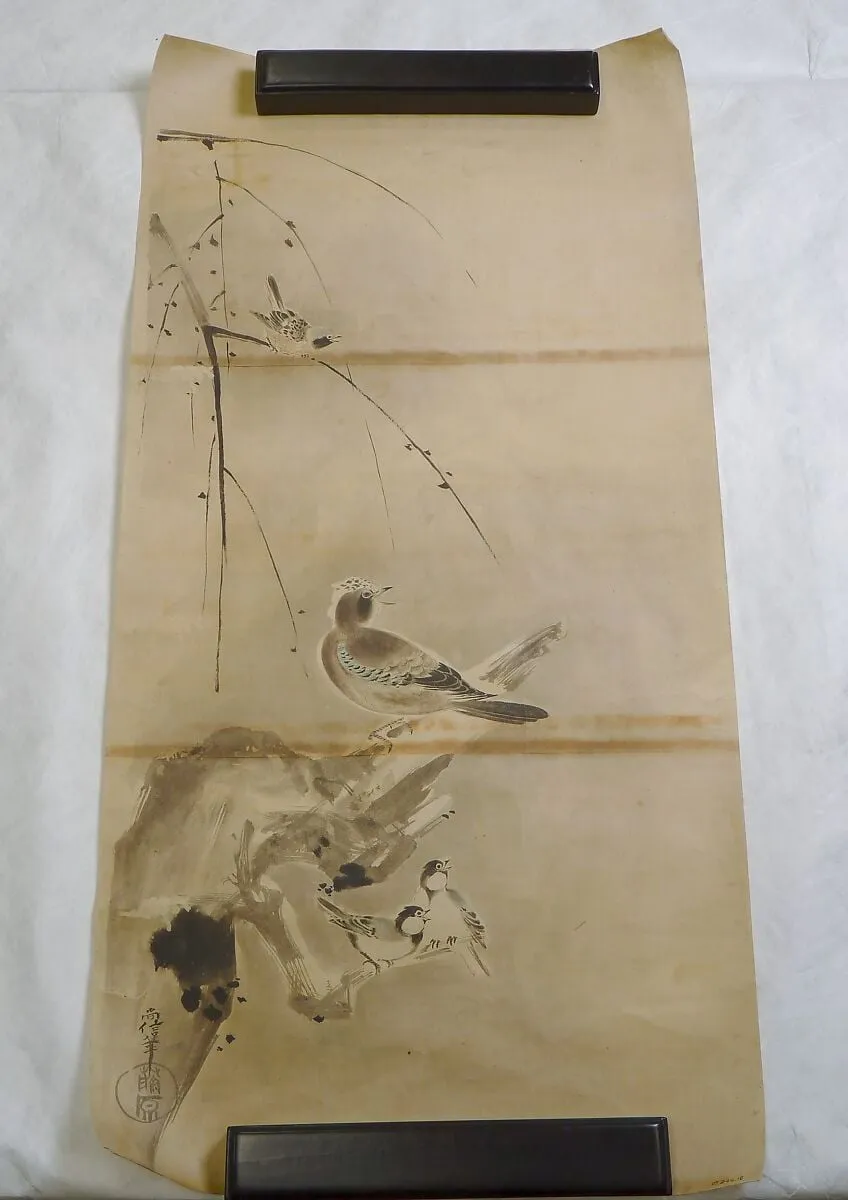
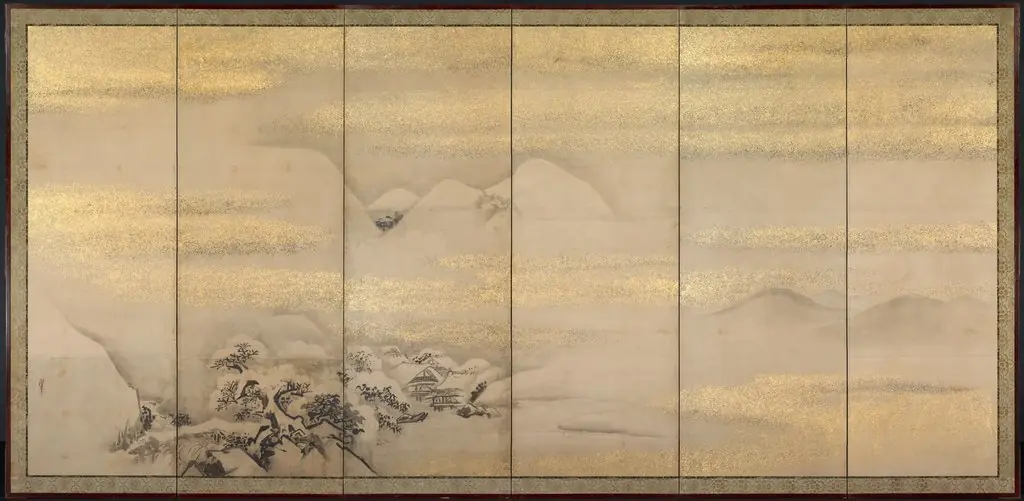
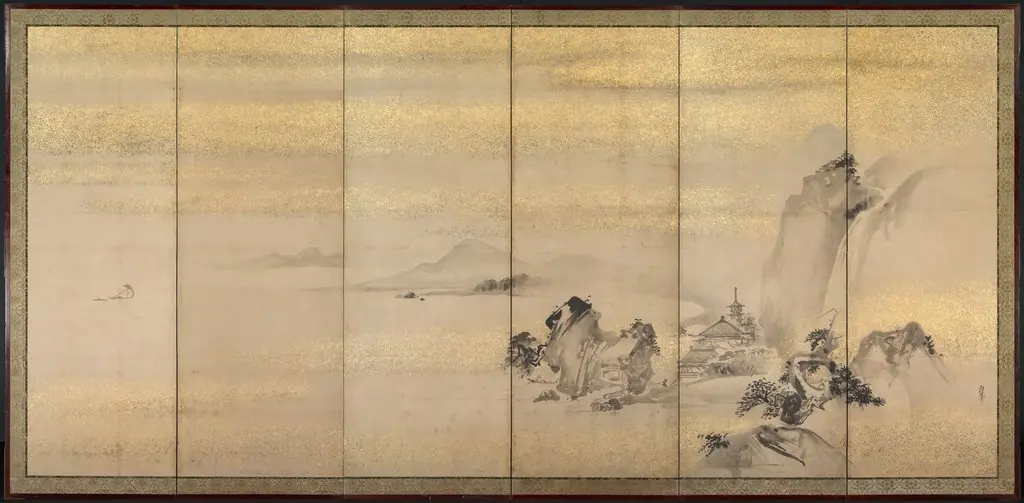
Untitled is an unspecified painting by the Kanō school artist Kano Naonobu. It is held in the collection of the Metropolitan Museum of Art.
- Accession no.
- 07.246.16
- Credit line
- Gift of John Achelis, 1907
About this work
Overview
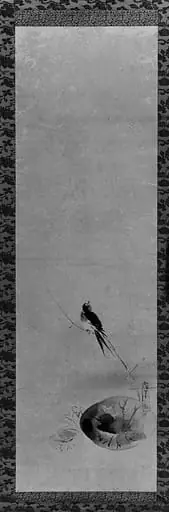
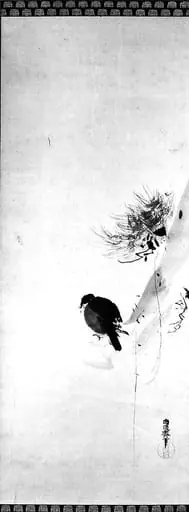
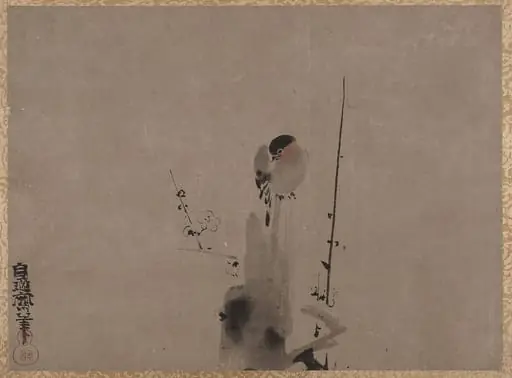
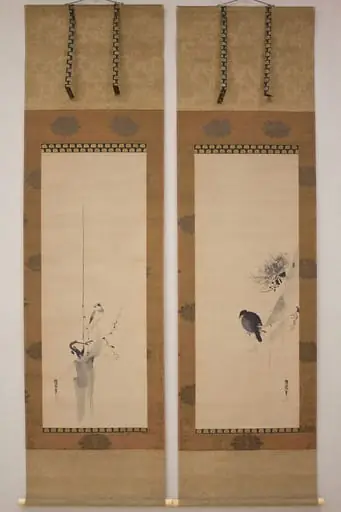
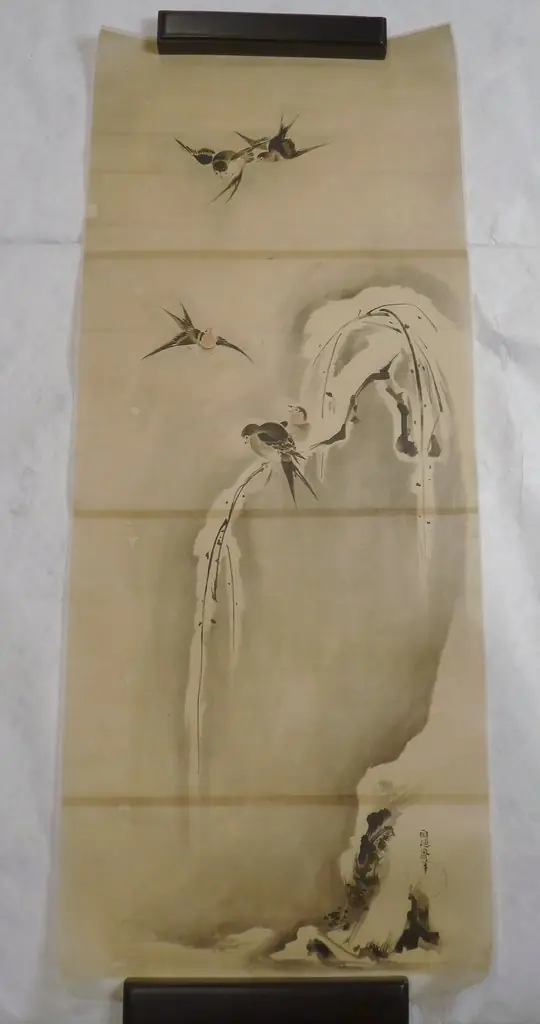
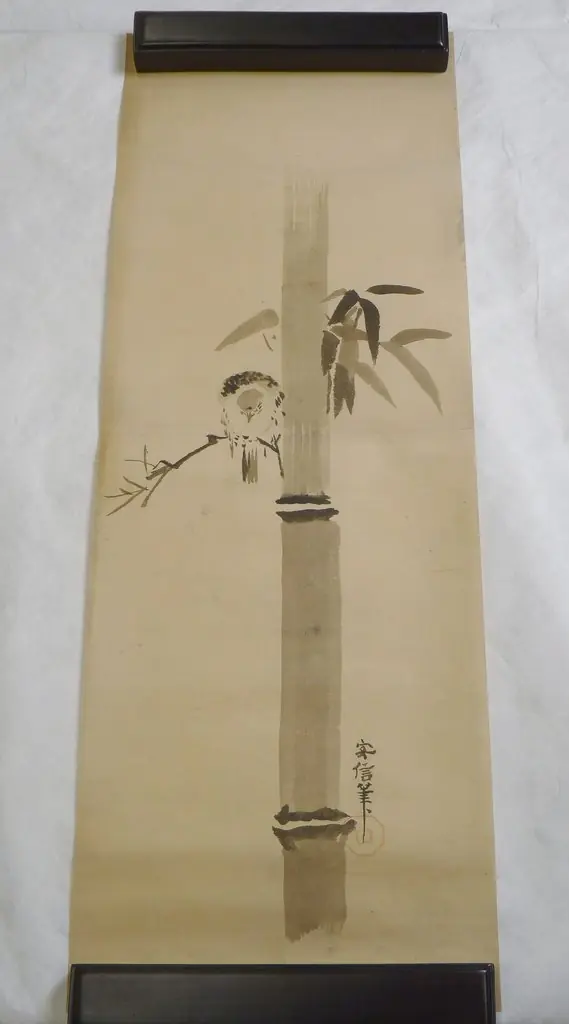
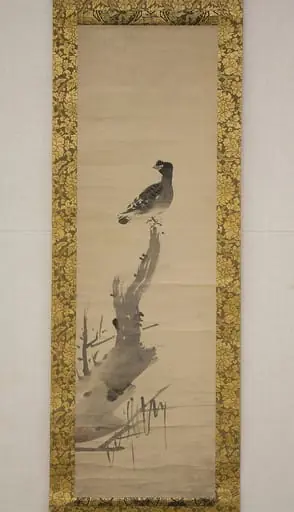
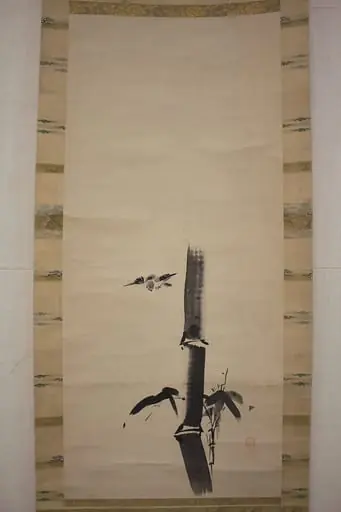
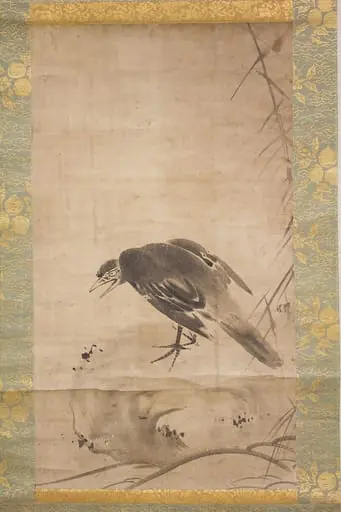
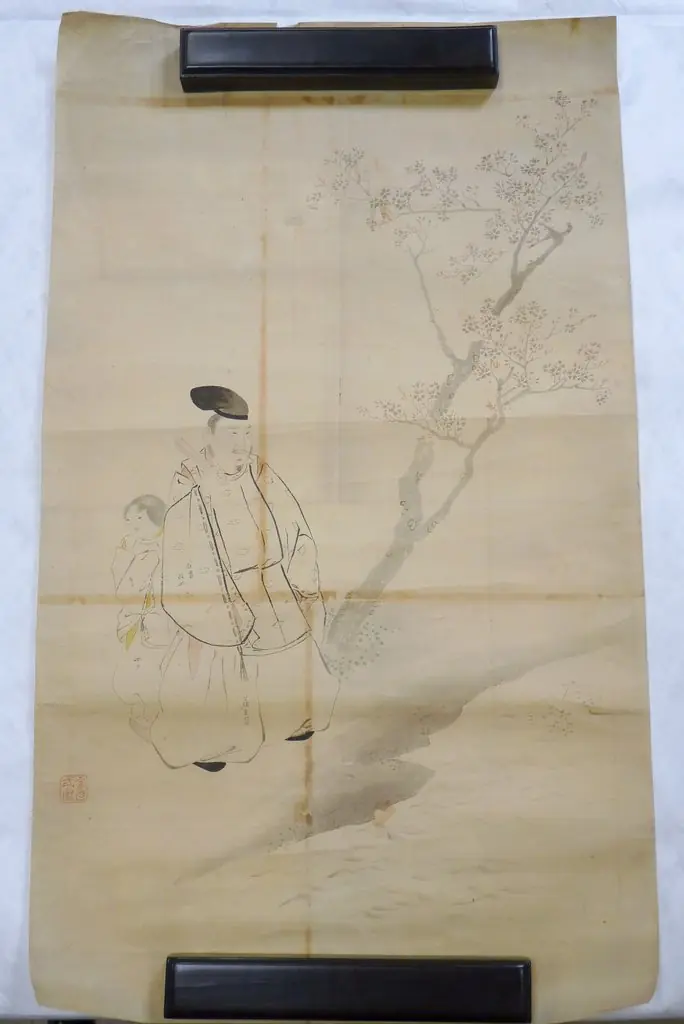
Created in 1816 by Kano Naonobu, this ink-on-paper work is a quiet landscape study that emphasizes motion and spatial economy. Though unsigned and untitled, it exemplifies Naonobu’s personal interpretation of the Kanō school’s traditions. The composition reduces natural elements to essential forms, using minimal ink and deliberate voids to suggest depth and atmosphere without literal detail.
Subject & Meaning
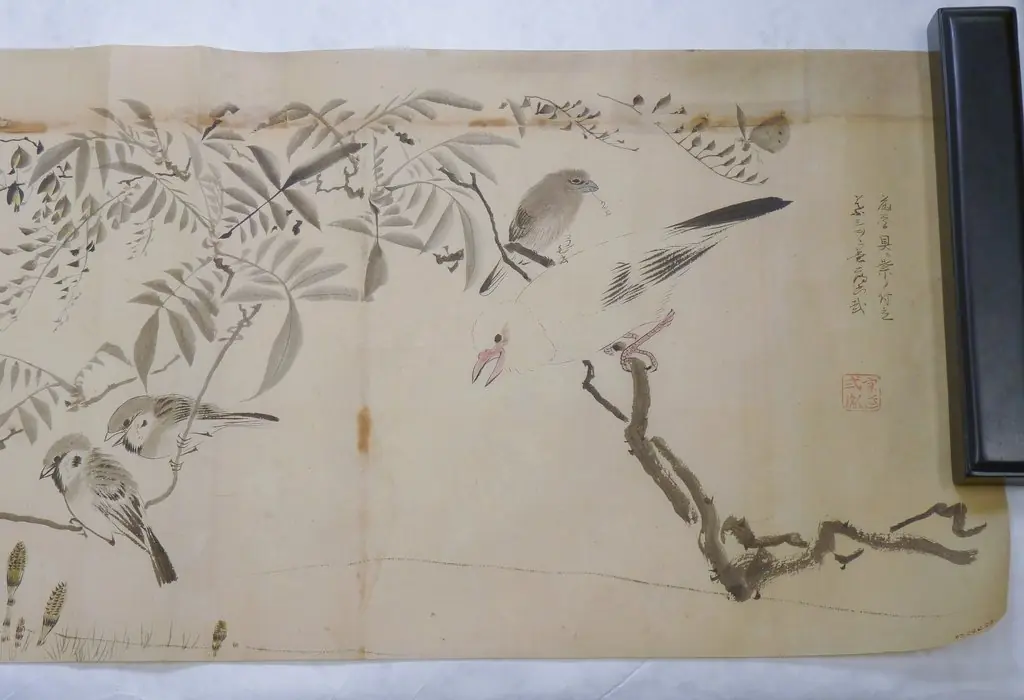
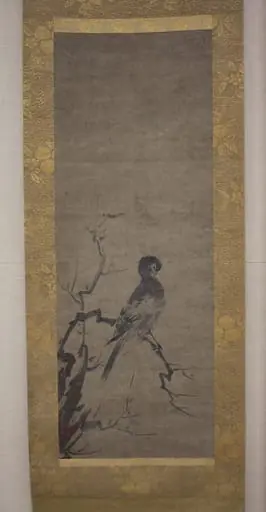
The scene depicts three birds in flight, one perched on a curved branch, the other two in downward arcs below. The posture of the central bird, gazing downward, introduces a moment of stillness amid movement. This interplay may reflect a contemplative view of nature, common in Edo-period ink painting, where animals serve as subtle metaphors for transience and harmony within the natural order.
Technique & Style
Naonobu employed rapid, fluid brushwork and controlled ink washes to capture the birds’ motion. Wingtips blur with diluted ink, while the branch is rendered with a single, sinuous line. Negative space dominates the background, enhancing the sense of air and flight.
His technique diverges from his brother Tan’yū’s more polished style, favoring spontaneity and expressive economy over ornate detail.
History & Provenance
This work originates from the early Edo period, a time when the Kanō school dominated official artistic commissions for the Tokugawa shogunate.
This work originates from the early Edo period, a time when the Kanō school dominated official artistic commissions for the Tokugawa shogunate. Naonobu, known by the art name Jitekisai, participated in these large-scale projects but also produced intimate works like this one. Its survival suggests it was kept within private or familial collections, distinct from the grander state commissions he helped produce.
Context
During the early 19th century, the Kanō school maintained its influence despite rising interest in more personal, literati-inspired styles. Naonobu’s work represents a quiet resistance to formalism, retaining traditional ink techniques while infusing them with a sense of immediacy. This piece aligns with a broader trend among Kanō artists to explore lyrical, observational subjects outside official patronage.
Legacy
Naonobu’s approach influenced later generations of ink painters who valued expressive brevity over decorative precision. Though less celebrated than his brother, his focus on movement, space, and emotional restraint contributed to the evolution of Japanese ink painting beyond rigid school conventions. This work remains a quiet testament to his individual voice within a dominant artistic lineage.
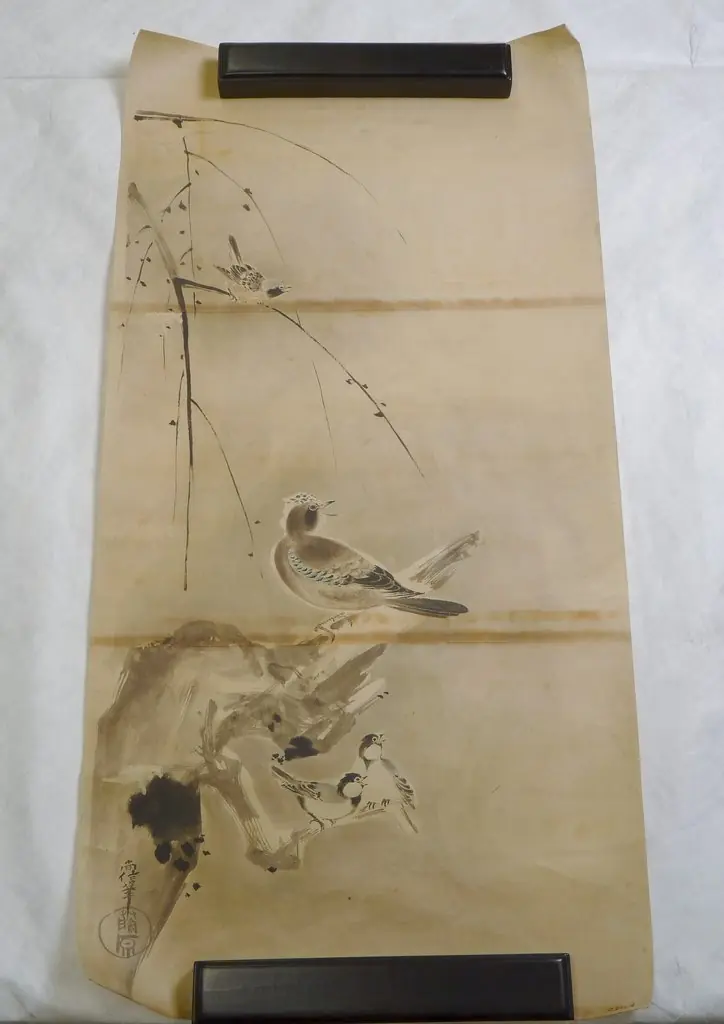
Artist & collection
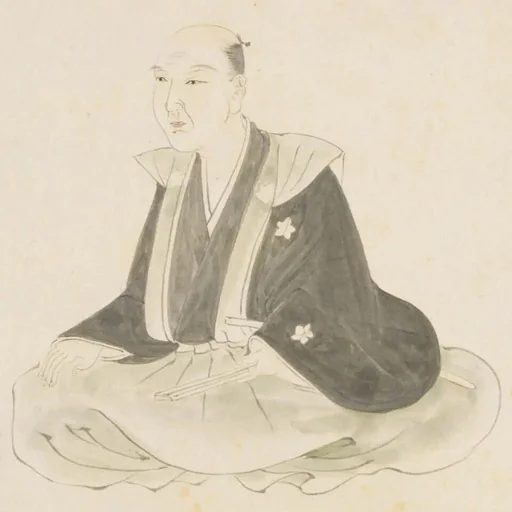
Artist
Kanō Naonobu (狩野 尚信, 25 November 1607 – 7 May 1650) was a Japanese painter of the Kanō school of painting during the early Edo period.