Artwork
Japanese Drawing
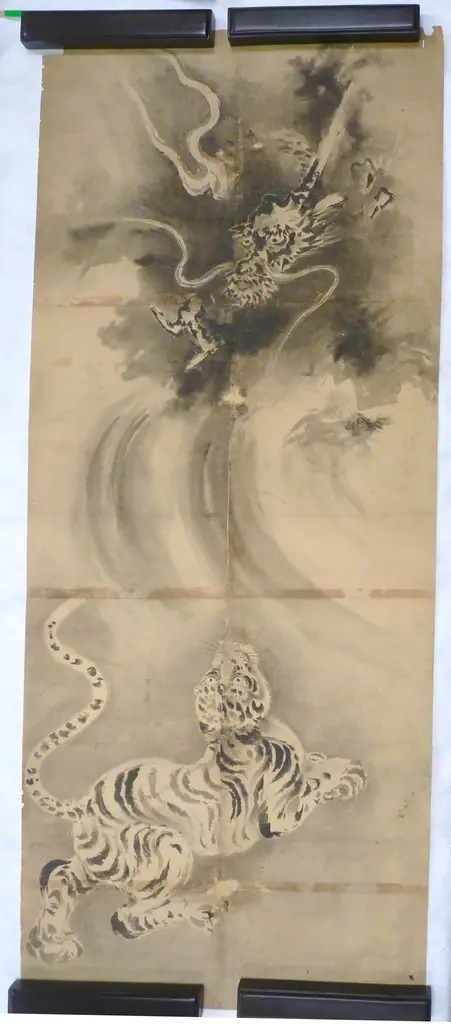
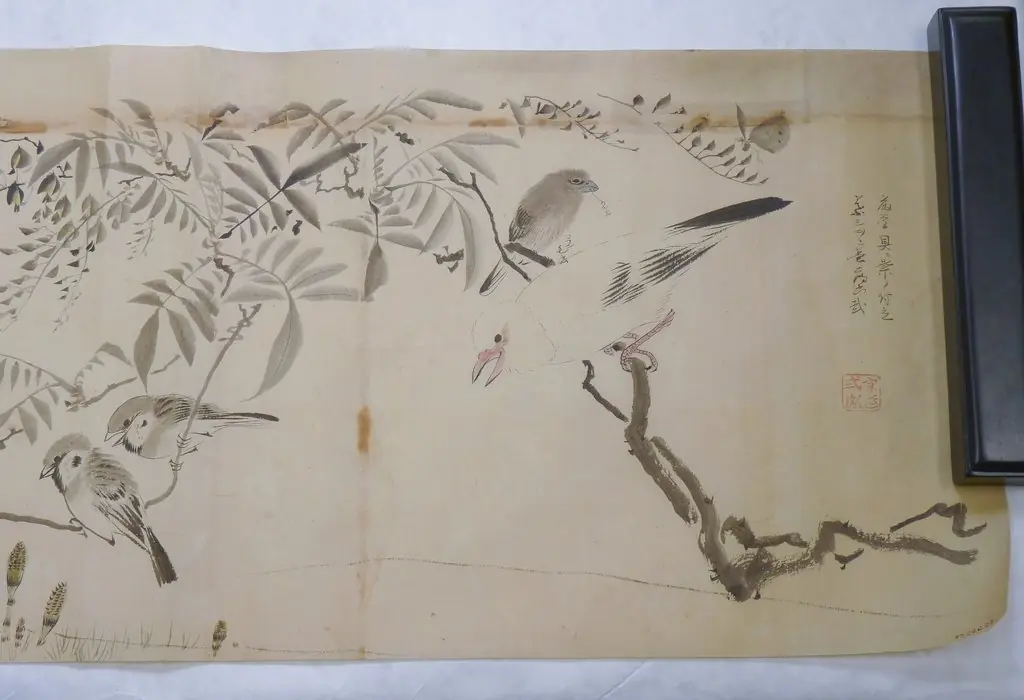
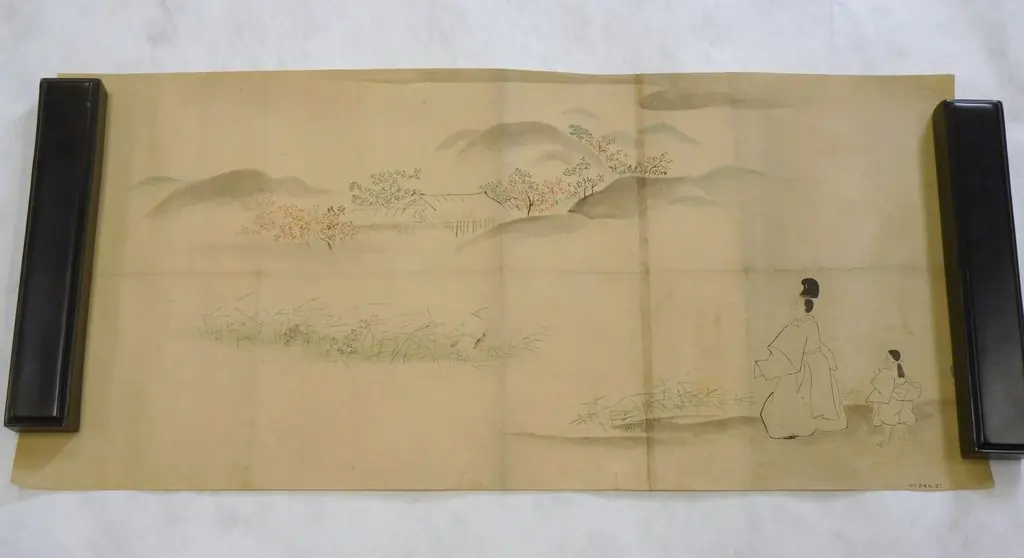
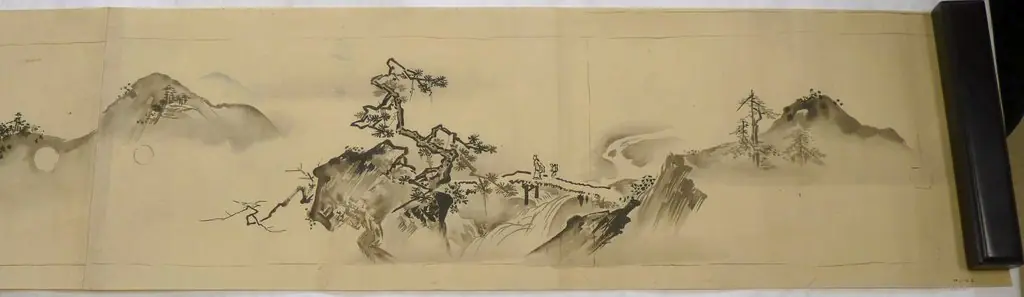
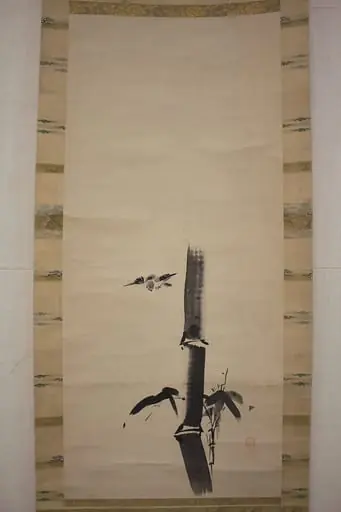
Japanese Drawing is an unspecified painting. It dates from 1816 and is held in the collection of the Metropolitan Museum of Art. The work presents a slender, elongated tree rendered with swift, expressive brushwork, set against an almost barren backdrop.
About this work
Technique & Style
The work is a painting executed in Japan in 1816, comprising a Japanese drawing that is part of the Metropolitan Museum of Art's collection. It is attributed to an anonymous painter and belongs to the broader category of Japanese drawing as documented in the museum's records.
History & Provenance
The provided sources confirm its location and inventory details but do not list specific exhibitions where the drawing has been displayed.
Japanese Drawing is a painting dated to 1816, made in Japan. It is held in the collection of the Metropolitan Museum of Art, where it is catalogued as MET 07.246.1 and attributed to an anonymous painter. The accession number 07.246.1 indicates that the work entered the museum's holdings in 1907, though the specific circumstances of its acquisition, prior ownership, or commission are not documented in the available sources.
The work titled Japanese Drawing is held in the collection of the Metropolitan Museum of Art. It is identified within the museum's records by the accession number 07.246.1. Created in 1816, the piece is attributed to an anonymous painter from Japan.
The provided sources confirm its location and inventory details but do not list specific exhibitions where the drawing has been displayed.
Legacy
The drawing's legacy is anchored by its inclusion in the Metropolitan Museum of Art's collection, where it is catalogued as a painting by an anonymous Japanese artist created in 1816. Its presence in a major Western institution has contributed to renewed scholarly attention on early Japanese draftsmanship, influencing interpretations of anonymous drawing practices in the 19th century.
Overview
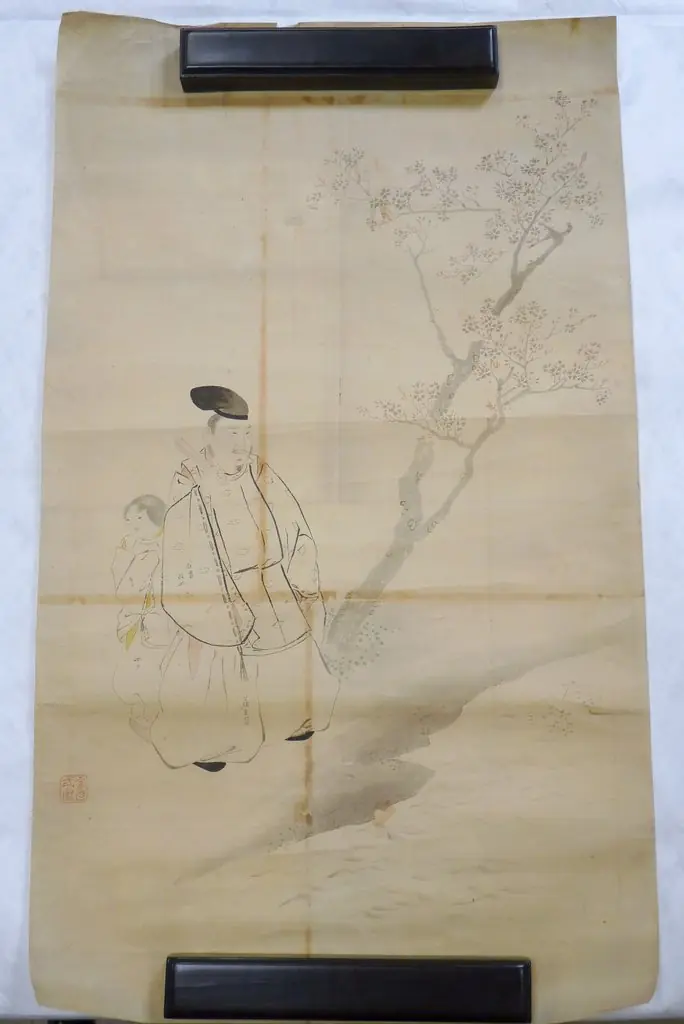
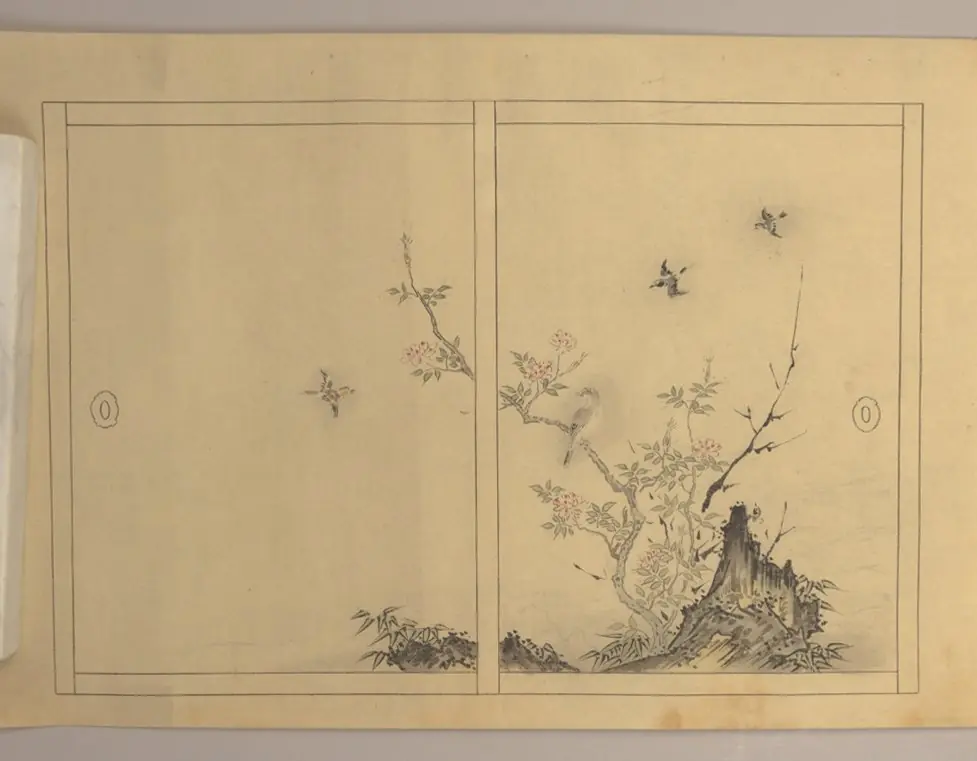
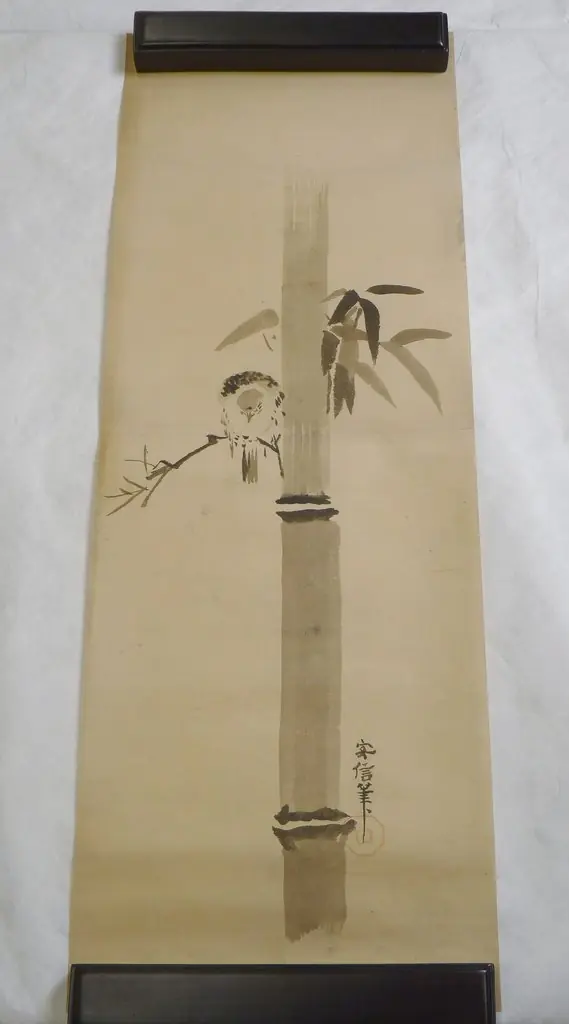
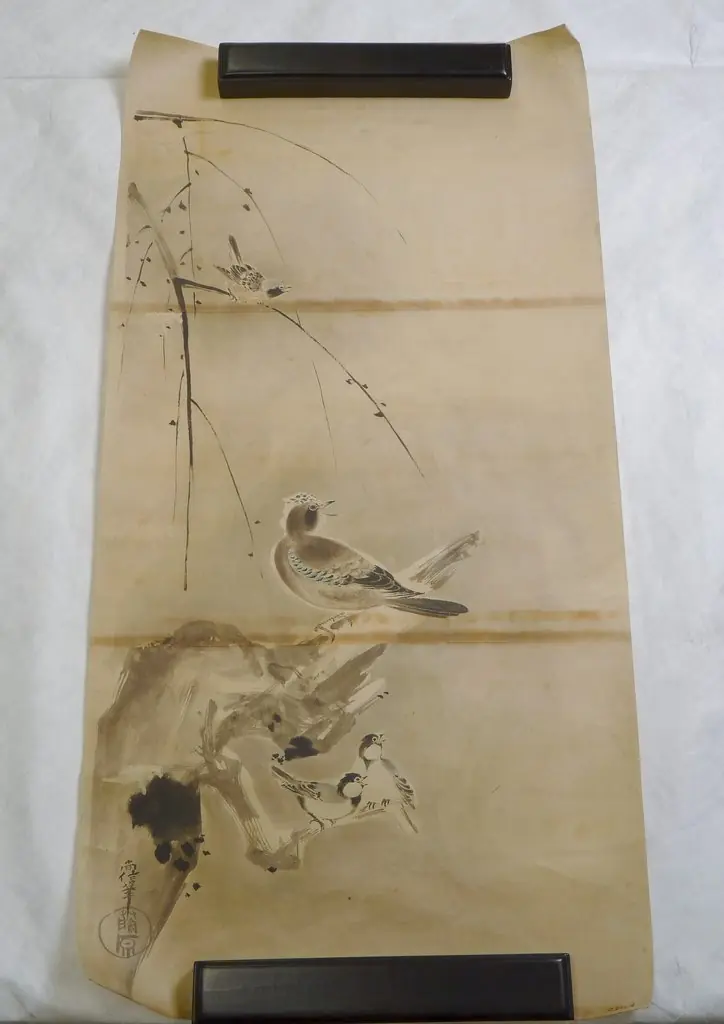
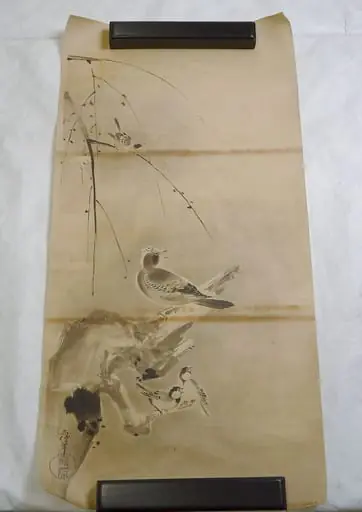
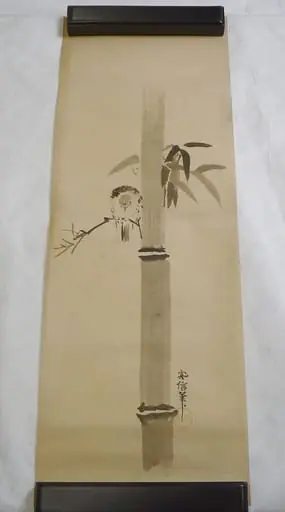
The work presents a slender, elongated tree rendered with swift, expressive brushwork, set against an almost barren backdrop. A cluster of birds is depicted in various stages of flight, some hovering close to the branches, while the lower edge hints at a distant hill or cloud. The composition relies heavily on the contrast between the dark ink forms and the expansive white of the paper.
Subject & Meaning
The central motif of a lone tree surrounded by airborne birds evokes themes of solitude and transience, common in East Asian visual poetry. The birds, captured in fleeting motion, suggest a momentary disturbance of stillness, inviting contemplation of nature’s impermanence and the subtle interplay between the grounded and the soaring.
Context
This piece aligns with the Japanese ink painting tradition (sumi-e), where economy of line and the use of negative space are prized. Such works often serve as visual haiku, distilling a scene to its essential elements. The emphasis on natural subjects and the meditative quality of the brushwork reflect aesthetic principles prevalent in the Edo period’s literati circles.
Artist & collection