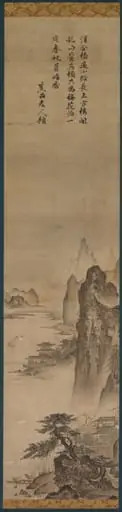
Artwork
雪中山水図|Winter Landscape
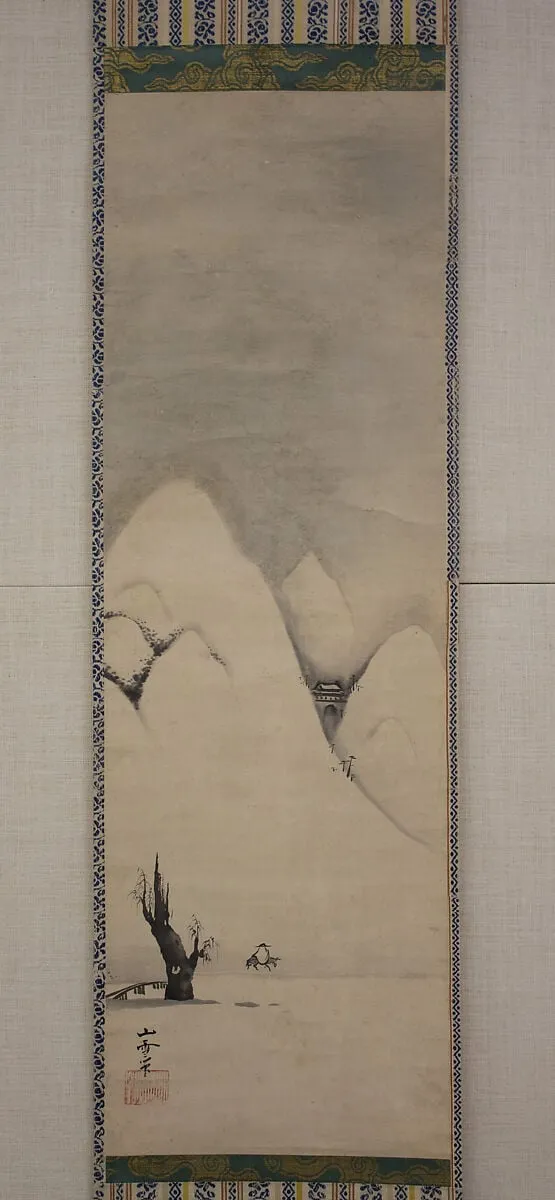
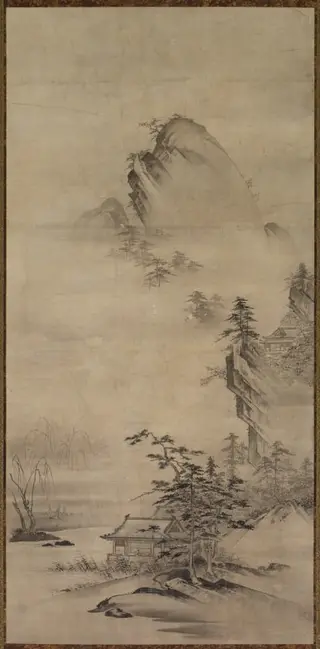
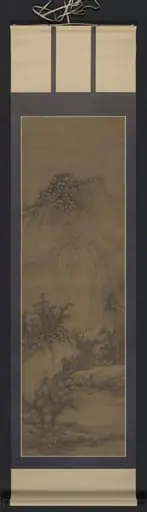
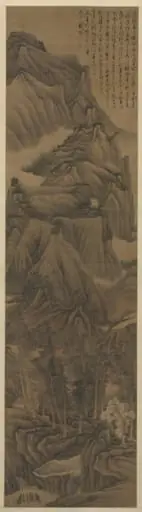
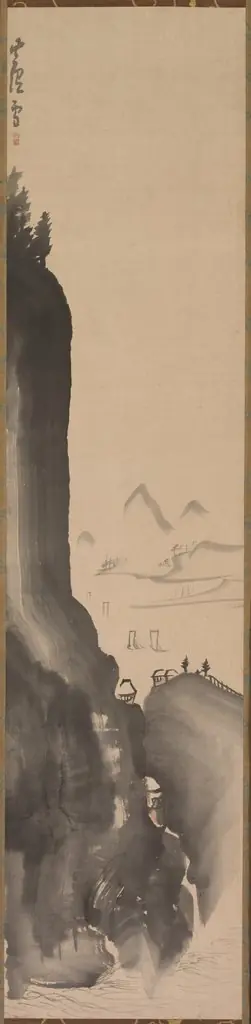
雪中山水図|Winter Landscape is an ink painting by the Baroque artist Kanō Sansetsu. It dates from 1633 and is held in the collection of the Metropolitan Museum of Art. "Winter Landscape" (Yuki-chū Sansui-zu) is an ink painting on a hanging scroll, depicting a stark winter scene.
About this work
Subject & Meaning
The composition centers on snow-covered mountains, establishing a serene yet austere atmosphere characteristic of the artist's landscape genre.
Created in 1633 by Kano Sansetsu, Winter Landscape is a hanging scroll executed in ink on paper that depicts a stark winter scene. The composition centers on snow-covered mountains, establishing a serene yet austere atmosphere characteristic of the artist's landscape genre. While the work presents a naturalistic view of the season, the depiction of snow and mountains within the Japanese ink painting tradition often evokes themes of permanence, isolation, and the quiet endurance of nature against the elements.
The visual focus remains strictly on the mountainous terrain blanketed in snow, capturing the specific conditions of the winter season without additional narrative figures or explicit symbolic objects mentioned in the available records.
Technique & Style
Executed in 1633 by Kanō Sansetsu, this work is a hanging scroll rendered in ink on paper. The composition depicts a winter landscape featuring snow-covered mountains, adhering to the landscape genre. Physically, the scroll measures 74 centimeters in height and 23.8 centimeters in width.
The application of ink on paper serves as the primary medium for conveying the atmospheric qualities of the snowy scene. While specific details regarding the artist's brush handling techniques or the current physical condition of the support are not explicitly detailed in the available records, the work is identified as a painting created in Japan and is currently held in the collection of the Metropolitan Museum of Art.
History & Provenance
Created in 1633 by the Japanese artist Kanō Sansetsu, Winter Landscape is an ink-on-paper hanging scroll depicting a snow-covered mountain scene. The work was produced in Japan during the early Edo period. While specific details regarding its original commission or intermediate ownership history are not provided in the available records, the painting is currently held in the collection of the Metropolitan Museum of Art in New York, where it remains part of their permanent holdings.
The work is held by the Metropolitan Museum of Art, New York, where it is catalogued as an ink-on-paper hanging scroll. Its accession record identifies the painting as Winter Landscape, a 1633 composition by Kano Sansetsu. The scroll has been exhibited at the museum as part of its permanent collection displays, though specific exhibition histories before 2020 are not detailed in the cited sources.
Legacy
Kano Sansetsu’s 雪中山水図|Winter Landscape, created in 1633, is a hanging scroll painted in ink on paper that portrays a snow‑covered mountain and winter scene. The work is categorized as a landscape painting and is held by the Metropolitan Museum of Art, where its display has elevated its status as a representative example of early Japanese monochrome landscapes. Scholars and curators frequently cite the piece when discussing the development of seasonal motifs in Edo art, and its inclusion in a major museum collection has reinforced its reputation as a key work within the genre.
Overview
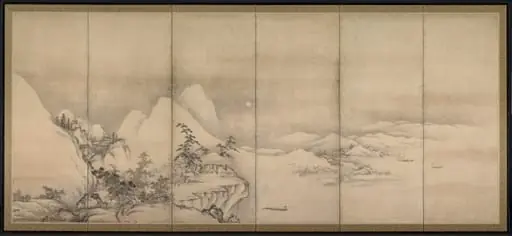
"Winter Landscape" (Yuki-chū Sansui-zu) is an ink painting on a hanging scroll, depicting a stark winter scene. Rendered exclusively with black ink on paper, the artwork presents a landscape dominated by snow-dusted, jagged mountains, bare trees, and a frozen river. The composition evokes a sense of profound stillness and the quiet austerity characteristic of the season.
Context
This work was created during a period when Japanese painters frequently drew inspiration from and emulated Chinese artistic traditions, particularly in landscape painting. Artists often adapted established Chinese compositional structures and brush techniques. Sansetsu’s work, while engaging with these influences, also demonstrates an evolving sensibility within Japanese ink painting.
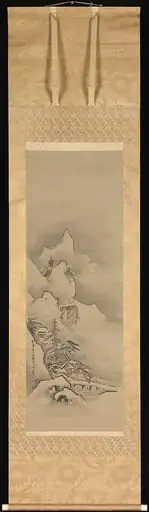
Artist & collection

Artist
Kanō Sansetsu (狩野 山雪; 1589–1651) was a Japanese painter also known as Kanō Heishiro. He was born in Hizen Province, Kyūshū, and died in Kyoto.