Artwork
The Four Accomplishments
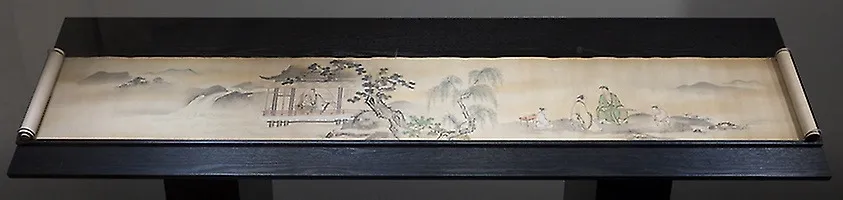
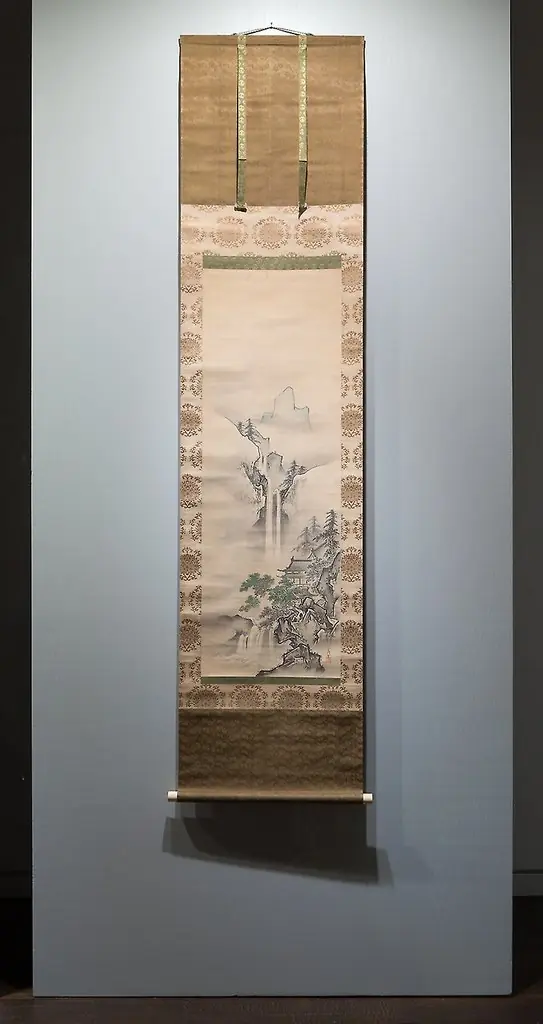
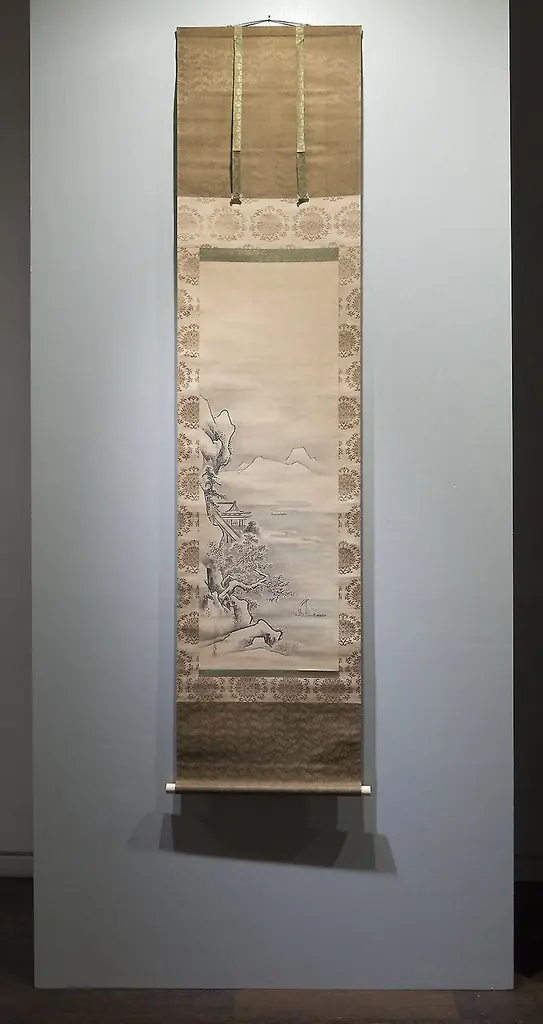
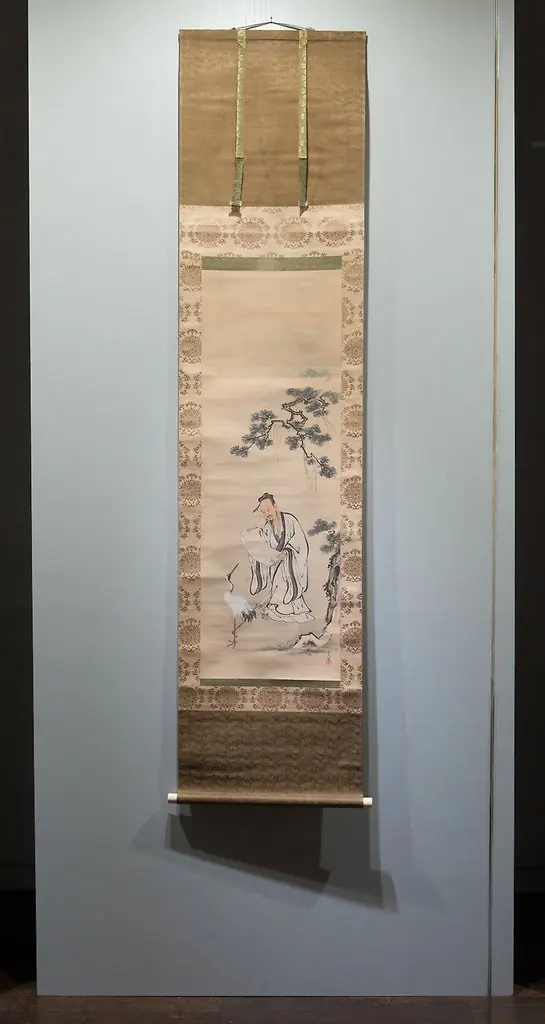
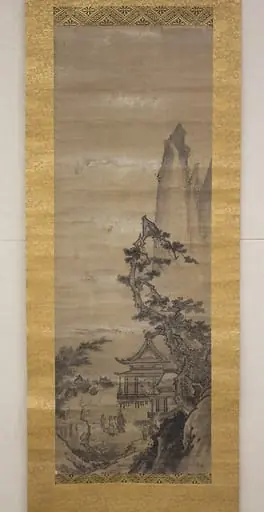
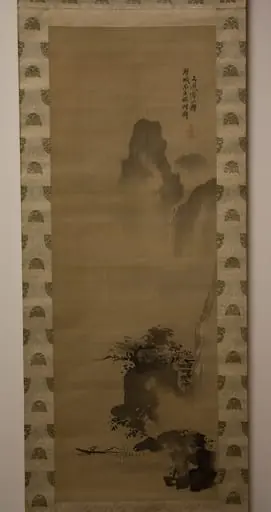
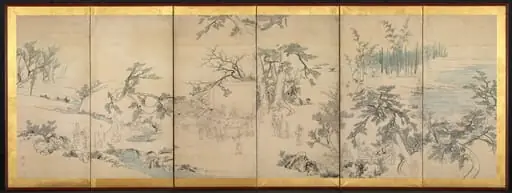
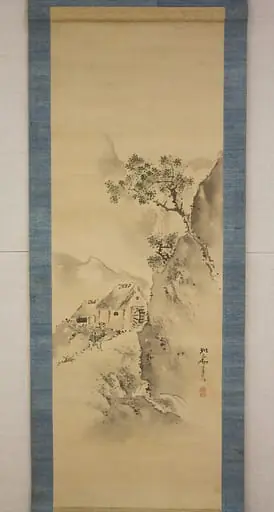
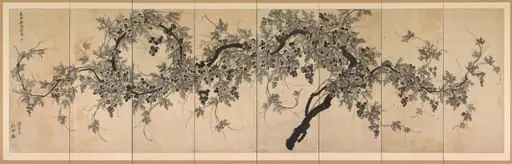
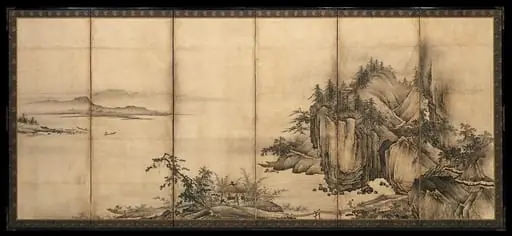
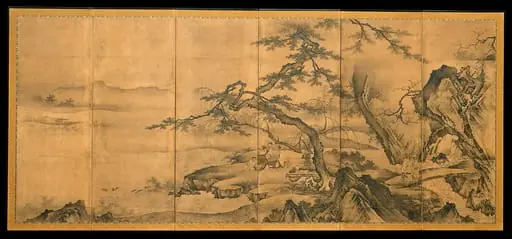
The Four Accomplishments is an ink painting by the Kanō school artist Kano Shigenobu. It dates from 1700 and is held in the collection of the Art Institute of Chicago.
About this work
Overview
Its vertical format invites contemplative viewing, characteristic of Japanese scroll paintings meant for intimate, sequential engagement.
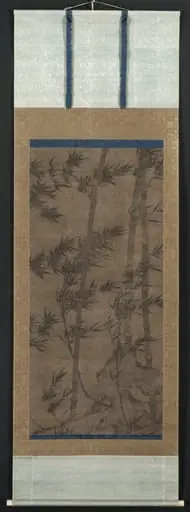
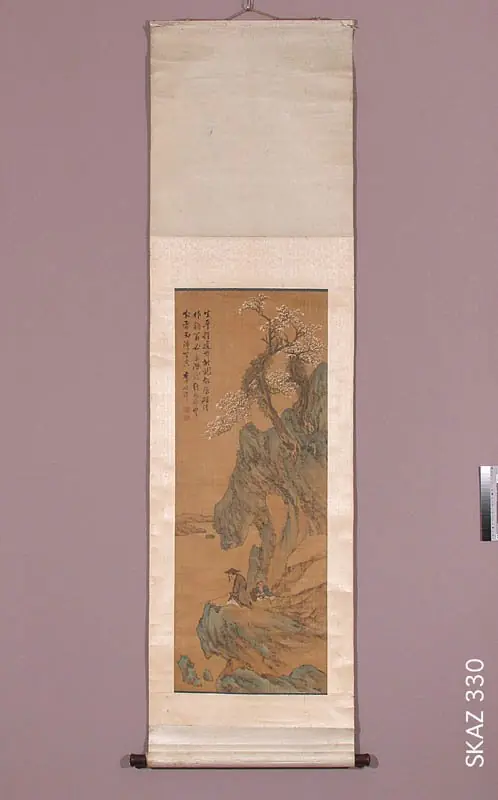
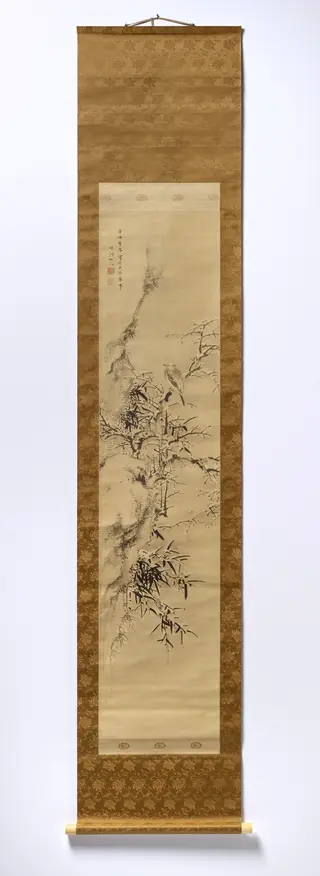
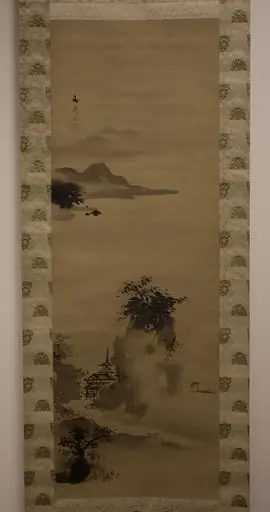
Created around 1700 by Kano Shigenobu, this ink painting on scroll depicts the traditional Four Accomplishments, music, chess, calligraphy, and poetry, through a group of figures in a natural setting. Rendered primarily in monochrome ink with subtle green and brown highlights, the work exemplifies the Kano school’s refined yet dynamic approach to literati themes. Its vertical format invites contemplative viewing, characteristic of Japanese scroll paintings meant for intimate, sequential engagement.
Subject & Meaning
The scene portrays scholars engaged in the four refined arts: one plays a stringed instrument, another contemplates a game of go, while others write or read. These activities symbolize the cultivated ideals of the educated elite in East Asia. The garden setting, with its stylized trees and rocks, reinforces the harmony between human intellect and nature. The composition suggests quiet concentration rather than performance, emphasizing inner discipline over spectacle.
Technique & Style
Shigenobu employs a range of ink tones, from pale washes to dense, bold strokes, to model form and suggest texture. Brushwork is deliberate yet fluid, capturing movement in flowing robes and rustling leaves. The use of negative space and asymmetrical balance reflects Chinese ink-wash traditions adapted by the Kano school.
Subtle color accents in green and brown ground the figures in a naturalistic environment without overwhelming the ink’s dominance.
History & Provenance
The painting entered the Art Institute of Chicago’s collection as part of a broader acquisition of Japanese and East Asian works in the early 20th century. Its attribution to Kano Shigenobu aligns with stylistic traits found in his other known works, particularly his integration of Chinese-inspired literati themes into Japanese courtly aesthetics. The original commission context remains undocumented, but its preservation suggests it was valued by collectors of scholarly art.
Context
During the early Edo period, the Kano school dominated official painting circles, blending Chinese ink techniques with Japanese decorative sensibilities. The Four Accomplishments theme was popular among elite patrons who associated these arts with moral refinement and cultural authority. This work reflects a broader trend of reviving classical Chinese ideals in Japanese art, even as urban culture and new genres emerged elsewhere.
Legacy
Shigenobu’s treatment of the Four Accomplishments exemplifies the Kano school’s enduring influence on Japanese painting well into the Edo period. While later artists would experiment with more personal or secular subjects, this work preserves a formal, scholarly tradition that linked art, ethics, and nature. Its presence in a major Western museum underscores its role as a key example of East Asian literati aesthetics in global collections.
Artist & collection
Artist
Kano Shigenobu painted ink landscapes and figures in 17th-century Japan. His brush traced scenes like The Poet Du Fu Riding a Donkey and ink scrolls such as Landscape with Waterfall. Look for his crane-and-scholar…