Artwork
Portrait of a man, possibly Jacob de Graeff, alderman of Amsterdam in 1672
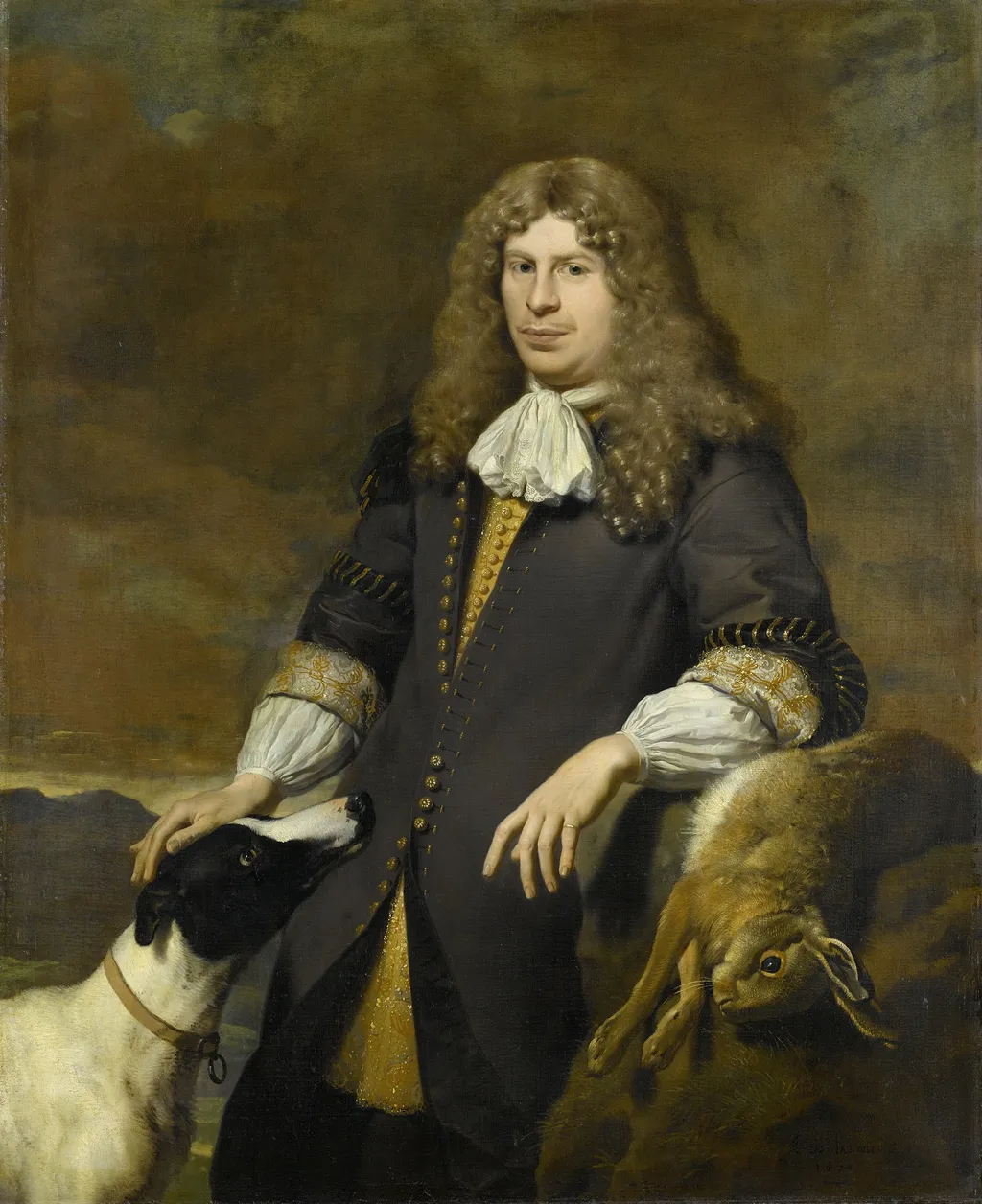
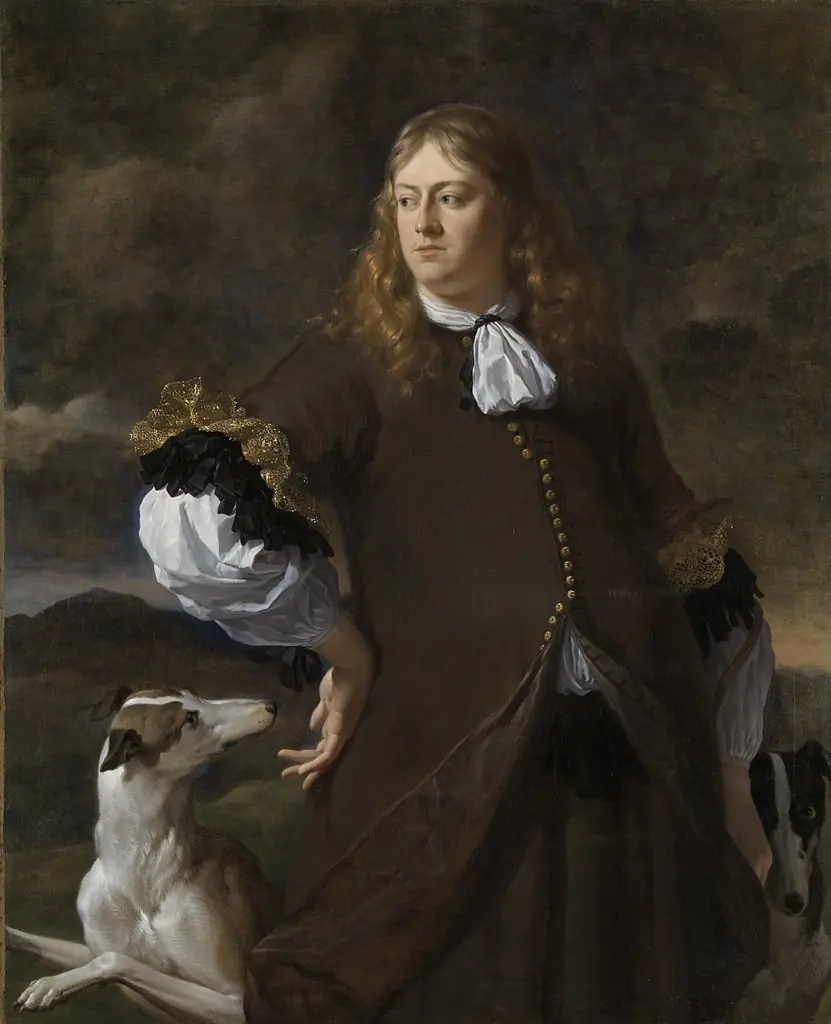
Portrait of a man, possibly Jacob de Graeff, alderman of Amsterdam in 1672 is an oil painting by the Dutch Golden Age artist Karel Dujardin. It dates from 1670 and is held in the collection of the Rijksmuseum. Created in 1670, this oil portrait belongs to the Dutch Golden Age and is part of the Rijksmuseum’s collection.
About this work
Subject & Meaning
The subject is presented as a solitary male figure, consistent with the genre of portraiture intended to capture the likeness and status of the sitter.
The work depicts a man, identified within the records as possibly Jacob de Graeff, who served as an alderman of Amsterdam in 1672. Created by Karel Dujardin in 1670, the painting functions as a formal portrait of this specific individual. The subject is presented as a solitary male figure, consistent with the genre of portraiture intended to capture the likeness and status of the sitter.
While the specific iconographic details or symbolic attributes held by the figure are not detailed in the available sources, the identification of the sitter as a civic official provides the primary context for the work's meaning as a representation of Amsterdam's political leadership during the late 17th century.
Technique & Style
Executed in 1670, this portrait is an oil painting on canvas. The work measures 130.5 cm in height and 106 cm in width. As a formal portrait, it depicts a male figure, identified in some contexts as the Amsterdam alderman Jacob de Graeff.
The piece is classified within the genre of portraiture and represents the artistic output of Karel Dujardin during this period.
History & Provenance
The work was created in 1670 by Karel Dujardin as an oil on canvas portrait, likely depicting Jacob de Graeff, who served as an alderman of Amsterdam in that year. It entered the collection of Adriaan van der Hoop, who bequeathed the painting to the Rijksmuseum and Amsterdam Museum. The painting was later deaccessioned from the Rijksmuseum and transferred to the Amsterdam Museum, where it remains in their collection.
Context
Karel Dujardin's Portrait of a man, possibly Jacob de Graeff, alderman of Amsterdam in 1672 (1670), housed in the Rijksmuseum and Amsterdam Museum collections, is recognized as a characteristic example of 17th-century Dutch portraiture. Its depiction of a civic figure aligns with contemporary genre conventions, reflecting the social prominence of Amsterdam's regents and aldermen during the Dutch Golden Age. Scholarship emphasizes the work's technical execution in oil on canvas and its significance within Dujardin's oeuvre as a portraitist active in the late 1660s-1670s, contributing to understanding of portrait painting's role in documenting Amsterdam's elite social network.
Legacy
The portrait's legacy is anchored in its attribution to Karel Dujardin and its presence in prominent Dutch collections. Its inclusion in the Rijksmuseum and Amsterdam Museum inventories, alongside ownership by Adriaan van der Hoop, has ensured continued scholarly attention to the work. The painting's depiction of an Amsterdam alderman in 1672 situates it within the civic portraiture tradition, influencing interpretations of 17th-century Dutch governance figures.
Its technical execution in oil on canvas, measuring 130.5 cm by 106 cm, exemplifies the stylistic conventions of the period, reinforcing its significance in art historical studies of portraiture.
Overview
Created in 1670, this oil portrait belongs to the Dutch Golden Age and is part of the Rijksmuseum’s collection. The work presents a seated gentleman dressed in a dark, gold‑trimmed jacket with a white ruffled collar, set against a subdued landscape of hills and clouds. A dog rests at his right side while a rabbit appears on his left, adding a modestly pastoral element to the composition.
Own this work as a print
Artist & collection

Artist
Karel Dujardin (September 27, 1626 – November 20, 1678) was a Dutch Golden Age painter.

 Joan Reynst (1636-1695), lord of Drakestein and the Vuursche. Captain of the Amsterdam militia in 1672
 Johannes Parker, Alderman and Councilor of Middelburg
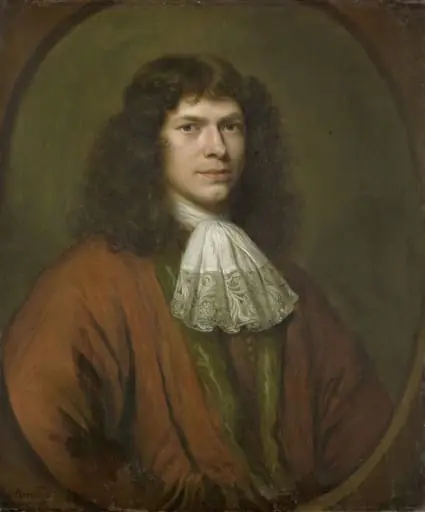 Untitled
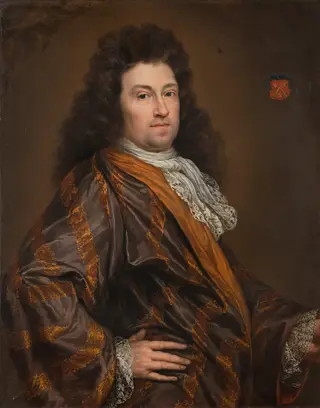 Portrait of François Leydecker, Delegate to the Court of Audit for Zeeland
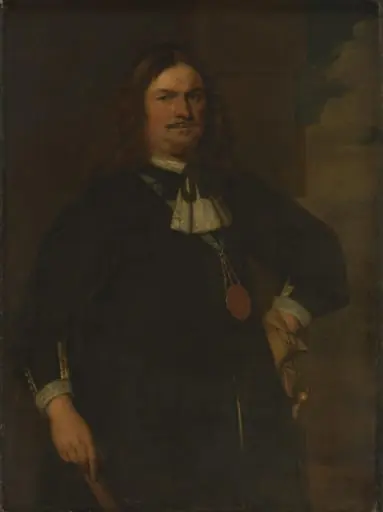 Portrait of Adriaen Banckert (c. 1620-1684), Vice Admiral of Zeeland
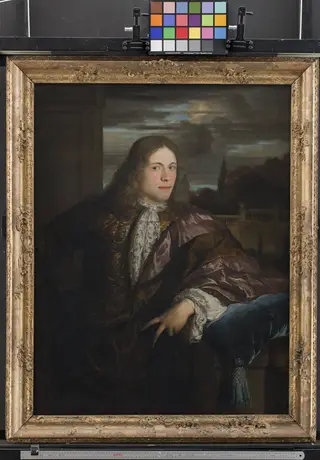 Portrait of a Young Gentleman
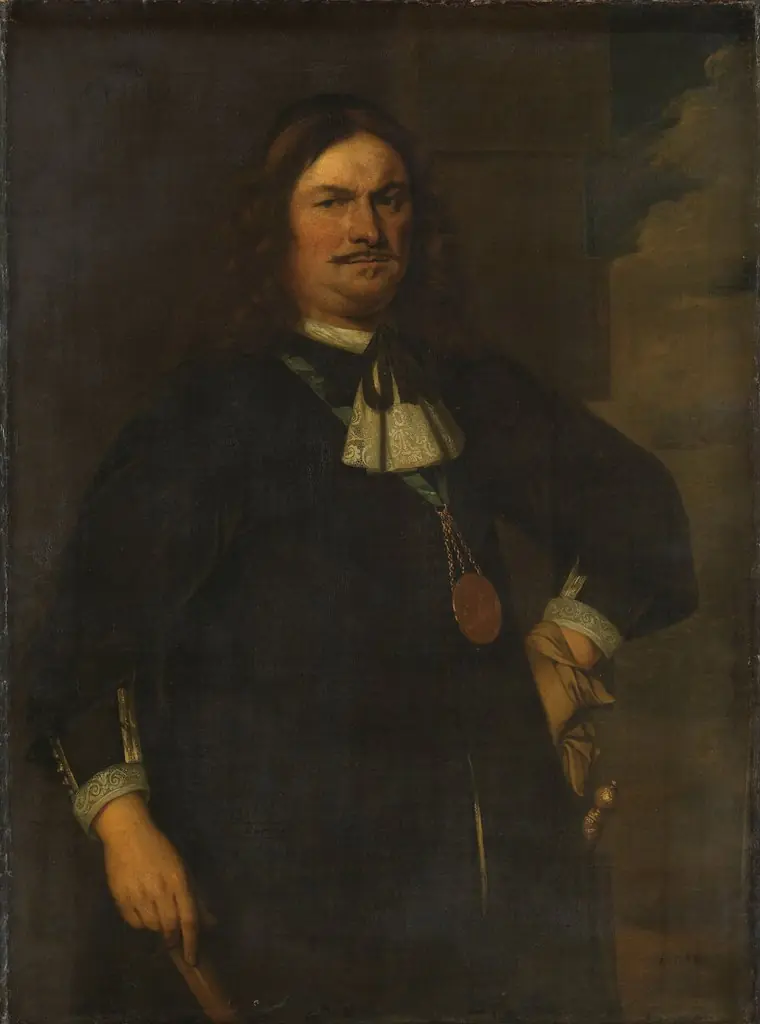 Adriaen Banckert, Vice Admiral of Zeeland
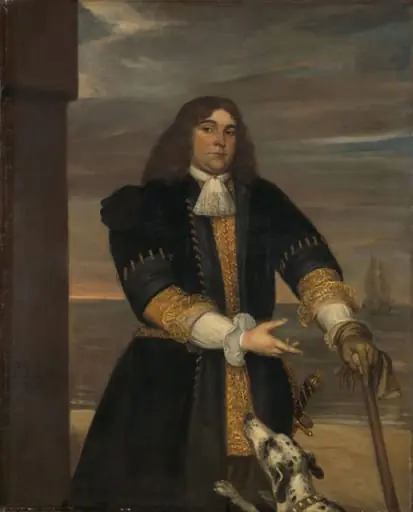 Jan van Gelder (1647-73), Naval Captain, Stepson of Michiel Adriaensz de Ruyter
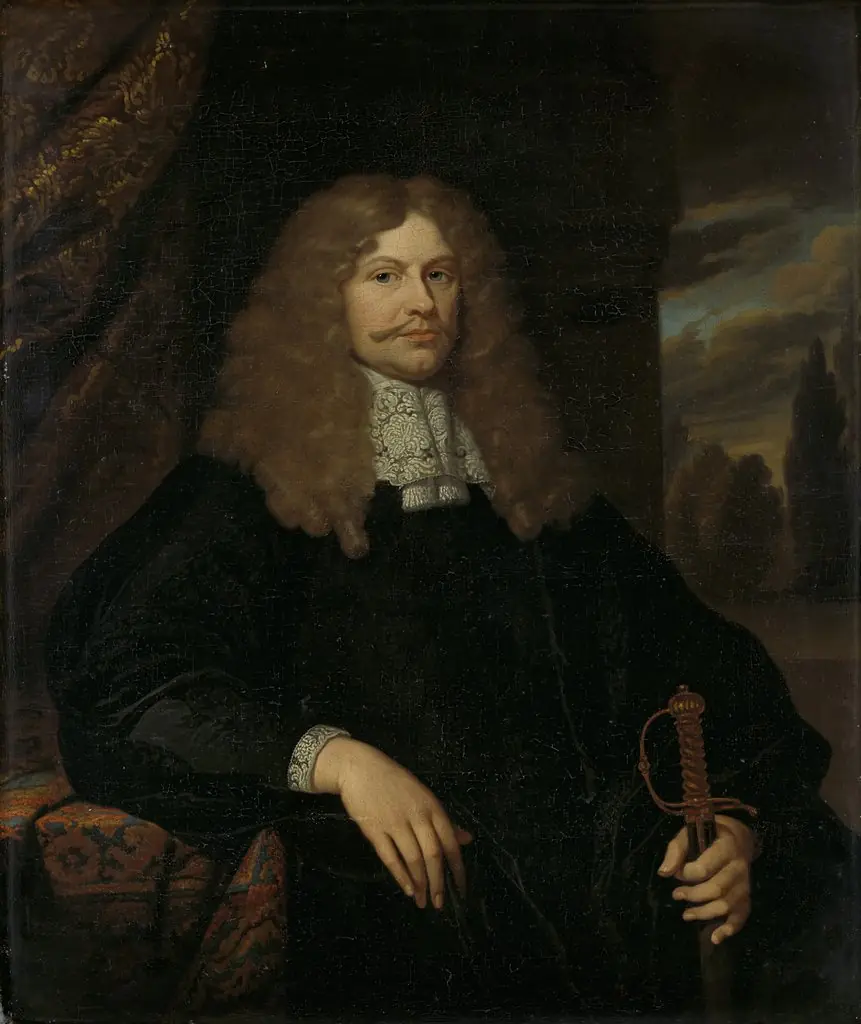 Portrait of Cornelis Backer (1633-81), councillor, alderman, and colonel of the Amsterdam militia
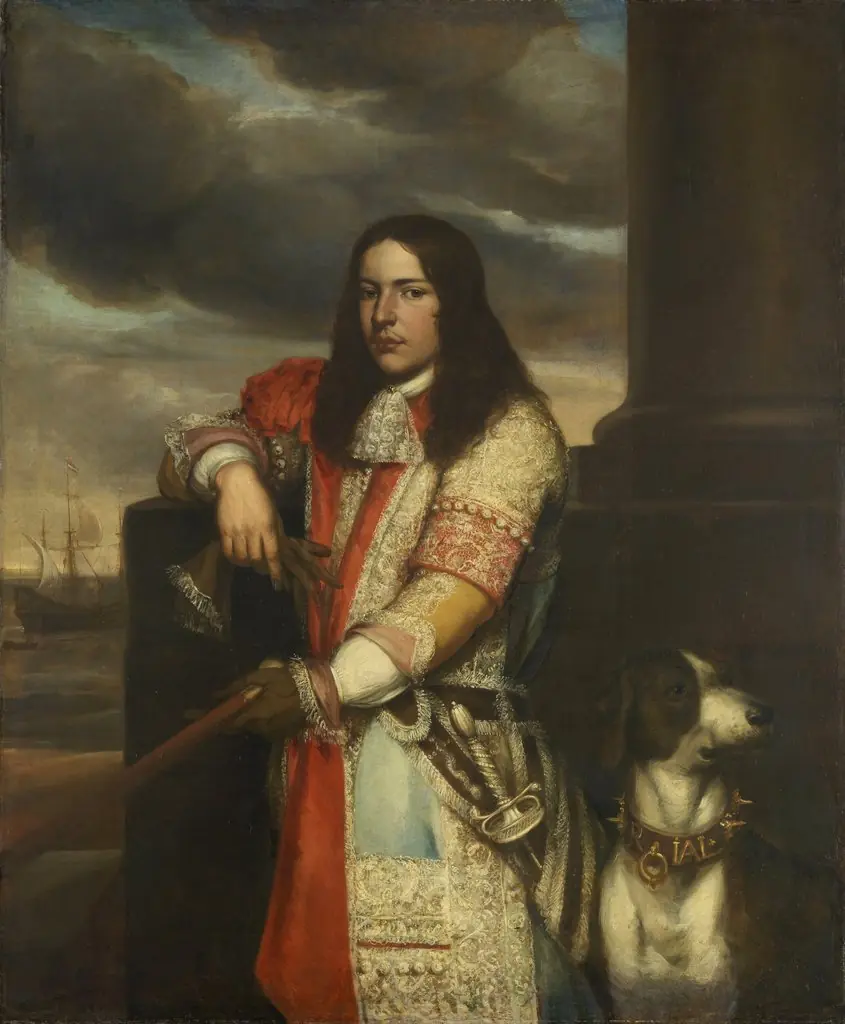 Portrait of Engel de Ruyter (1649-83), Vice-admiral and son of Michiel Adriaensz de Ruyter