Artwork
Portrait of Jacob de Graeff (1642-90), in the uniform of an officer
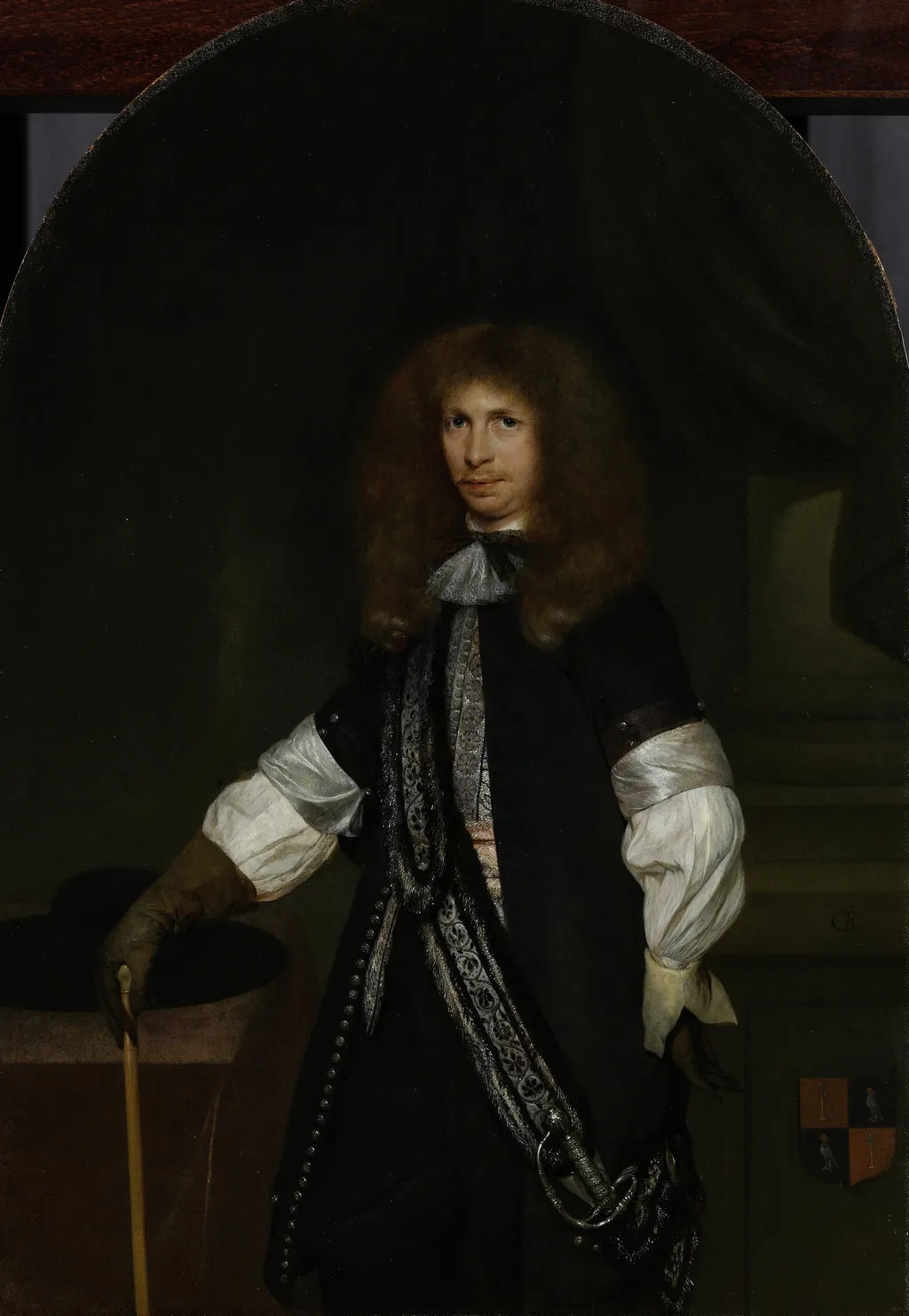
Portrait of Jacob de Graeff (1642-90), in the uniform of an officer is an oil painting by the Dutch Golden Age artist Gerard ter Borch. It dates from 1673.
About this work
Subject & Meaning
The uniform communicates discipline, allegiance, and social position, allowing the viewer to read de Graeff's status at a glance.
The painting portrays Jacob de Graeff, a man identified by the title and confirmed as the work's main subject. He is depicted in the uniform of an officer, a detail that frames the portrait as a statement of military rank and civic standing rather than a private likeness.
By rendering de Graeff in officer's dress, ter Borch aligns the sitter with the conventions of state portraiture, in which costume functions as the primary iconographic signal of authority and public role. The uniform communicates discipline, allegiance, and social position, allowing the viewer to read de Graeff's status at a glance.
The work thus represents both the individual sitter and the broader ideal of the patrician officer, merging personal identity with the symbolic language of military service characteristic of seventeenth-century Dutch portraiture.
Technique & Style
The painting is executed in oil on a wooden panel, a support commonly used by Dutch portraitists of the period. Ter Borch’s handling is smooth and refined, with meticulous attention to the textures of fabric and metal.
The uniform’s lace, the satin sash, and the reflective gorget are rendered with delicate, almost linear precision, while the face is more softly modeled to convey lifelike presence. The composition is tightly framed, focusing attention on the sitter’s poised demeanor and the emblematic insignia of rank.
History & Provenance
Gerard ter Borch executed this oil-on-panel portrait of Jacob de Graeff in 1673. The work measures 52.5 cm in height and 34.5 cm in width.
Ownership records indicate the painting was held by August de Ridder before passing to Johanna Elisabethe Louise May. During the mid-20th century, the piece entered the collection of the Führermuseum and was subsequently processed at the Munich Central Collecting Point. It later became part of the holdings managed by the Stichting Nederlands Kunstbezit and the Dienst Verspreide Rijkscollecties, eventually residing in the Rijksmuseum.
The work is held in the Rijksmuseum collection. It entered the collection through the legacy of August de Ridder and Johanna Elisabethe Louise May. The painting has been exhibited at the Rijksmuseum and featured in exhibitions on Dutch portraiture at the Rijksmuseum and the Kunsthalle Amsterdam.
Context
The work is recognized as a prime example of Dutch Golden Age portraiture, demonstrating the artist's skill in rendering both likeness and status through precise brushwork and nuanced lighting. Scholars have highlighted its significance within Gerard ter Borch's oeuvre as a bridge between the formal portrait tradition and the emerging emphasis on individual character study in the late 17th century. Its inclusion in prominent collections such as the Rijksmuseum underscores its enduring relevance to the study of Dutch portraiture and its influence on subsequent generations of painters.
The painting's provenance, including ownership by August de Ridder and Johanna Elisabethe Louise May, reflects the social networks of the Dutch elite and contributes to understanding of the artwork's historical circulation.
The work's dimensions of 52.5 cm by 34.5 cm provide valuable material context for conservation and display practices.
Overview
Gerard ter Borch’s 1673 oil portrait depicts Jacob de Graeff dressed in the attire of a military officer. Executed during the Dutch Golden Age, the work is part of the Rijksmuseum’s collection and exemplifies the period’s refined approach to portraiture, focusing on the sitter’s status and character through restrained composition.
Own this work as a print
Artist & collection
Artist
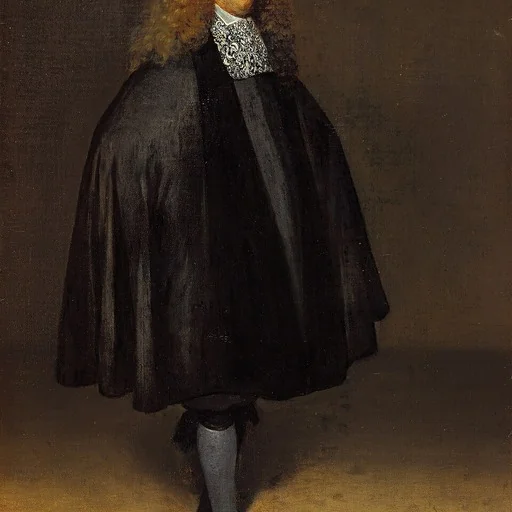
Gerard ter Borch (Dutch:; December 1617 – 8 December 1681), also known as Gerard Terburg (Dutch: ), was a Dutch Golden Age painter mainly of genre subjects.
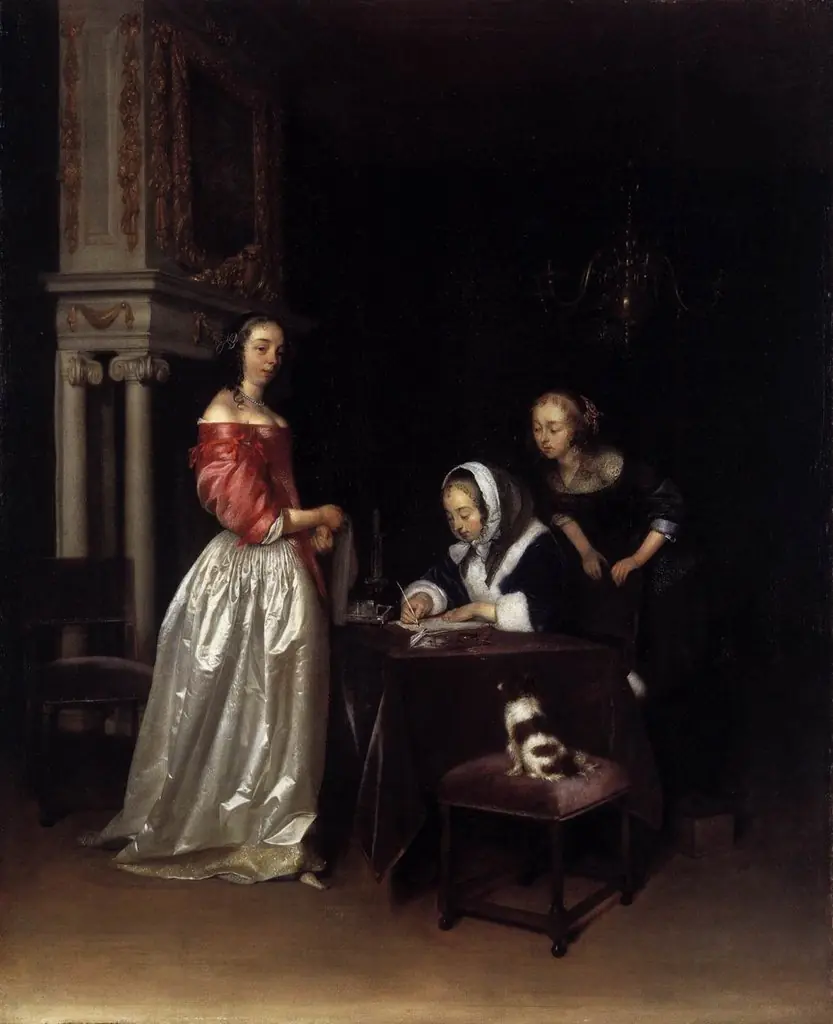
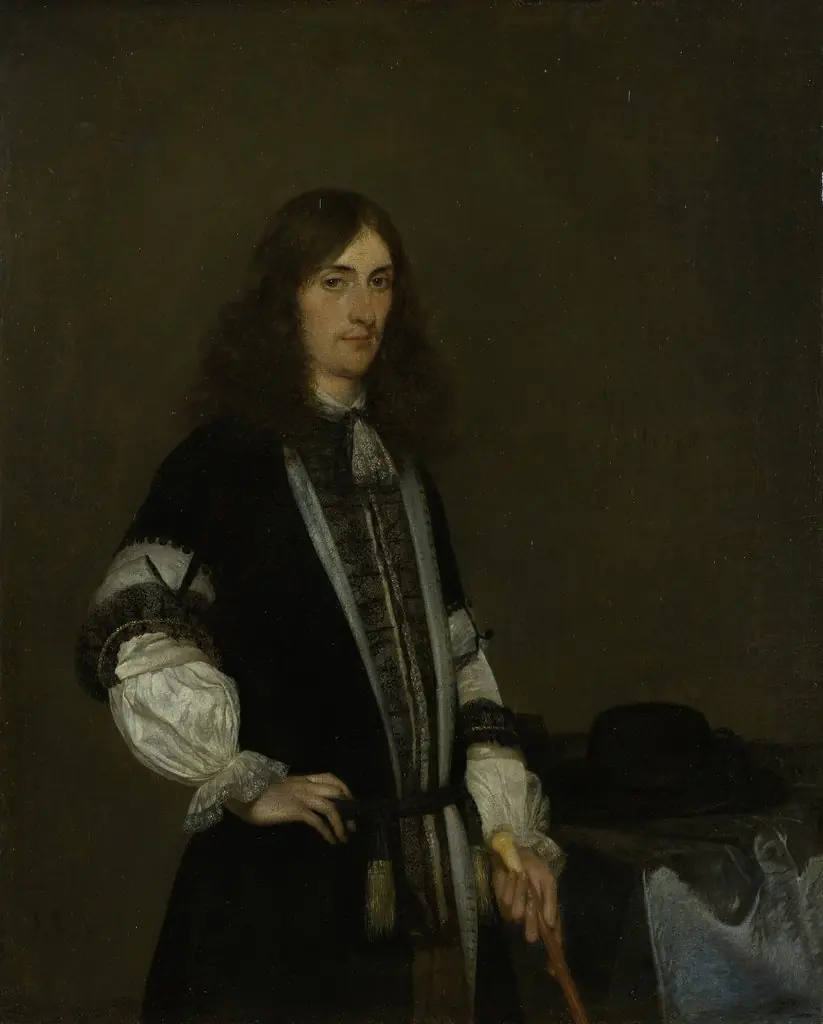 Portrait of François de Vicq (1646-1707). Burgomaster of Amsterdam for several terms from 1697 on
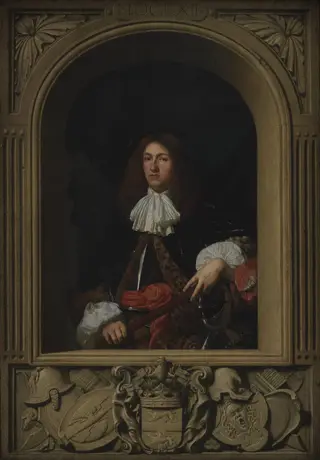 Portrait of Count Ulrik Frederik Gyldenløve
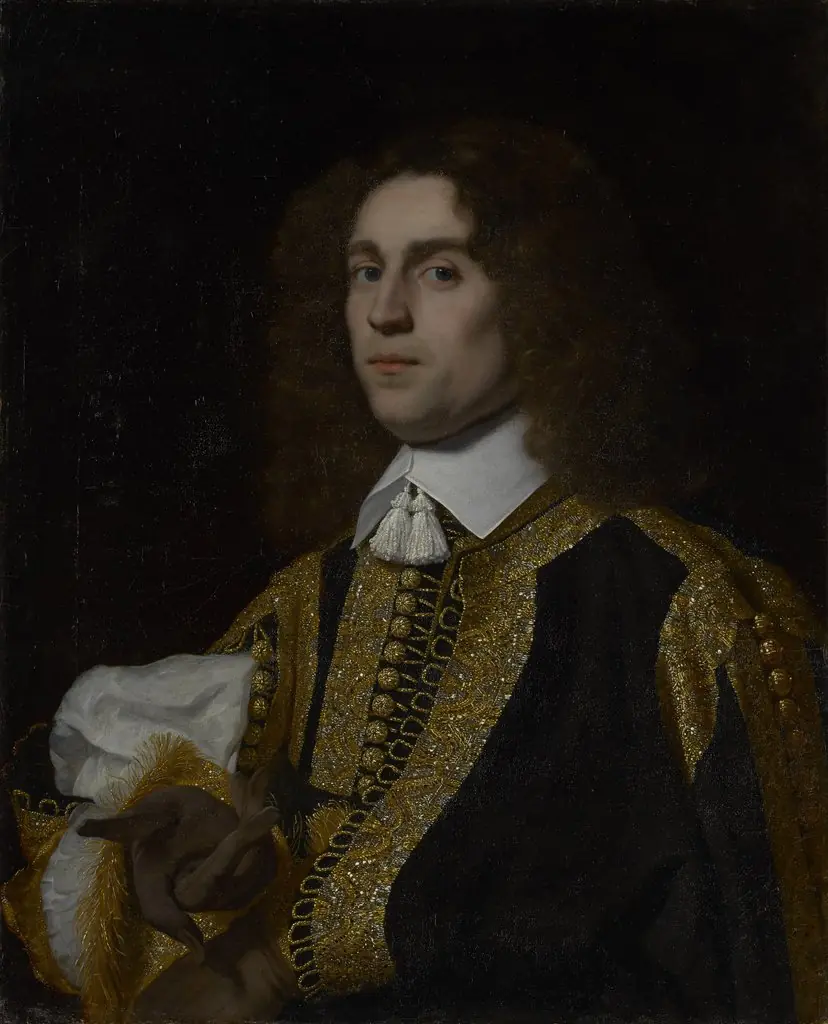 Portrait of a Young Man in Military Costume
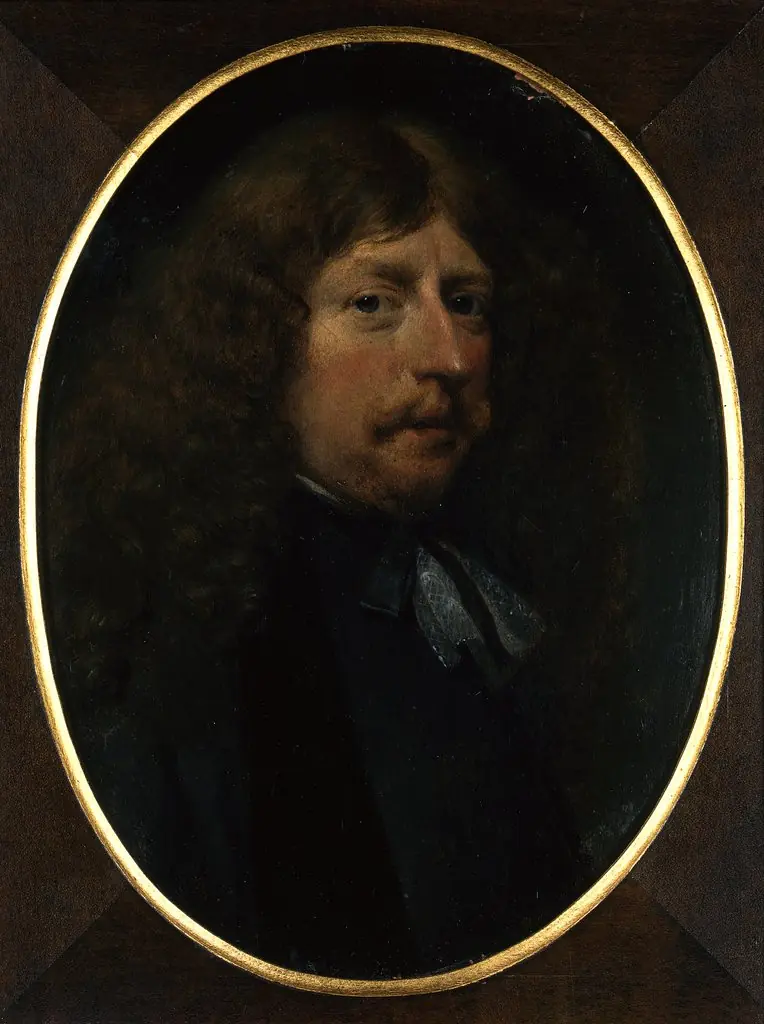 Self-portrait
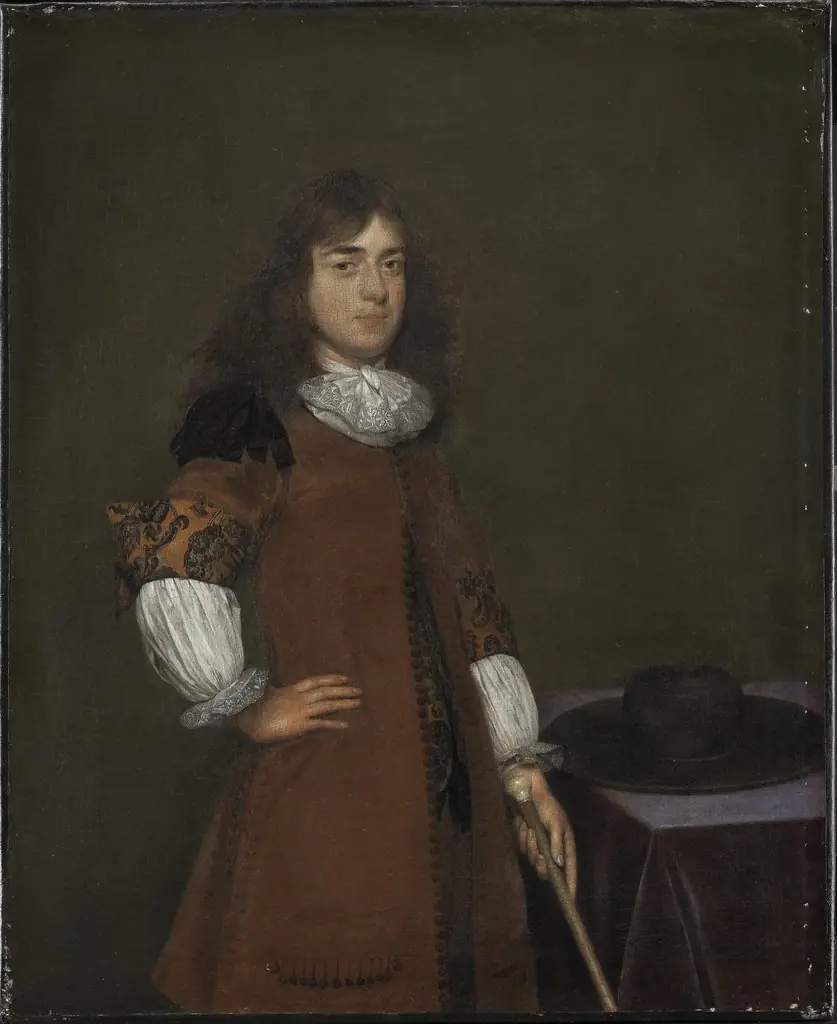 Portrait of a Man
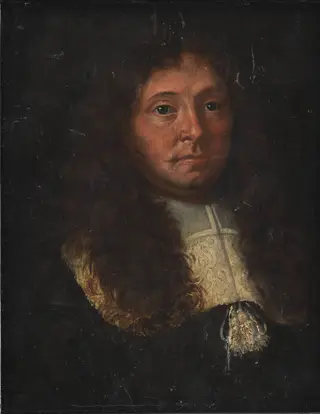 Mandsportræt
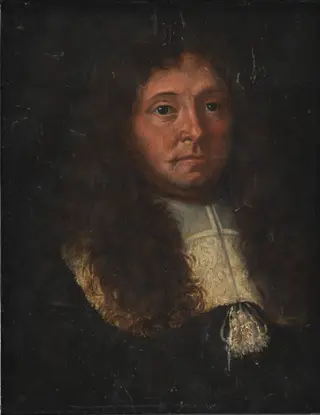 Mandsportræt
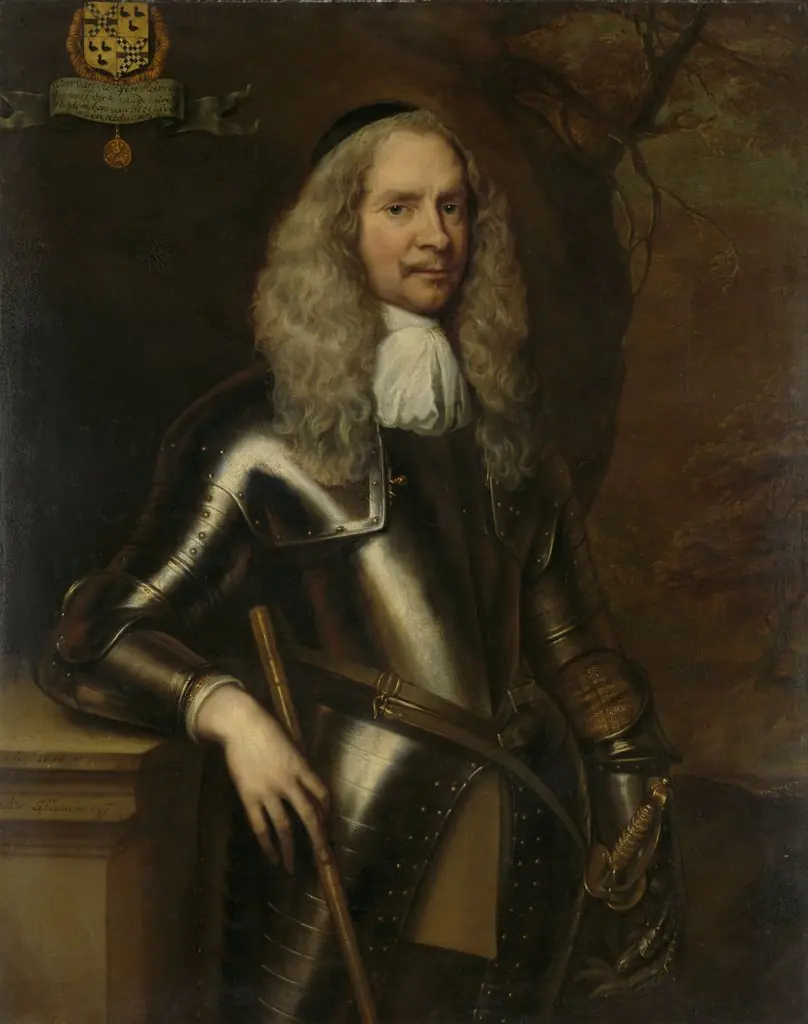 Cornelis van Aerssen (1600-62), lord of Sommelsdijk. Colonel of cavalry
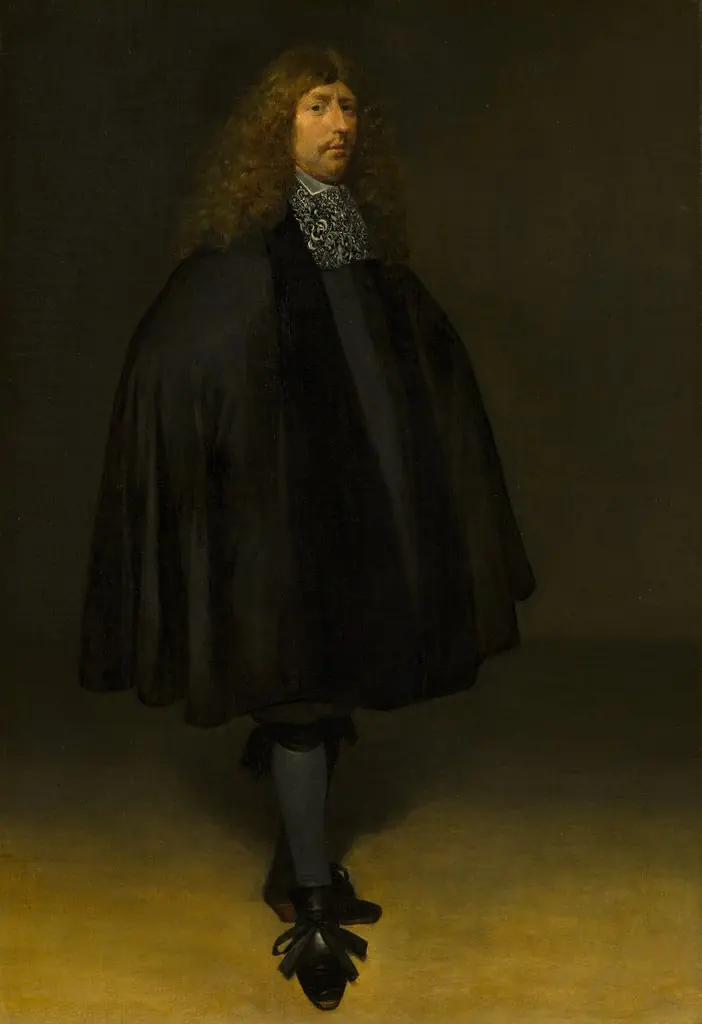 Self-portrait
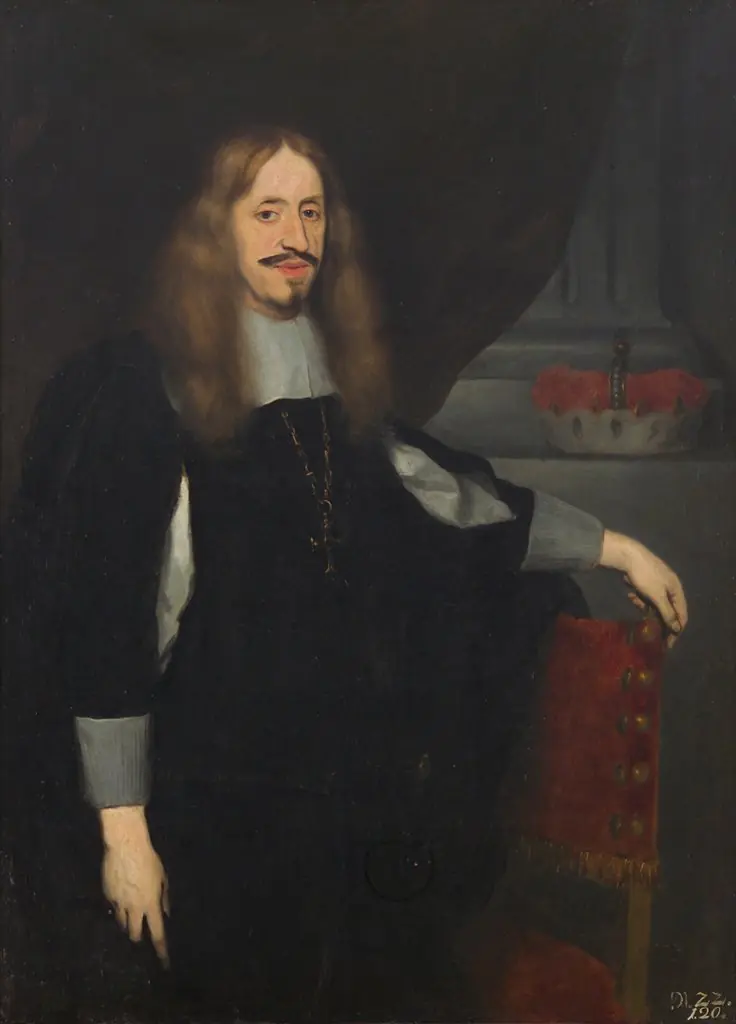 Portrait of archduke Leopold Wilhelm (1614-1662)
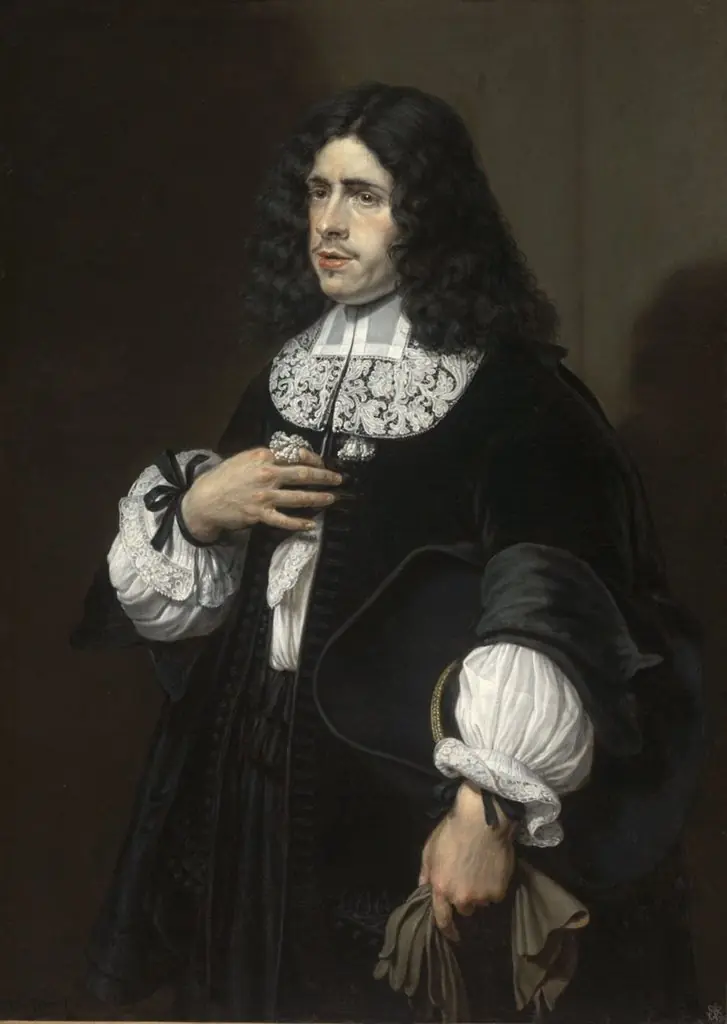 Portrait of a Man
- Portrait of a man, possibly Jacob de Graeff, alderman of Amsterdam in 1672