Artwork
Operating on Guan Yu's Arm
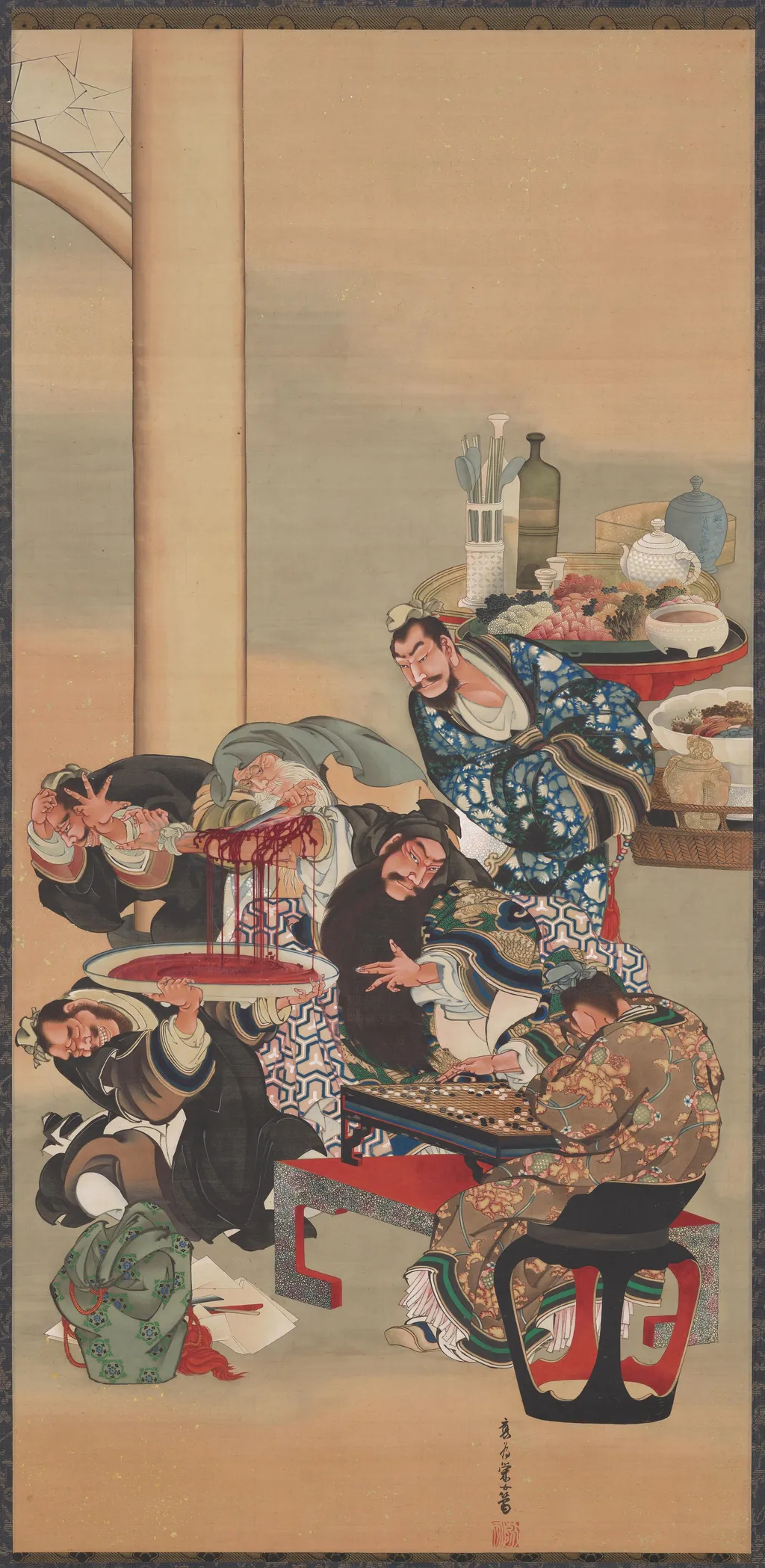
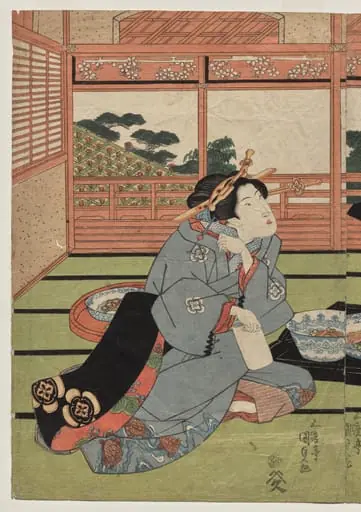
Operating on Guan Yu's Arm is an unspecified painting by the Ukiyo-e artist Katsushika Ōi. It dates from 1840 and is held in the collection of the Cleveland Museum of Art.
About this work
History & Provenance
The painting was created in 1840 by Katsushika Ōi and entered the collection of the Cleveland Museum of Art, where it remains on view.
The painting was created in 1840 by Katsushika Ōi and entered the collection of the Cleveland Museum of Art, where it remains on view.
The work entered the museum's collection following its acquisition by the institution.
Its creation is documented in 1840, aligning with the artist's active period in Edo-period Japan.
Operating on Guan Yu's Arm is held by the Cleveland Museum of Art, where it is cataloged under accession number 1975.123. The work has been part of the museum’s exhibitions, including the 1980 retrospective "Japanese Art of the Edo Period," which traveled to the Metropolitan Museum of Art and the Art Institute of Chicago.
Overview
Created in 1840, Operating on Guan Yu’s Arm is a woodblock print by Katsushika Ōi, a prominent female artist of the late Edo period. The image captures a crowded interior where a physician is performing an operation on a seated figure, while attendants and onlookers observe. Brightly patterned garments, scattered objects and a tray collecting blood convey a sense of immediacy and ritualized medical practice.
Subject & Meaning
The central figure is identified as Guan Yu, a legendary Chinese general celebrated in classical literature, here portrayed as a patient undergoing surgery. By placing a mythic warrior in a clinical setting, the work juxtaposes heroic narrative with the vulnerability of the human body, suggesting a commentary on the limits of martial prowess when confronted with physical injury.
Technique & Style
Ōi employed the ukiyo‑e woodblock method, combining delicate line work with bold color blocks typical of the period. The composition uses a shallow pictorial space, crowded with detailed accessories, bowls, brushes, food trays, rendered in fine stippling. Her handling of the red blood and the luminous fabrics demonstrates a mastery of pigment layering and a keen eye for texture.
Context
In the late Edo era, ukiyo‑e artists frequently depicted scenes from Chinese classics, theater, and everyday life. Ōi’s choice of a medical operation reflects a broader interest in contemporary curiosities and the fascination with foreign narratives. The piece also illustrates the rare presence of a female artist addressing a traditionally male‑dominated subject matter.
Artist & collection
Artist
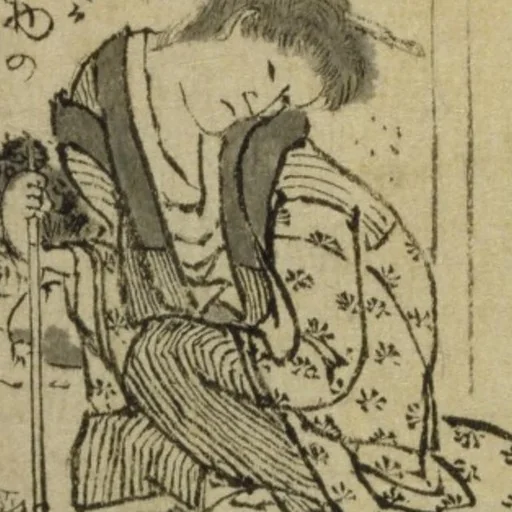
Katsushika Ōi (葛飾 応為, c. 1800 – c. 1866), also known as Ei (栄; or O-Ei (お栄) with the honorific prefix) or Ei-jo (栄女; lit. 'woman Ei'), was a Japanese ukiyo-e artist of the early 19th century Edo period. She was a…

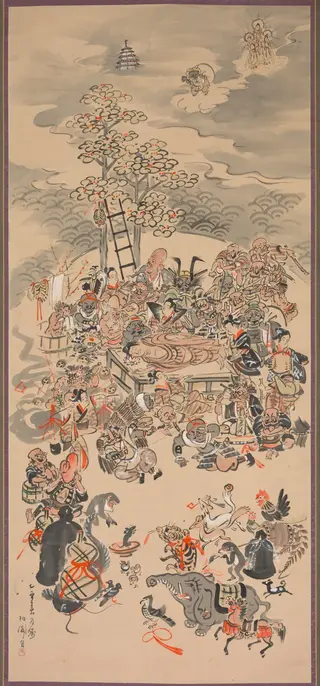 Ōtsu-e Nirvana of the Buddha (Ōtsu-e Butsu Nehanzu)
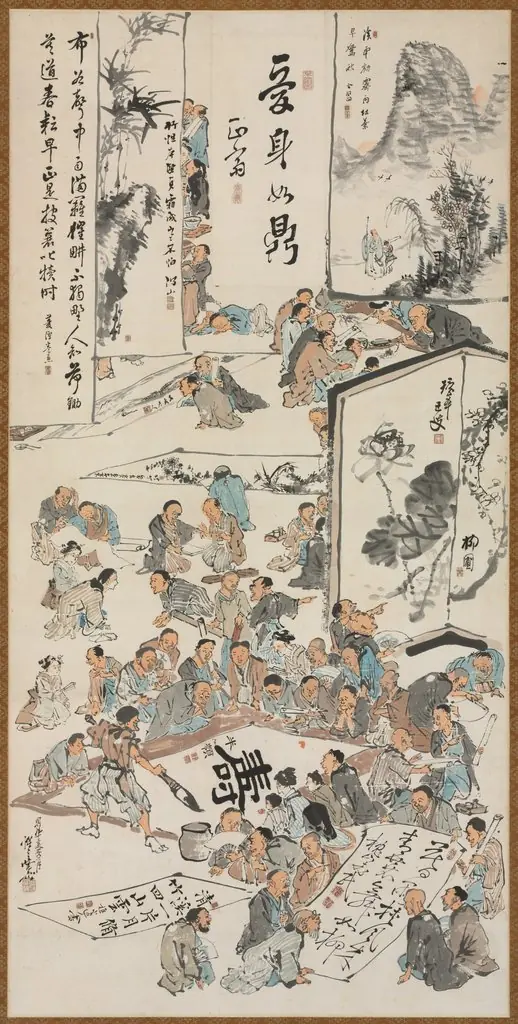 Painting Party
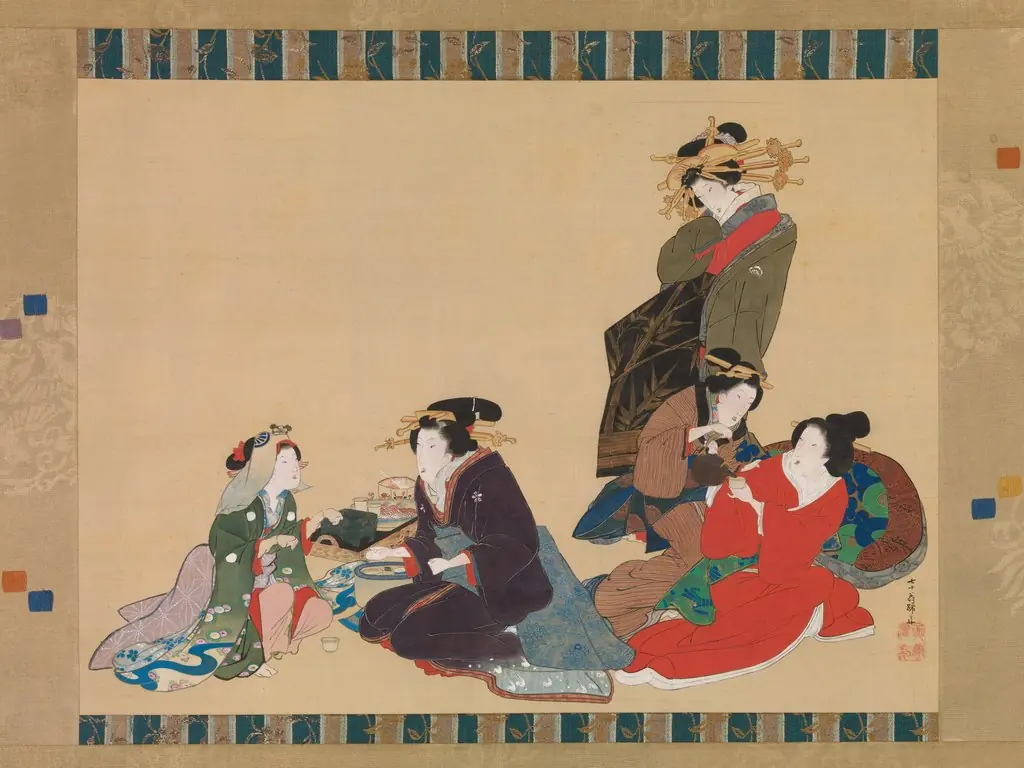 Five Beauties
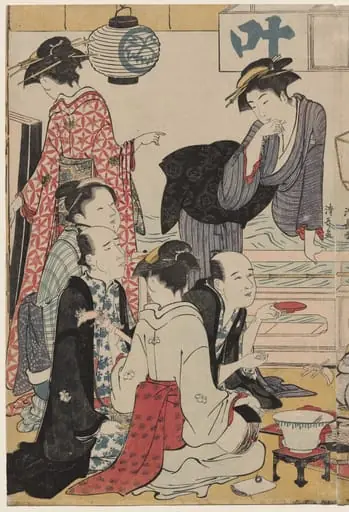 Entertainment on a Balcony by the Water at Nakasu, from the series, A Collection of Beautiful Modern Women of the Pleasure Quarters
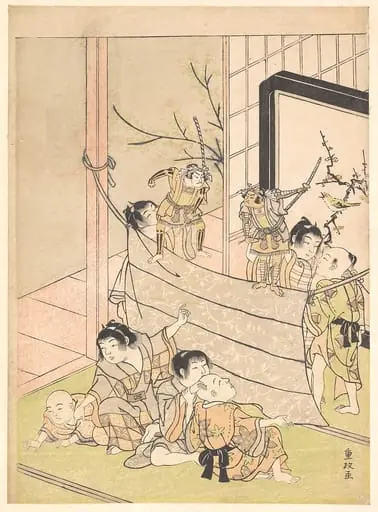 Untitled
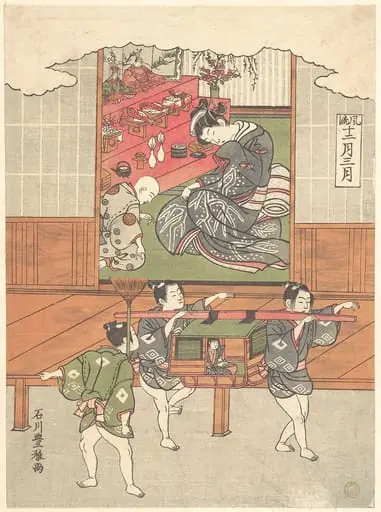 Hina no Sekku|The Festival of Dolls (Third Month)
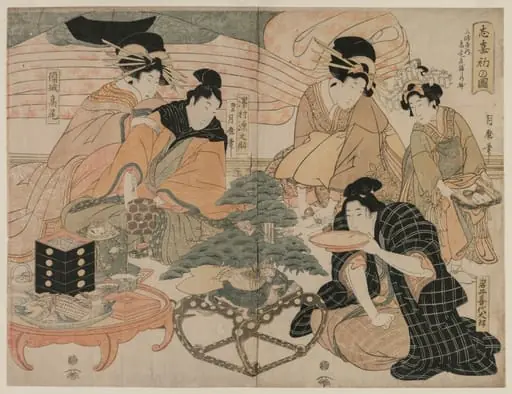 Picture of the First Visit to the Pleasure Quarters
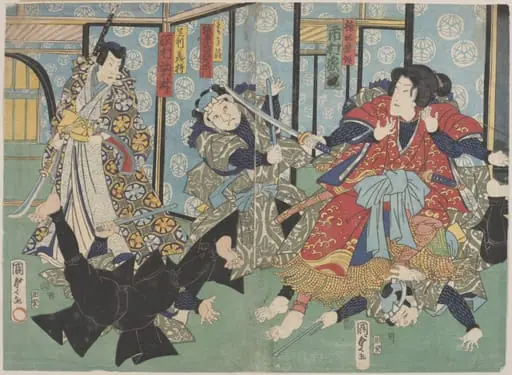 H Beard Print Collection
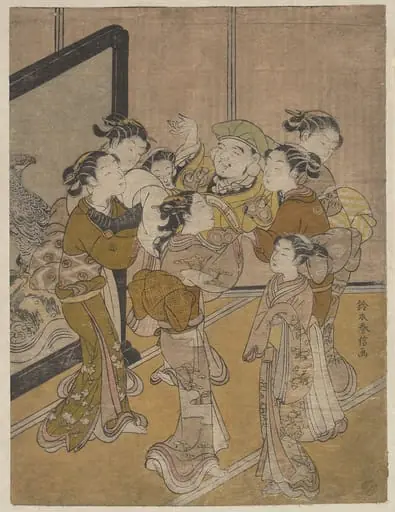 Untitled
 A View of the Large New Room at Sakurai