Artwork
Martin Luther
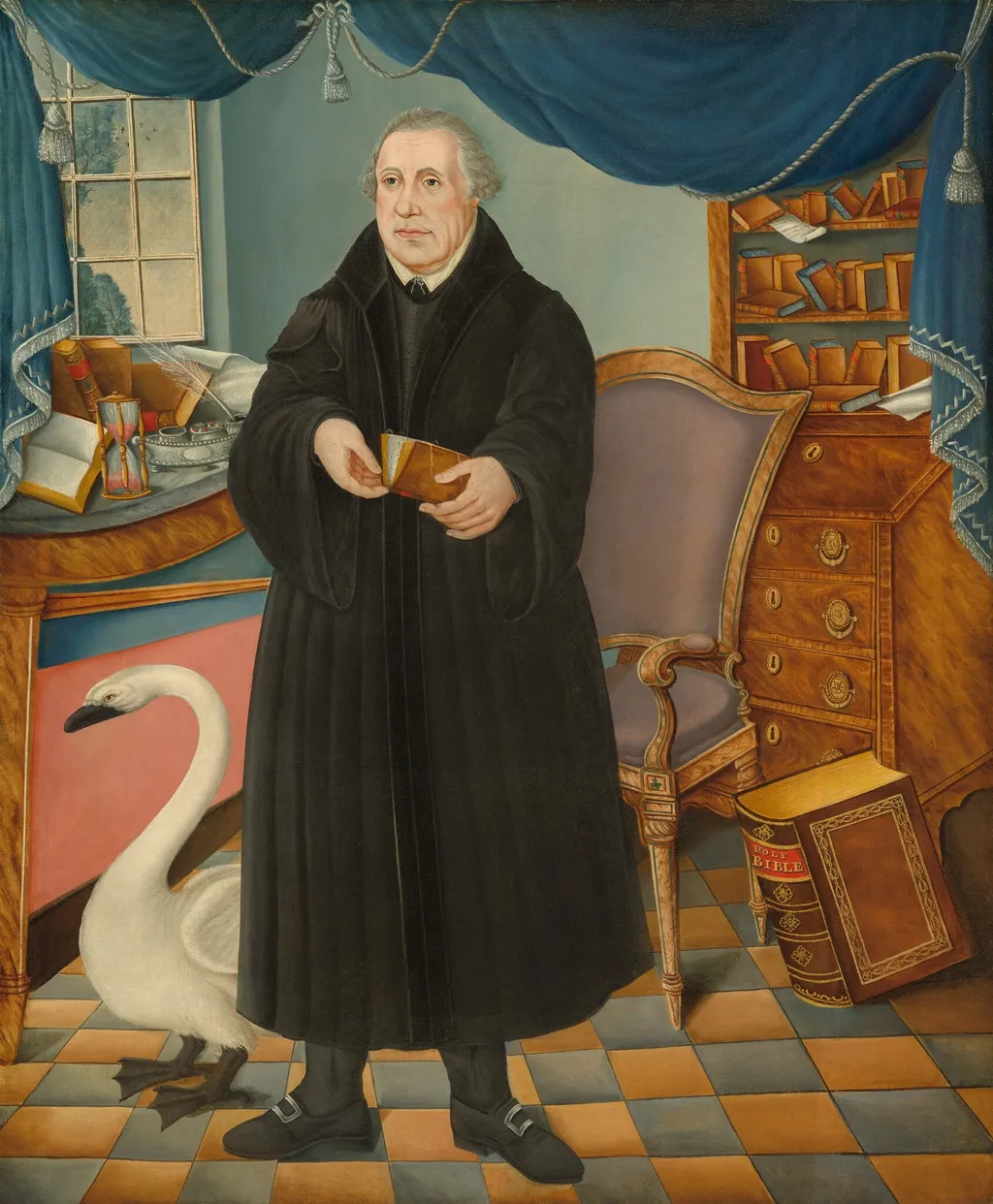
Martin Luther is an oil painting by the American Folk Art artist Frederick Kemmelmeyer. It dates from 1800 and is held in the collection of the National Gallery of Art.
About this work
Technique & Style
The composition demonstrates restrained color modulation and precise draftsmanship, reinforcing its narrative focus on the reformer's moral authority.
Frederick Kemmelmeyer's Martin Luther is an oil painting executed on canvas in 1800, measuring 148.59 cm in height by 121.92 cm in width. The work employs traditional oil on canvas techniques, evident in its textured brushwork and layered application of pigment, which contribute to a somber, neoclassical composition characteristic of early 19th-century religious subjects. Its handling reflects careful preservation across documented ownership changes, including transfers from a 1973 farm auction to the Corcoran Gallery of Art in 1981 and later to the National Gallery of Art in 2014. The painting's formal qualities align with Romantic-era stylistic influences, emphasizing dramatic chiaroscuro and solemn figure depiction.
Technical analysis confirms the use of oil paint and canvas as primary materials, consistent with contemporary academic practices. The composition demonstrates restrained color modulation and precise draftsmanship, reinforcing its narrative focus on the reformer's moral authority. These attributes underscore its significance within the corpus of American religious art, as maintained in institutional records.
History & Provenance
Created in 1800, this oil on canvas painting is attributed to Frederick Kemmelmeyer. The work's early ownership history traces back to a farm auction in New Baltimore, Virginia, before entering the collection of Mr. and Mrs. Gurney P. Sloan of Dunedin, Florida. The Sloans sold the piece to the New York dealer Hirschl & Adler on November 7, 1973.
It was subsequently acquired by the Corcoran Gallery of Art in Washington, D.C., on February 11, 1981. The National Gallery of Art in Washington, D.C., obtained the painting in 2014, where it remains part of the permanent collection.
The painting is held by the National Gallery of Art in Washington, D.C., which acquired it in 2014 from the Corcoran Gallery of Art. The Corcoran had purchased it on 11 February 1981 from Hirschl & Adler of New York, who had themselves acquired the work on 7 November 1973 from Mr. and Mrs. Gurney P. Sloan of Dunedin, Florida. The Sloans' ownership is documented in a 7 November 1973 letter to Hirschl & Adler, quoted in a 2008 e-mail from Zachary Ross at Hirschl & Adler to Emily Shapiro at the Corcoran and held in NGA curatorial files. Earlier, the painting had been sold at a farm auction in New Baltimore, Virginia.
Legacy
The painting's later influence and reputation stem from its inclusion in the Corcoran Gallery of Art and subsequent transfer to the National Gallery of Art in 2014. Its provenance traces from a farm auction in New Baltimore, Virginia, to the Sloan family in Florida, then to Hirschl & Adler in New York before its acquisition by the Corcoran in 1981. The work, an oil on canvas created in 1800 by Frederick Kemmelmeyer, is part of the National Gallery of Art's collection in Washington, D.C., ensuring its continued scholarly attention and public accessibility.
The artwork's legacy is reinforced by its presence in two major institutions, reflecting its significance within American art history and its role in preserving 19th-century portraiture.
Overview
Frederick Kemmelmeyer’s oil on canvas, dated around 1800, depicts the reformer Martin Luther. The composition centers on a solemn figure in a dark robe, holding an open volume, set within a modest interior illuminated by daylight through a window.
Subject & Meaning
The portrait presents Luther as a scholarly authority, his gaze directed toward the text he bears, suggesting contemplation of his theological writings. The inclusion of a swan on the floor, an element incongruous with the surrounding furnishings, may allude to purity or a symbolic reference drawn from contemporary iconography.
Context
At the turn of the 1800s, American painters like Kemmelmeyer often adopted Old World motifs to appeal to educated patrons. Portraying a figure such as Luther reflects the era’s interest in religious reform and the moral foundations of the young republic, linking European heritage with American cultural aspirations.
Own this work as a print
Artist & collection

Artist
Frederick Kemmelmeyer (c. 1755 – c. 1821) was an American painter. He was entirely self-taught and his work is generally classified as folk art.


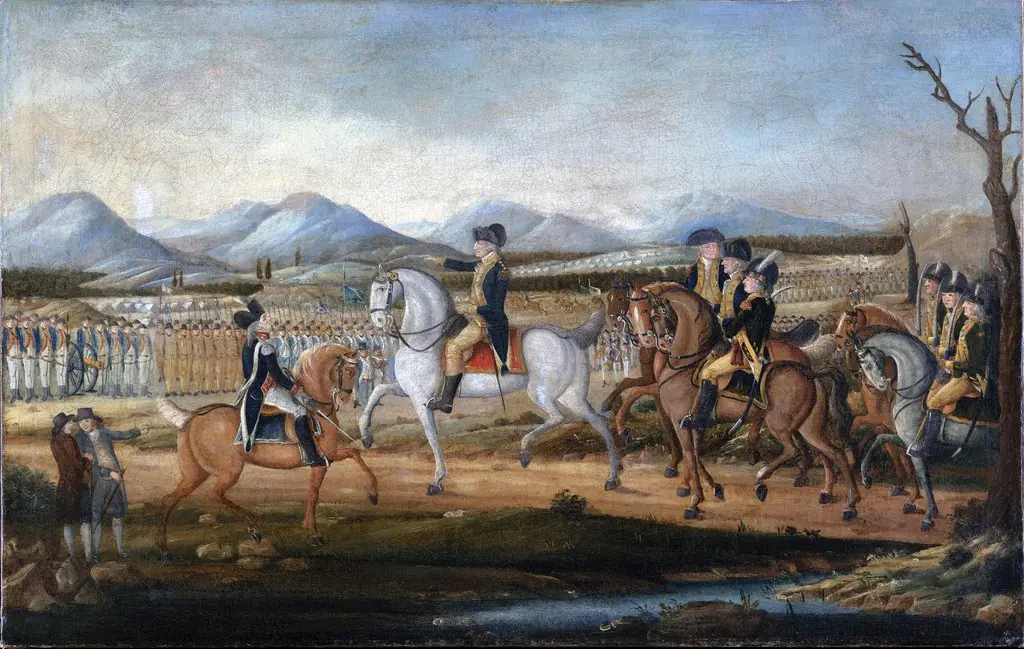
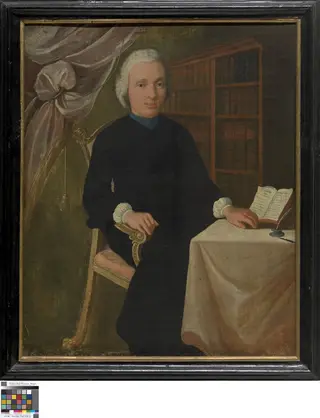
- Portret van kanunnik Leonardus Arents
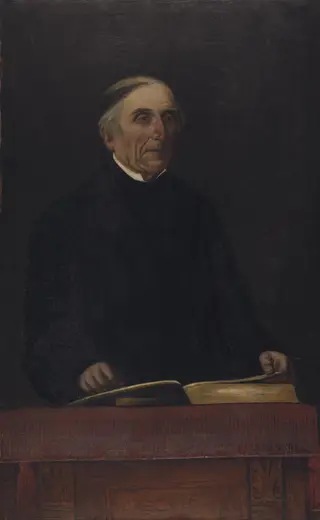 Parch. Robert Williams, Y Wernddu
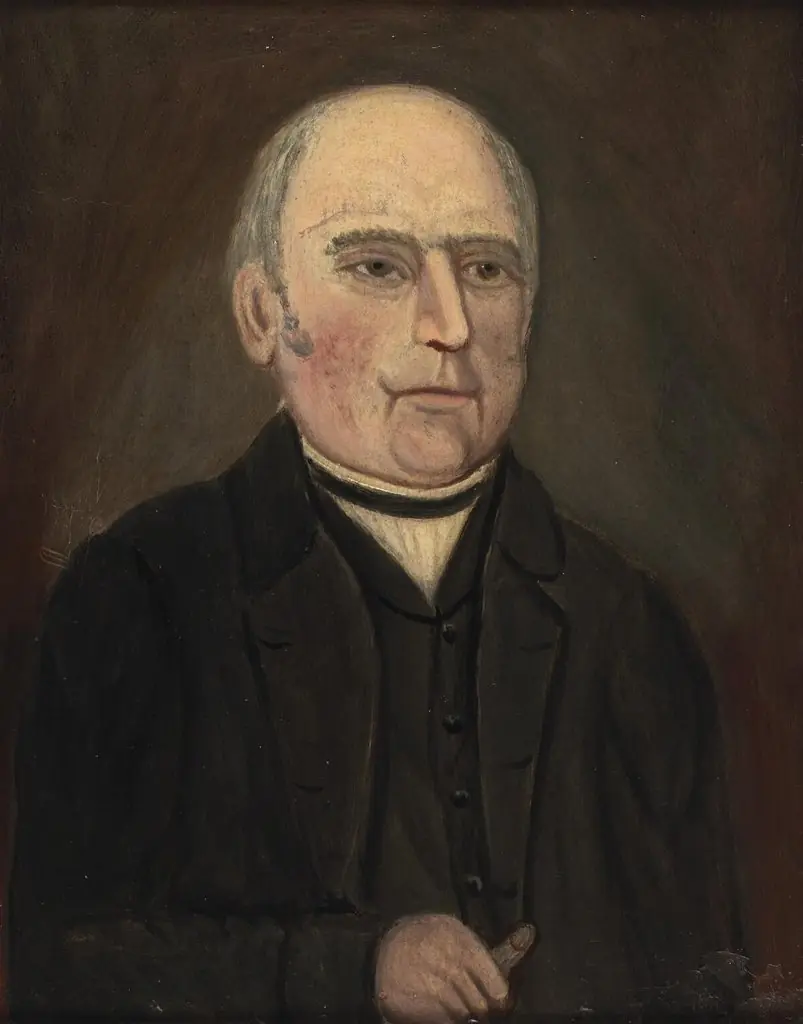 Reverend John Jones, Talysarn, Carnarvon
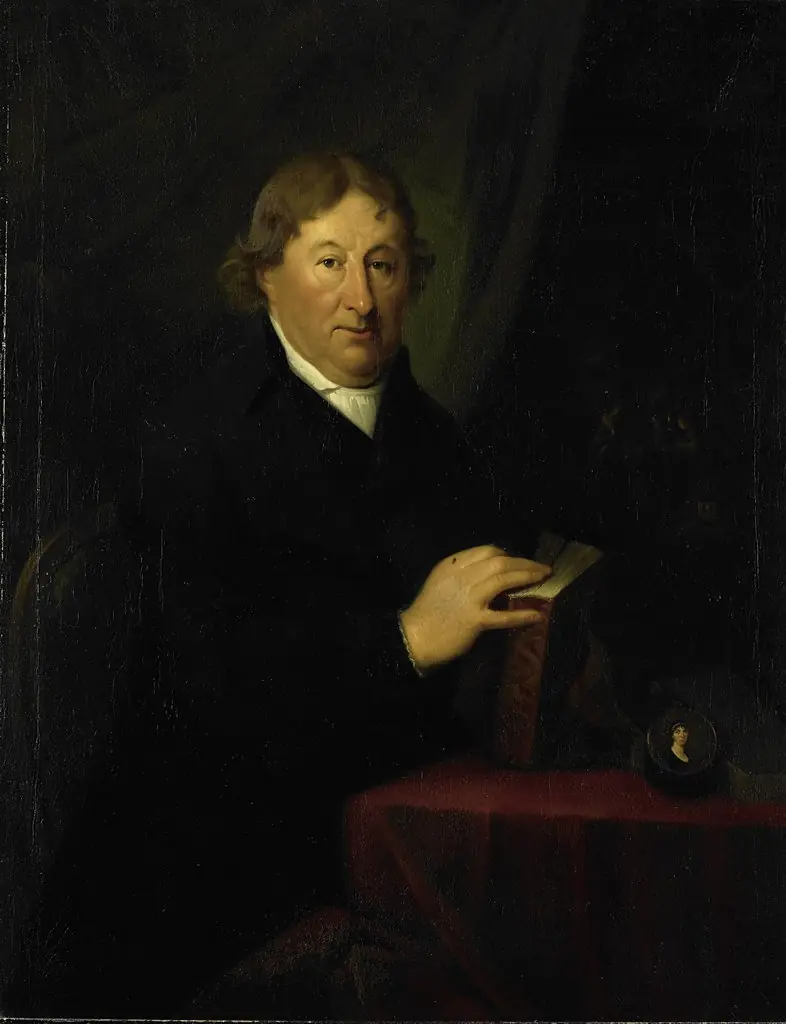 Portrait of Gerrit van der Pot, Lord of Groeneveld, Art Collector in Rotterdam
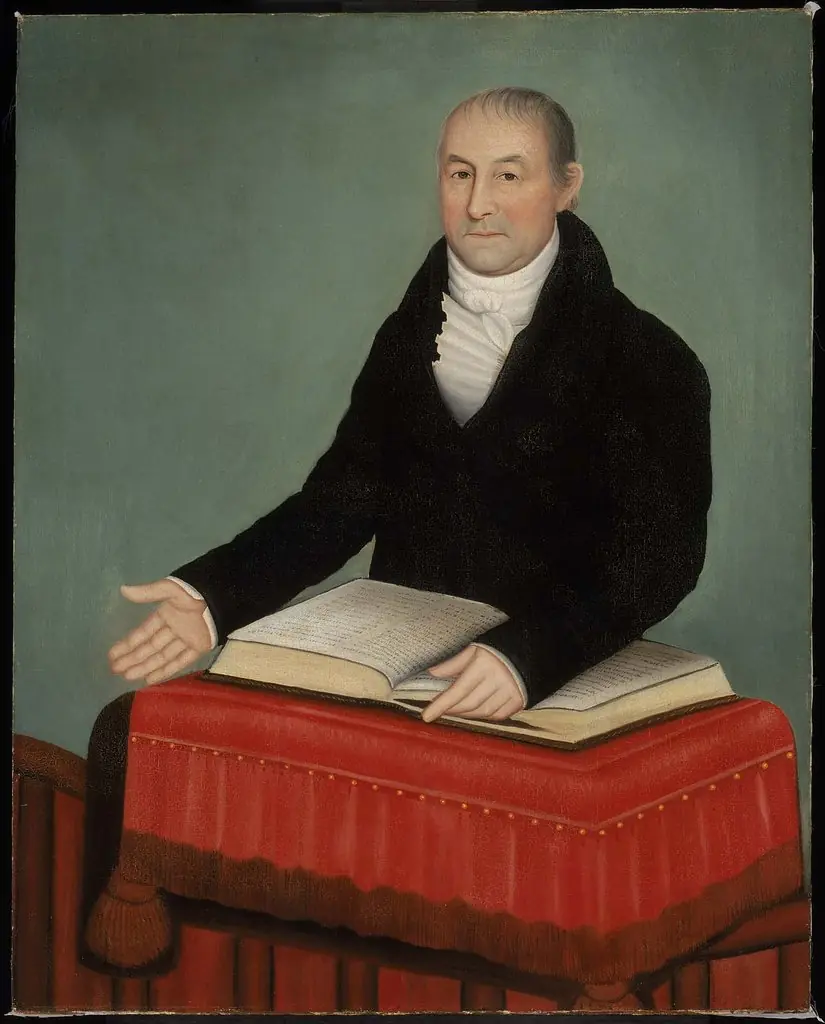 Reverend Jonas Coe
 Portrait of Erazm Bartold (1716–1786), provincial superior of Austin Friars
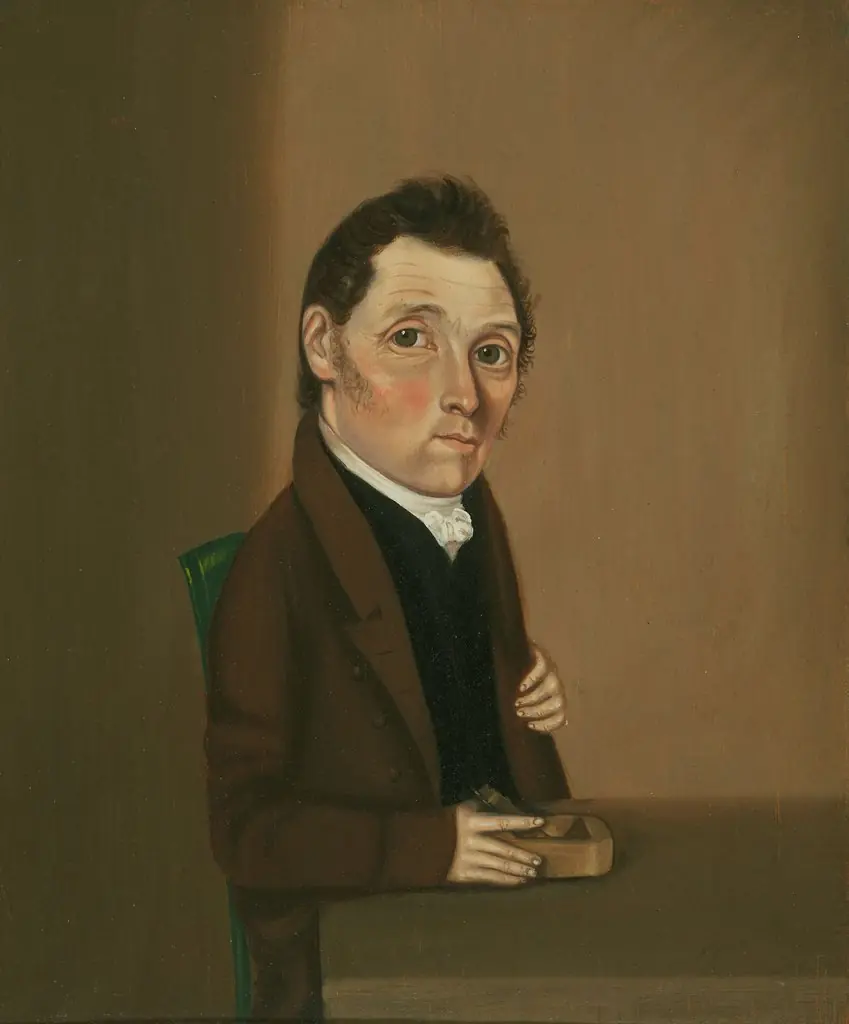 William Bonham
 Portrait of James Napper Tandy (1740-1803), United Irishman
 Portrait of Gerrit van der Pot, Lord of Groeneveld, Art Collector in Rotterdam
 Rev. Morgan Howells
 Dr Lewis Edwards
 Portrait of the Haarlem Notary Wernerus Köhne with his Clerk Jan Bosch