
Subject
Swan
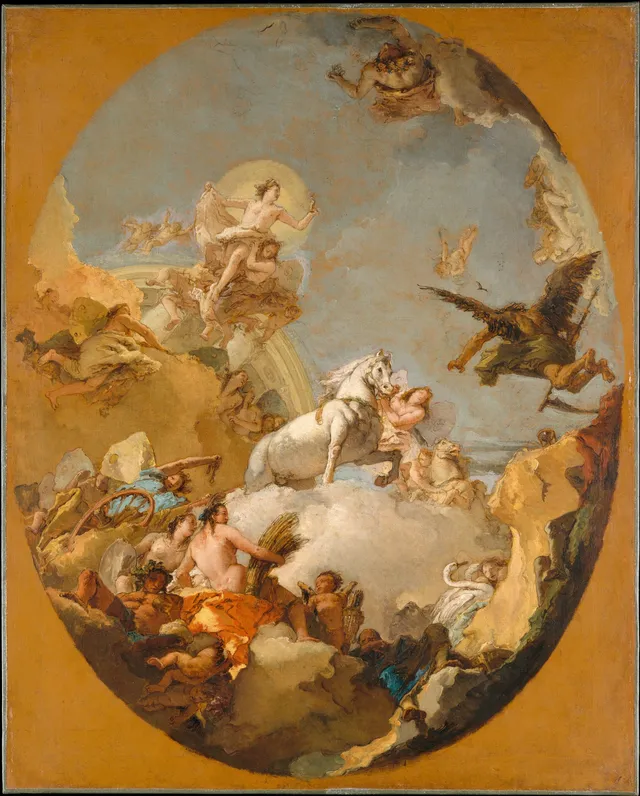
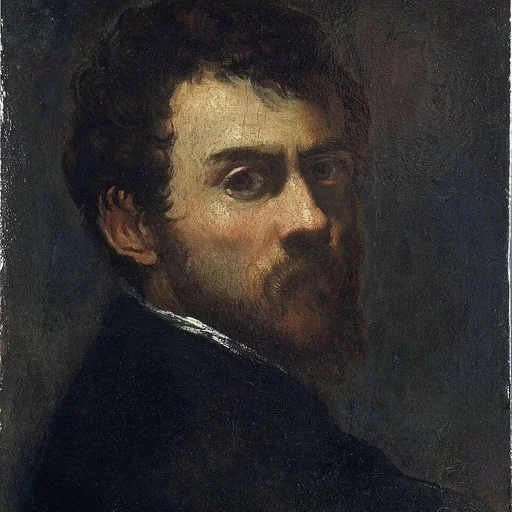
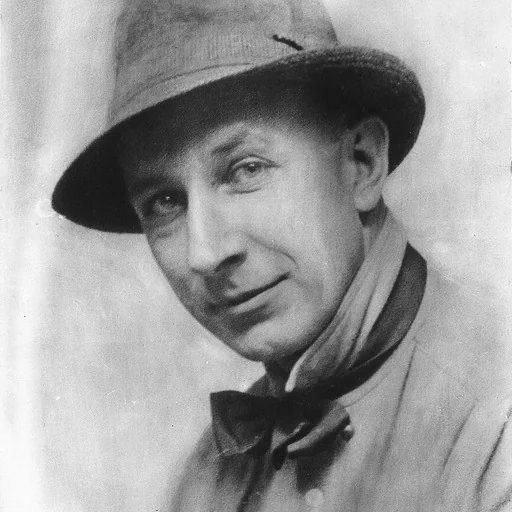
Swan is a subject in art. The gallery holds 40 works in this subject in art, including works by Lodewijk Tieling, Jacopo Tintoretto and George Bellows.
The swan is one of the most resonant motifs in Western art, valued for the same qualities that made it sacred in antiquity: a long sinuous neck, immaculate white plumage, and an effortless glide that reads as grace made visible. In ancient Greece the bird was consecrated to Apollo and called one of the "birds of the Muses," binding it to music, harmony, and poetic beauty; it also drew Apollo's chariot toward the Hyperboreans. The same associations produced the enduring myth of the swan song—the legend that the bird sings most beautifully at the moment of death—and the many figures named Cycnus ("swan") whom the gods transformed into the bird. From these roots the swan entered art as a creature poised between purity, eroticism, metamorphosis, and mortality.
Far and away the dominant subject is Leda and the Swan, the tale—told most influentially in Ovid's Metamorphoses—of Zeus assuming a swan's form to seduce Leda, Queen of Sparta, who then bore Helen of Troy, Clytemnestra, and the twins Castor and Pollux from a pair of eggs. The Humanist rediscovery of classical texts made the theme irresistible to Renaissance masters, who relished both its mythic prestige and the license it gave to depict the nude. Leonardo da Vinci developed a celebrated standing Leda around 1504–10, now lost and known through copies; Michelangelo painted a reclining version for the Duke of Ferrara in 1530, also lost; and Correggio's luminous Leda and the Swan (c. 1530–31, Gemäldegalerie, Berlin) staged the encounter as three episodes across a single riverbank.
Visually, artists exploited the swan's white form as a chromatic and symbolic counterweight to flesh—its pallor signalling both divine majesty and disguised desire—while the curve of the neck supplied an elegant compositional line. The bird also served lighter decorative and allegorical ends, gliding through pastoral landscapes and drawing the chariots of dawn and love. Peter Paul Rubens wove such opulent mythological energy into works like his Venus and Adonis (1614), and Giovanni Battista Tiepolo set radiant skyborne pageantry in motion in The Chariot of Aurora.
The swan's hold did not loosen after the Baroque. Its blend of sensuality and threat fed Romantic and Symbolist imaginations, and the motif was reanimated in modern terms by artists from Cézanne to Brancusi, whose pared abstractions distilled the same essential curve. Whether vehicle for myth, emblem of the arts, or pure formal grace, the swan remains a subject in which beauty and danger are inseparably entwined.
Key artists
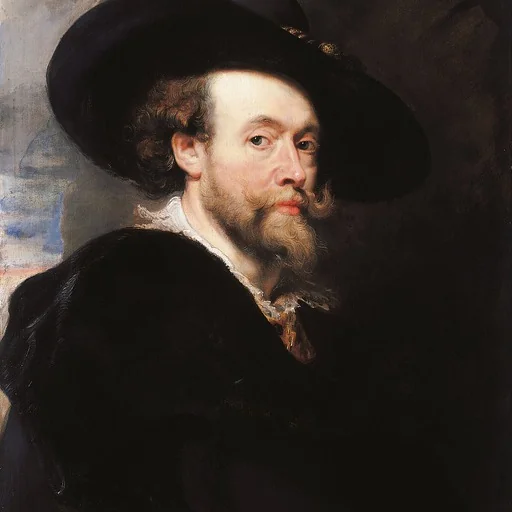
Works
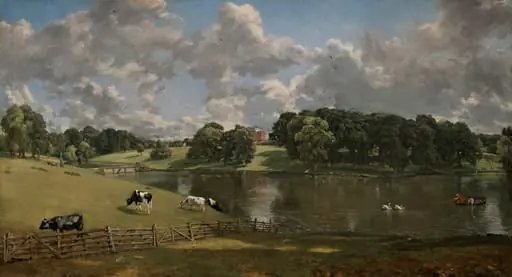 Wivenhoe Park, Essex
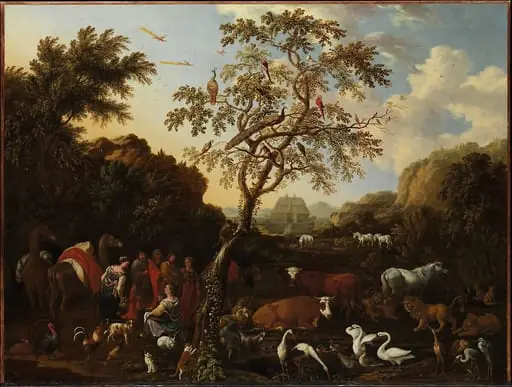 The Ark
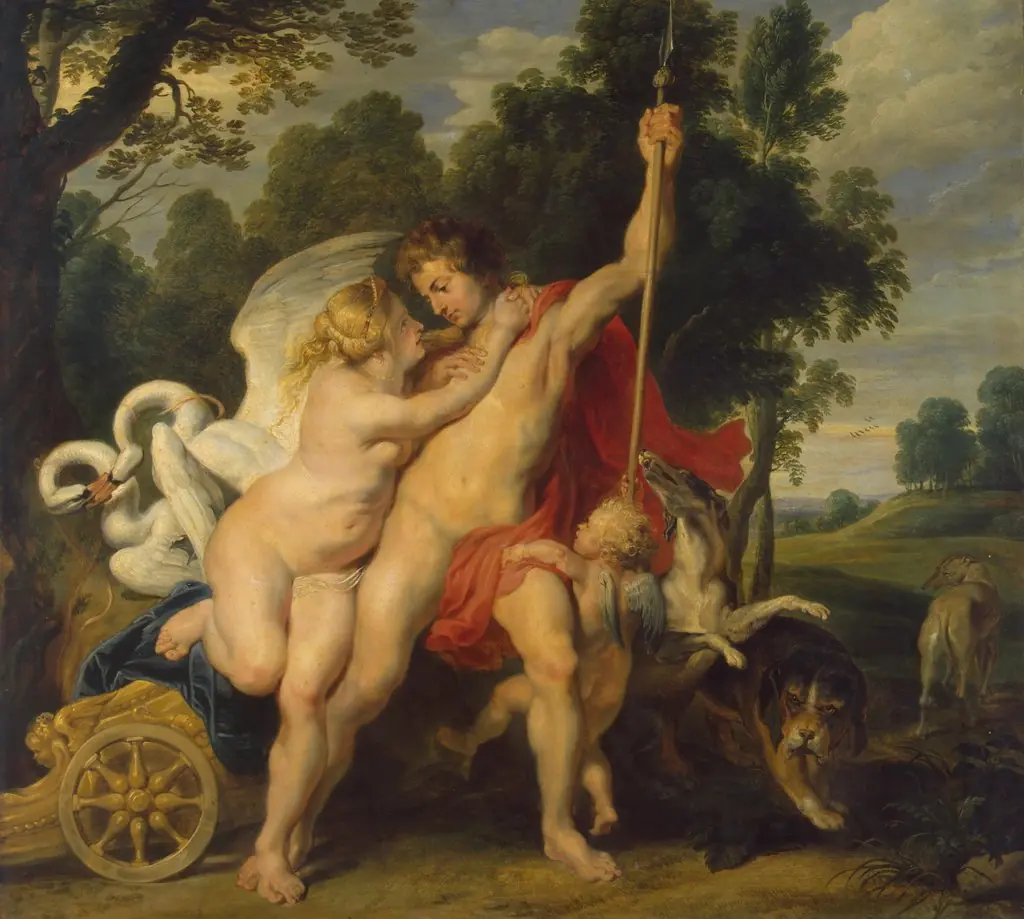 Venus and Adonis (Rubens, 1614)
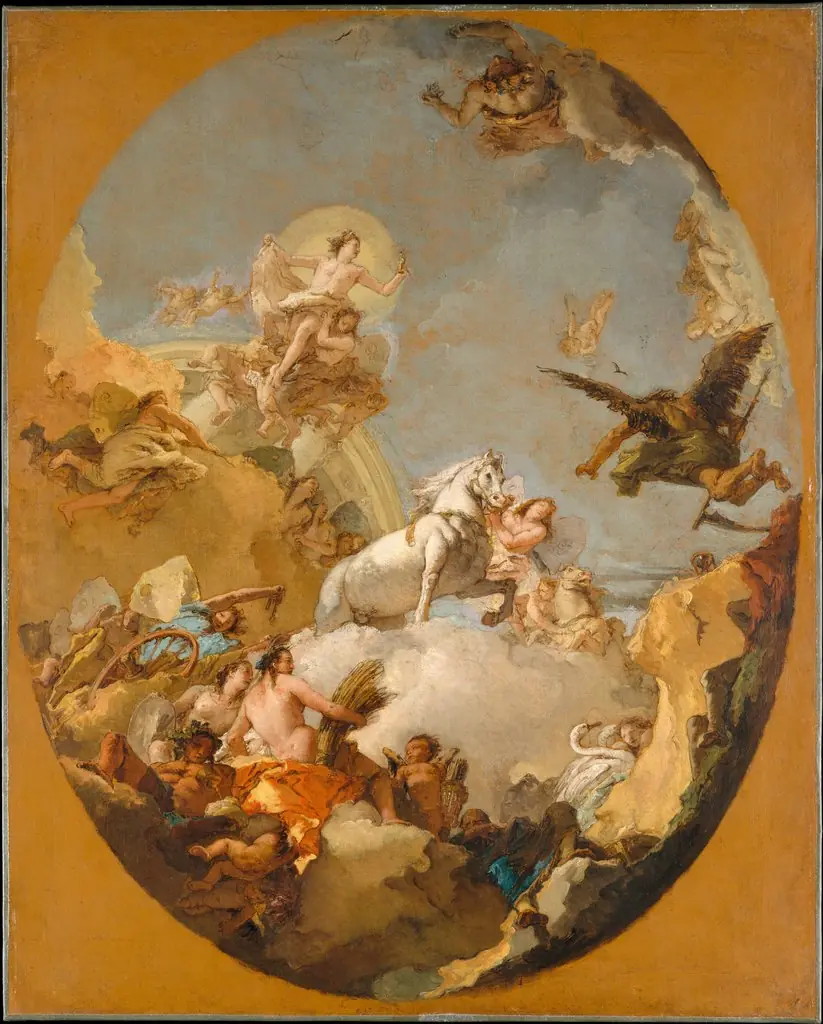 The Chariot of Aurora
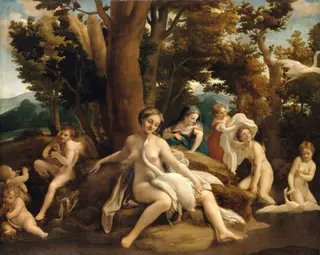 Leda and the Swan
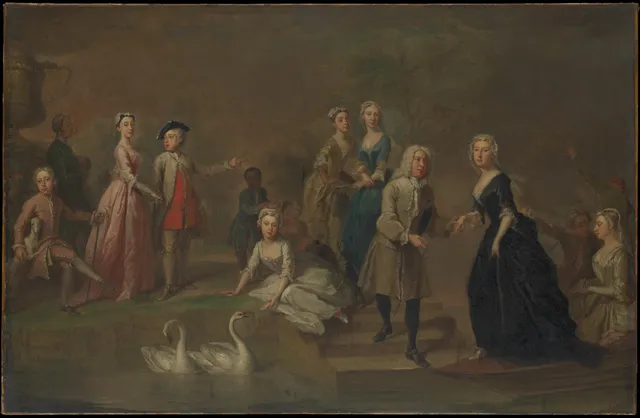
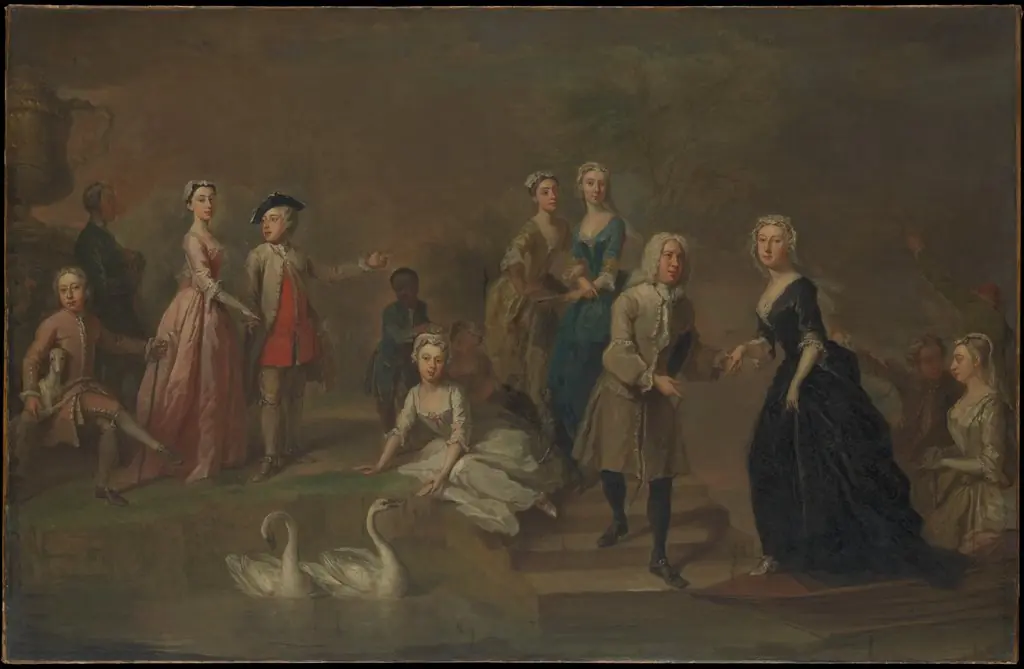 Uvedale Tomkyns Price (1685–1764) and Members of His Family
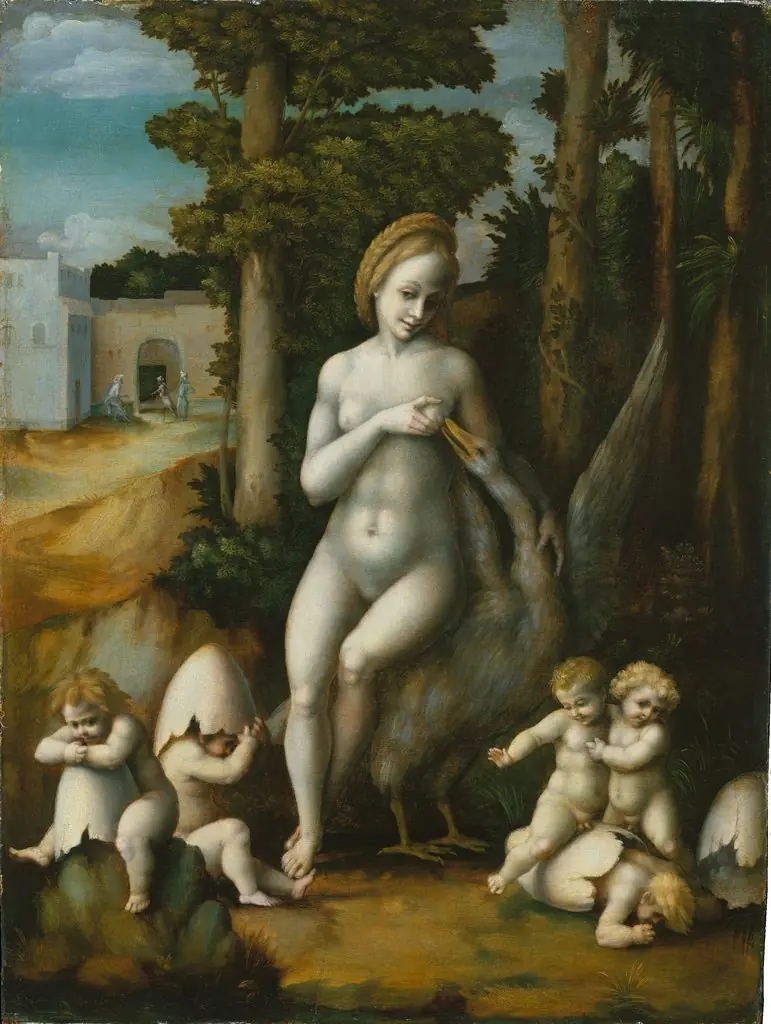 Leda and the Swan
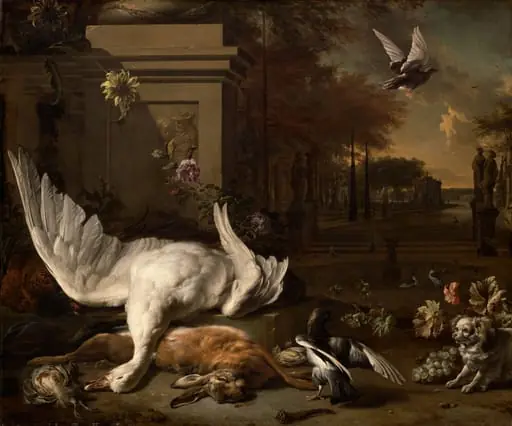 Still Life with Goose and Game before a Country Estate
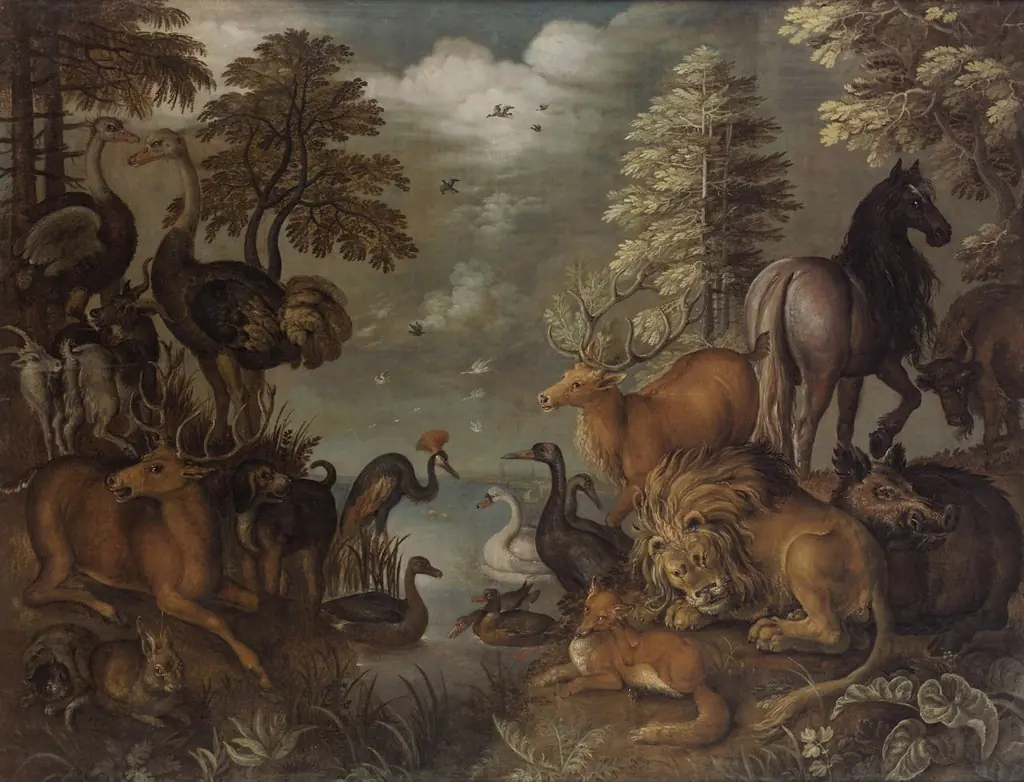 Große Landschaft mit Tieren
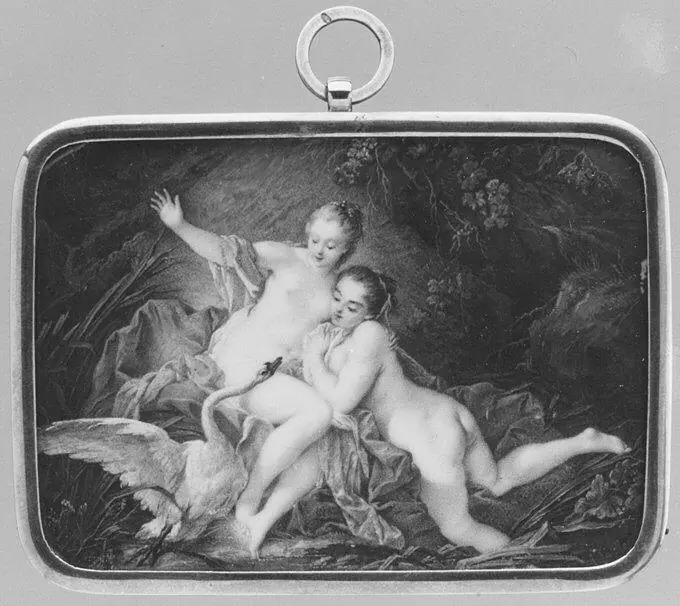 Leda and the Swan, after Boucher
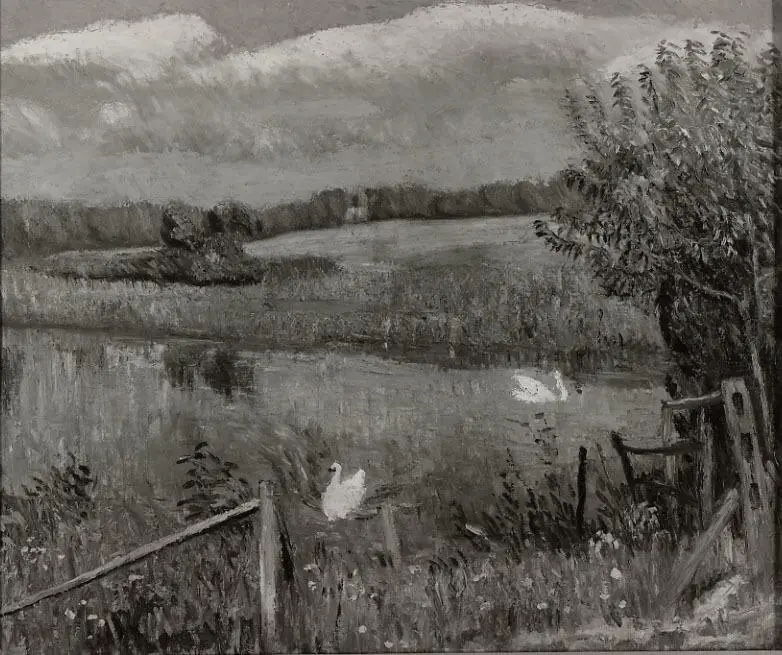 Swan Pond, Bellport, Long Island
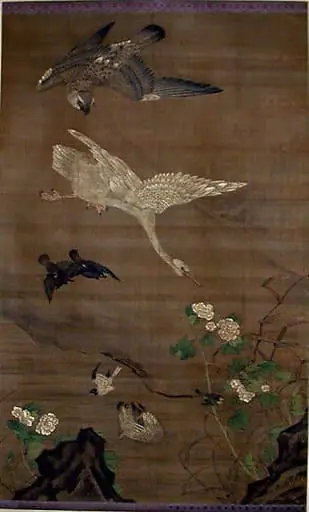 Untitled
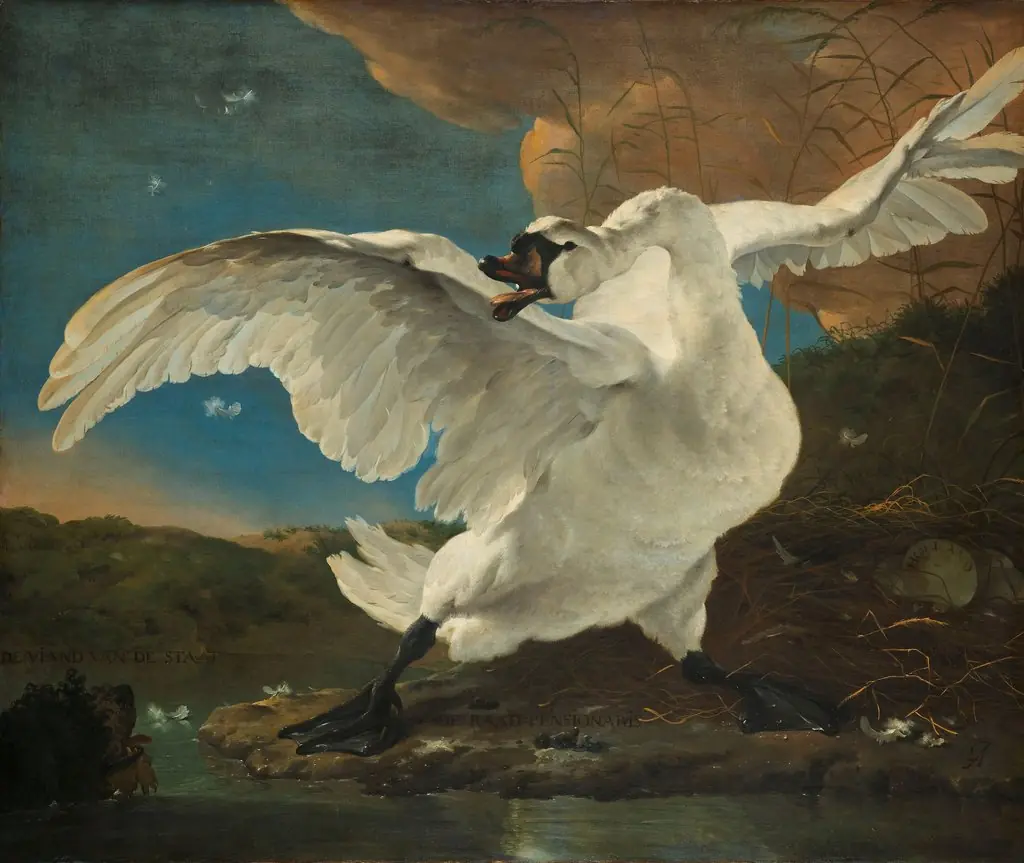 The Threatened Swan
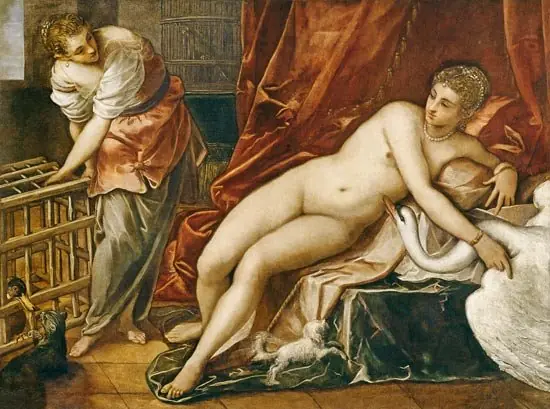 Leda and the Swan
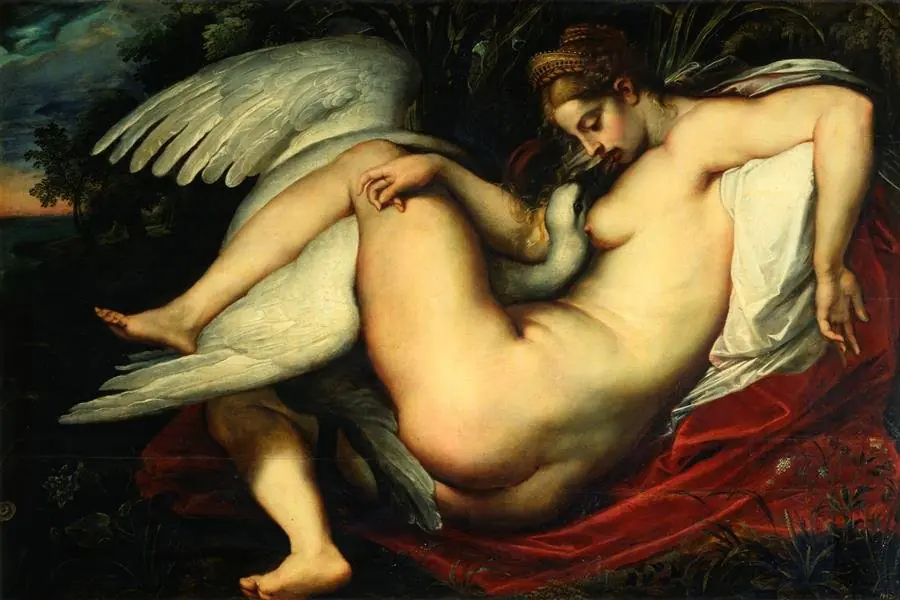 Leda and the swan
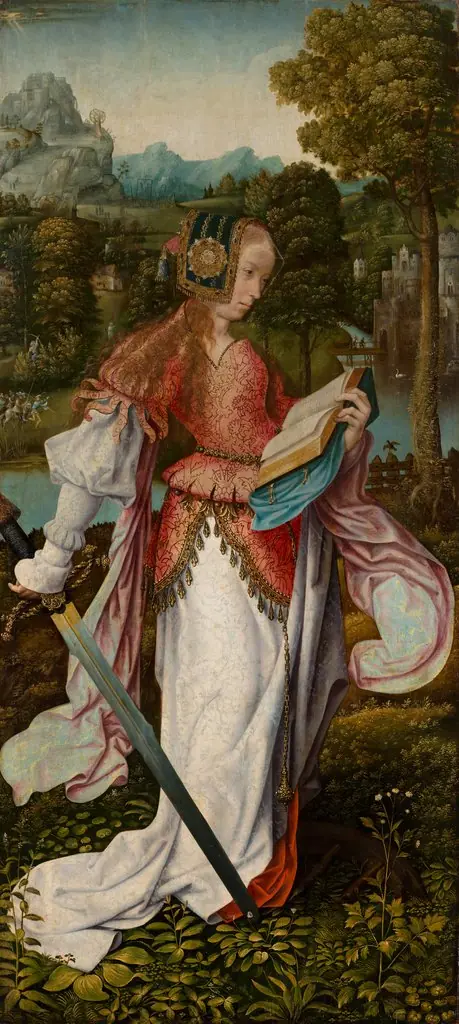 Saint Catherine
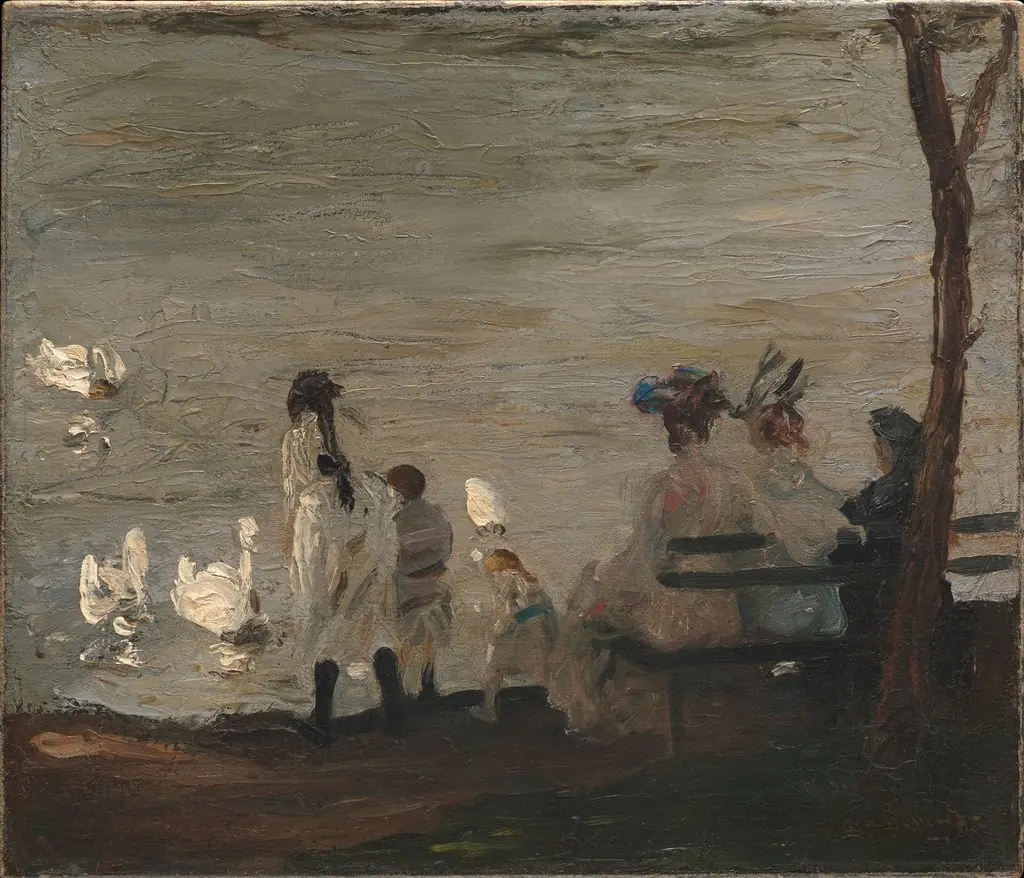 Swans in Central Park
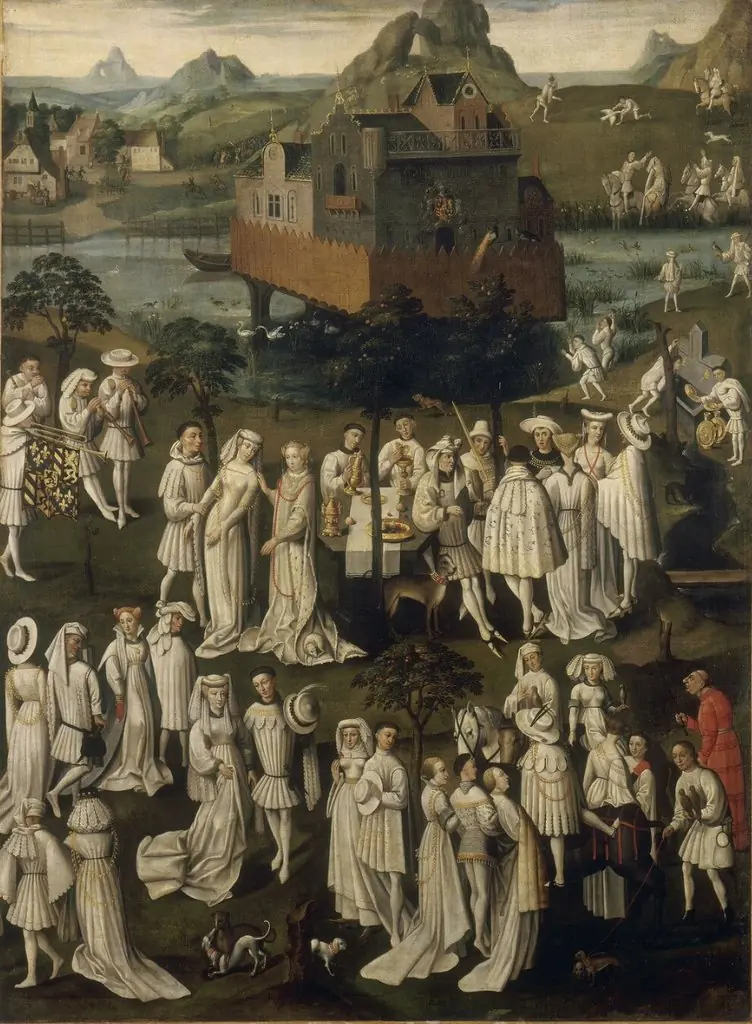 Garden of love at the court of Philippe the Good, Duke of Burgundy
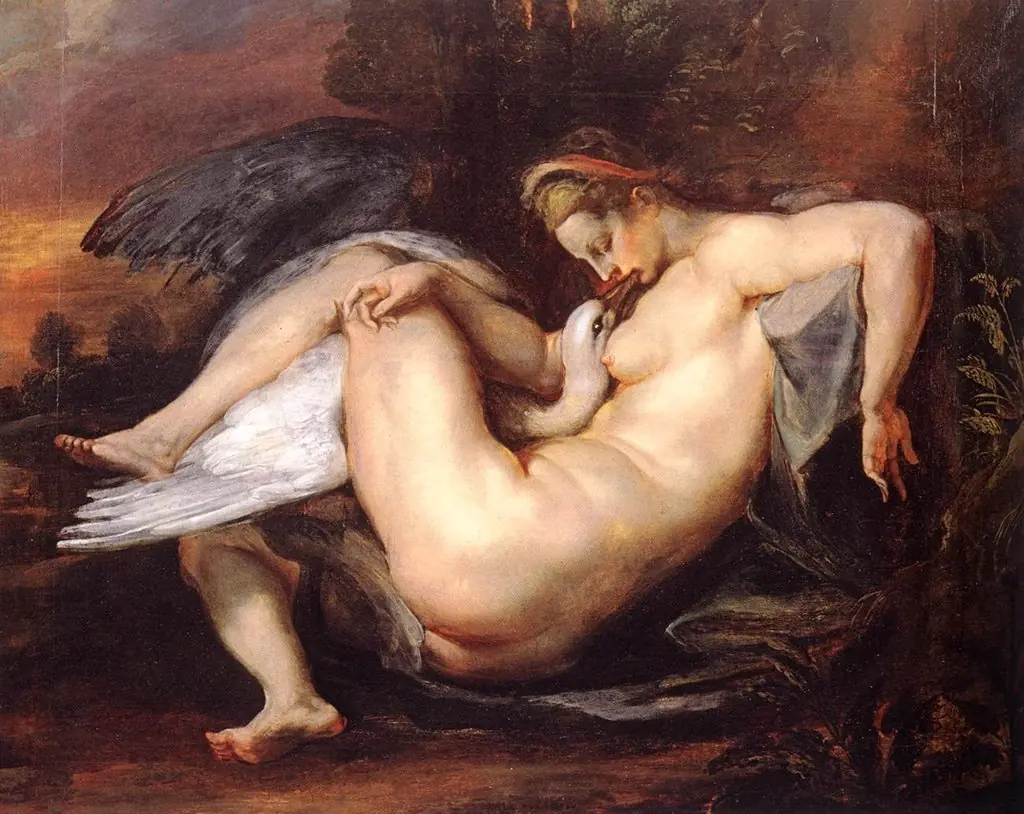 Leda and the Swan
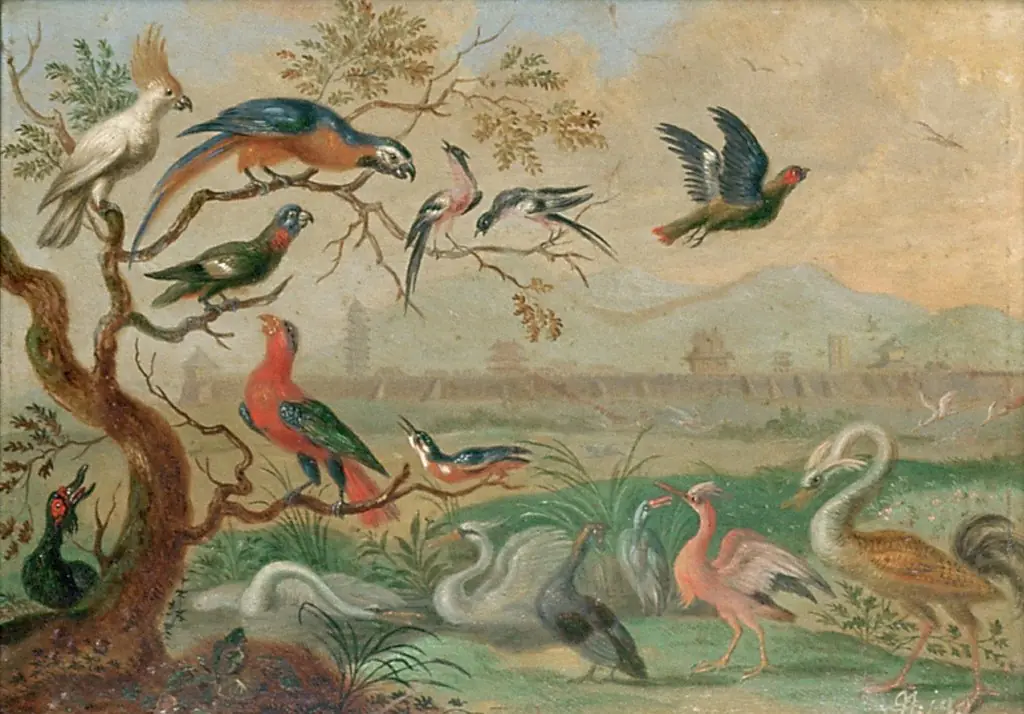 Ansichten aus den vier Weltteilen mit Szenen von Tieren: Peking
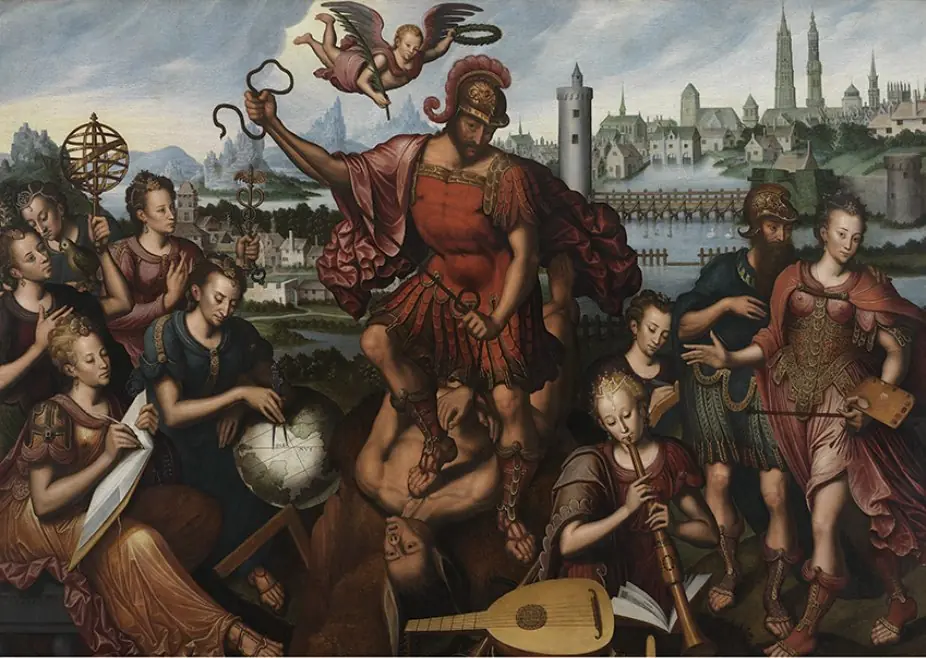 Mars, surrounded by the Arts and Sciences, conquers Ignorance
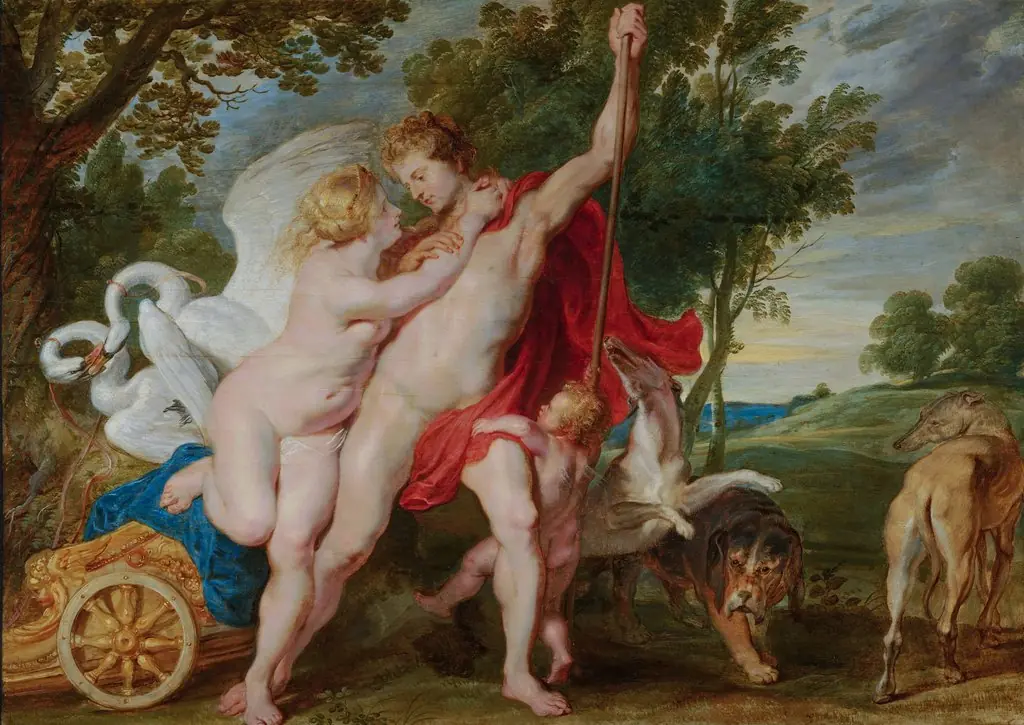 Venus trying to prevent Adonis from going hunting
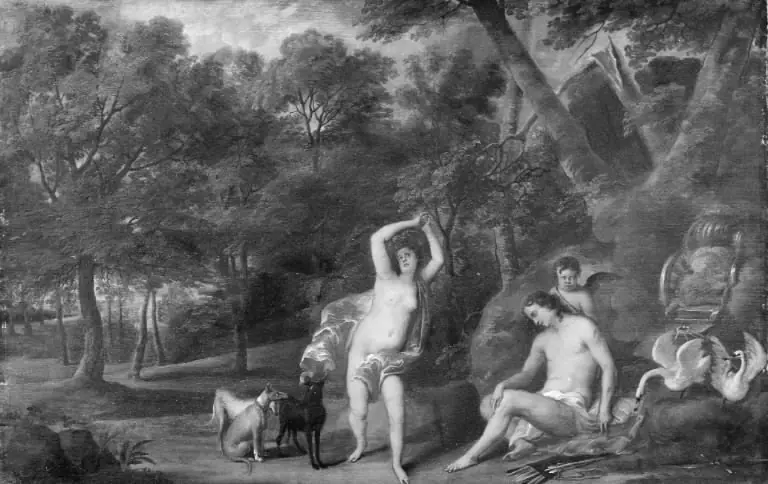 Venus Bewailing the Slain Adonis
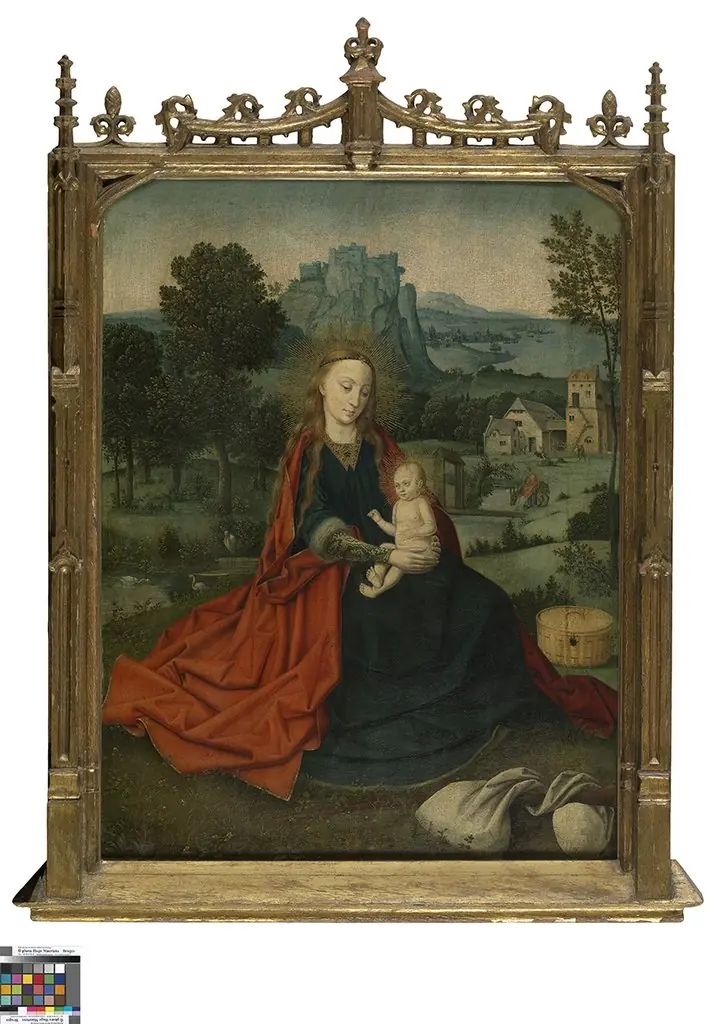 Rest on the Flight into Egypt
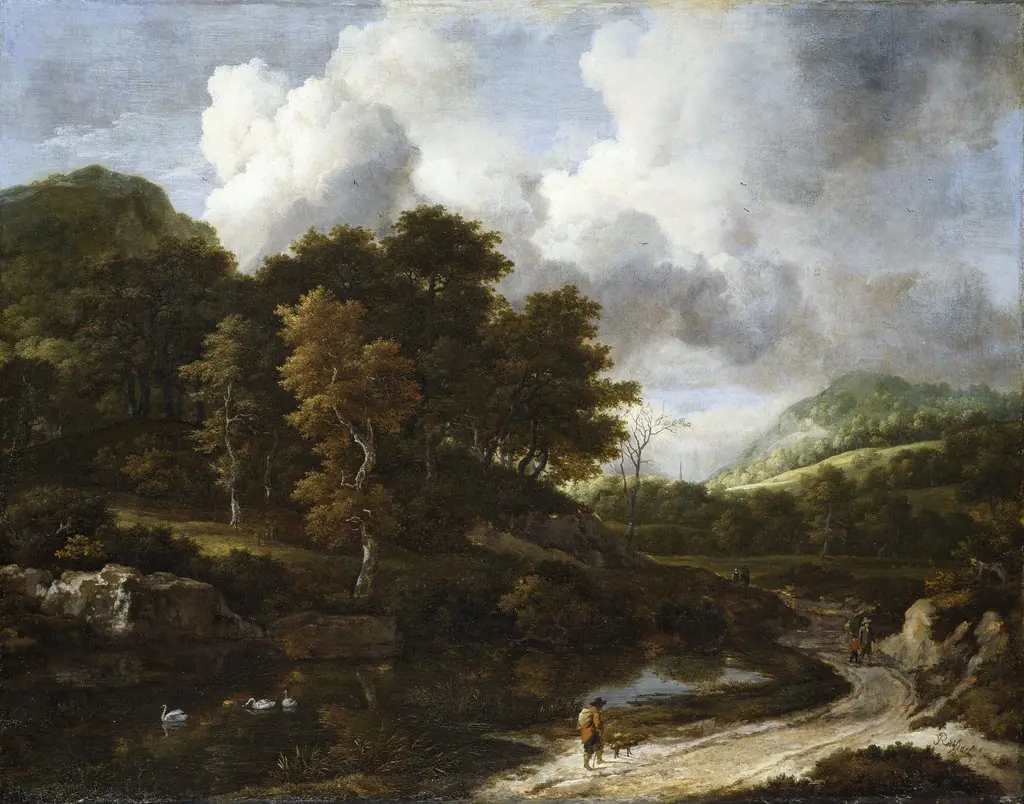 A wooded landscape
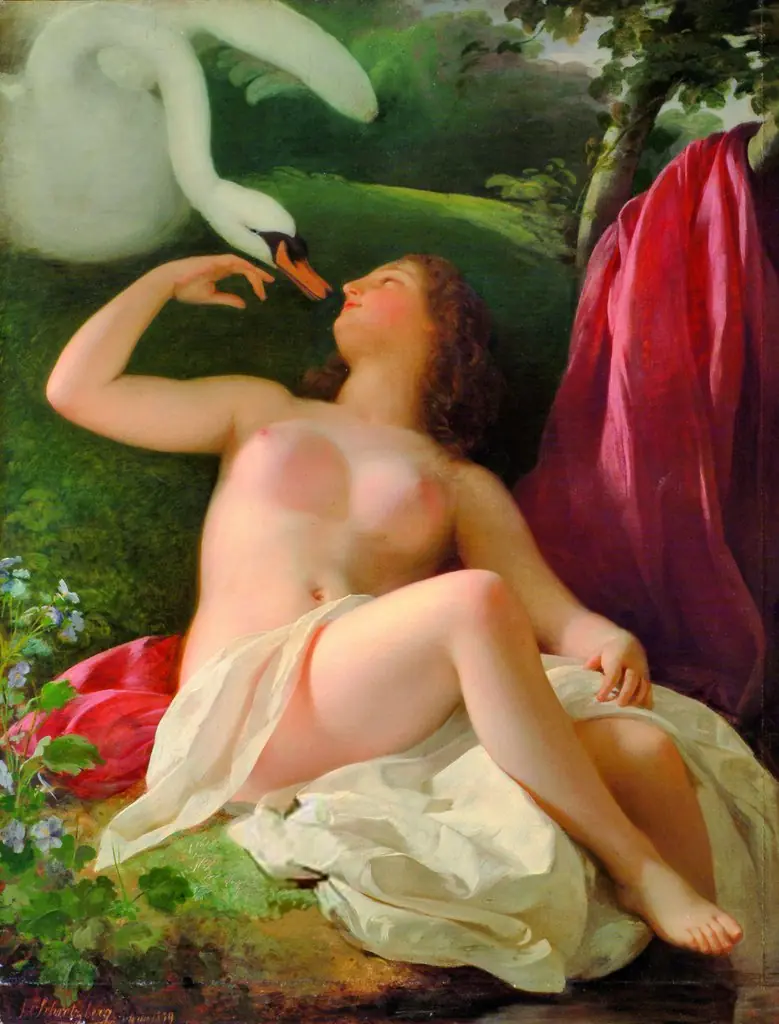 Leda mit dem Schwan
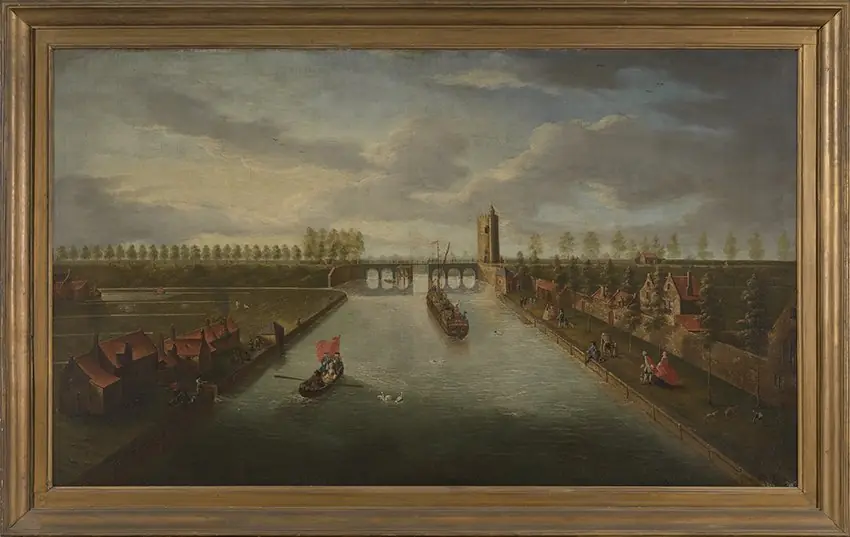 Het Minnewater in Brugge
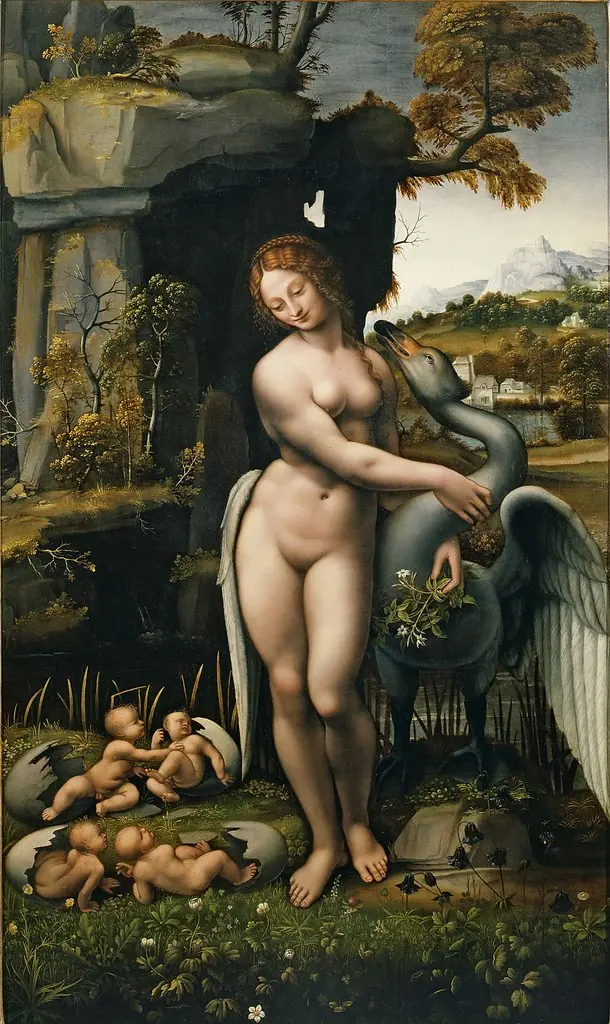 Leda and the Swan
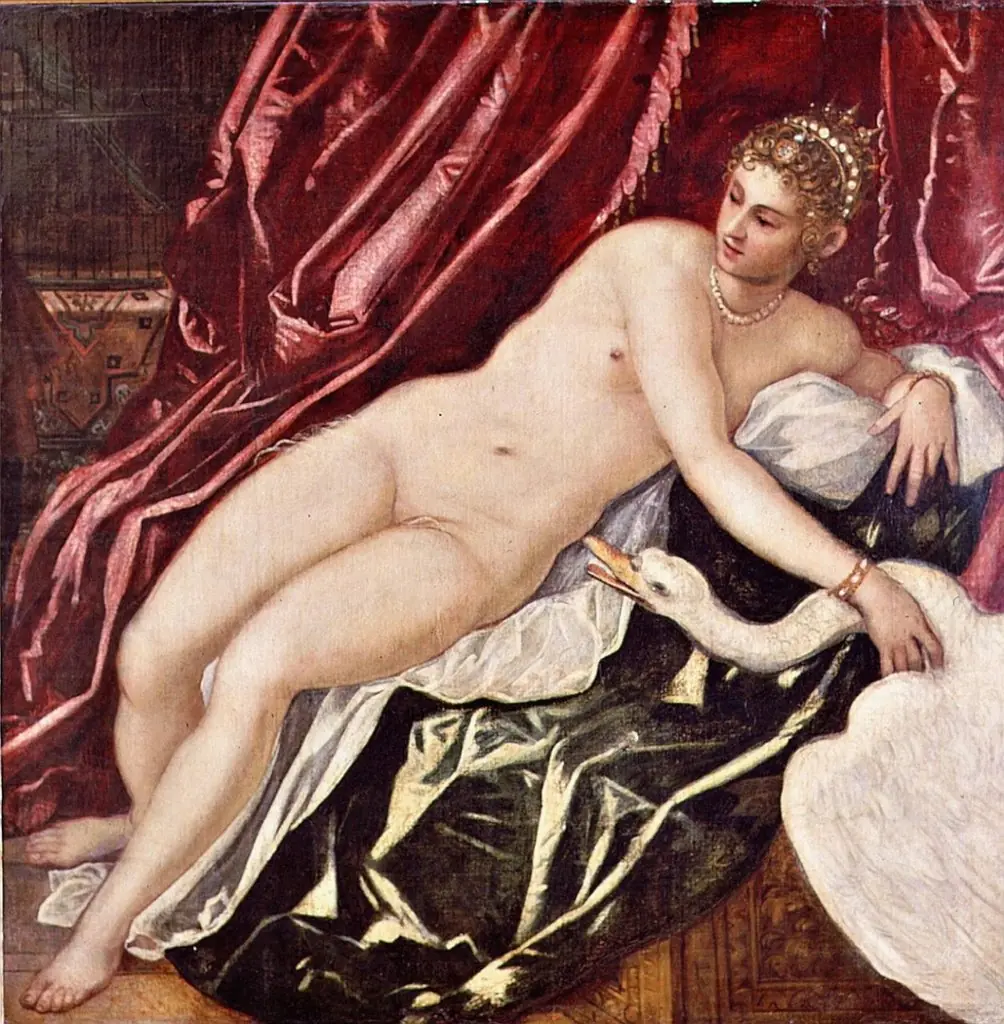 Leda and the Swan
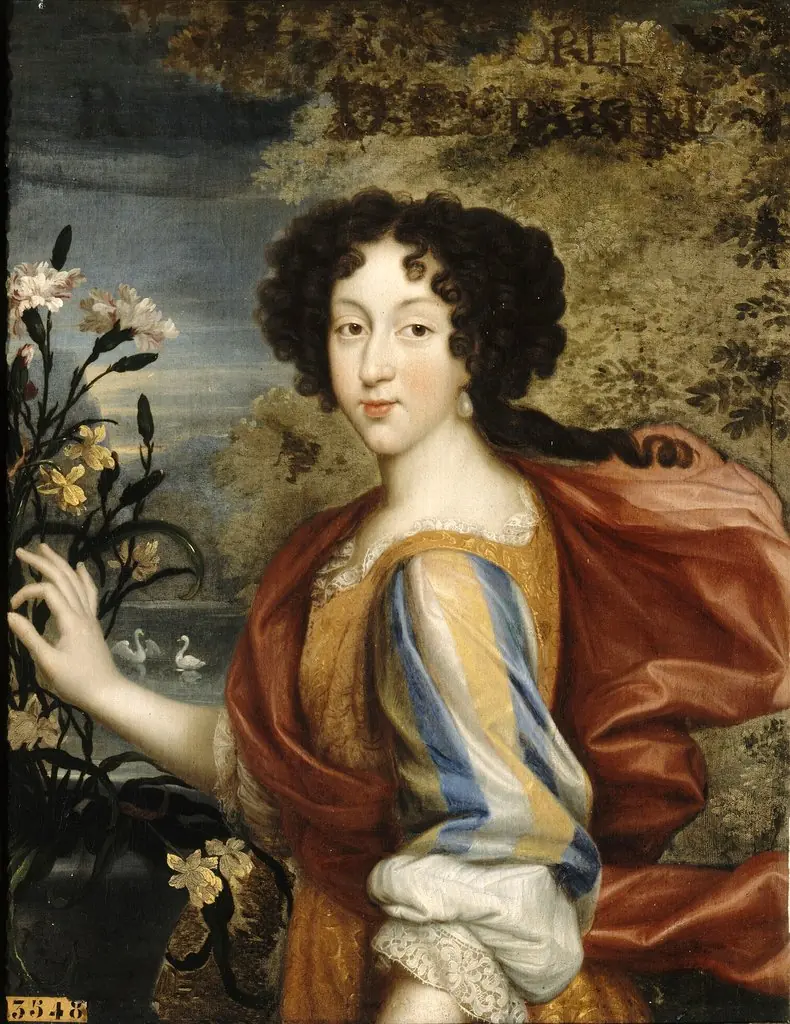 Portrait of Marie Louise d'Orléans (1662–1689)
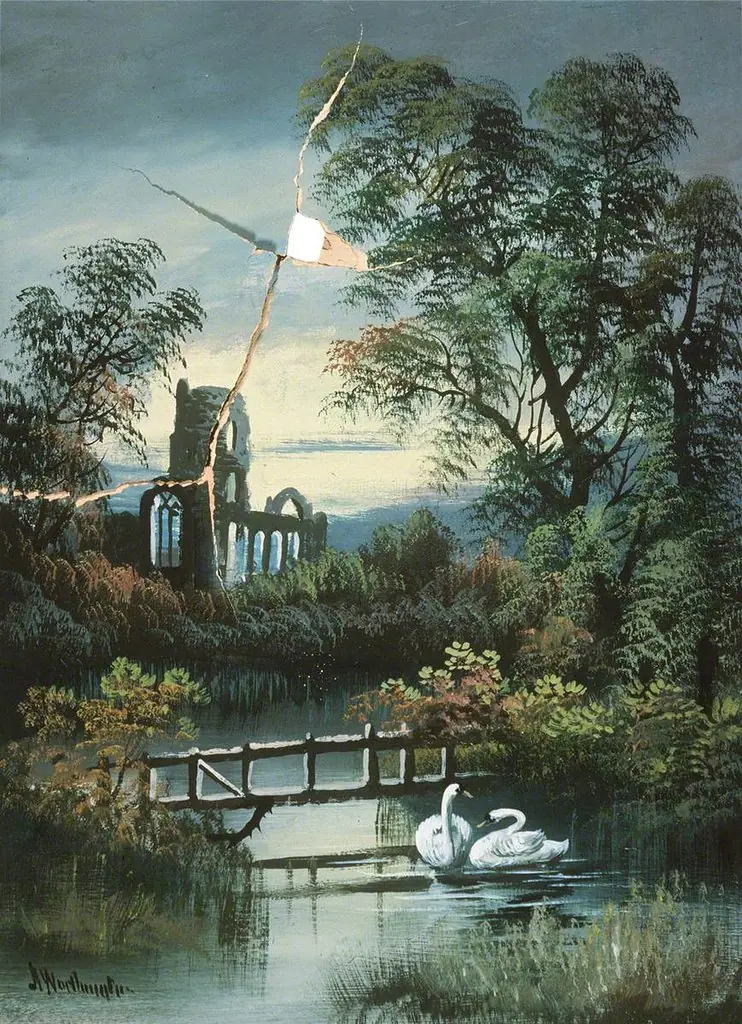 River Landscape and a Ruined Abbey
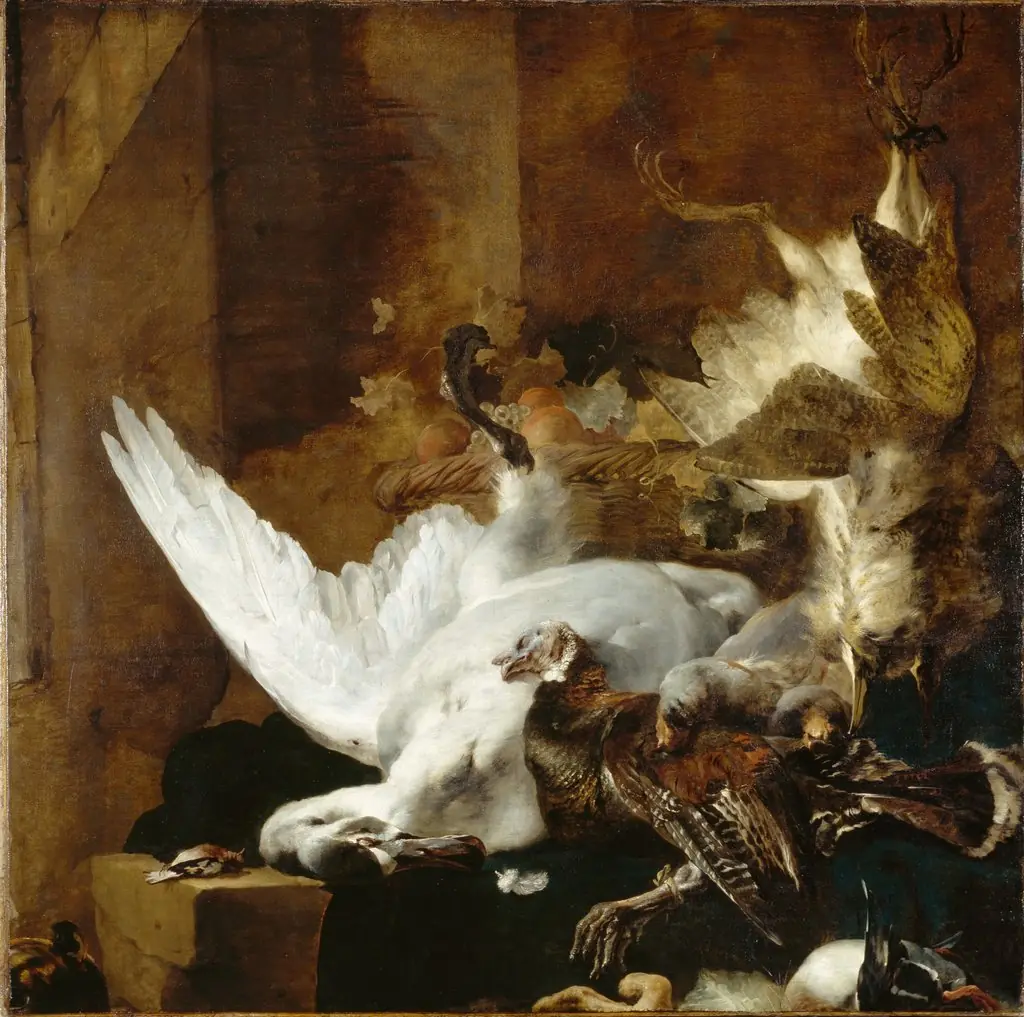 Still Life with a Dead Swan
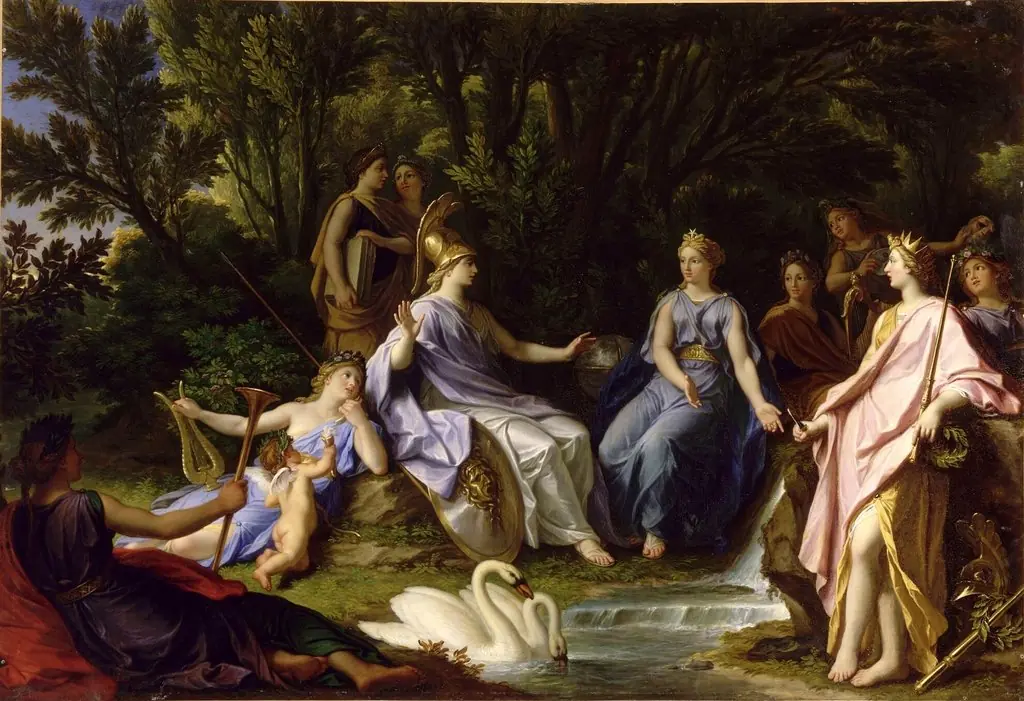 Story of Minerva - The Muses Showing Minerva Hippocrene Waters of the River that Brings Out Pegasus
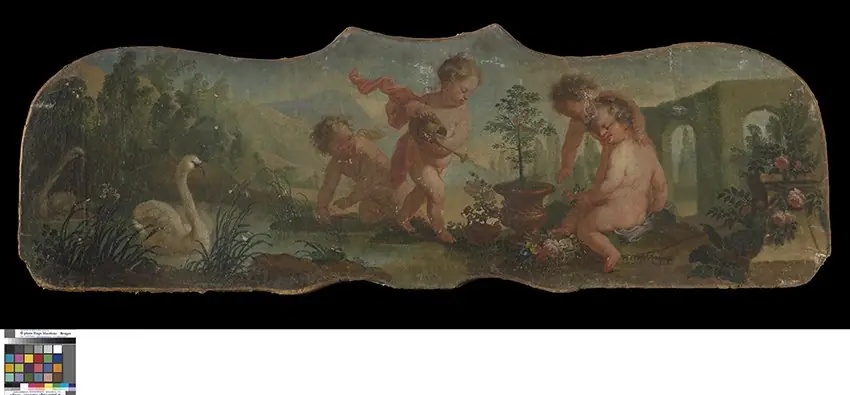 Vier elementen: Water en Aarde
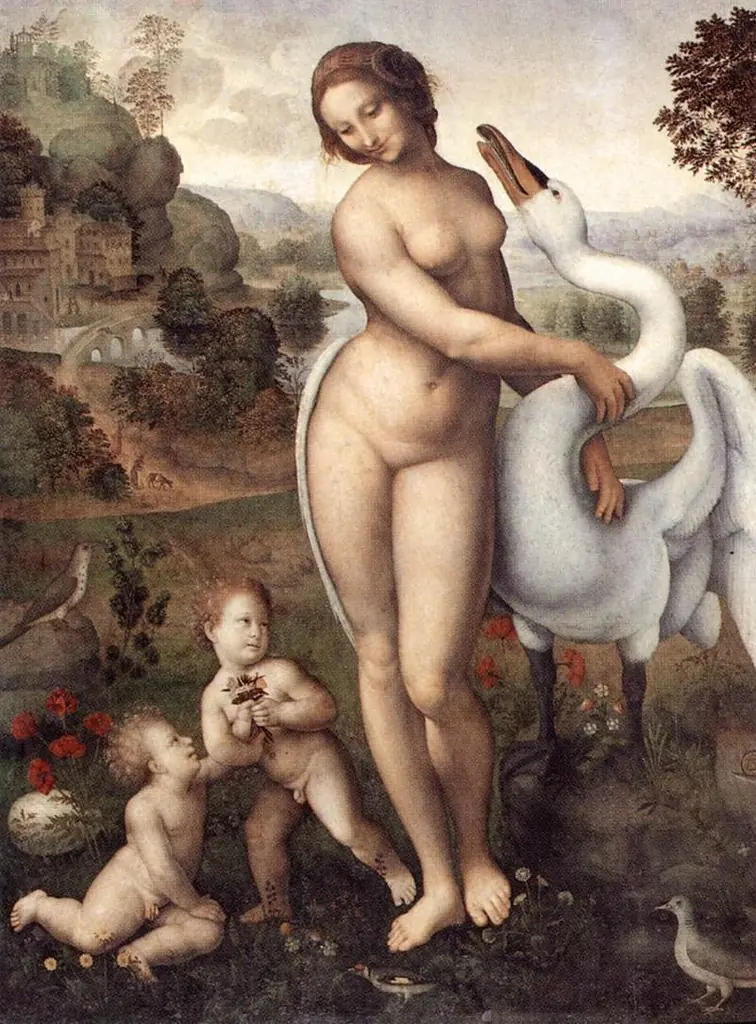 Leda and the Swan
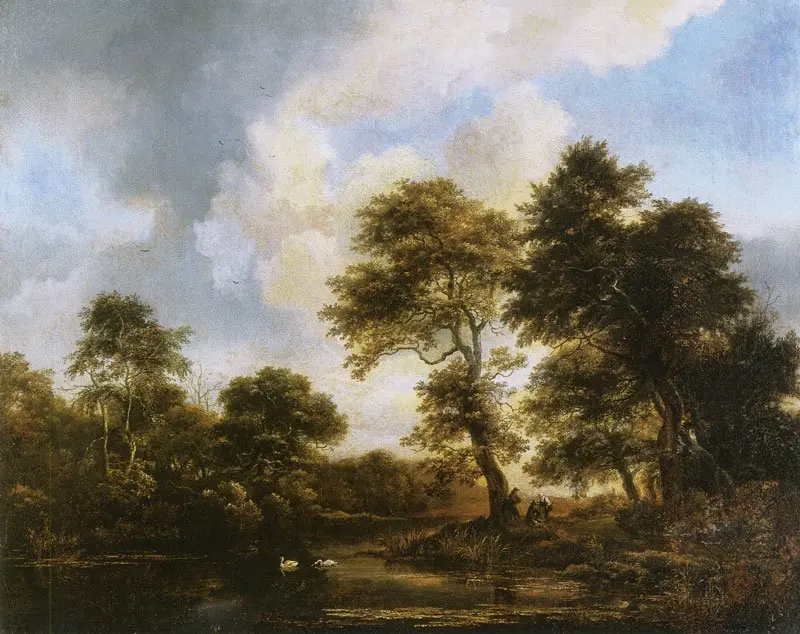 Wooded landscape with swans in a pond
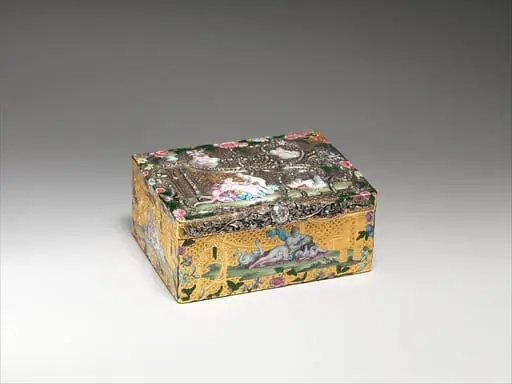 Snuffbox with portrait of Frederick the Great (1712–1786), King of Prussia
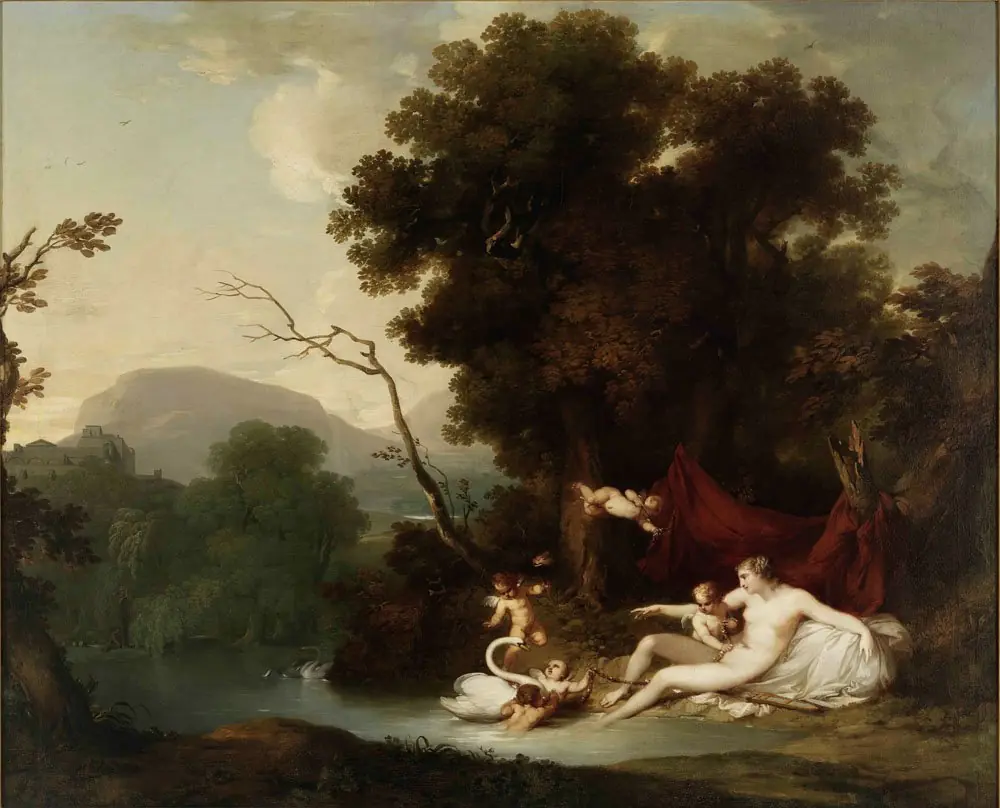 Leda and the Swan
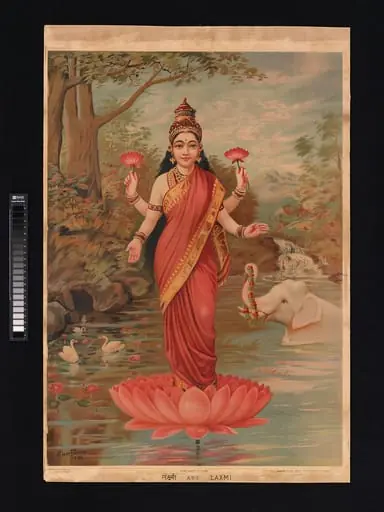 Untitled
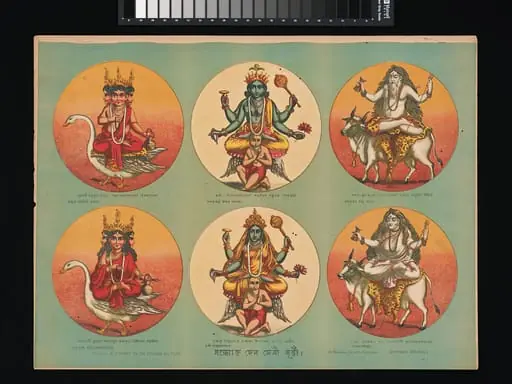 Untitled
Frequently asked questions
What is Swan?
Swan is an English surname.
How many Swan works does Artifact World Gallery have?
Artifact World Gallery holds 40 public-domain Swan works, all free to view and download.
Who are the key Swan artists?
Key Swan artists in the collection include Lodewijk Tieling, Jacopo Tintoretto and George Bellows.
Where can I see Swan works?
Swan works in the collection are held by Metropolitan Museum of Art, Groeningemuseum and Kunsthistorisches Museum.