Artwork
Cover of the Fourth Yearbook of the Artist Group the Brucke
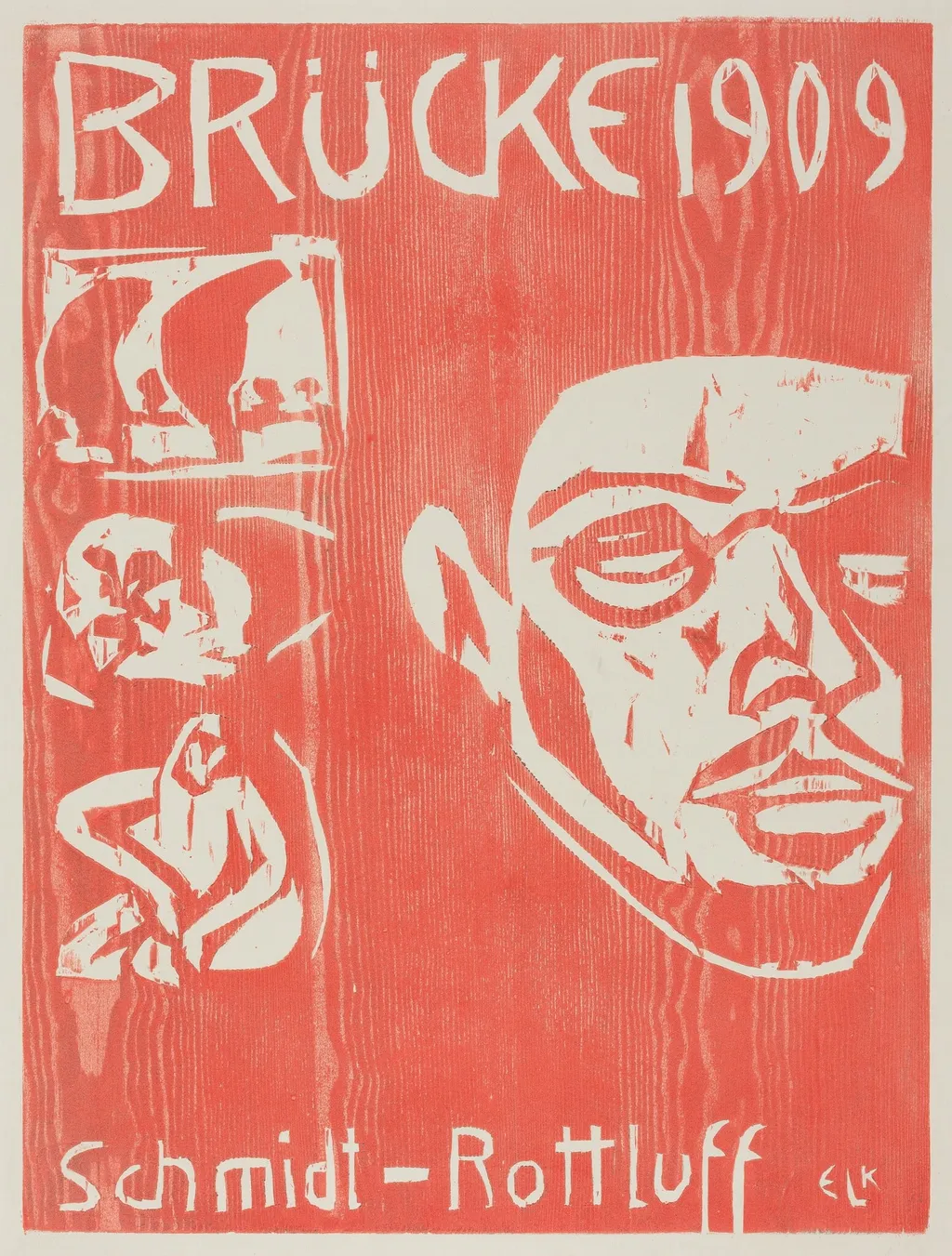
Cover of the Fourth Yearbook of the Artist Group the Brucke is an ink print by Ernst Ludwig Kirchner. It dates from 1909 and is held in the collection of the National Gallery of Art.
- Inscription
- Inscribed:inside lower left: LJR stamp in black ink.
About this work
Overview
Ernst Ludwig Kirchner designed the cover for the fourth yearbook of Die Brücke in 1909 using a red woodcut technique.
Ernst Ludwig Kirchner designed the cover for the fourth yearbook of Die Brücke in 1909 using a red woodcut technique. As a founding member of the group, he produced this work to visually represent the collective’s ethos. The design is intentionally raw, emphasizing hand-carved textures and unrefined forms, aligning with the group’s rejection of academic polish in favor of direct, expressive communication.
Subject & Meaning
The cover features the word 'BRÜCKE' in large, irregular letters, symbolizing the group’s role as a bridge between traditional and modern art. Below, three small scenes depict musicians and a masked figure, suggesting artistic collaboration and ritual. The absence of narrative clarity invites interpretation, reflecting Die Brücke’s interest in primal expression and inner emotional states over literal representation.
Technique & Style
Kirchner employed a woodcut method, carving directly into a wooden block and printing in a single, bold red ink. The surface retains visible grain and uneven edges, highlighting the handmade process. Forms are simplified into sharp, angular shapes, with no attempt at naturalism.
The contrast between the vivid red and white paper enhances the graphic impact, reinforcing the work’s immediacy and emotional force.
History & Provenance
Created for Die Brücke’s 1909 yearbook, this cover was part of the group’s effort to control their public image through self-published materials. Kirchner and Karl Schmidt-Rottluff, whose name appears alongside his, were key figures in producing these publications. The print was distributed among members and supporters, serving both as documentation and manifesto, reinforcing the collective’s identity outside institutional art circles.
Context
In early 20th-century Germany, Die Brücke sought to break from academic traditions and embrace raw, emotional art inspired by non-Western and folk sources. This cover emerged amid broader cultural shifts toward modernism and a rejection of industrialized aesthetics. The woodcut’s roughness mirrored the group’s alignment with urban alienation and spiritual searching, positioning art as a vital, personal act rather than a decorative one.
Legacy
Kirchner’s cover became a defining image of German Expressionism’s graphic output. Its emphasis on materiality and emotional directness influenced later avant-garde movements, particularly in poster design and artist publications. The work remains a key example of how printmaking was used not merely to reproduce art, but to assert ideological and aesthetic autonomy within a rapidly changing cultural landscape.
Own this work as a print
Artist & collection
Artist
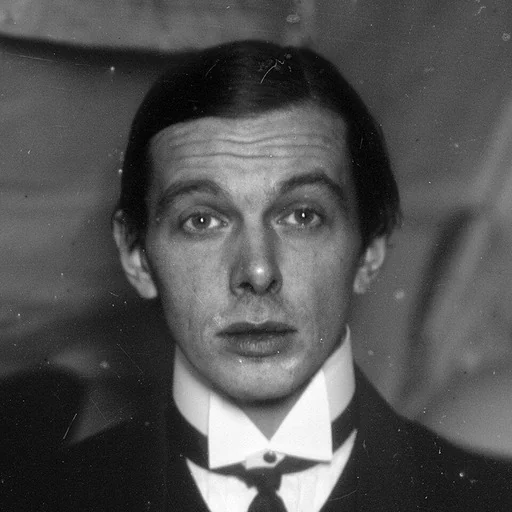
Ernst Ludwig Kirchner (6 May 1880 – 15 June 1938) was a German expressionist painter and printmaker.

![Dance Hall Bellevue [obverse], by Ernst Ludwig Kirchner](https://artifactworldgallery.com/img/ernst-ludwig-kirchner--dance-hall-bellevue-obverse--d1e14aac4297c69e-w320.webp)
![Nude Figure [reverse], by Ernst Ludwig Kirchner](https://artifactworldgallery.com/img/ernst-ludwig-kirchner--nude-figure-reverse--4b135f0364753e98-w320.webp)
![Two Nudes [obverse], by Ernst Ludwig Kirchner](https://artifactworldgallery.com/img/ernst-ludwig-kirchner--two-nudes-obverse--eb3914183f0bc96d-w320.webp)
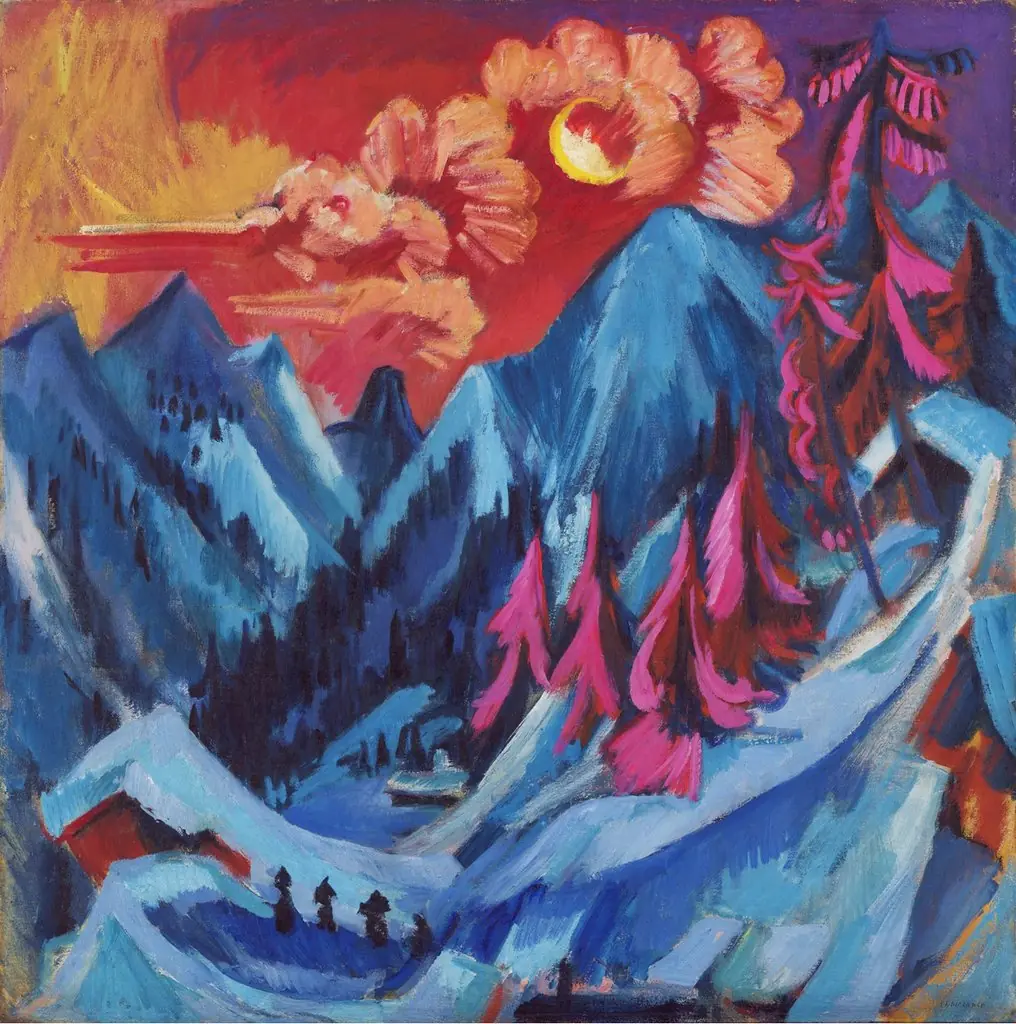
![Dancing Couple in the Snow [reverse], by Ernst Ludwig Kirchner](https://artifactworldgallery.com/img/ernst-ludwig-kirchner--dancing-couple-in-the-snow-reverse--87ca007d7c05b553-w320.webp)
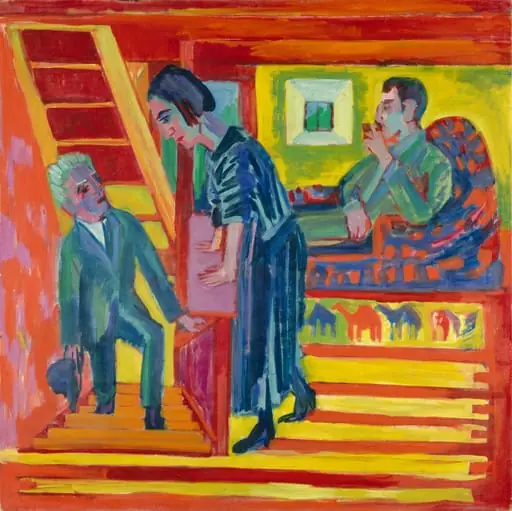
- Peter Schlemihls wundersame Geschichte: Kämpfe. Qualen der Liebe (Peter Schlemihl's Wondrous Story: Battles. The Agonies of Love)
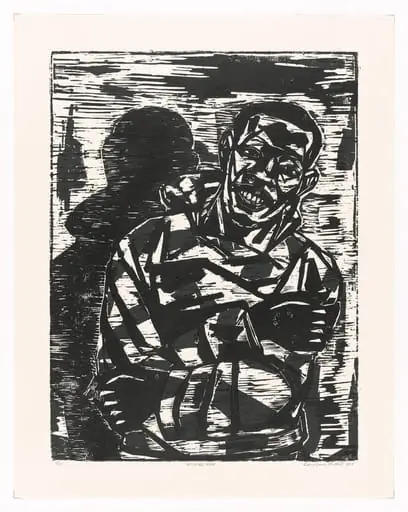 Untitled
 Untitled
 Untitled
 Te Faruru (They are Making Love Here)
 Untitled
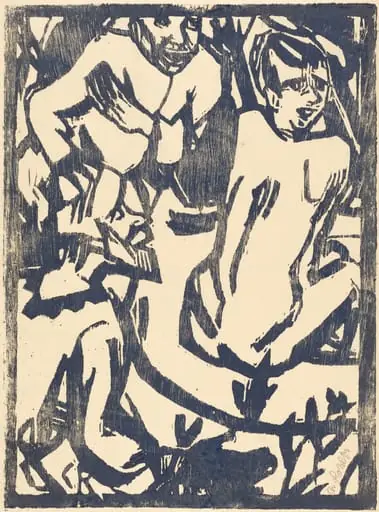 Susanna and the Elders
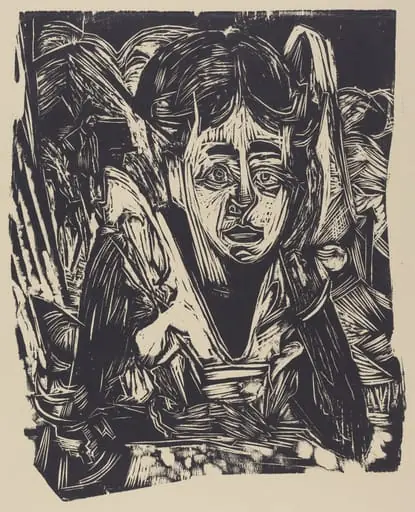 Girl Dreaming
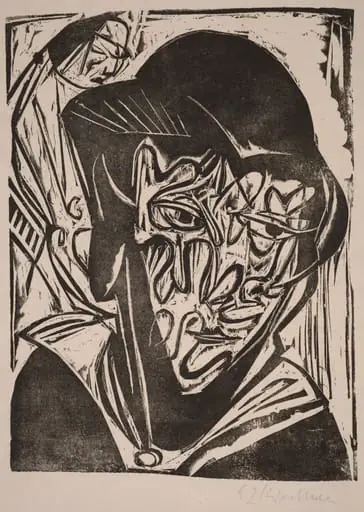 Woman with a Veil
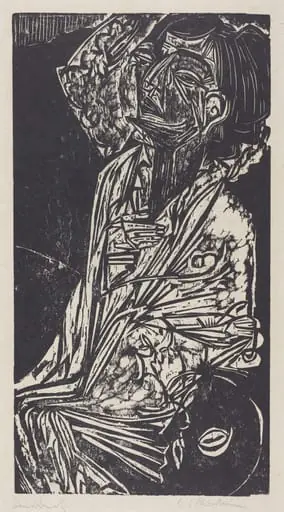 The Wife of Professor Goldstein
 Fehmarn Girls
 Untitled