Artwork
LIS
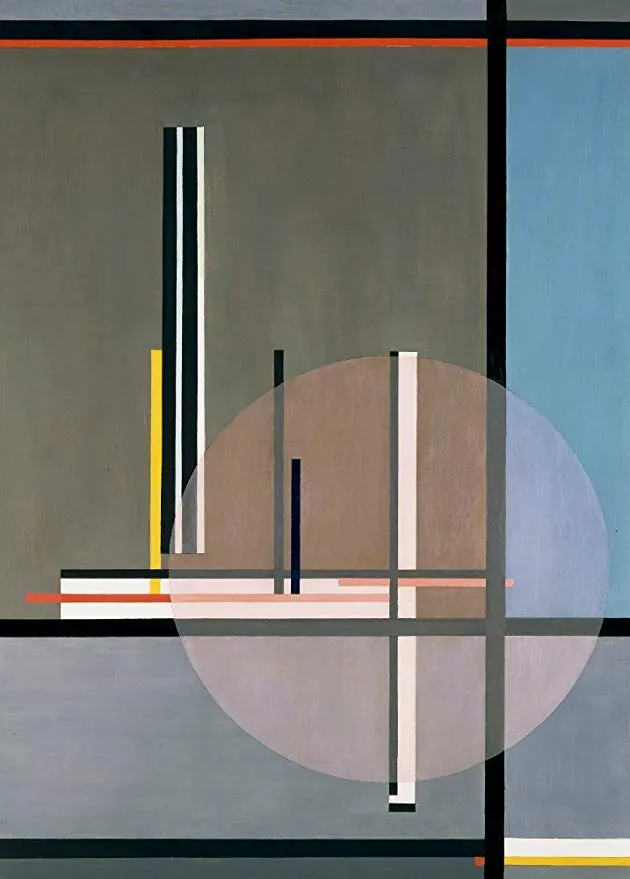
LIS is an oil painting by the Bauhaus artist László Moholy-Nagy. It dates from 1922 and is held in the collection of the Kunsthaus Zürich.
About this work
Overview
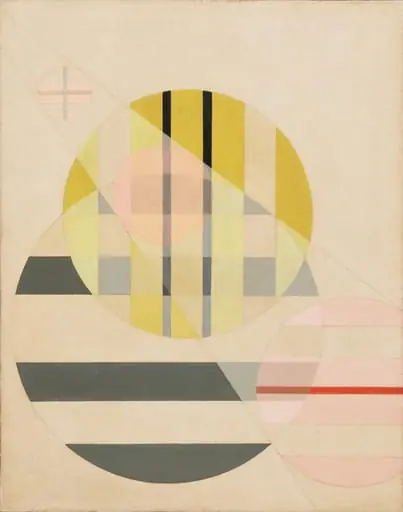
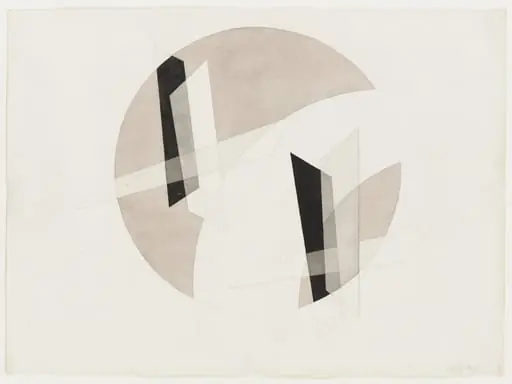
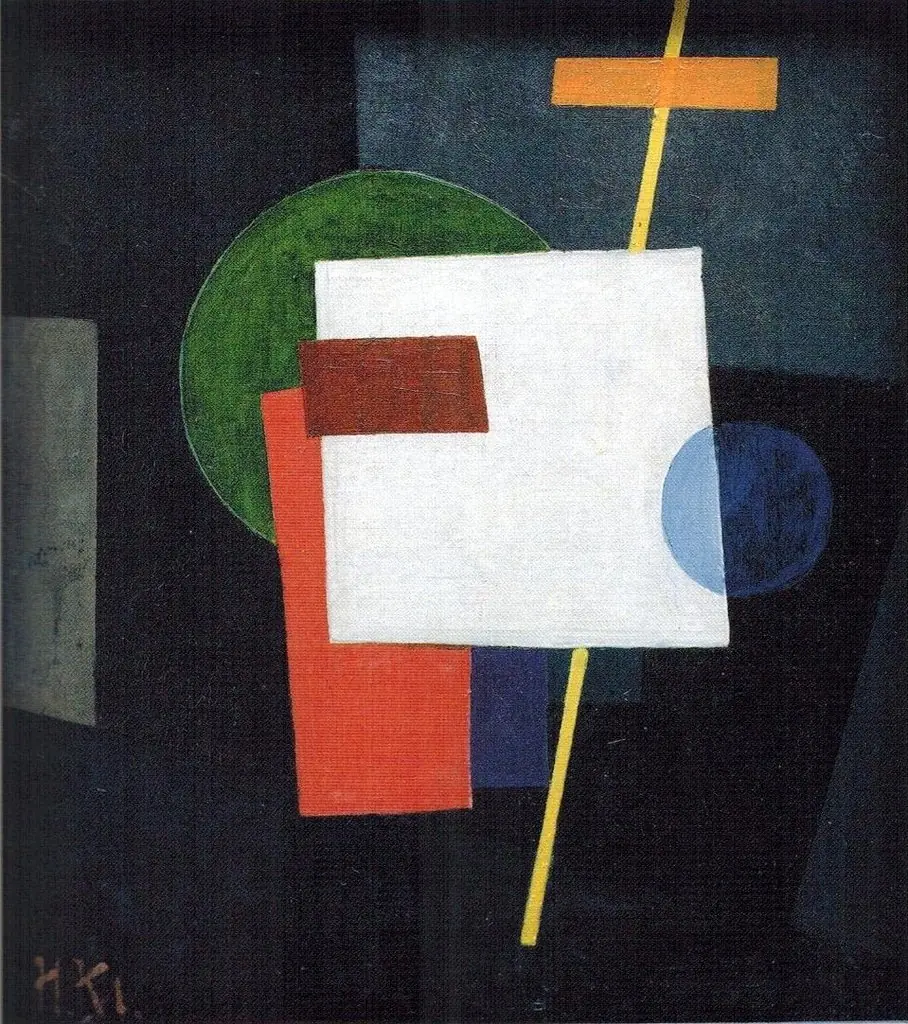
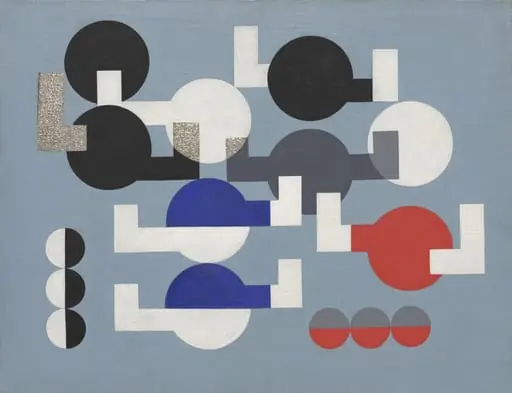
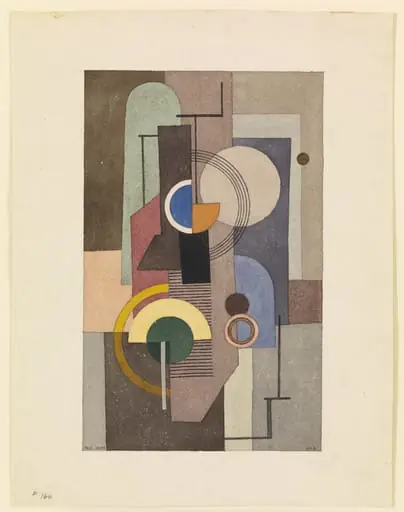
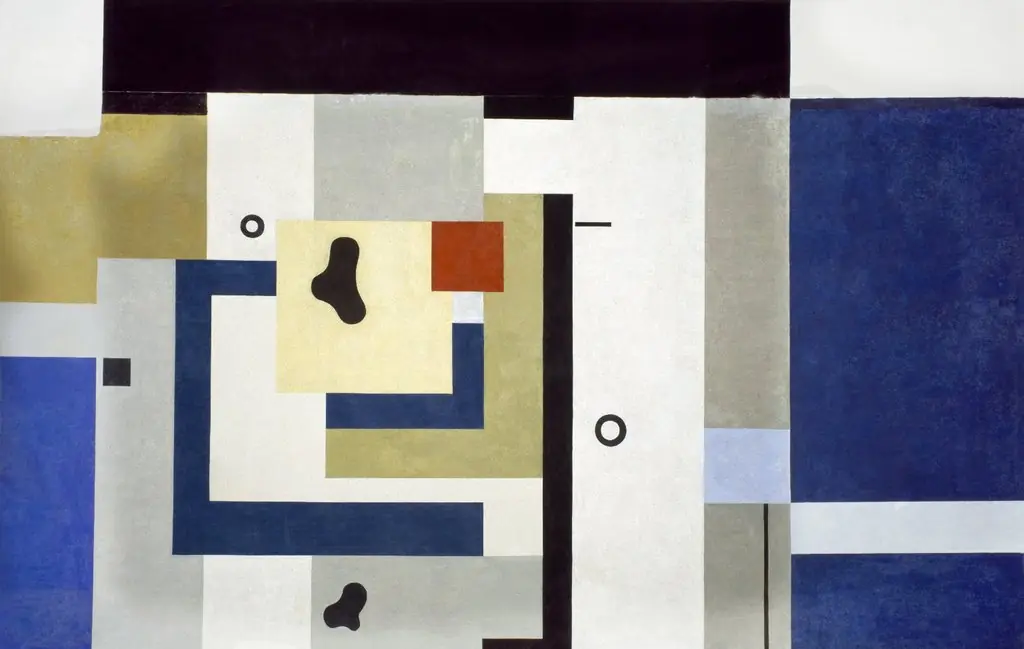
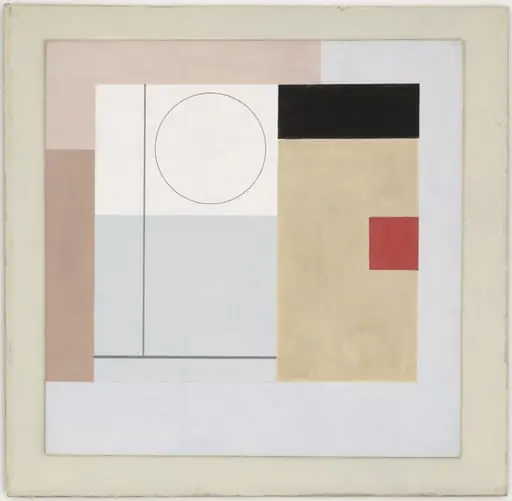
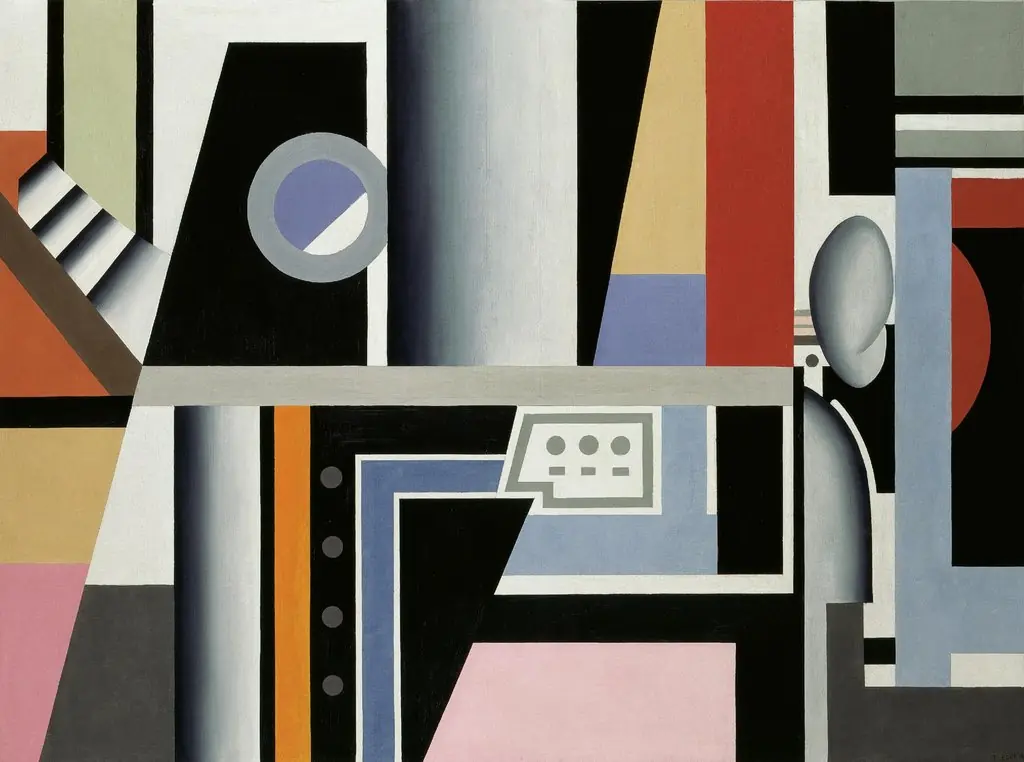
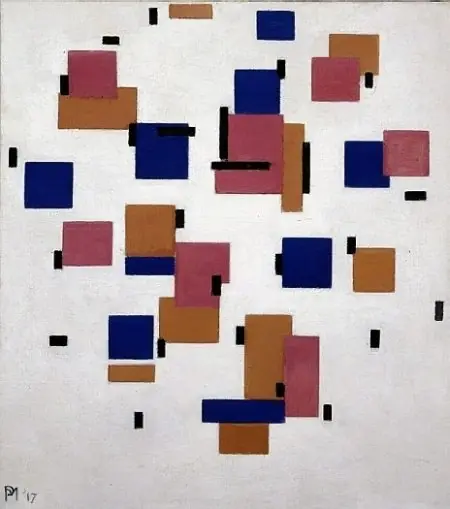
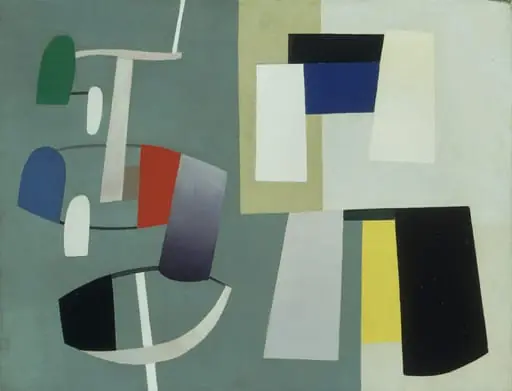
Created in 1922, LIS is an abstract oil painting by László Moholy‑Nagy. The work consists of interlocking geometric forms, rectangles, squares and linear elements, arranged in a layered composition. A restrained palette of muted grays, blues, yellows, oranges and blacks dominates, producing a subdued visual atmosphere that emphasizes balance over overt drama.
Subject & Meaning
The painting does not depict recognizable objects; instead it explores the interaction of shape, line and colour. By overlapping geometric elements, Moholy‑Nagy investigates spatial depth and the tension between flatness and illusion, inviting viewers to consider the formal relationships that generate visual harmony.
Technique & Style
Executed in oil on canvas, the work demonstrates Moholy‑Nagy’s interest in precision and abstraction. Thin and thick lines are rendered with careful brushwork, while the colour fields are applied in smooth, even tones that avoid high saturation. The composition reflects the Bauhaus emphasis on geometric order and the artist’s experimentation with visual perception.
History & Provenance
Since its completion, LIS has been part of the collection of the Kunsthaus Zürich, where it is displayed as a representative example of Moholy‑Nagy’s early abstract period. The museum acquired the painting as part of its effort to document the development of modernist abstraction in the early twentieth century.
Artist & collection

Artist
László Moholy-Nagy was a Hungarian painter and photographer as well as a professor in the Bauhaus school.