Artwork
Animaux au Pâturage (Animals at Pasture)
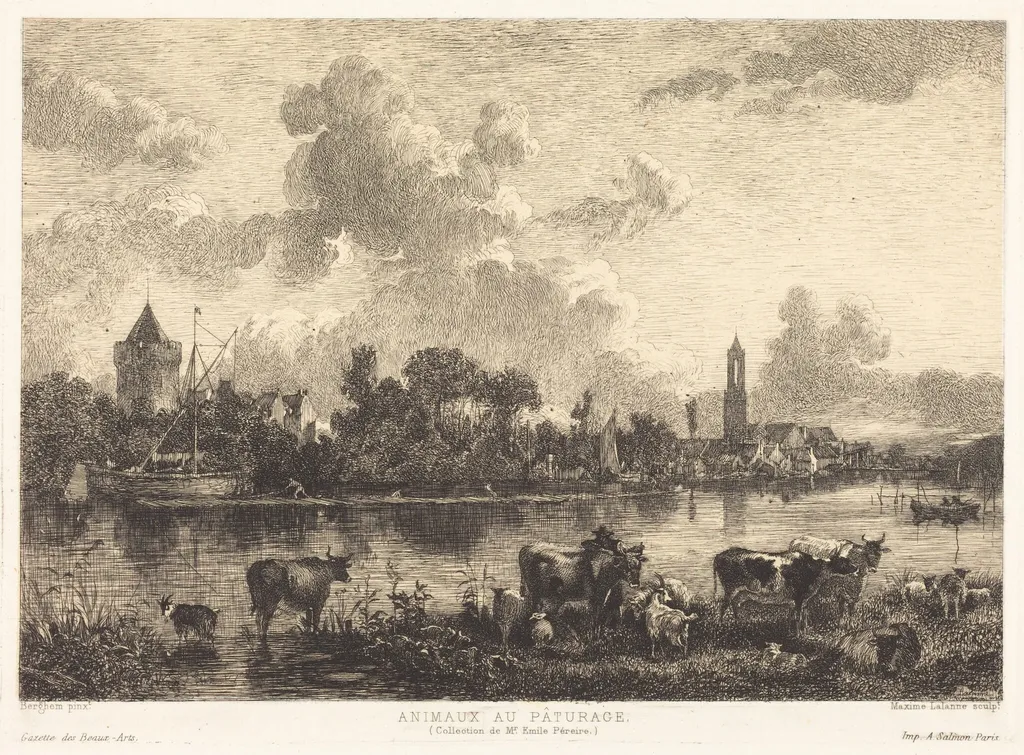
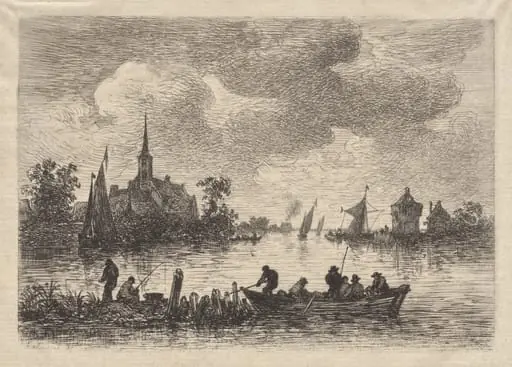
Animaux au Pâturage (Animals at Pasture) is an ink print by the Romanticist artist Maxime Lalanne. It dates from 1856 and is held in the collection of the National Gallery of Art.
- Inscription
- Inscribed:lower left in plate: Berghem pinxt.; lower right in plate: Maxime Lalanne sculpt.; lower center in plate: ANIMAUX AU PATURAGE. / (Collection de Mr. Emile Péreire.); lower left in plate: Gazette des Beaux-Arts.; lower right in plate: Imp. A.Salmon Paris
About this work
Overview
Created in 1856 by French artist Maxime Lalanne, Animaux au Pâturage is a print executed in etching and drypoint on chine collé.
Created in 1856 by French artist Maxime Lalanne, Animaux au Pâturage is a print executed in etching and drypoint on chine collé. The work captures a tranquil rural scene with careful attention to atmospheric detail. Lalanne’s choice of medium allowed for nuanced tonal variation, enhancing the quiet mood of the composition. The piece reflects his broader interest in landscape and everyday rural life through printmaking.
Subject & Meaning
The scene portrays cattle grazing near a riverbank, with a modest town nestled behind them. A church spire, moored boats, and scattered trees frame the setting, suggesting a harmonious coexistence between nature and human habitation. The title, meaning 'Animals at Pasture,' underscores a focus on pastoral stillness rather than narrative action. The absence of human figures emphasizes the serenity of the natural world.
Technique & Style
Lalanne employed etching for fine, controlled lines and drypoint for richer, velvety shadows, combining both to model form and texture. The use of chine collé, a thin paper bonded to a heavier support, allowed for delicate detail and subtle tonal gradations. Soft, sketchy strokes evoke cloud movement and foliage, while the muted black ink enhances the quiet, contemplative atmosphere of the scene.
History & Provenance
Produced during Lalanne’s early career, this print emerged from a period when French artists were re-engaging with landscape and rural themes outside academic traditions. Though not widely exhibited at the time, it was part of a growing interest in etching as a medium for personal expression. Its survival in private and institutional collections reflects its quiet significance in 19th-century print culture.
Context
In mid-19th-century France, etching experienced a revival among artists seeking alternatives to grand historical subjects. Lalanne, influenced by the Barbizon painters, turned to intimate natural scenes as subjects worthy of artistic attention. Animaux au Pâturage aligns with this shift, valuing observation over idealization and capturing the rhythms of rural life with understated precision.
Legacy
The work exemplifies Lalanne’s contribution to the revival of etching as a serious artistic medium in France. Though less known today than his contemporaries, his technical finesse and sensitivity to light and atmosphere influenced later generations of printmakers. Animaux au Pâturage remains a quiet testament to the value of everyday landscapes in 19th-century art.
Own this work as a print
Artist & collection
Artist
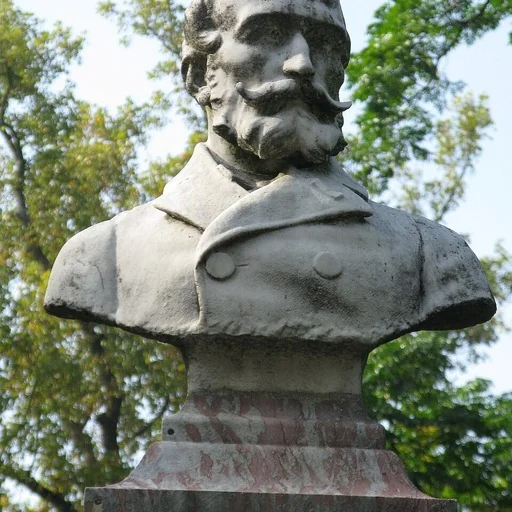
François Antoine Maxime Lalanne (November 27, 1827 – July 29, 1886) was a French artist known for his etchings and charcoal drawings (fusain).

- Banks of the Meuse
 Banks of the Meuse (Bords de la Meuse)
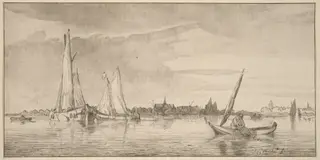 River with Town
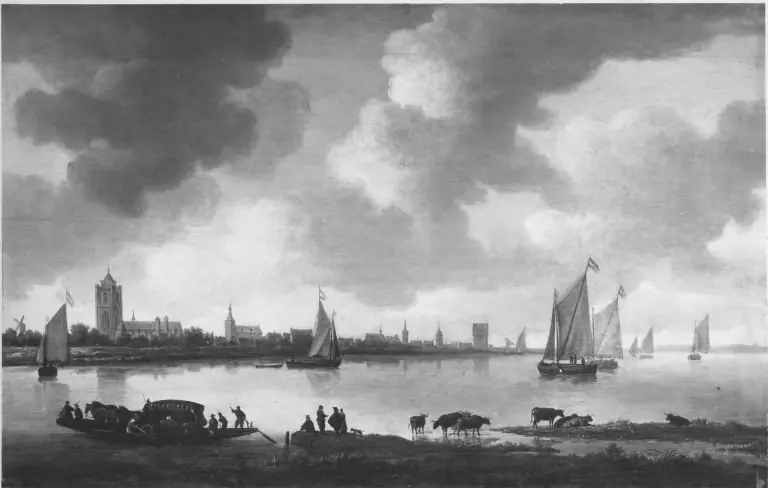 Stadt am Fluss (Ansicht von Zierikzee) (Nachahmer)
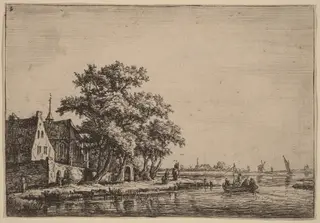 Churchyard at the Waterside
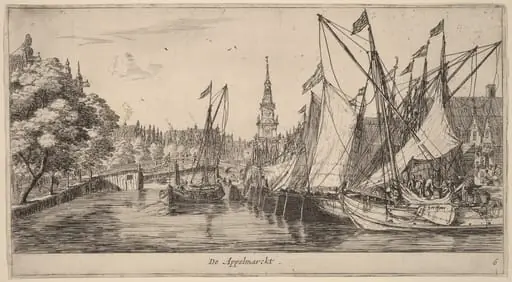 Appelmarkt (De Appelmarckt)
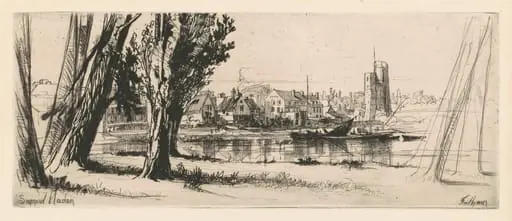 Fulham
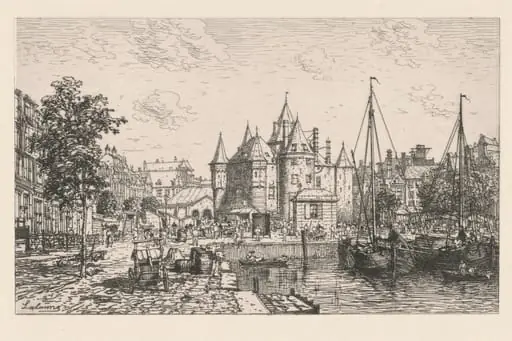 Le Wagg-Poids de la Ville d'Amsterdam
 River with Town
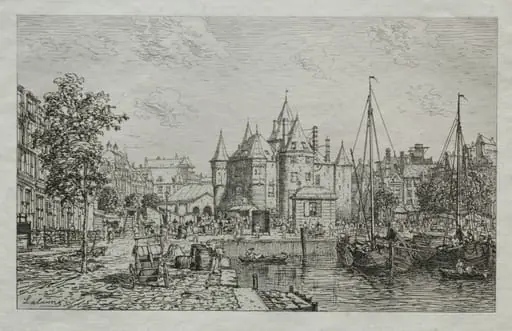 The Wagg-Poids of the City of Amsterdam
 Country Village with Church and Bridge
 Fulham