
Artist
Subject
Sheep is a subject in art. The gallery holds 200 works in this subject in art, including works by Albert Bierstadt, Camille Pissarro and François Boucher.
Few animals carry as long a symbolic charge in Western art as the sheep, and its earliest sustained role was religious. By the fifth century, Rome had adopted the Agnus Dei — the "Lamb of God" — as an emblem of Christ's sacrifice, often shown haloed and bearing a cross or banner of victory. Almost always rendered white, a shorthand for purity and innocence, the lamb threaded through medieval and Renaissance imagery: it crouches beside the infant Christ and the young Saint John the Baptist in works such as Titian's Madonna and Child compositions, foreshadowing the Passion. Francisco de Zurbarán's stark Agnus Dei (c. 1635–40), a single bound lamb against darkness, distilled this devotional tradition into something close to pure still life.
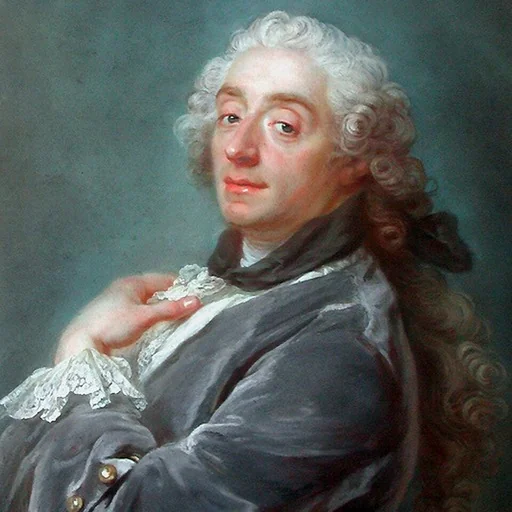
A parallel, secular current ran through pastoral landscape. Reviving the ancient poetic ideal of Arcadia, seventeenth-century painters populated idealized countryside with shepherds and grazing flocks. Claude Lorrain (1600–1682), working in Rome, perfected this idiom and shaped the Dutch Italianate painters who carried it north, while in the Low Countries Jacob van Ruisdael wove livestock into rugged naturalistic scenes. In the eighteenth century the Rococo softened the theme into amorous fantasy, as in François Boucher's silken pastorals, where shepherdesses and lambs serve elegance rather than piety.
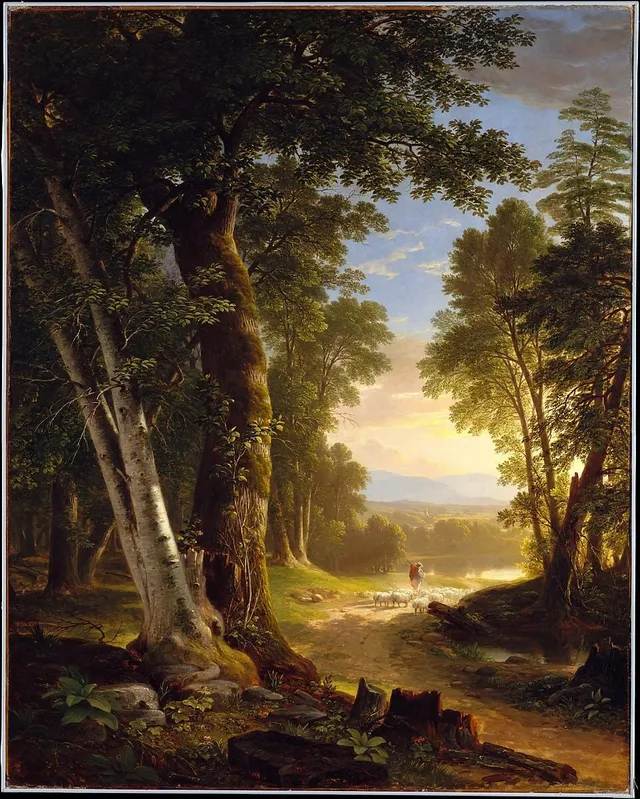
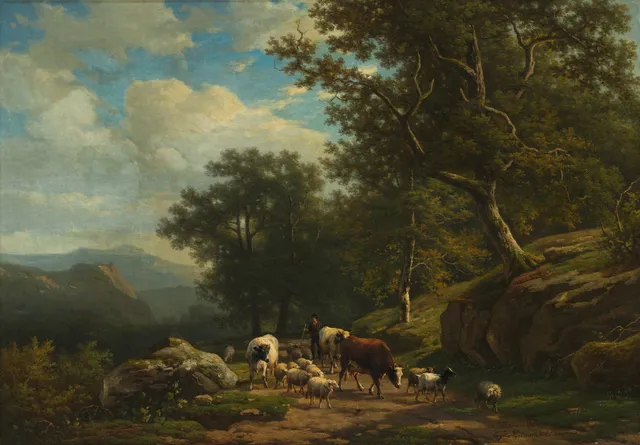
The nineteenth century made the sheep a subject in its own right. The rise of the animalier and the Barbizon School produced specialists of remarkable skill: the Belgian Eugène Verboeckhoven (1798–1881), nicknamed "the Raphael of sheep," Rosa Bonheur (1822–1899), Charles Jacque, and Constant Troyon (1810–1865), who studied flocks with near-scientific attention while preserving their rural poetry. Across the Atlantic, Hudson River School painters used sheep as staffage — Asher Brown Durand sets a shepherd and flock beneath the towering trees of The Beeches (1845) and among ruins in Landscape — Scene from "Thanatopsis", and Albert Bierstadt scatters grazing animals through grand Western vistas.
The motif's endurance lies in its range: at once sacred sign, emblem of pastoral peace, and a test of an artist's command of mass, wool, and light. From Zurbarán's altar to Bonheur's fields, the sheep links religious art, landscape, and Realism, remaining one of the most quietly persistent presences in the Western canon.
Artist


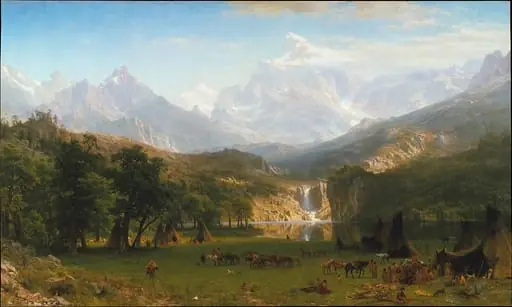 The Rocky Mountains, Lander's Peak
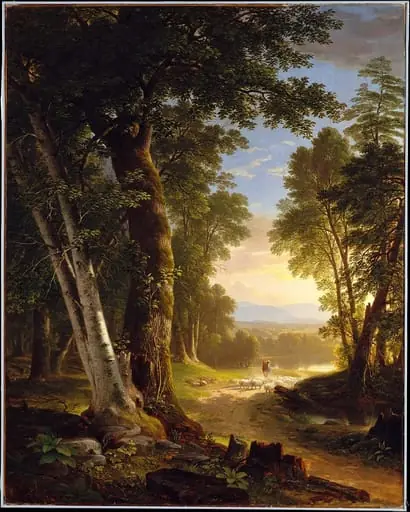 The Beeches
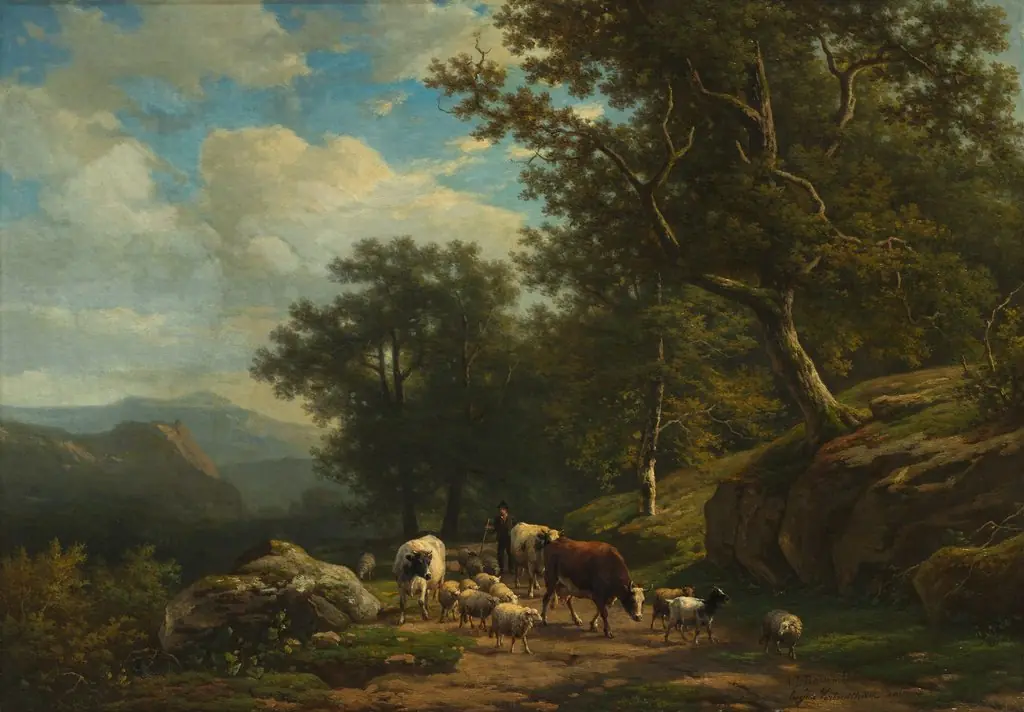 Landscape with a Peasant and His Flock
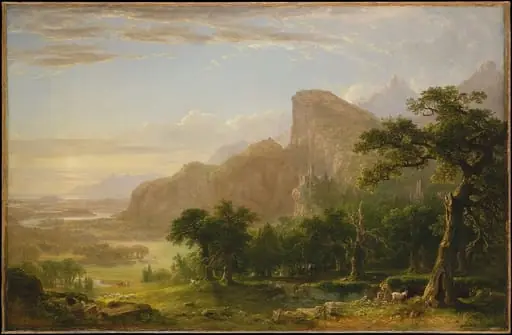 Landscape—Scene from "Thanatopsis"
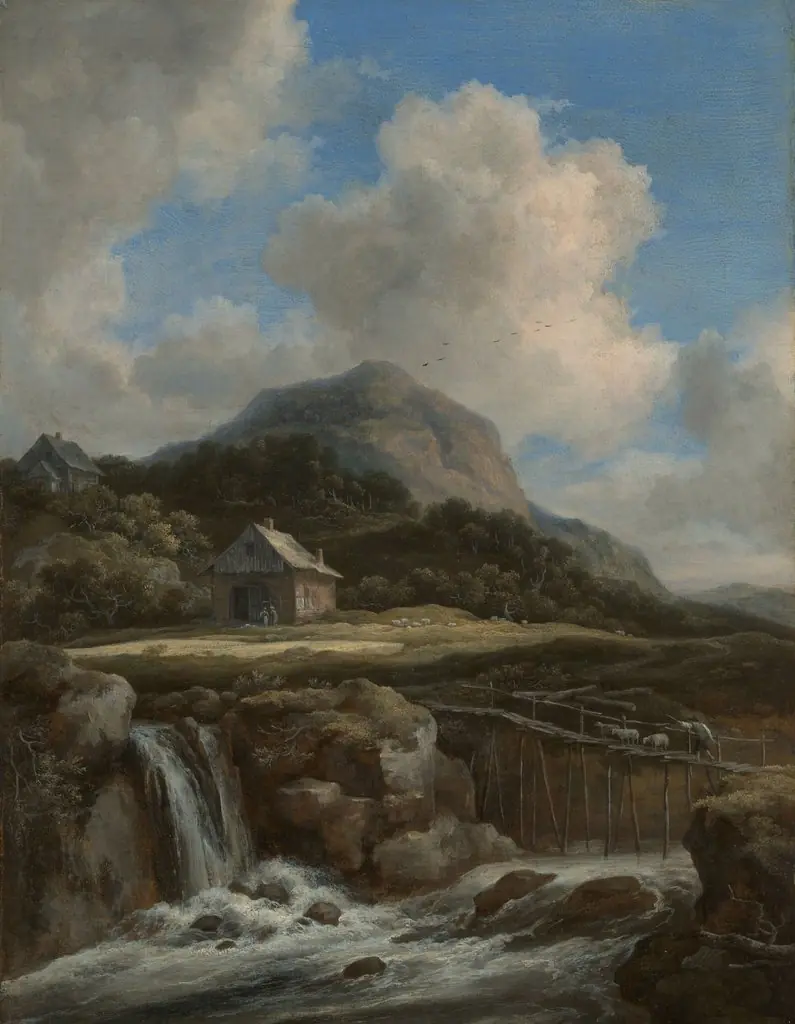 Mountain Torrent
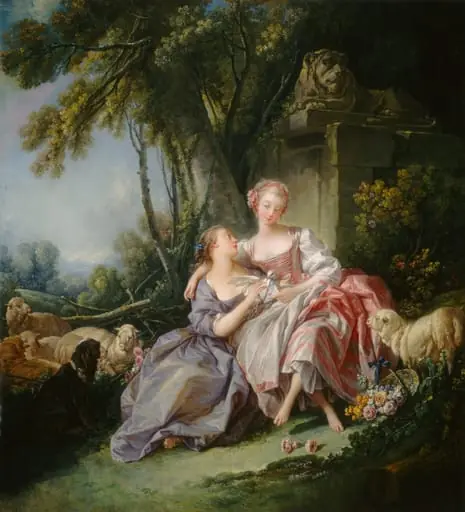 The Love Letter
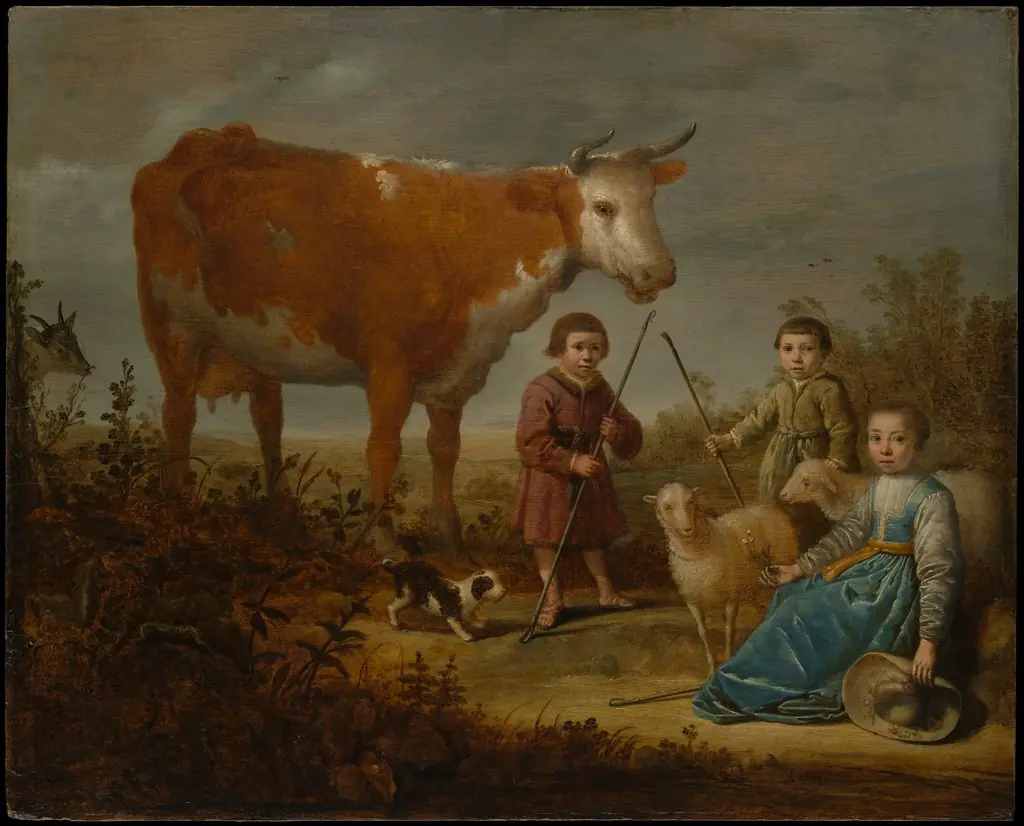 Children and a Cow
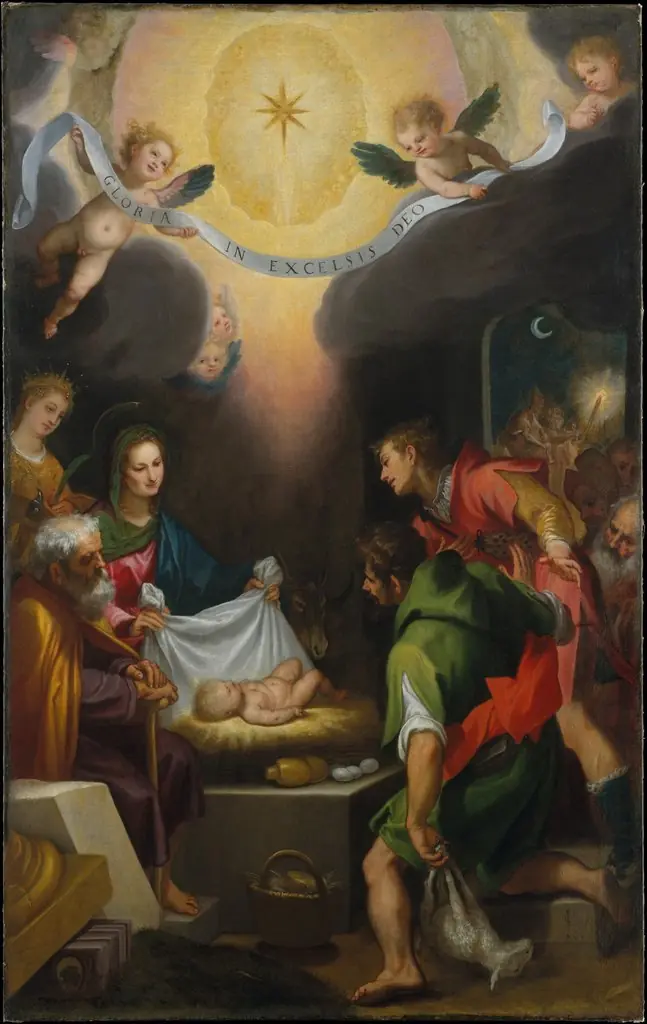 The Adoration of the Shepherds with Saint Catherine of Alexandria
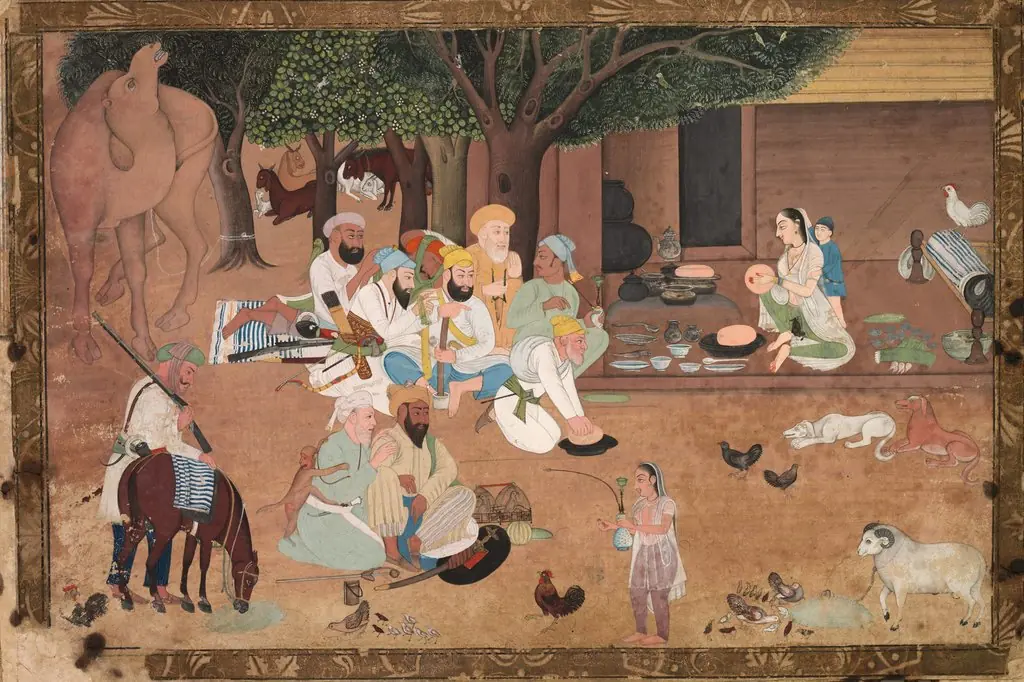 Traveling Warriors Stopping at a Farm
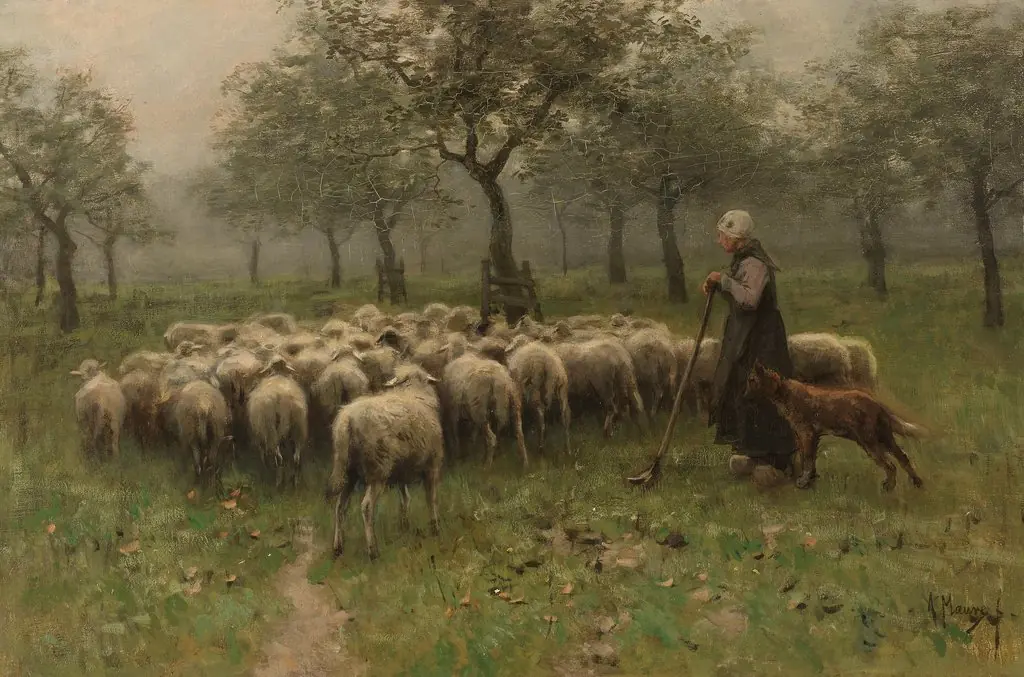 Shepherdess with a Flock of Sheep
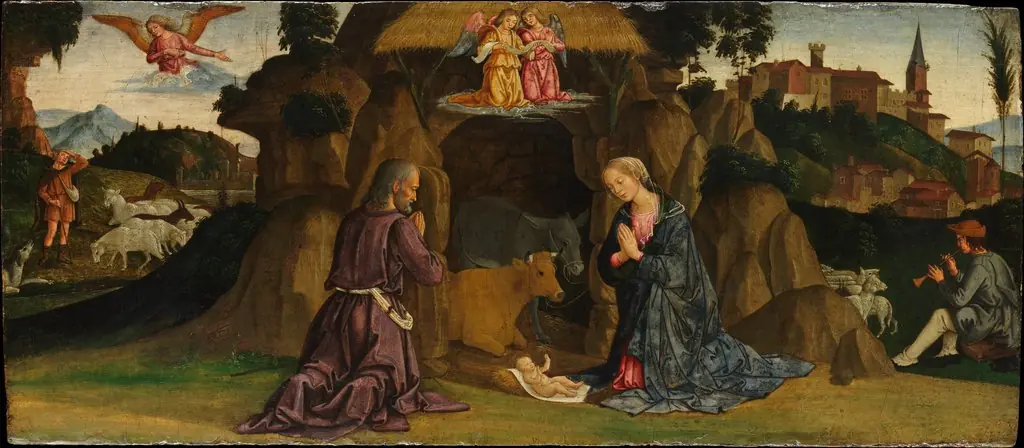 The Nativity
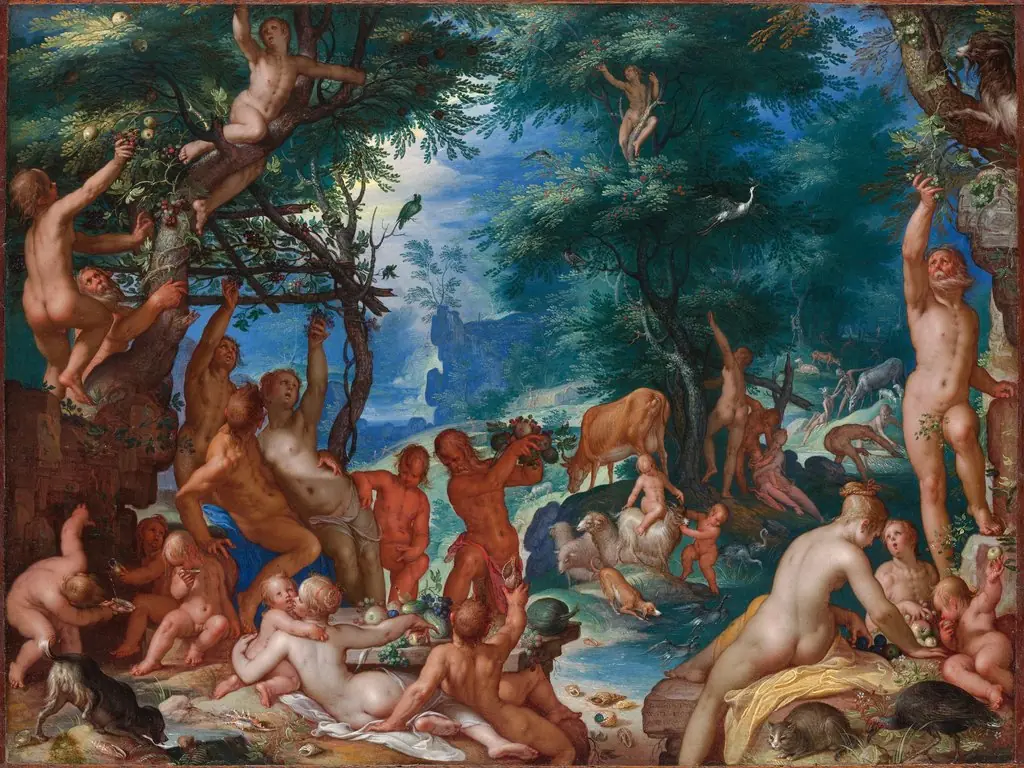 The Golden Age
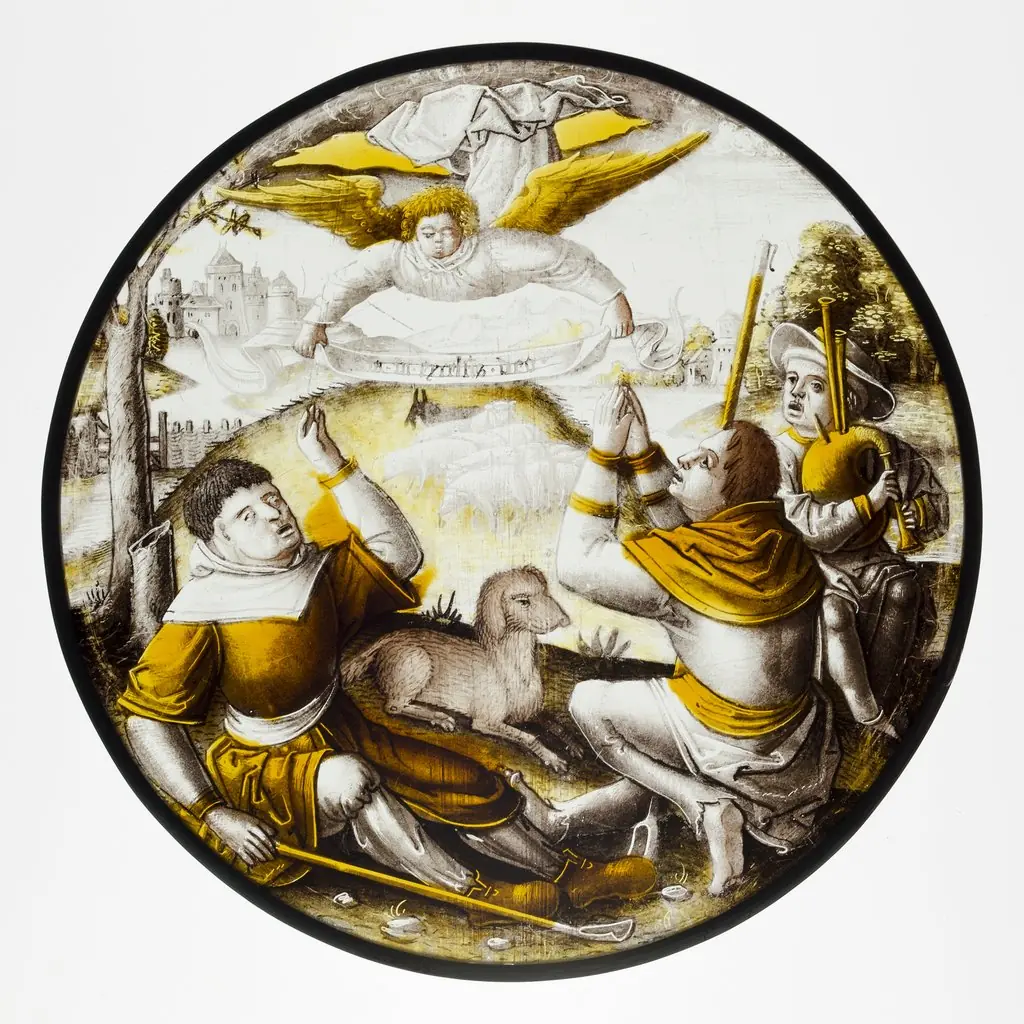 Roundel with Annunciation to the Shepherds
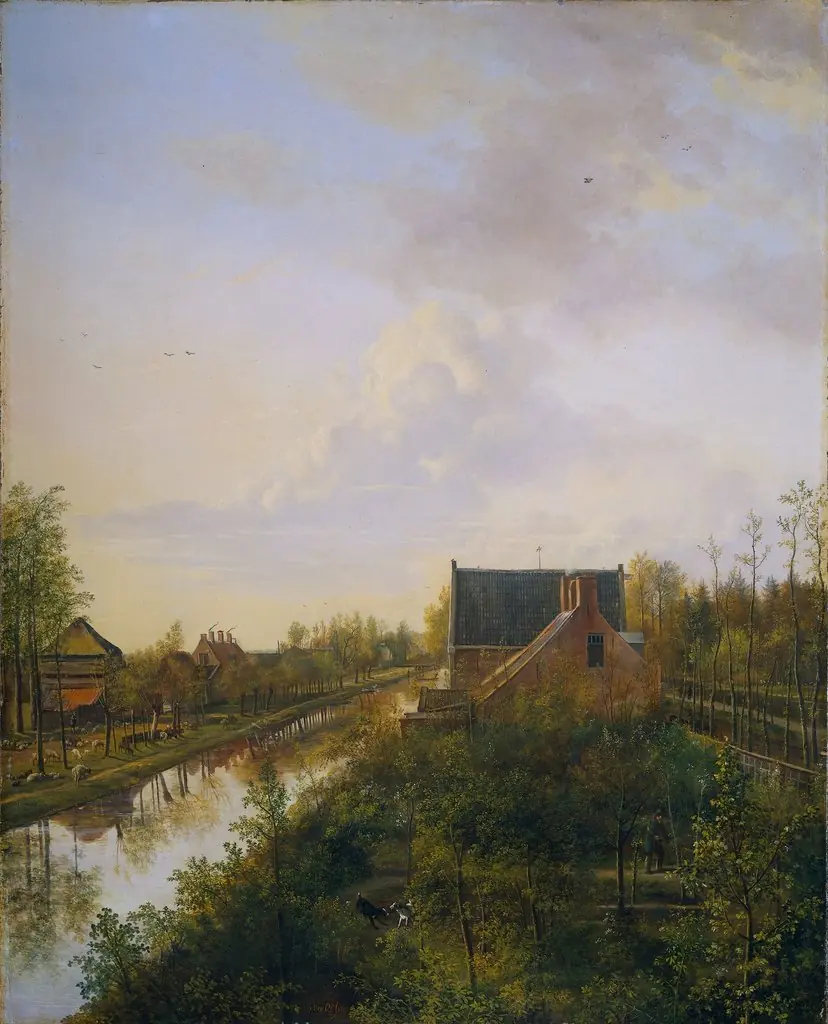 The canal at 's-Graveland
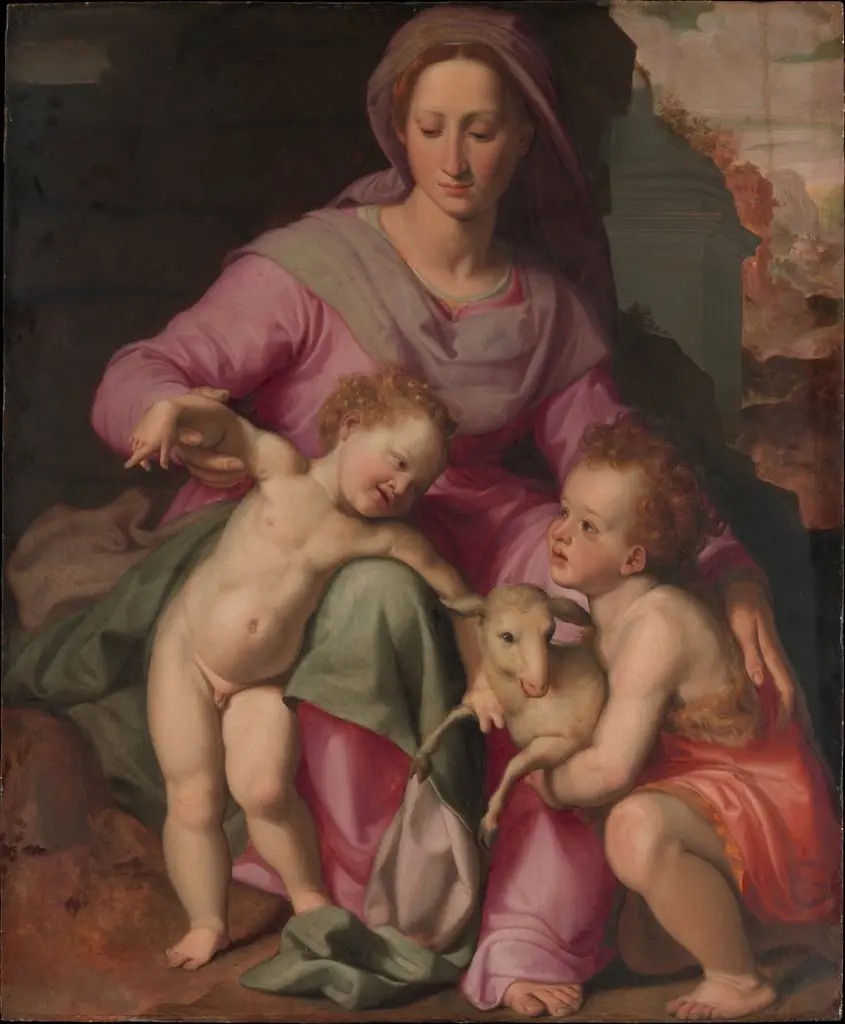 Madonna and Child with the Infant Saint John the Baptist
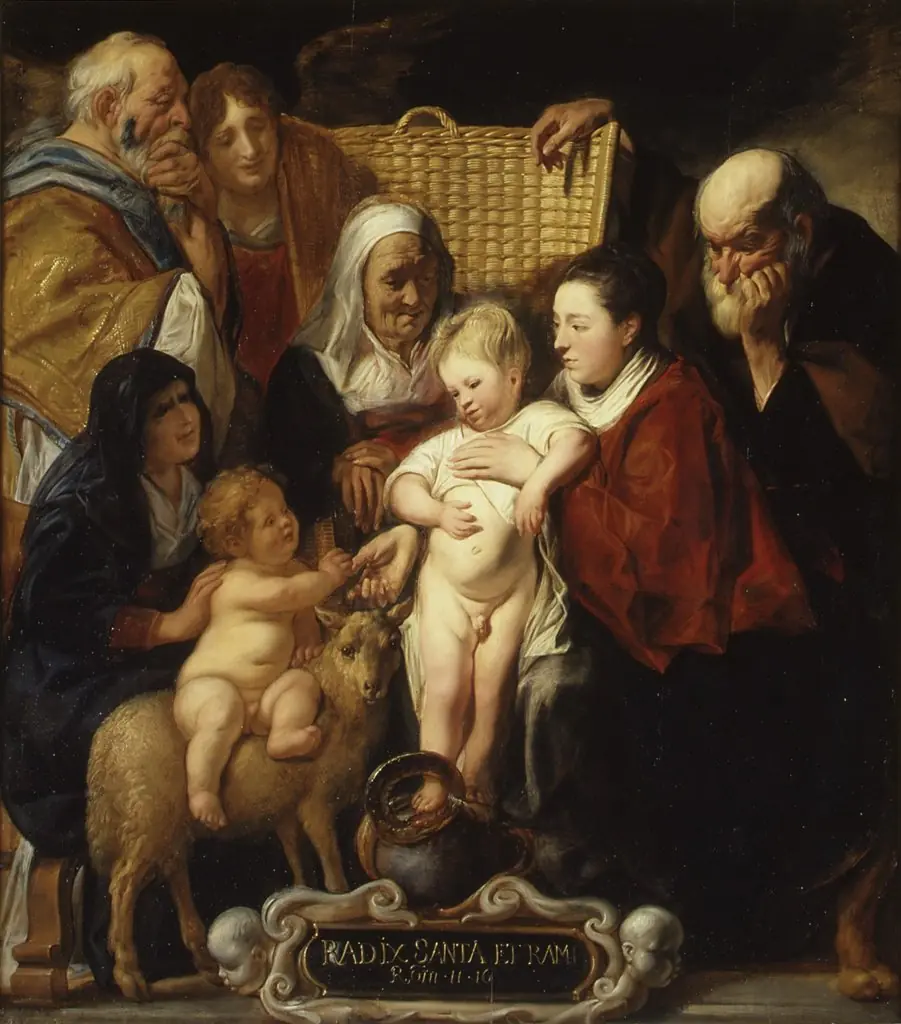 The Holy Family with Saint Anne and the Young Baptist and His Parents
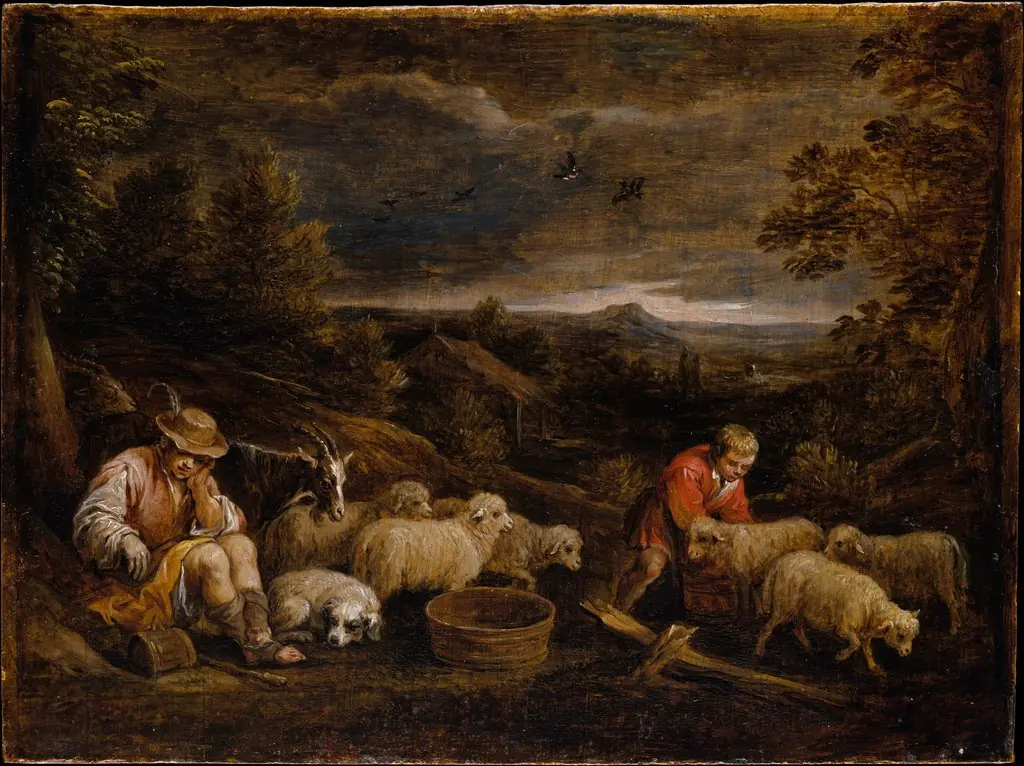 Shepherds and Sheep
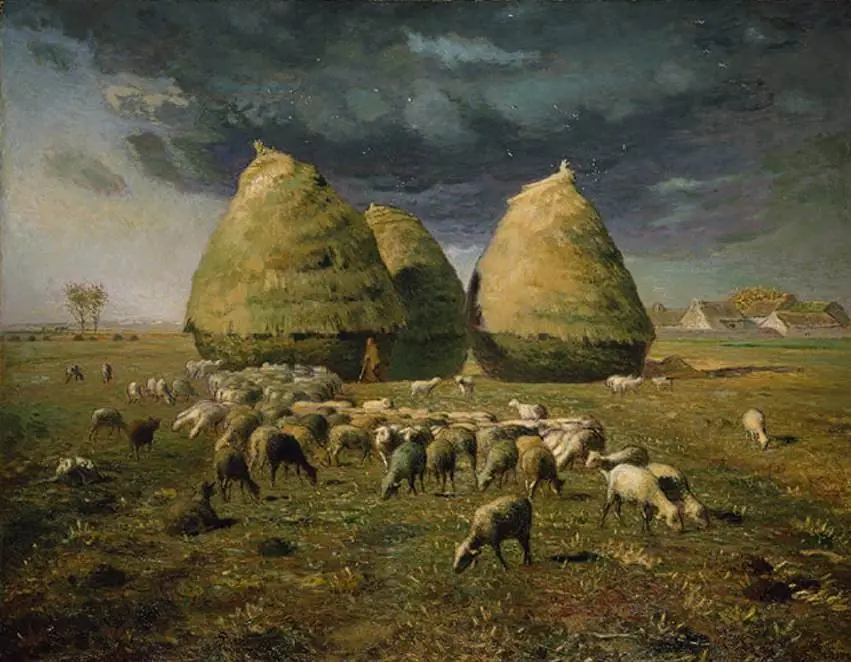 Haystacks: Autumn
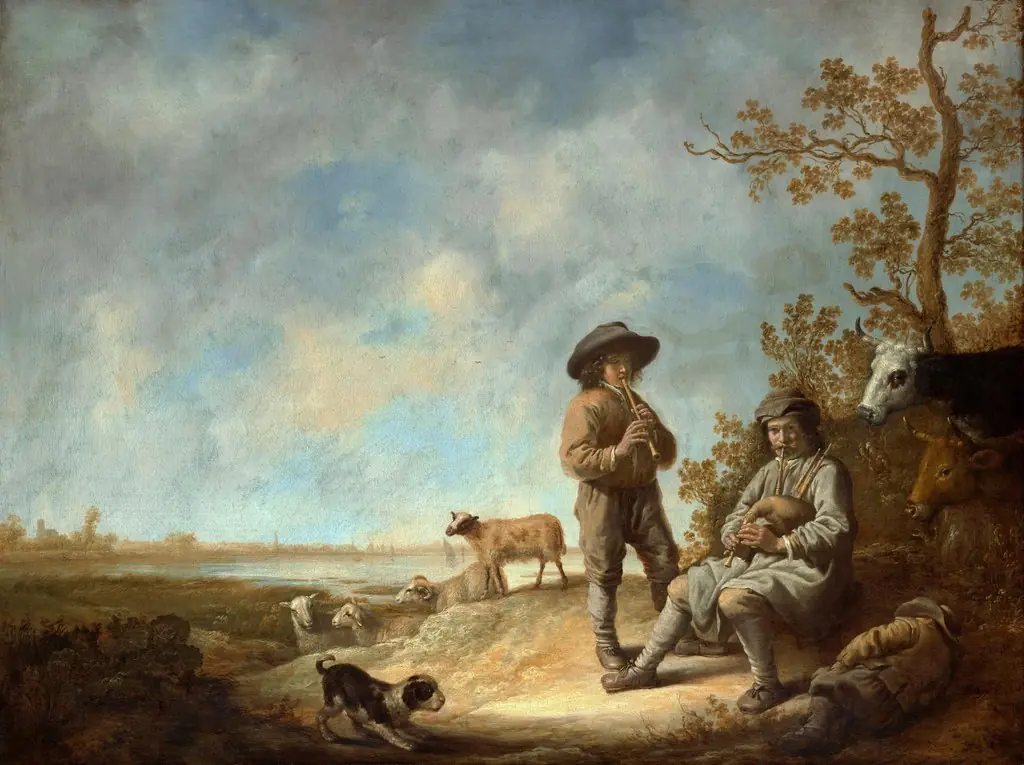 Piping Shepherds
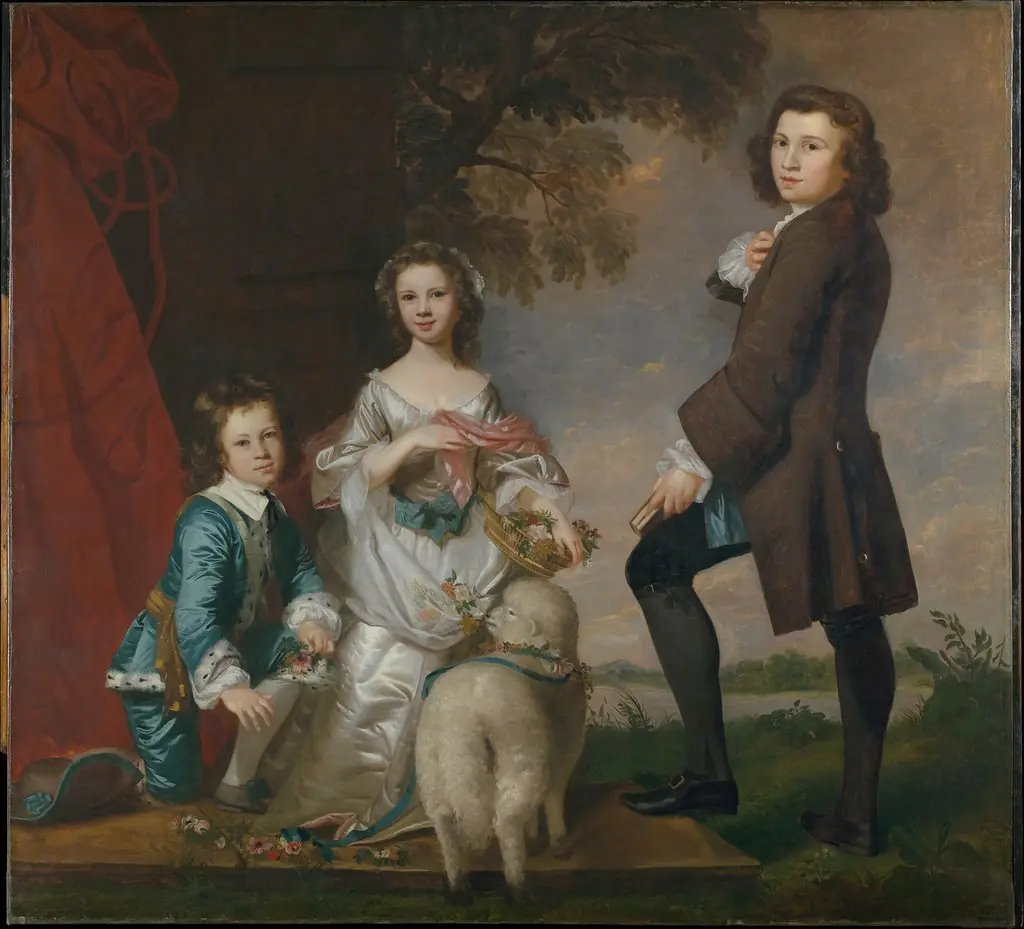 Thomas (1740–1825) and Martha Neate (1741–after 1795) with His Tutor, Thomas Needham
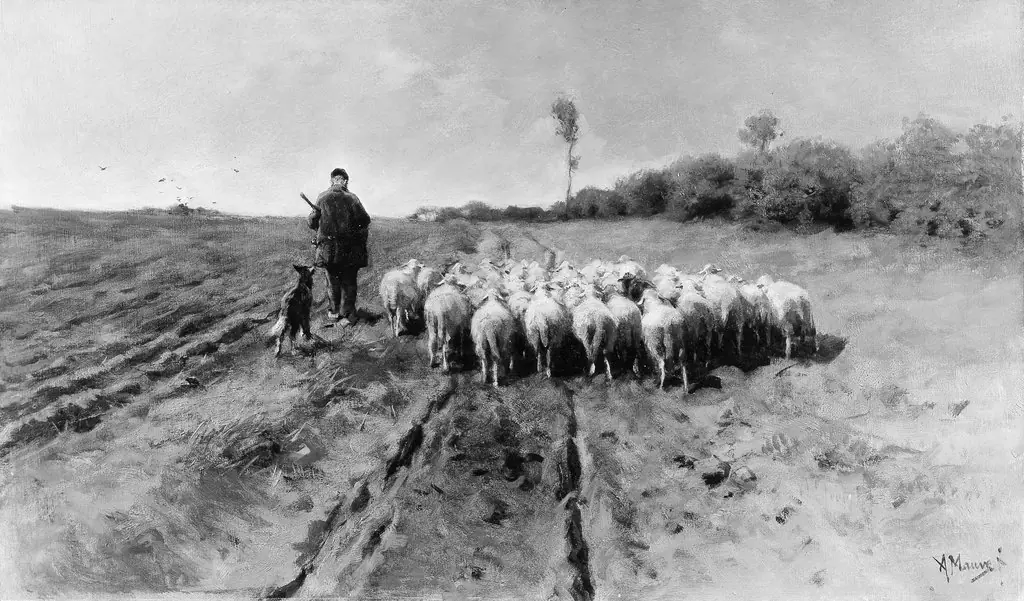 The Return to the Fold
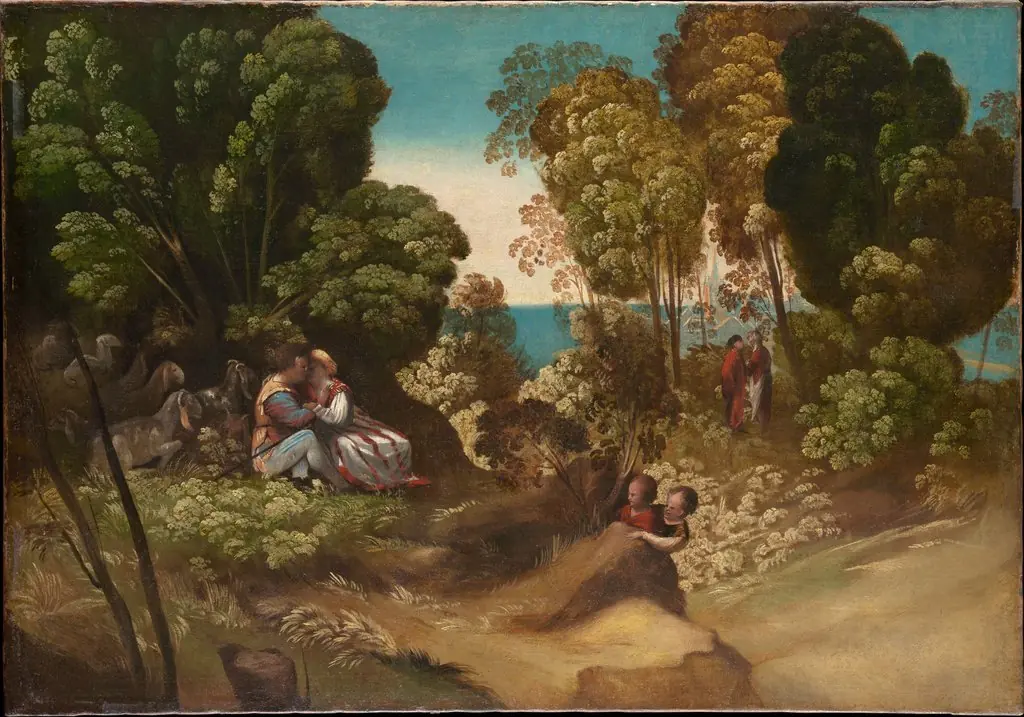 The Three Ages of Man
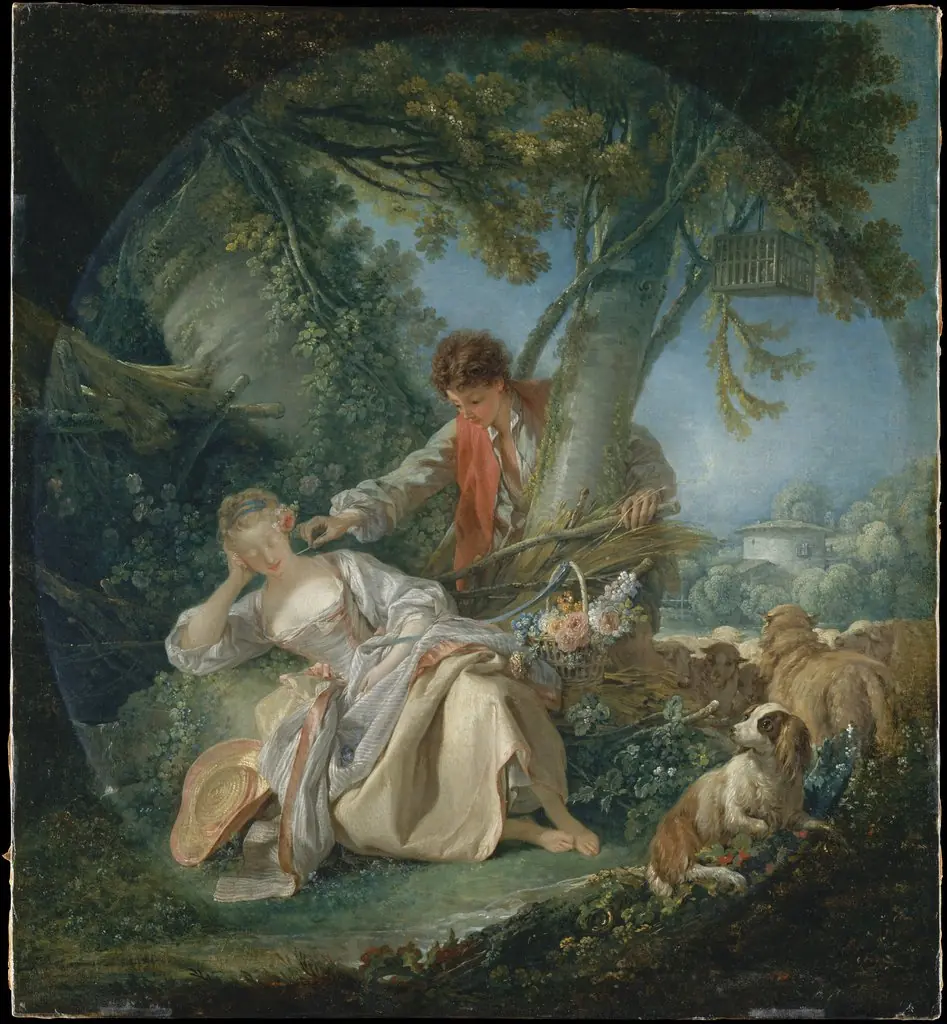 The Interrupted Sleep
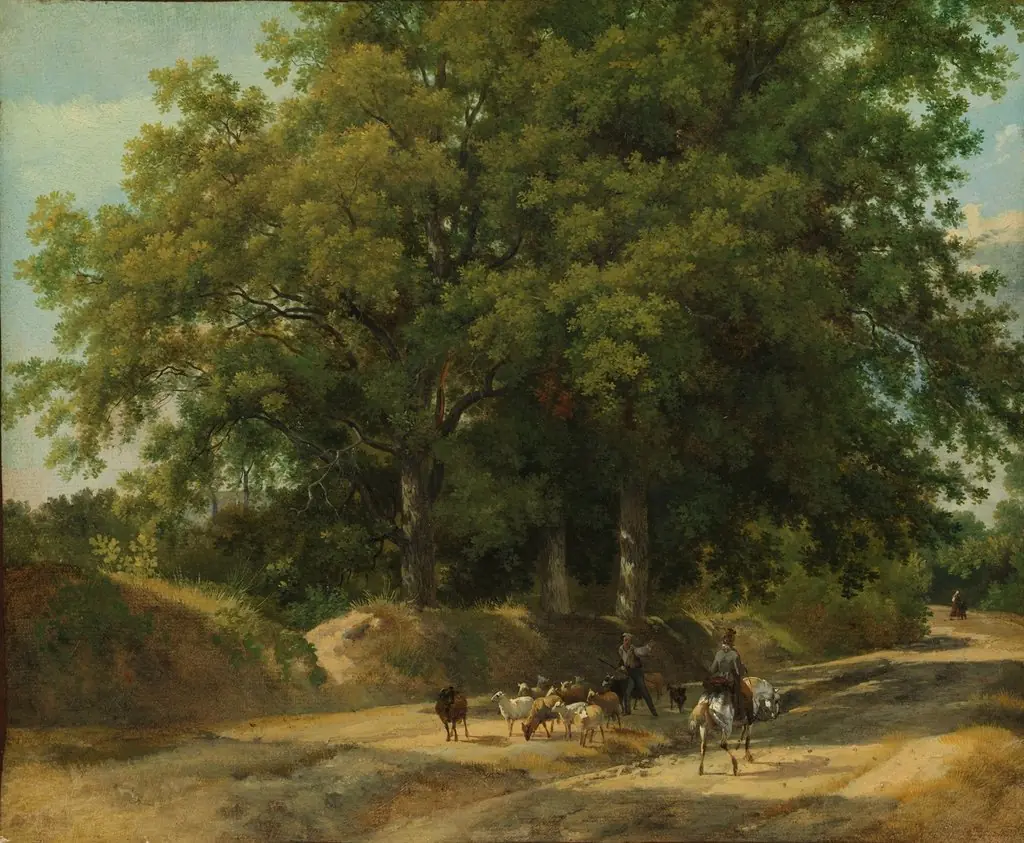 A Shepherd and a Rider on a Country Lane
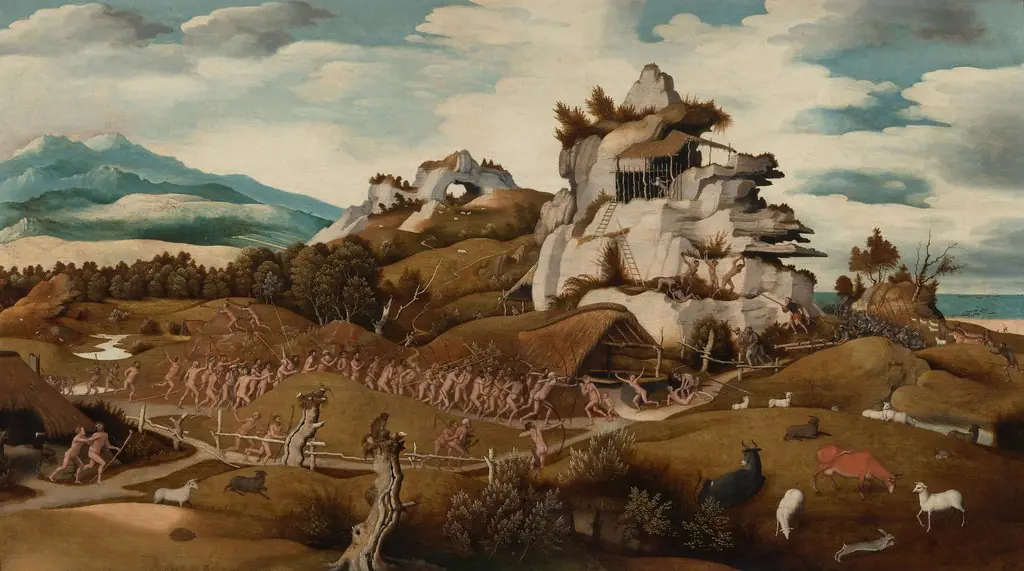 Landscape with a Scene of the Conquest of America
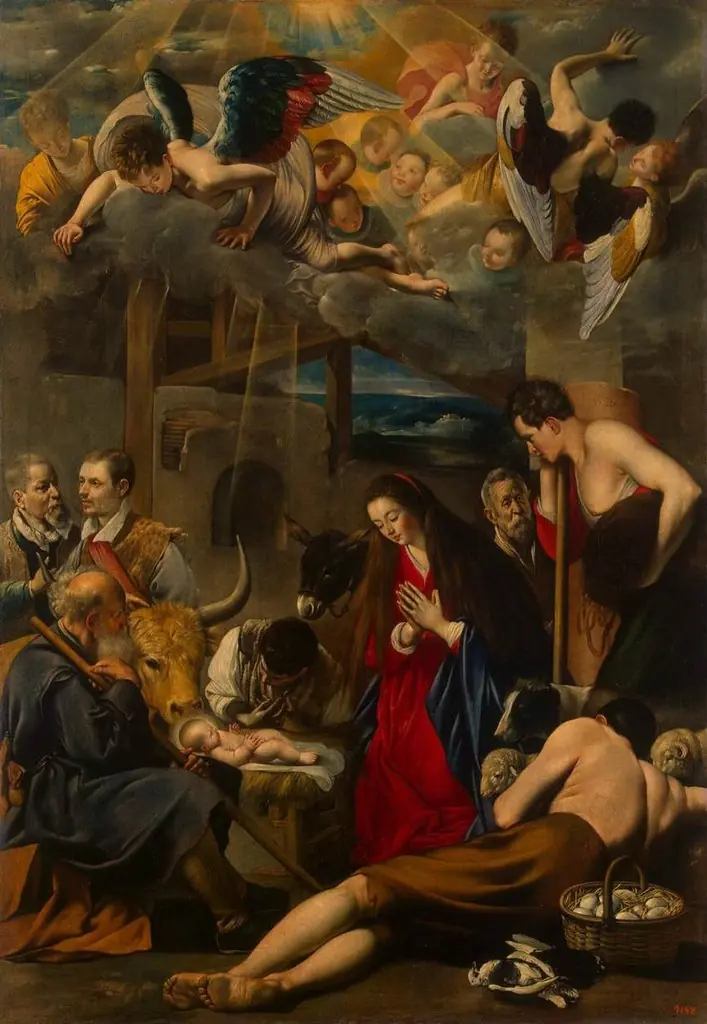 Adoration of the Shepherds
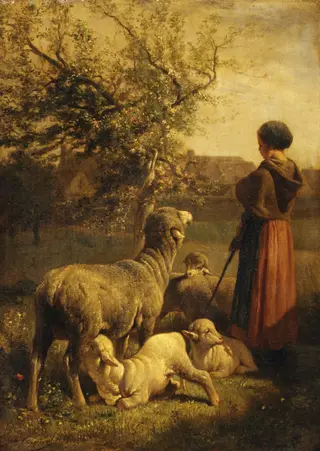 Springtime
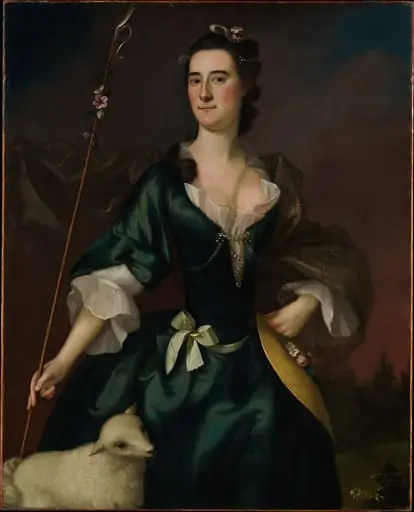 Mary Sylvester
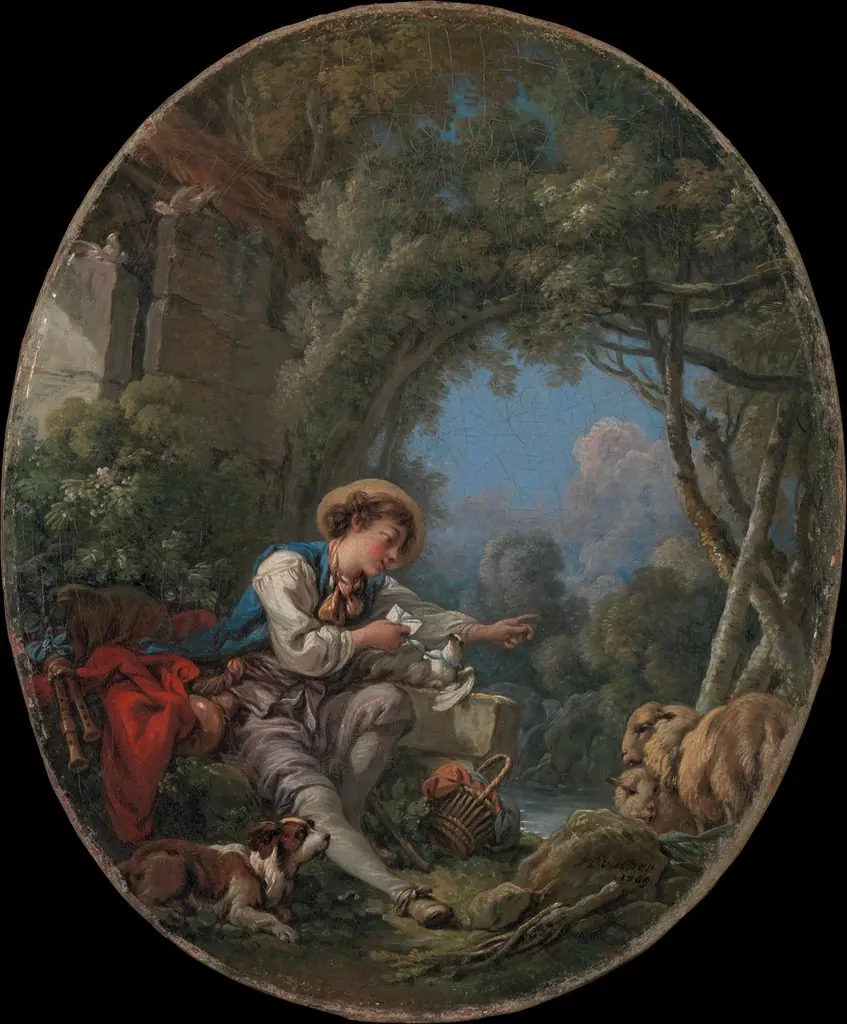 The Dispatch of the Messenger
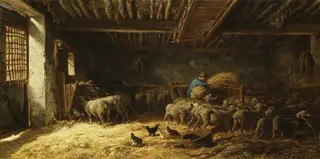 The Sheepfold
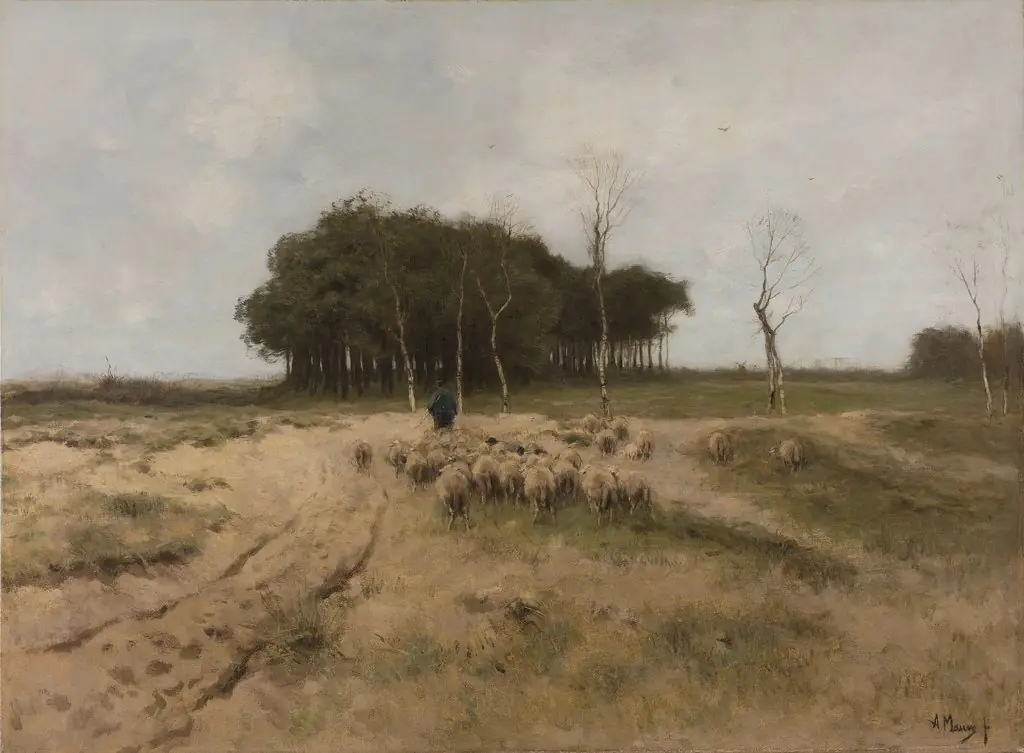 On the Heath near Laren
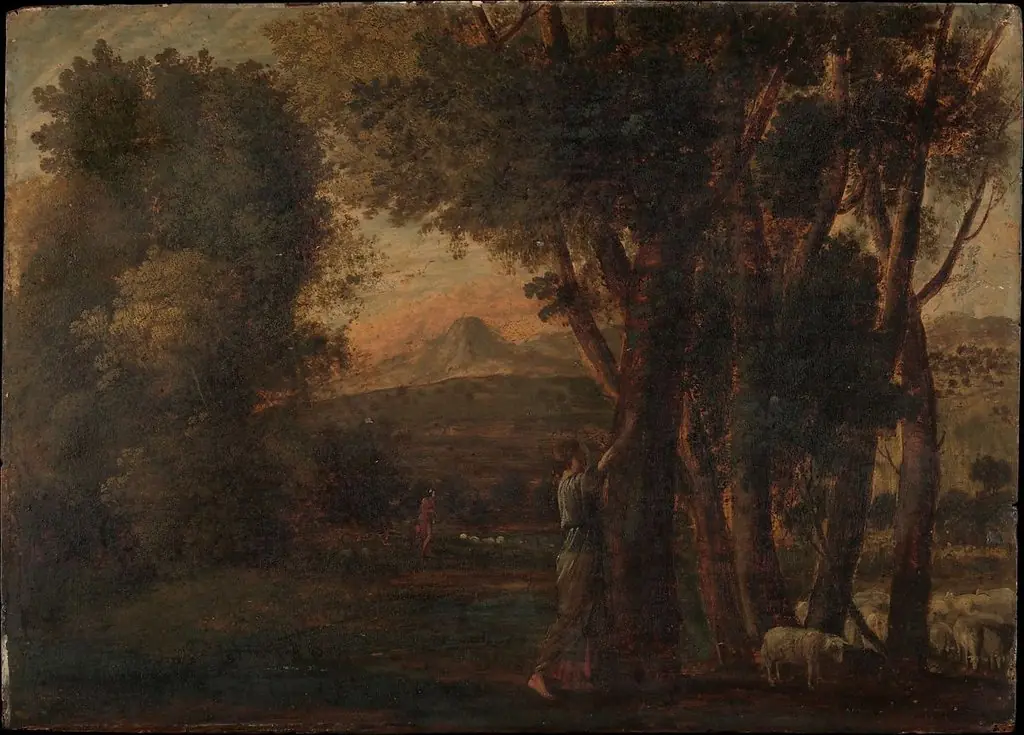 Landscape with Erminia
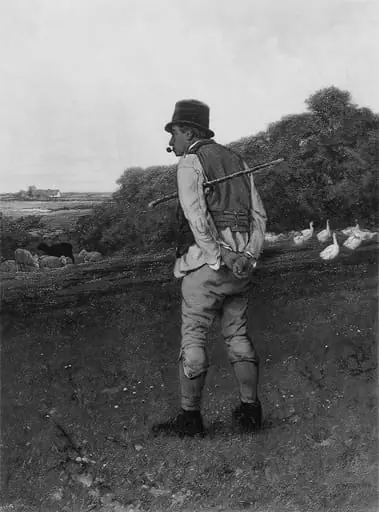 On the Old Sod
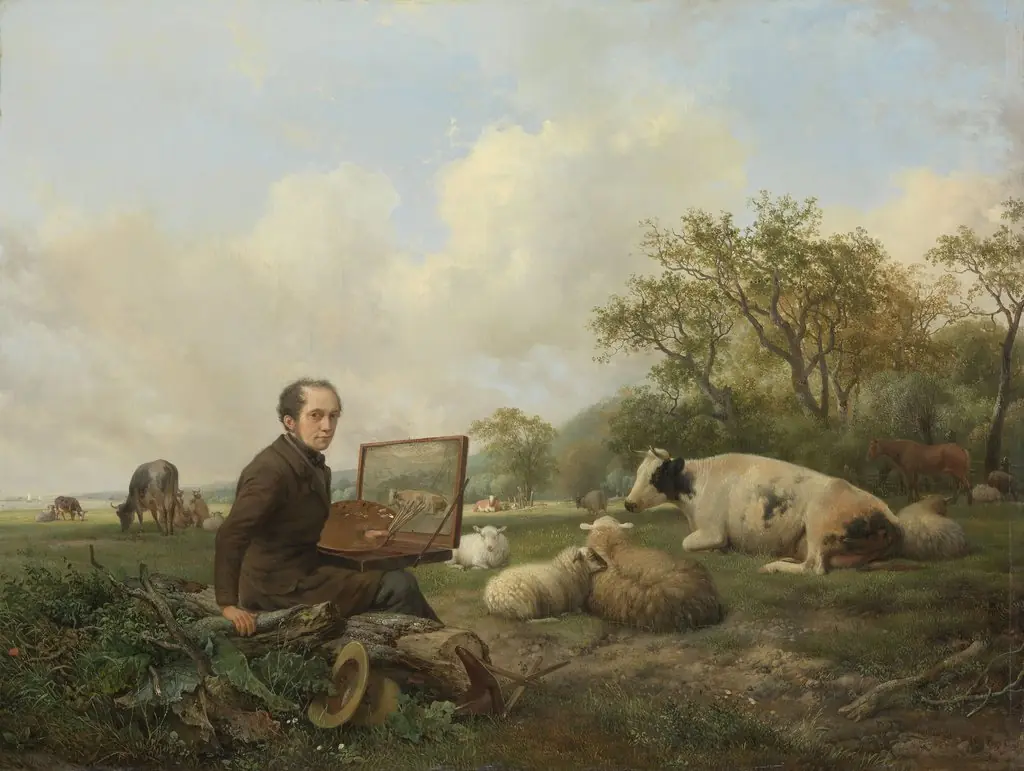 The Artist Painting a Cow in a Meadow
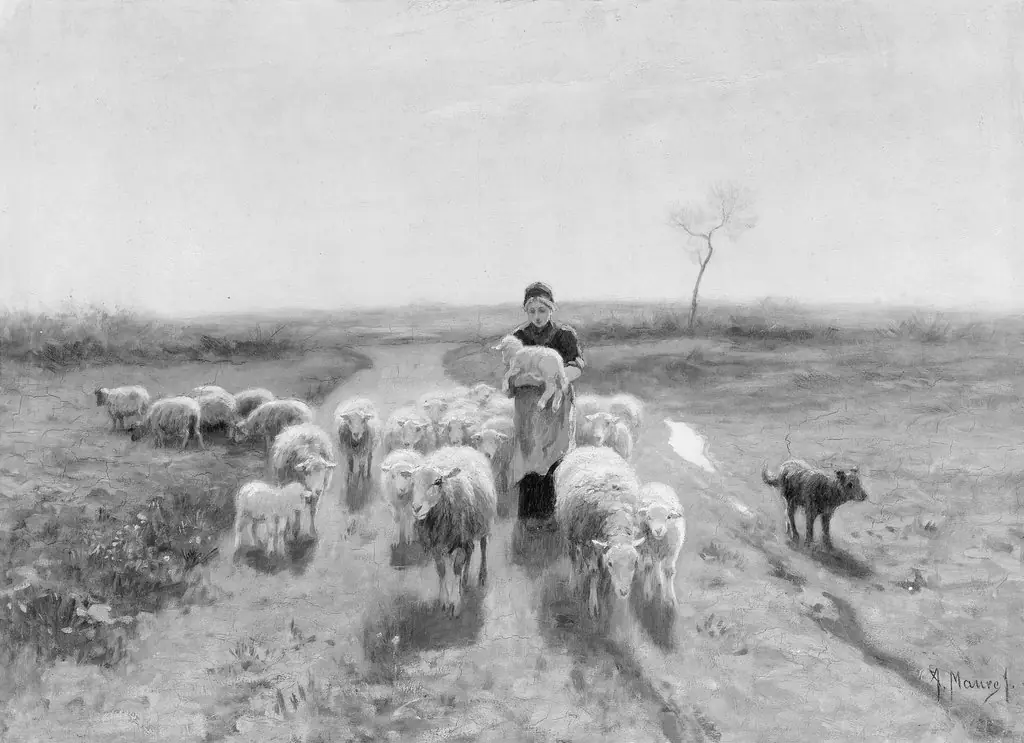 A Shepherdess and Her Flock
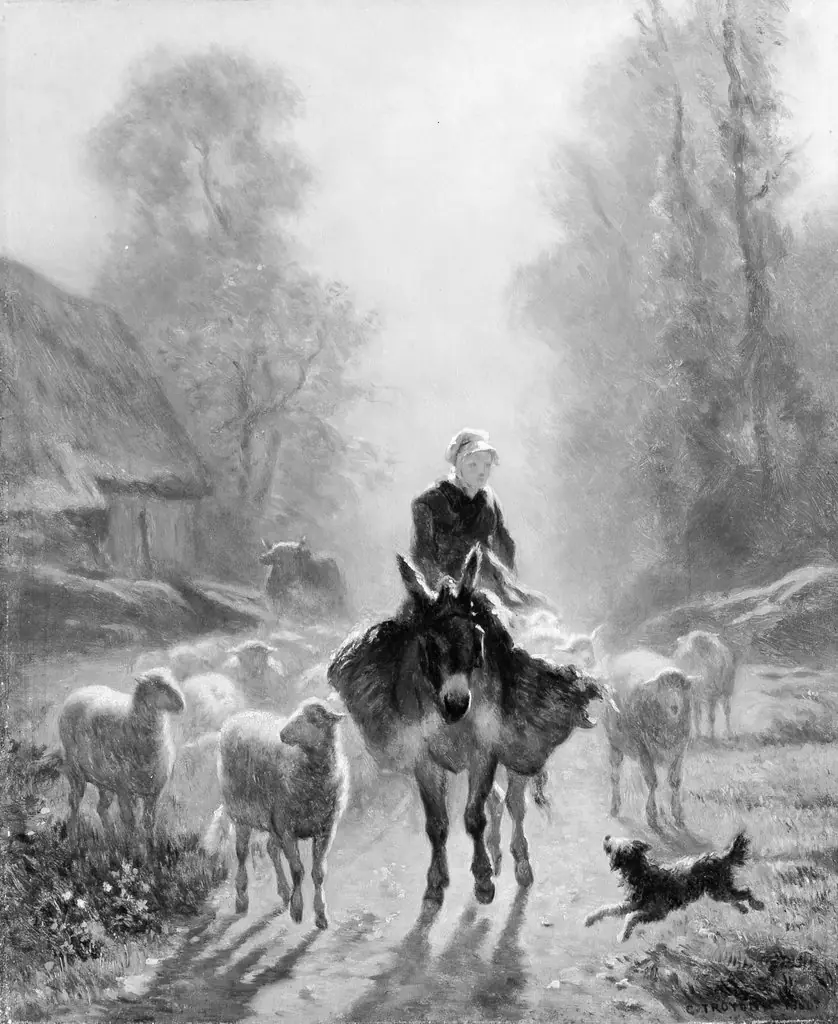 Going to Market
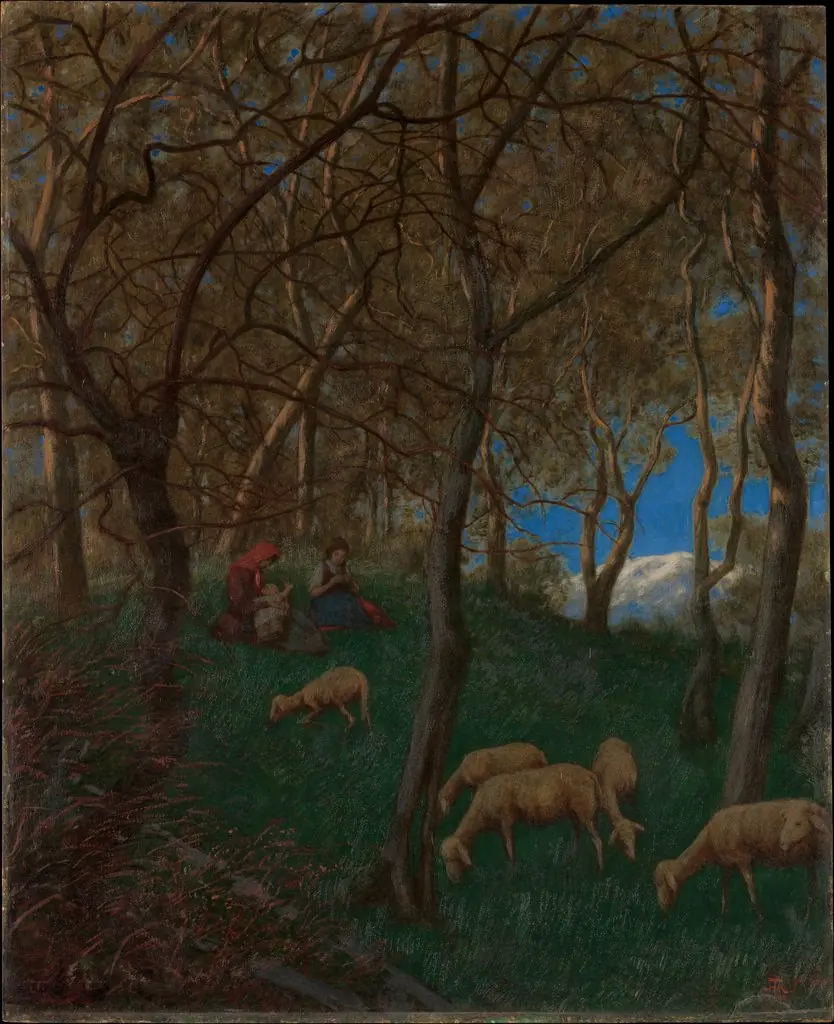 At Lake Garda
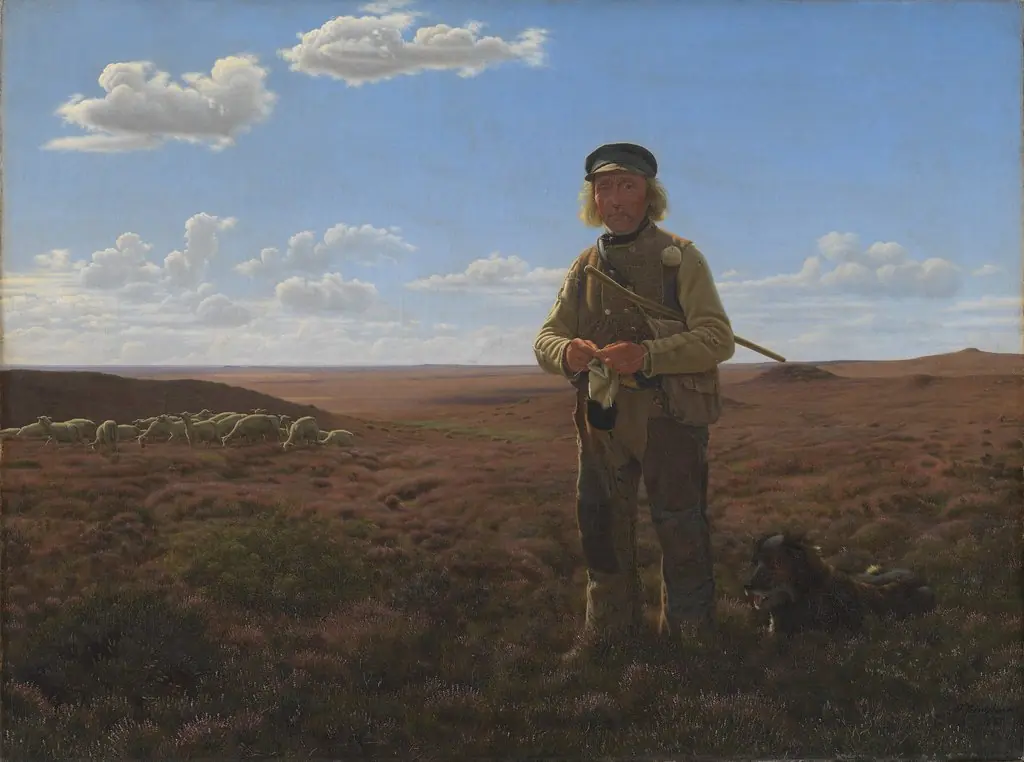 A Jutland Sheperd on the Moors
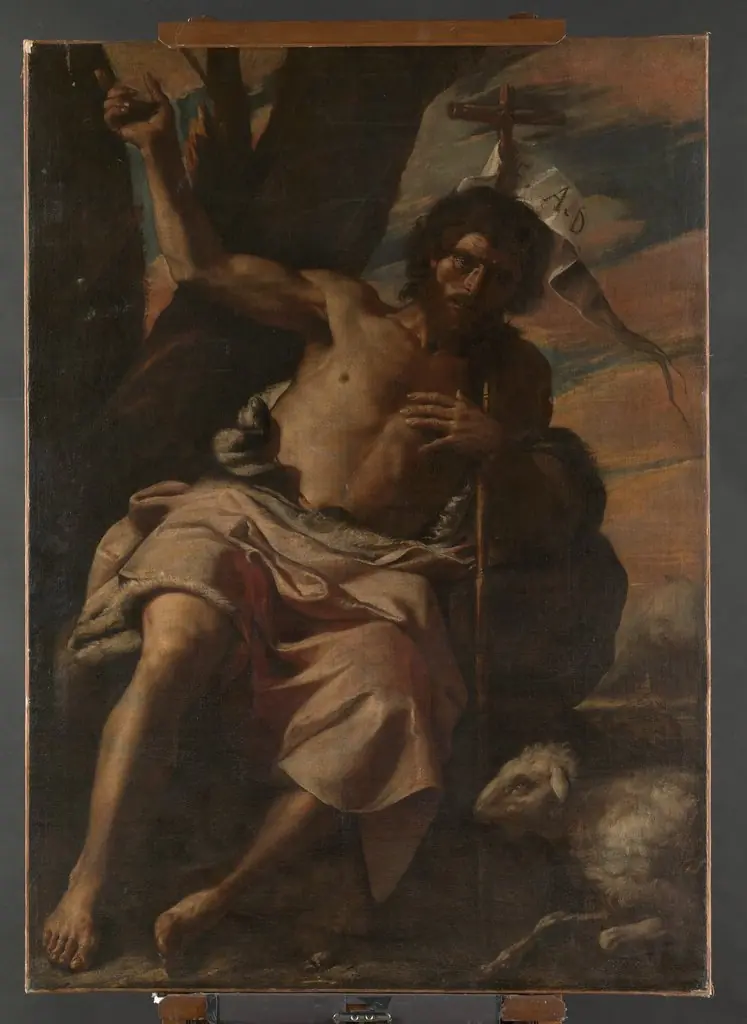 Saint John the Baptist Preaching
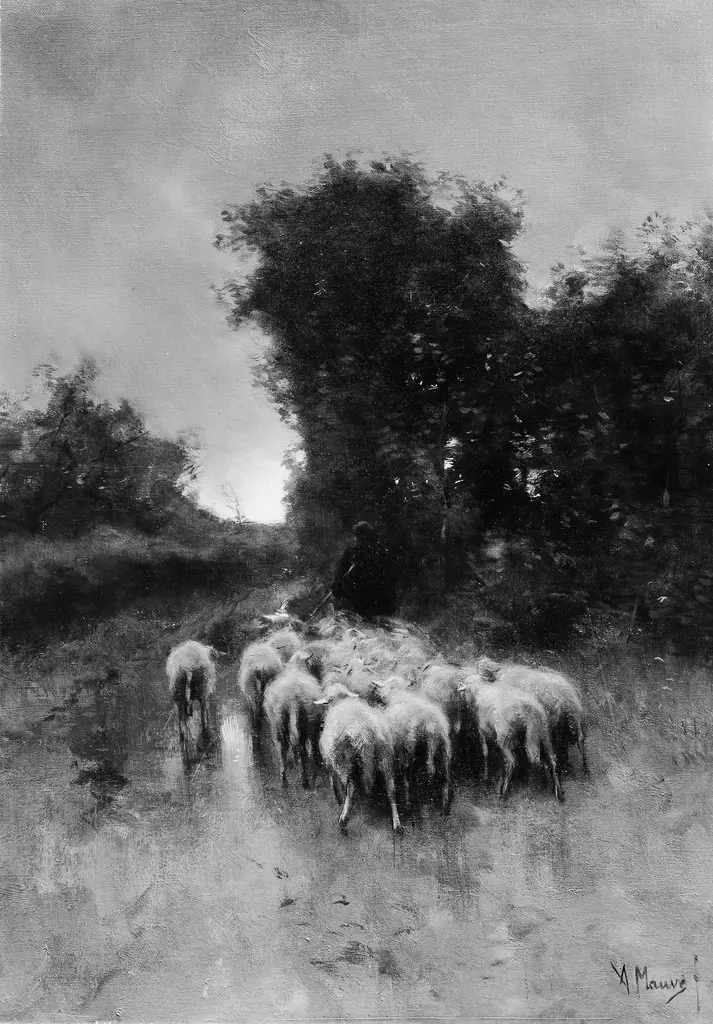 Twilight
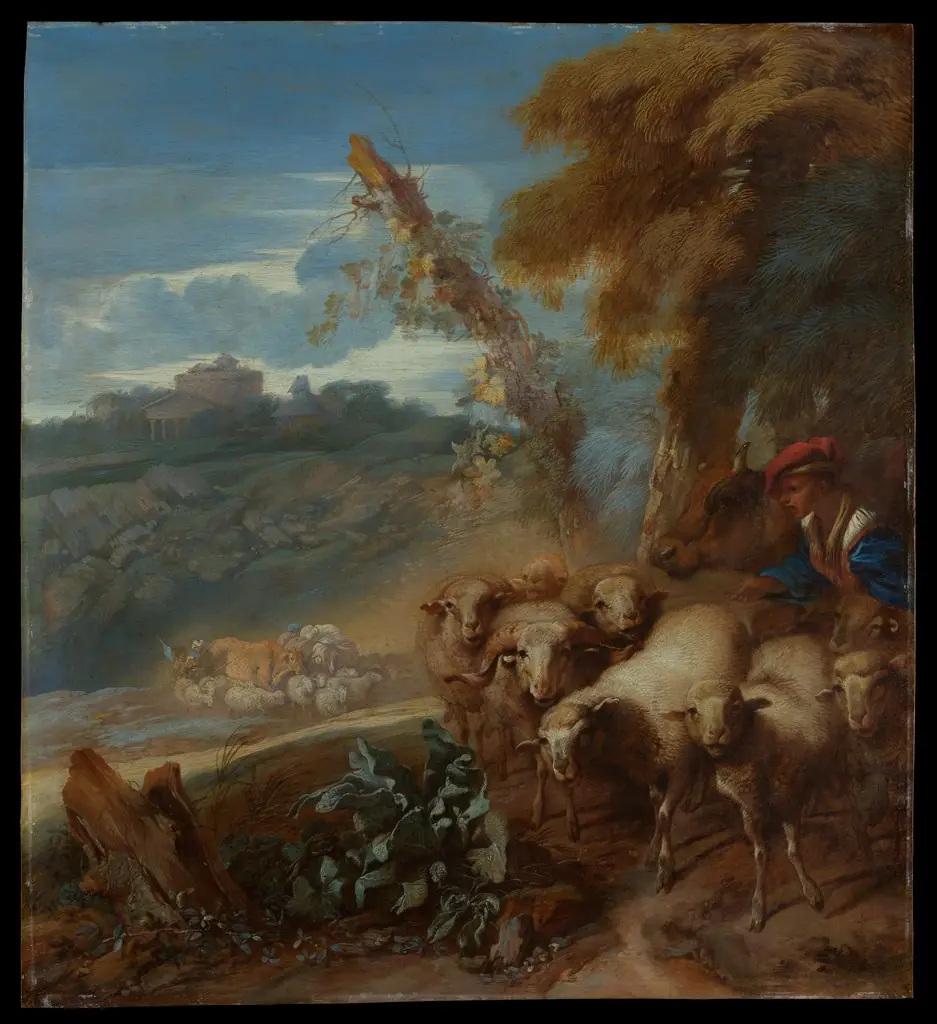 Roman Landscape with a Shepherd and Sheep
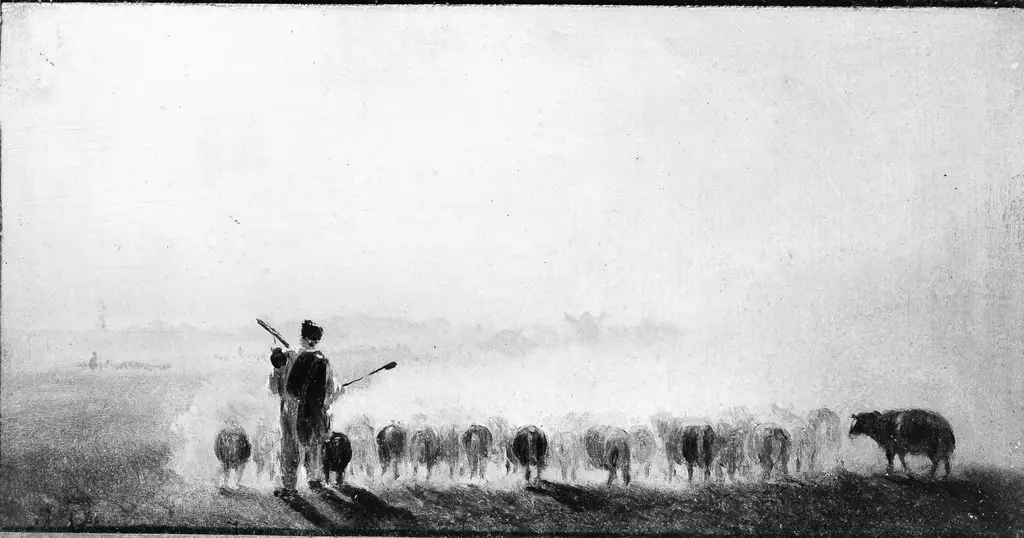 Shepherd with a Flock of Sheep
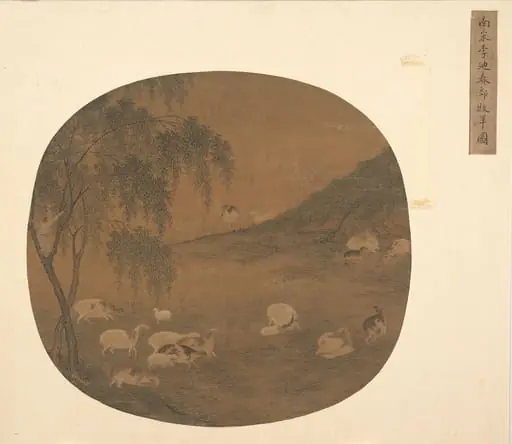 元末明初 佚名牧羊圖團扇頁 絹本設色|Sheep and herd boy
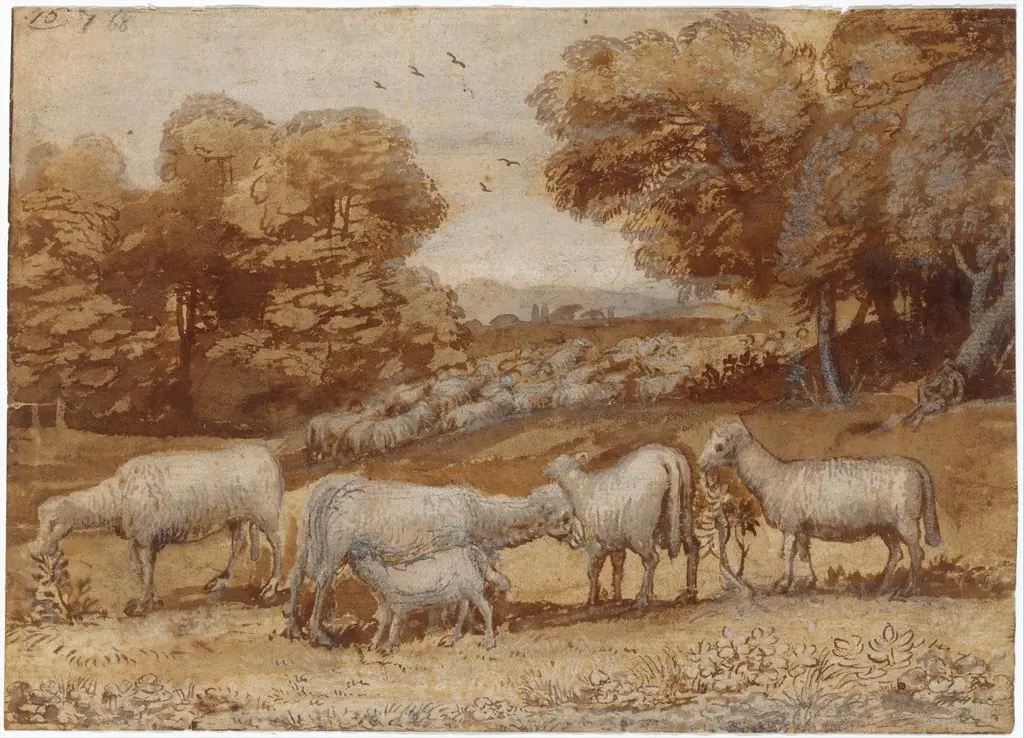 Landscape with Sheep
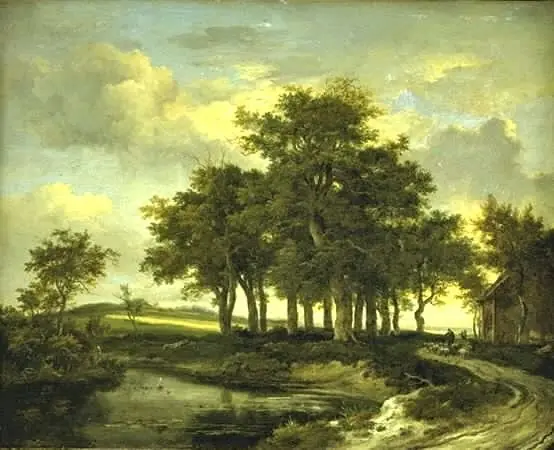 Oak Trees near a Road, Evening
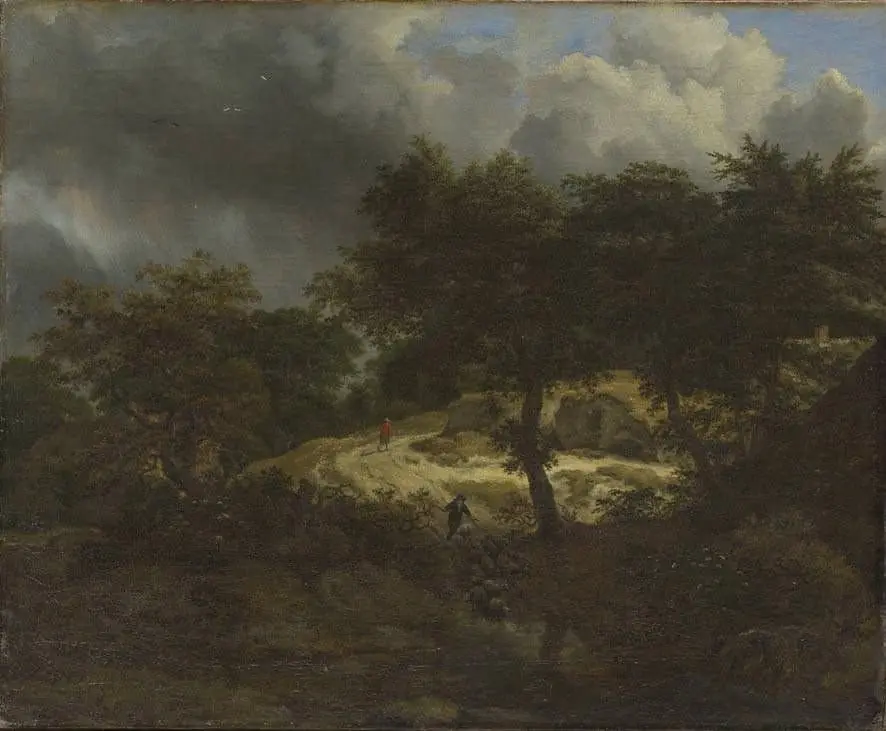 Wooded Landscape with Oncoming Storm
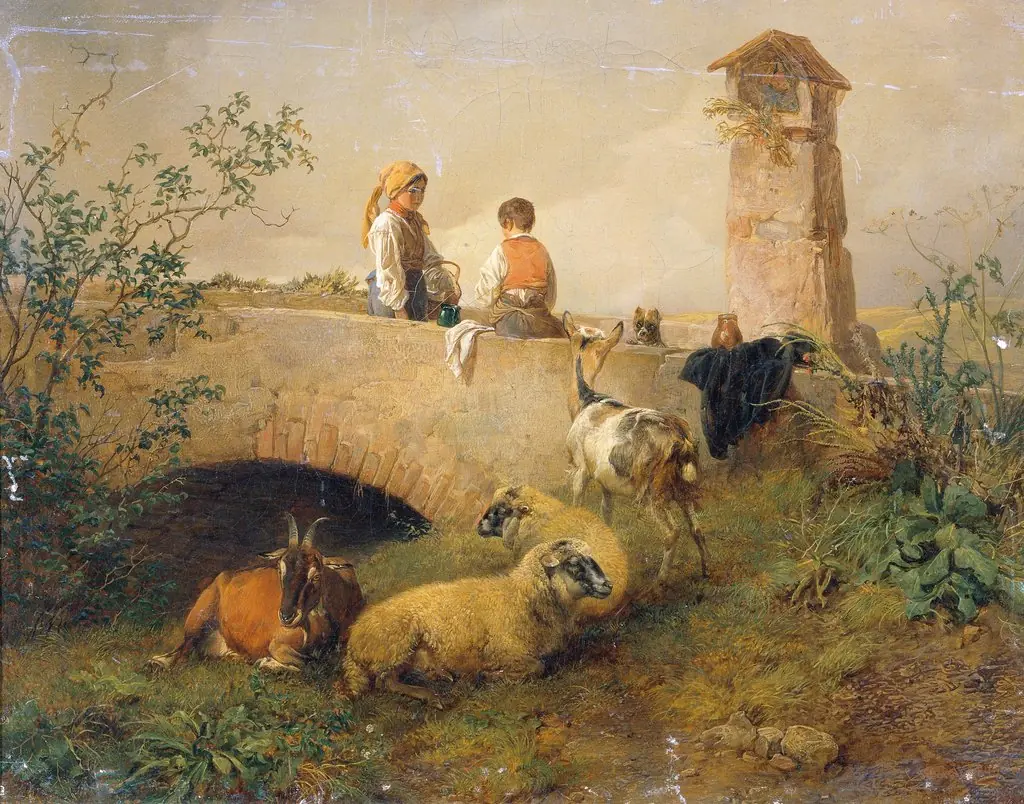 Boy and Girl with Sheep and Goats
 Landscape with Windmills
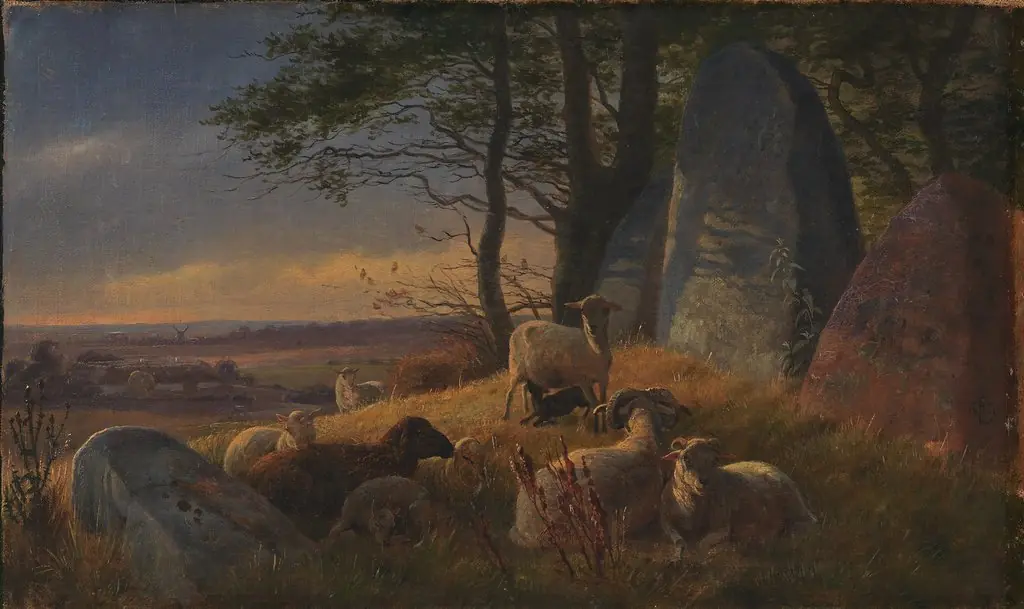 Evening Scene with Sheep on a Mound
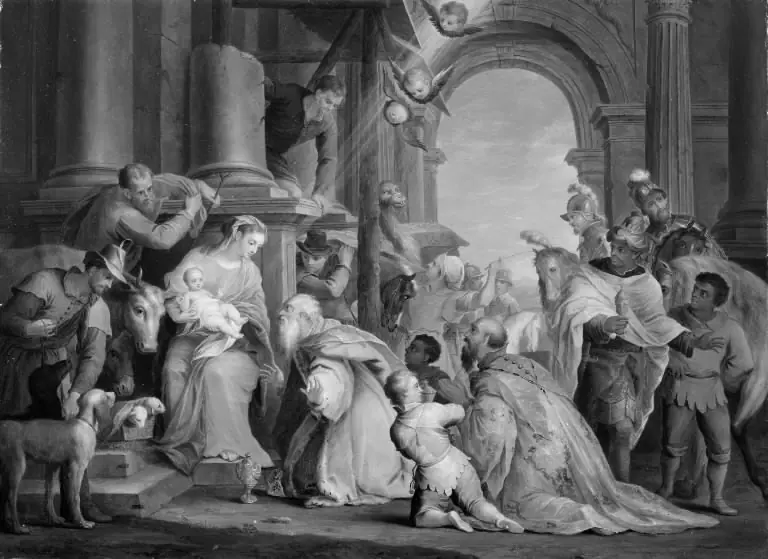 The Adoration of the Magi
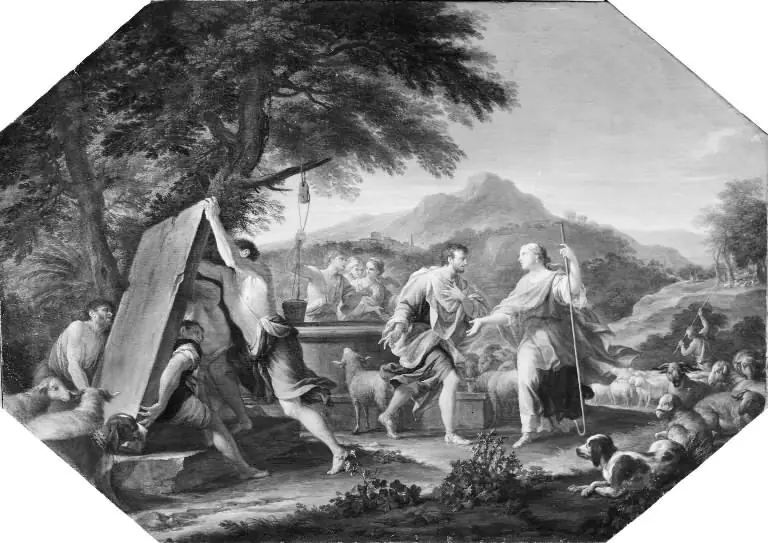 Jacob meets Rachel at the Well
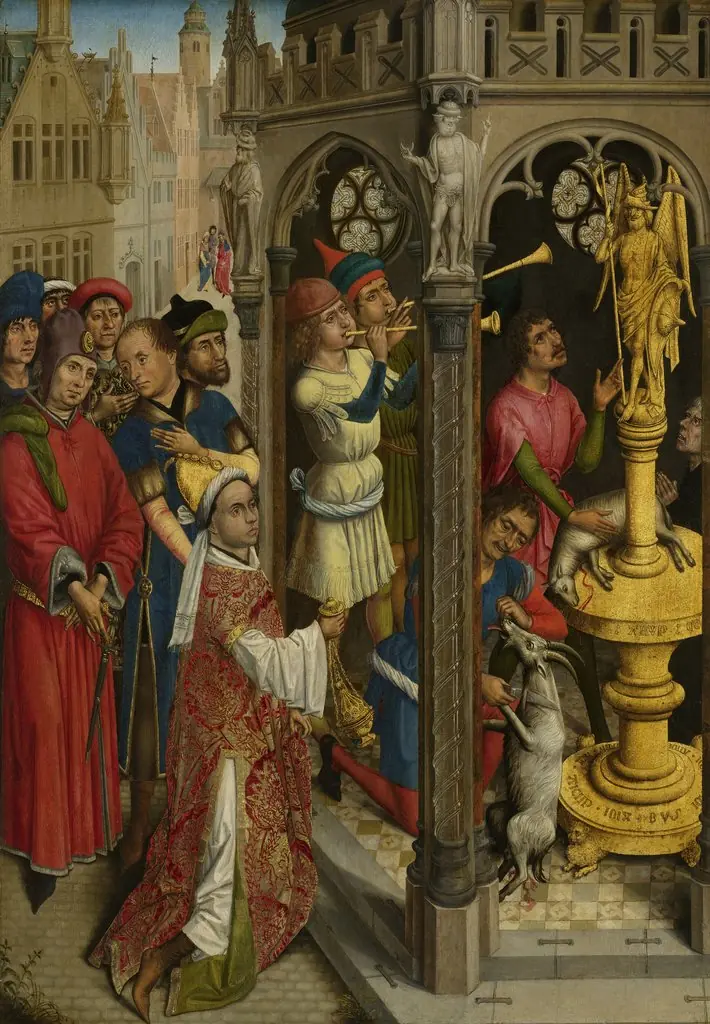 Augustine sacrificing to an idol of the Manichaeans (?)
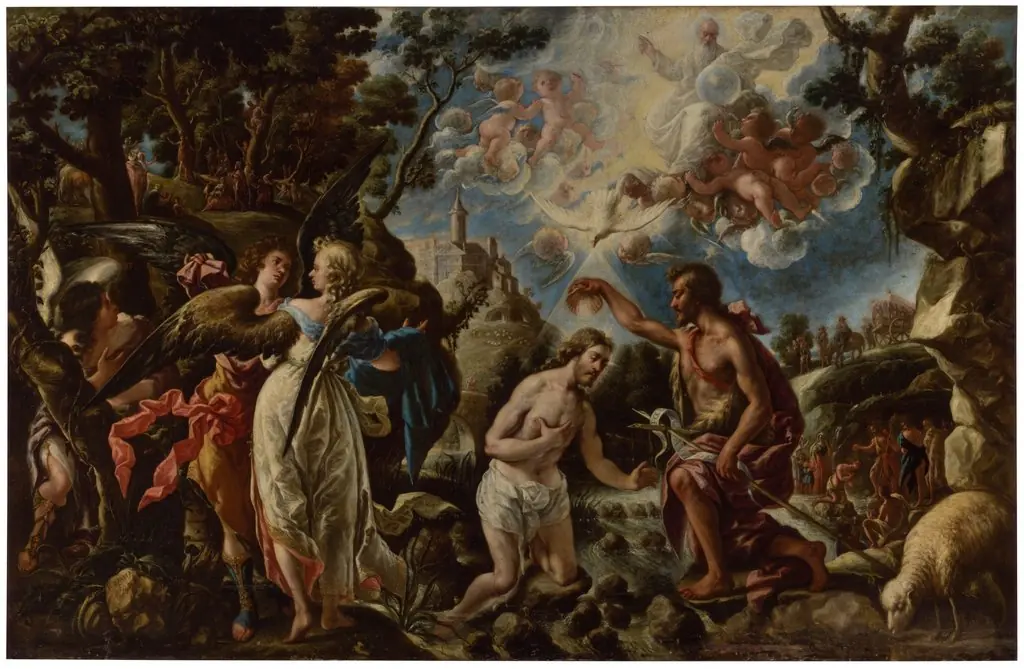 El Bautismo de Cristo
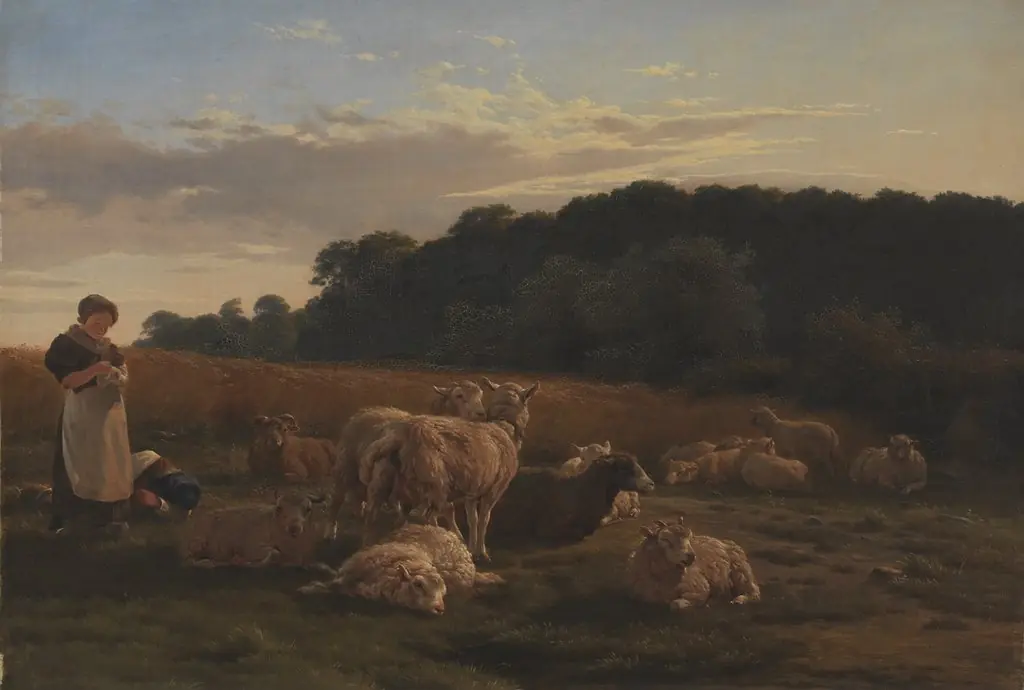 En fåreflok. Motivet fra Faxingeskoven ved Nysø
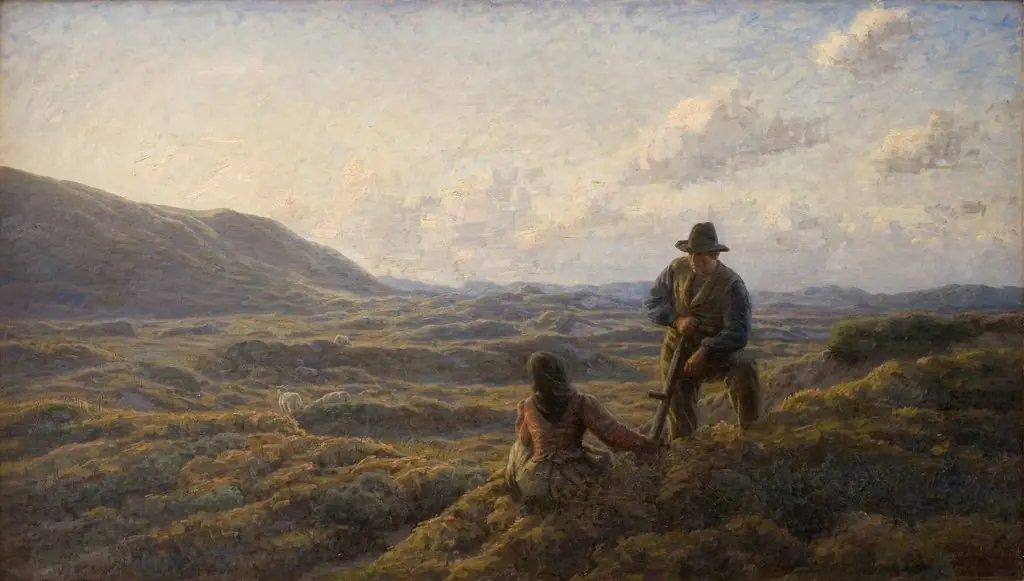 Idyl på heden
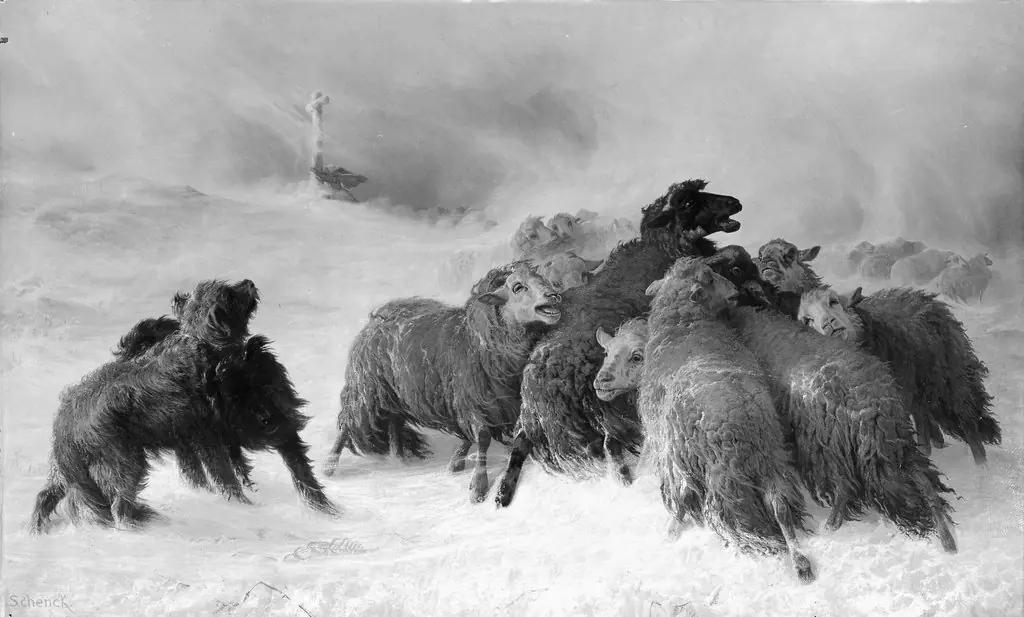 Lost: Souvenir of Auvergne
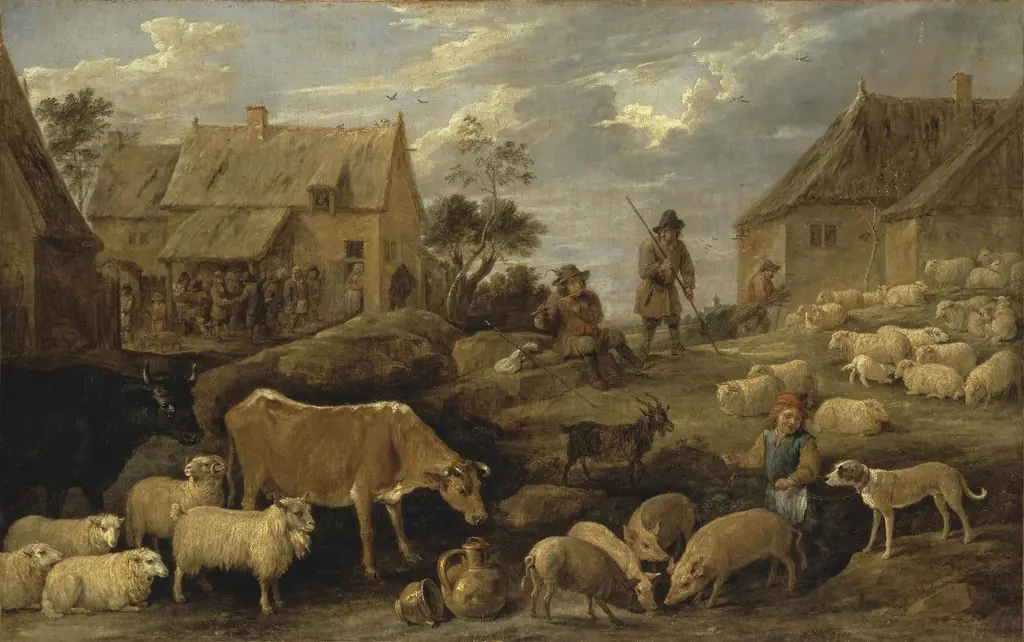 Landscape with shepherds and a flock
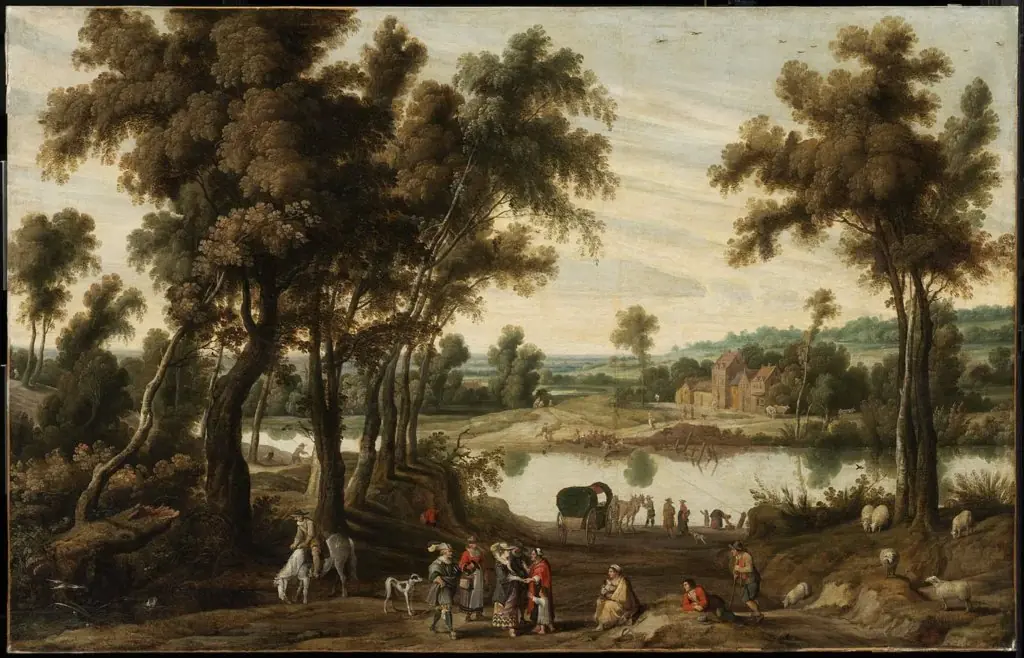 Landscape with Gentlefolk and Gypsies
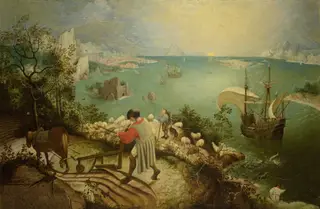 Landscape with the Fall of Icarus
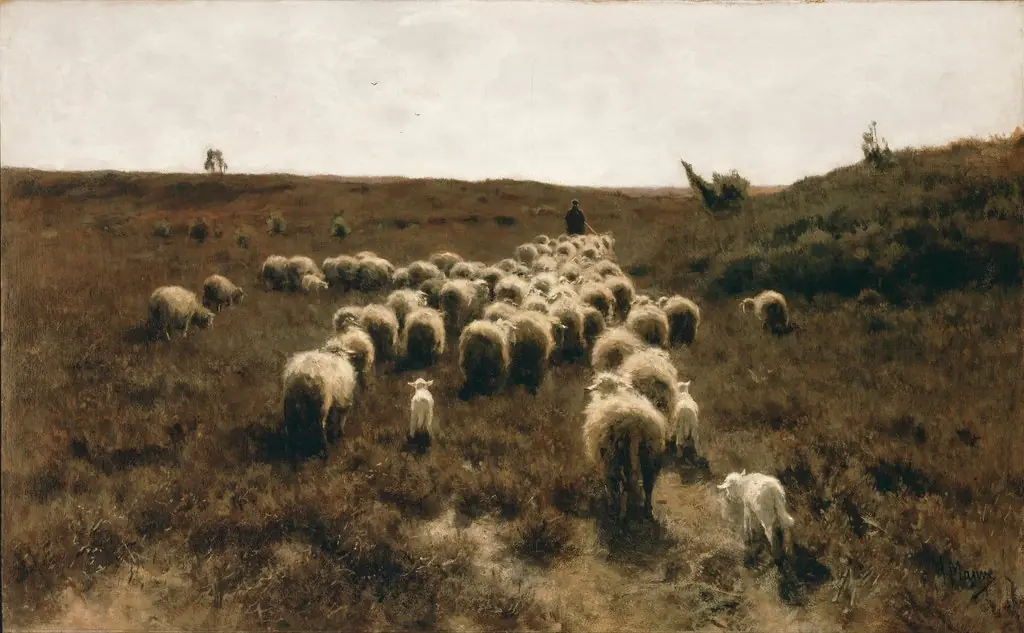 The Return of the Flock, Laren
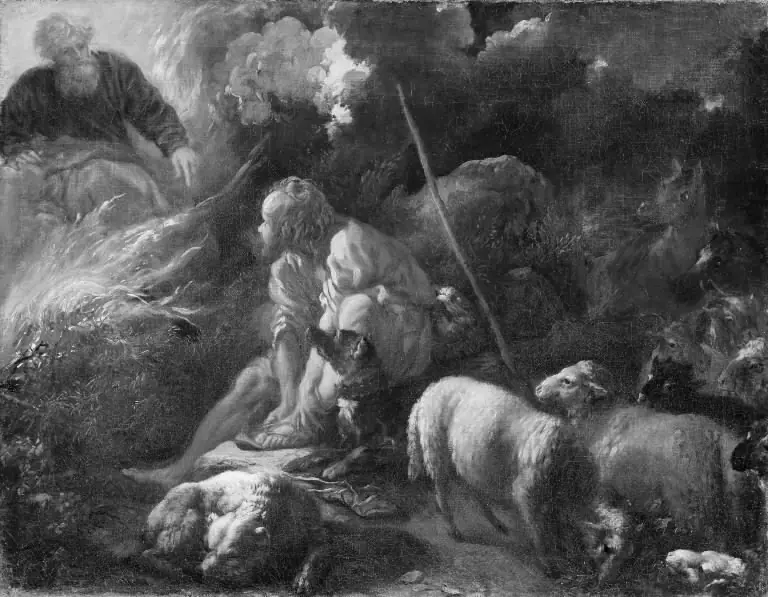 Moses and the Burning Bush
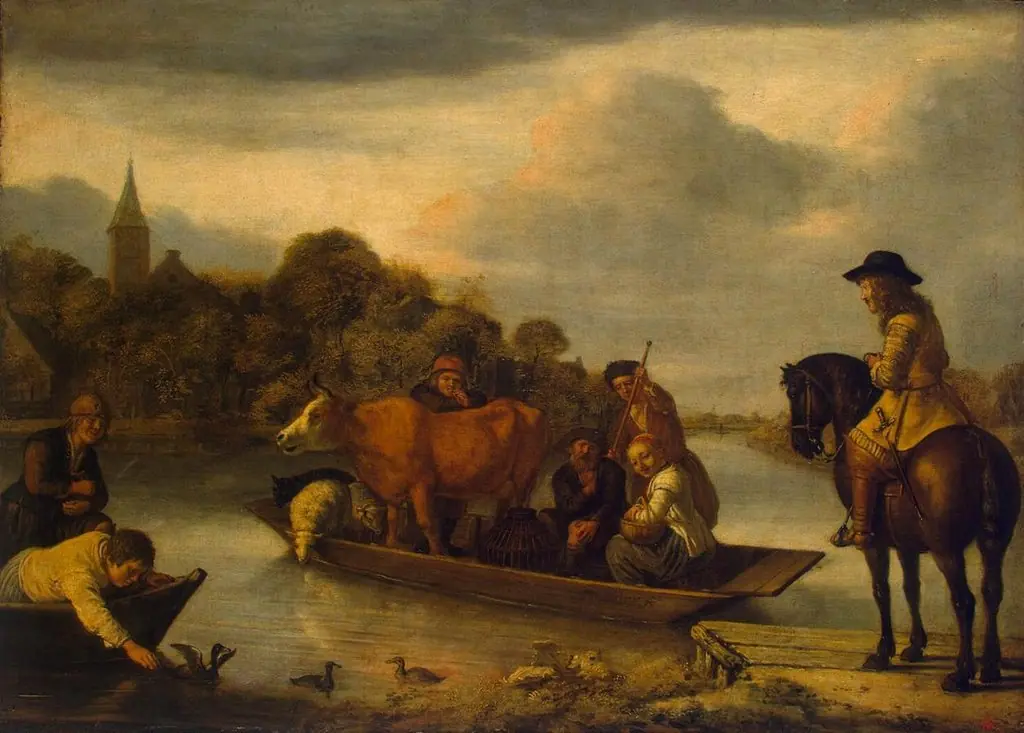 Ferry-boat
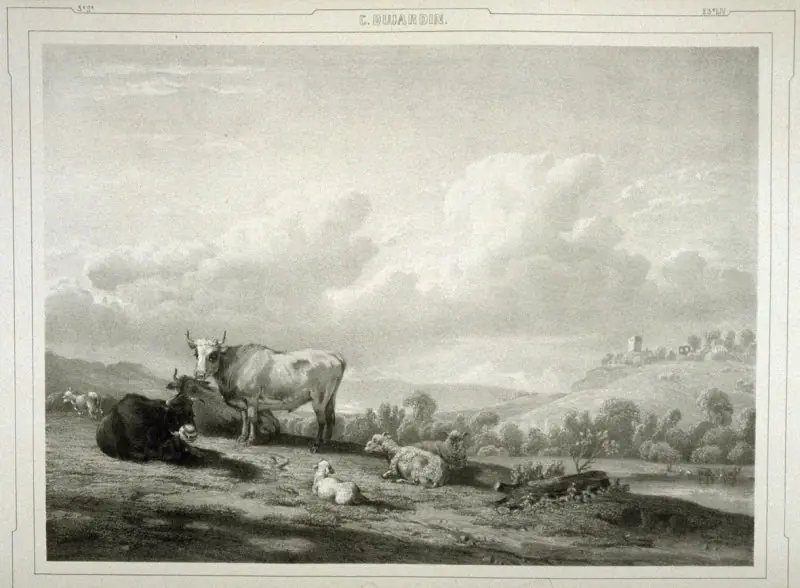 Farm animals at pasture
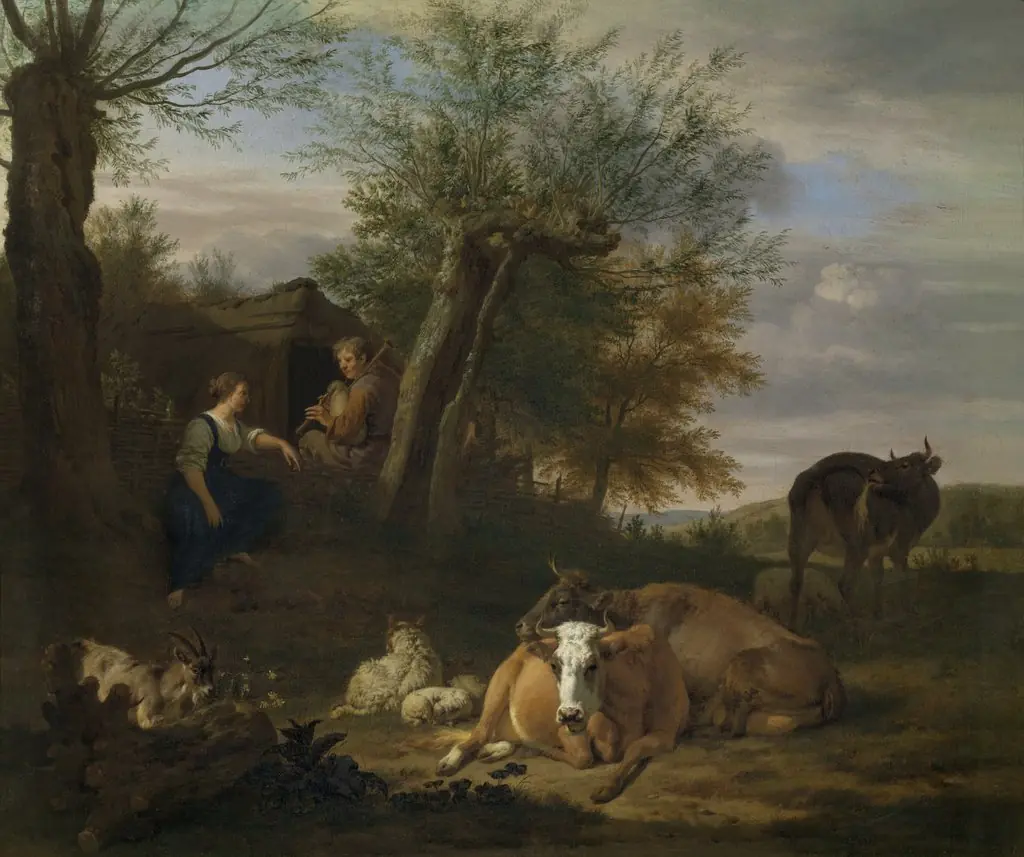 Bagpiper
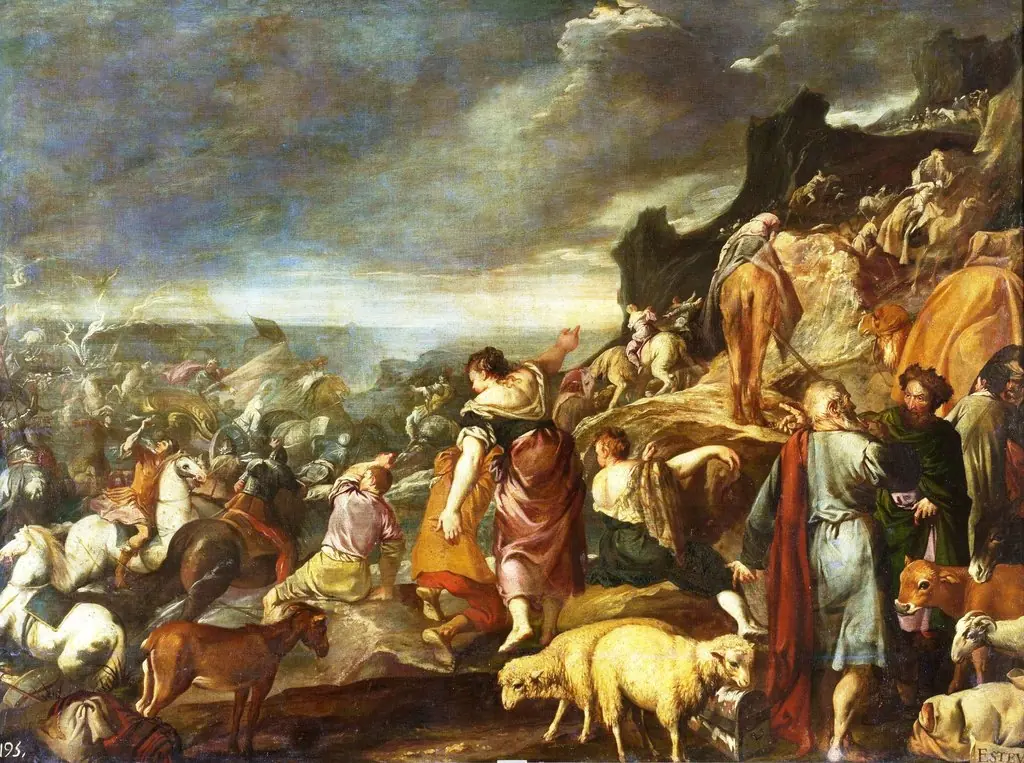 El paso del mar Rojo
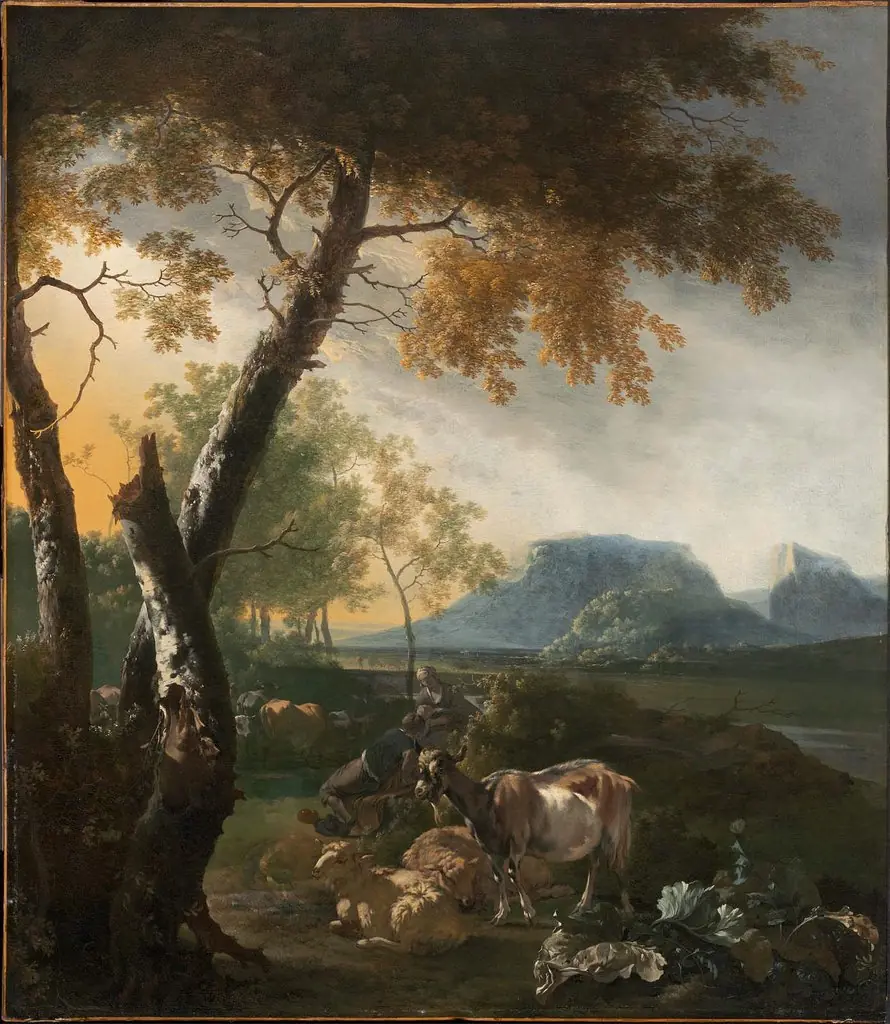 Landscape with Goats
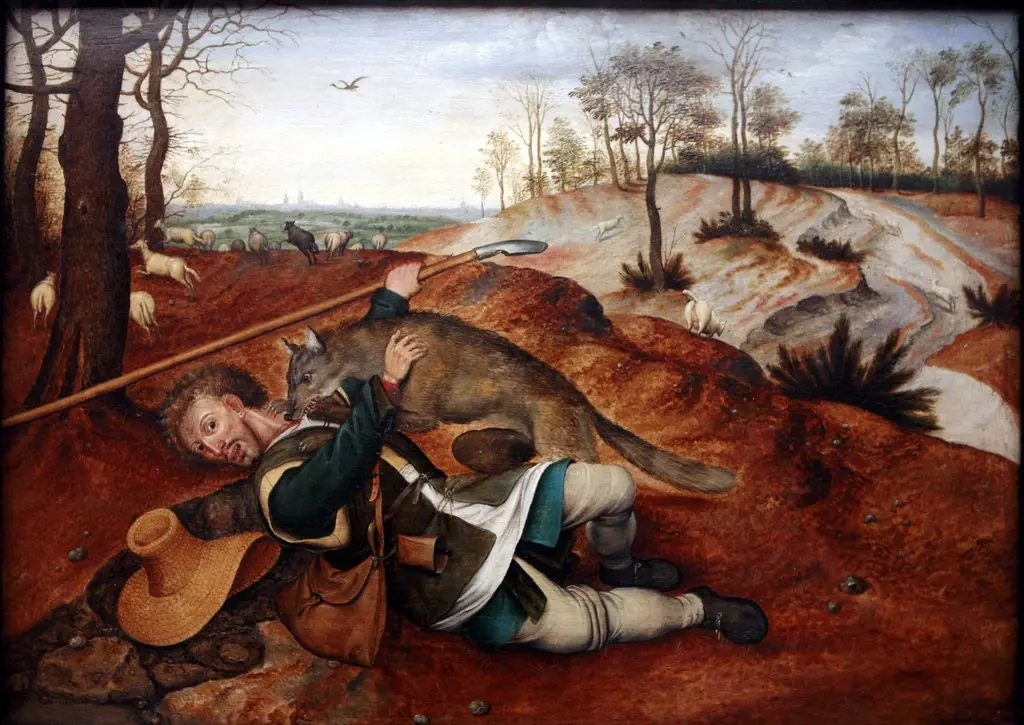 The Good Shepherd
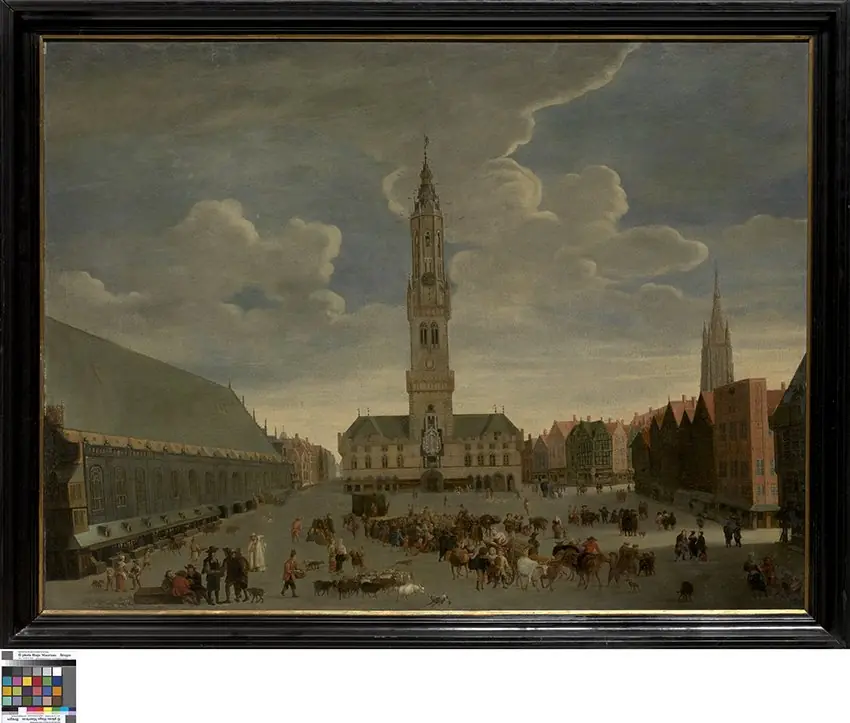 De Markt in Brugge
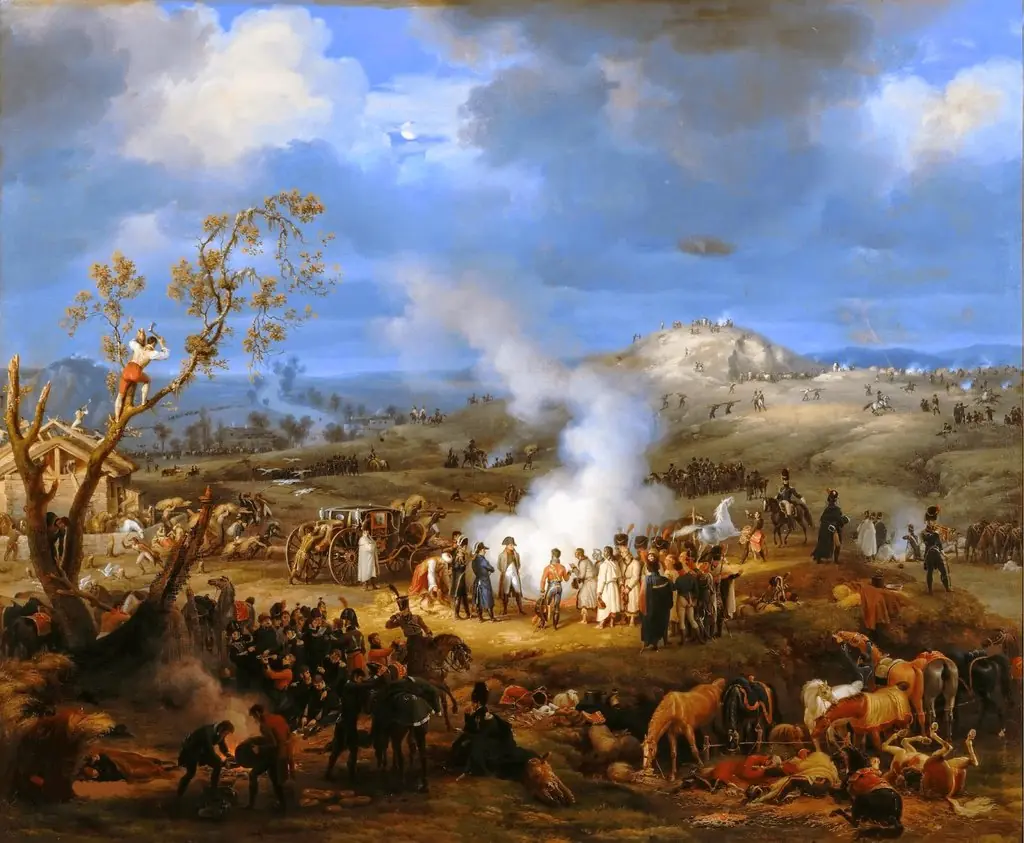 Bivouac on the Eve of the Battle of Austerlitz
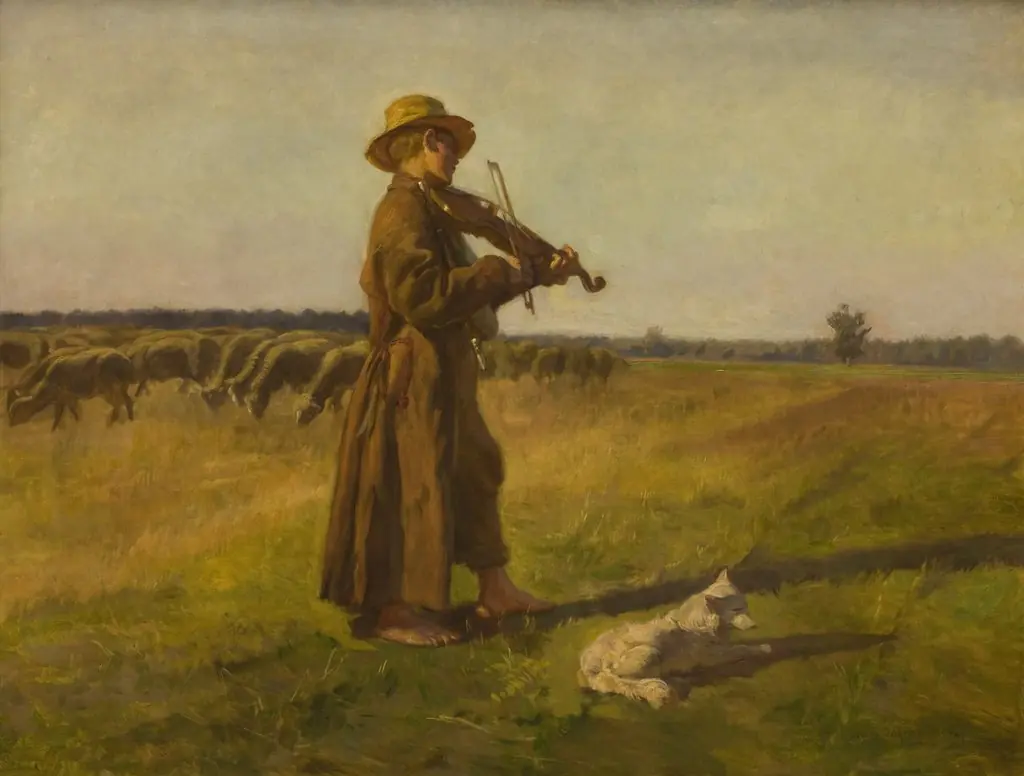 Shepherd
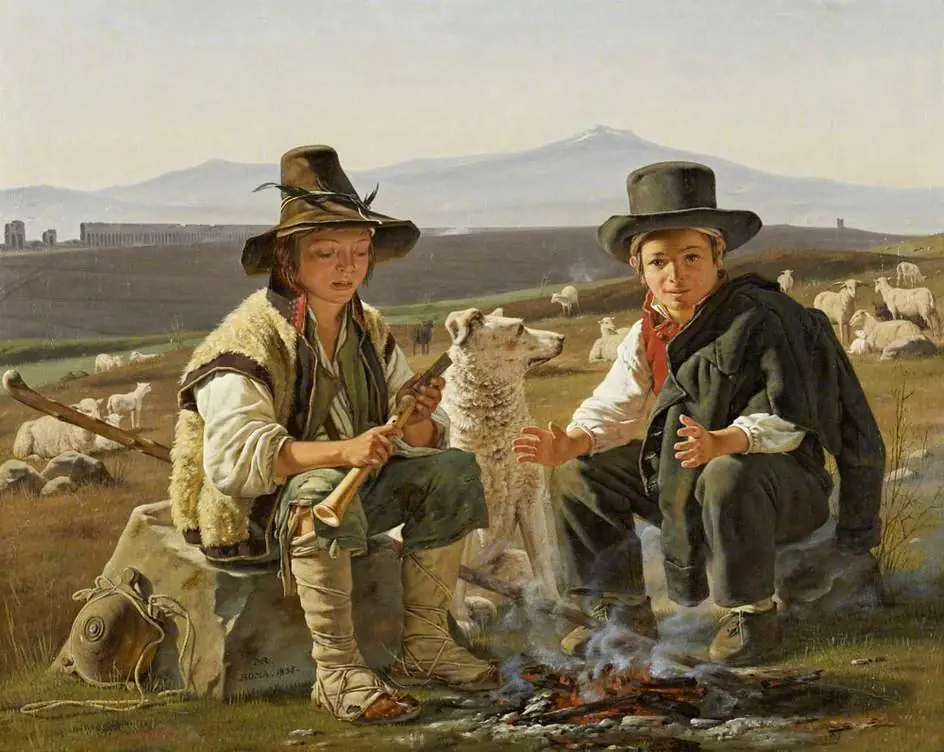 Two Shepherd Boys in the Roman Campagna
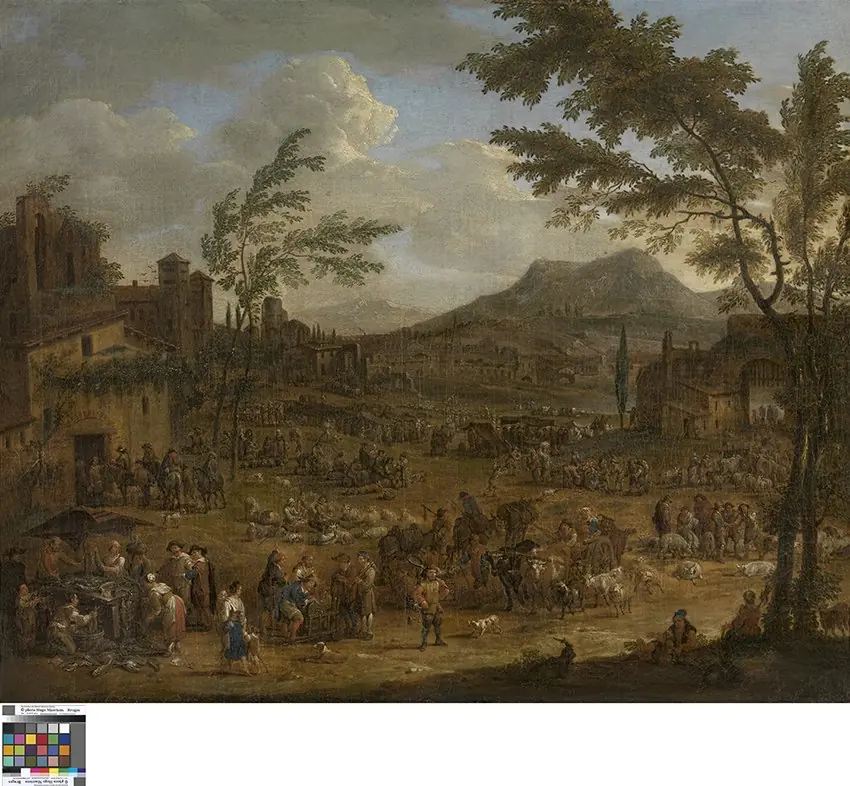 Italianate Landscape with a Market Scene
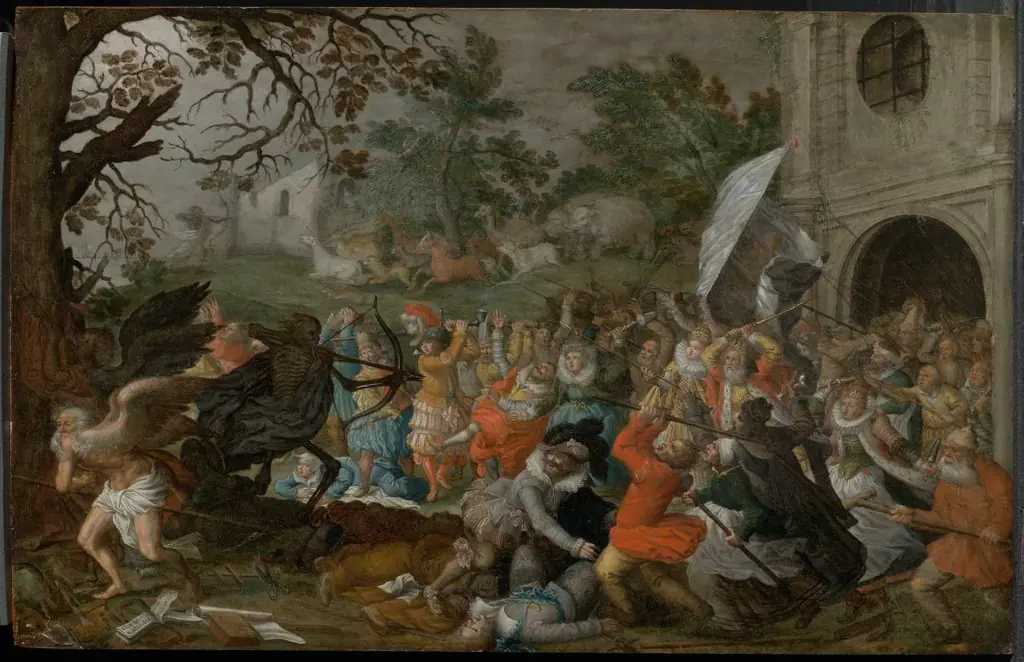 Men and Animals Struggling Against Death & Father Time
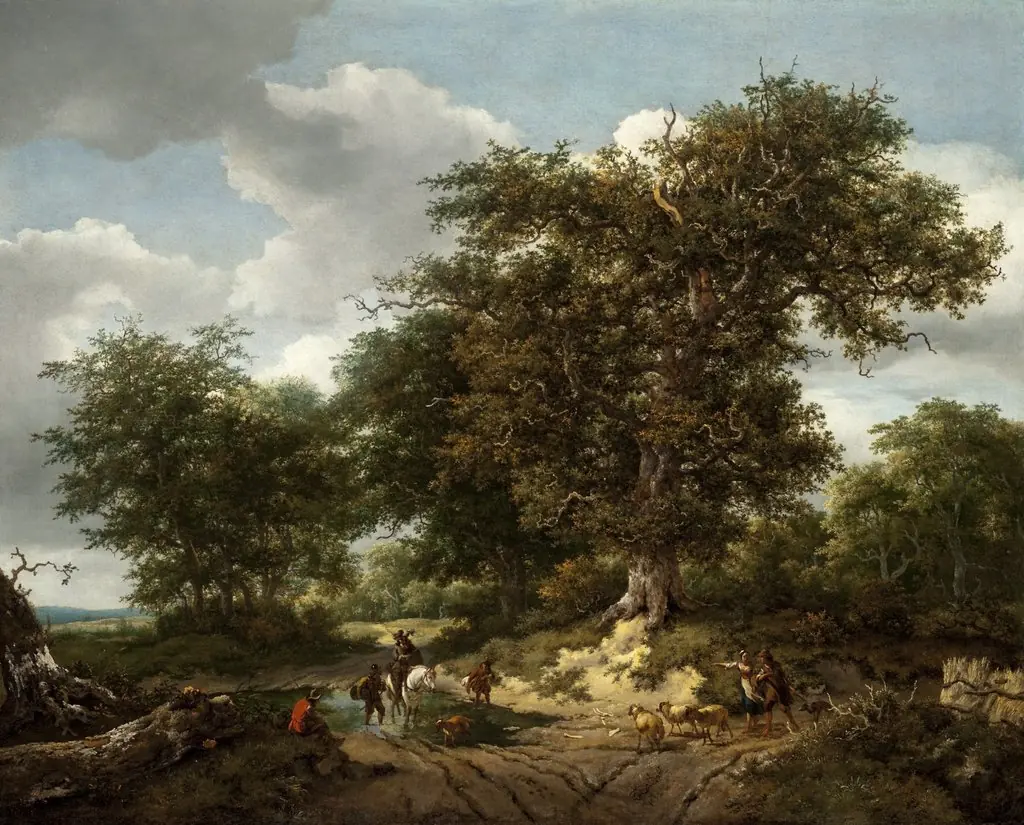 The Great Oak
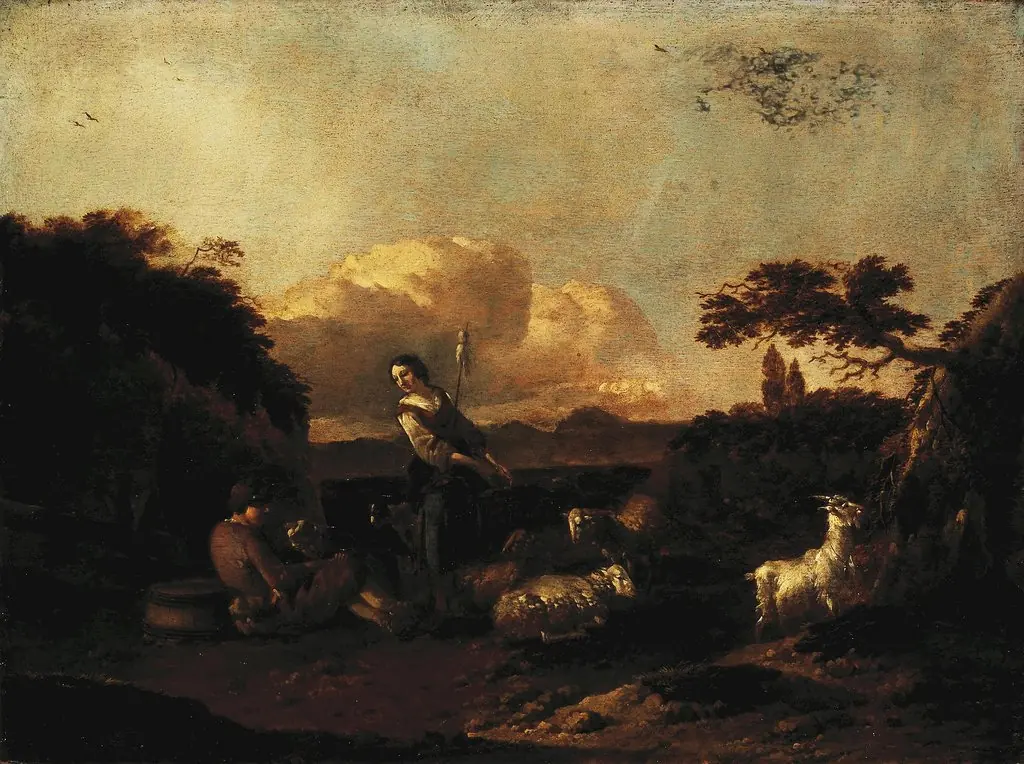 Shepherdess and a Flock of Sheep
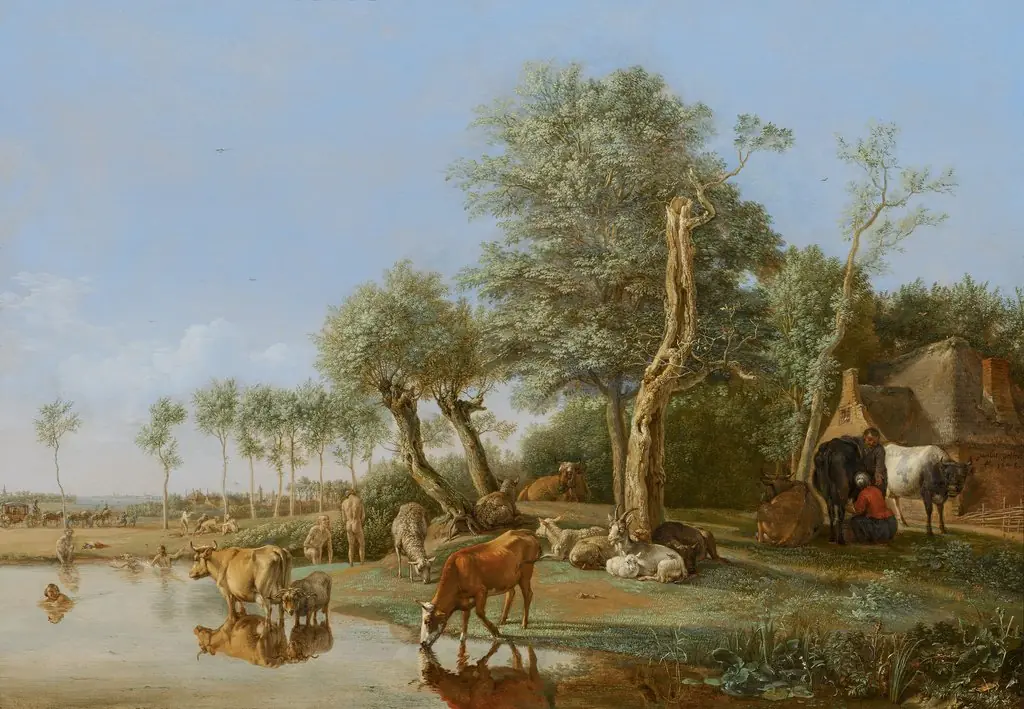 Cows reflected in the water
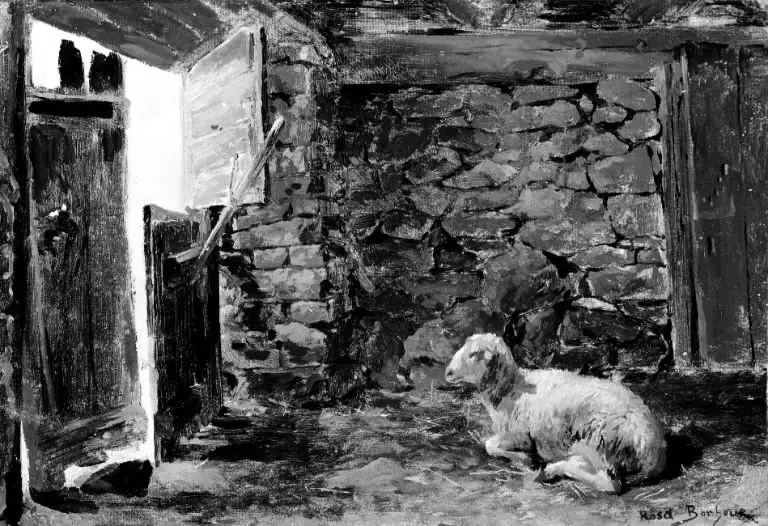 A Couching Sheep in a Stable
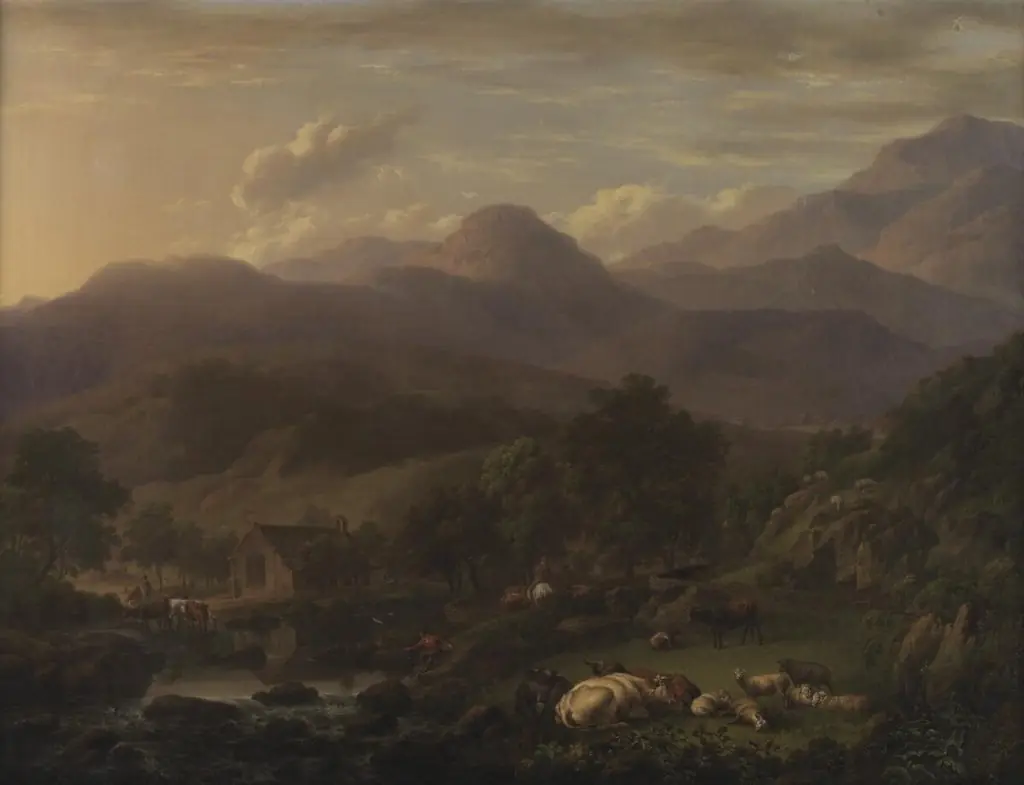 Welsh landscape with animals
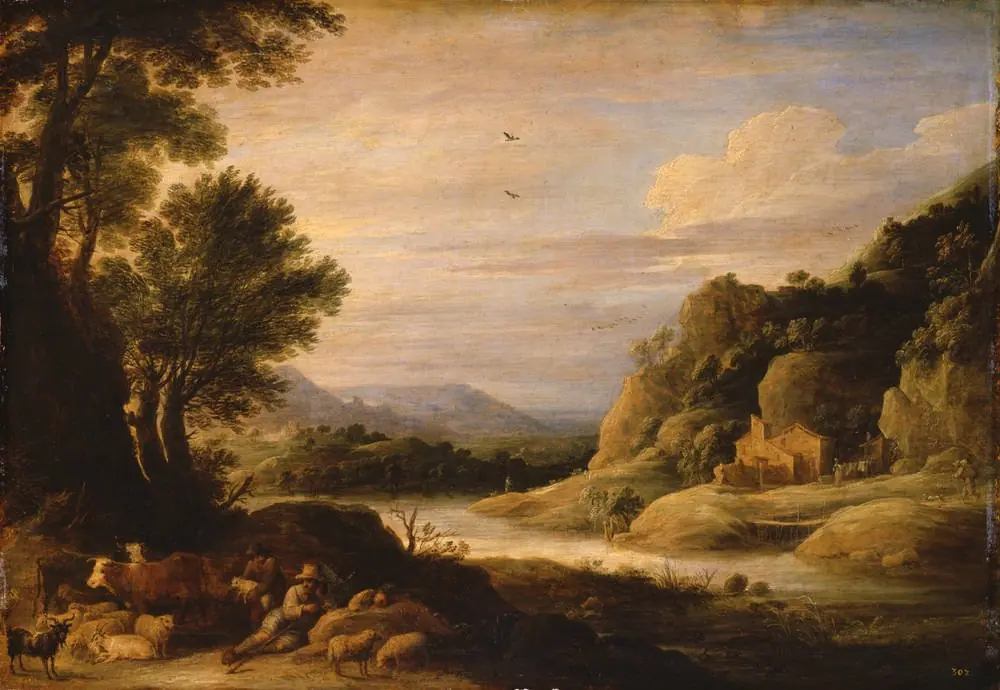 River landscape with resting shepherds and herds
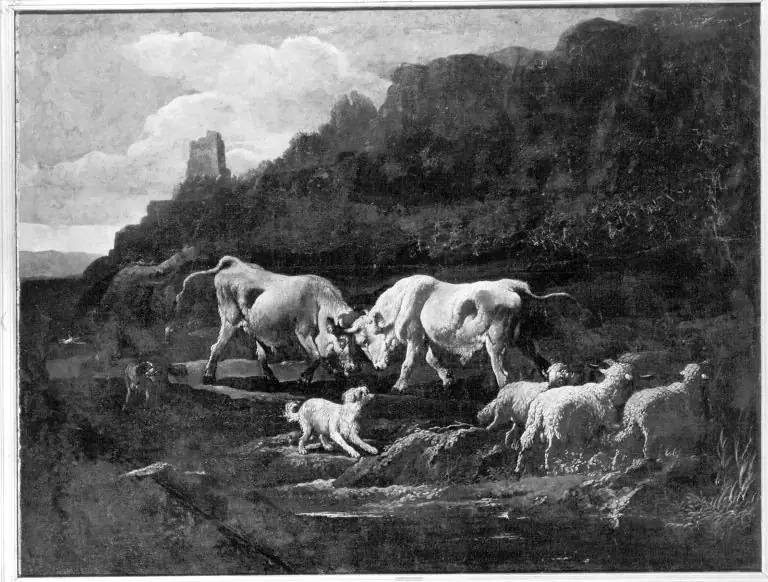 Viehstück
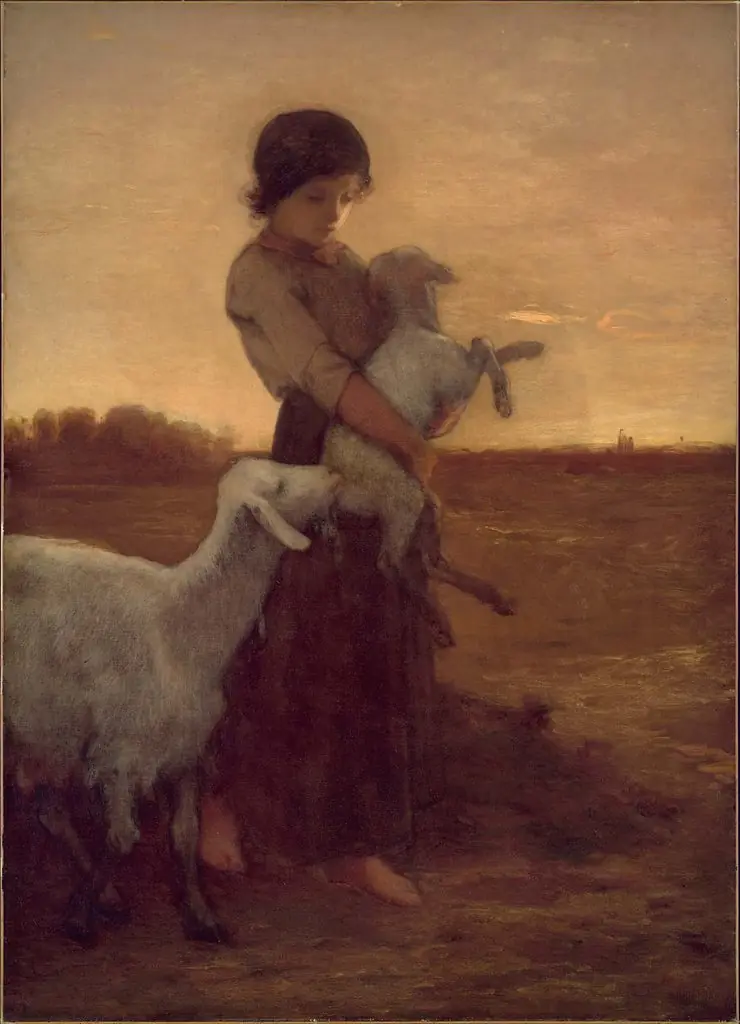 The Belated Kid
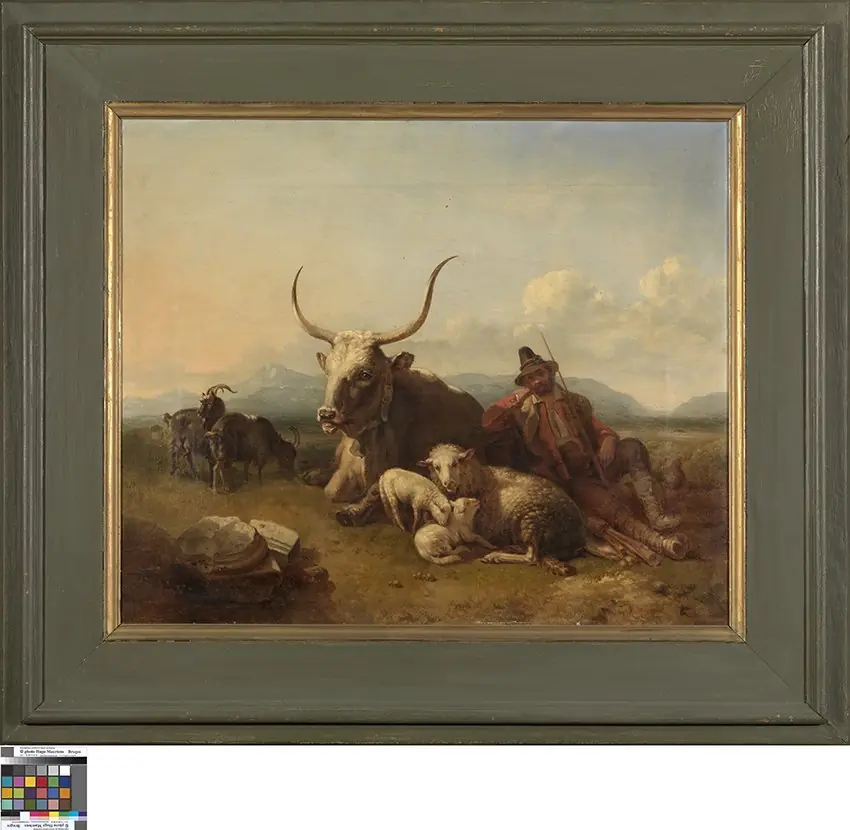 Herder met kudde
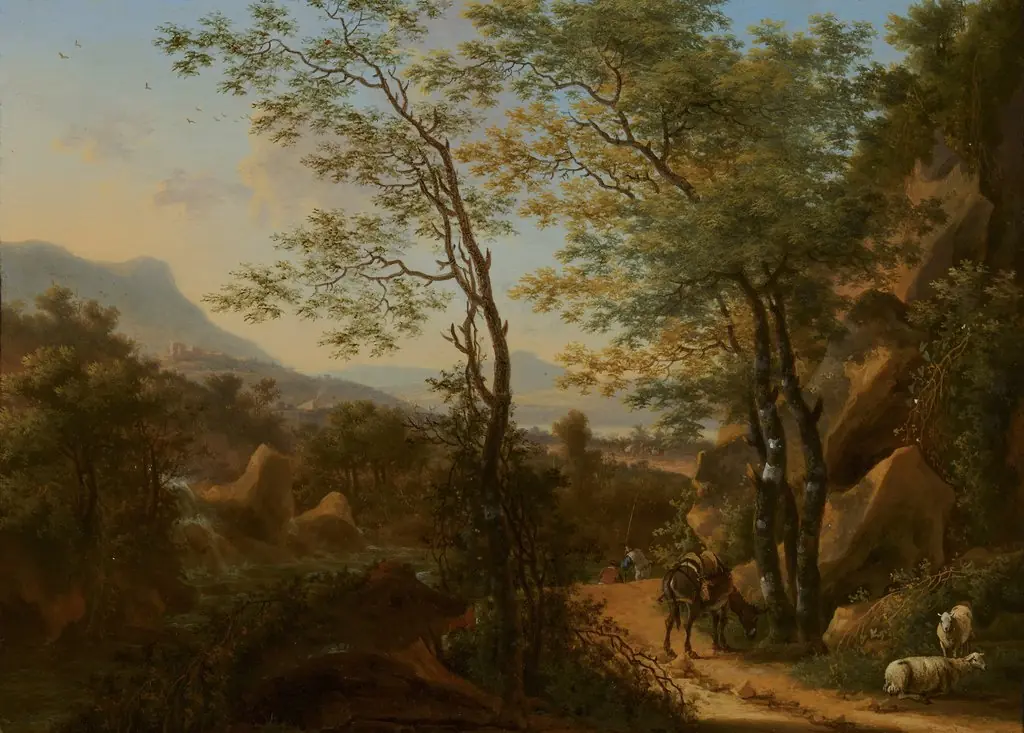 Mountainous Landscape in Italy
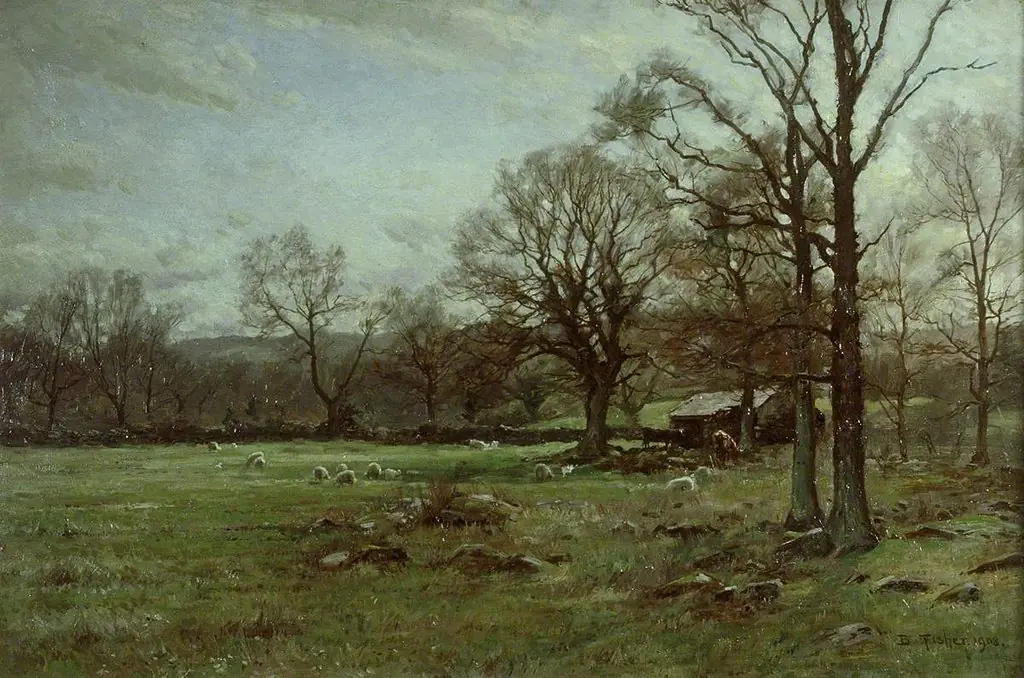 Early Spring, Dolcwm, Talycafn
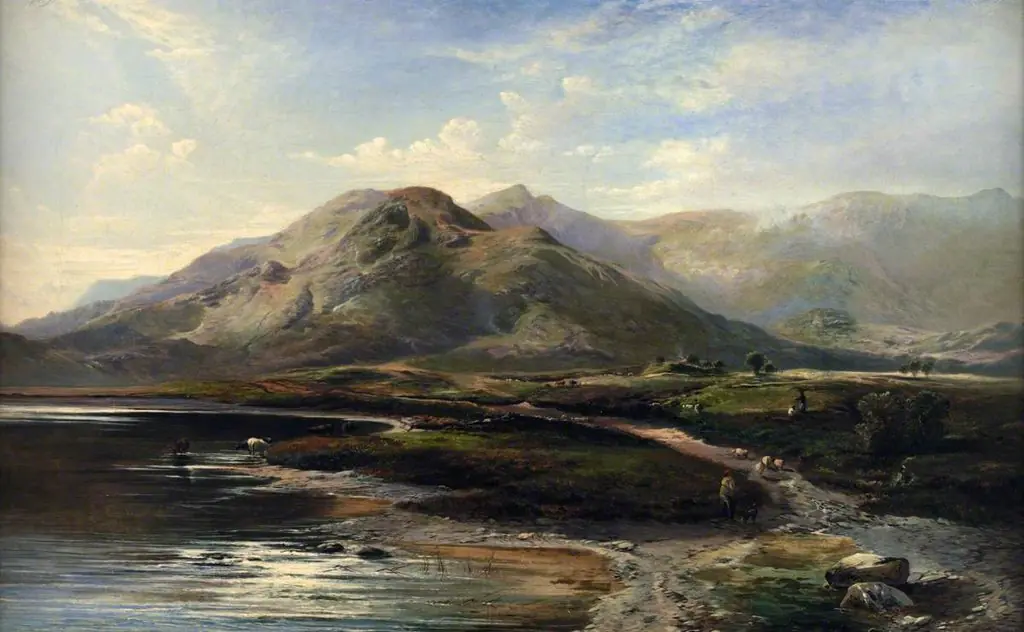 Llyn Gader
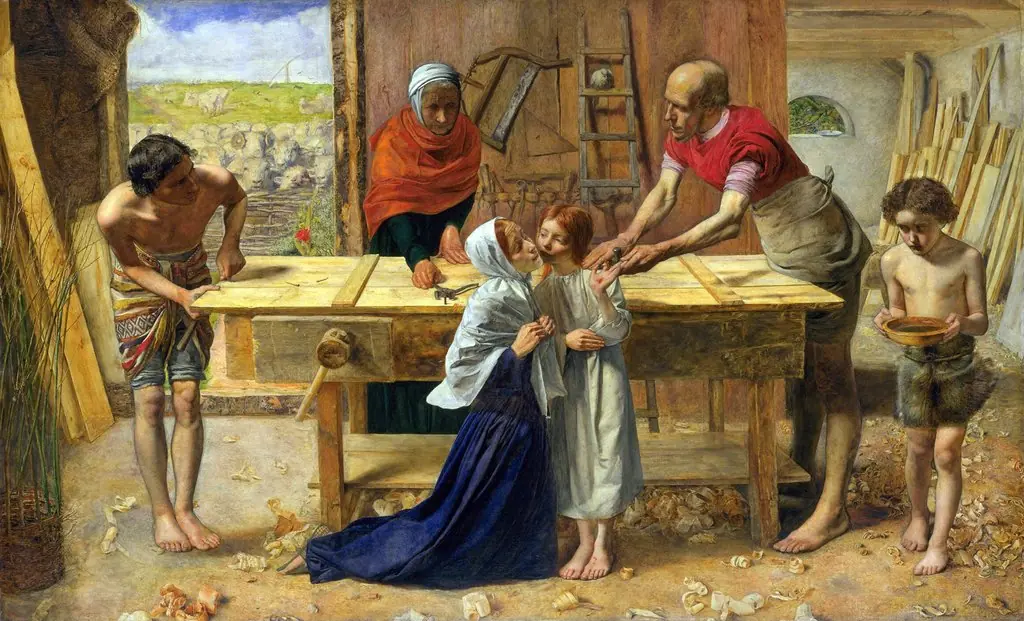 Christ in the House of His Parents
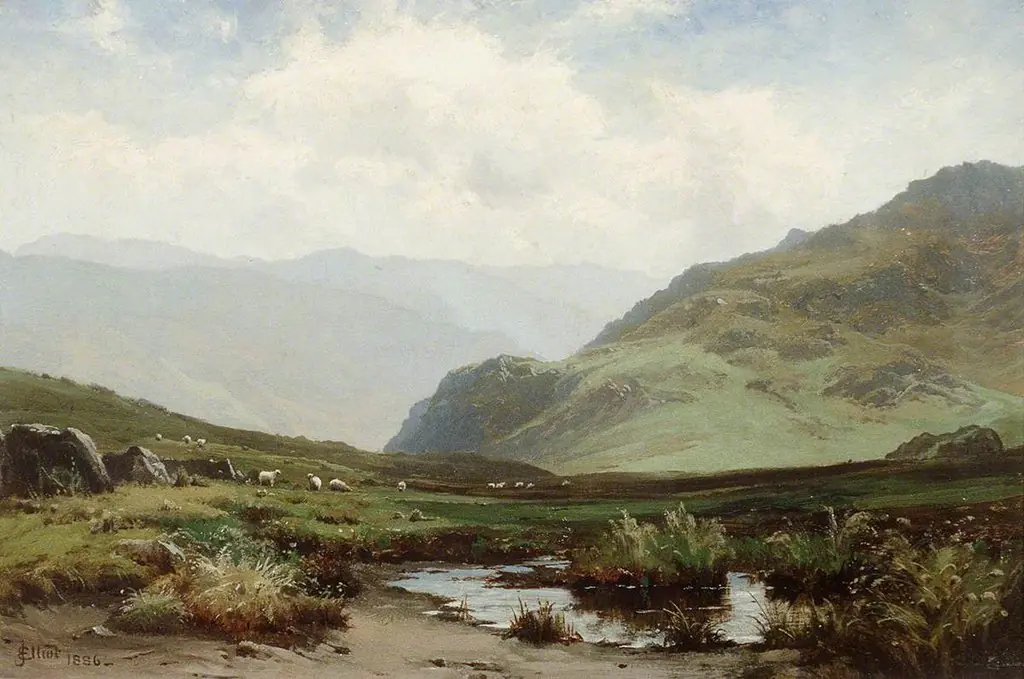 On Snowdon
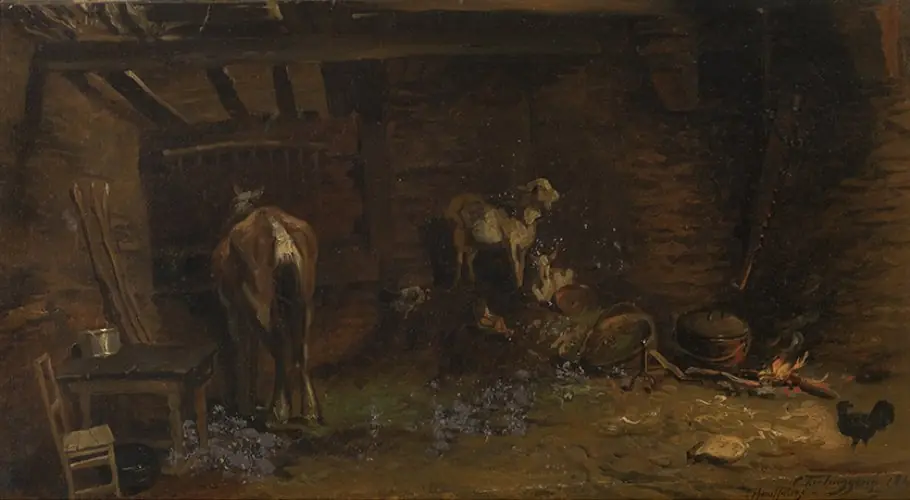 Interior view at Houffalize
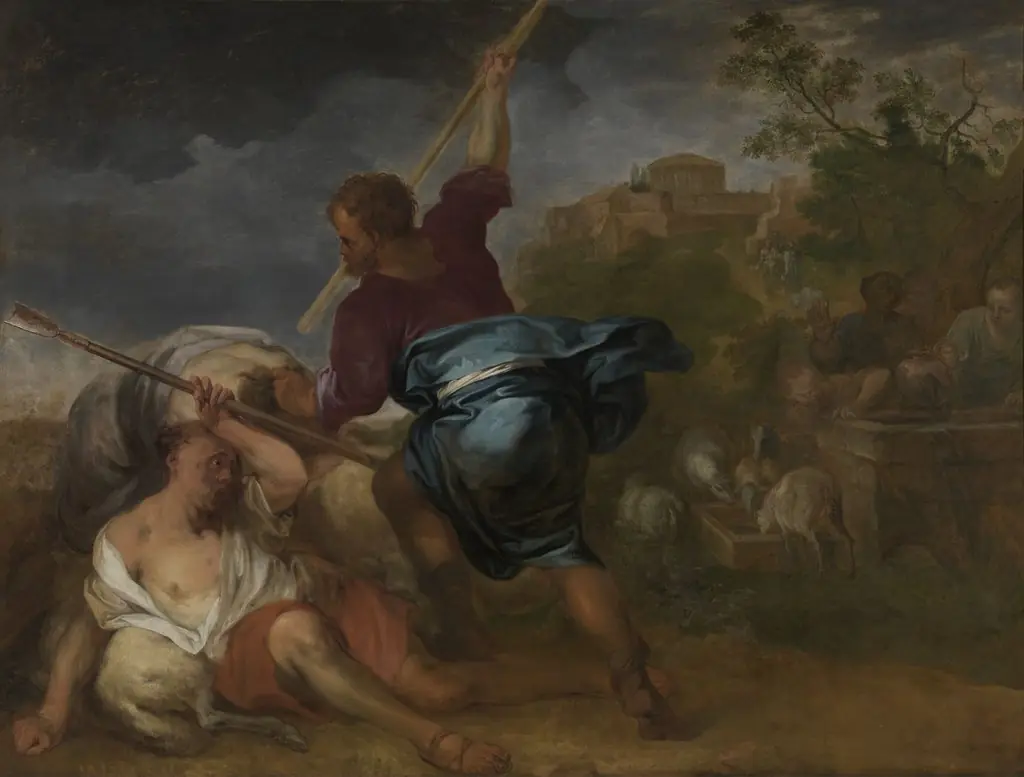 Moses defends the daughters of Jethro
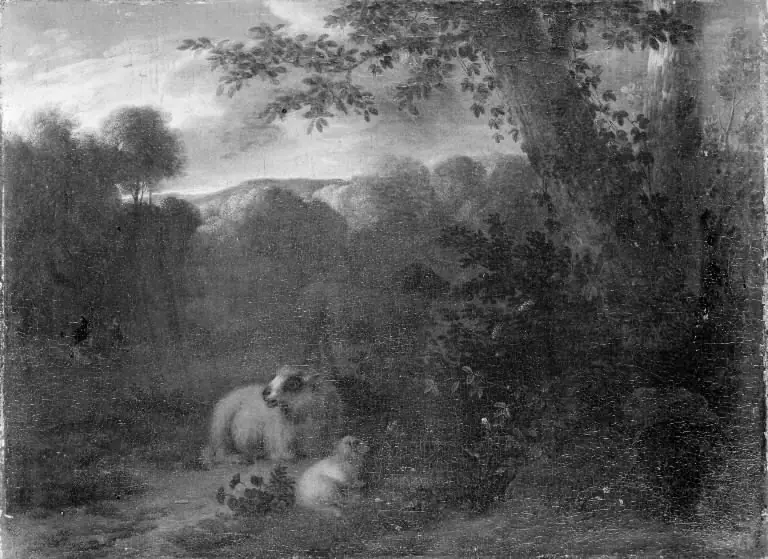 Landscape with Sheep
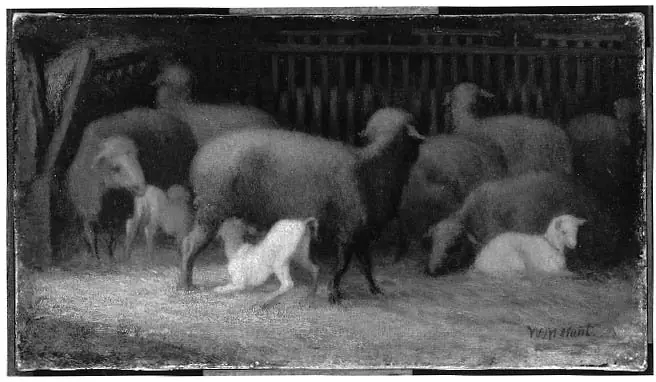 Sheep
Sheep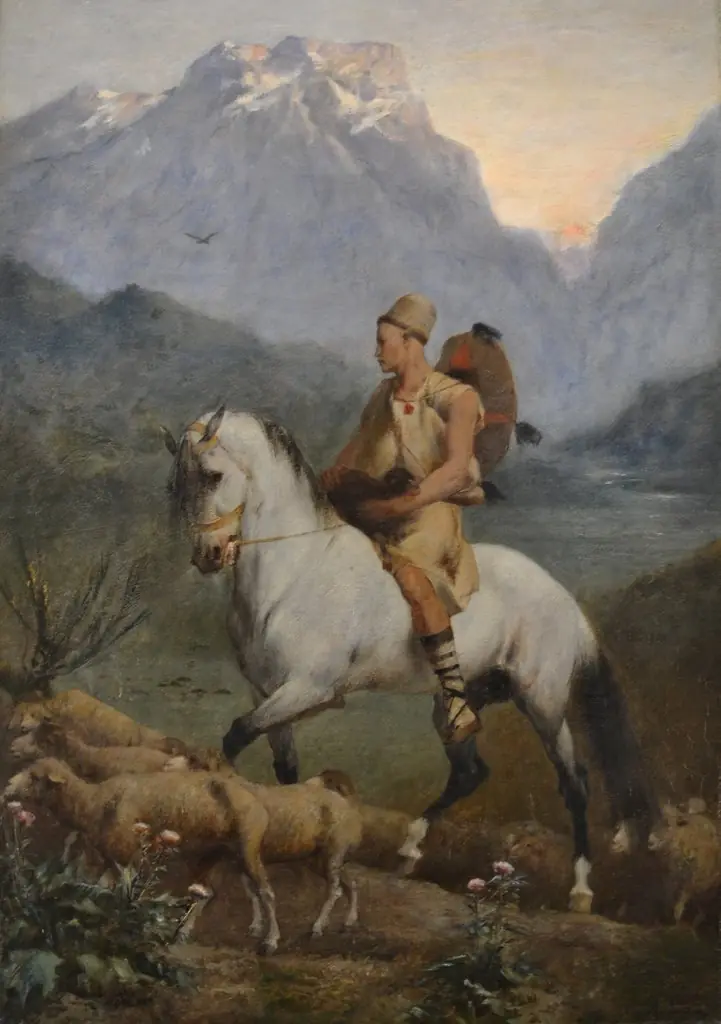 Kabyle Shepherd (Shepherd: High Plateau of Kabylia)
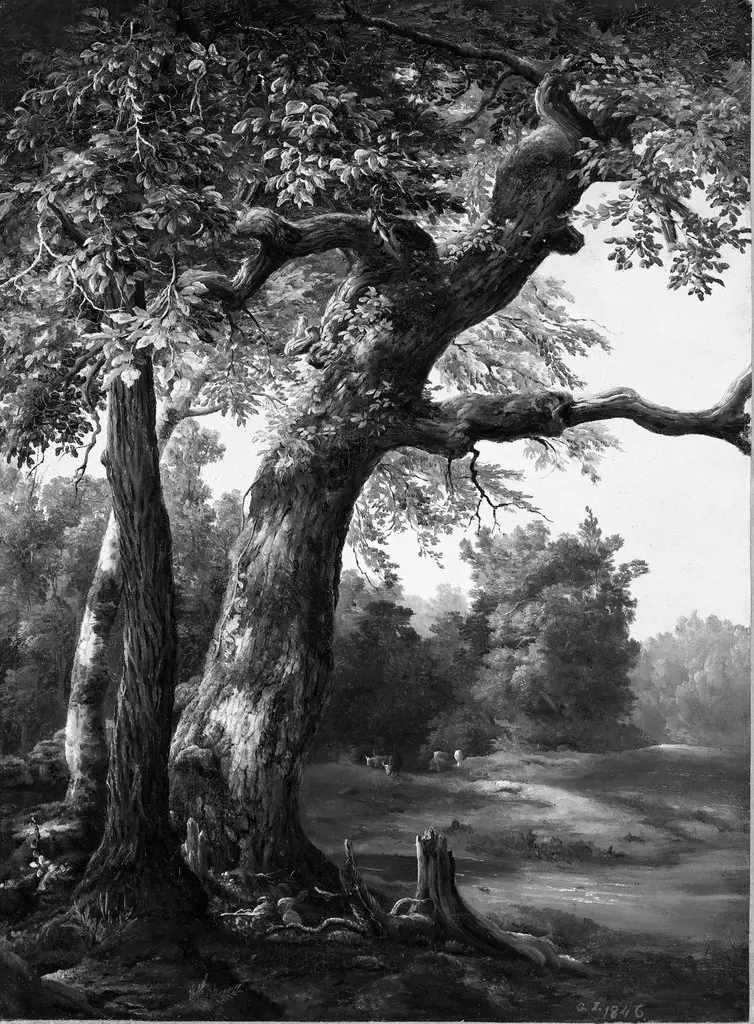 Woodland Vista
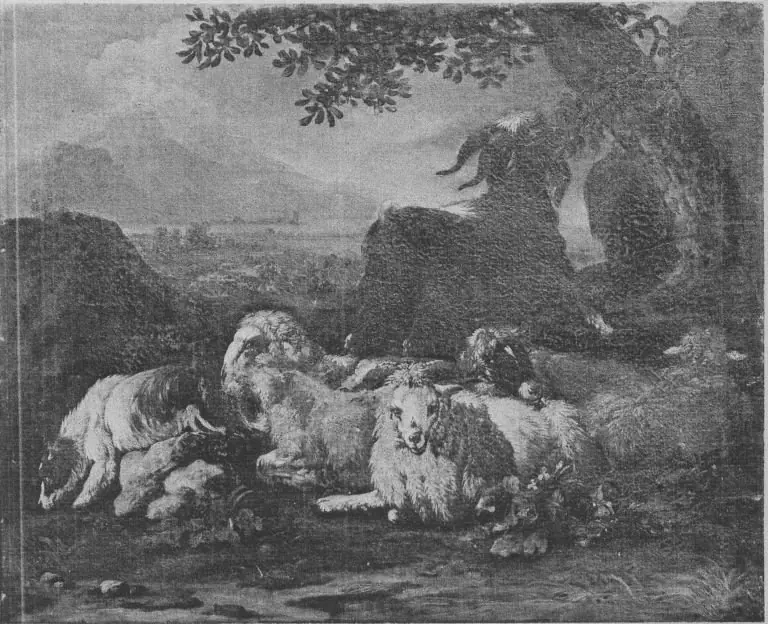 Ruhende Schafherde
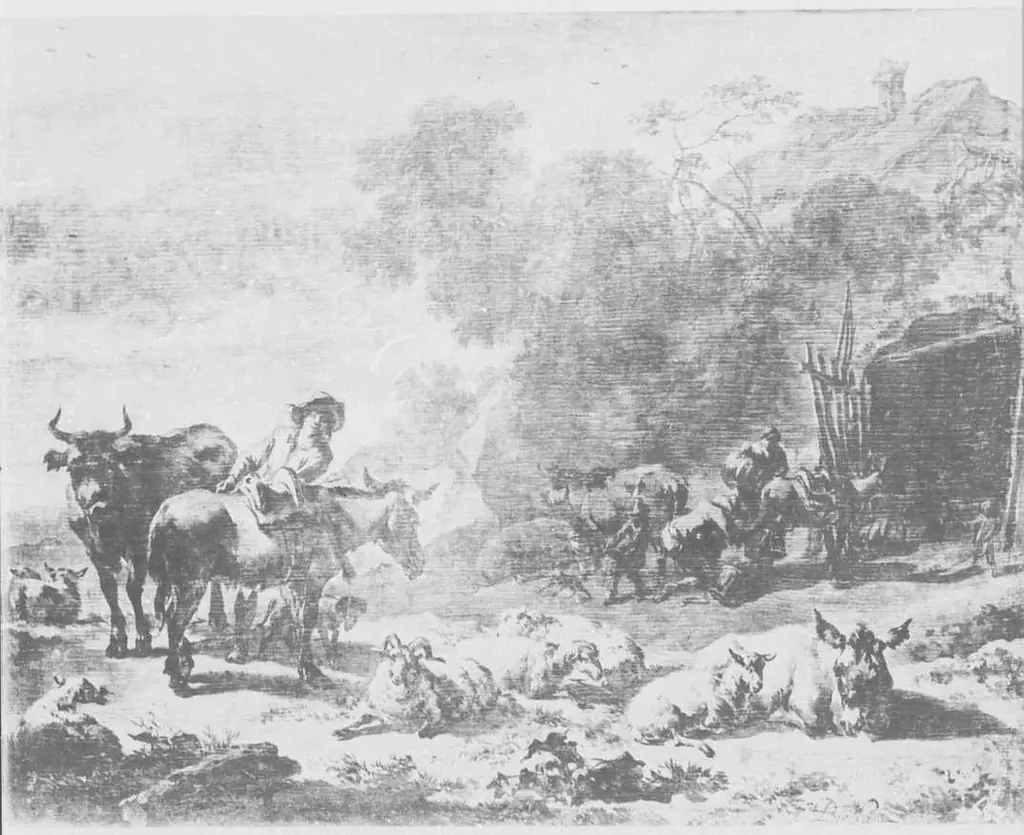 Herders and Herd
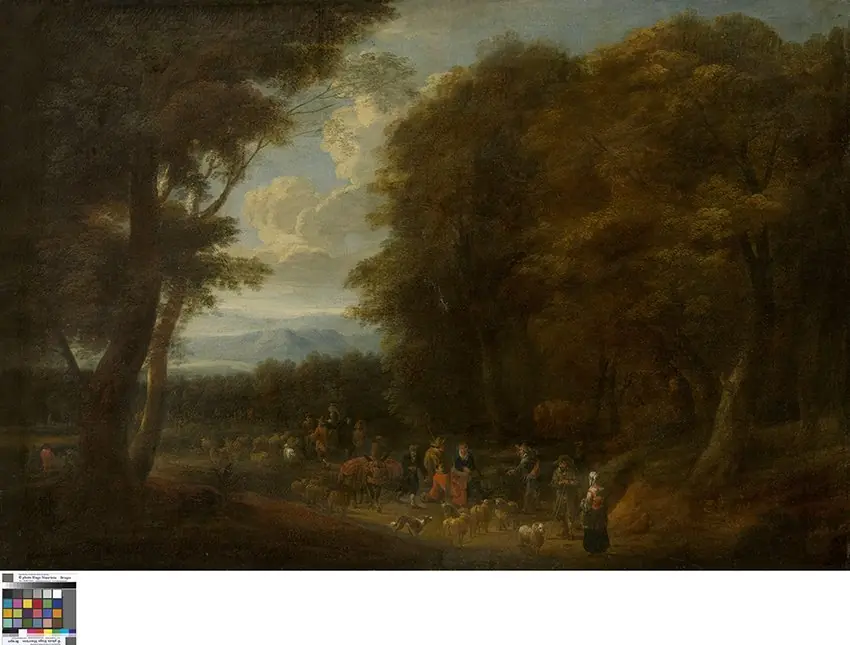 Landschap met schaapherders
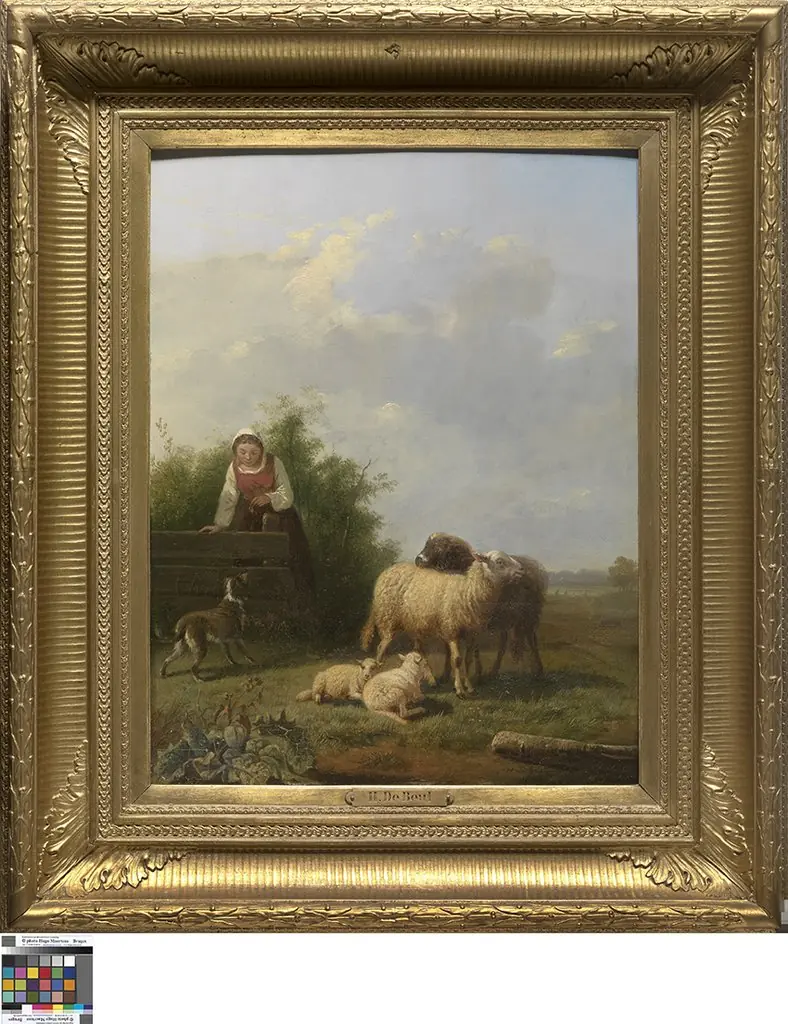 Landschap met schapen
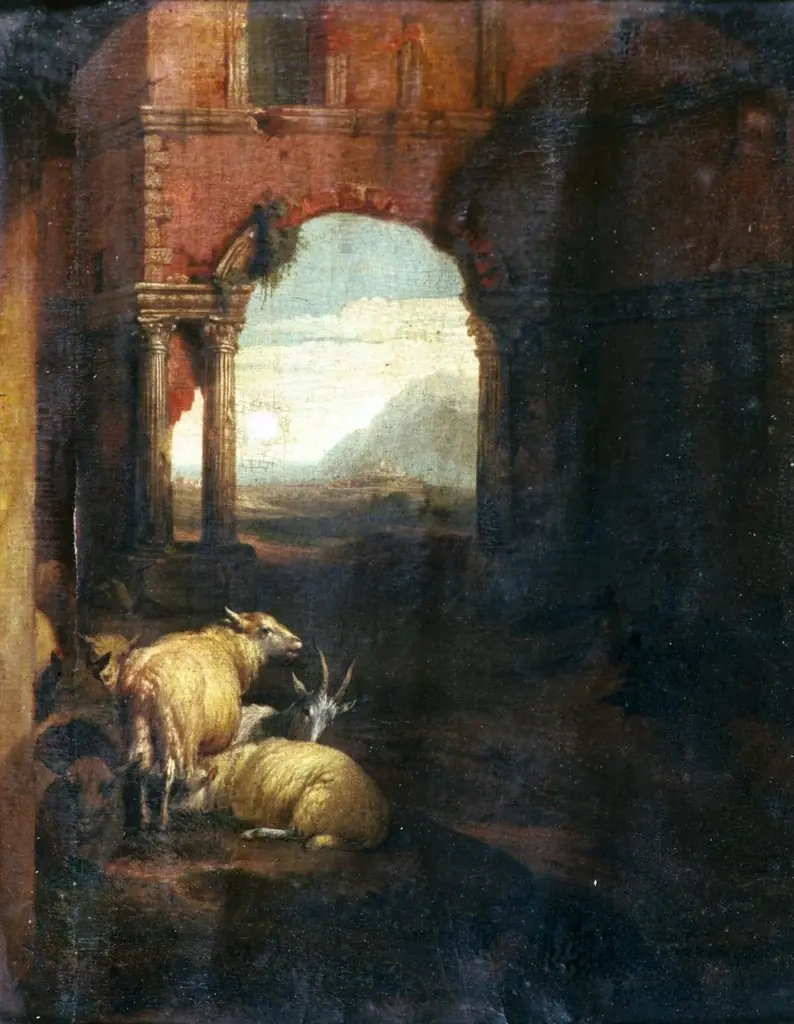 Classical landscape with sheep and goat
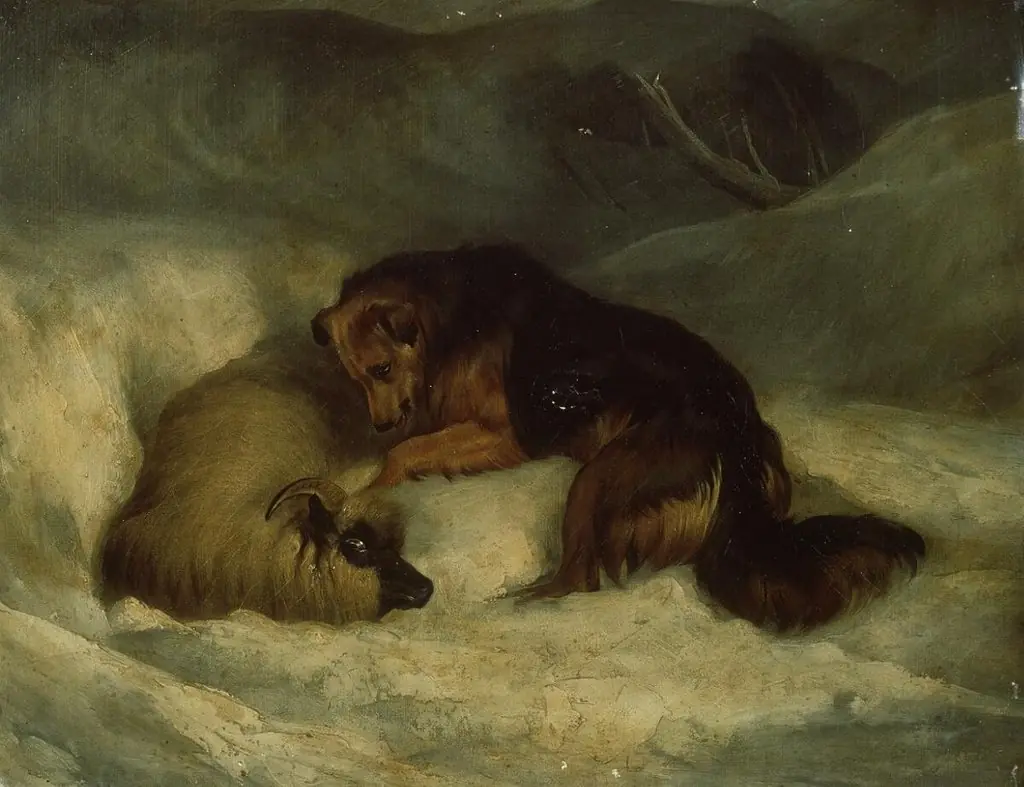 Sheepdog rescuing ram from snowdrift
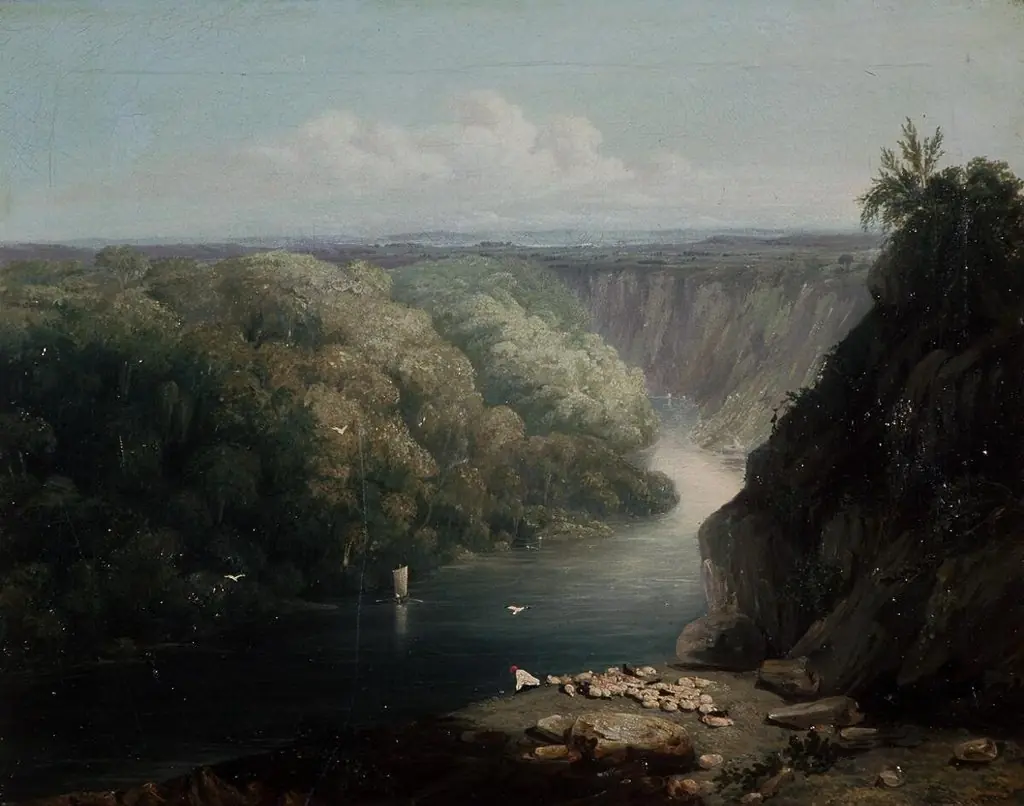 Symonds Yat
 Landscape with sheep
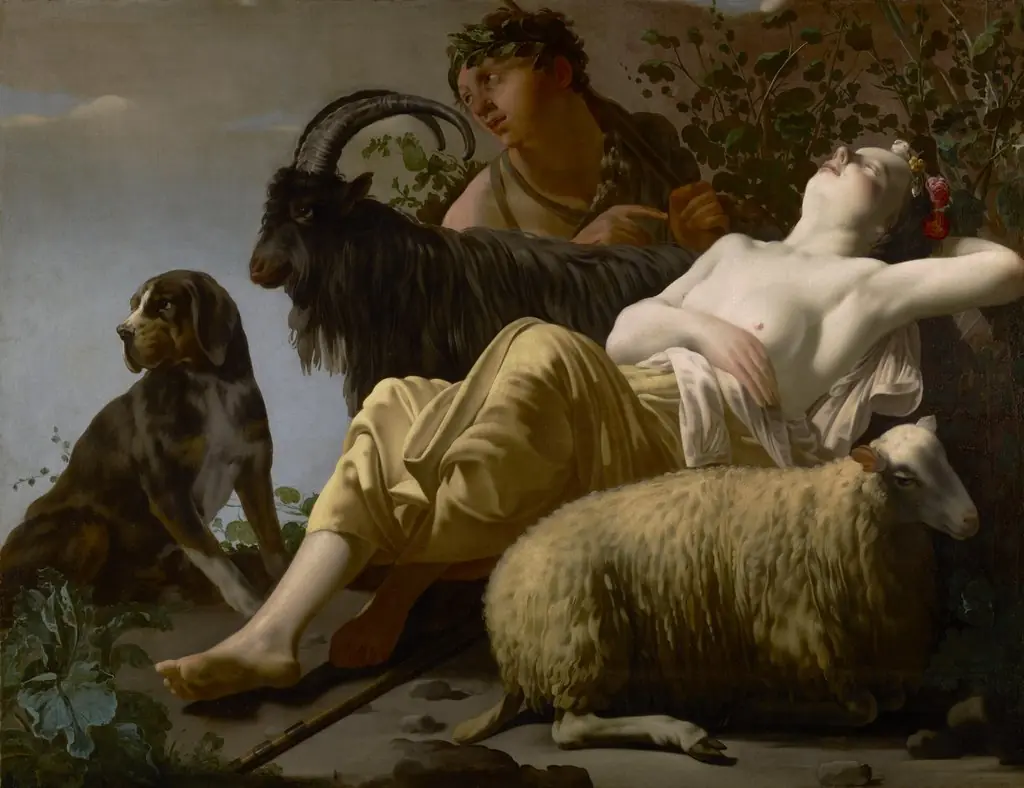 Shepherd and Sleeping Shepherdess
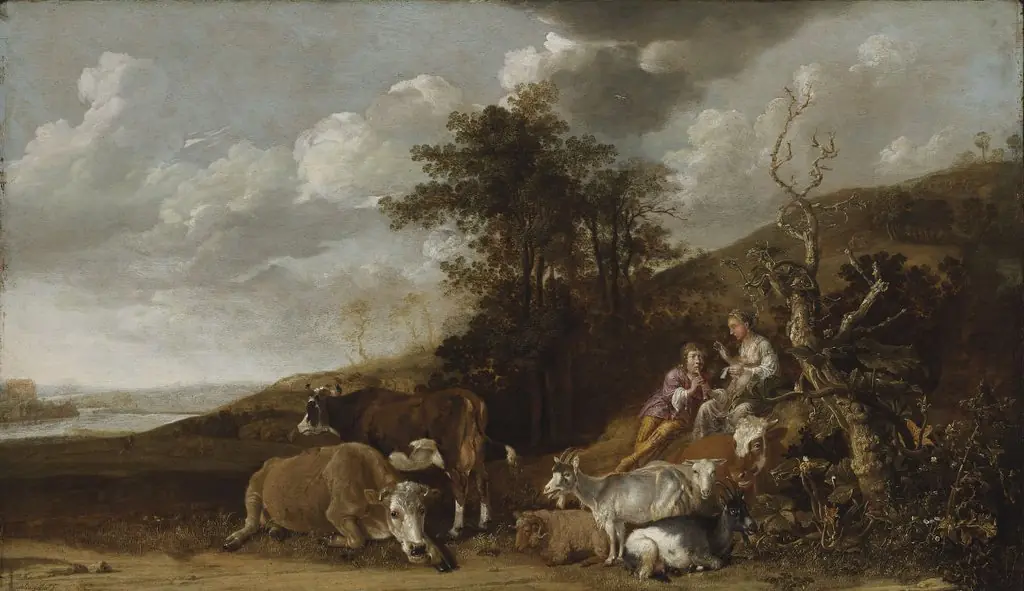 Landscape with Shepherdess and Shepherd Playing Flute
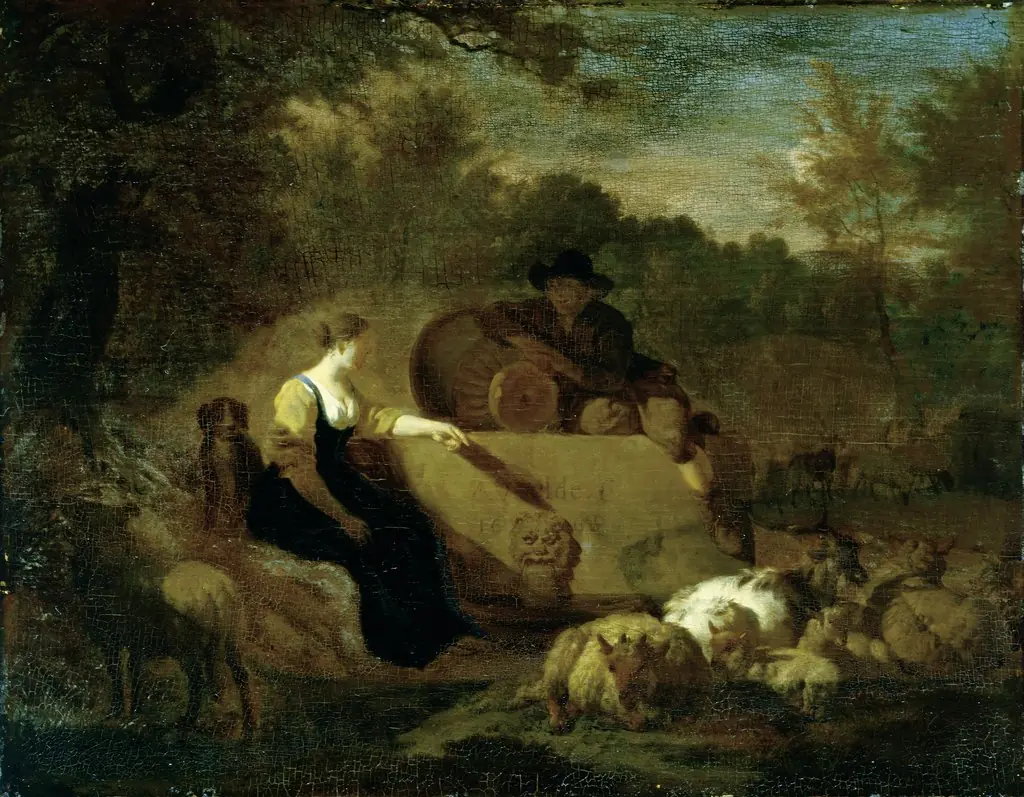 Shepherd's couple with their herd in a wooded landscape
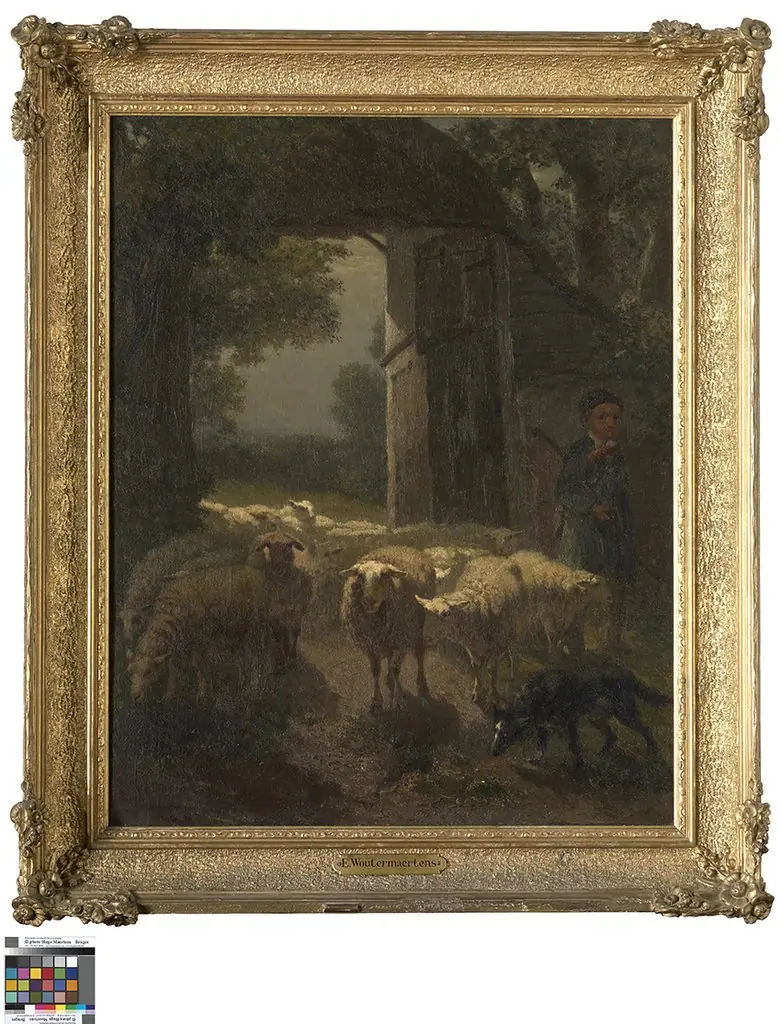 Terugkerende schapen
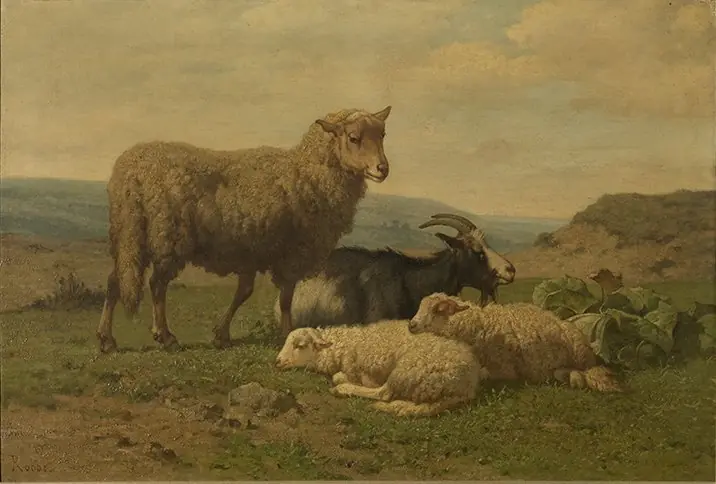 Kleinvee in het veld
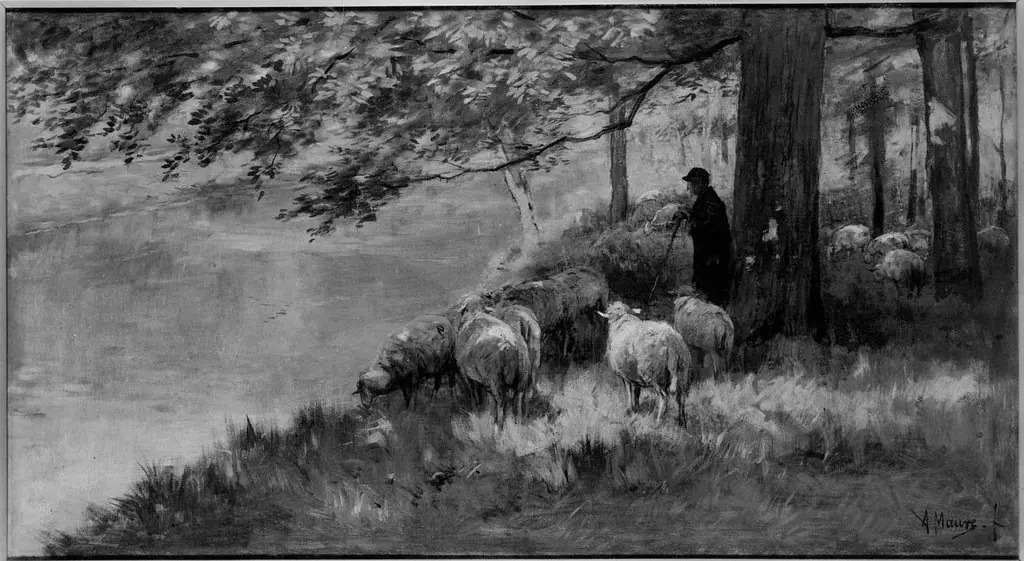 Shepherd and Sheep under the Trees
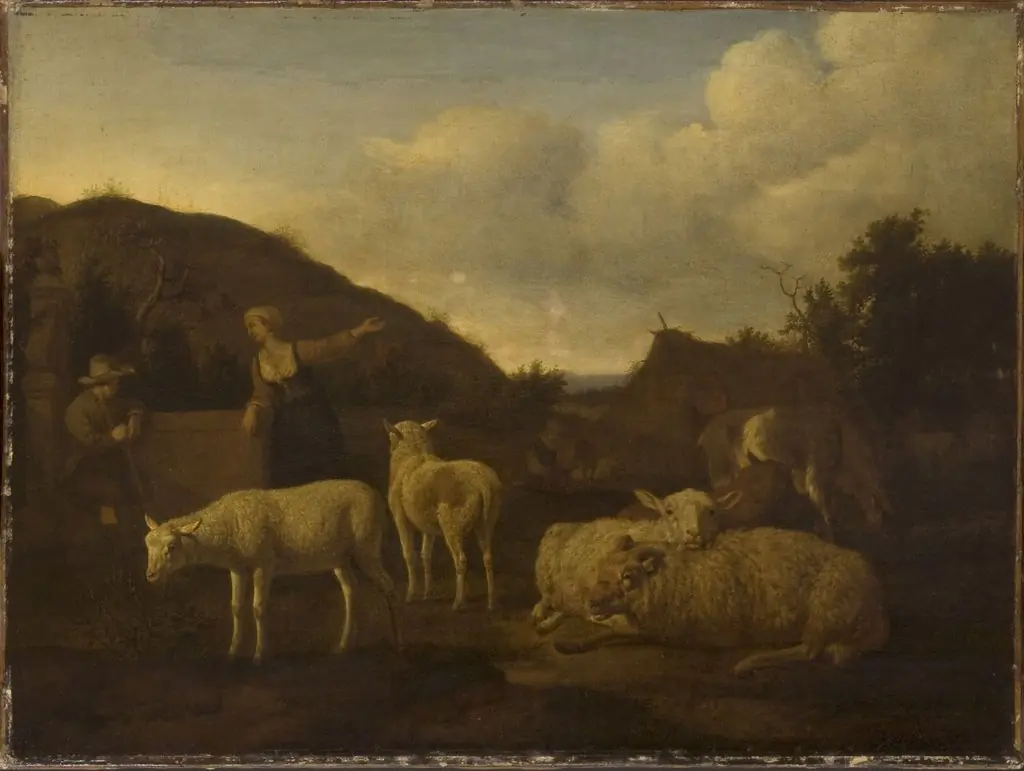 A Shepherd and a Shepherdess with a Flock of Sheep
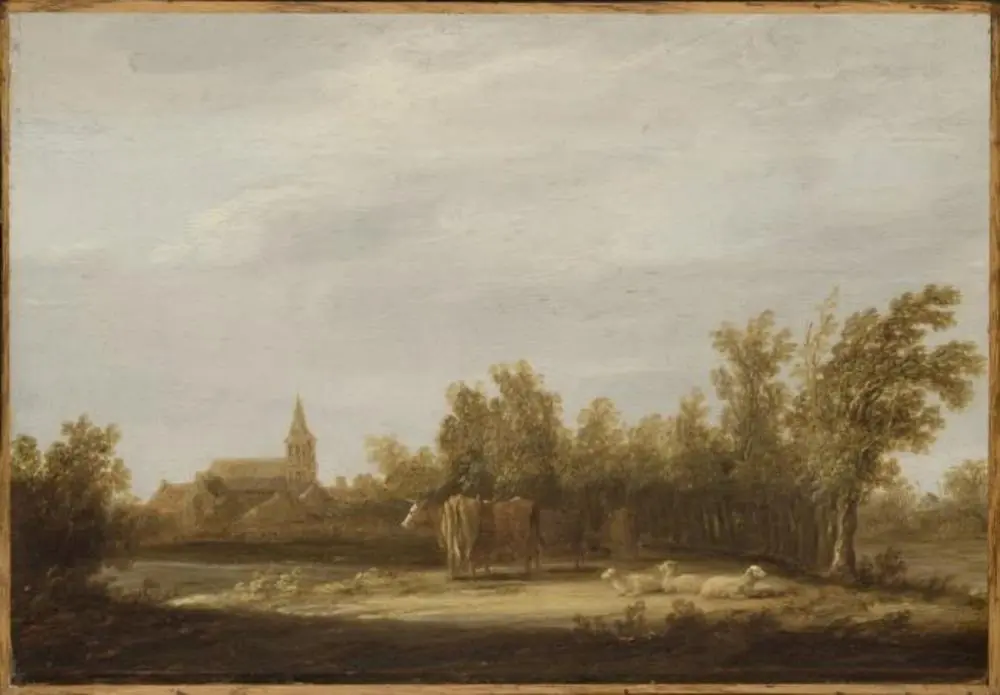 Landscape with Cows and Sheep
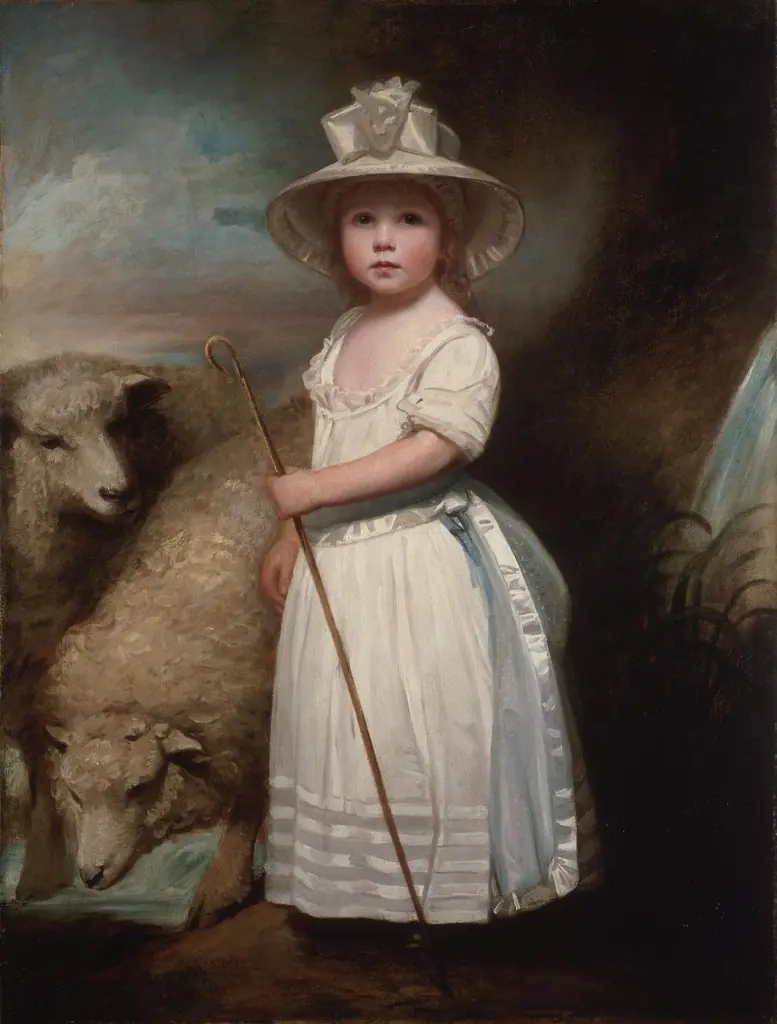 Shepherd Girl (Little Bo-Peep)
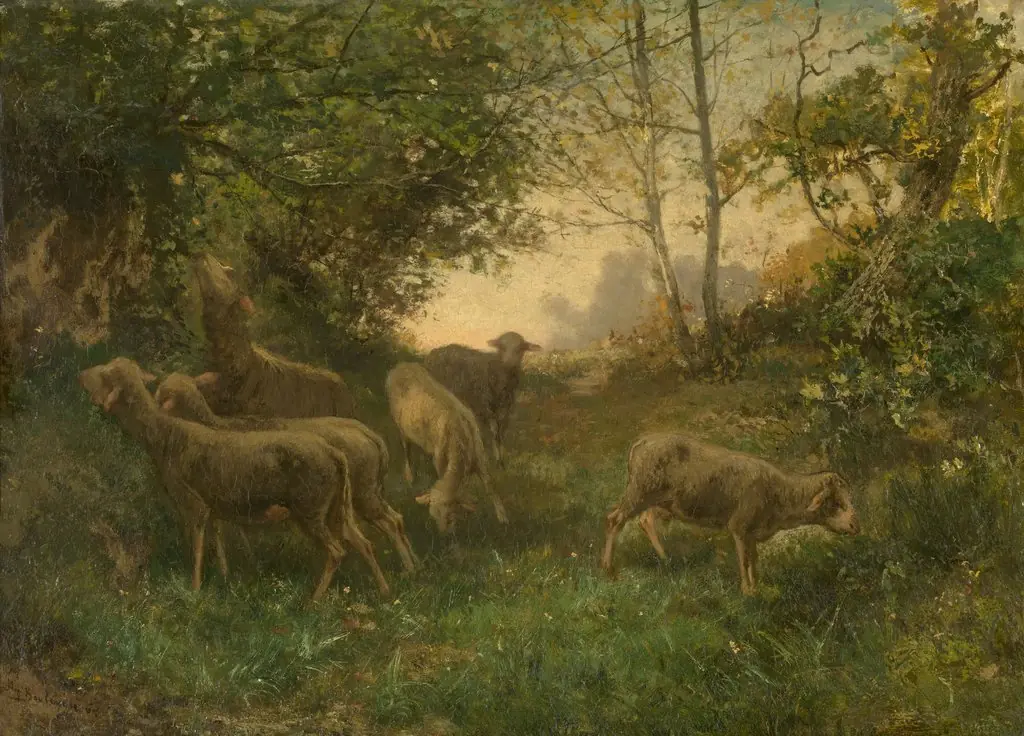 Sheep on the Fringe of the Wood
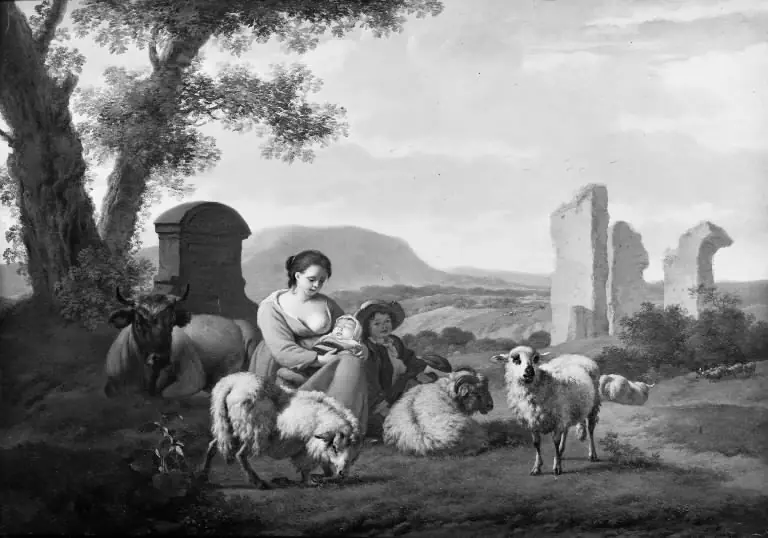 Shepherdess with her Flock
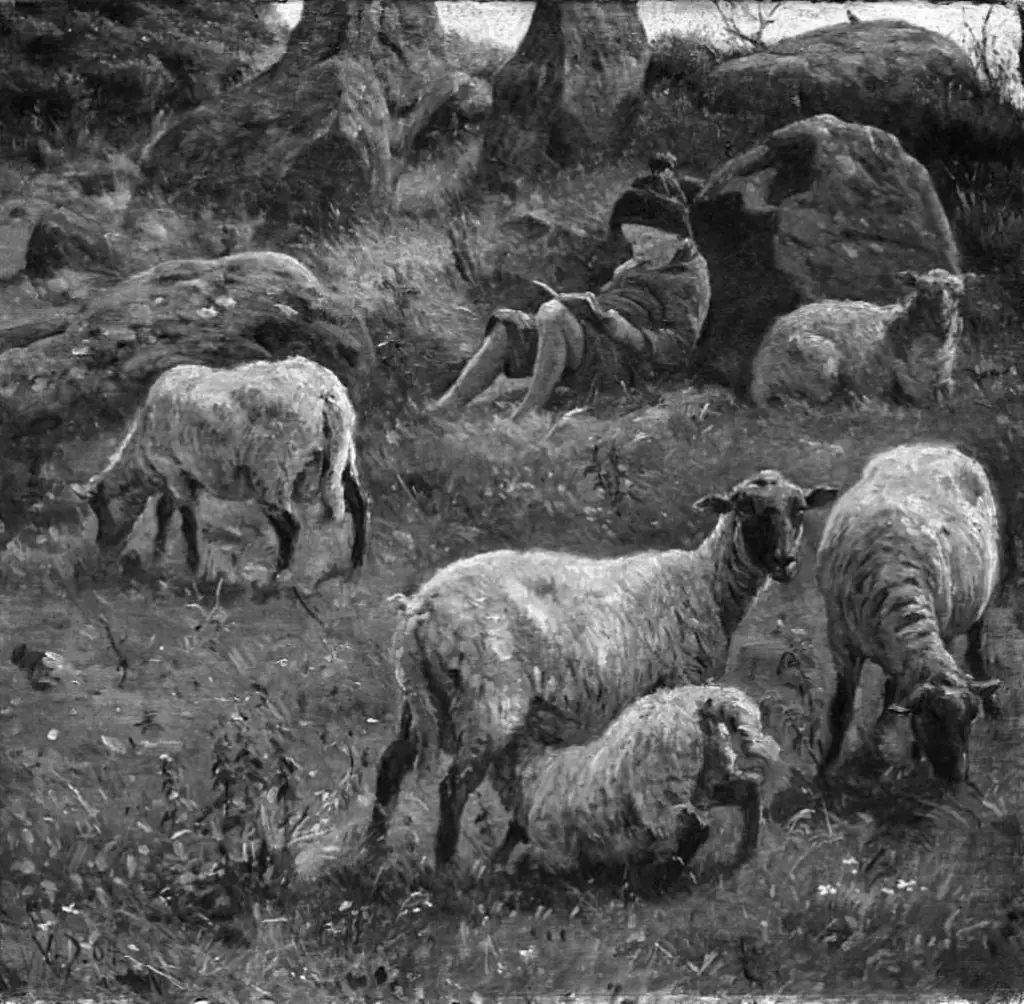 Hyrdedrengen læser ABC
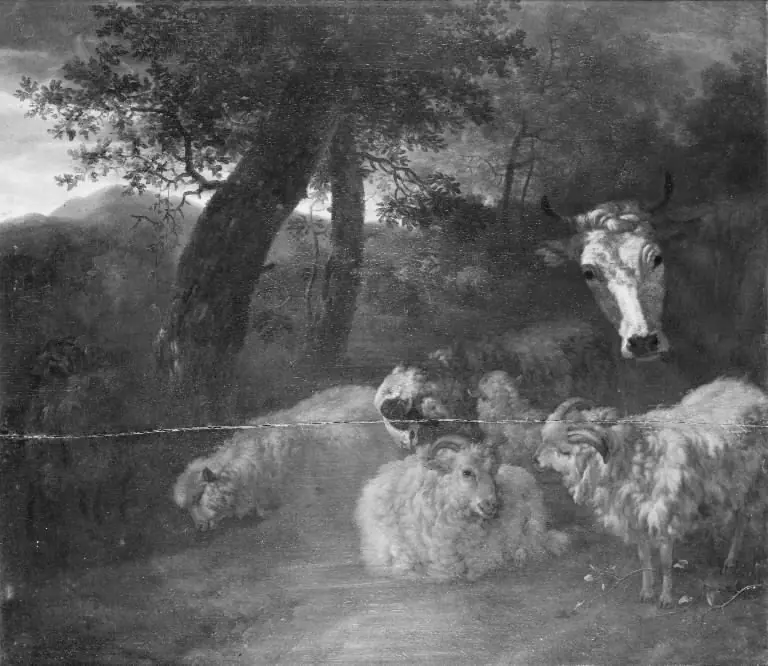 Flock of Sheep in a Wood
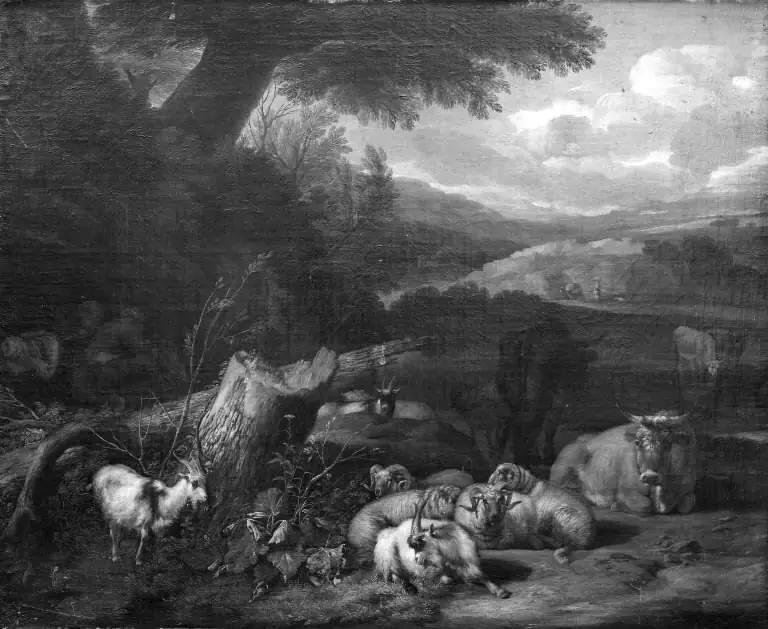 Italian Scenery with Cattle
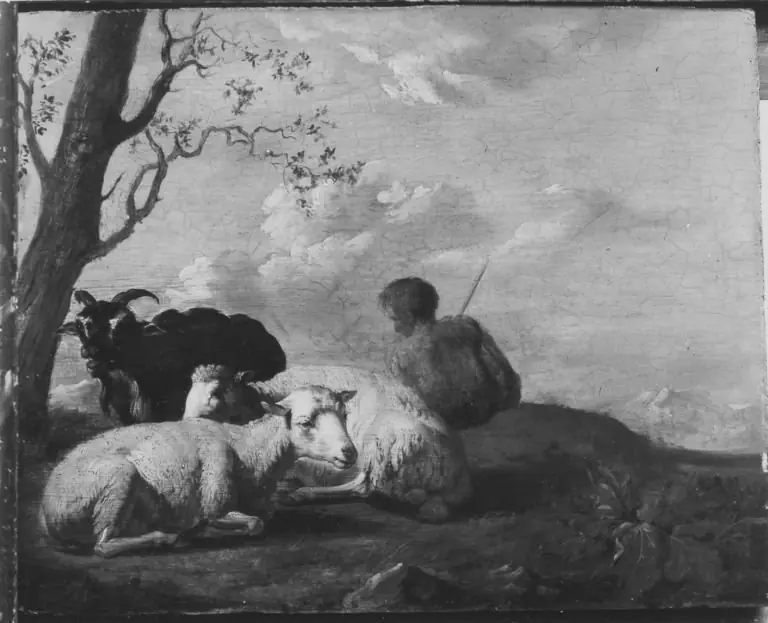 Viehstück
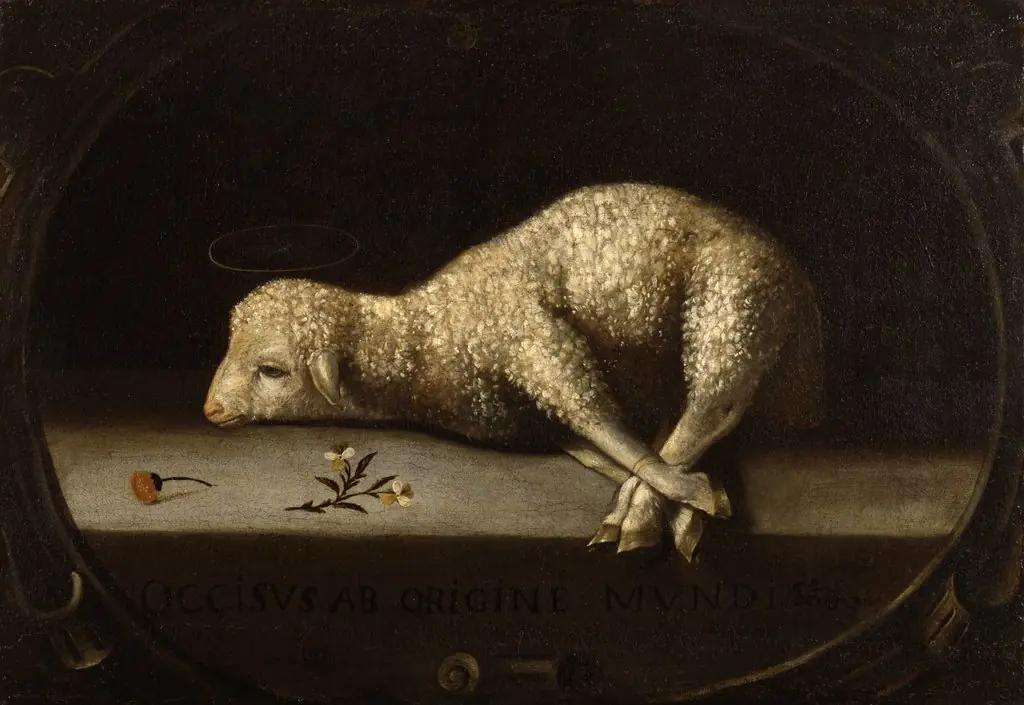 The Sacrificial Lamb
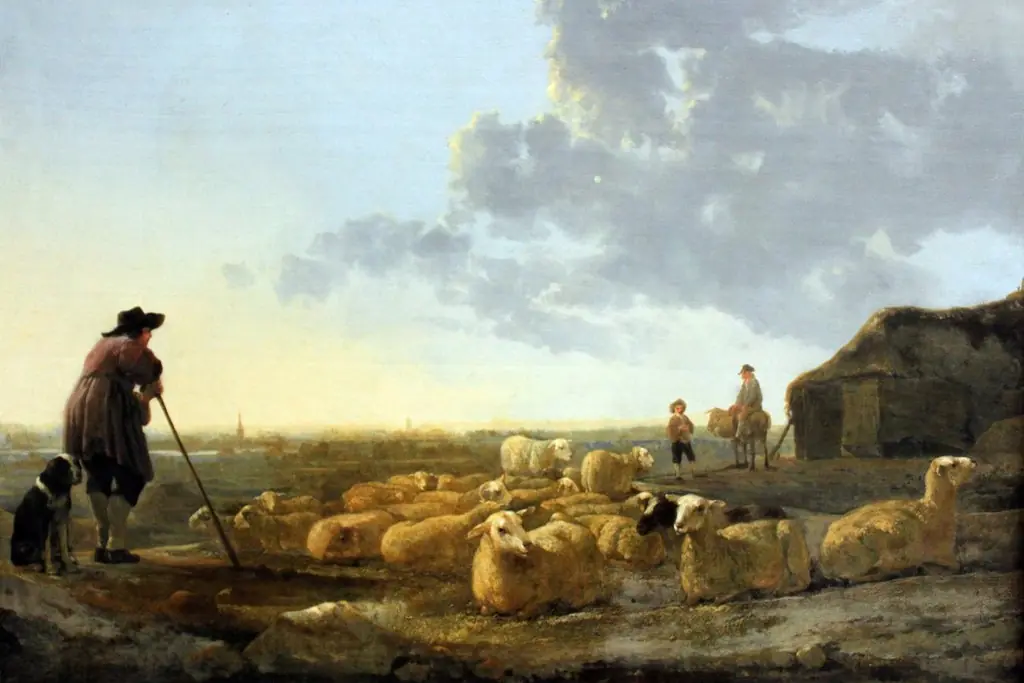 A Shepherd and His Flock
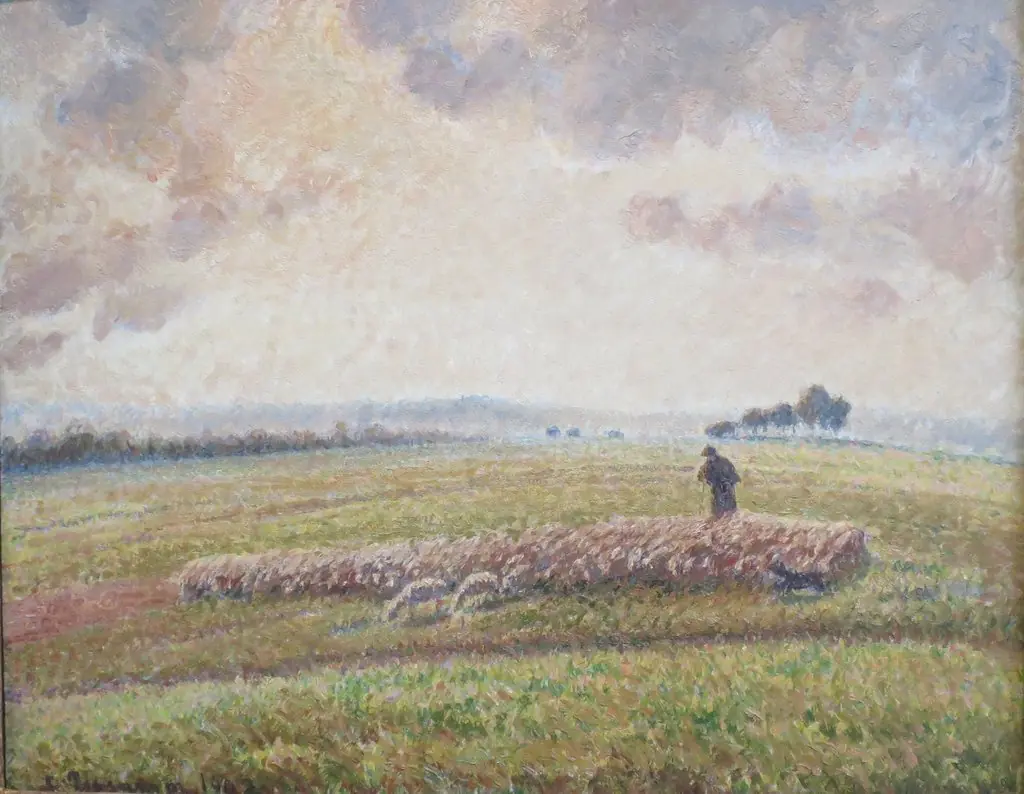 Landscape with Flock of Sheep
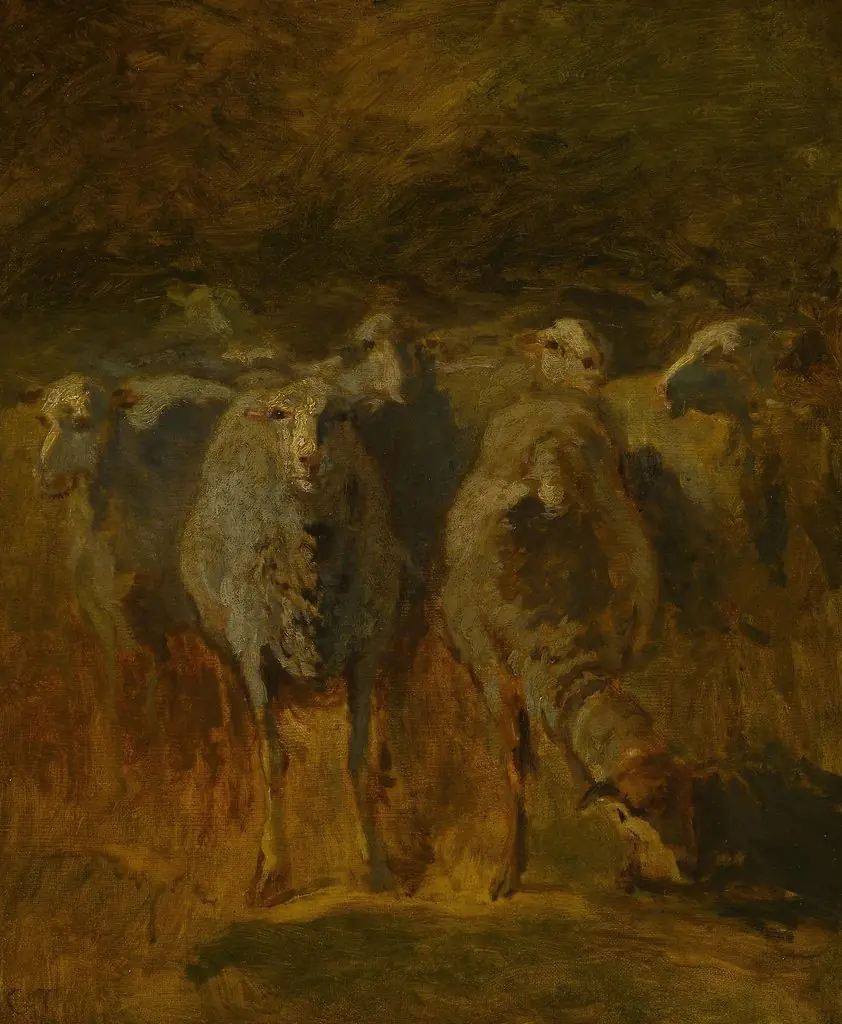 Unfinished Study of Sheep
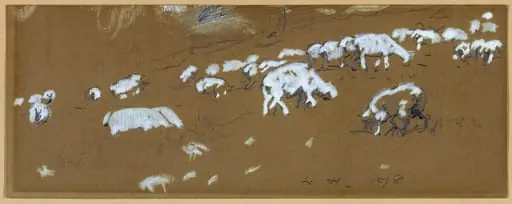 Sheep
Sheep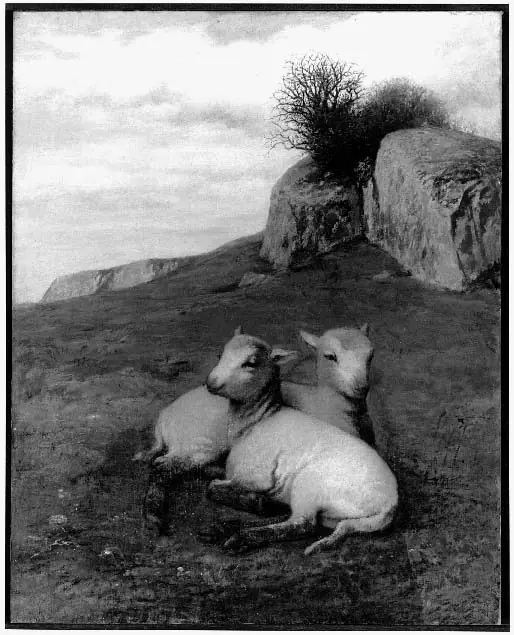 Sheep Pasture
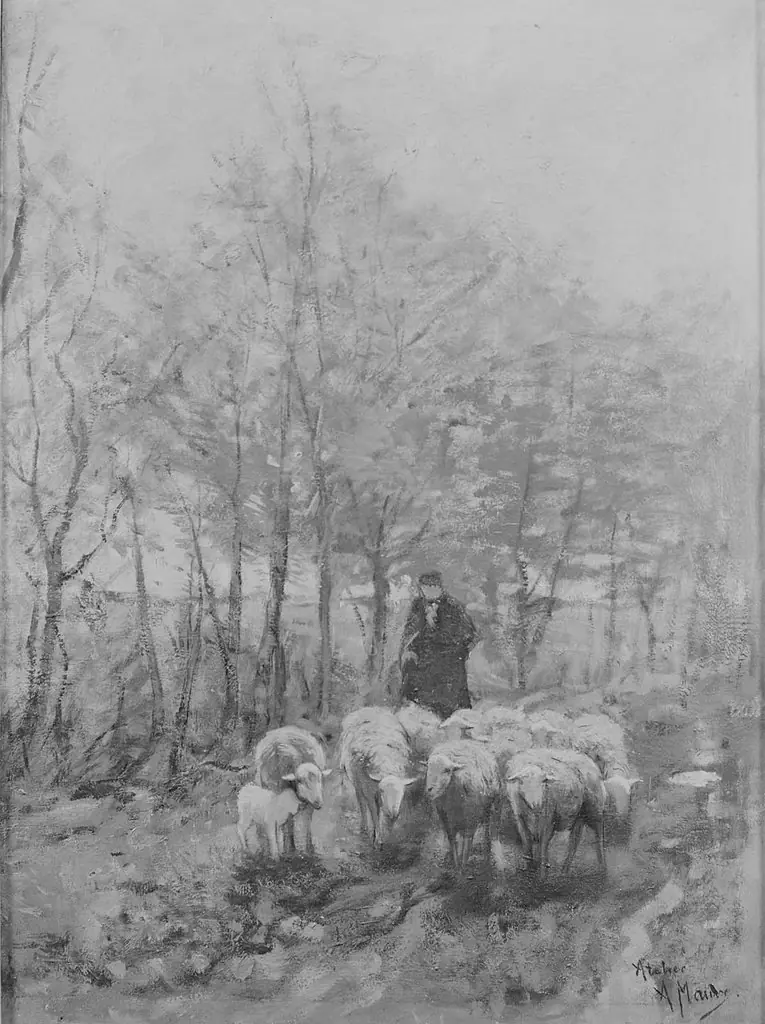 Return of the Flock
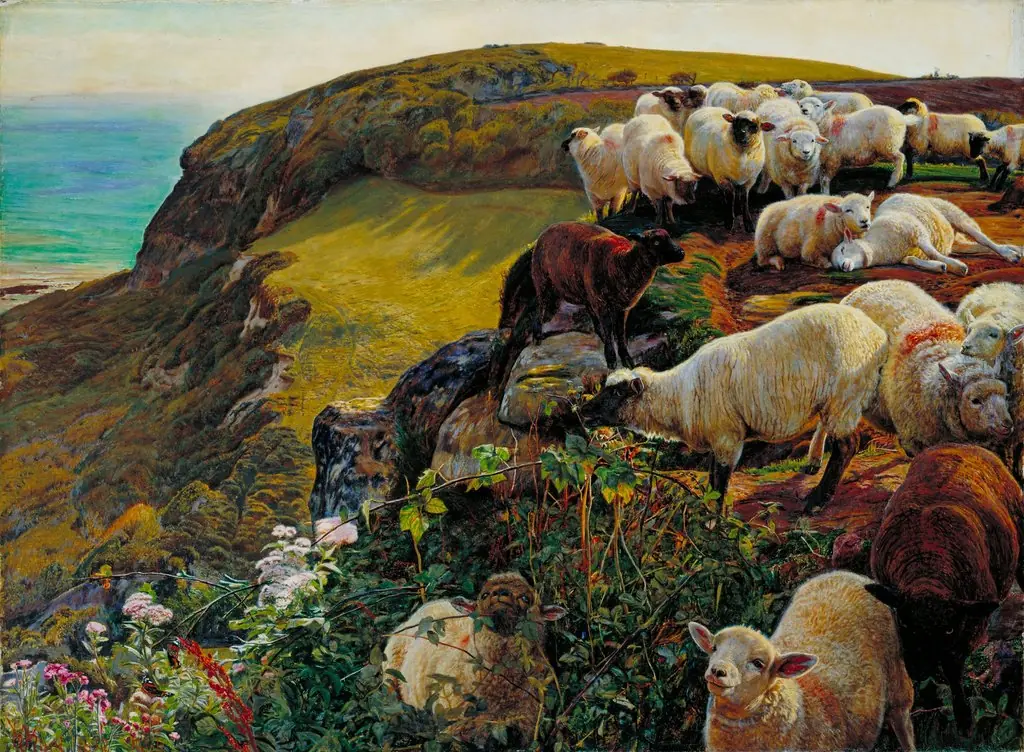 Our English Coasts
 The Flock
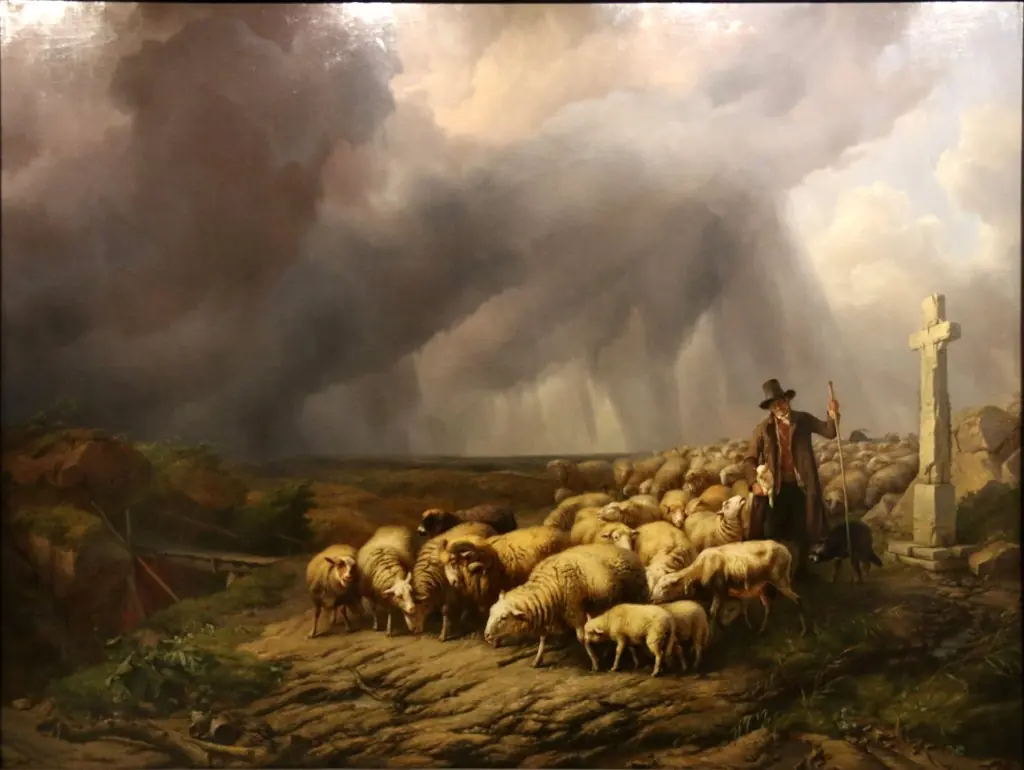 Flock of sheep surprised by the storm
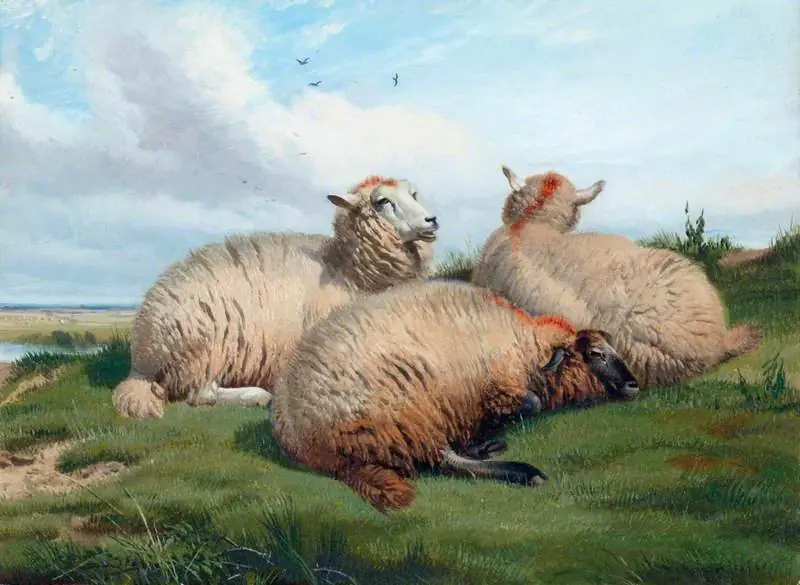 Sheep
Sheep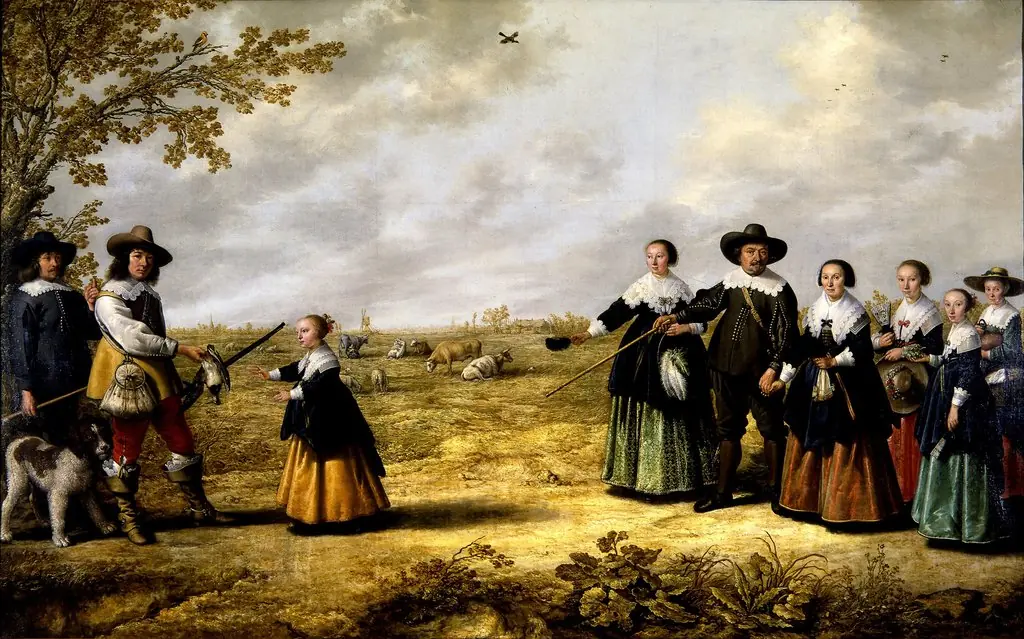 Portrait of a Family in a Landscape
 Sheep and Chickens in a Barn
 A Shepherdess near a Wood, Barbizon
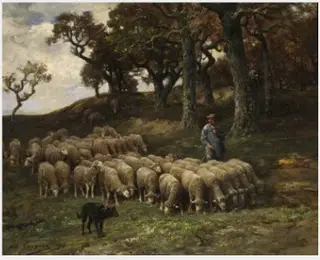 A Shepherd and Flock
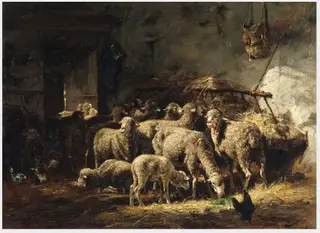 Sheep in a Barn
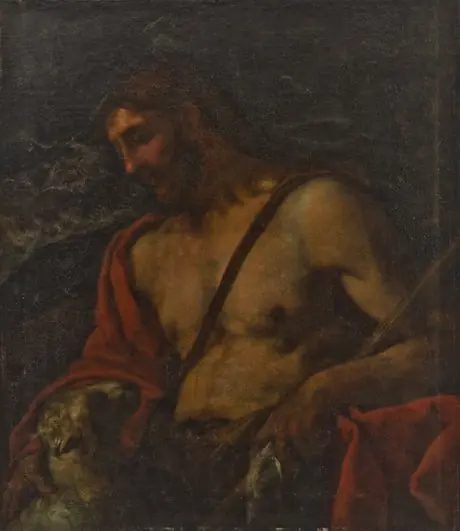 The good shepherd
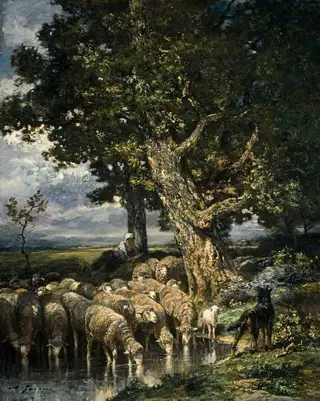 Sheep at a Watering Place
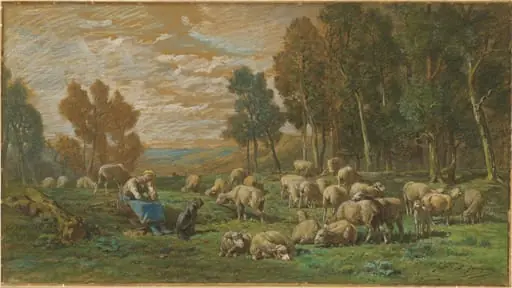 The Shepherdess
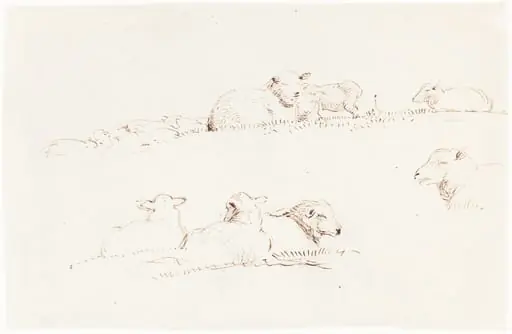 Studies of Sheep in Pasture
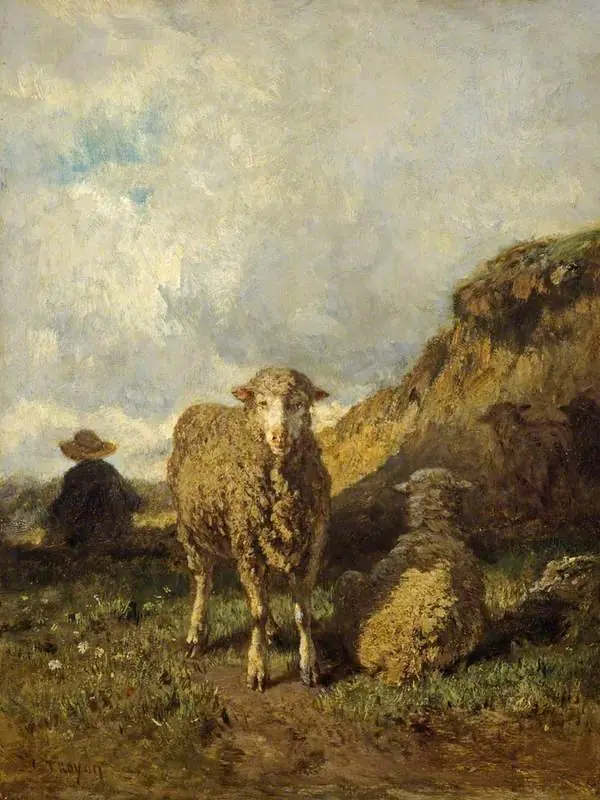 Sheep and Shepherd
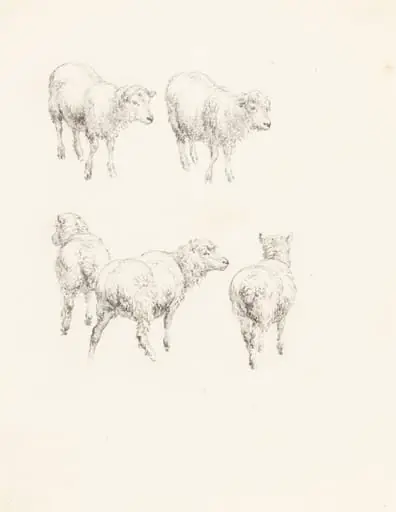 Five Sheep
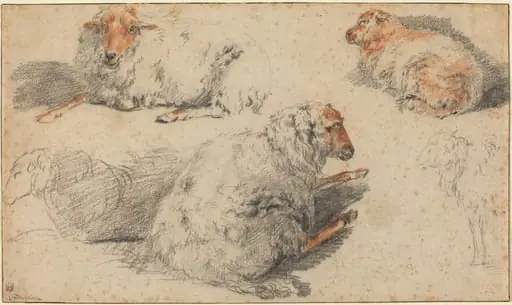 Sheep
Sheep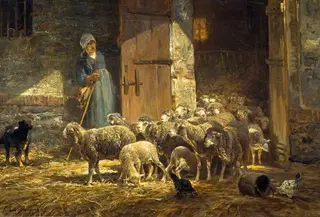 Leaving the Stall
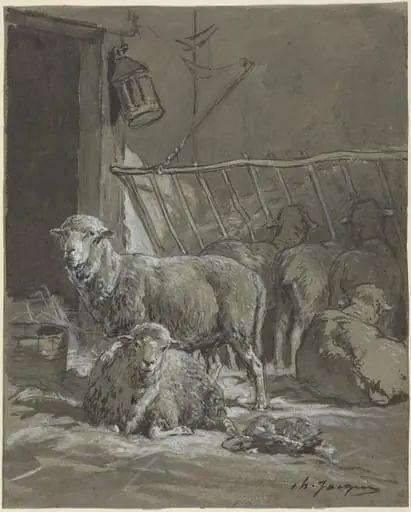 Sheep in a Manger
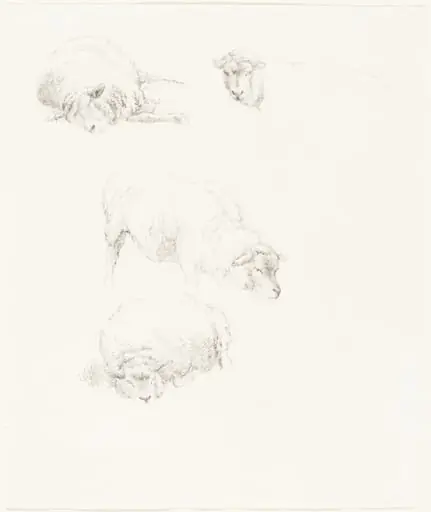 Studies of Sheep
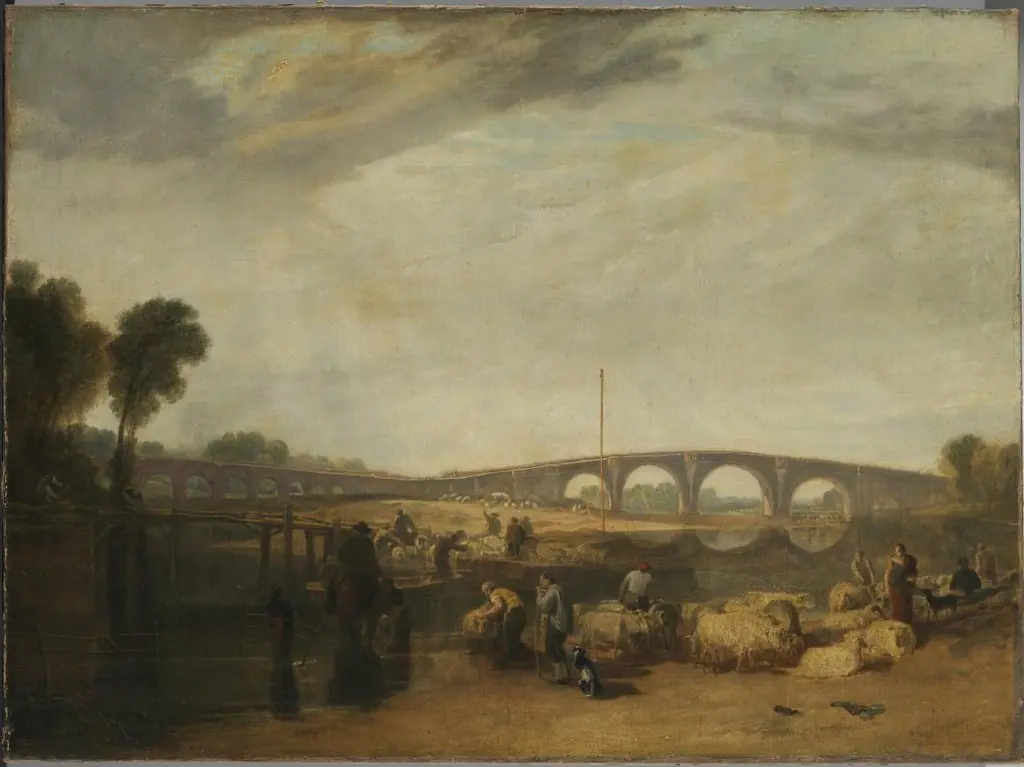 Walton bridges
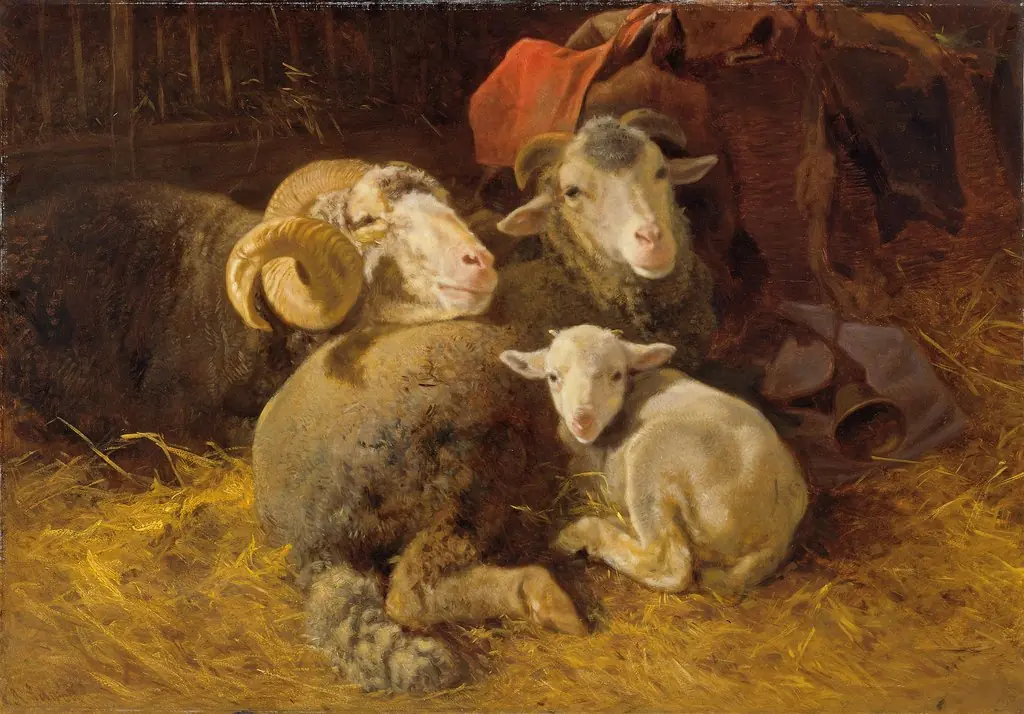 Schafe im Stall
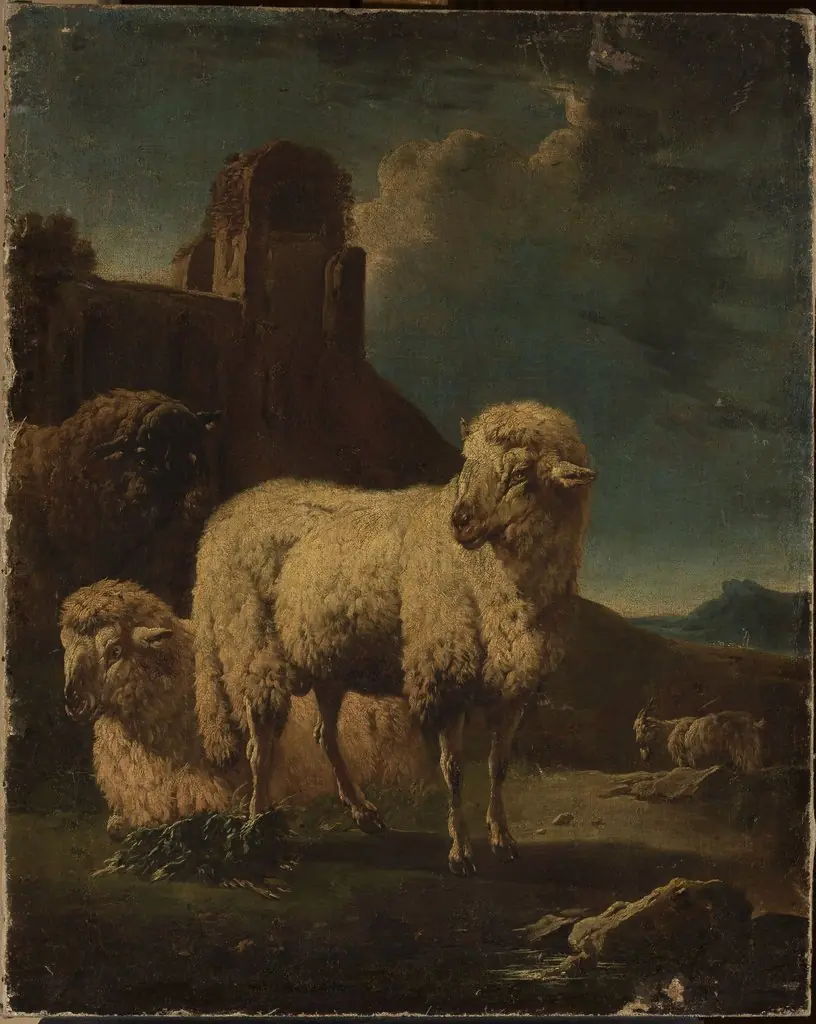 Rams with ruins in the background
 Bergerie
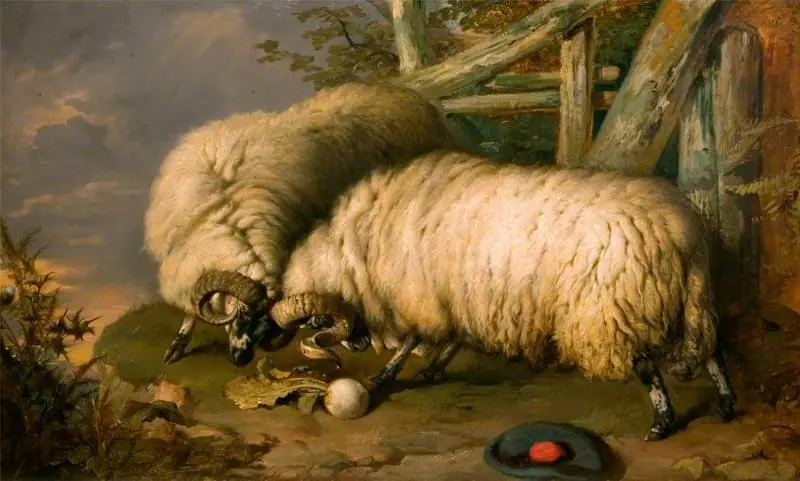 Highland Rams Fighting
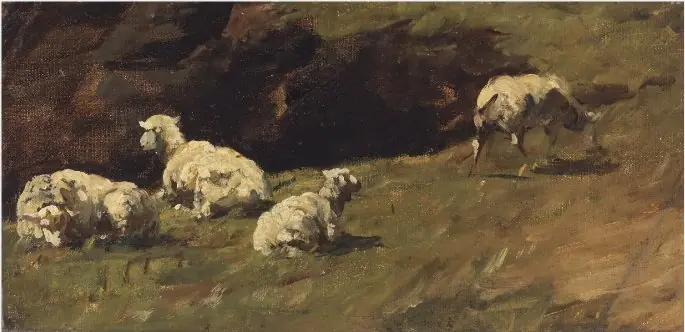 Sheep Resting, a Cow Grazing
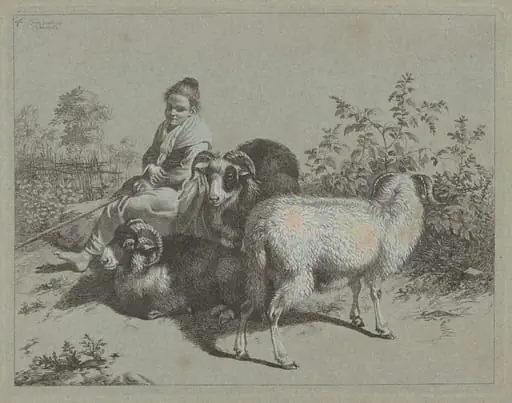 Seated Shepherdess with Three Rams
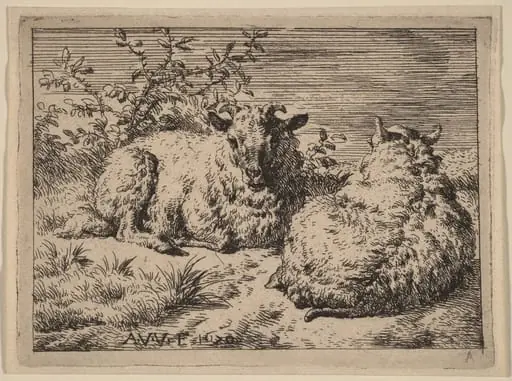 Two Recumbent Sheep
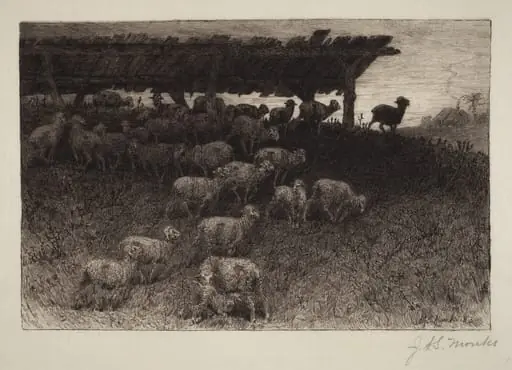 Twilight
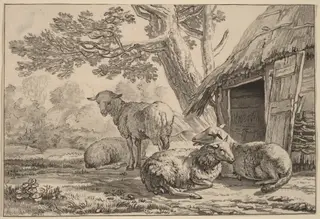 Sheepcote
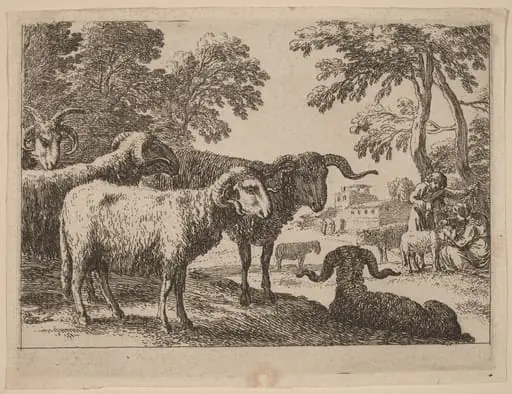 Rams
Rams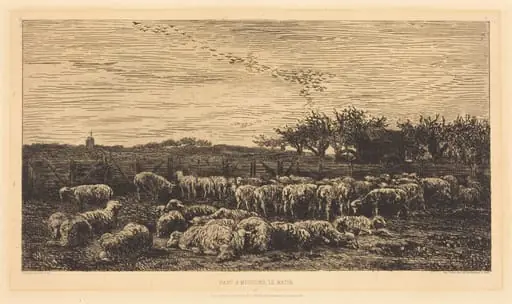 Large Sheepfold (Le Grand parc a moutons)
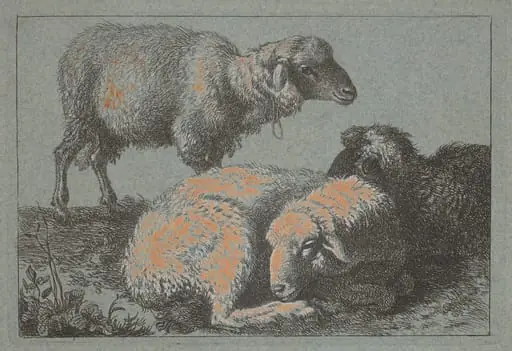 Two Reclining Sheep and One Standing Sheep
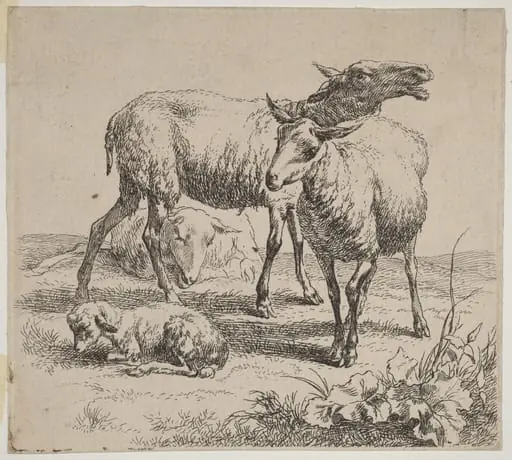 Three Sheep and a Lamb
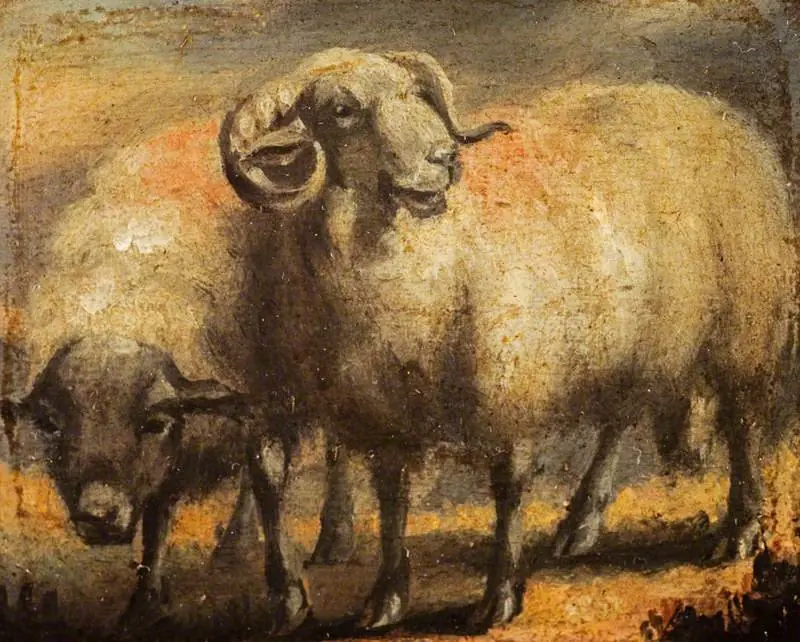 Sheep
Sheep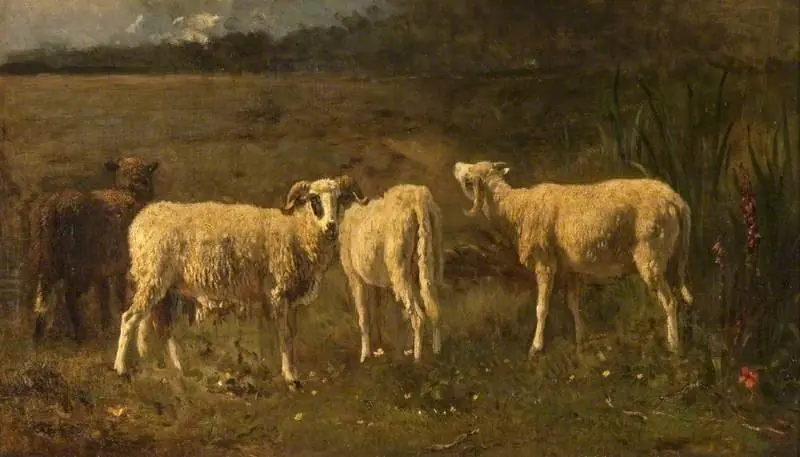 Sheep
Sheep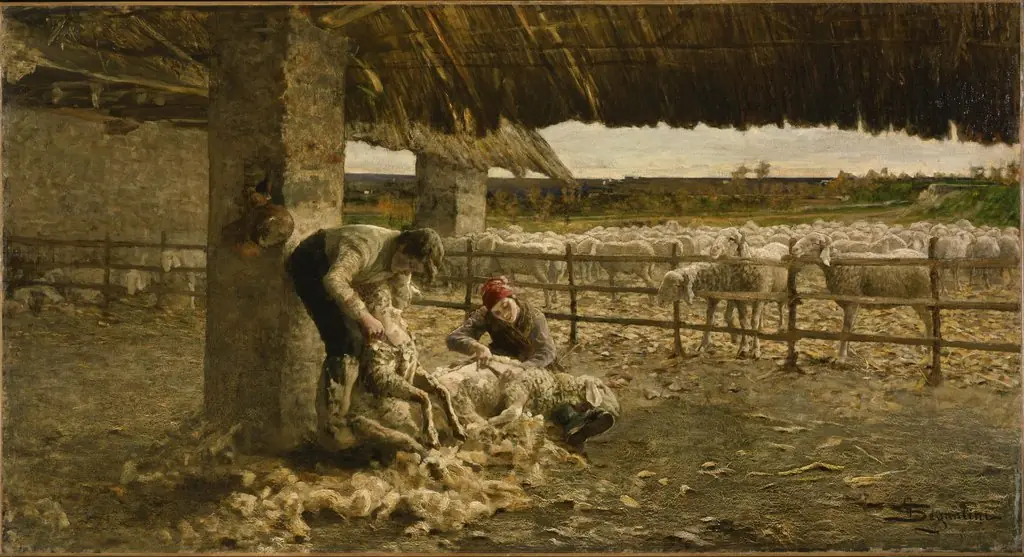 The Sheepshearing
 Un Marché aux montons en Normandie (Mercado de carneros en Normandía)
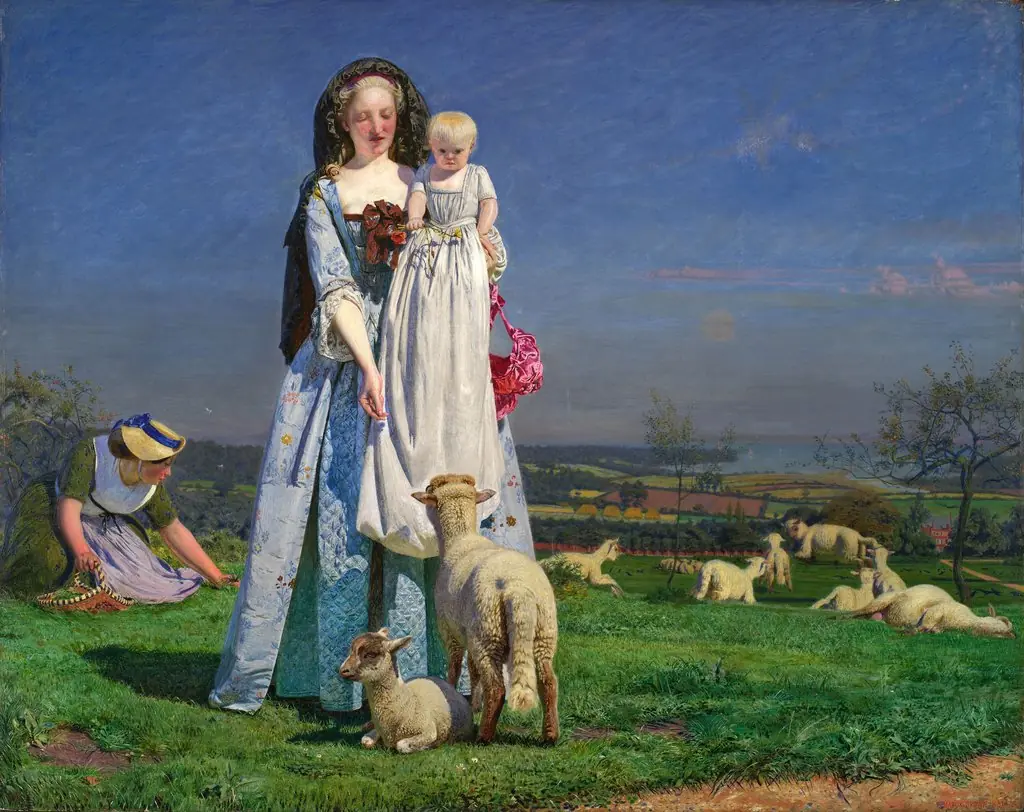 The pretty Baa-Lambs
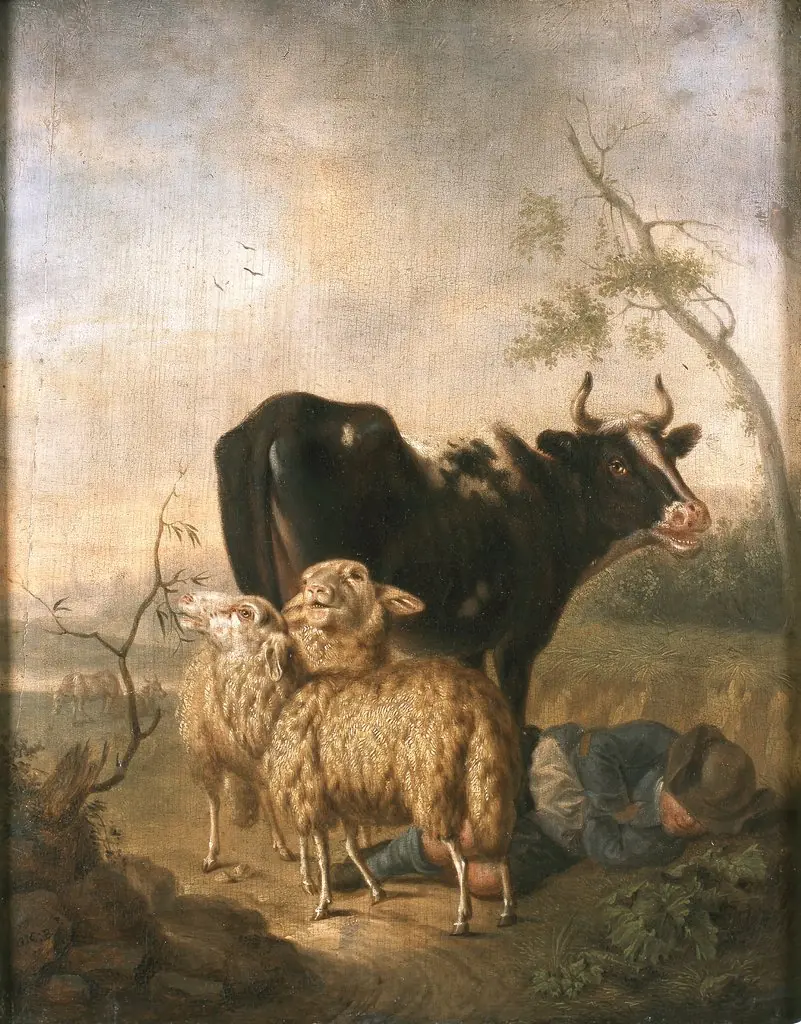 Landscape with cow and sheep
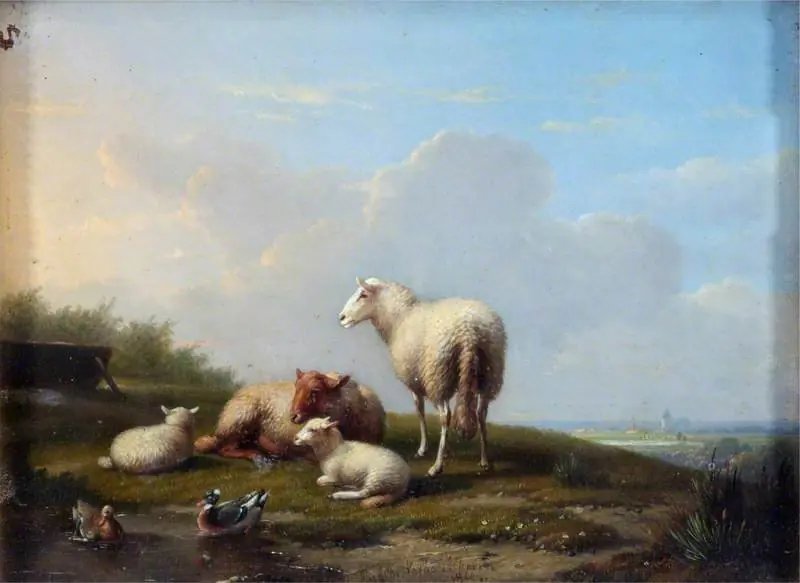 Landscape with Sheep and Ducks
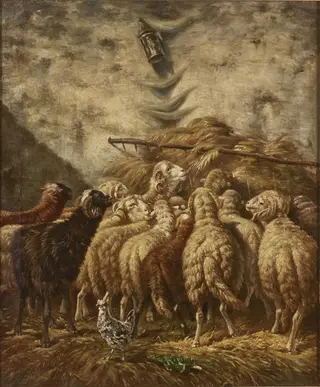 Interior of a Sheepfold by Night
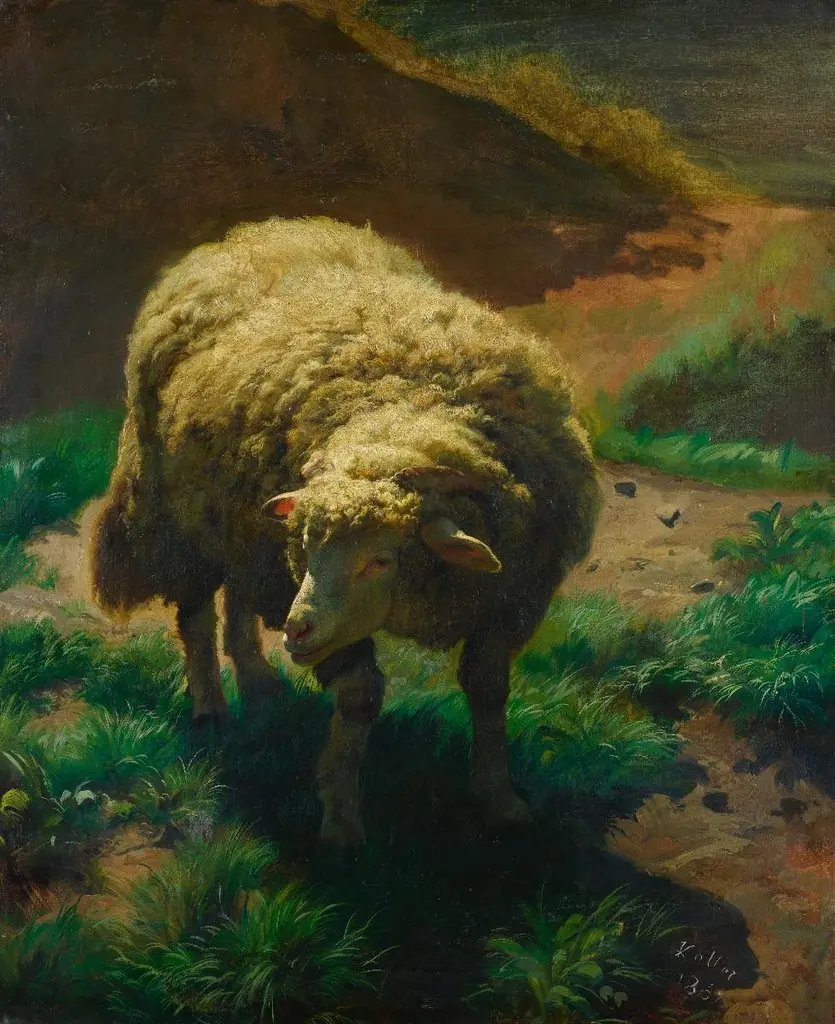 Junges Schaf
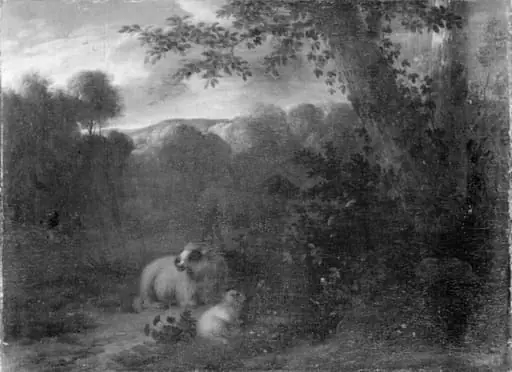 Landscape with Sheep
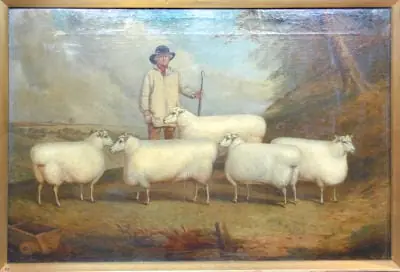 Painting
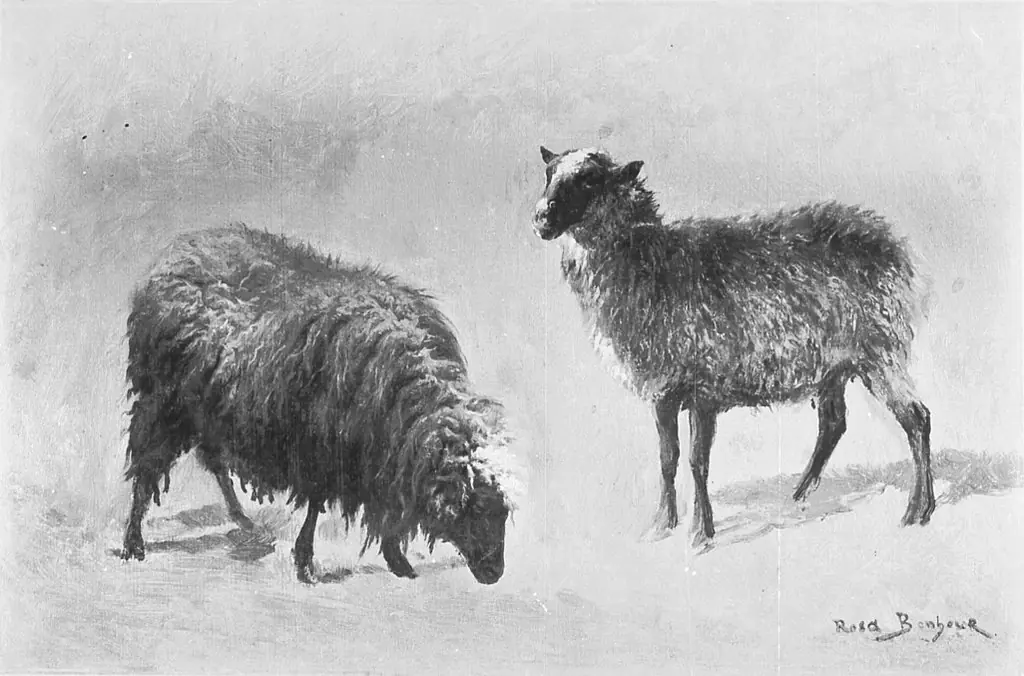 Two sheep in the meadow
 Feeding the animals
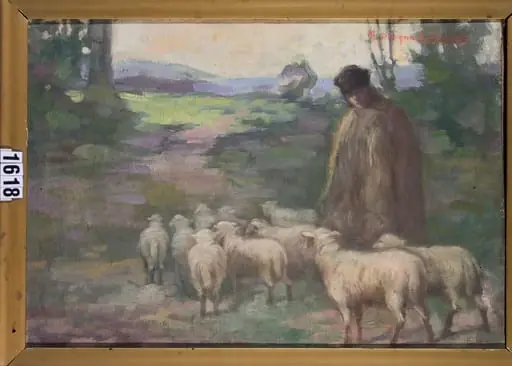 Ciobanul cu oile
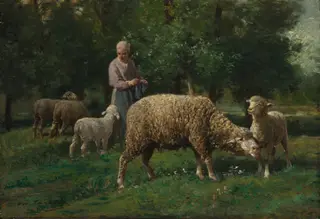 Shepherdess with Sheep
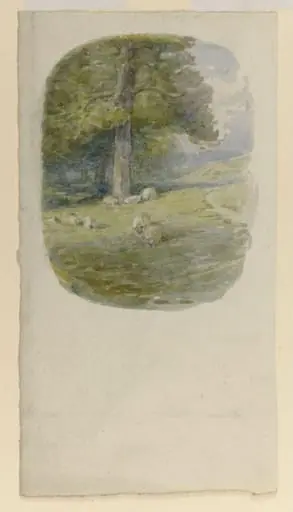 Untitled
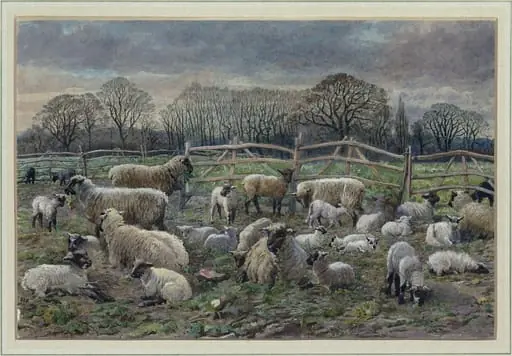 Sheep in a Turnip Field: Winter
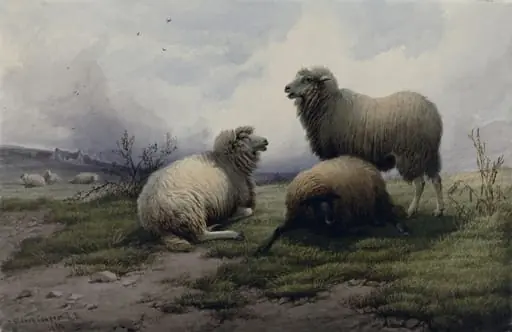 Sheep
Sheep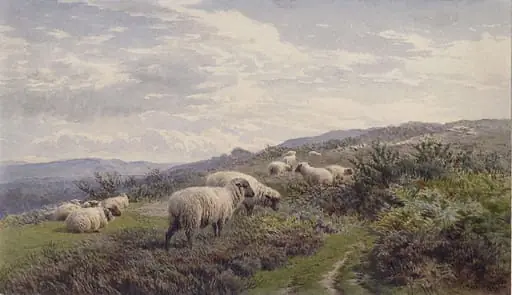 Untitled
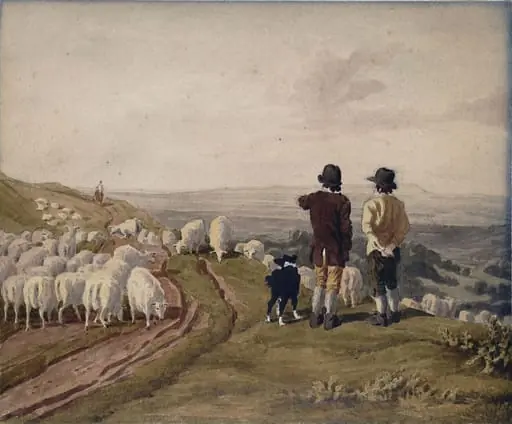 Landscape with Sheep and Figures
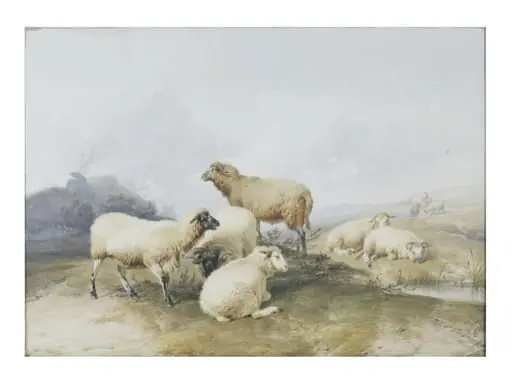 Sheep in a Landscape
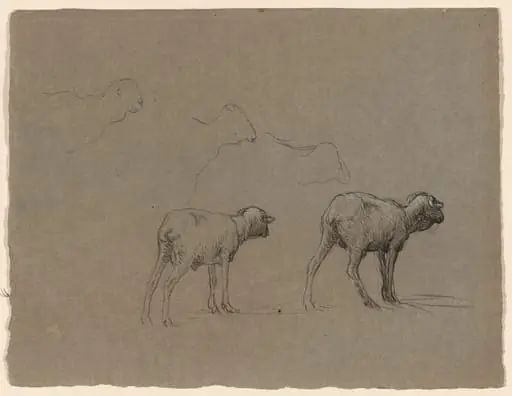 Studies of Sheep
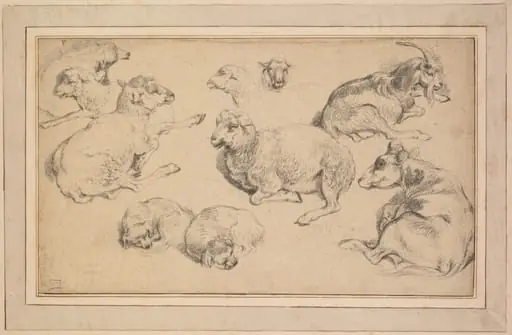 Sheet of Studies with Sheep, Goats, and Dogs
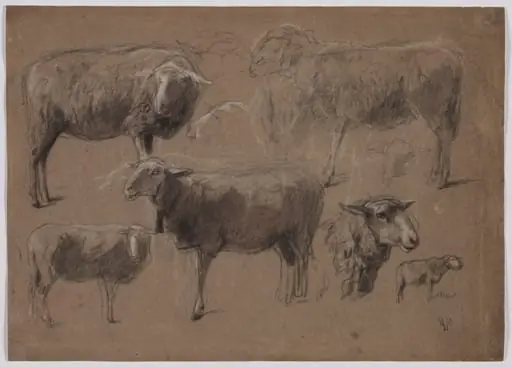 Studies of Sheep
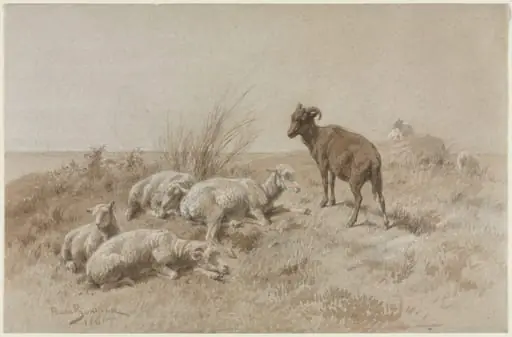 Sheep
Sheep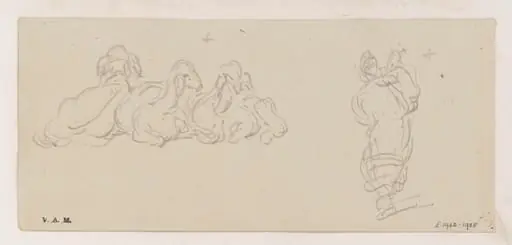 Three goats, and a boatwoman carrying a child
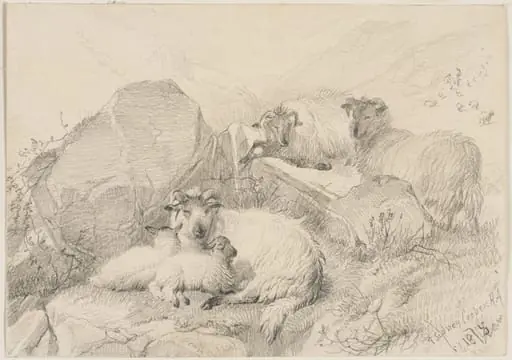 Sheep and their lambs in a mountain landscape
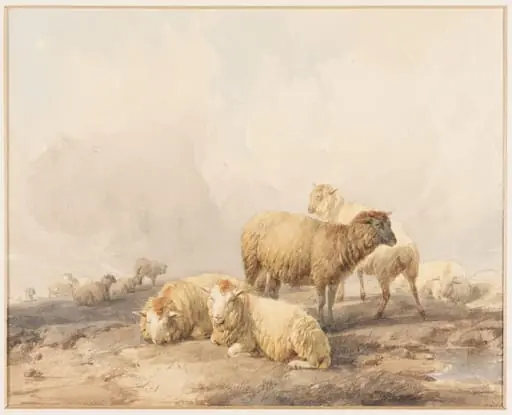 Sheep
Sheep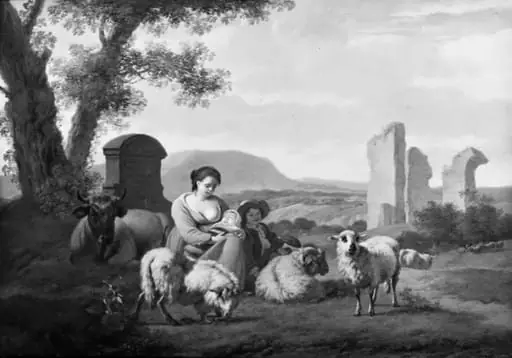 Shepherdess with her Flock
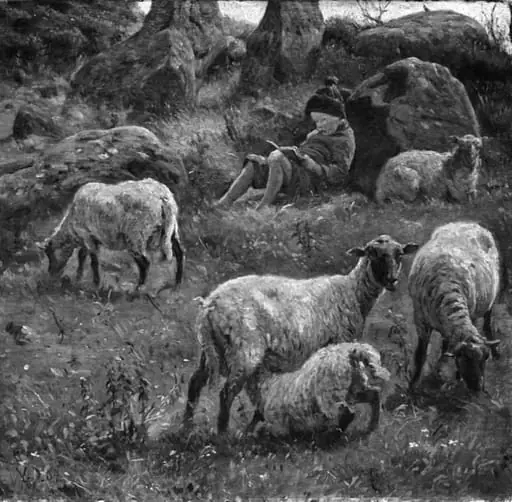 Hyrdedrengen læser ABC
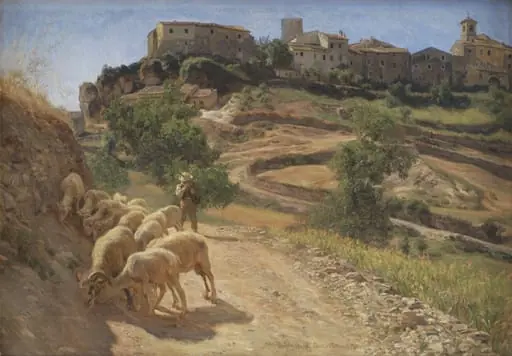 En hyrdedreng med sine får ved Cività d'Antino
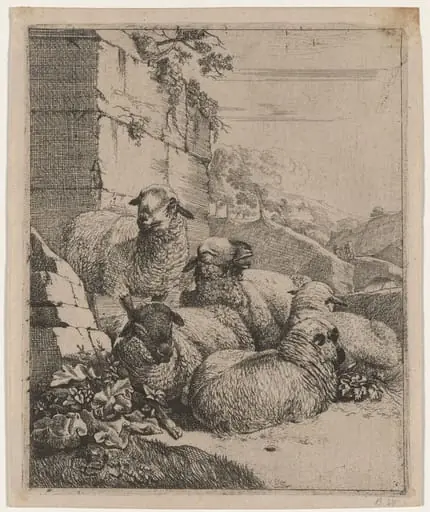 Flock of Sheep Resting
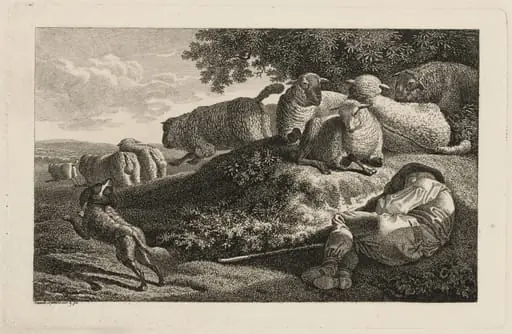 A Shepherd Sleeping while His Dog Guards His Flock
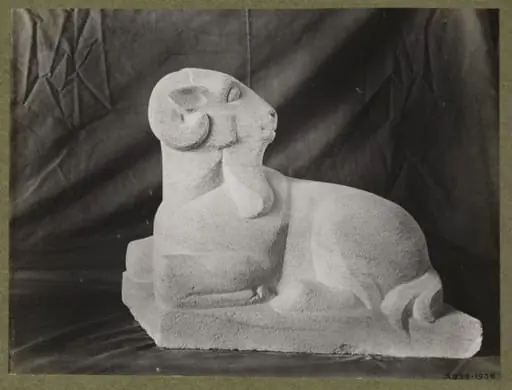 Untitled
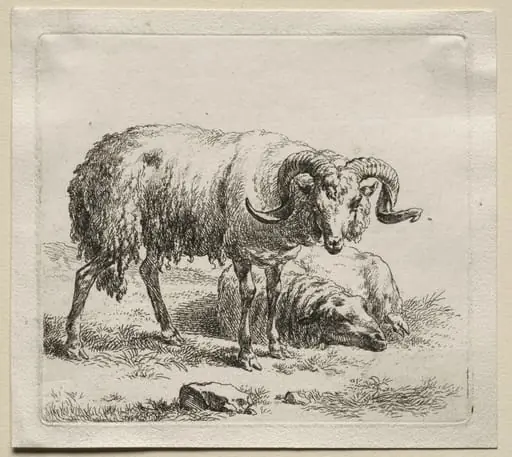 Animalia: Ram and Sheep
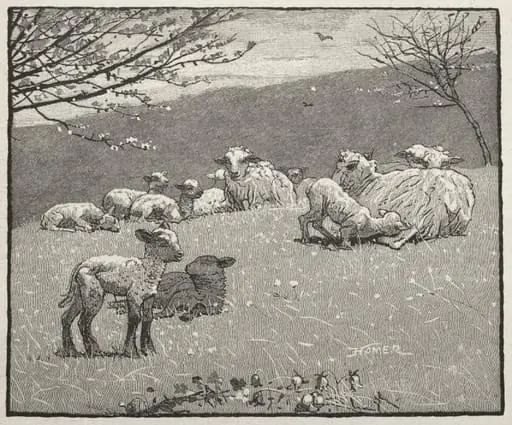 Spring Lamb
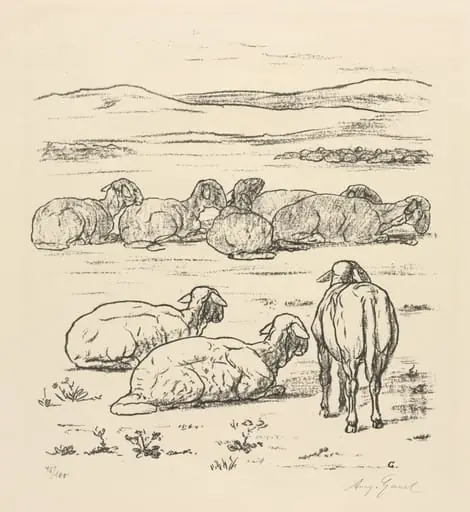 Sheep
Sheep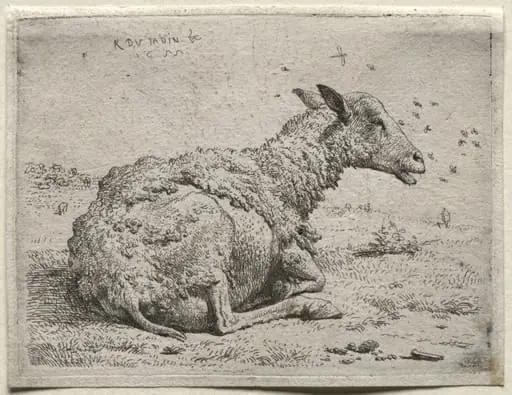 The Sheep and the Flies
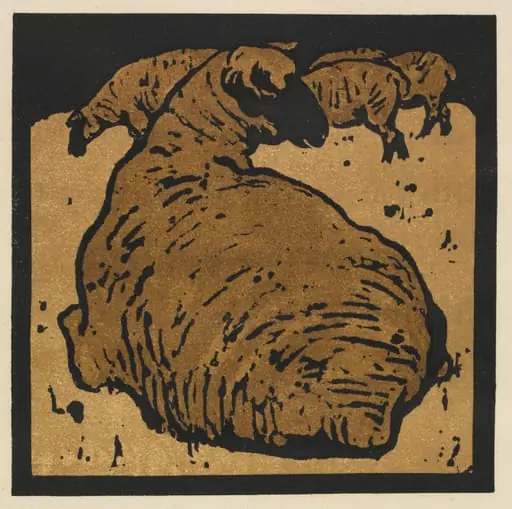 The Square Book of Animals: The Simple Sheep
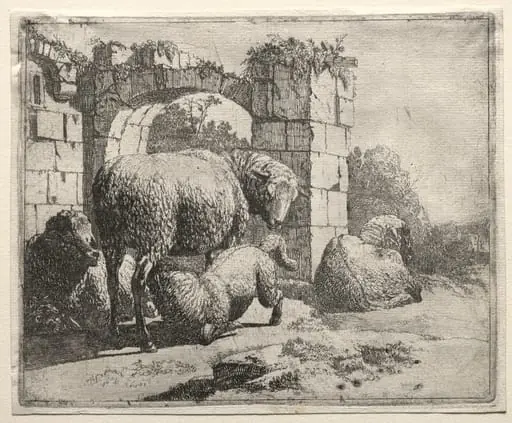 Sheep Near the Ruins of an Arch
 A Herd at the Edge of a Forest
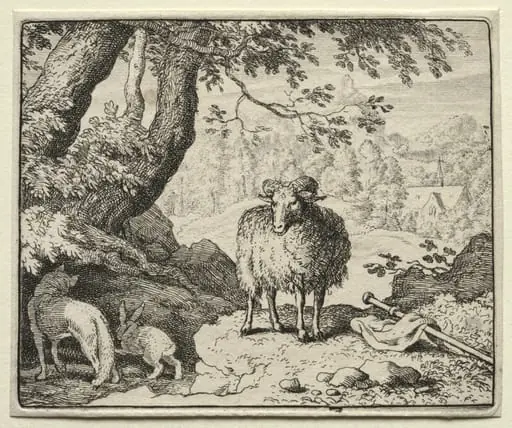 Reynard the Fox: Reynard Returns Home
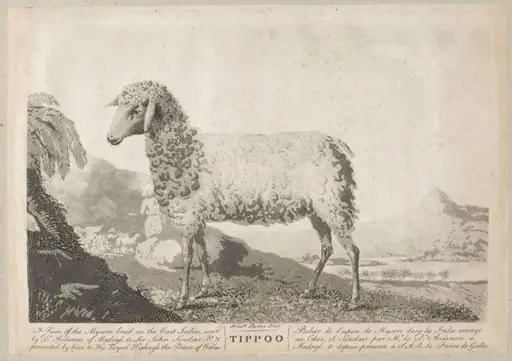 Tippoo
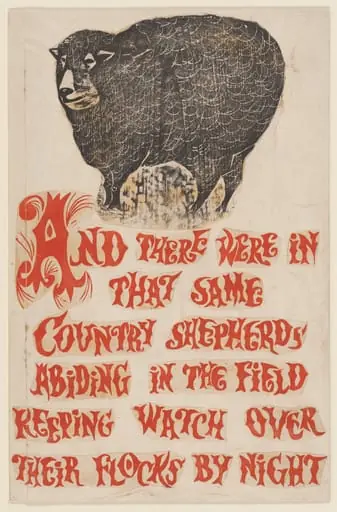 Untitled
Sheep (pl.: sheep) or domestic sheep (Ovis aries) are a domesticated, ruminant mammal typically kept as livestock.
Artifact World Gallery holds 200 public-domain Sheep works, all free to view and download.
Key Sheep artists in the collection include Albert Bierstadt, Camille Pissarro and François Boucher.
Sheep works in the collection are held by Metropolitan Museum of Art, Statens Museum for Kunst and National Gallery of Art.
Your cart is empty
Browse artworks →