Artwork
明 佚名 李公麟 偽款 白蓮社圖 卷|White Lotus Society
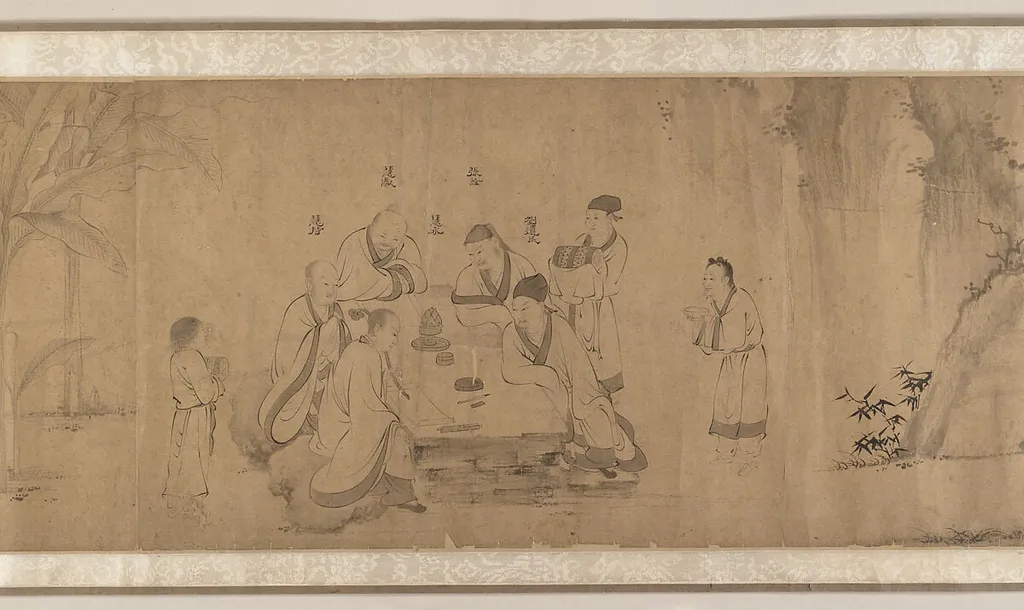
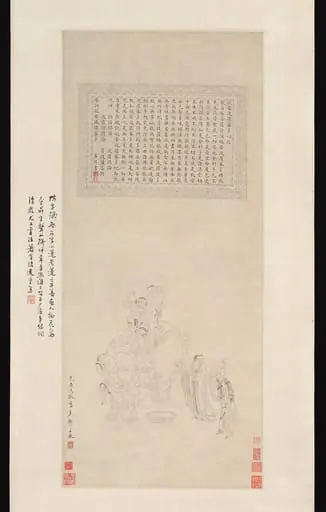
明 佚名 李公麟 偽款 白蓮社圖 卷|White Lotus Society is an ink painting by the Ming dynasty painting artist Li Gonglin. It is held in the collection of the Metropolitan Museum of Art. A hand‑scroll painted with ink on paper, this work belongs to the Ming period and is attributed to an anonymous artist.
About this work
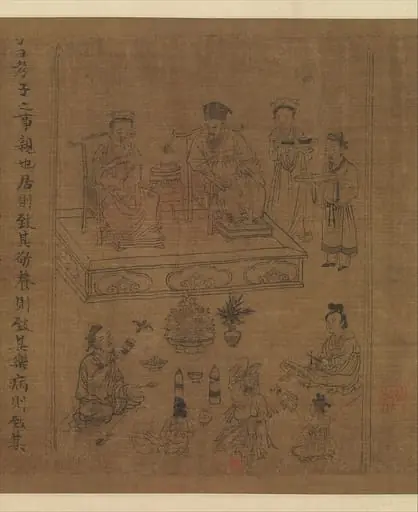
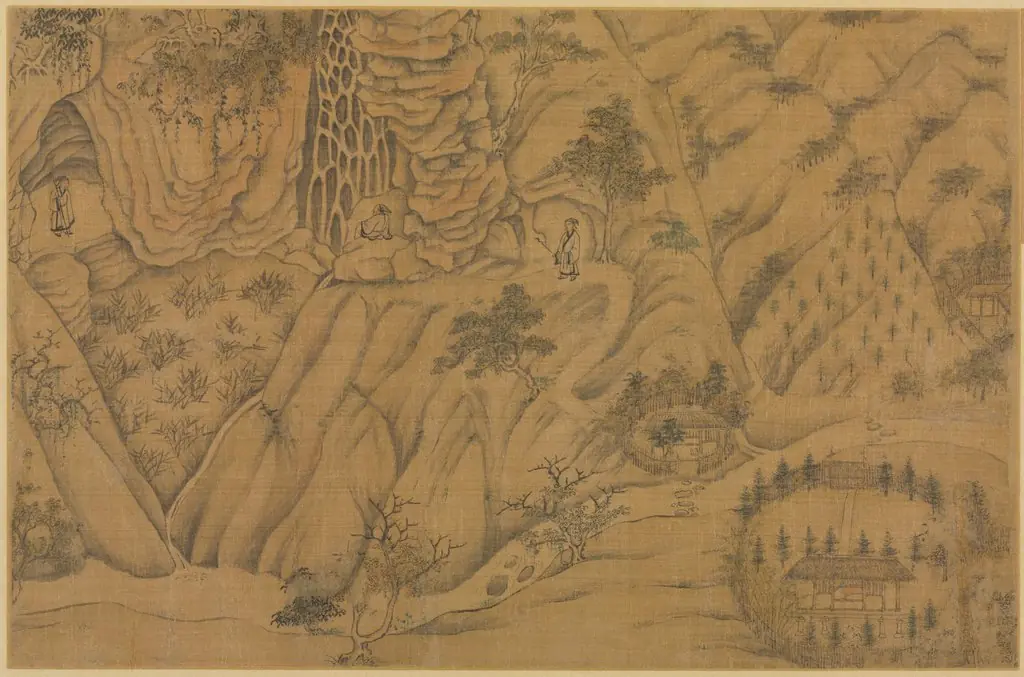
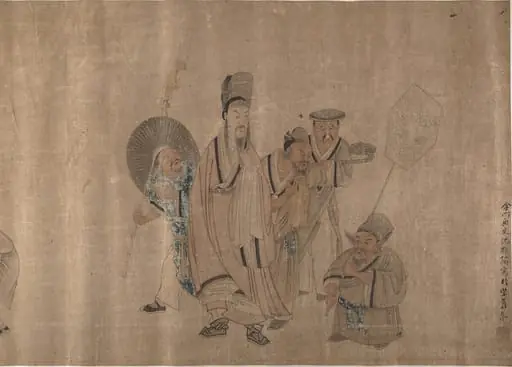
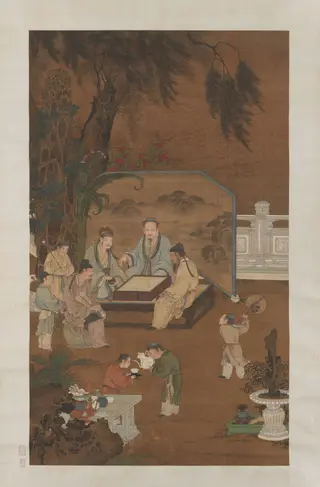
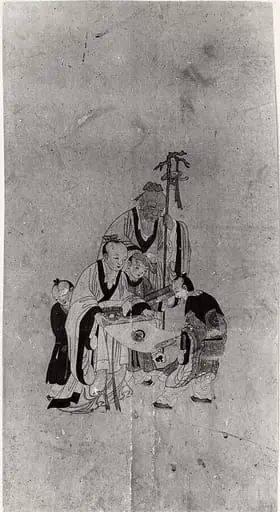
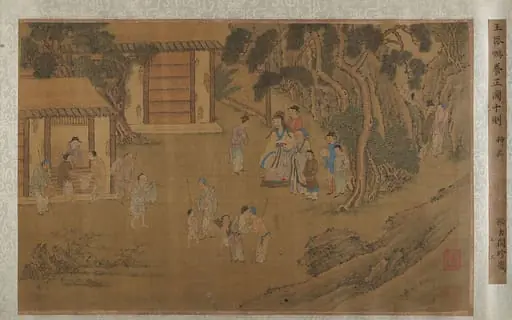
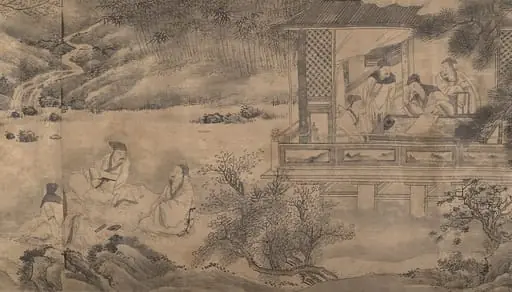
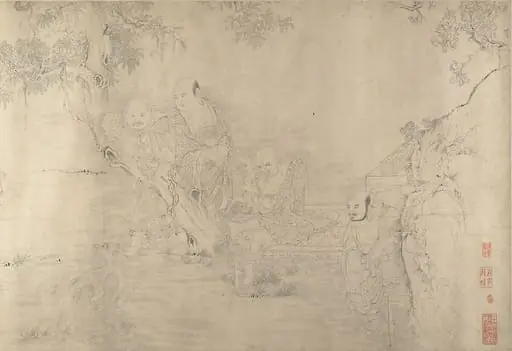
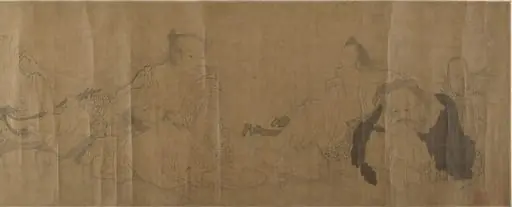
The quiet scene shows a group of scholars meeting in a garden, but the real story is in the lines, how they’re drawn with quick, confident strokes.
You see a long paper scroll with tiny black-ink figures gathered around low wooden tables. They sit in rows, talking, reading, or just listening.
This painting was once thought to be by Li Gonglin, a well-known artist from the 11th century. Later, experts decided it was made much later, maybe by someone copying his style. The quiet scene shows a group of scholars meeting in a garden, but the real story is in the lines, how they’re drawn with quick, confident strokes.
To see how real Li Gonglin drew people, look up artist: Li Gonglin.
Technique & Style
Created in 1639, this handscroll is executed in ink on paper. The work is attributed to an unidentified artist, despite bearing a false signature of the Song dynasty master Li Gonglin. As a genre scene, the painting depicts male figures within the composition.
The support consists of paper, a traditional medium for Chinese handscrolls, allowing for the fluid application of ink that characterizes the style of the period.
History & Provenance
The handscroll titled White Lotus Society was created in 1639 in China as an ink-on-paper work by an anonymous painter, traditionally linked to the style of Li Gonglin. It portrays a man and was classified as a painting of the genre scene. The work entered the collection of the Metropolitan Museum of Art, where it remains on view, and its provenance is documented only through the museum’s acquisition records, with no further ownership history disclosed.
The dating of 1639 is corroborated by both the internal catalog entry and the Wikidata entry, which lists the inception as 1639-01-01 and records the place of creation as China.
Overview
A hand‑scroll painted with ink on paper, this work belongs to the Ming period and is attributed to an anonymous artist. It presents a quiet gathering of figures around low wooden tables, rendered in fine black lines that suggest a scholarly setting.
Subject & Meaning
The scene portrays a group of men engaged in conversation, reading, or listening within a garden environment. Their arrangement in rows implies a formal meeting, likely reflecting the activities of a learned society or literary circle.
Context
During the Ming era, copying revered masters was a common practice among artists seeking to align themselves with historic prestige. This scroll reflects that tradition, embodying both reverence for the past and the aesthetic preferences of its own time.
Artist & collection