Artwork
Dwelling in the Longmian ("Sleeping Dragon") Mountains
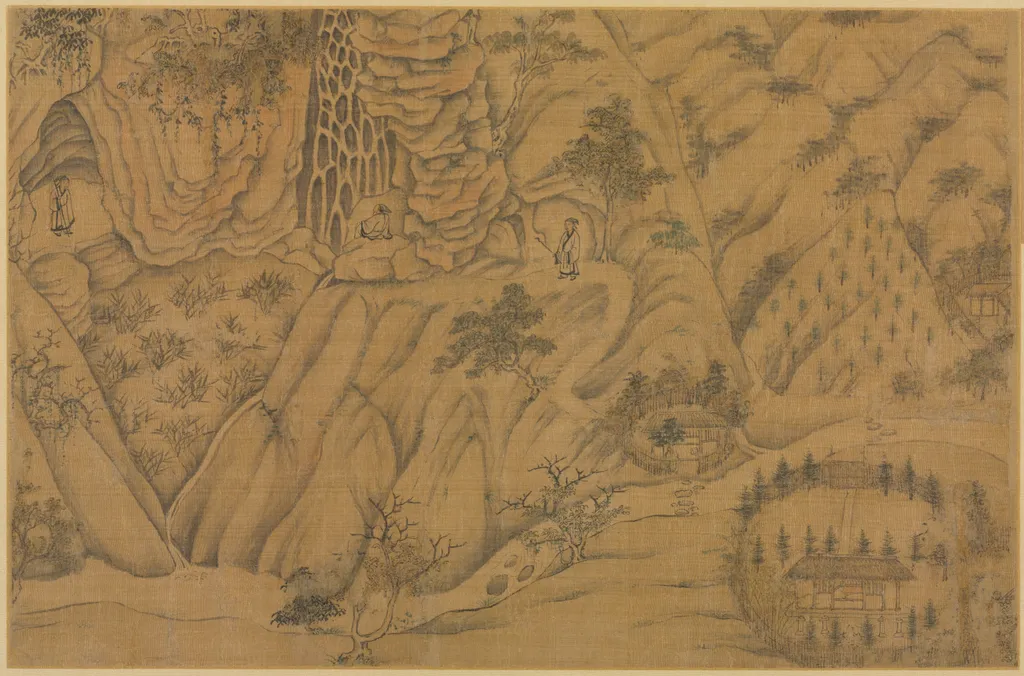
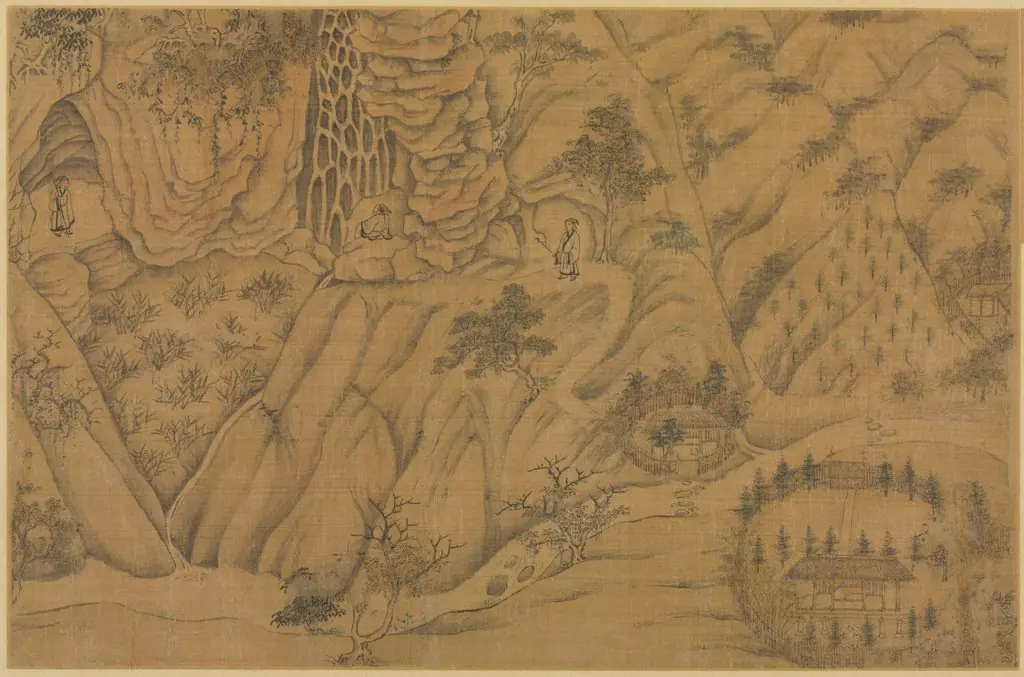
Dwelling in the Longmian ("Sleeping Dragon") Mountains is an unspecified painting by the Chinese Orthodox School artist Li Gonglin. It is held in the collection of the Cleveland Museum of Art.
About this work
Subject & Meaning
The composition combines a celebrated geographic feature with a natural element, illustrating the subject matter of the work.
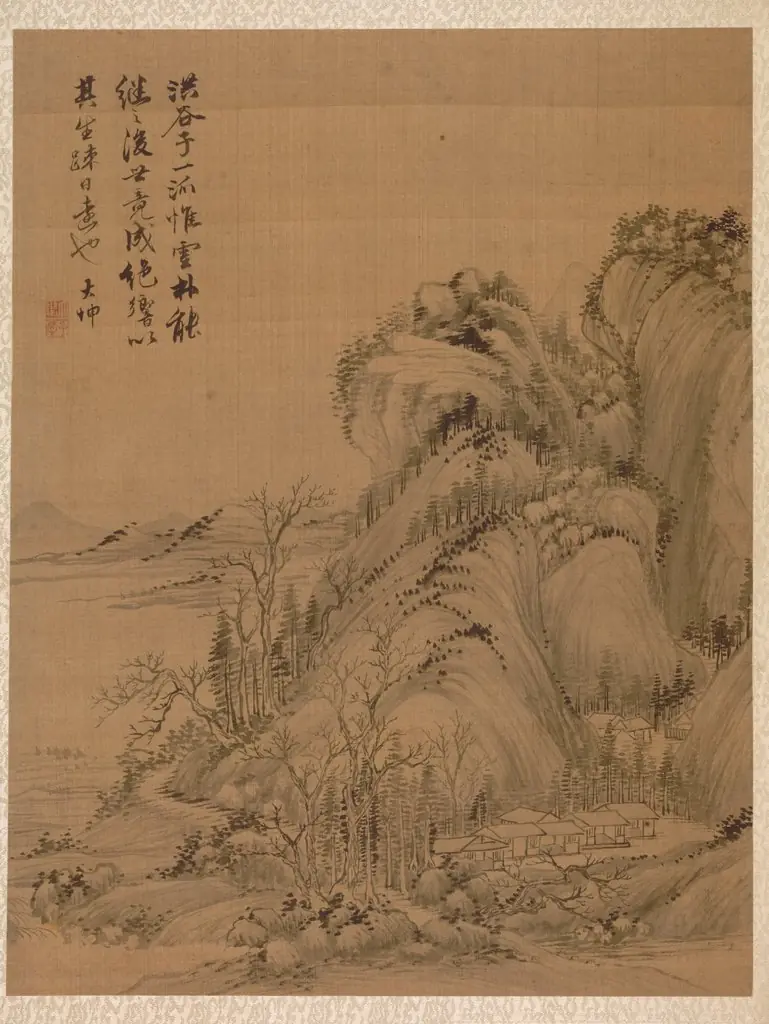
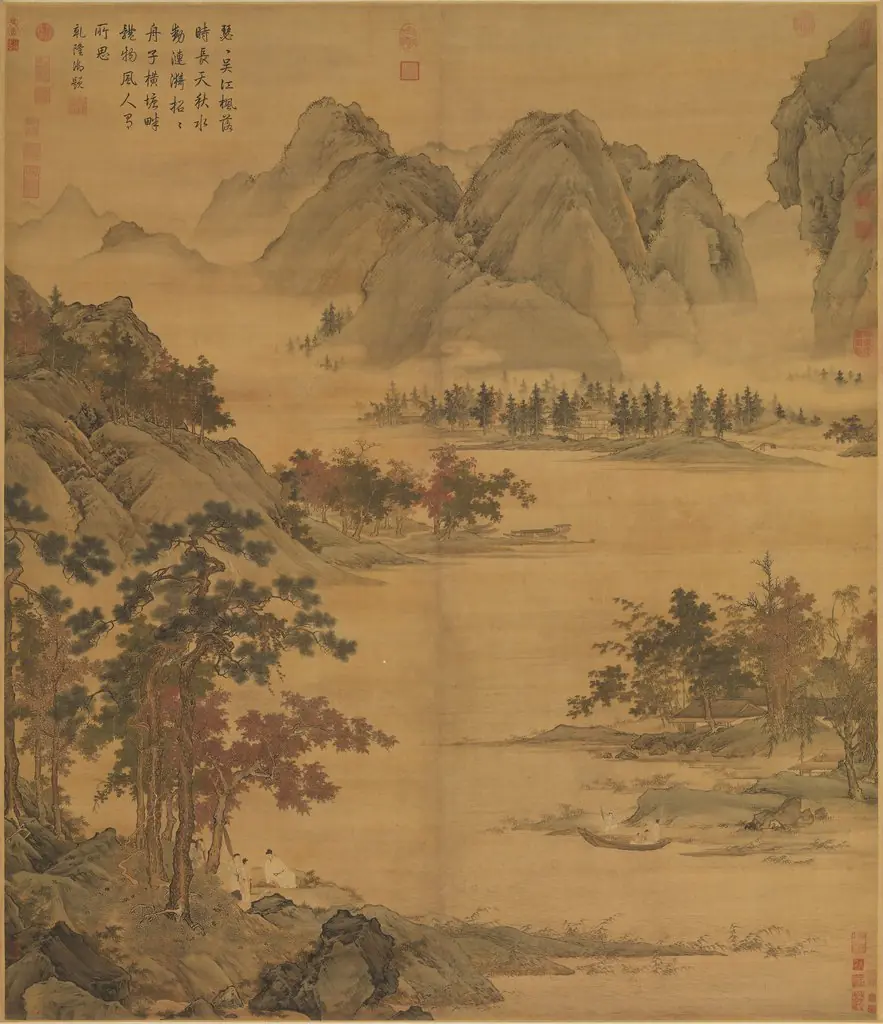
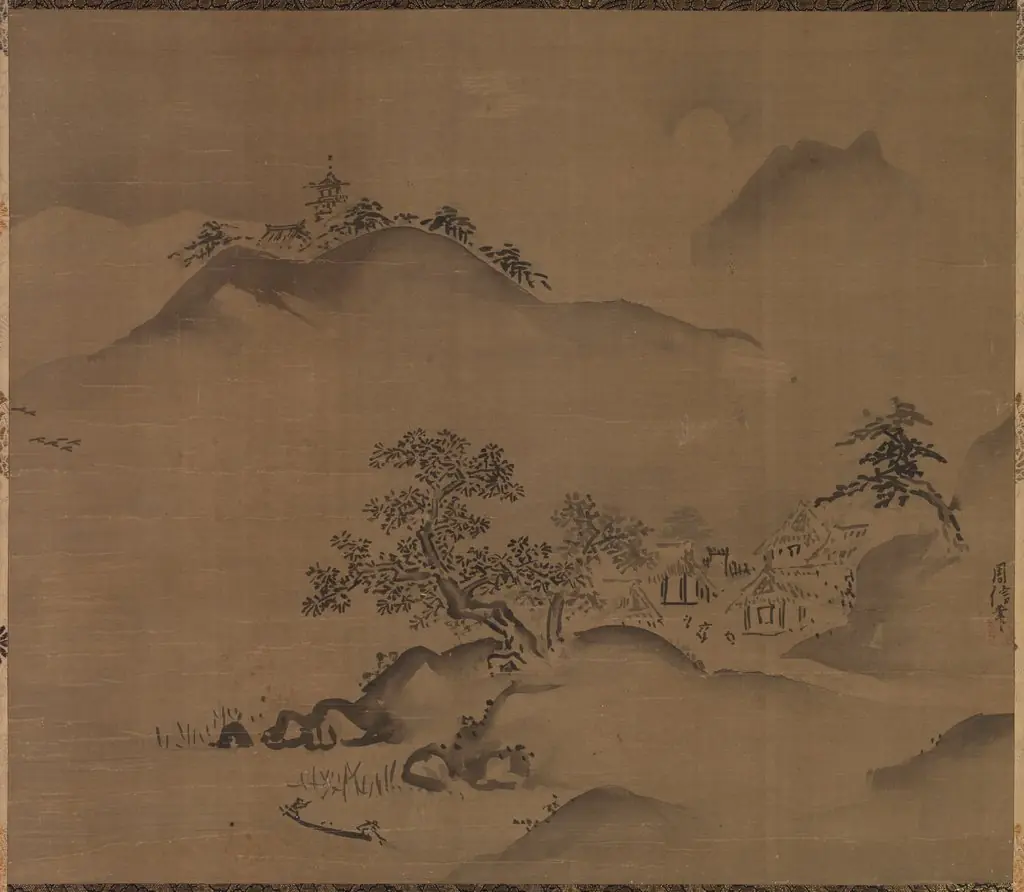
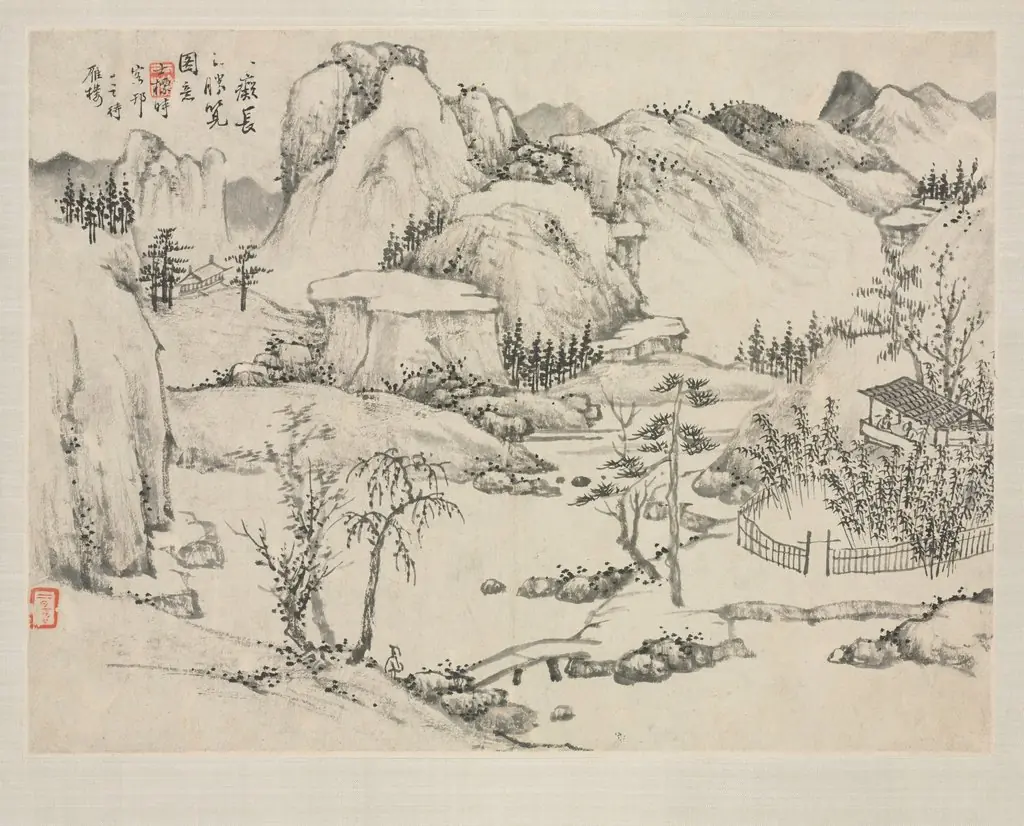
The painting titled Dwelling in the Longmian ("Sleeping Dragon") Mountains depicts the Longmen range, known as the Sleeping Dragon, and features a solitary tree within the landscape. It is attributed to Li Gonglin and dated to 1199, and is classified as a Chinese painting. The work is held by the Cleveland Museum of Art.
The composition combines a celebrated geographic feature with a natural element, illustrating the subject matter of the work.
History & Provenance
The painting Dwelling in the Longmian ("Sleeping Dragon") Mountains bears an inception date of 1199. While the work is held by the Cleveland Museum of Art and carries the accession number 1981.57, its attribution remains uncertain. Internal records classify the creator as either Li Gonglin or an unidentified artist, reflecting a discrepancy between the traditional association with Li Gonglin (c. 1049–1106) and the later date of execution.
No specific details regarding the original commission, previous ownership chains, or the circumstances of its creation are provided in the available documentation.
Overview
Dwelling in the Longmian ("Sleeping Dragon") Mountains is a painting by Li Gonglin, completed around the year 1200. This work offers a serene depiction of a secluded mountain landscape, characterized by winding trails and small dwellings nestled within the hills. The artwork is housed in the collection of The Cleveland Museum of Art.
Technique & Style
Li Gonglin employed a restrained palette, primarily utilizing earthy browns and greens to evoke a natural and calm atmosphere. The artist's use of simple, precise lines effectively conveys depth, making distant trees and structures appear smaller and receding into the background. This approach creates a sense of peaceful vastness, characteristic of traditional landscape painting that emphasizes harmony between human presence and the natural world.
Own this work as a print
Artist & collection