Artwork
北宋 李公麟 孝經圖 卷|The Classic of Filial Piety
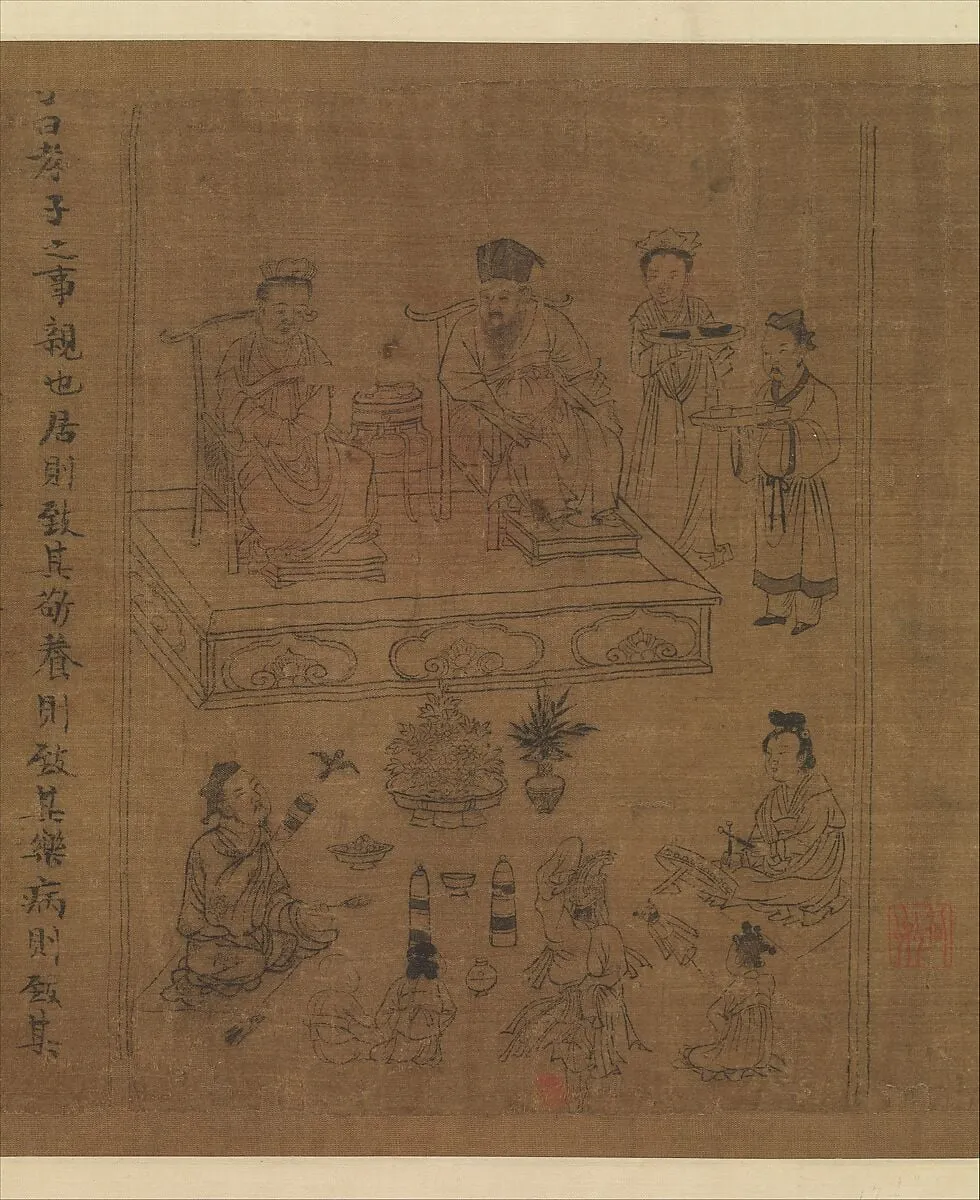
北宋 李公麟 孝經圖 卷|The Classic of Filial Piety is an ink painting by the Song dynasty painting artist Li Gonglin. It dates from 1085 and is held in the collection of the Metropolitan Museum of Art.
About this work
Subject & Meaning
The handscroll illustrates the Classic of Filial Piety, a foundational text on Confucian ethics regarding reverence for parents and ancestors.
The handscroll illustrates the Classic of Filial Piety, a foundational text on Confucian ethics regarding reverence for parents and ancestors. Created in 1085, the work visually interprets this religious and moral genre through scenes populated by men and women. The imagery serves to embody the text's teachings on familial duty and social order, transforming abstract philosophical concepts into concrete narrative moments.
By depicting these figures in the context of the classic, the artist reinforces the cultural significance of filial piety as a central virtue in Song dynasty society.
Technique & Style
The Classic of Filial Piety is a handscroll executed in ink and color on a silk support. Created in 1085, the work is attributed to the Northern Song artist Li Gonglin, though some records note the artist as unidentified. As a religious painting, the scroll employs traditional Chinese techniques characteristic of the period, utilizing the absorbent qualities of silk to render figures of men and women.
The combination of ink outlines with applied color defines its formal presentation within the genre of religious narrative art.
History & Provenance
The handscroll known as The Classic of Filial Piety is attributed to the Northern Song artist Li Gonglin and is dated to 1085. Created on silk using ink and color, the work depicts figures including men and women. The piece is currently held in the collection of the Metropolitan Museum of Art in New York. While traditionally ascribed to Li Gonglin, some internal records note the possibility of an unidentified artist.
The Classic of Filial Piety is held by the Metropolitan Museum of Art. According to the collection record, the handscroll is part of the museum's holdings, with the work attributed to Li Gonglin and dated to 1085. The painting, executed in ink and color on silk, was made in China and entered the Metropolitan Museum of Art's collection, where it remains accessible as part of its paintings holdings.
No specific exhibition history is documented in the available sources.
Overview
“The Classic of Filial Piety” is a handscroll painting created by Li Gonglin during the Northern Song dynasty, around 1085. Rendered with ink and color on silk, this artwork serves as a visual interpretation of a foundational Chinese text. It illustrates the principles of filial piety, a central tenet of traditional Chinese ethics, through detailed narrative scenes.
Artist & collection

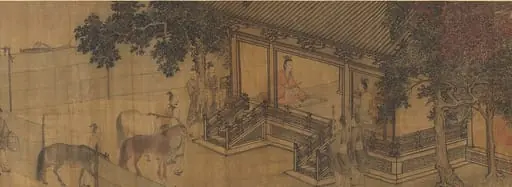 南宋 傳 李唐 晉文公復國圖 卷|Duke Wen of Jin Recovering His State
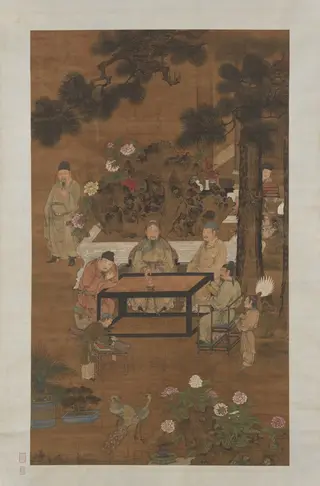 The Eighteen Scholars (zither)
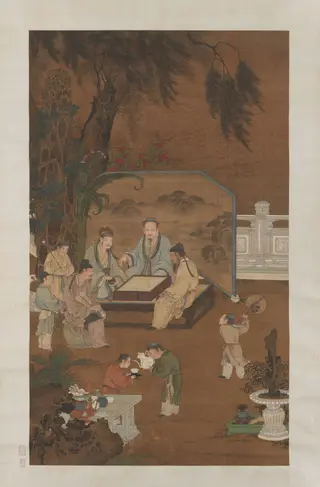 The Eighteen Scholars
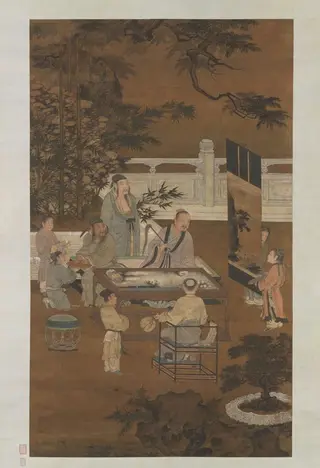 The Eighteen Scholars (Painting)
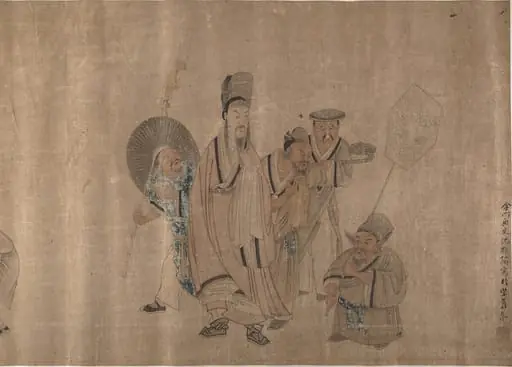 Untitled
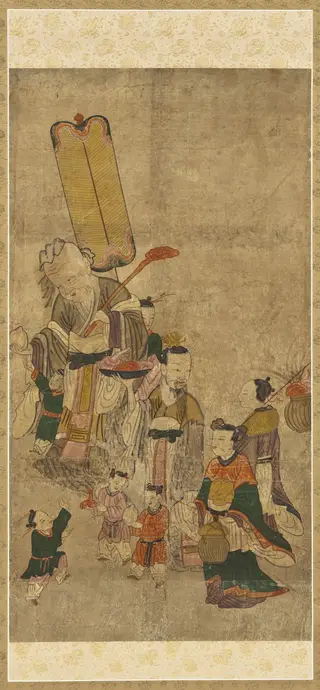 Dongfang Shuo (Tongbang Sak), one of the Eight Chinese Immortals
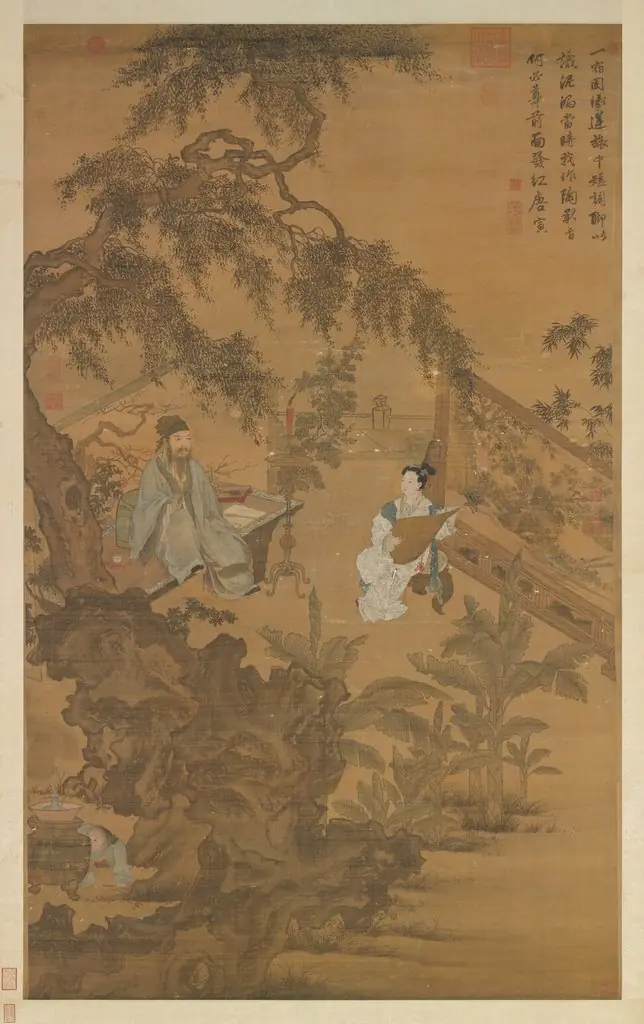 明唐寅陶穀贈詞圖 軸
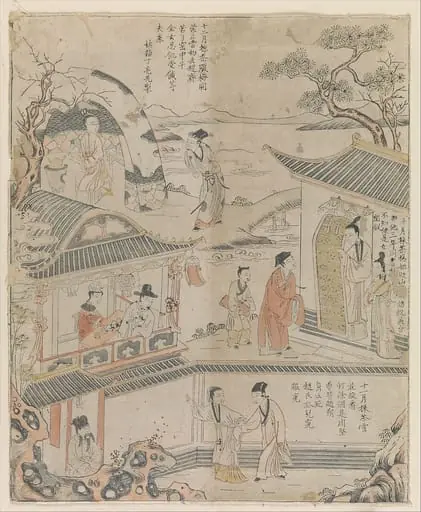 Untitled
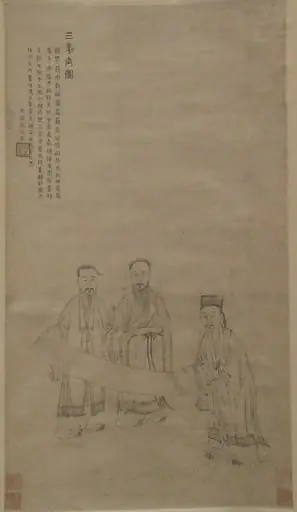 明/清 佚名 舊傳方從義 三學士圖 軸|The Three Scholars
 Untitled
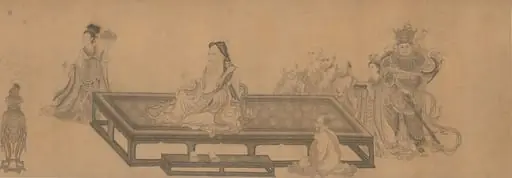 元 王振鵬 維摩不二圖 卷|Vimalakirti and the Doctrine of Nonduality