Artwork
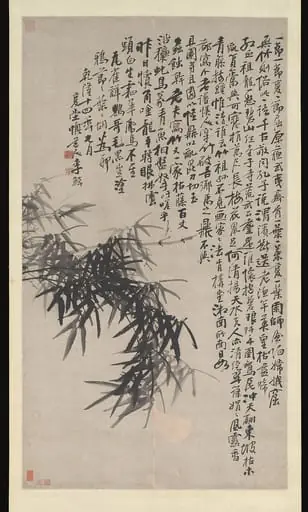
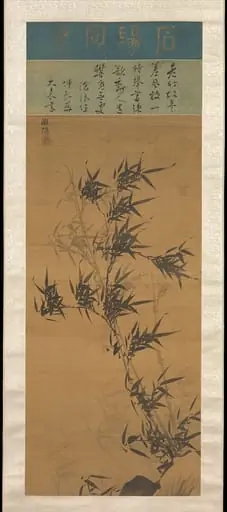
元 柯九思 臨文同墨竹圖 軸|Bamboo copied after Wen Tong
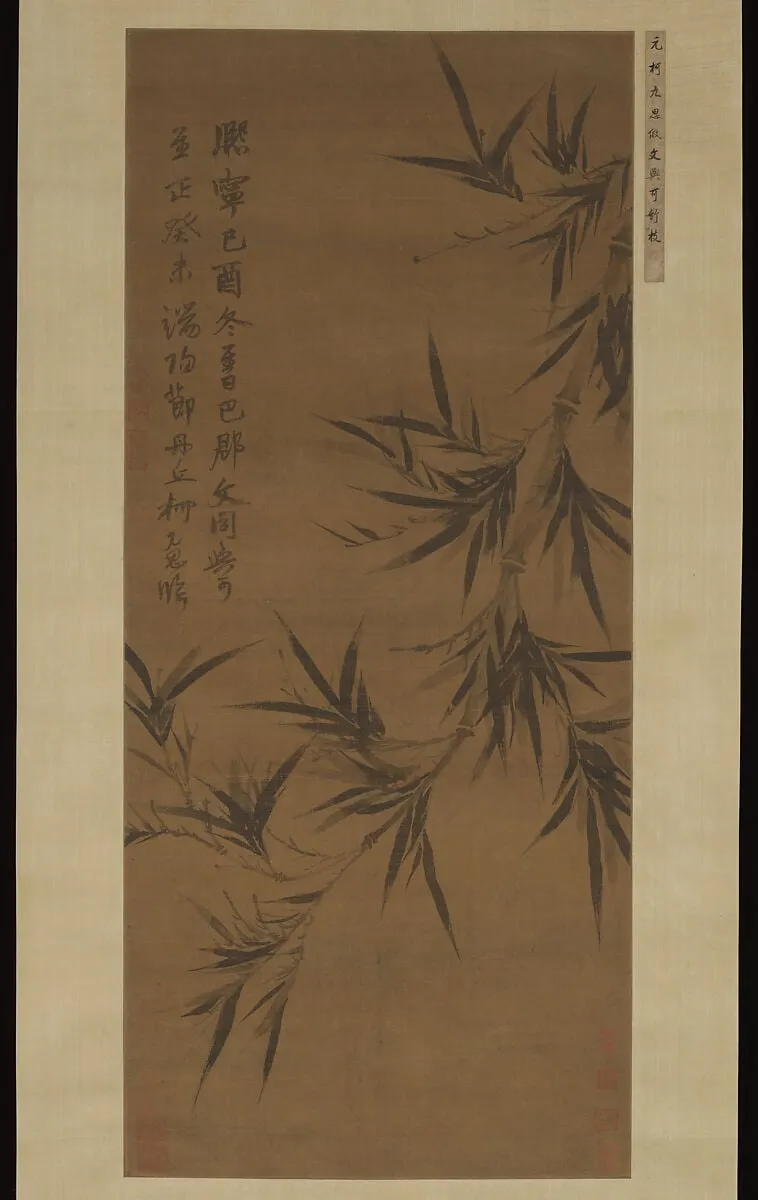
元 柯九思 臨文同墨竹圖 軸|Bamboo copied after Wen Tong is an ink painting by the Yuan dynasty literati painting artist Ke Jiusi. It dates from 1343 and is held in the collection of the Metropolitan Museum of Art.
- Accession no.
- 2006.571
- Credit line
- Ex coll.: C. C. Wang Family, Gift of Oscar L. Tang Family, 2006
About this work
Technique & Style
The composition's economy of means concentrates attention on the interplay of ink tones and the textural contrast between fibrous stalks and delicate foliage.
The work is a hanging scroll in ink on silk, executed in 1343 by Ke Jiusi after Wen Tong's bamboo manner. The artist uses monochrome ink to articulate slender, segmented culms and sharply pointed leaves, rendering form through modulated washes and controlled brushwork. The composition's economy of means concentrates attention on the interplay of ink tones and the textural contrast between fibrous stalks and delicate foliage.
History & Provenance
The hanging scroll Bamboo copied after Wen Tong is dated 1343, placing its creation during the Yuan dynasty. It was produced by the scholar-painter Ke Jiusi, who worked in the literati tradition of ink bamboo and directly referenced the earlier Northern Song master Wen Tong. The painting's early history is undocumented, but it entered the collection of the Metropolitan Museum of Art, where it is currently held.
No record of a specific commission survives, and the available sources do not assign an accession number or document any exhibition history for the work.
Overview
Created in 1343, the year of his death, 'Bamboo copied after Wen Tong' is a hanging scroll by the Yuan dynasty scholar-official Ke Jiusi. Executed in ink on silk, the work depicts a single bamboo stalk arching gracefully across the composition, accompanied by delicate leaves rendered with varying ink tones. Ke Jiusi, a renowned connoisseur and calligrapher, produced this piece as a direct homage to Wen Tong, a Northern Song master celebrated for his bamboo paintings.
The composition relies on the artist's mastery of calligraphic brushwork to capture the structural integrity and vitality of the plant, adhering to the tradition of 'copying' ancient masters to internalize their technique. Ke Jiusi's approach emphasizes the spiritual connection between the painter and the subject, echoing the legend that Wen Tong dreamed of bamboo so vividly that his brushwork became an extension of his vision. This work stands as a significant example of the literati painting tradition, where the act of replication serves as both a technical exercise and a means of spiritual communion with past masters.
The piece demonstrates Ke Jiusi's ability to translate the weight and texture of bamboo through controlled ink washes and precise line work, solidifying his reputation as a leading figure in Yuan dynasty ink painting.
Subject & Meaning
The artwork centers on a solitary bamboo stalk, depicted bending gracefully across the silk surface. In Chinese culture, bamboo is revered for its resilience, flexibility, and upright character, often symbolizing scholarly integrity and perseverance. This particular rendition by Ke Jiusi pays tribute to Wen Tong, a celebrated painter from three centuries prior, who was renowned for his profound connection to the subject, famously said to "dream in bamboo."
Context
Created in the Yuan dynasty, this painting is an example of artistic dialogue across generations. Ke Jiusi consciously engaged with the legacy of Wen Tong, an esteemed Song dynasty artist. By meticulously studying and reinterpreting Wen Tong's approach to bamboo, Ke Jiusi participated in a tradition where later artists honored and learned from their predecessors, often seeking to capture the original master's unique vision and technical prowess.
Artist & collection

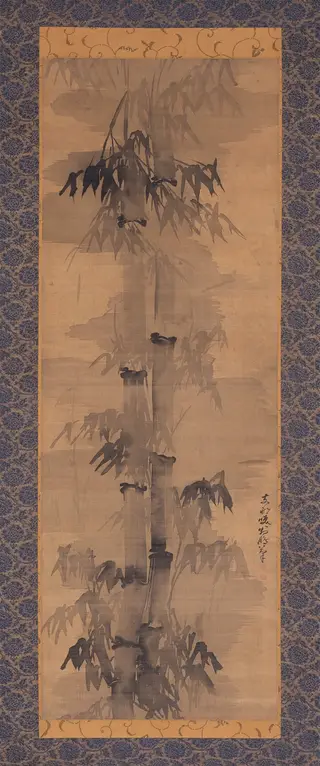
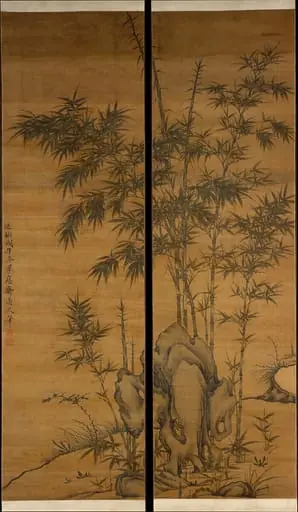
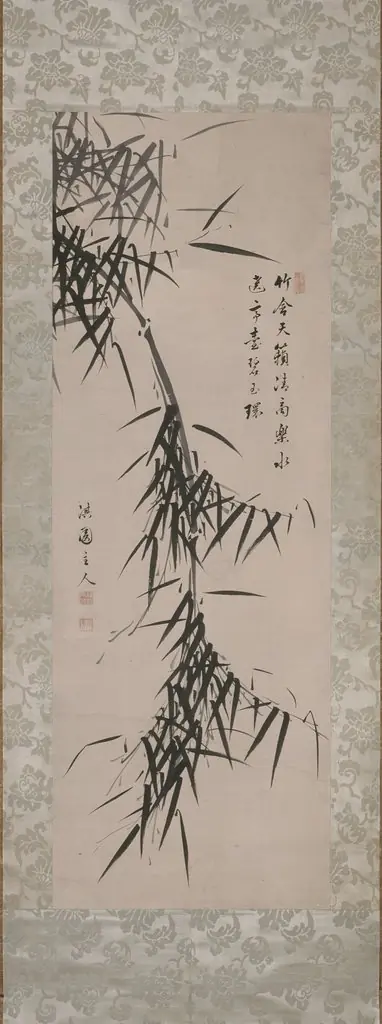
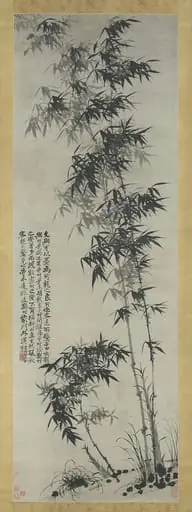
 탄은 이정 대나무 조선|灘隱 李霆 墨竹圖 朝鮮|Bamboo in the Wind
 Listening to the Bamboo
 Bamboo in Monochrome Ink
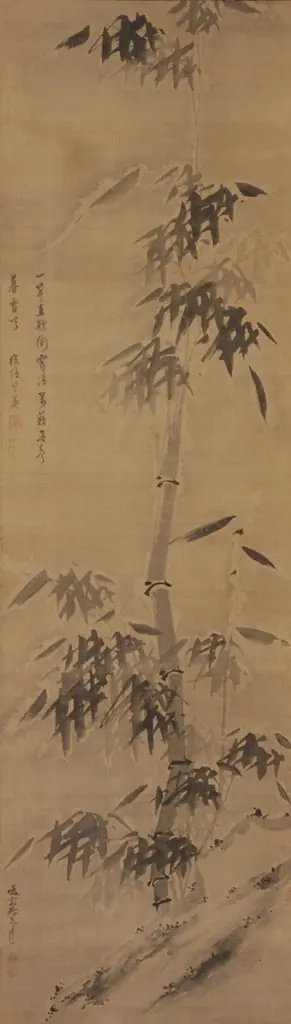 Bamboo in Snow
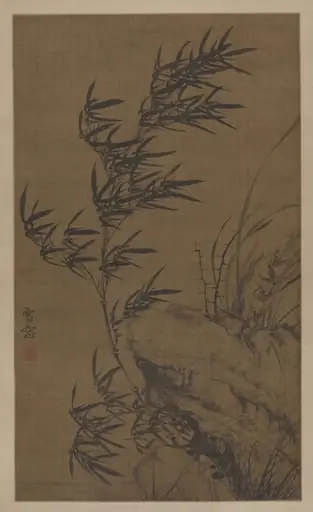 Bamboo in the Wind
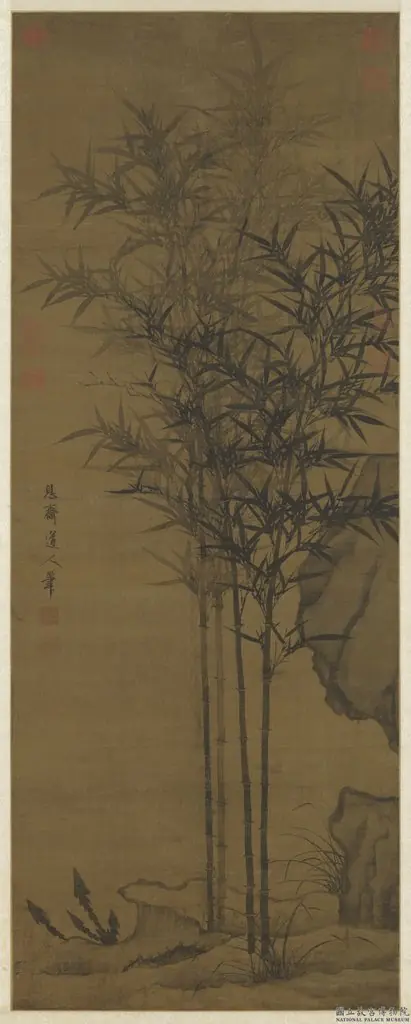 元李衎四季平安圖 軸
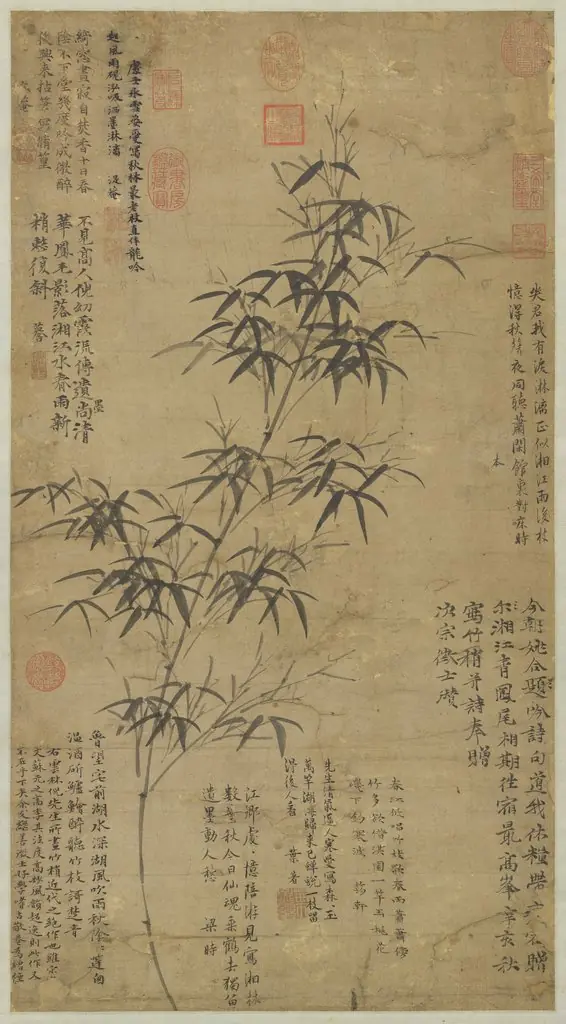 New Bamboo in the Spring Rain
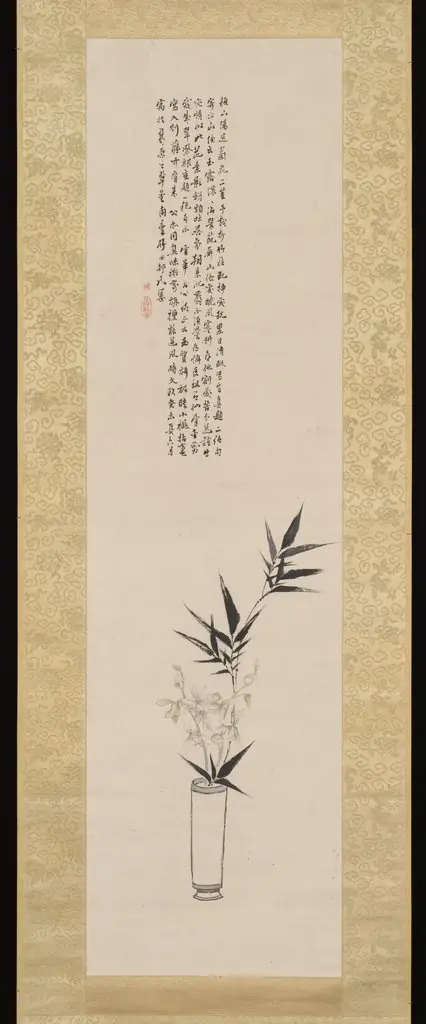 Orchid and Bamboo in a Vase 蘭竹同瓶図 (Ranchiku dōbin zu)
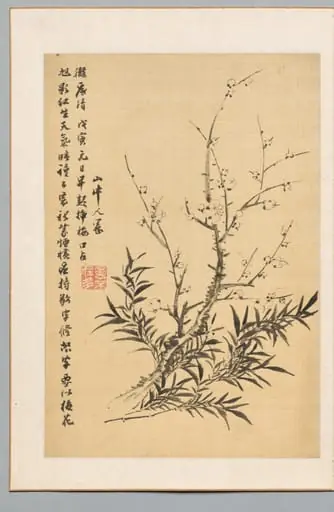 Plum Blossoms and Bamboo
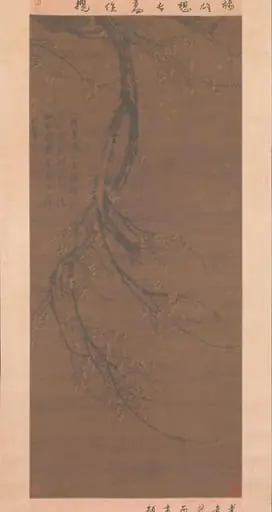 元 王冕 墨梅圖 軸|Fragrant Snow at Broken Bridge
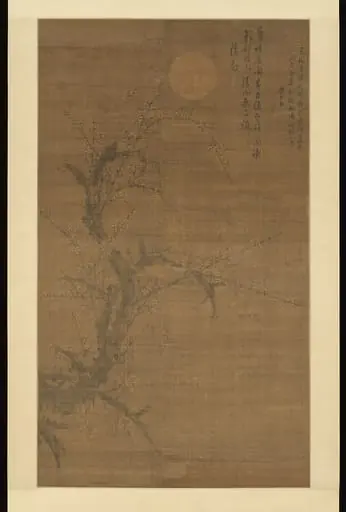 明 劉世儒 月下雪梅圖 軸|Flowering Plum in Moonlight and Snow