Artwork
New Year's Day in a Village at Stone Lake
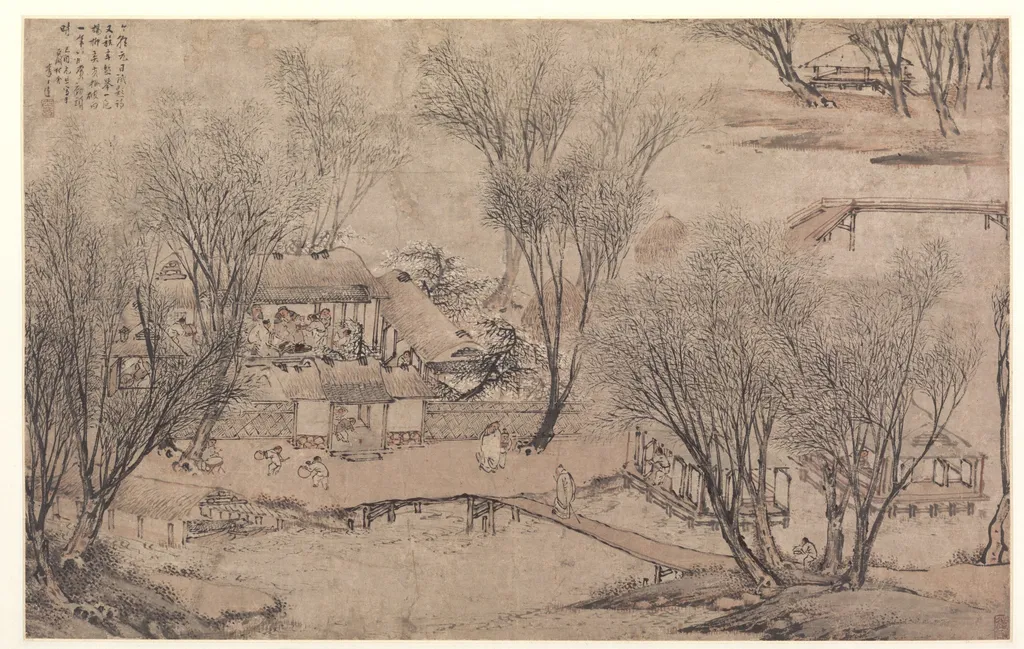
New Year's Day in a Village at Stone Lake is an unspecified painting by the Ming dynasty painting artist Li Shida. It dates from 1609 and is held in the collection of the Cleveland Museum of Art.
About this work
History & Provenance
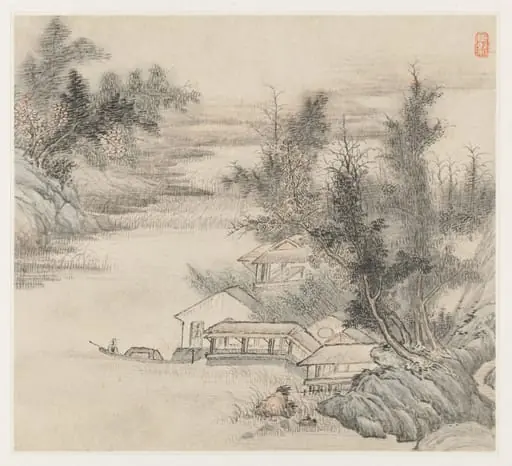
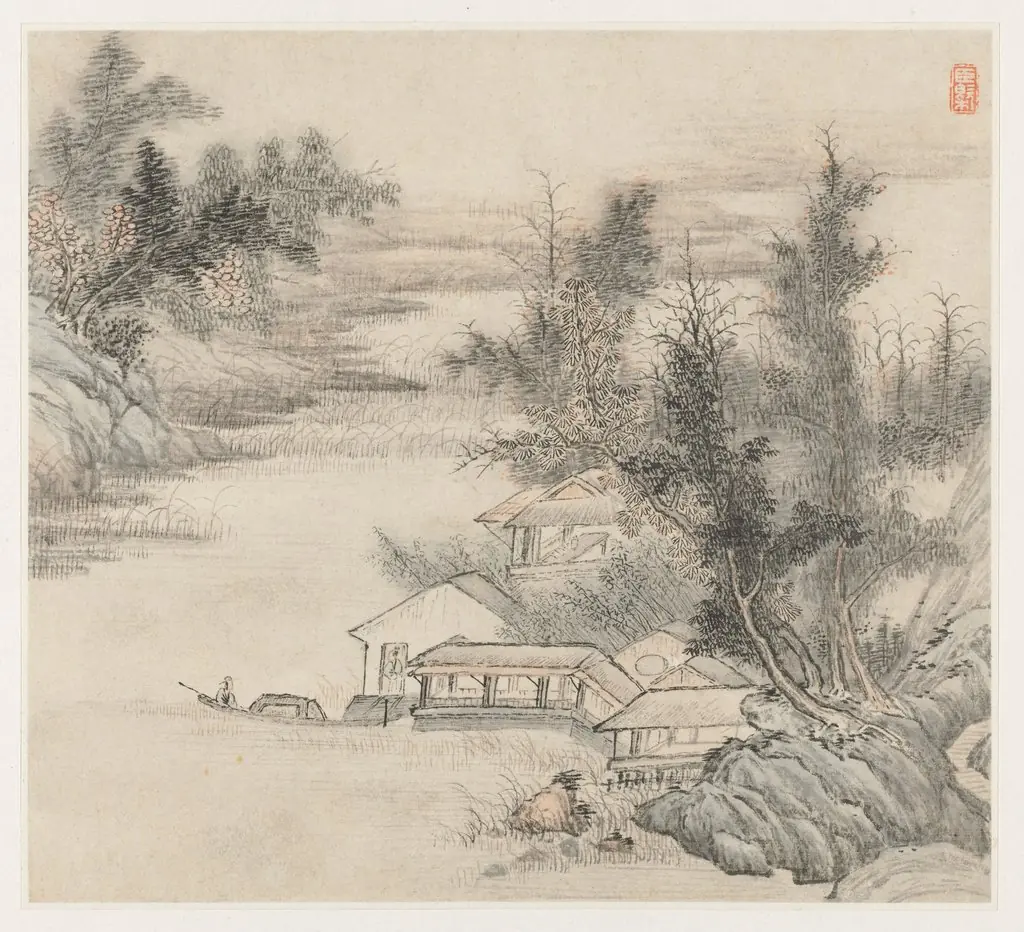
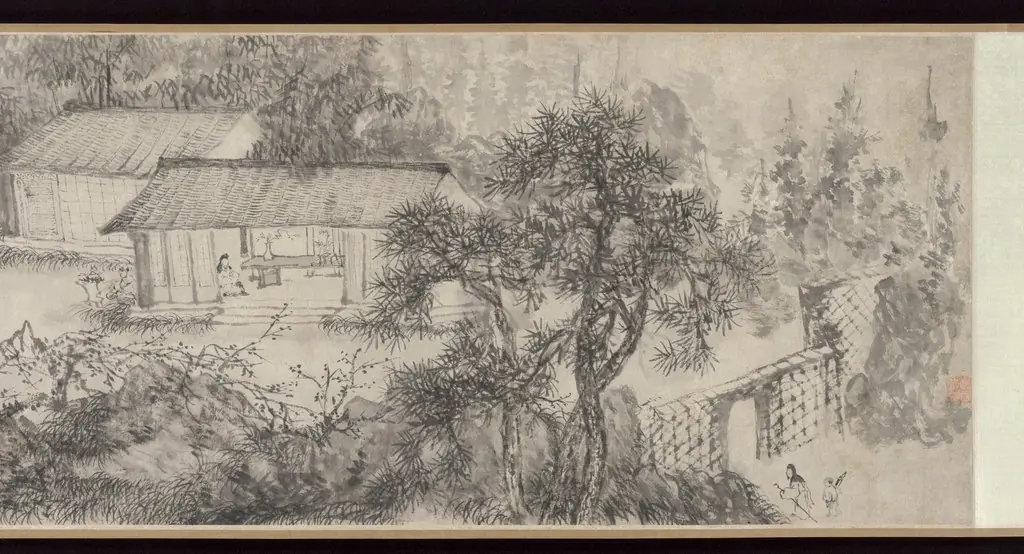
The painting depicts a village scene featuring a house and trees.
Li Shida's New Year's Day in a Village at Stone Lake is dated 1609 and is held in the collection of the Cleveland Museum of Art in Cleveland, Ohio, under accession number 1980.178. The painting depicts a village scene featuring a house and trees. No documented commission or earlier ownership chain has been traced before its acquisition by the museum in 1980, and the available sources list no specific exhibition history for the work.
Context
The painting New Year's Day in a Village at Stone Lake, dated 1609 and attributed to the Chinese artist Li Shida (c. 1549–c. 1621), is classified as a work of Chinese painting in the Cleveland Museum of Art. Its depiction of a modest house and a tree beside a stone lake illustrates everyday rural life, a motif scholars have linked to late Ming genre traditions. As one of the few securely dated works by Li Shida, it provides a rare chronological anchor for studying the evolution of Chinese landscape and genre painting in the early 17th century.
The piece is part of the museum's permanent collection, underscoring its recognized importance within the artist's broader corpus.
Overview
New Year's Day in a Village at Stone Lake is a painting created in 1609 by Li Shida, an artist active during China's Ming dynasty. This work captures a lively village scene, depicting various houses, trees, and groups of people celebrating the New Year. The artwork is currently part of the collection at The Cleveland Museum of Art, offering a glimpse into early 17th-century Chinese life and artistic practice.
Subject & Meaning
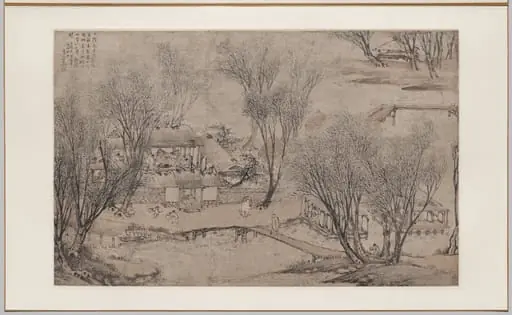
The painting portrays a bustling village setting during the New Year's festivities. Numerous trees, some bare and others in leaf, frame several houses where villagers gather, either standing or seated. A bridge spans a small body of water in the foreground, adding depth to the composition. The depiction suggests a communal celebration, emphasizing the details of daily life and interaction within the community.
Technique & Style
Li Shida rendered this scene with considerable detail and a realistic approach. The houses and trees exhibit careful attention to texture and shading, contributing to their lifelike appearance. Figures within the composition are also meticulously depicted, featuring distinct facial expressions and varied clothing. This detailed execution aligns with the broader Ming painting tradition, focusing on narrative clarity and descriptive precision.
Own this work as a print
Artist & collection