Artwork
Sailing Boats and a Riverside Mansion
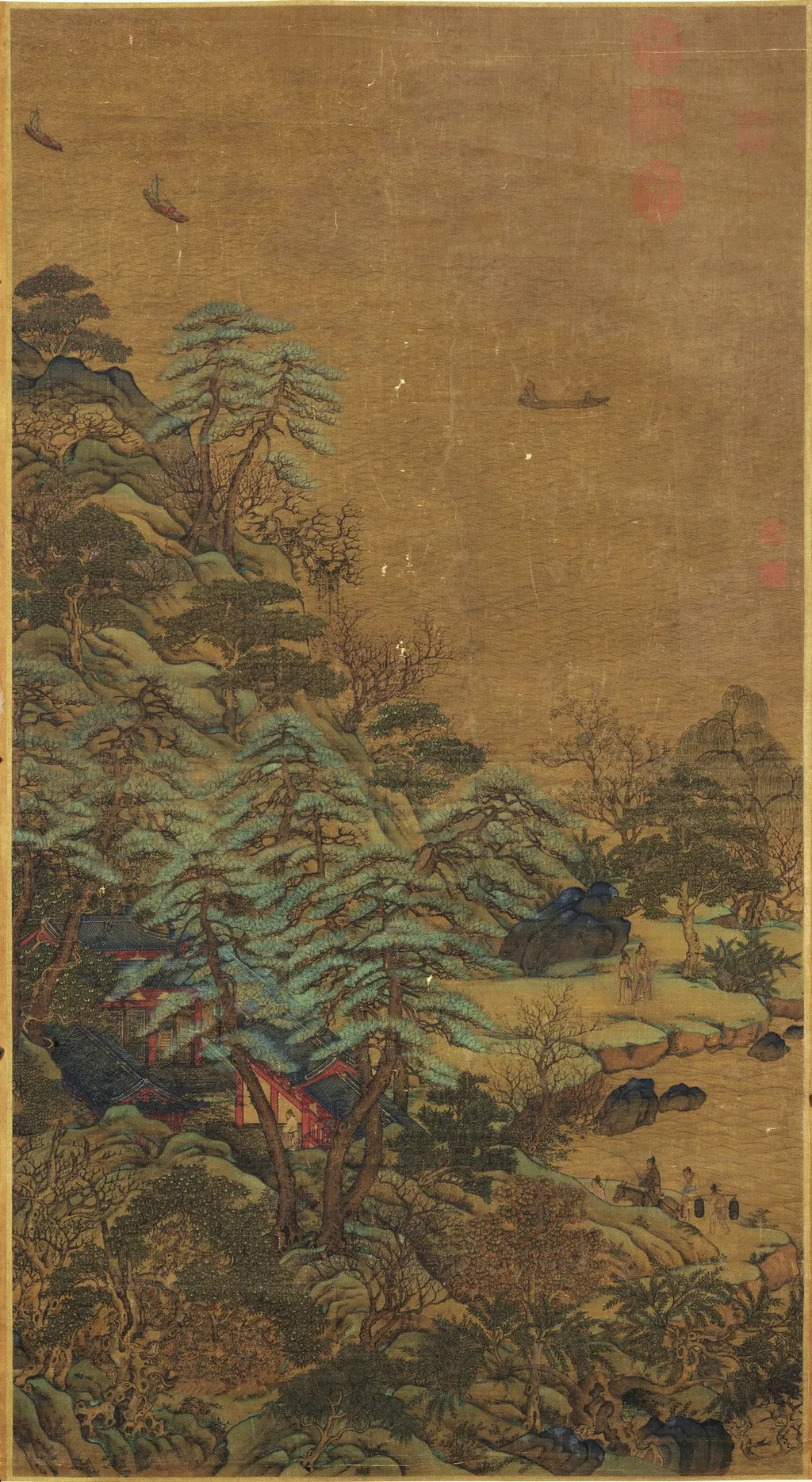
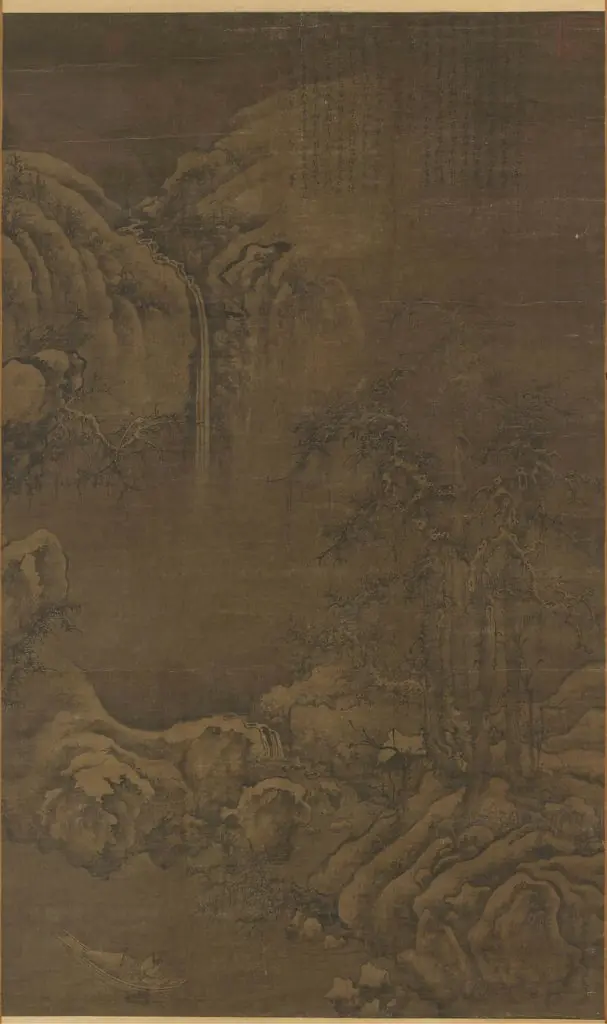
Sailing Boats and a Riverside Mansion is an unspecified painting by Li Sixun. It is held in the collection of the National Palace Museum.
About this work
Overview
Sailing Boats and a Riverside Mansion is a landscape painting attributed to Li Sixun, a Tang-dynasty official and artist active around 750 CE.
Sailing Boats and a Riverside Mansion is a landscape painting attributed to Li Sixun, a Tang-dynasty official and artist active around 750 CE. It exemplifies early Chinese ink-and-color landscape traditions, emphasizing harmony between human architecture and natural topography. The composition balances detailed foreground elements with atmospheric distance, reflecting ideals of order and quiet contemplation valued in courtly culture of the era.
Subject & Meaning
The scene portrays a secluded riverside estate surrounded by trees and rolling hills, with small boats gliding along the water and figures standing near the shore. Rather than depicting action, the painting conveys stillness and retreat. The mansion, neither grand nor isolated, suggests a refined dwelling within nature, symbolizing the scholar-official’s ideal of withdrawing from public life into serene, cultivated solitude.
Technique & Style
Li Sixun applied mineral pigments, azurite blue and malachite green, with precision, layering them to achieve depth without heavy outlines. The foreground features finely rendered architecture and foliage, while distant hills fade into soft washes, creating spatial recession. This method, known as 'blue-and-green' landscape, prioritizes decorative richness and structural clarity over expressive brushwork, distinguishing it from later ink-wash traditions.
History & Provenance
Though no original work by Li Sixun survives with certainty, Sailing Boats and a Riverside Mansion is preserved in later copies that reflect his style. By the Ming dynasty, Dong Qichang identified Li as the progenitor of the Northern school, linking him to courtly, detailed landscapes as opposed to the more spontaneous Southern style. The painting’s transmission through centuries underscores its enduring influence on Chinese aesthetic theory.
Context
Created during the High Tang period, the painting emerged amid a flourishing of court-sponsored art and renewed interest in classical ideals. Landscape painting was increasingly seen as a vehicle for moral and philosophical expression. Li’s work, associated with aristocratic patronage, contrasted with emerging Chan Buddhist-inspired styles, offering a vision of harmony rooted in structure, tradition, and controlled beauty.
Legacy
Li Sixun’s approach to landscape, though later overshadowed by ink-wash innovations, remained a foundational reference for later generations. His use of color and architectural detail influenced court painters well into the Song dynasty. The attribution of his role as founder of the Northern school by Dong Qichang cemented his place in art-historical narratives, ensuring his style was studied as a counterpoint to more expressive traditions.
Artist & collection

Artist
Li Sixun (651–716 Chinese: 李思训; Wade–Giles: Li Ssu-hsün) was a Chinese noble and painter of landscapes who lived during the Tang dynasty.

- Searching for Plum Blossoms
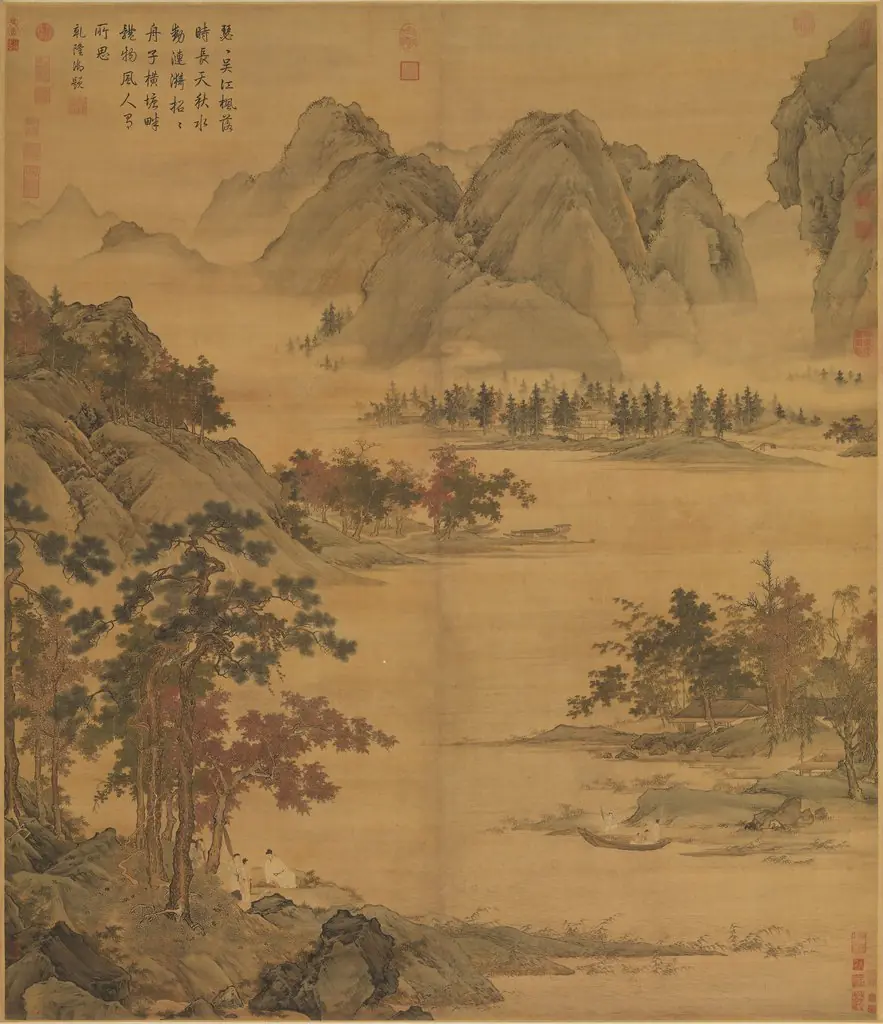 Waiting for the Ferry on an Autumn River
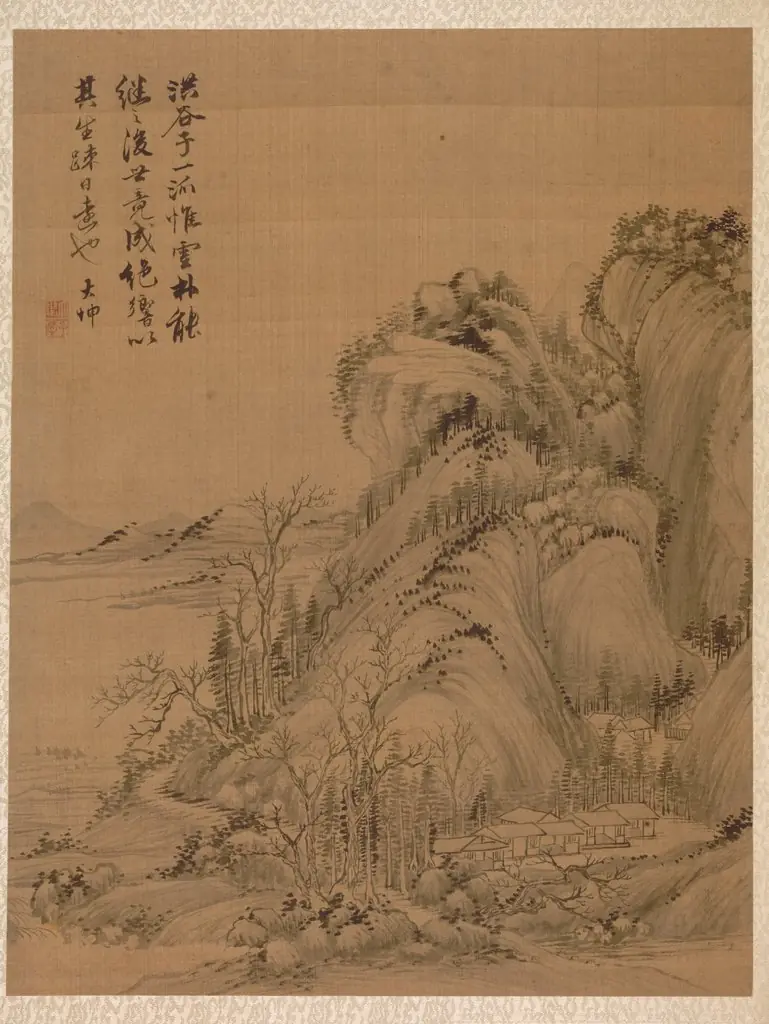 Landscape in the Style of Ching Hao
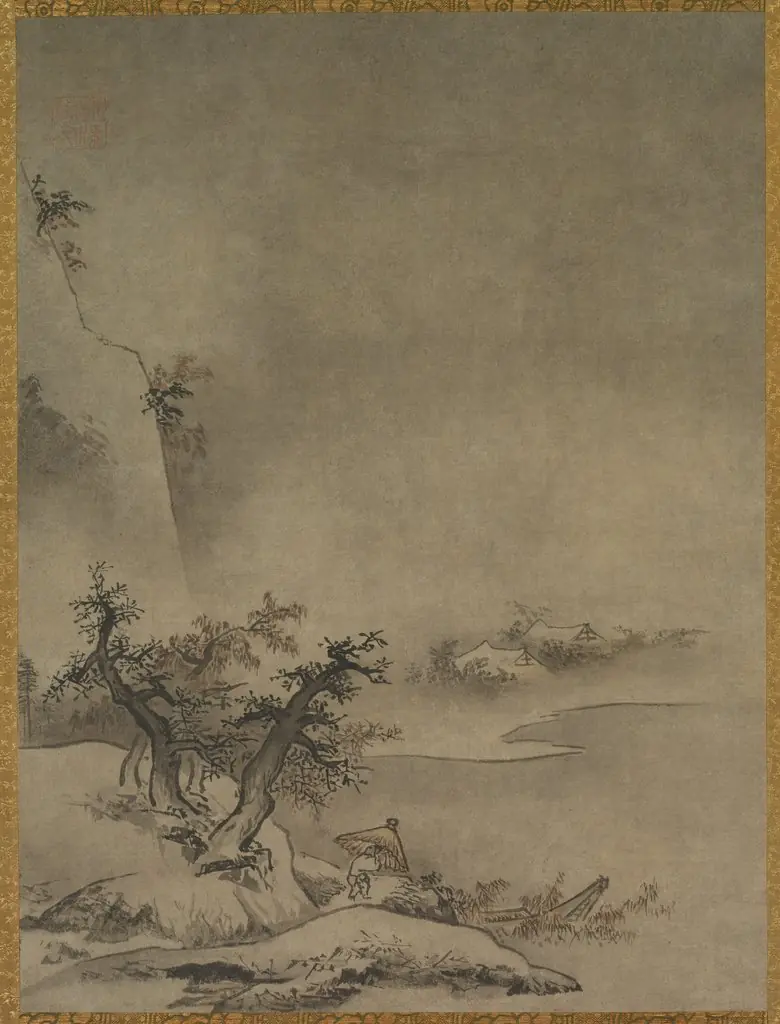 Chinese Servant Walking in the Rain
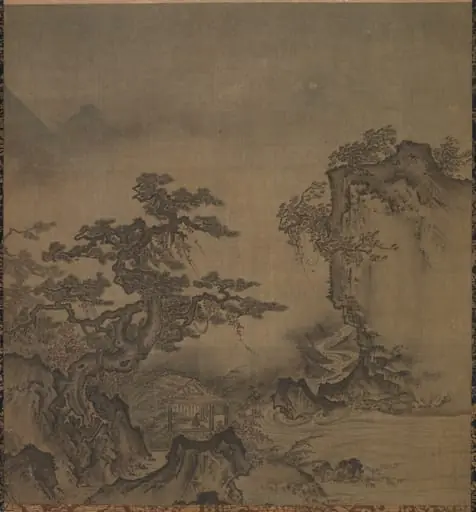 Landscape
 Chinese Servant Walking in the Rain
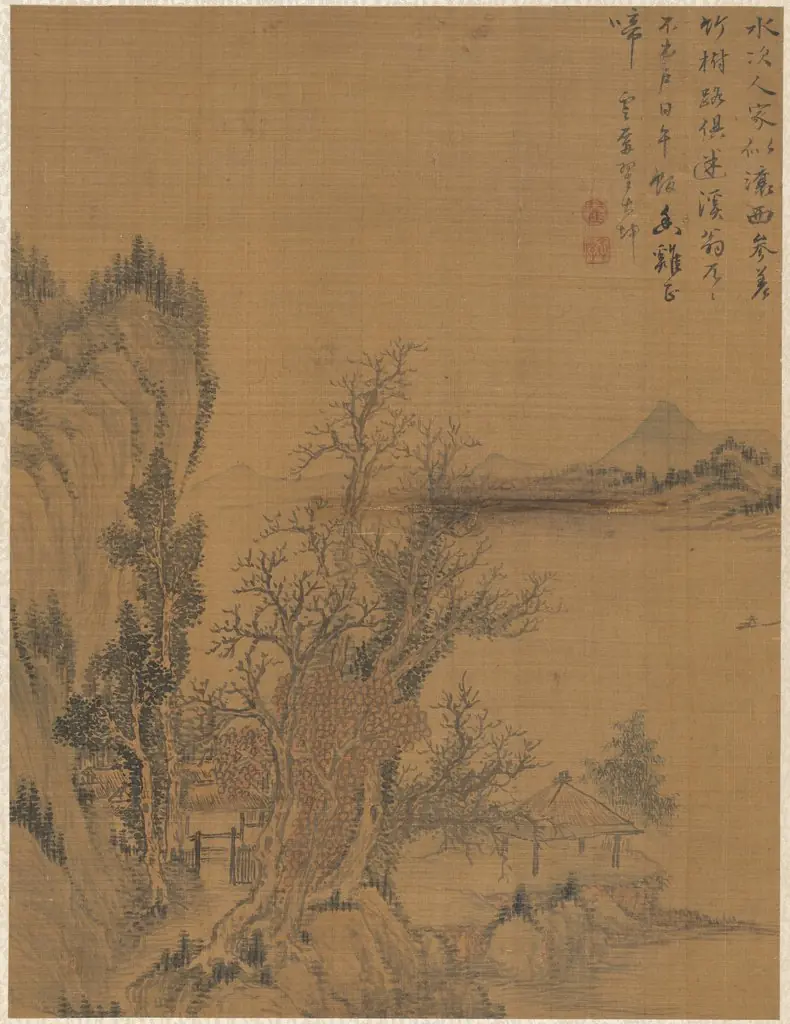 Landscape
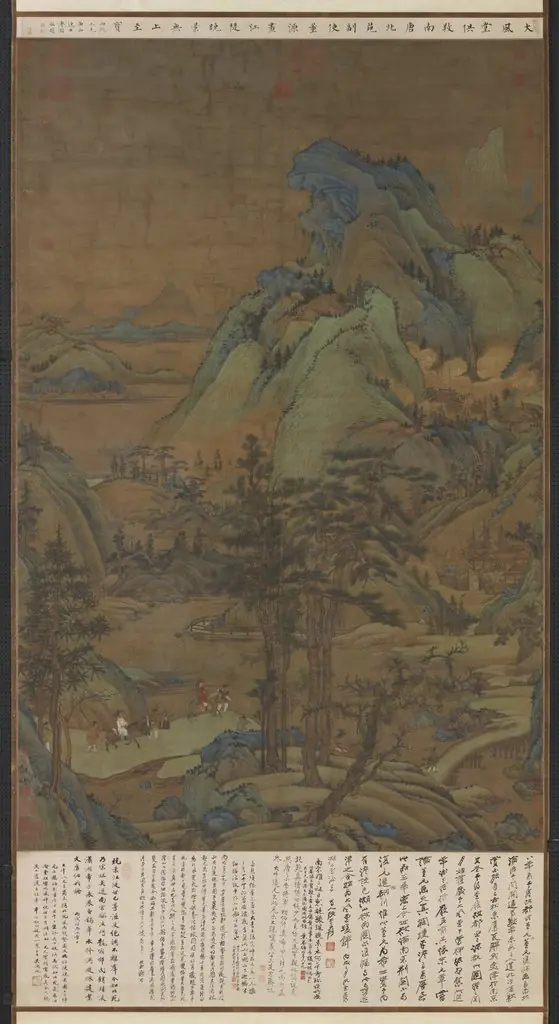 五代董源江堤晚景 軸
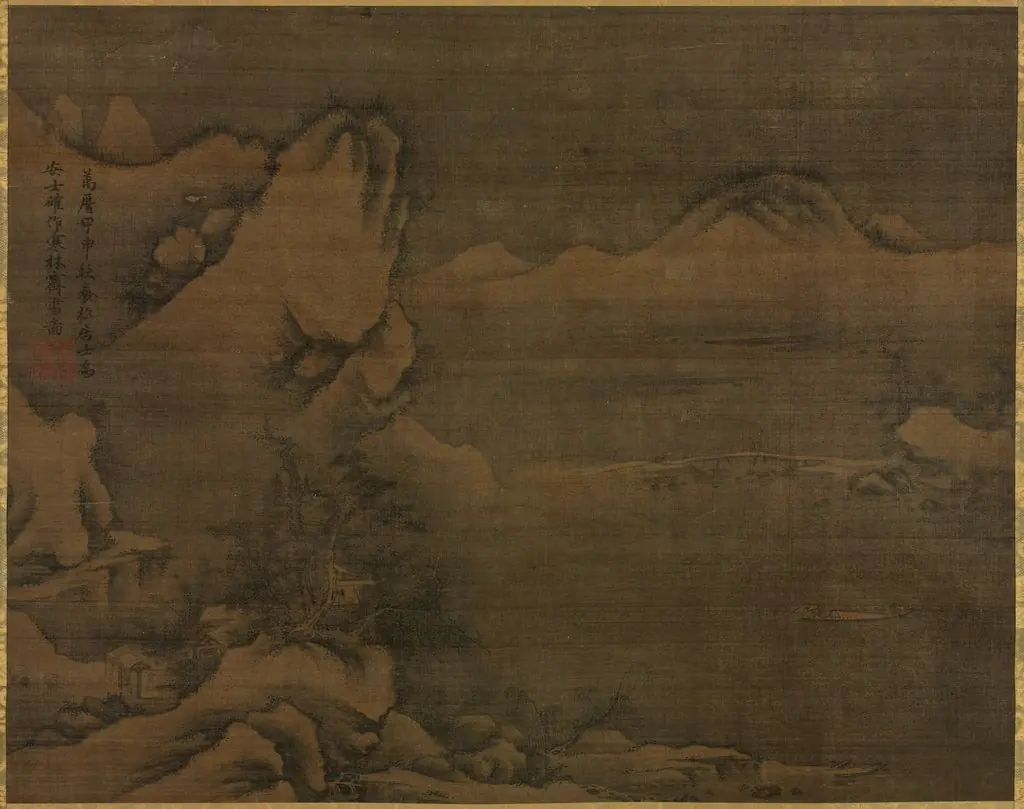 Snowscape with Figures
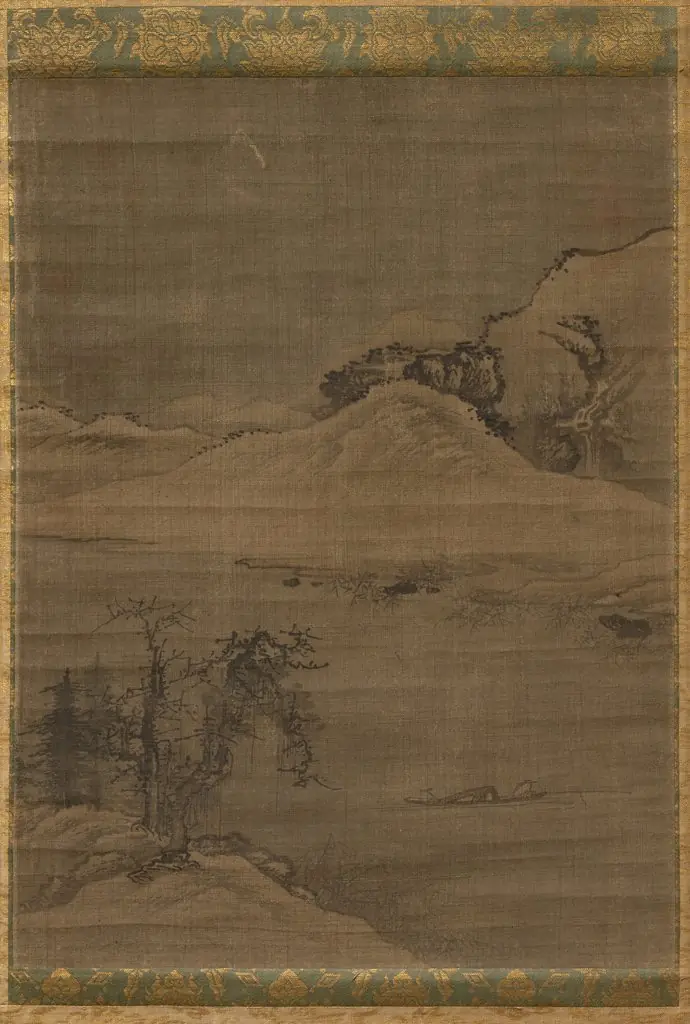 Landscape with Fishermen
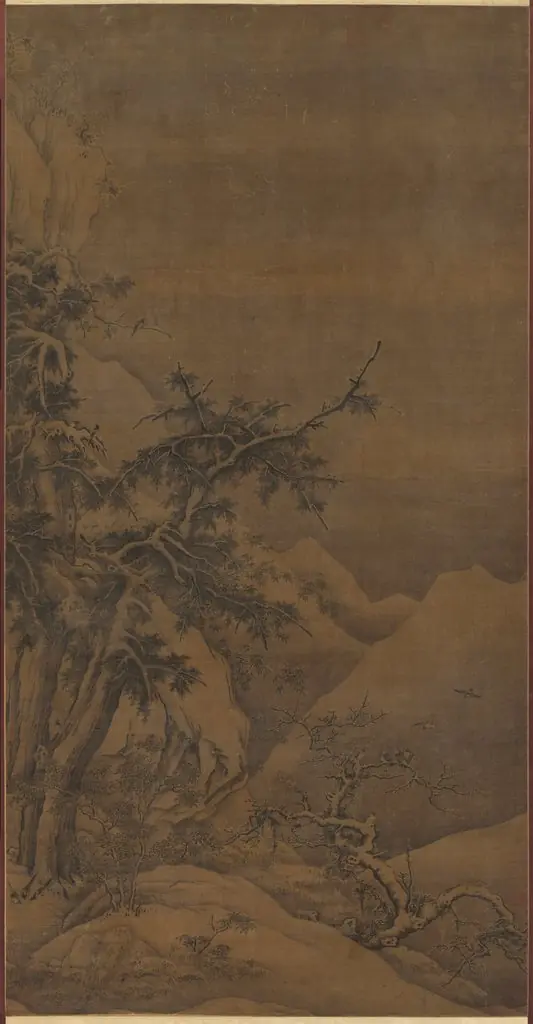 Birds in a Grove in a Mountainous Winter Landscape
 Fishing Boat on a Wintry River