Artwork
Chinese Servant Walking in the Rain
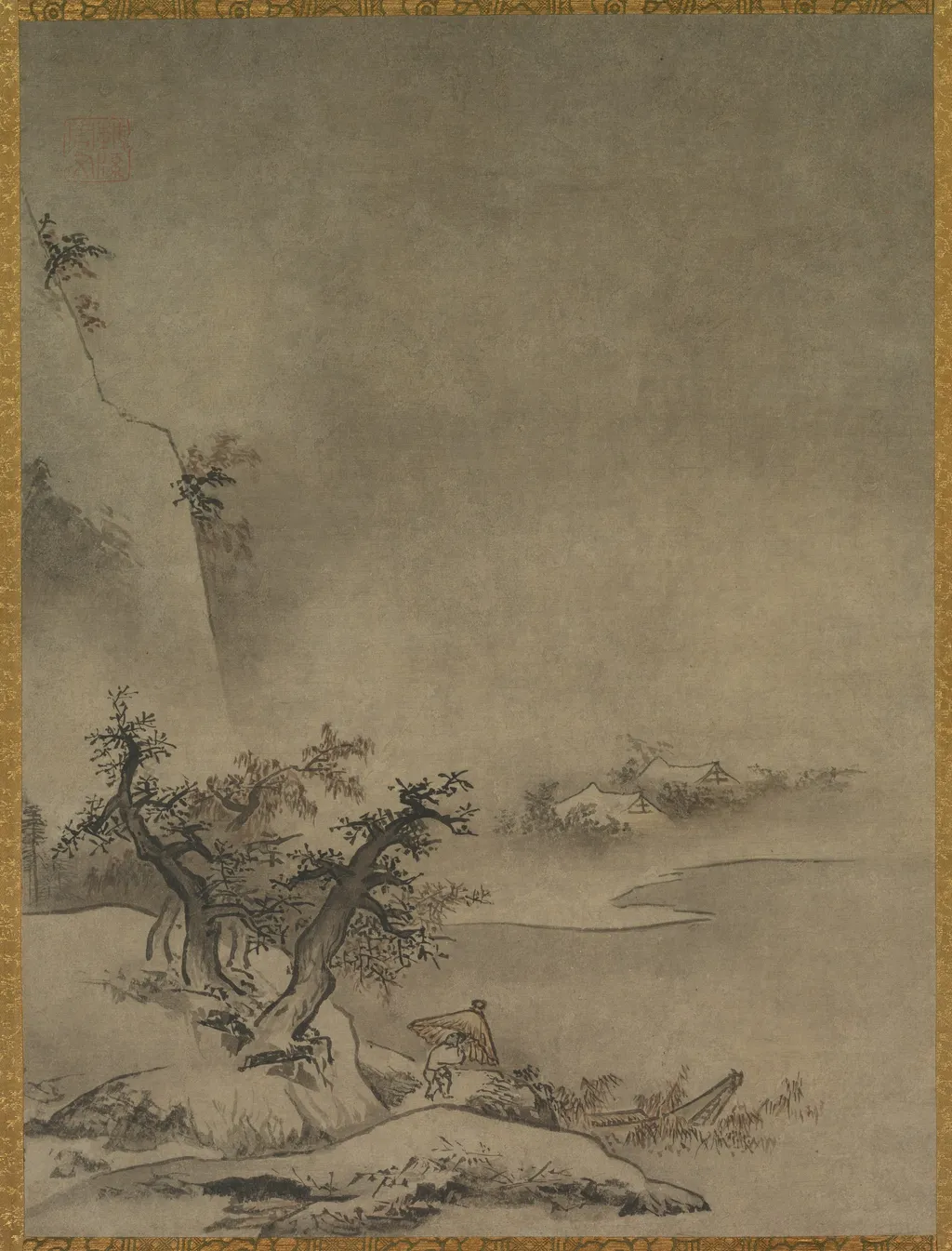
Chinese Servant Walking in the Rain is an unspecified painting by the Kanō school artist Gakuō Zōkyū. It is held in the collection of the Cleveland Museum of Art.
About this work
History & Provenance
Chinese Servant Walking in the Rain is held in the collection of the Cleveland Museum of Art, where it is recorded under the accession number 2015.
The painting titled Chinese Servant Walking in the Rain was created by Gakuō Zōkyū in 1549 in Japan. It entered the collection of the Cleveland Museum of Art, where it remains today.
The work is cataloged with a creation date of 1549-01-01 and is part of the museum's Asian art holdings.
Chinese Servant Walking in the Rain is held in the collection of the Cleveland Museum of Art, where it is recorded under the accession number 2015.512. The painting, dated 1549 and attributed to the Japanese artist Gakuō Zōkyū, was made in Japan and entered the museum's holdings as part of its painting collection.
No prior exhibition history is documented in the available sources beyond its current placement at the Cleveland Museum of Art.
Overview
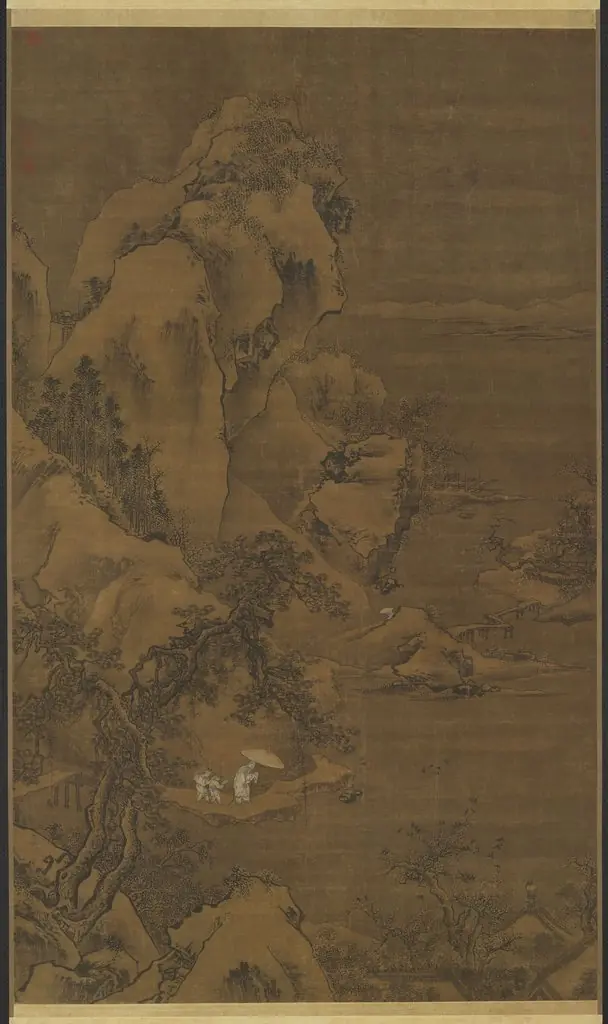
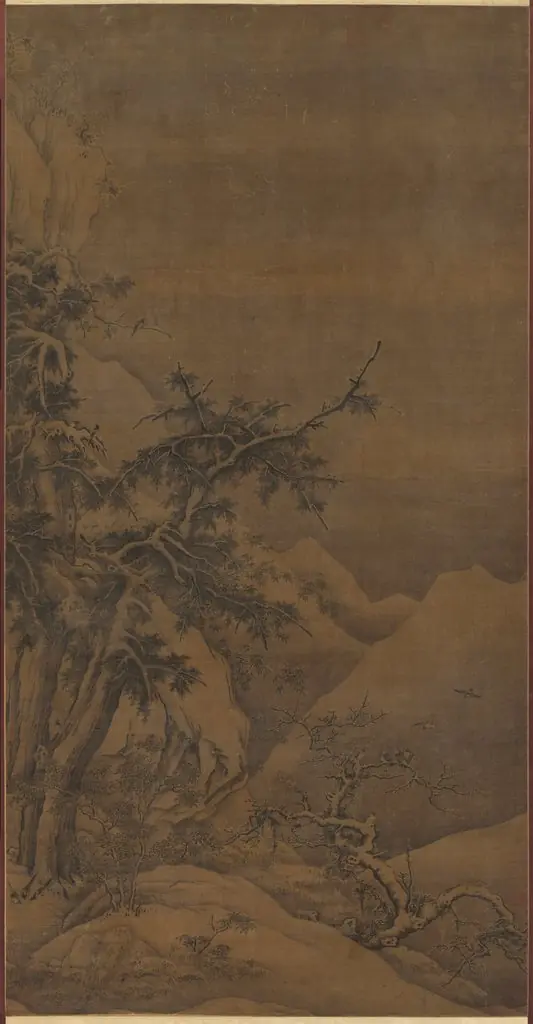
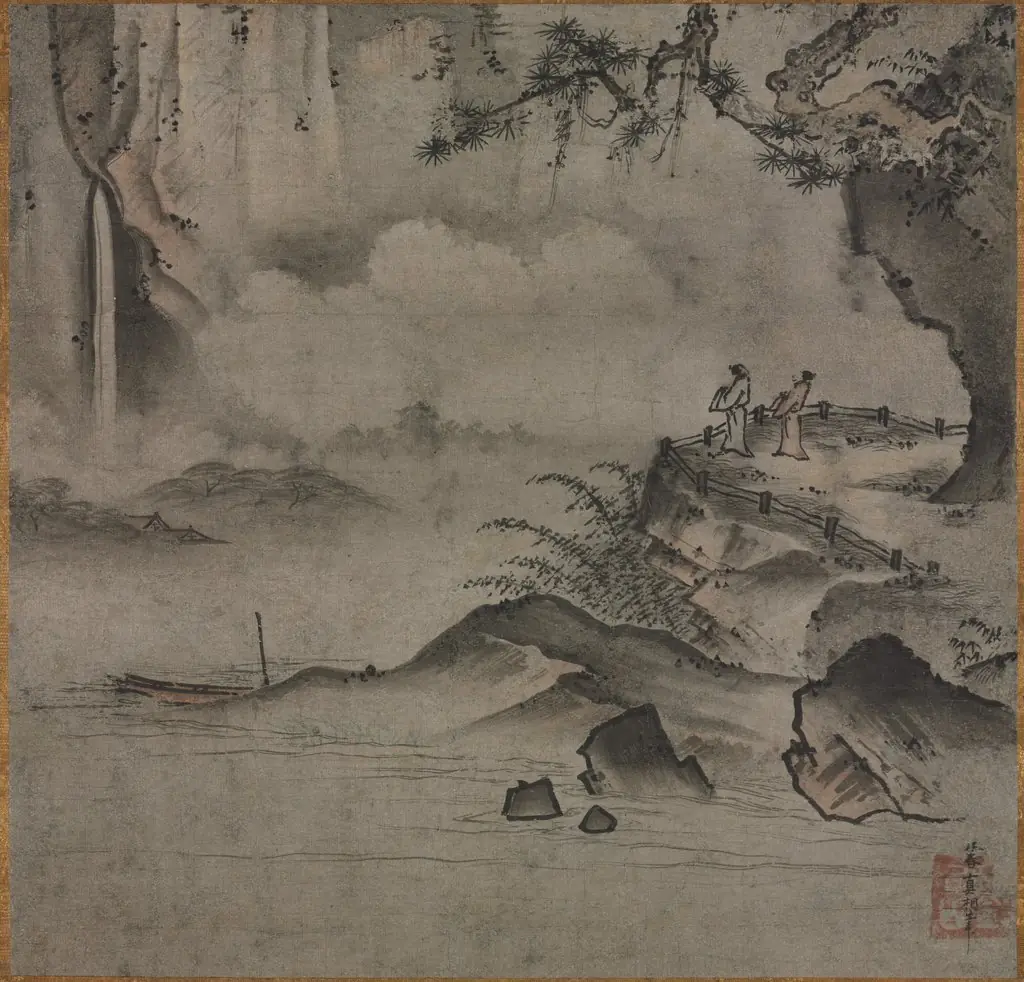
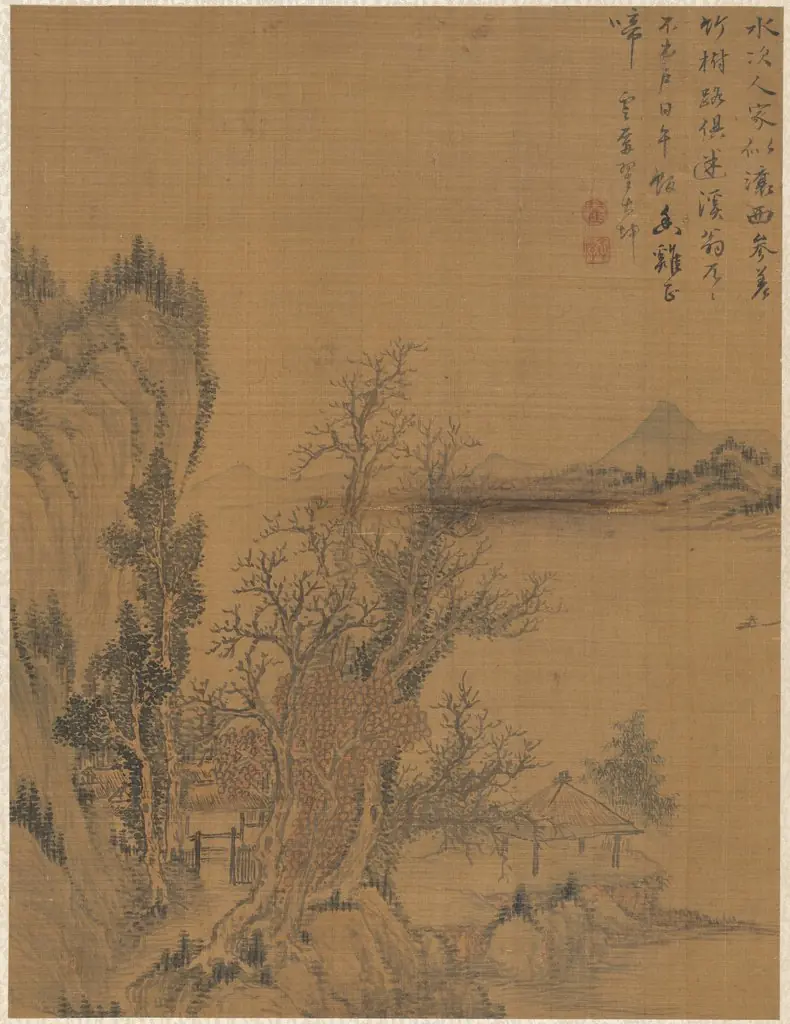
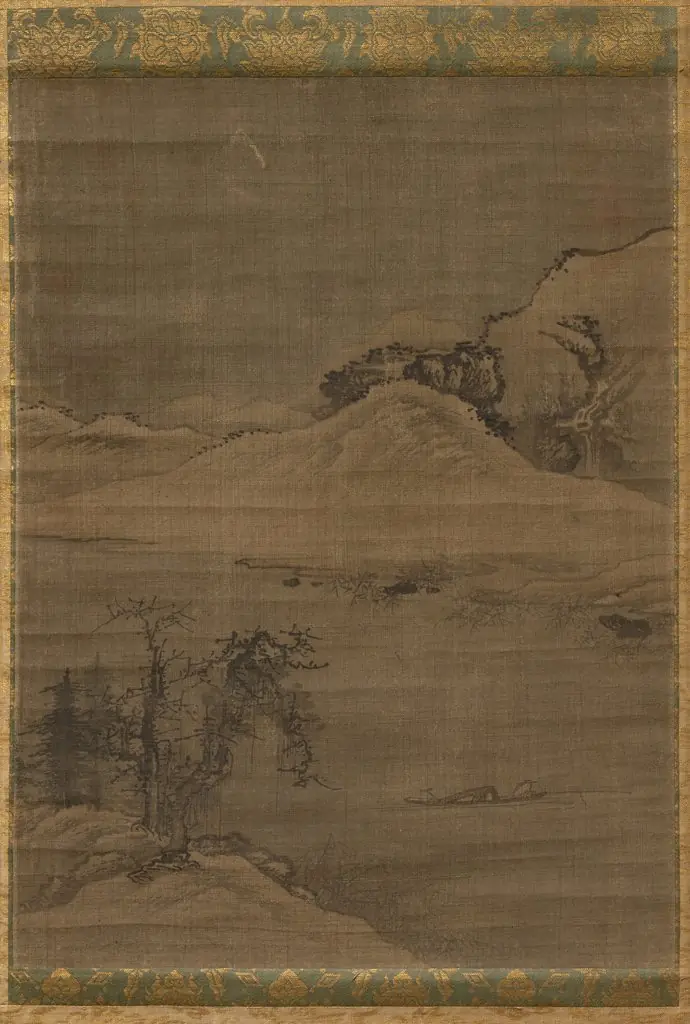
Created in 1549 by the Japanese artist Gakuō Zōkyū, this ink painting titled “Chinese Servant Walking in the Rain” is part of the collection of the Cleveland Museum of Art. The work depicts a solitary figure moving through a stark winter landscape, rendered with a restrained palette that emphasizes the chill of the scene.
Subject & Meaning
The composition centers on a lone individual, modestly attired and wearing a broad-brimmed hat, suggesting the role of a servant or itinerant traveler. The figure’s quiet progression along a snow‑covered path invites contemplation of solitude and endurance amid a desolate, wintry environment.
Technique & Style
Executed in traditional brushwork, the painting employs delicate ink washes to convey the texture of bare, twisted trees and the subtle gradations of snow and ice. The sparse, atmospheric rendering reflects the aesthetic principles of Japanese ink painting, where suggestion and negative space convey mood as much as line.
Context
Produced during the Momoyama period, a time of artistic experimentation in Japan, the painting aligns with contemporary interests in capturing everyday life and natural settings. The title’s reference to a “Chinese servant” reflects the period’s cultural exchanges and the artist’s engagement with broader East Asian themes.
Own this work as a print
Artist & collection