Artwork
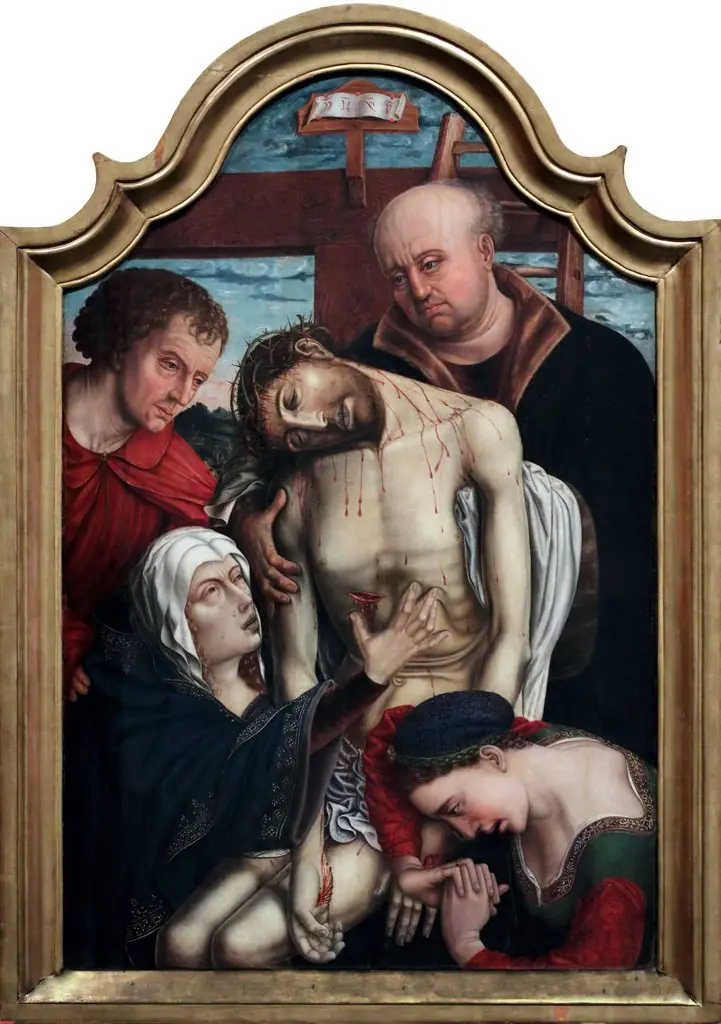
Lamentation of Christ
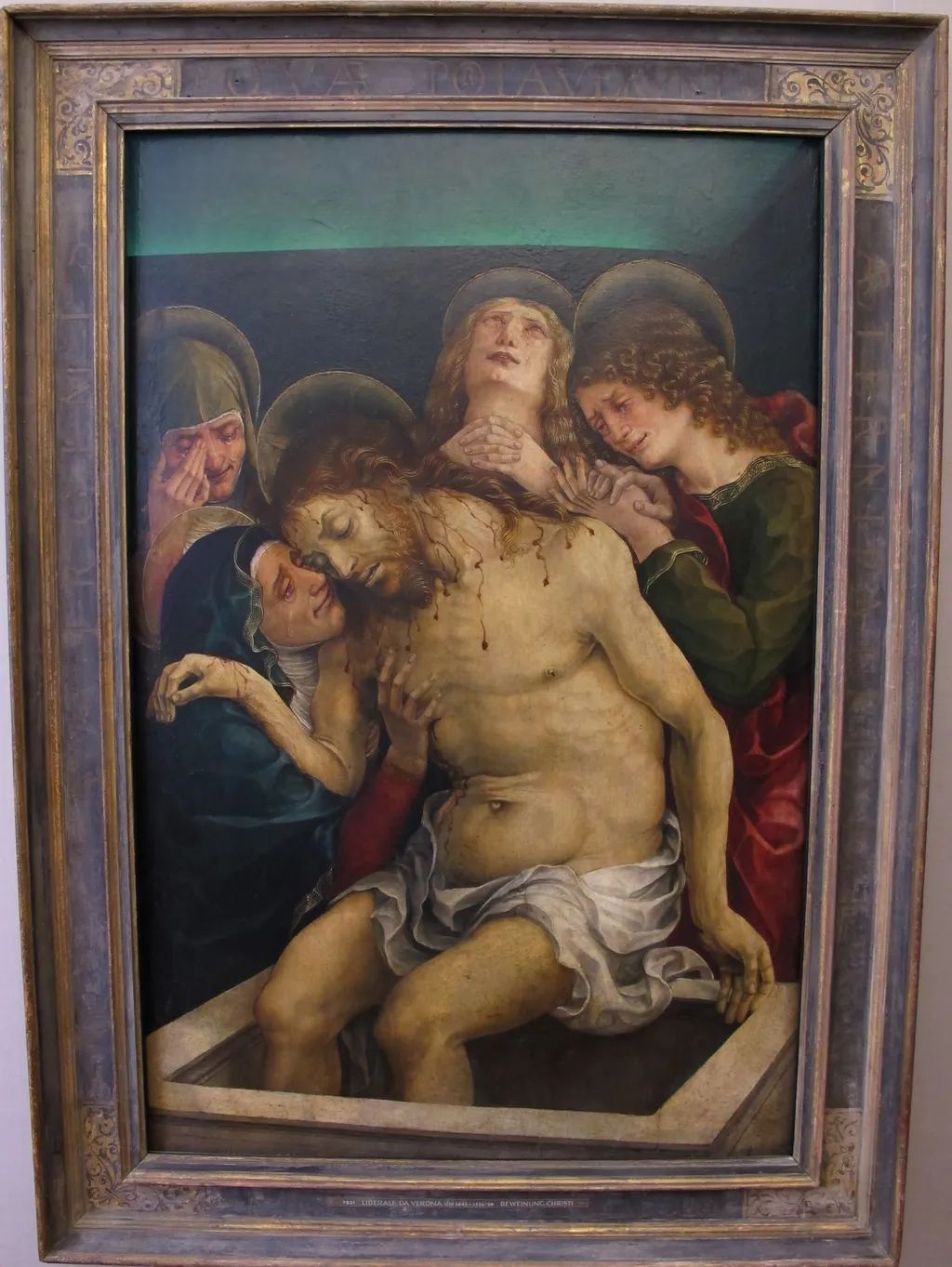
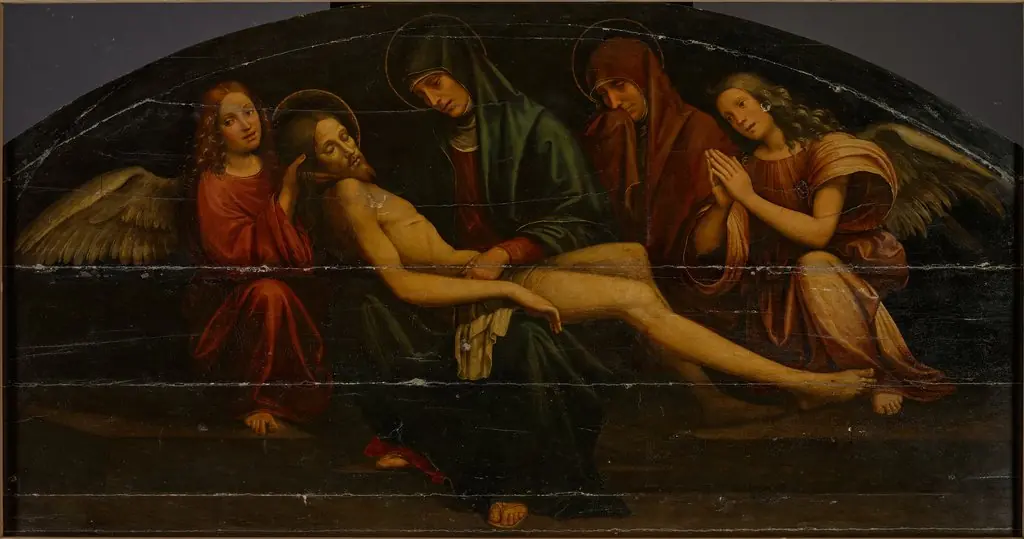
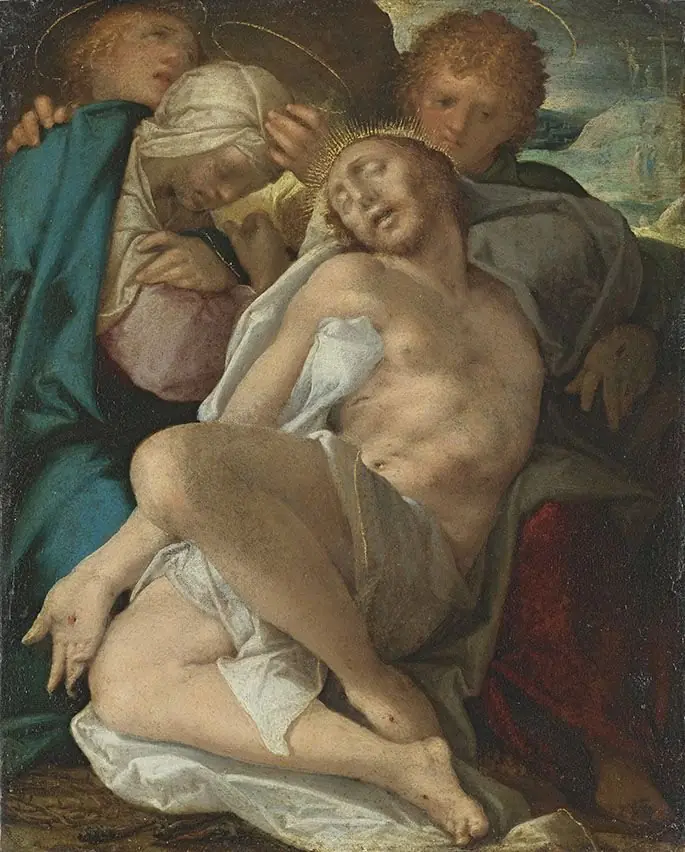
Lamentation of Christ is an unspecified painting by the Early Renaissance artist Liberale da Verona. It dates from 1496 and is held in the collection of the Bavarian State Painting Collections.
About this work
Subject & Meaning
As a piece of religious genre painting, the image serves as a visual meditation on the sorrow and human suffering associated with the Passion narrative.
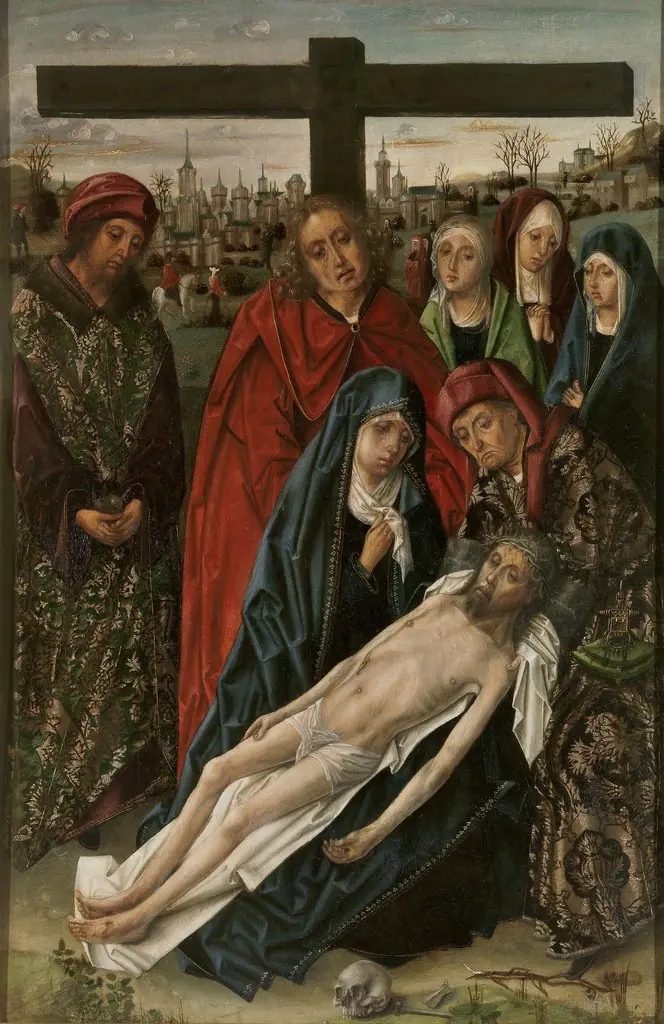
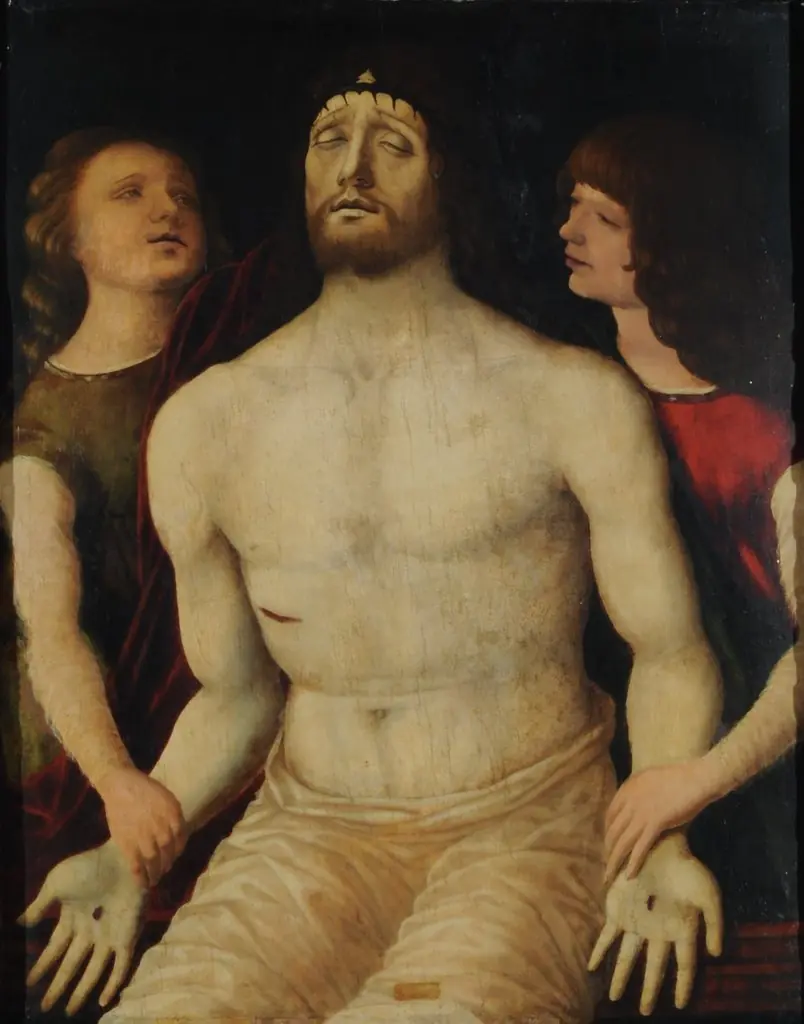
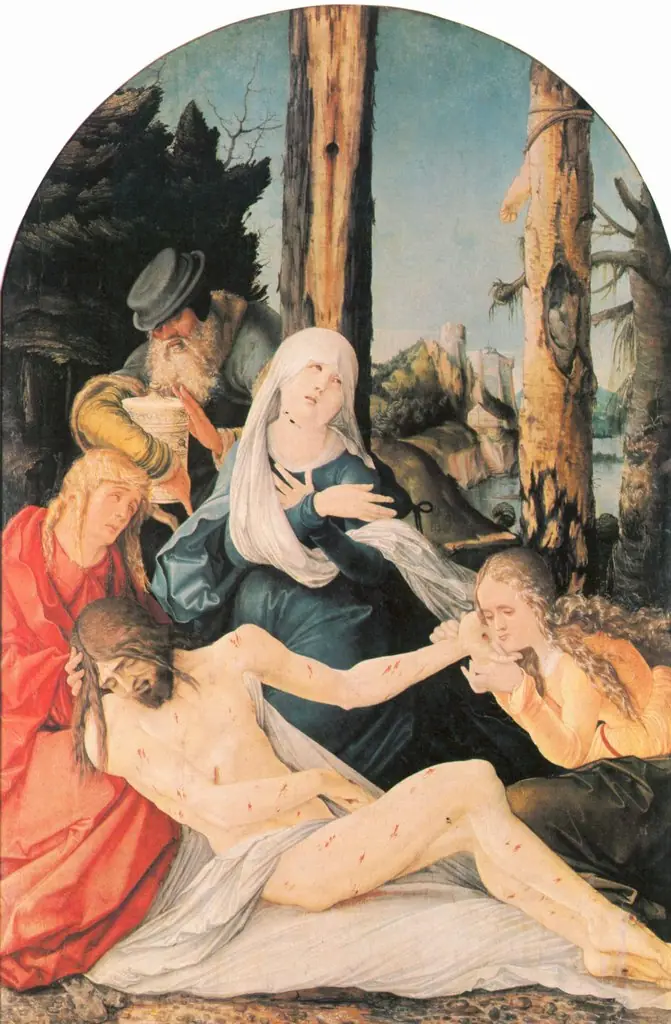
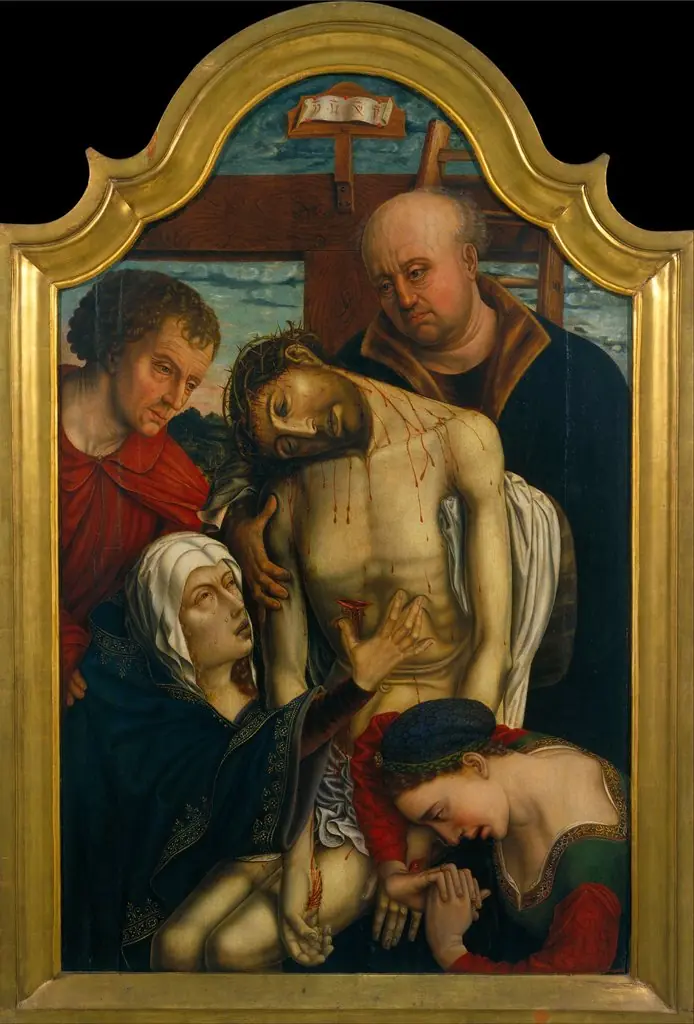
Liberale da Verona's 1490 painting depicts the Lamentation of Christ, a central scene in Christian religious art showing the mourning of Jesus following his crucifixion. The work's primary subject is Jesus Christ, portrayed in the moment of grief shared by his followers before his burial. As a piece of religious genre painting, the image serves as a visual meditation on the sorrow and human suffering associated with the Passion narrative.
The composition focuses entirely on this specific biblical event, emphasizing the emotional weight of the death of Christ without incorporating extraneous narrative elements.
History & Provenance
The Lamentation of Christ was painted by Liberale da Verona in 1490 as part of the Bavarian State Painting Collections' holdings. It entered the Alte Pinakothek in Munich, where it remains on display. The work is a religious painting depicting Jesus Christ and is cataloged under the artist's name in the collection's records.
Lamentation of Christ is held by the Bavarian State Painting Collections and is accessioned under the inventory number of the Alte Pinakothek in Munich. The work entered public view through exhibitions at the Alte Pinakothek, where it has been displayed as part of the museum's Renaissance collection.
Legacy
The Lamentation of Christ by Liberale da Verona, painted in 1490 for the Bavarian State Painting Collections, has been recognized as an influential religious work within the corpus of early Renaissance art. Its composition and emotional rendering of the Virgin Mary and St. John have informed later devotional paintings across Central Europe, particularly in the portrayal of mourning figures in the late 15th and early 16th centuries. The work remains on display at the Alte Pinakothek in Munich, where it continues to be studied for its stylistic impact on subsequent artists working in the German lands.
Overview
Liberale da Verona’s Lamentation of Christ, executed in 1496, is an oil painting that presents the biblical scene of Christ’s followers mourning his dead body. The work is part of the collection of the Alte Pinakothek in Munich, where it is displayed among other Renaissance pieces.
Technique & Style
Liberale employs a restrained palette of muted earth tones, allowing the pale flesh of Christ to stand out against the darker garments of the surrounding figures. The handling of light creates a subtle chiaroscuro that models the bodies and emphasizes the emotional weight of the scene. The painter’s linear draftsmanship reflects the influence of Northern Italian Renaissance conventions.
Context
The Lamentation was a common devotional subject in the late medieval and early Renaissance periods, often used to inspire contemplation of Christ’s sacrifice. Liberale’s version aligns with contemporary Italian interpretations that emphasize human emotion, contrasting with earlier, more symbolic representations.
Own this work as a print
Artist & collection


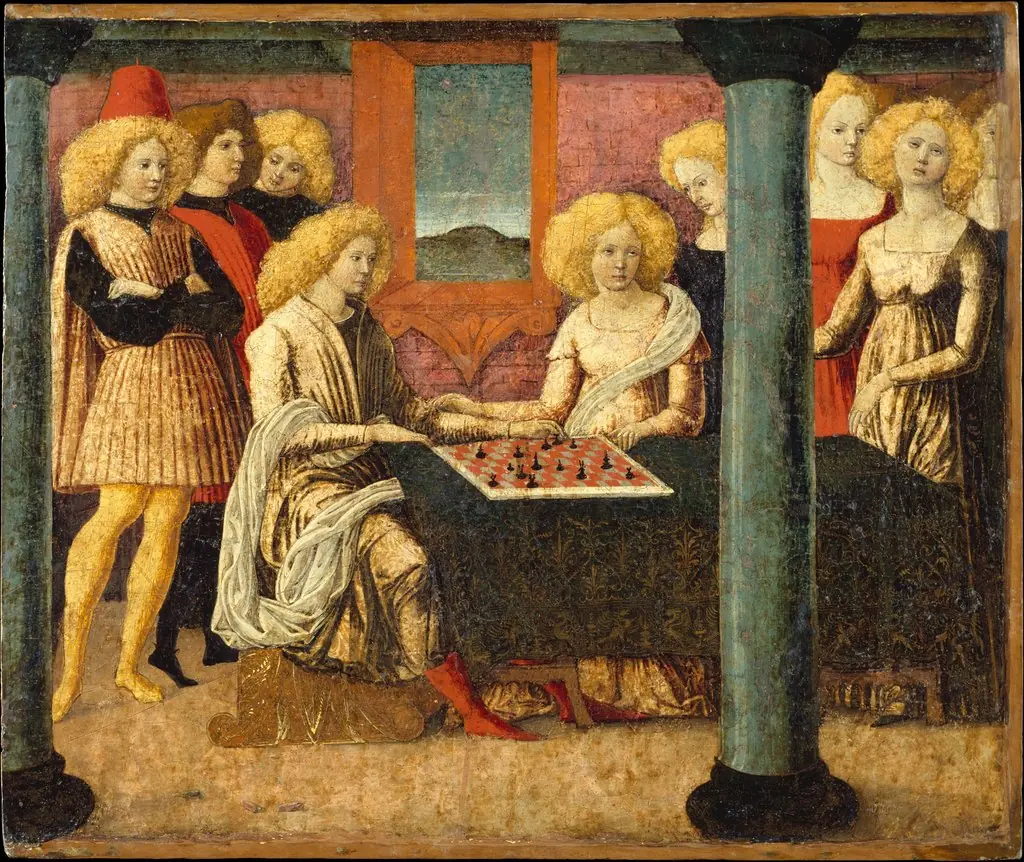 The Chess Players
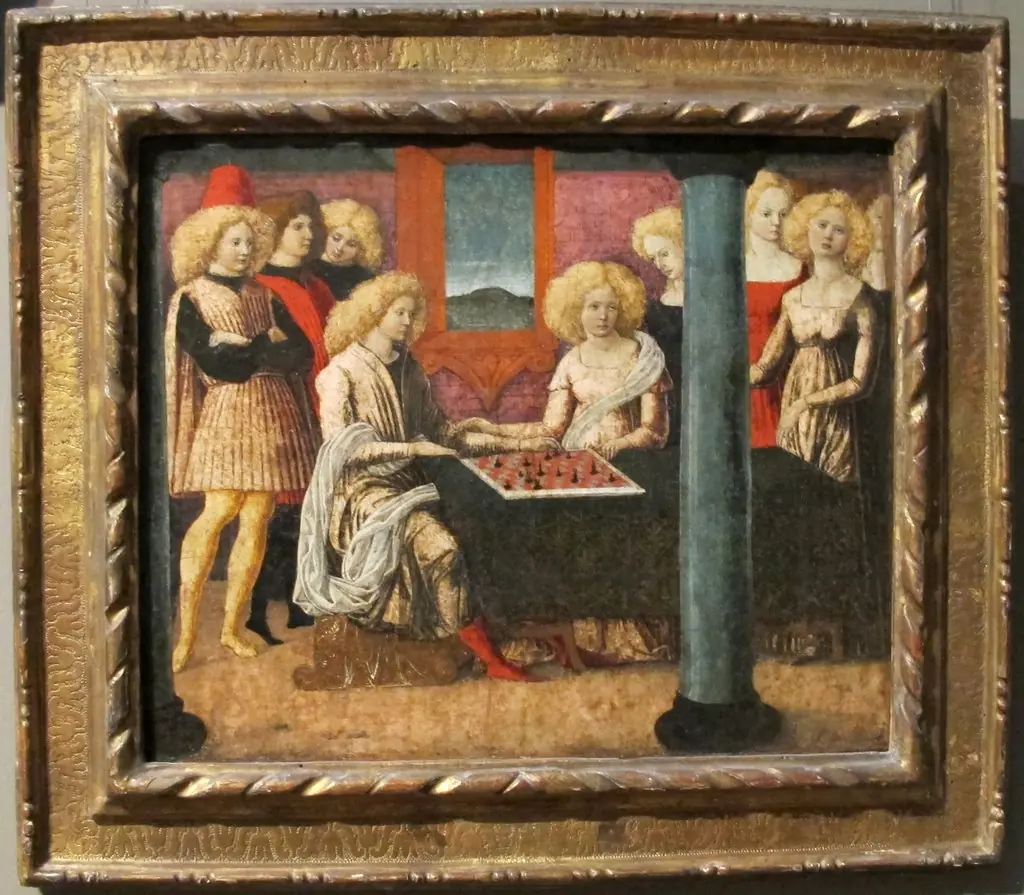 Chess player's novella
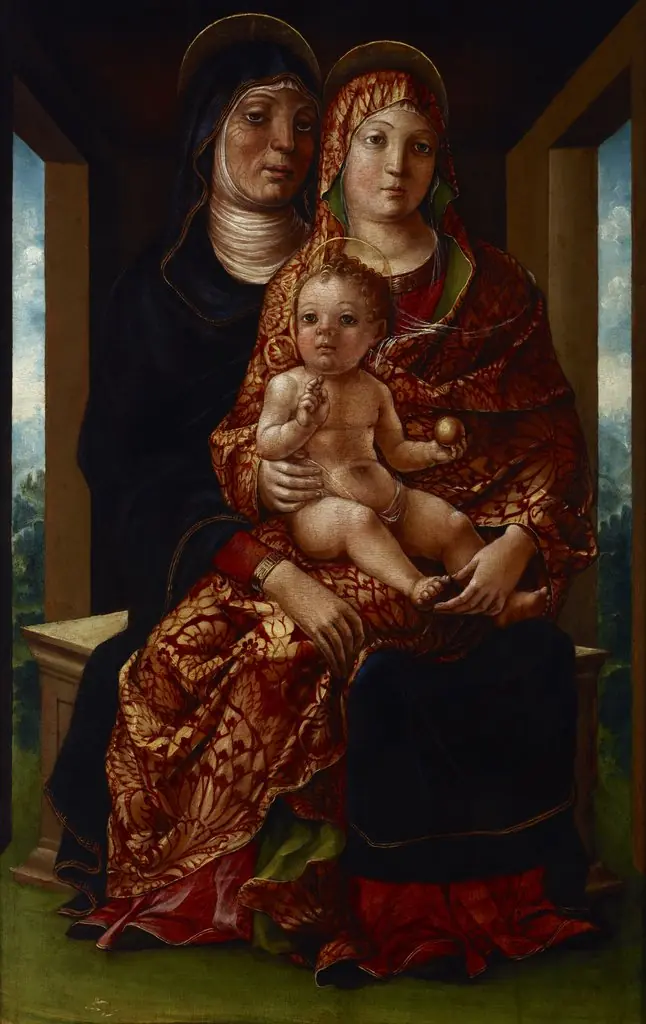 Madonna and Child with Saint Anne
 Saint Sebastian
 Thronende Maria mit dem segnenden Kind und den Heiligen Benedikt von Nursia, Laurentius und Bernhard von Clairvaux
 Petrus heilt einen Lahmen
 Simon Magus offering St Peter money for the power of conferring The Holy Spirit
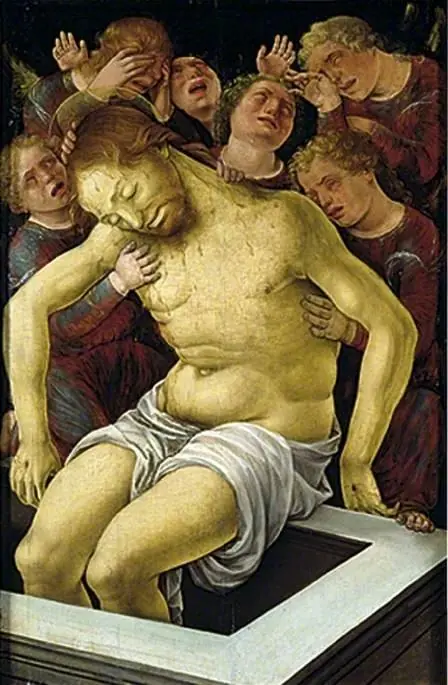 The dead Christ supported by mourning angels