Artwork
Portrait of Carlota Vidal
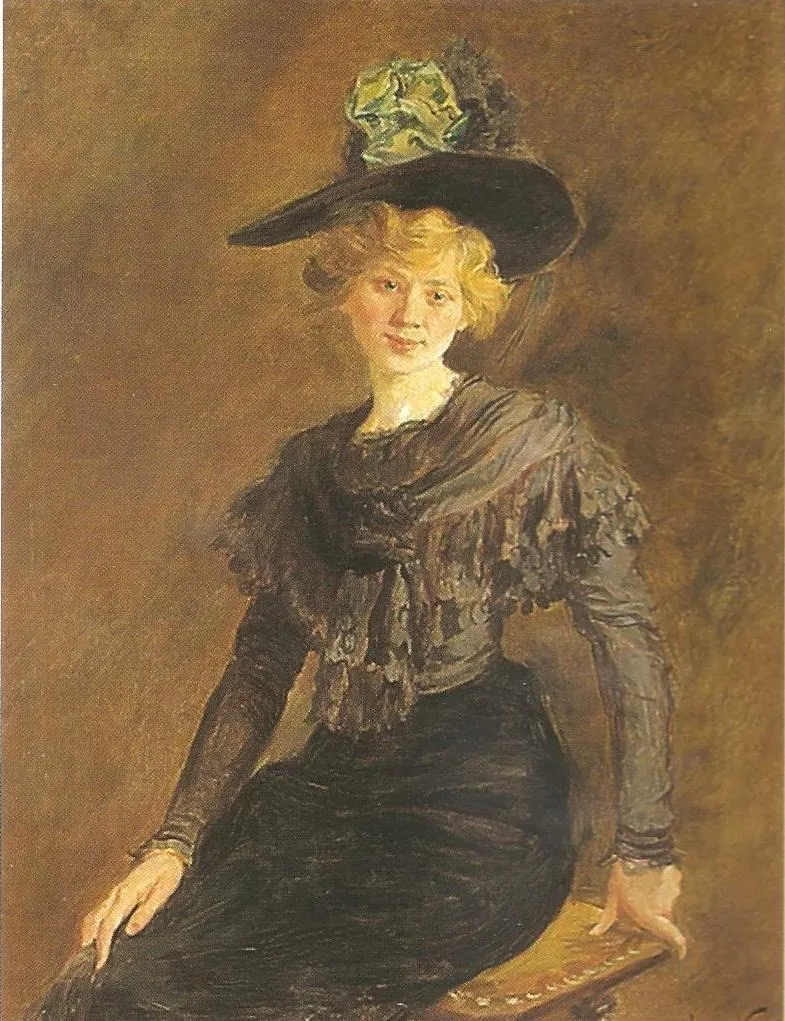
Portrait of Carlota Vidal is an oil painting by the Art Nouveau artist Lluïsa Vidal. It dates from 1905 and is held in the collection of the Museu Nacional d'Art de Catalunya.
About this work
Overview
Executed during the height of Catalan modernism, the work reflects the artist’s training in European art centers and her commitment to portraiture.
Painted in 1905 by Lluïsa Vidal, this oil portrait captures her sister Carlota Vidal in a composed, introspective pose. Executed during the height of Catalan modernism, the work reflects the artist’s training in European art centers and her commitment to portraiture. Vidal, one of the few professional female painters in her region at the time, brought a refined sensitivity to domestic and familial subjects, distinguishing her within a male-dominated artistic landscape.
Subject & Meaning
Carlota Vidal is portrayed in formal attire, a dark dress and a hat trimmed with a green ribbon, suggesting a moment of quiet dignity. Her slight turn to the left and resting hand convey stillness rather than performance. The painting avoids theatricality, instead emphasizing personal presence.
As a portrait of a family member by a woman artist, it carries subtle implications of intimacy and self-representation, uncommon in public art of the period.
Technique & Style
Lluïsa Vidal employs chiaroscuro to model the figure with soft gradations of light and shadow, enhancing the three-dimensionality of Carlota’s form. The warm, muted background recedes gently, focusing attention on the subject’s face and hands. Brushwork is controlled yet fluid, aligning with Art Nouveau’s emphasis on organic lines and refined detail. The palette remains restrained, reinforcing the portrait’s somber elegance without ornamentation.
History & Provenance
The painting remained within the Vidal family after its completion, a common practice for works by women artists of the era who often lacked institutional recognition. Lluïsa Vidal, raised in a culturally engaged Barcelona household, had access to private collections and international training, which informed her technique. The work’s survival in private hands reflects both familial preservation and the limited public exhibition opportunities available to female artists at the time.
Context
In early 20th-century Catalonia, women were rarely accepted as professional artists. Lluïsa Vidal’s access to art education abroad and her participation in modernist circles were exceptional. While male contemporaries pursued public commissions and large-scale murals, she focused on intimate portraits, navigating societal constraints through domestic subjects. This painting exemplifies how women artists carved space for expression within the boundaries of their social roles.
Legacy
Though overshadowed in her time by male peers, Lluïsa Vidal’s body of work, including this portrait, has gained renewed scholarly attention for its technical poise and historical significance. The painting stands as a quiet testament to the presence of women in modernist art, not as outliers but as skilled practitioners whose contributions were shaped by, and resisted, the limitations of their era.
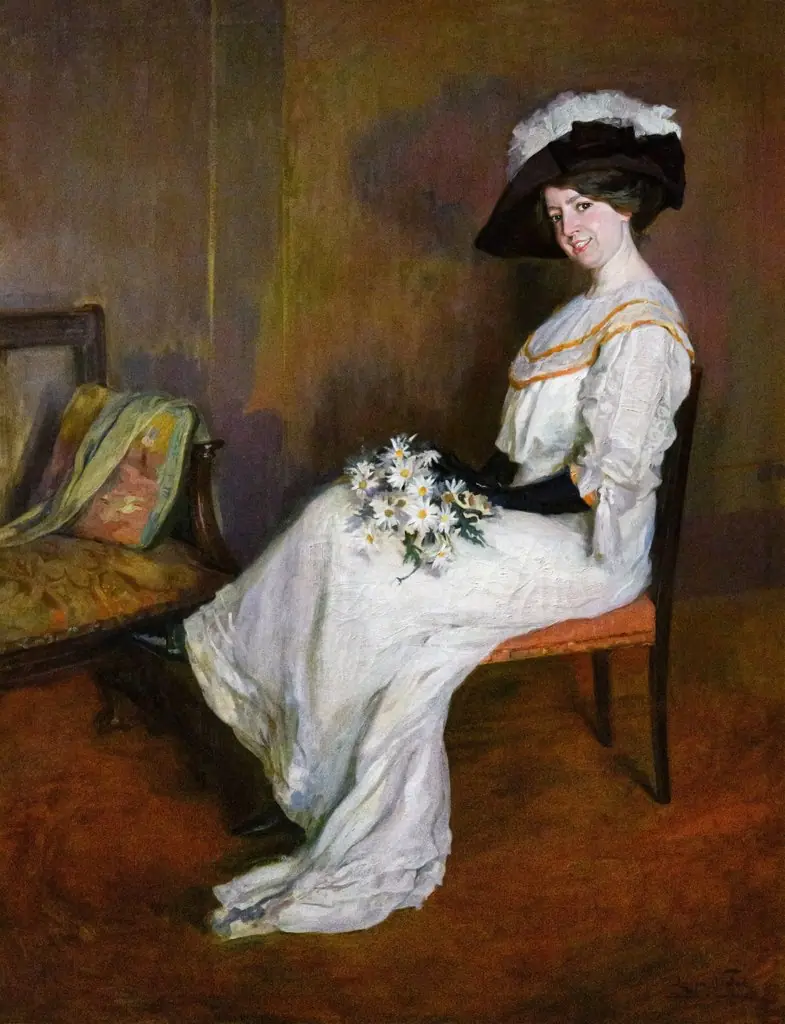
Artist & collection
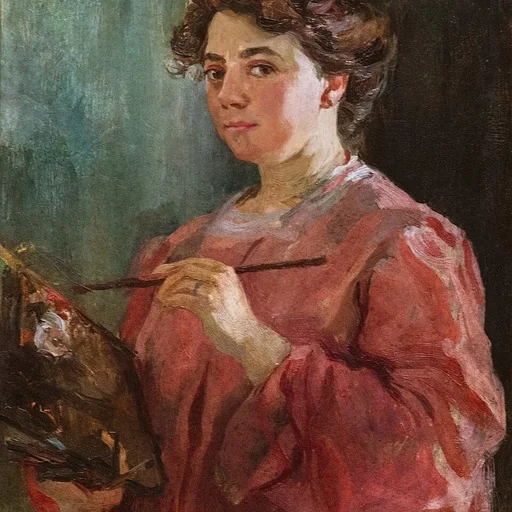
Artist
Lluïsa Vidal i Puig (Barcelona, 2 April 1876 – 22 October 1918) was a painter. Raised in a well-off family closely related to Catalan modernist circles, she is known as the only professional woman painter of Catalan…

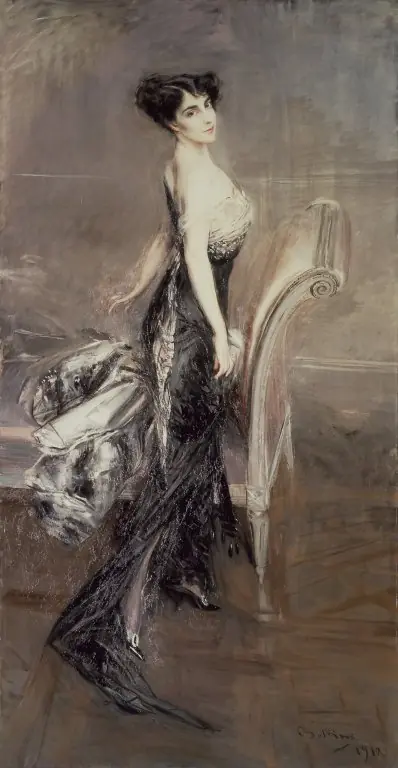 Portrait of a lady
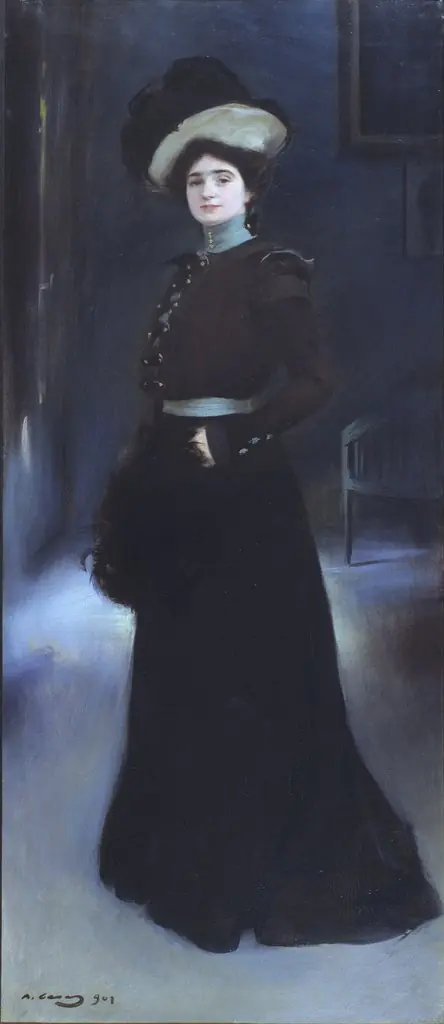 Portrait of Isabel Llorach
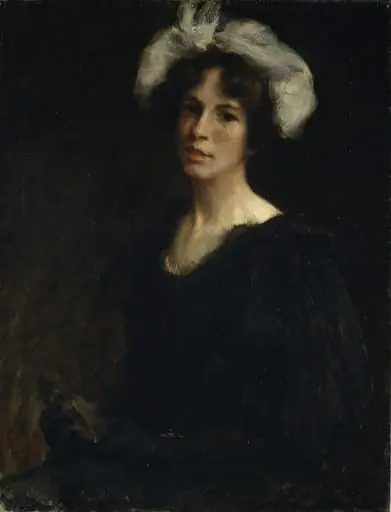 Bessie Potter
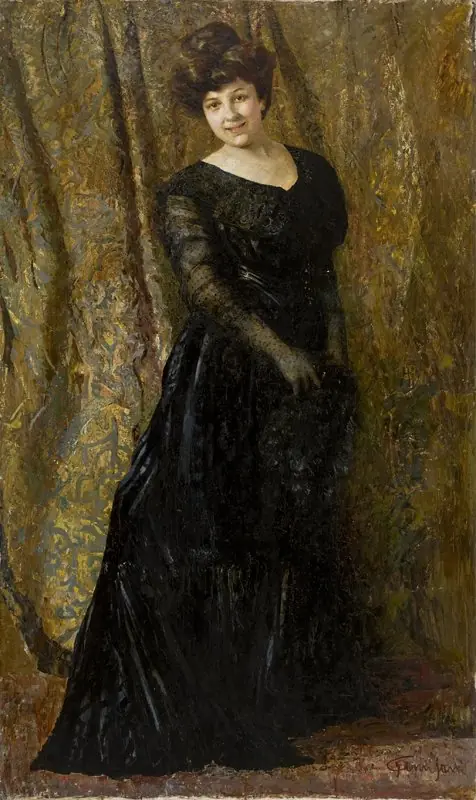 Standing lady
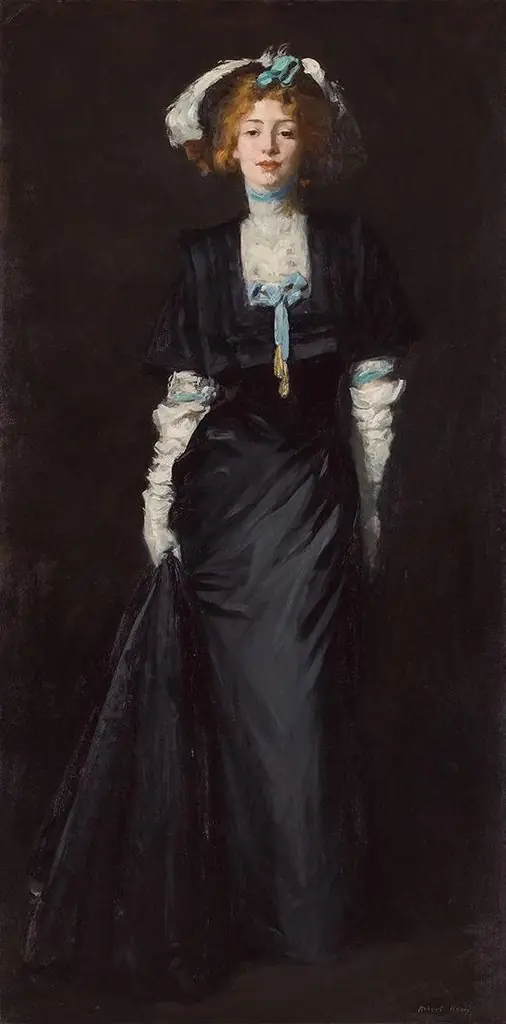 Jessica Penn in Black with White Plumes
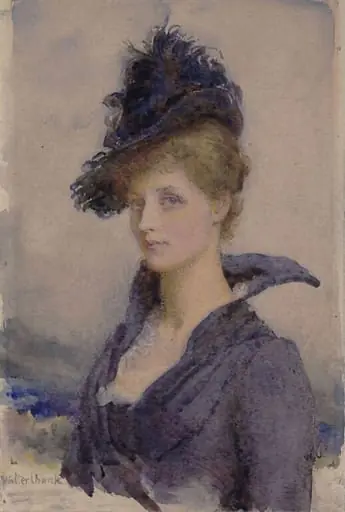 Study from a model for the full length painting of Lady Middleton, wife of Digby, 9th Lord Middleton
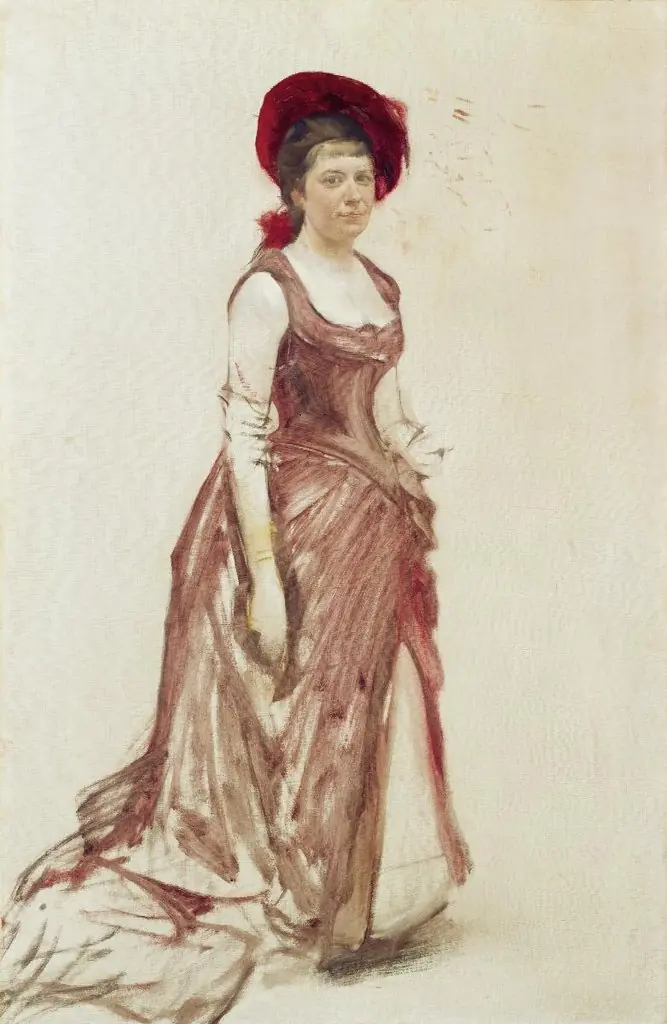 Bildnis Lydia Welti-Escher im roten Kleid
 Femeie în fotoliu
 Portret de femeie
 Portret de femeie