Artwork
Carel Herman Aart van der Wijck (1840-1914). Gouverneur-generaal (1893-99)
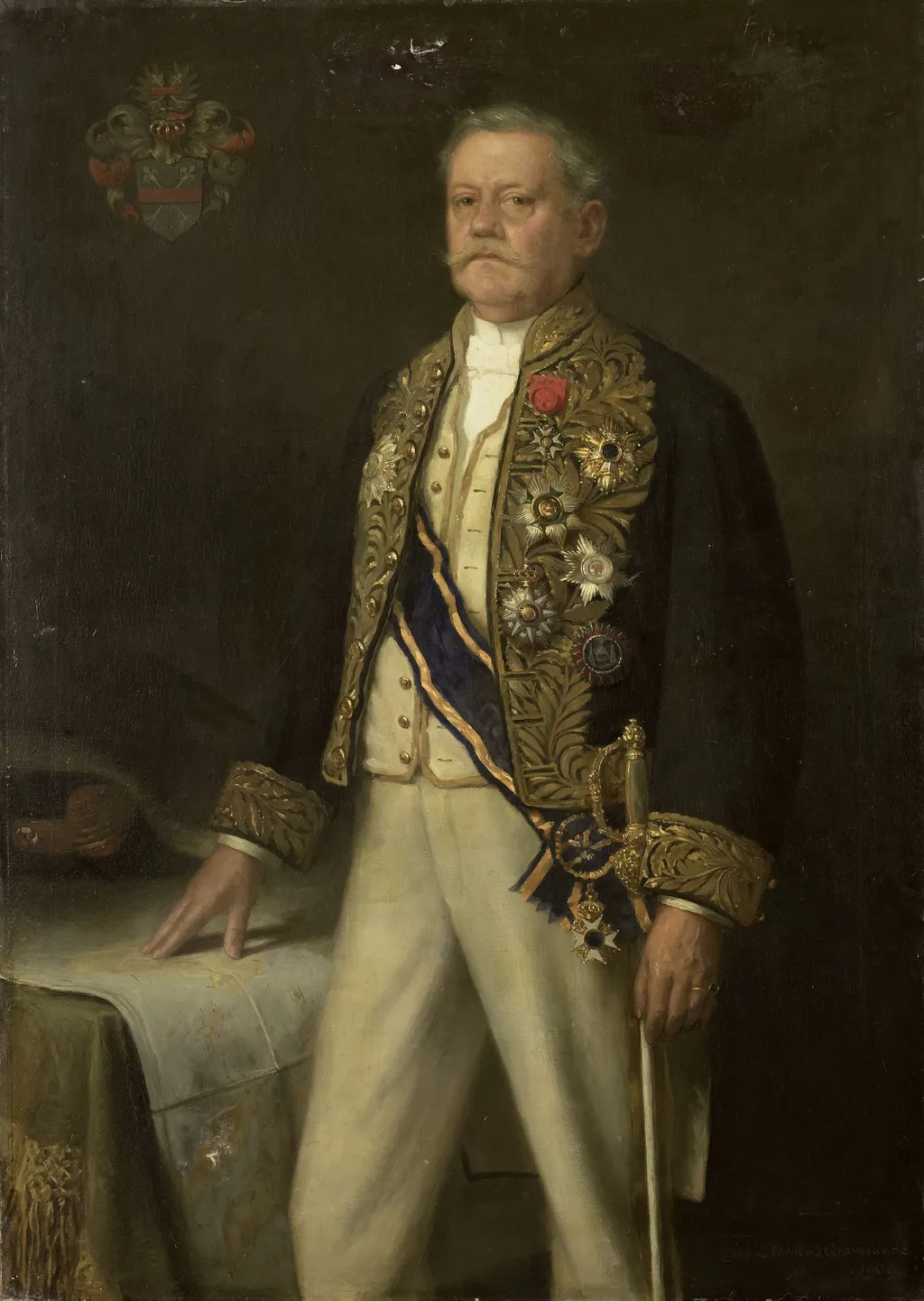
Carel Herman Aart van der Wijck (1840-1914). Gouverneur-generaal (1893-99) is an oil painting by the Post-Impressionist artist Louis Storm van 's-Gravensande. It dates from 1900 and is held in the collection of the Rijksmuseum.
About this work
Subject & Meaning
The work is a portrait of Carel Herman Aart van der Wijck, the Dutch colonial official who served as Governor-General of the Dutch East Indies from 1893 to 1899. As a formal state portrait produced in 1900 by Louis Storm van 's-Gravensande, it belongs to a tradition of official imagery intended to commemorate high-ranking administrators of the Netherlands Indies, and is held in the Landvoogd-Galerij (Governors-General Gallery) at the Rijksmuseum.
The painting's iconography centers on the dignified representation of Van der Wijck's person and office, presenting him as the embodiment of colonial governance at the close of the nineteenth century. By depicting the subject at the conclusion of his term, the portrait functions as a memorial image, marking both his individual identity and the institutional authority he represented during a pivotal period of Dutch rule in the archipelago.
Technique & Style
Created in 1900 by Louis Storm van 's-Gravensande, this portrait is executed in oil paint on a canvas support. The work measures 153 cm in height and 108 cm in width. As a formal portrait, it depicts Carel Herman Aart van der Wijck, the Governor-General of the Dutch East Indies from 1893 to 1899. The painting is part of the Landvoogd-Galerij (Governors-General Gallery) collection.
History & Provenance
It entered the collection of the Rijksmuseum, where it remains today in the Landvoogd-Galerij, and was first catalogued with an inception date of 1900-01-01.
Louis Storm van 's-Gravensande painted this portrait of Carel Herman Aart van der Wijck in 1900, depicting the Dutch colonial official who served as Governor-General of the Dutch East Indies from 1893 to 1899. The work was created as an oil painting on canvas, measuring 153 cm in height and 108 cm in width, and was commissioned to represent van der Wijck in his official capacity. It entered the collection of the Rijksmuseum, where it remains today in the Landvoogd-Galerij, and was first catalogued with an inception date of 1900-01-01.
Context
Van der Wijck served as Governor-General of the Dutch East Indies from 1893 to 1899, a period marked by colonial consolidation and ethical policy debates. His portrait by Louis Storm van 's-Gravensande, painted in 1900, reflects the era's emphasis on administrative authority and imperial representation. The work, housed in the Rijksmuseum's collection including the Istana Negara location, exemplifies late 19th-century Dutch portraiture focused on official stature.
Scholarship situates this commission within the broader context of colonial visual culture, where such portraits reinforced hierarchical power structures during the Ethical Policy period.
Overview
Louis Storm van ’s‑Gravensande’s oil portrait, executed in 1900, presents Carel Herman Aart van der Wijck, who served as Governor‑General of the Dutch East Indies from 1893 to 1899. The work is part of the Rijksmuseum’s collection and measures the stature of a senior colonial administrator through formal attire and a composed stance.
Own this work as a print
Artist & collection
Artist
Louis Storm van 's-Gravensande
Louis Storm van 's-Gravensande (1861–1930) was an artist, born in Vorden.

- Untitled
 Pieter Mijer (1812-81). Gouverneur-generaal (1866-71)
 Untitled
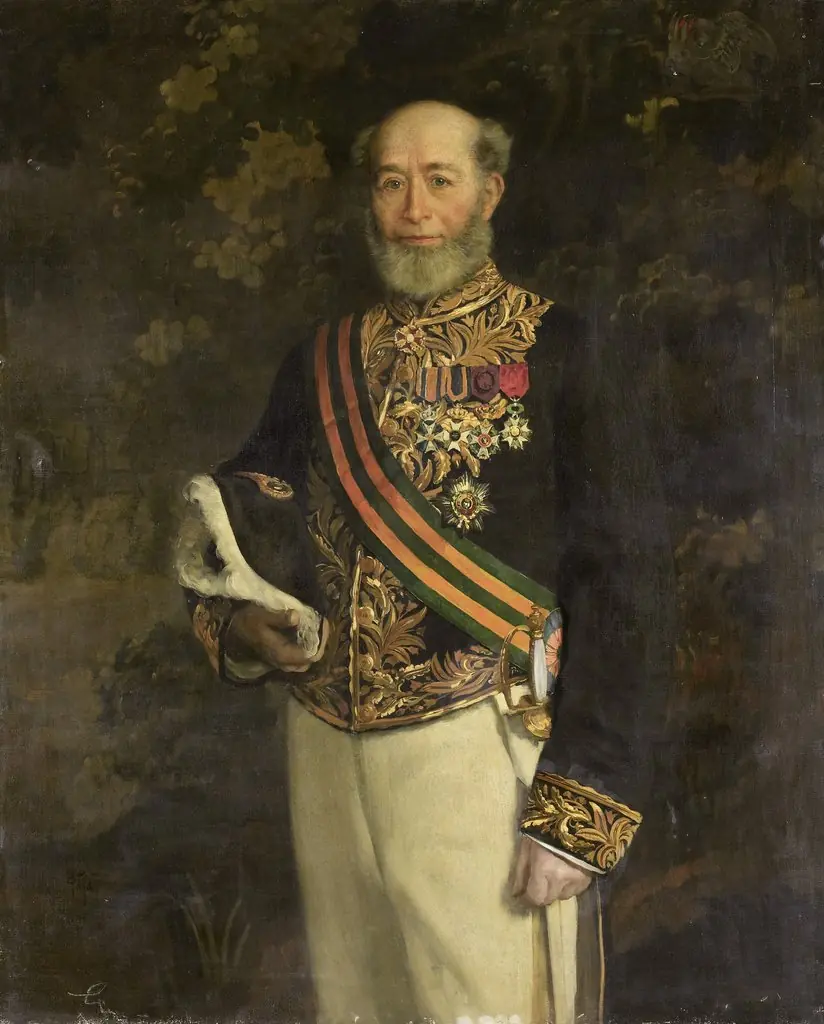 Frederik s'Jacob (1822-1901). Gouverneur-generaal (1880-84)
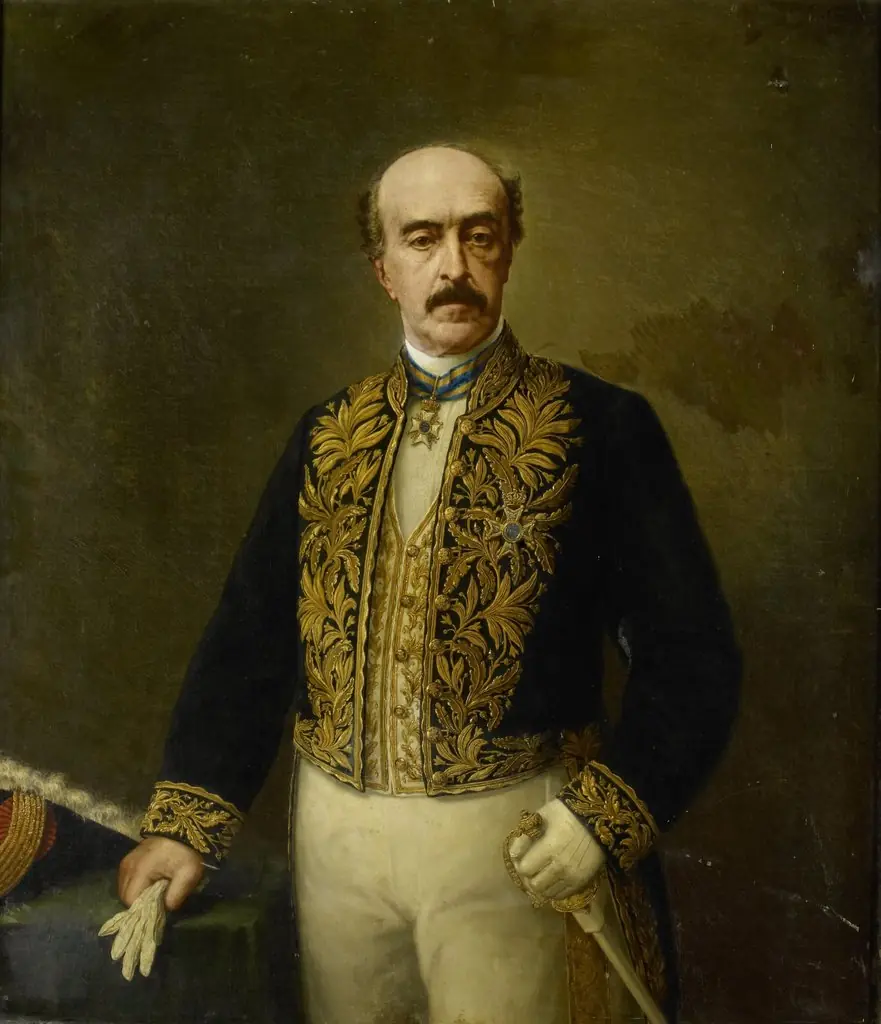 Otto van Rees (1823-92). Gouverneur-generaal (1884-88)
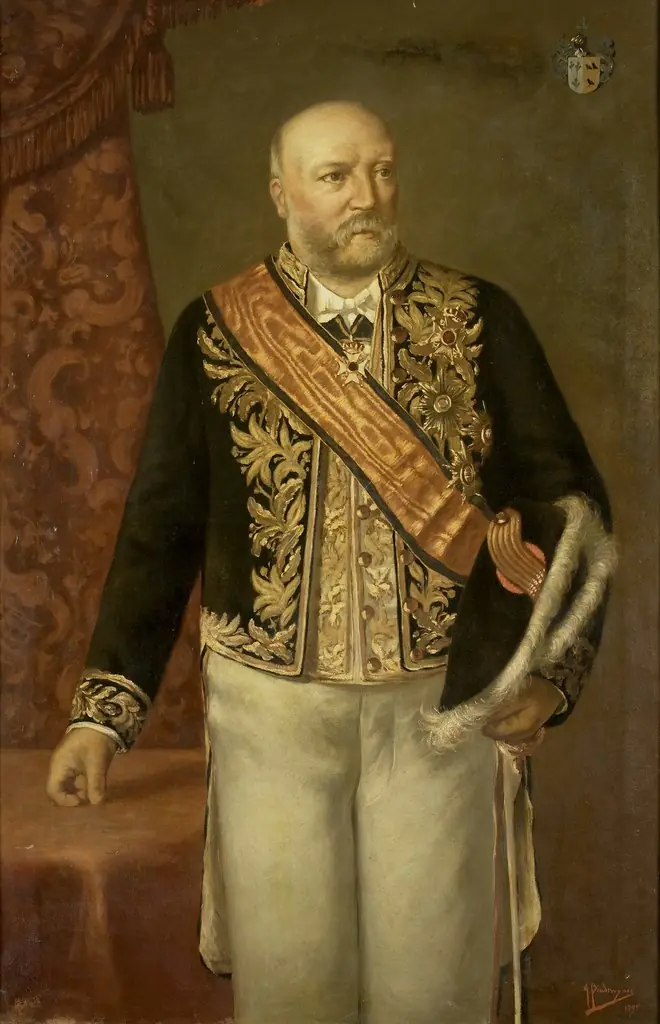 Cornelis Pijnacker Hordijk (1847-1908). Gouverneur-generaal (1888-93)
 Untitled
 Untitled
 Johannes Benedictus van Heutsz (1851-1924). Gouverneur-generaal (1904-09)
 Untitled
 Untitled
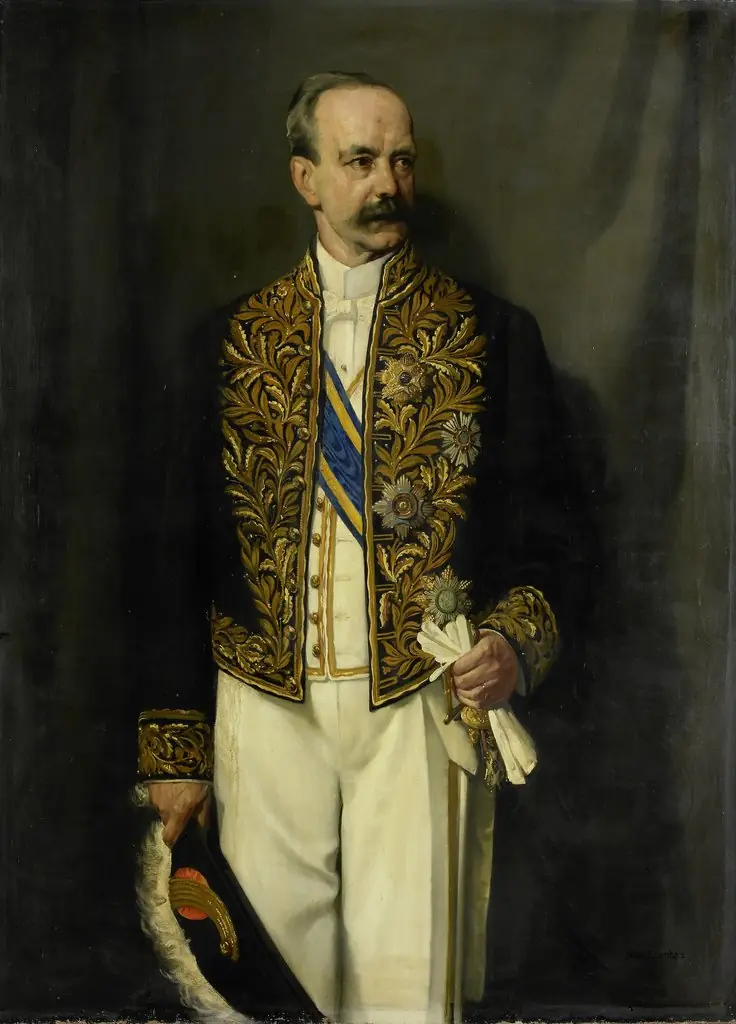 Alexander Willem Frederik Idenburg (1861-1935). Governor-General (1909-16)
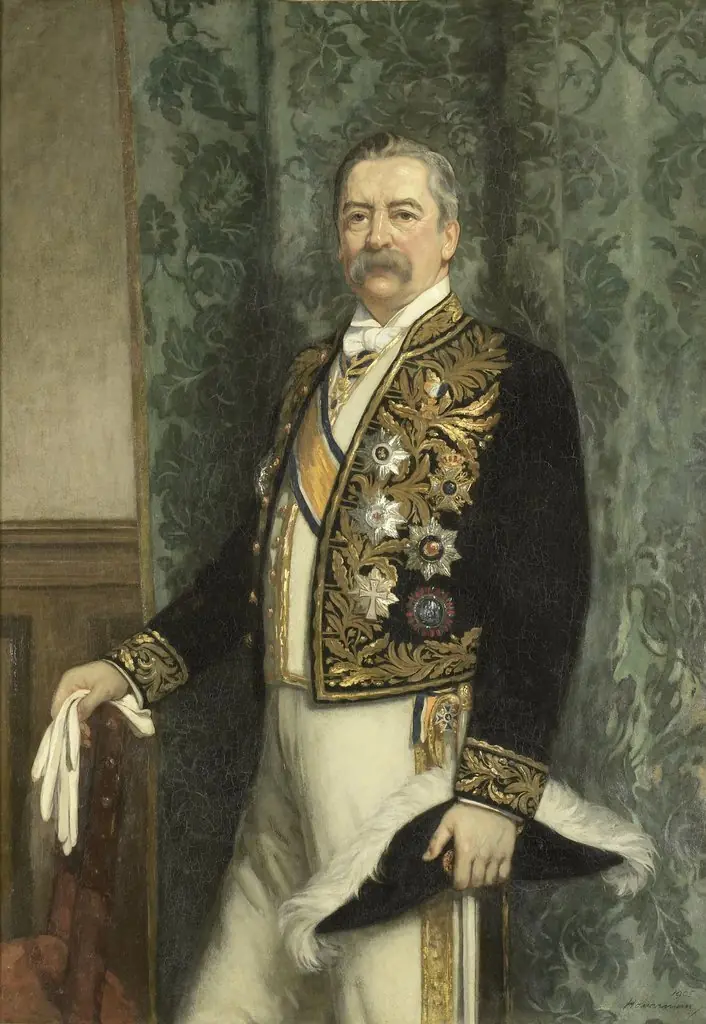 Portrait of Willem Rooseboom (1843-1920), Gouverneur-generaal (1899-1904)
 Saturnino Esteban Collantes y Miquel conde de Esteban Collantes
 Tomás Rodríguez Rubí ministro de Ultramar
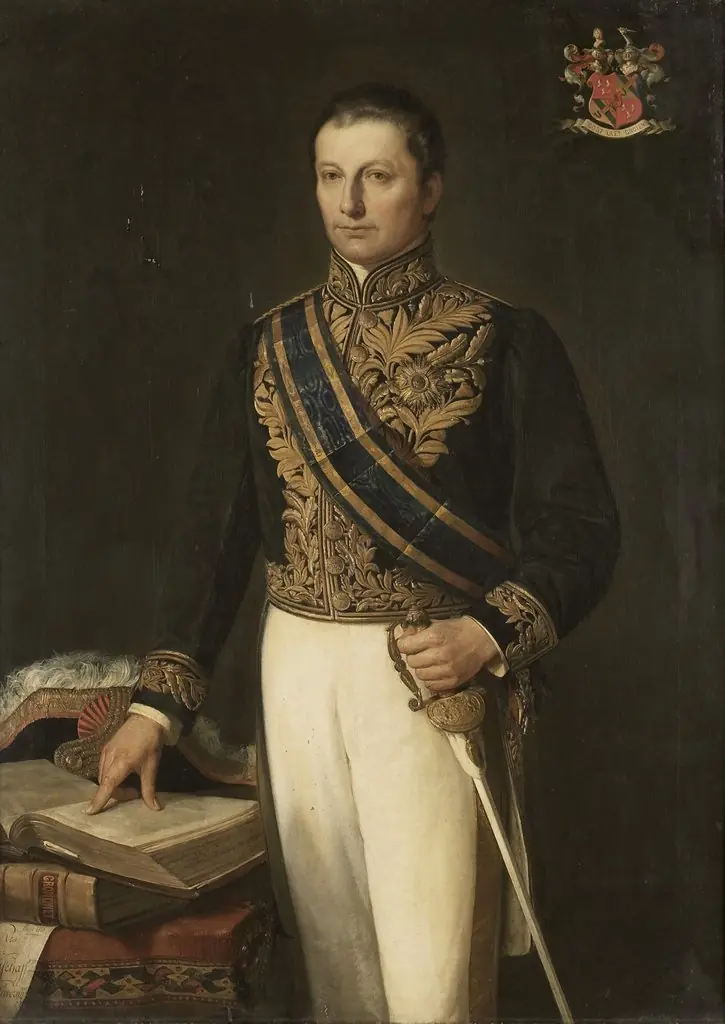 Portrait of Cornelis Theodorus Elout
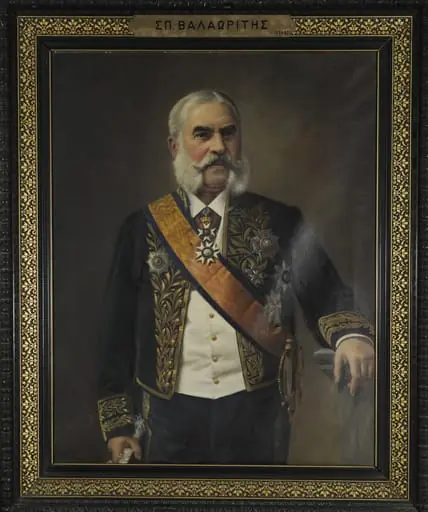 Προσωπογραφία του Σπυρίδωνος Βαλαωρίτη
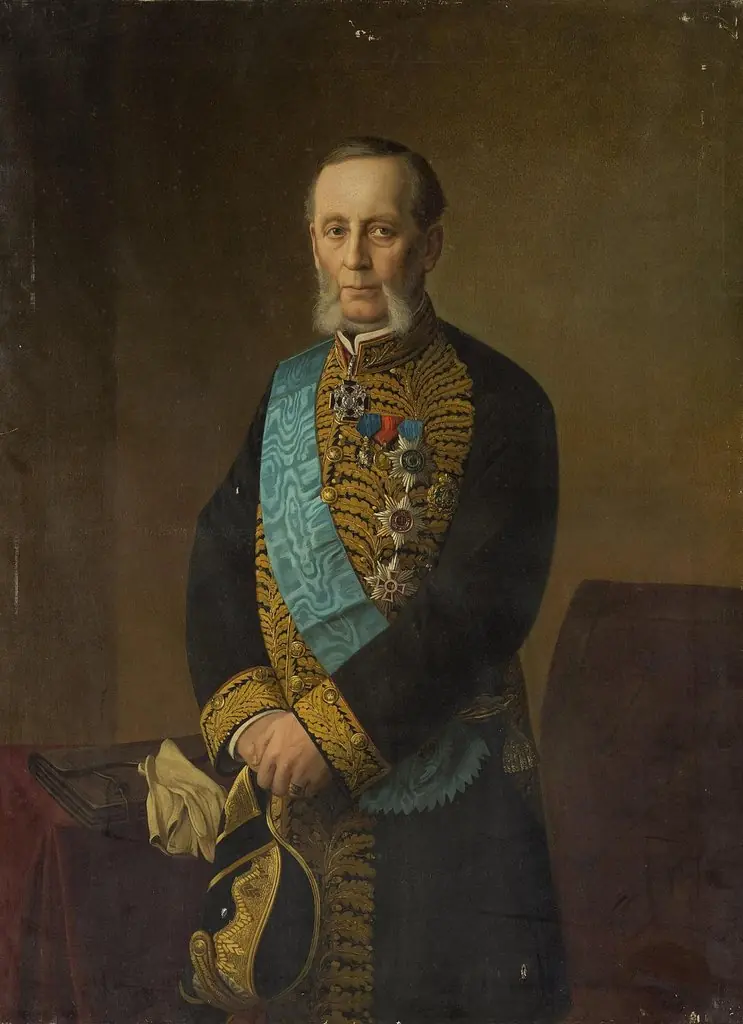 Portrait of Count Piotr Valuyev
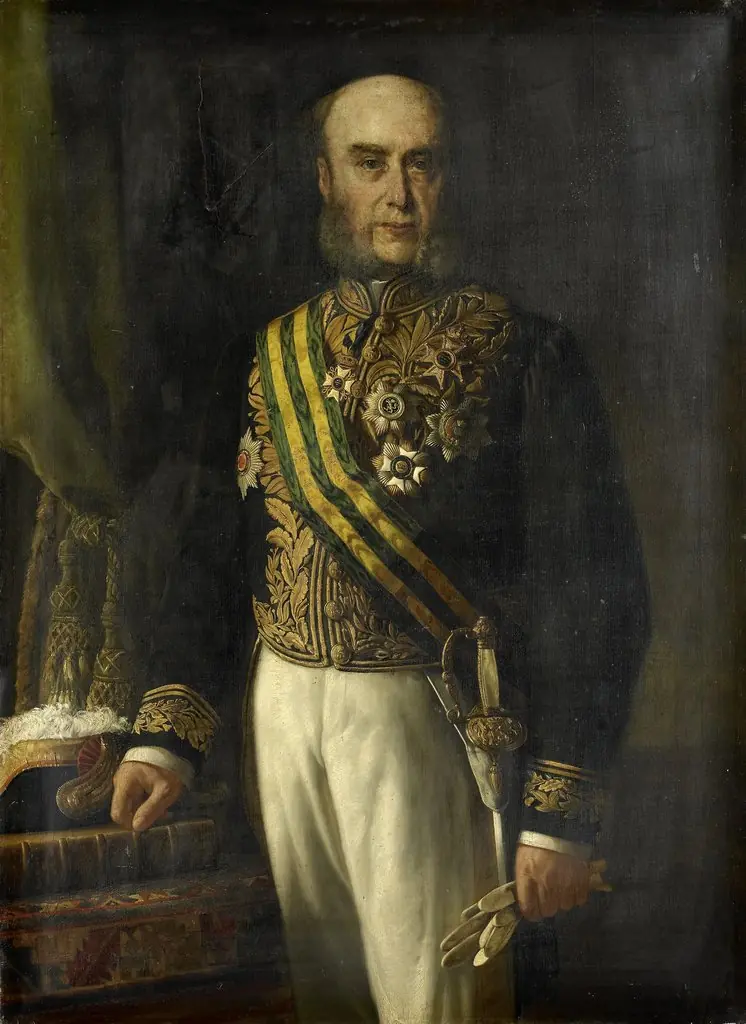 Portrait of James Loudon