Artwork
Pieter Mijer (1812-81). Gouverneur-generaal (1866-71)
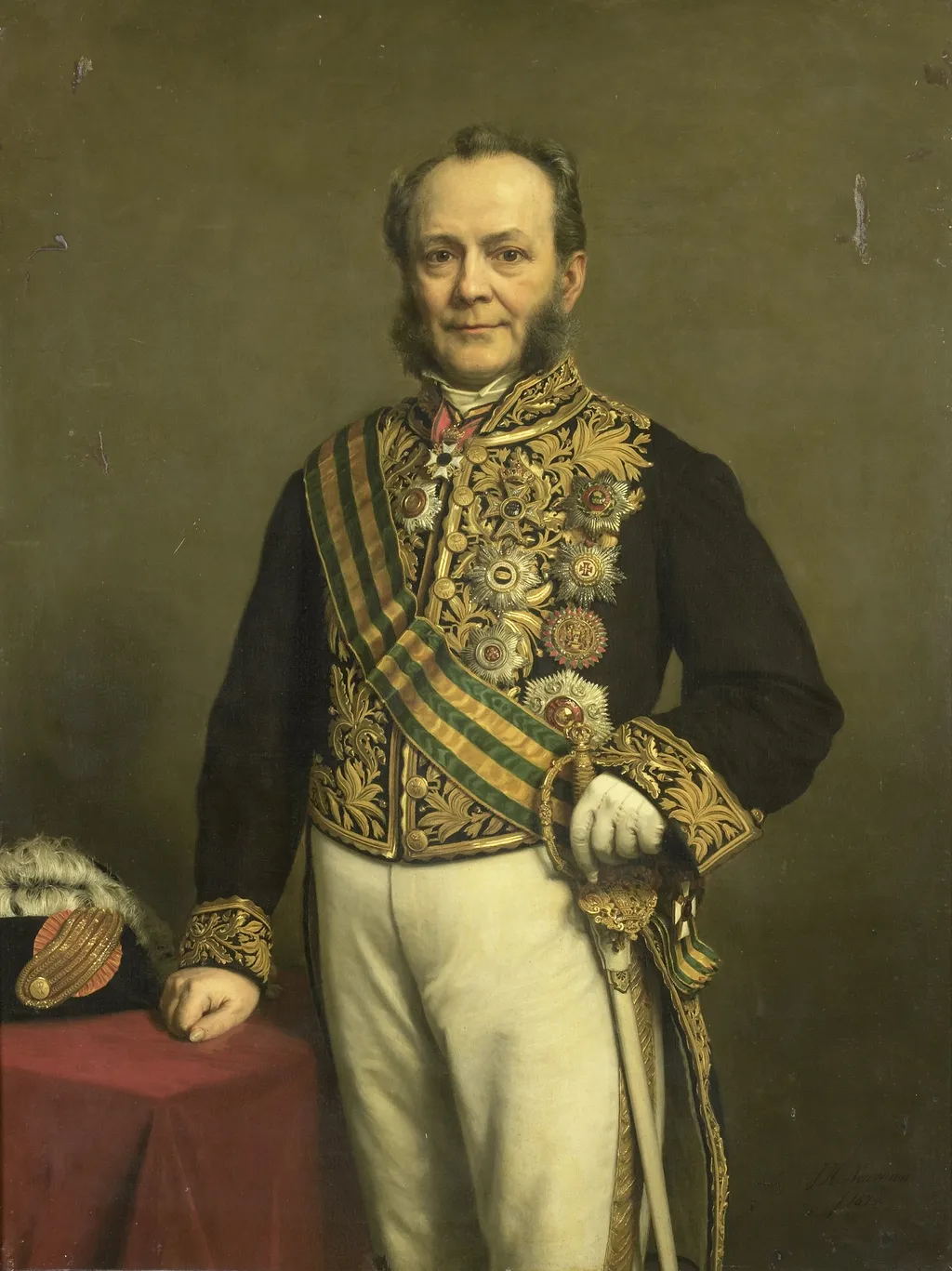
Pieter Mijer (1812-81). Gouverneur-generaal (1866-71) is an oil painting by the Dutch Golden Age artist Johan Heinrich Neuman. It dates from 1874 and is held in the collection of the Rijksmuseum.
About this work
Subject & Meaning
As a commissioned portrait, the image functions to document and legitimize Mijer's authority and tenure during a specific period of Dutch governance.
The work is a formal portrait depicting Pieter Mijer, who served as Governor-General of the Dutch East Indies from 1866 to 1871. Painted by Johan Heinrich Neuman in 1874, the piece presents the subject as the central figure, emphasizing his high-ranking administrative role within the colonial hierarchy. As a commissioned portrait, the image functions to document and legitimize Mijer's authority and tenure during a specific period of Dutch governance.
The composition focuses entirely on the individual, utilizing the conventions of official portraiture to convey status and leadership.
Technique & Style
Executed in 1874 by Johan Heinrich Neuman, this portrait of Pieter Mijer is an oil painting on canvas. The work measures 125 cm in height and 95 cm in width. Classified as a formal portrait, the piece utilizes traditional oil media applied to a woven textile support, consistent with nineteenth-century European portraiture conventions.
The composition focuses entirely on the depiction of the former Governor-General, adhering to the genre's standard emphasis on the sitter's likeness and status without extraneous background elements.
History & Provenance
The portrait of Pieter Mijer was painted in 1874 by Johan Heinrich Neuman for display at the Rijksmuseum, where it remains in the collection. Executed in oil on canvas, the work measures 125 cm by 95 cm and portrays the Dutch colonial official who served as Governor-General of the Dutch East Indies from 1866 to 1871. Its creation history is documented through the Rijksmuseum's cataloging, which records the painting's accession and physical specifications.
The painting's provenance is anchored in the museum's collection since its creation, with no evidence of private ownership or intermediate sales. It was commissioned as a formal portrait during Neuman's active period in the 1870s, reflecting the institutional practice of documenting prominent colonial figures in the museum's holdings.
Context
Johan Heinrich Neuman's 1874 portrait of Pieter Mijer, the Gouverneur-generaal of the Dutch East Indies serving from 1866 to 1871, entered the Rijksmuseum collection shortly after its creation and remains part of their holdings today. The work, executed in oil on canvas measuring 125 cm by 95 cm, was painted during Mijer's tenure as colonial administrator and reflects the formal portraiture conventions of late 19th-century Dutch institutional representation. Its placement within the Rijksmuseum's portrait genre underscores its significance as a visual record of colonial authority figures, though scholarly analysis of its critical reception during the artist's lifetime remains sparse in accessible records.
Research into Neuman's broader oeuvre situates this portrait within his established practice of official and elite subject depictions, linking it to contemporary European portrait traditions while highlighting the colonial context of its subject. The painting's attribution and dating align with archival documentation of its creation in 1874, though specific contemporary reviews or later academic discourse on its artistic merit are not detailed in the available sources.
Overview
Johan Heinrich Neuman’s oil portrait, executed in 1874, presents Pieter Mijer, a 19th‑century Dutch official. The canvas, measuring a modest size, is part of the Rijksmuseum’s collection and exemplifies the formal portraiture typical of the period.
Own this work as a print
Artist & collection

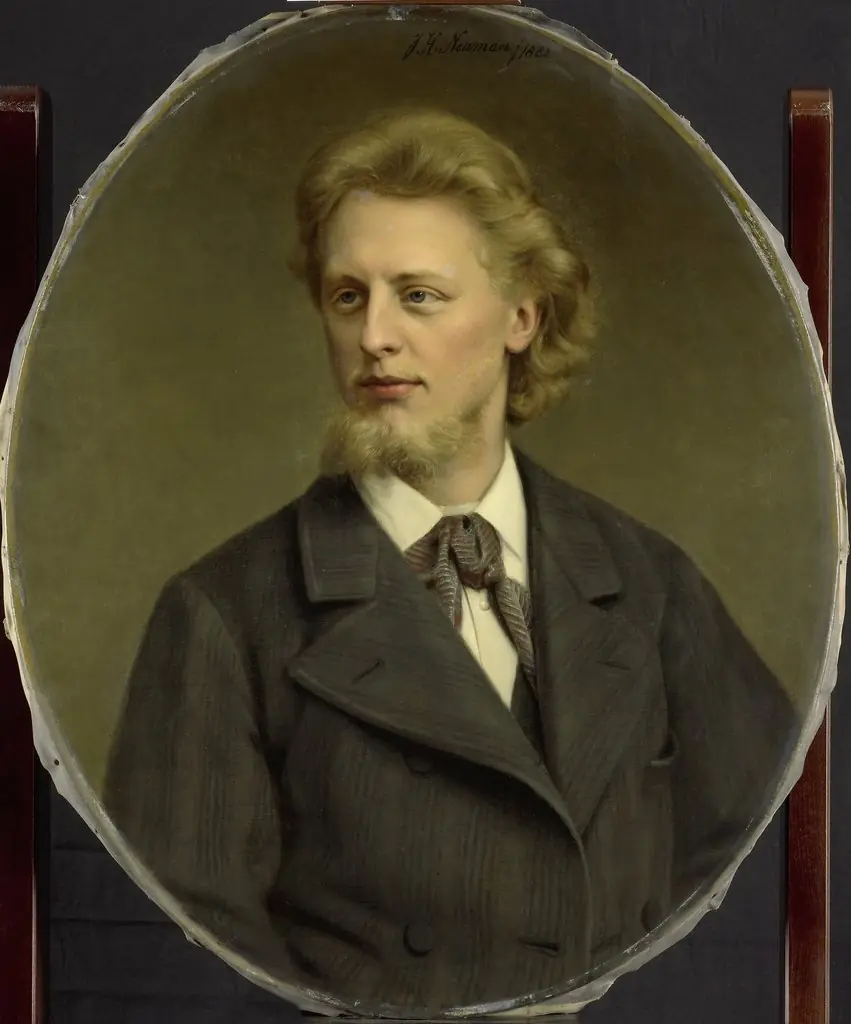 Portrait of Jacques Fabrice Herman Perk (1859-1881)
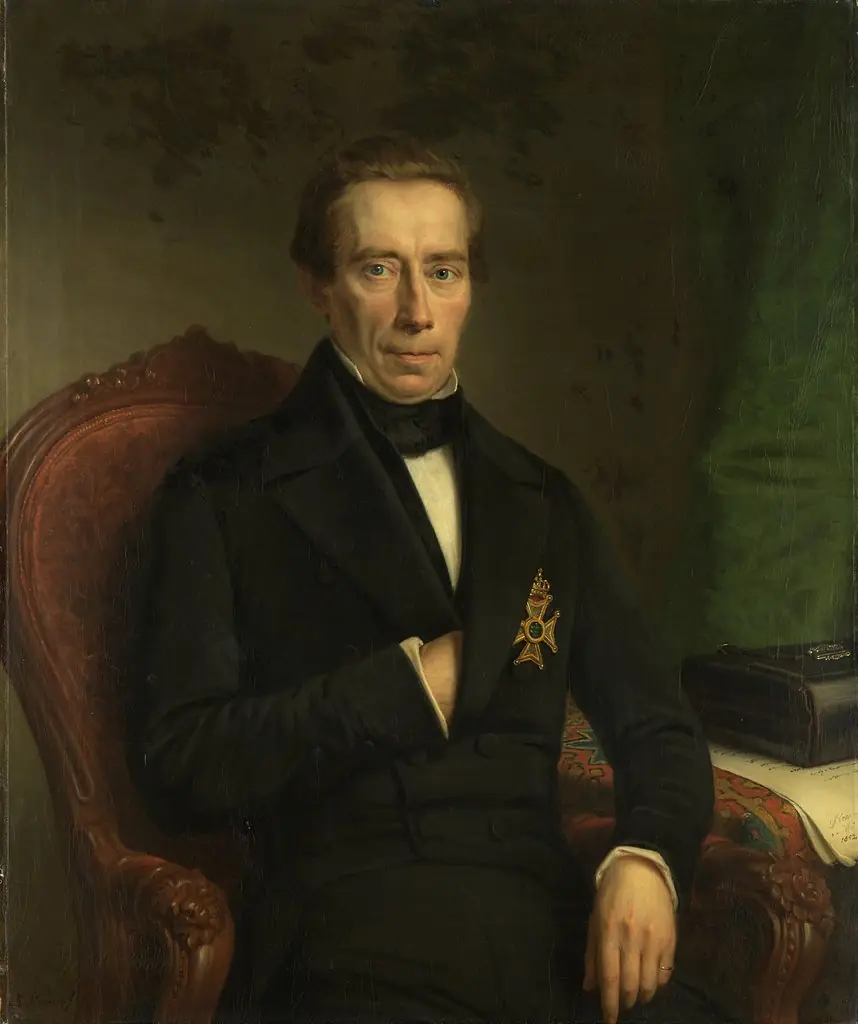 Portrait of Johan Rudolf Thorbecke, Minister of State and Minister of the Interior
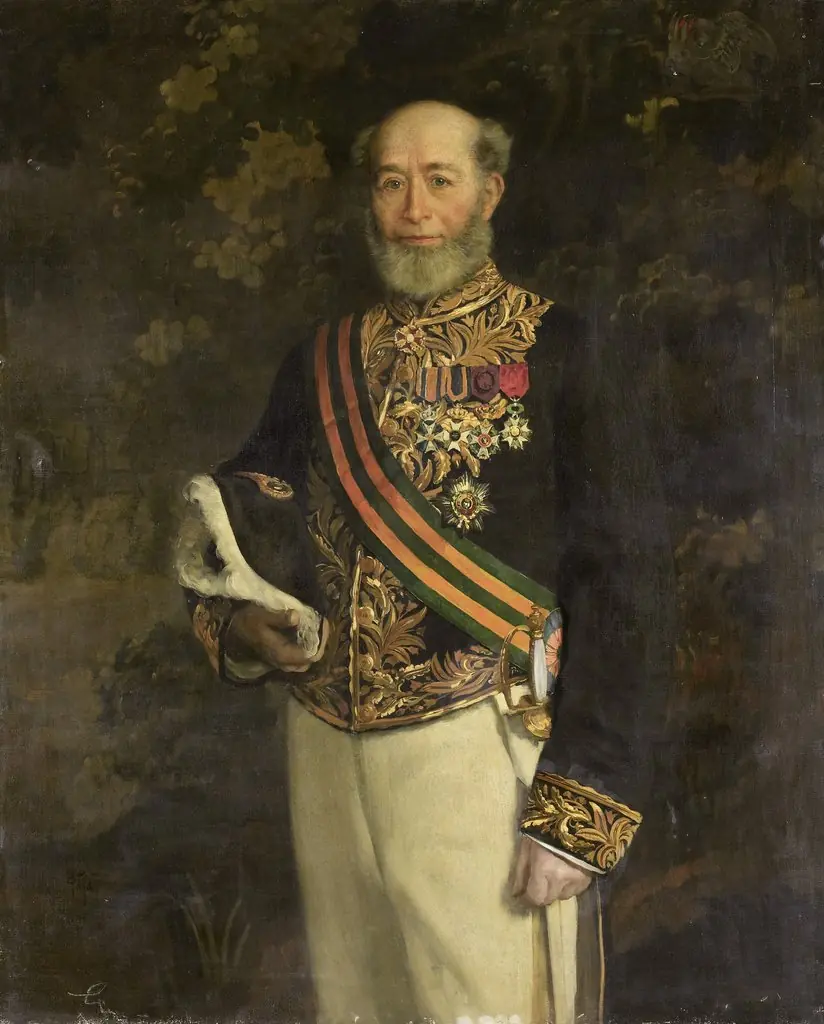
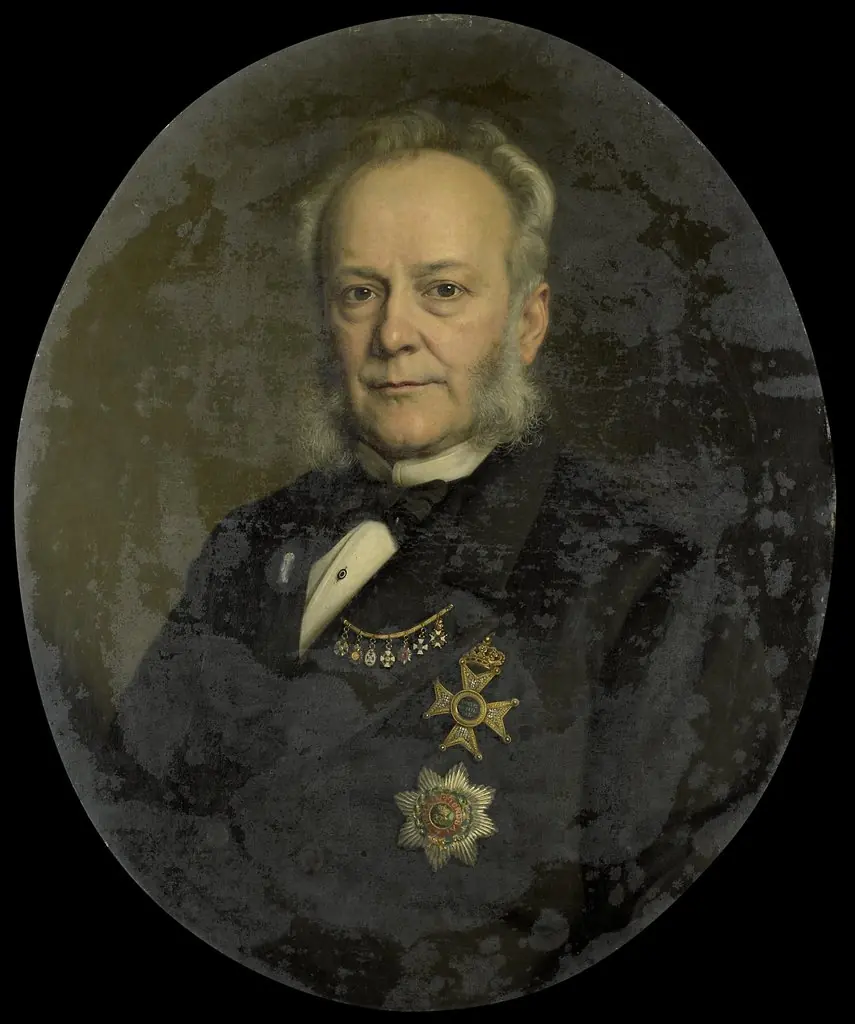 Pieter Mijer (1812-81). Gouverneur-generaal van Nederlands Oost Indië
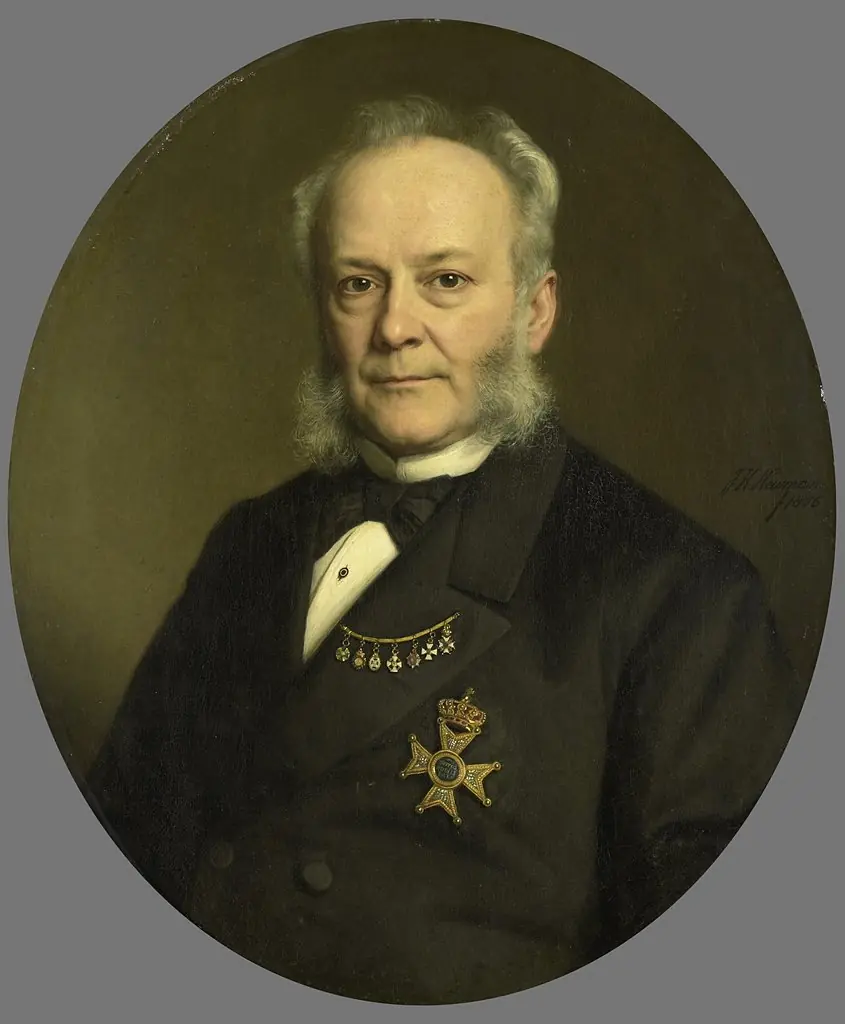 Pieter Mijer (1812-81). Gouverneur-generaal van Nederlands Oost Indië
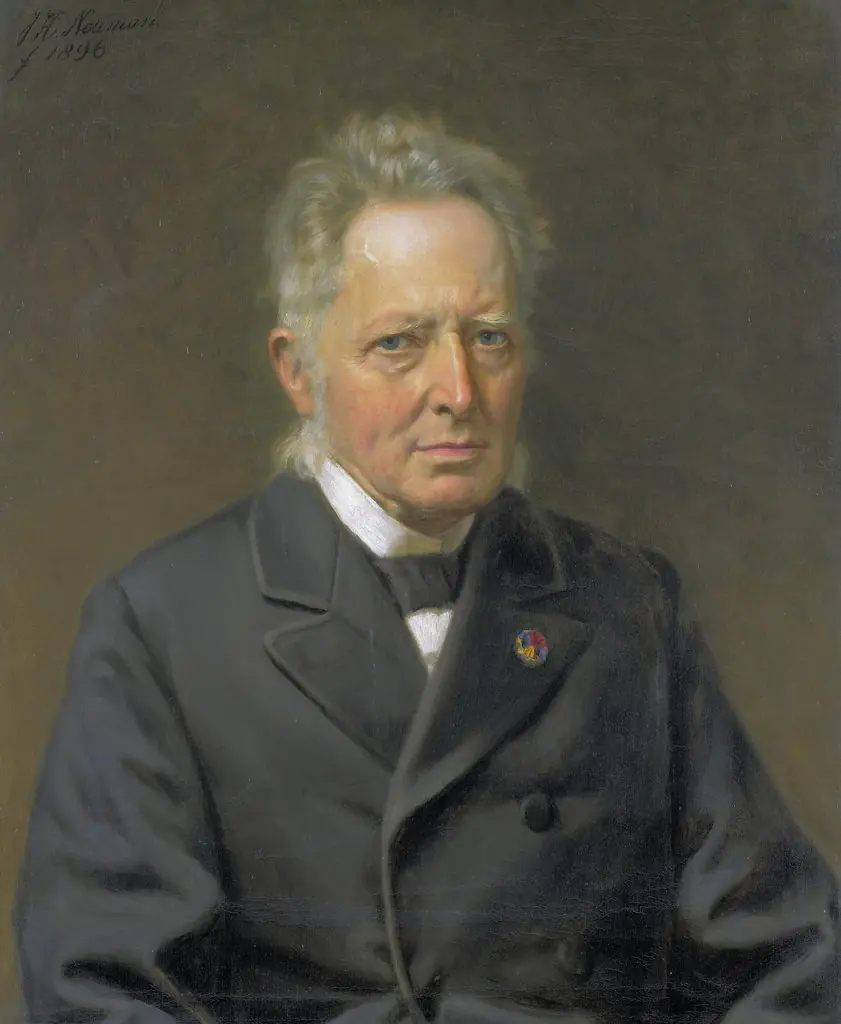 Portrait of Jan Heemskerk Azn.
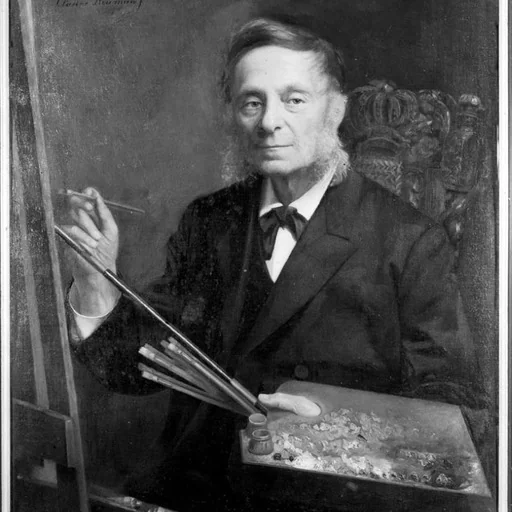
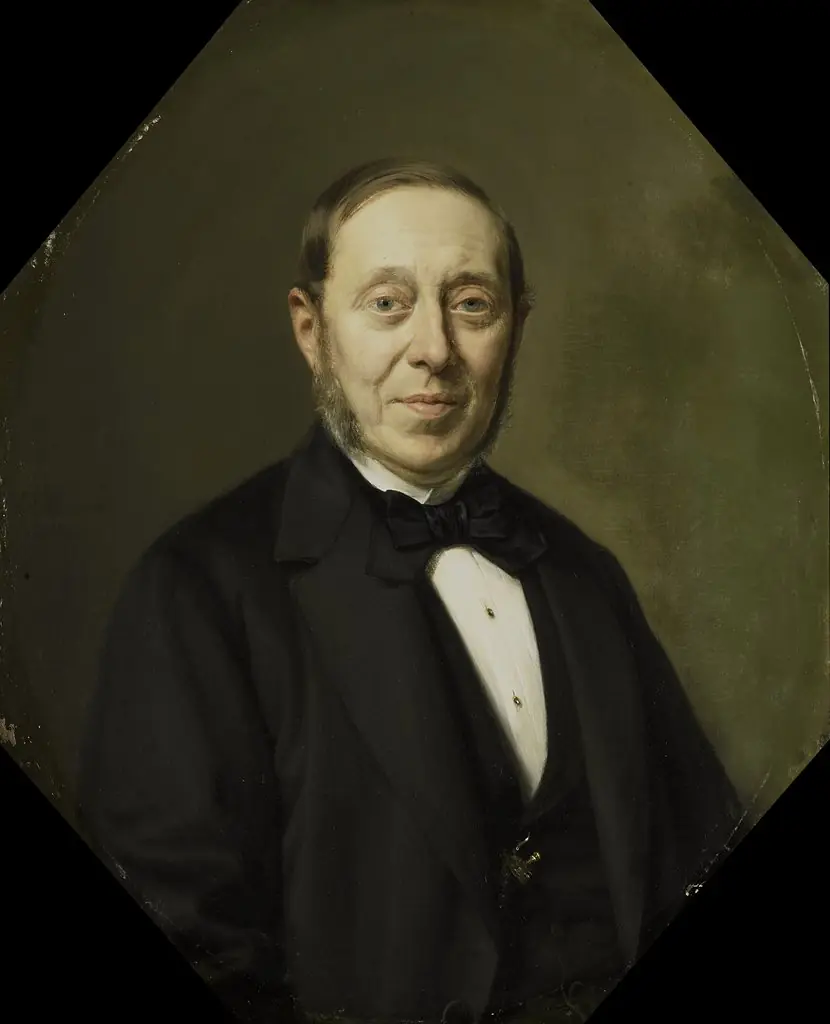 Portrait of Johannes Cornelis van Pappelendam (1810-1884). Artist and Art Dealer. Superintendent of the Van der Hoop Museum
- Frederik s'Jacob (1822-1901). Gouverneur-generaal (1880-84)
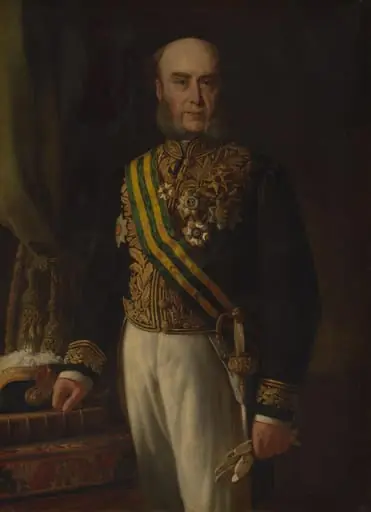 Untitled
 Untitled
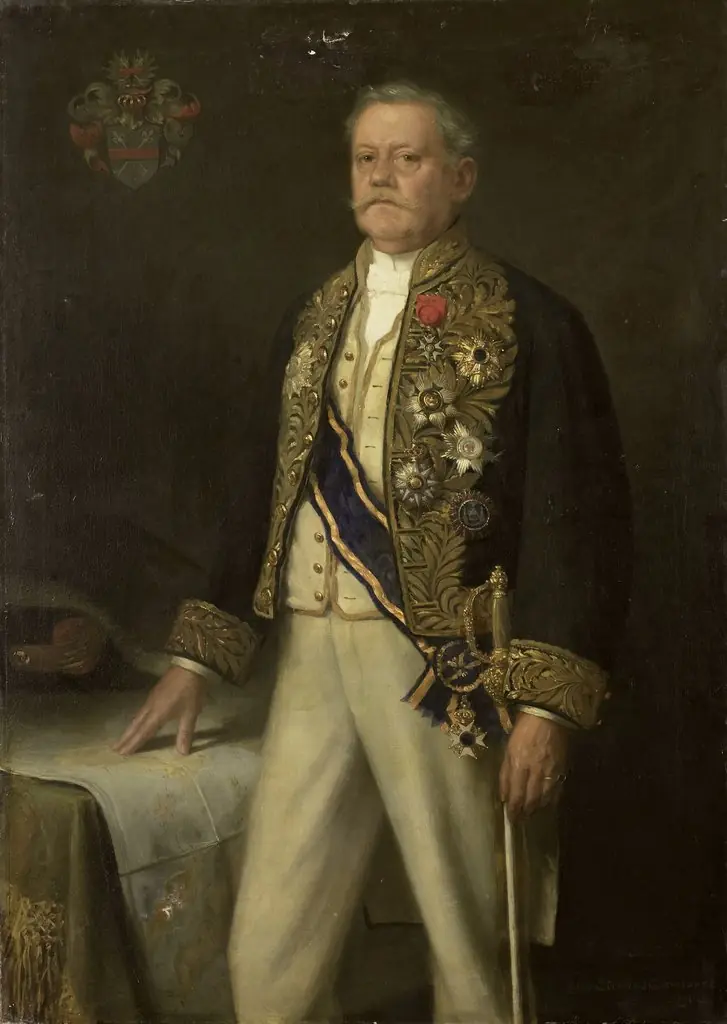 Carel Herman Aart van der Wijck (1840-1914). Gouverneur-generaal (1893-99)
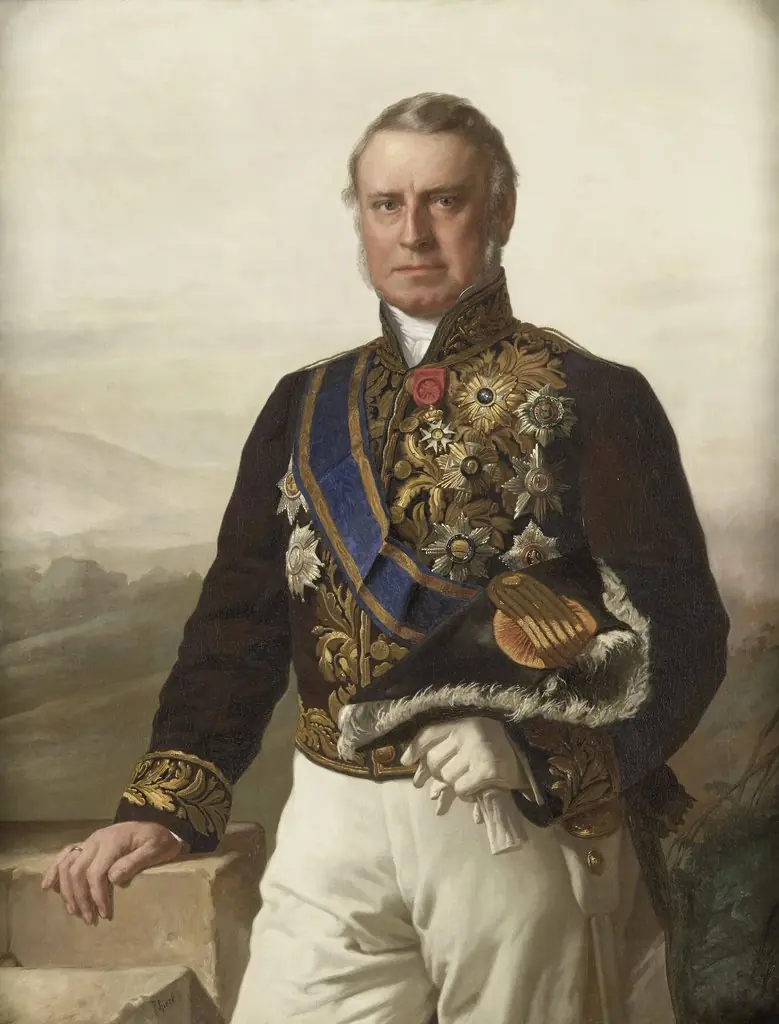 Charles Ferdinand Pahud (1803-73). Gouverneur-generaal (1855-61)
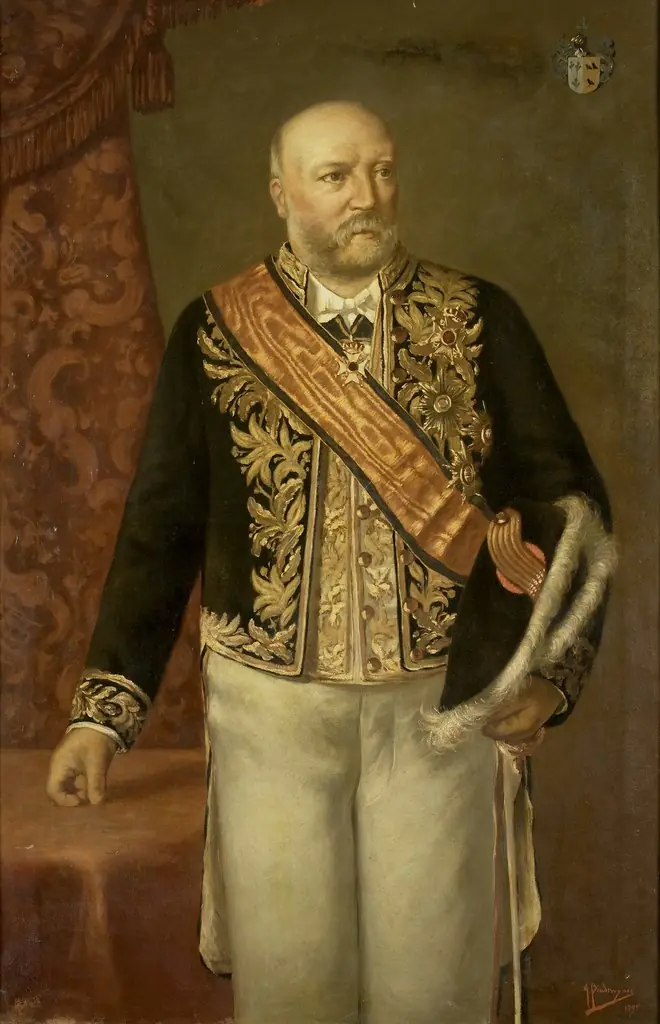 Cornelis Pijnacker Hordijk (1847-1908). Gouverneur-generaal (1888-93)
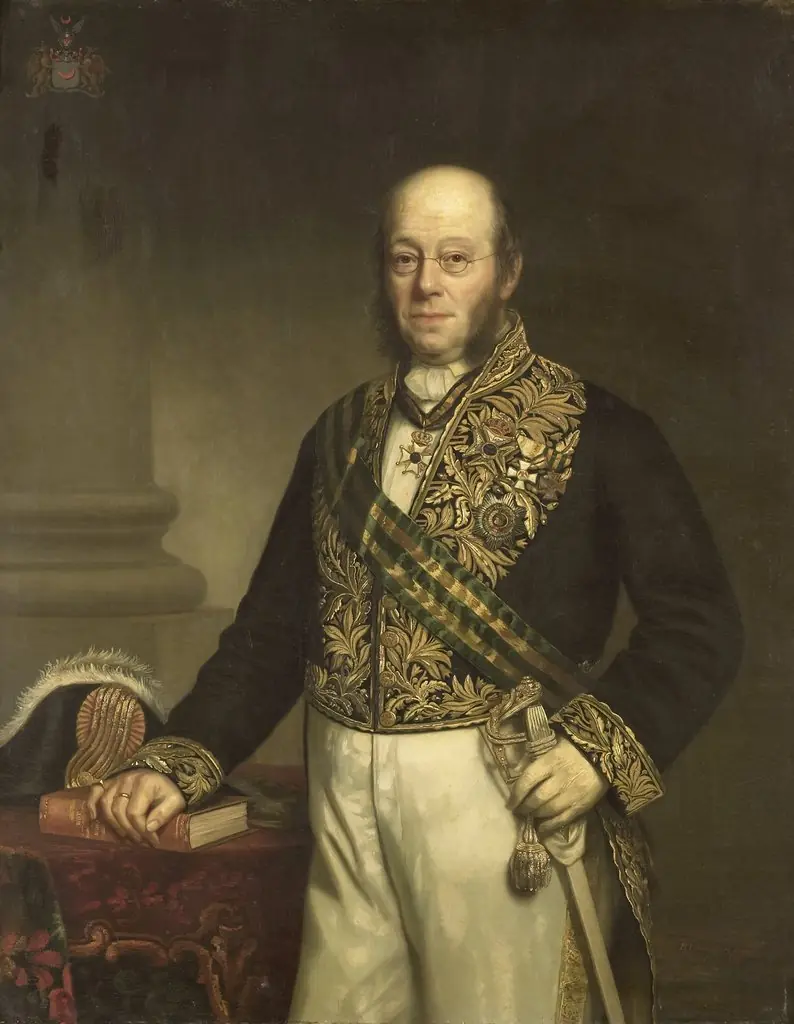 Ludolph Anne Jan Wilt Baron Sloet van de Beele (1806-90). Gouverneur-generaal (1861-66)
 Untitled
 Untitled
 Otto van Rees (1823-92). Gouverneur-generaal (1884-88)
 Portrait of Jan Jacob Rochussen, Governor-General of the Dutch East Indies
 Untitled