Artwork
The Driedup Lake and Island of the Tomb, Togluckabad
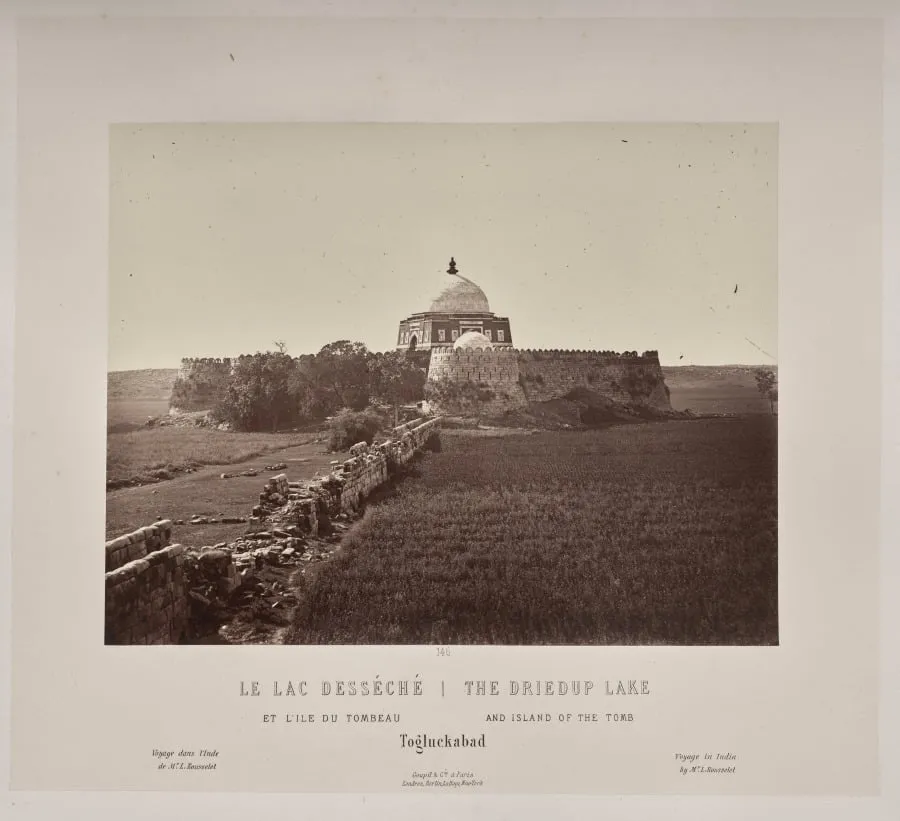
The Driedup Lake and Island of the Tomb, Togluckabad is a photography by the Impressionist artist Louis-Théophile Marie Rousselet. It dates from 1866 and is held in the collection of the Cleveland Museum of Art.
- Accession no.
- 2022.58.25
- Credit line
- Alma Kroeger Fund
About this work
Overview
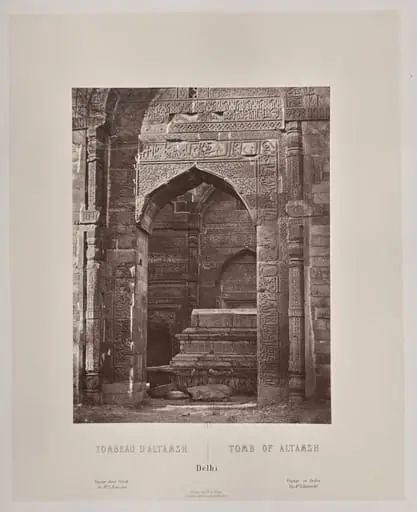
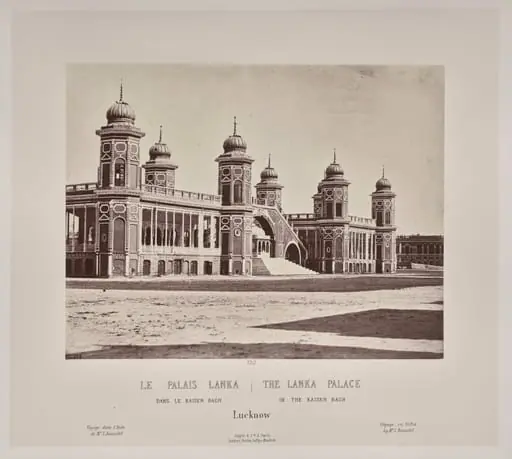
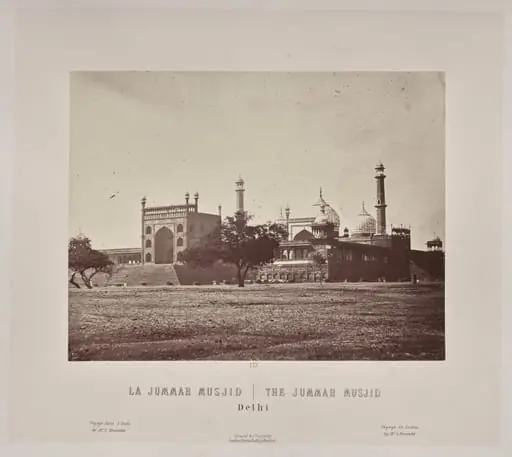
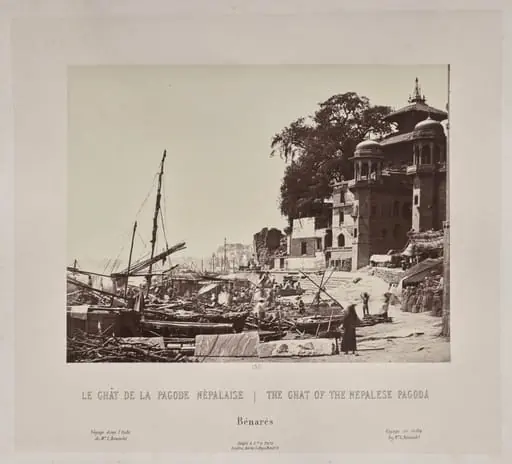
Taken during Charles Rousselet’s travels in northern India, this photograph captures a desolate lakebed with a solitary, ruined tomb on a small island.
Taken during Charles Rousselet’s travels in northern India, this photograph captures a desolate lakebed with a solitary, ruined tomb on a small island. Rousselet, initially a sketch artist, turned to photography after feeling his drawings failed to convey the gravity of India’s architectural heritage. This image reflects his technical adaptation and new visual discipline, marking a shift from subjective rendering to documentary precision.
Subject & Meaning
The scene depicts a dried lakebed in Togluckabad, its cracked earth stretching toward a lone tomb on an island. The absence of water and life evokes decay and time’s erosion of power. The tomb, once a symbol of authority, now stands isolated, its ruin suggesting the fading of dynastic memory. The composition emphasizes stillness and abandonment, inviting reflection on impermanence.
Technique & Style
Rousselet employed careful framing and natural lighting to heighten the contrast between the pale, parched earth and the deep shadows of the tomb’s architecture. His use of chiaroscuro enhances the three-dimensionality of the ruins, lending gravity to the scene. The photograph’s quiet balance and attention to texture reveal a deliberate compositional sensibility, shaped by both artistic training and photographic experimentation.
History & Provenance
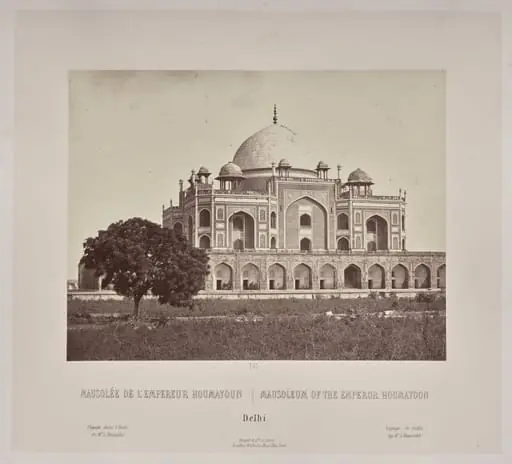
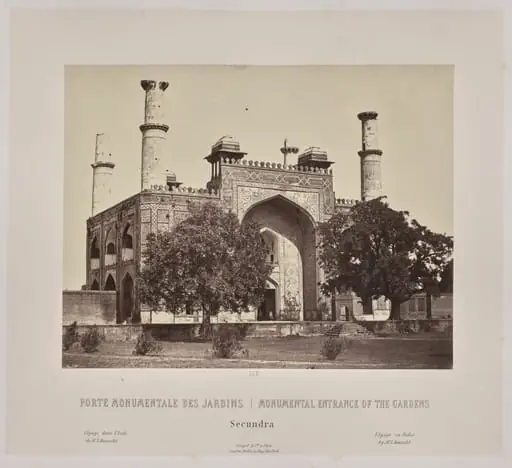
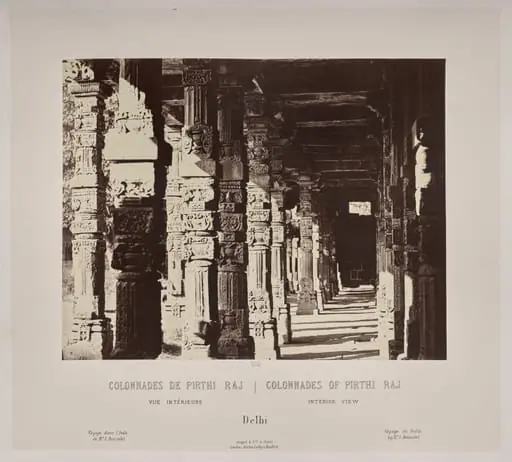
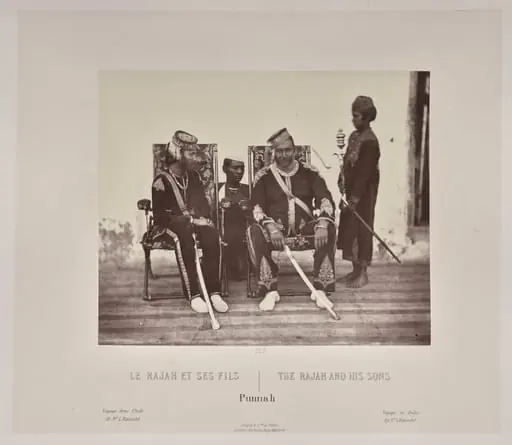
Created during Rousselet’s 1860s journey through northern India, the photograph is part of a larger project to document monuments of the Sultanate, Rajput, and Mughal eras. He learned photography on-site to improve accuracy beyond his earlier sketches. The image was later included in his published album, which combined topographical records with portraits and scenes of daily life, offering a multifaceted view of colonial-era India.
Context
Rousselet’s work emerged amid growing European interest in India’s architectural past, often framed by colonial curiosity. His photographs avoided romanticization, instead recording sites in their contemporary state, some neglected, others still in use. This image, like others in his series, reflects a transitional moment: traditional structures left to decay, observed not as relics but as present realities.
Legacy
Rousselet’s photographic approach influenced later documentation of Indian heritage by prioritizing fidelity over embellishment. His shift from drawing to photography signaled a broader trend in 19th-century ethnographic practice. This image, though modest in scale, contributes to an archive that helped shape Western understanding of India’s architectural history through direct visual evidence rather than interpretive sketching.
Artist & collection
Artist
Louis-Théophile Marie Rousselet
Louis-Théophile Marie Rousselet (1845–1929) was a French artist.