Artwork
The Holy Family
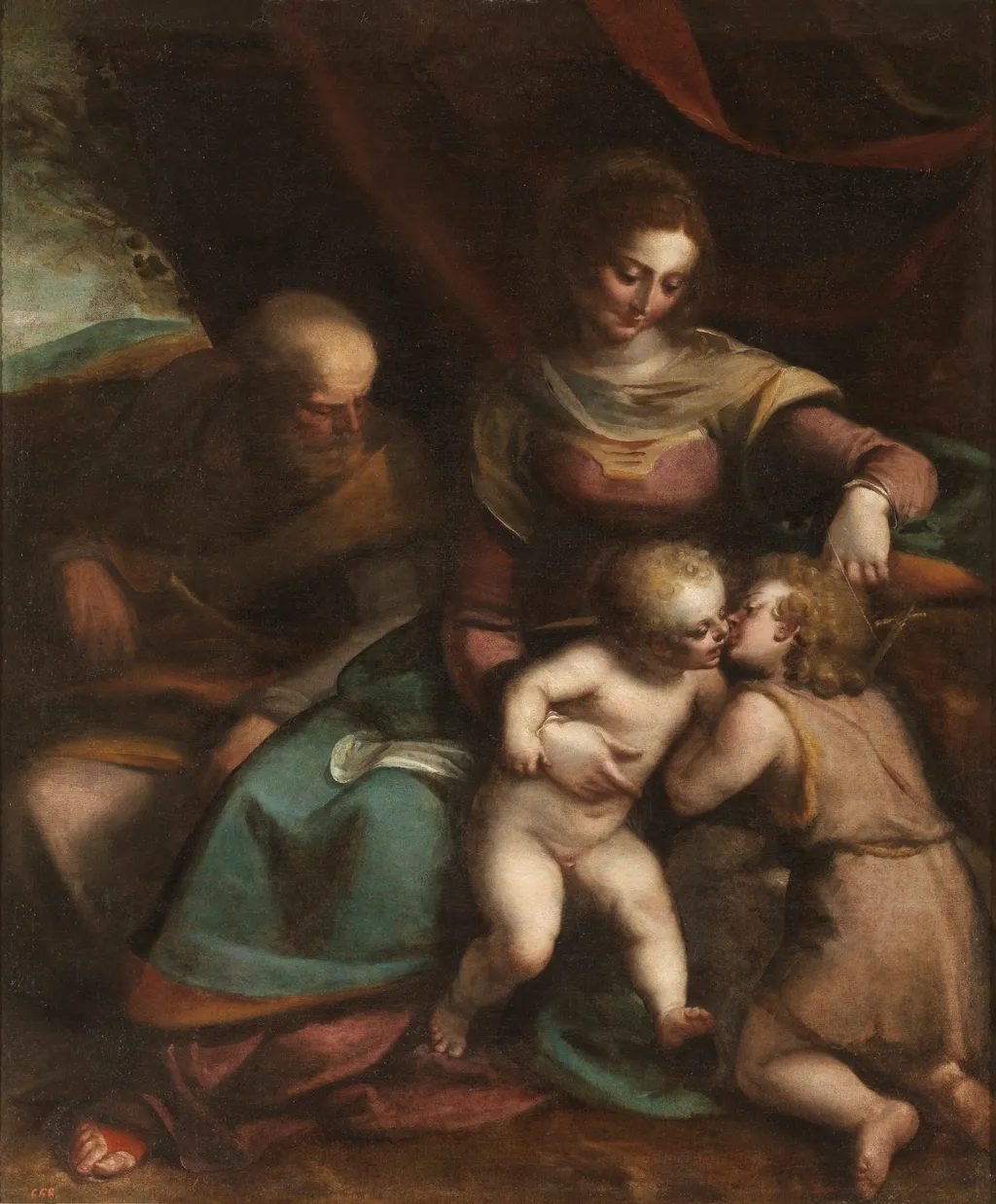
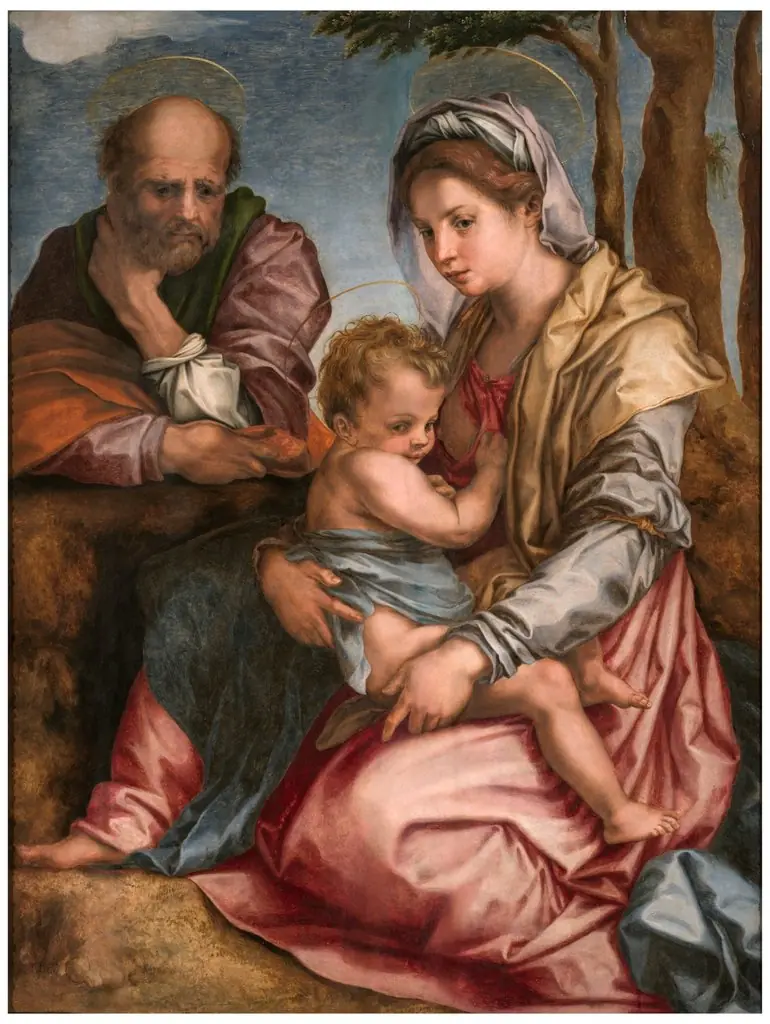
The Holy Family is an oil painting by the Mannerist artist Luca Cambiaso. It dates from 1551 and is held in the collection of the Museo del Prado.
About this work
Subject & Meaning
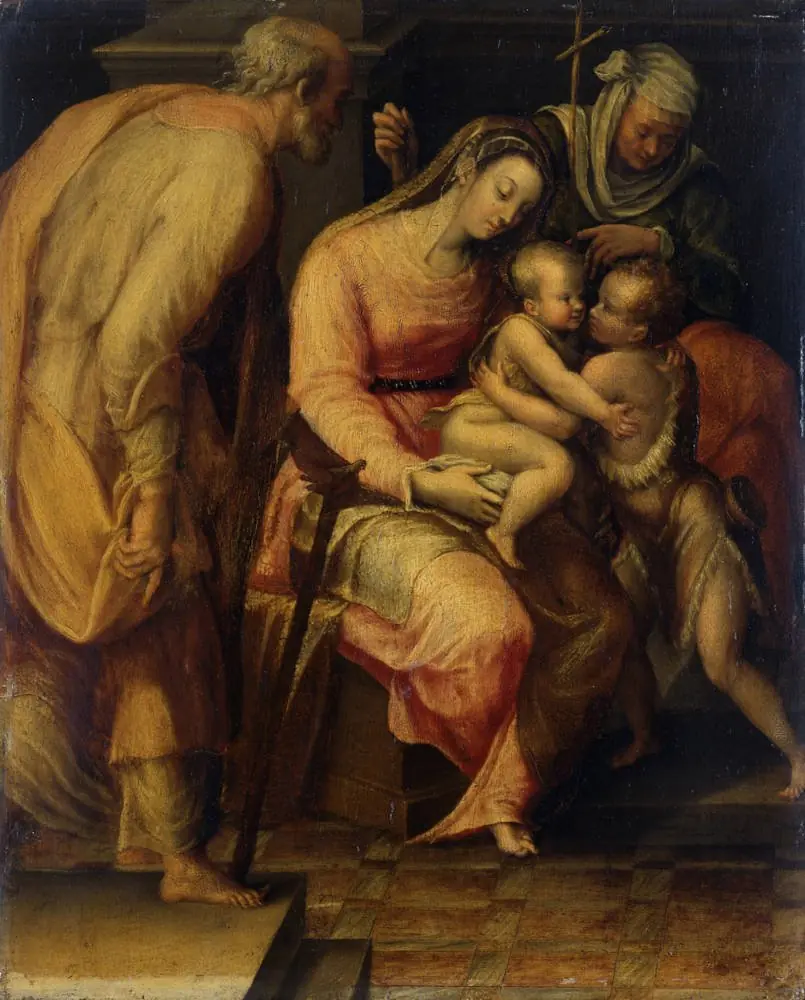
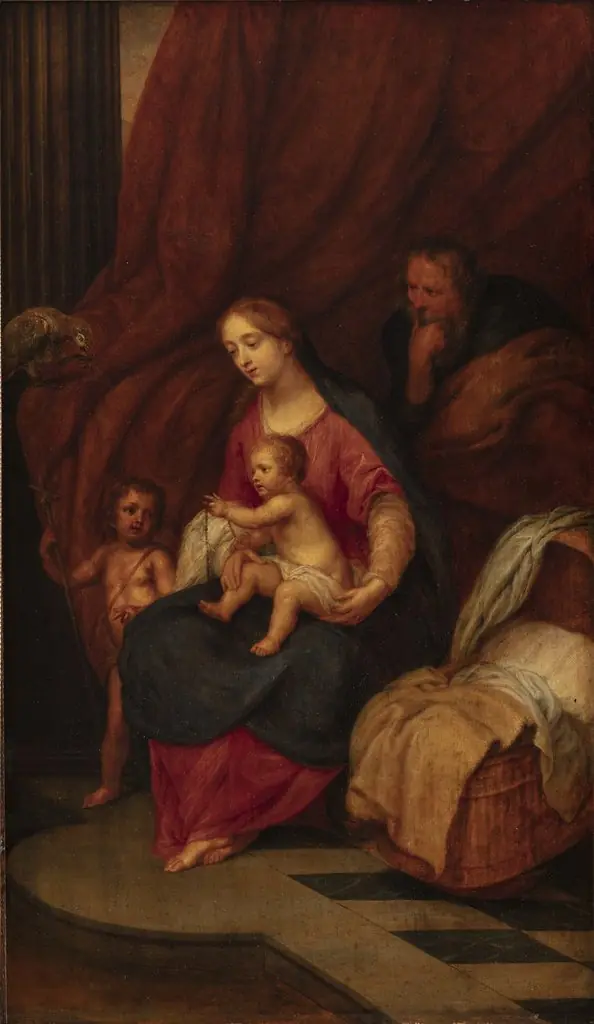
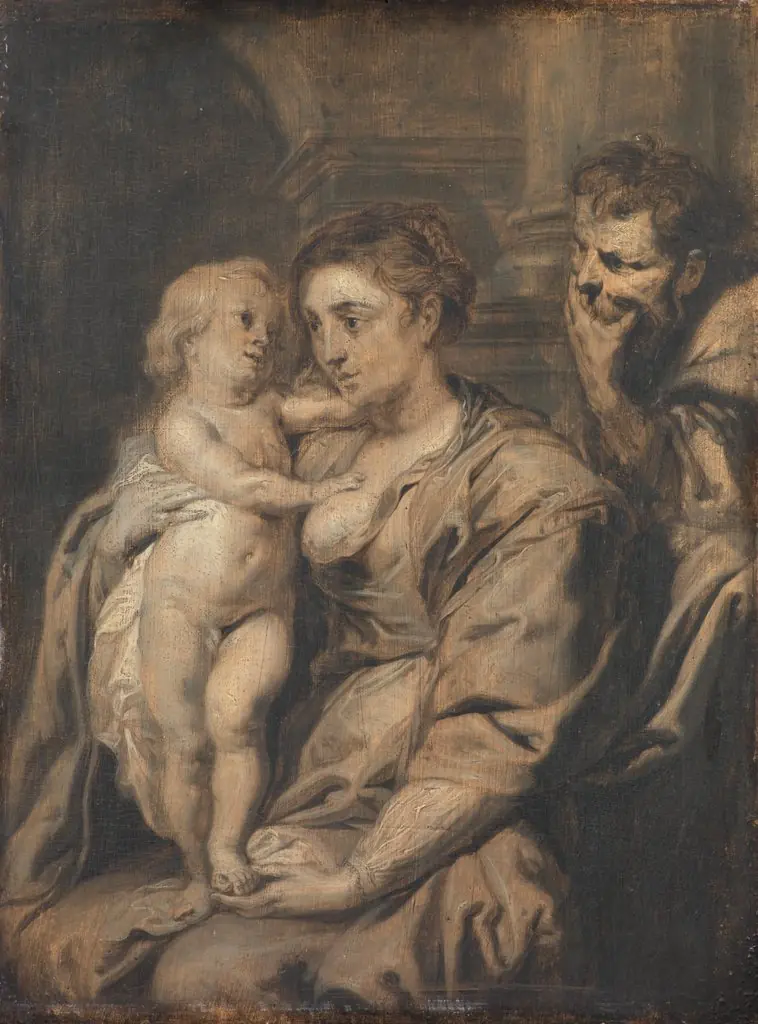
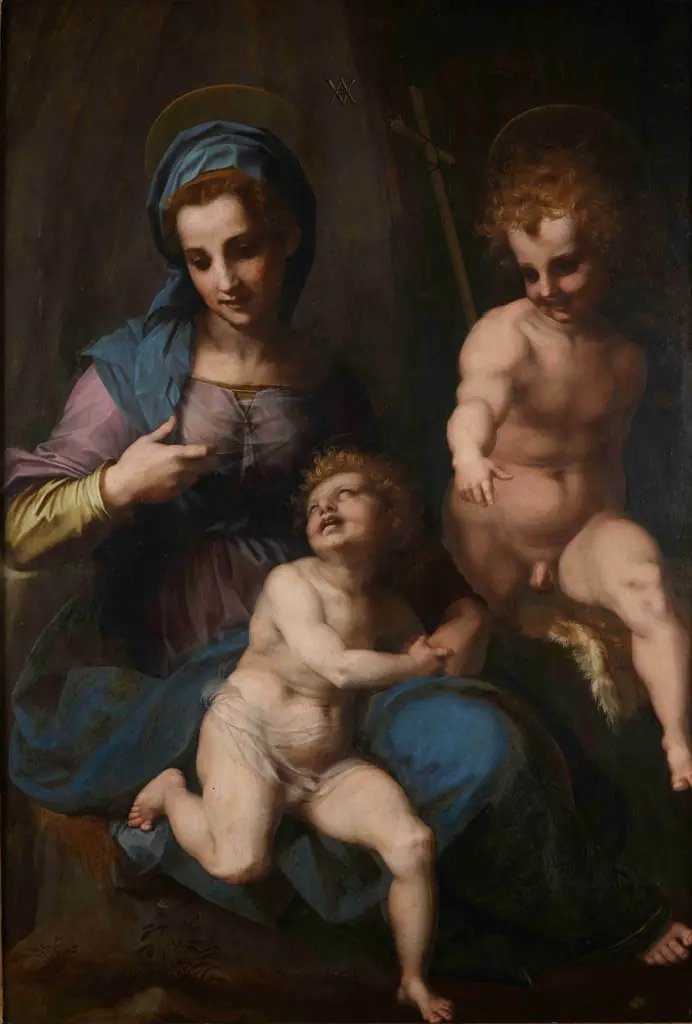
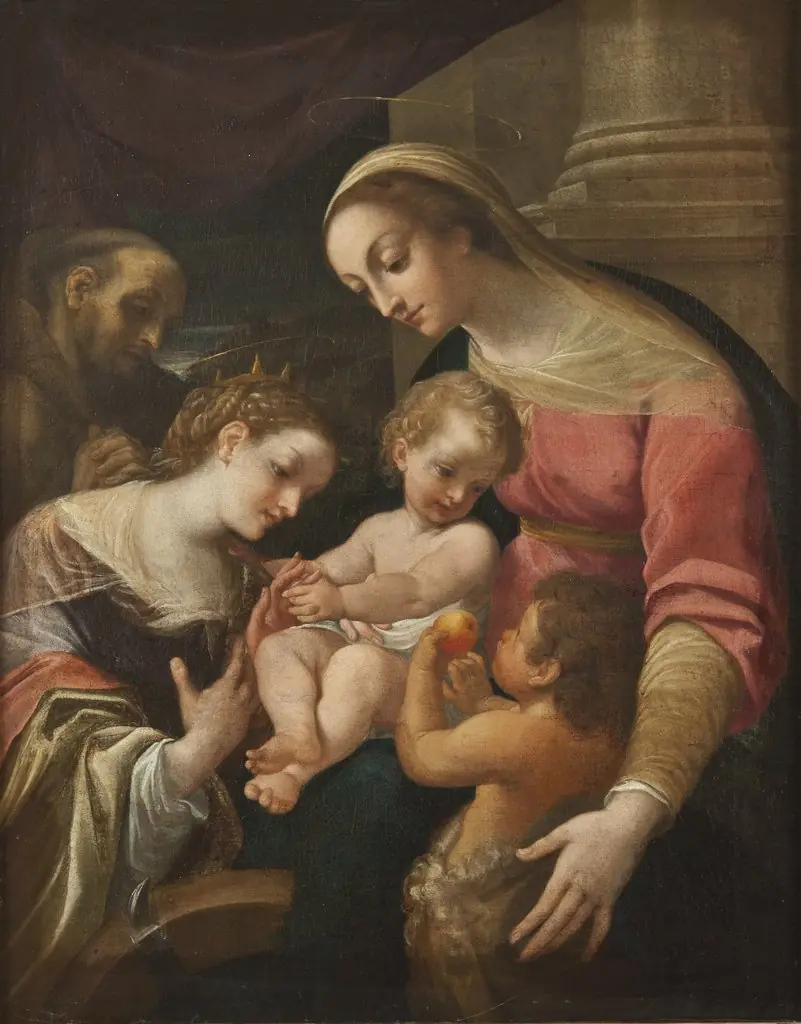
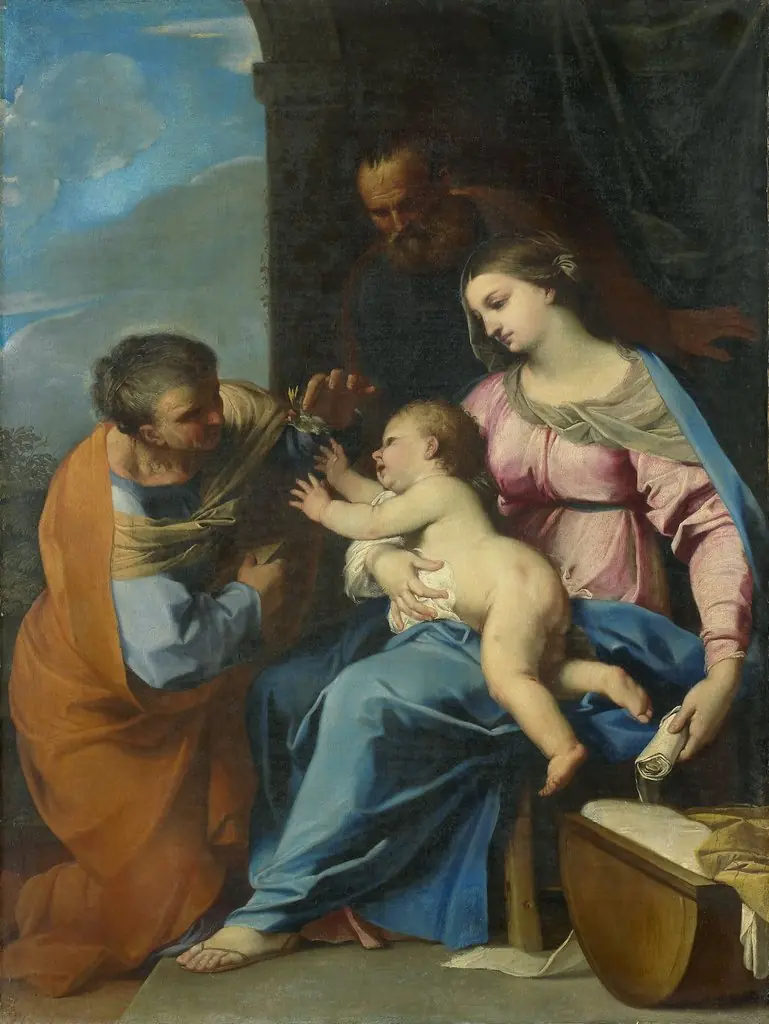
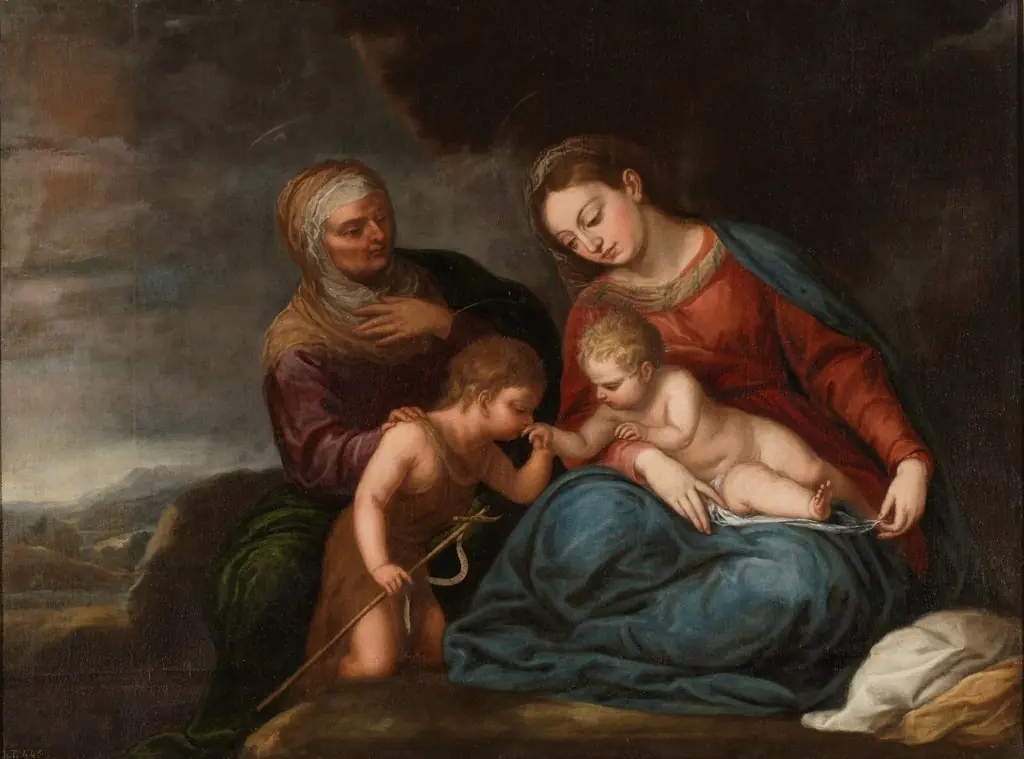
Luca Cambiaso's 1551 painting, The Holy Family, is a religious work depicting the traditional trio of the Virgin Mary, the Christ Child, and Saint Joseph.
Luca Cambiaso's 1551 painting, The Holy Family, is a religious work depicting the traditional trio of the Virgin Mary, the Christ Child, and Saint Joseph. As indicated by its classification within religious art, the composition centers on this specific biblical grouping, presenting them as the main subject of the canvas. The work serves as a visual representation of the Holy Family unit, a common theme in religious iconography that emphasizes domestic sanctity and divine lineage.
Created in oil on canvas, the piece focuses entirely on these three figures without additional narrative elements mentioned in the available records.
Technique & Style
The work is executed in oil paint on canvas, a standard support for 16th-century religious subjects, and originally intended for devotional handling within a chapel context. Its composition emphasizes intimate grouping of Mary, Christ Child, and Joseph, reflecting Counter-Reformation ideals of familial devotion through balanced spatial arrangement and soft chiaroscuro. The painting measures 131 cm in height by 103 cm in width, preserving the original rectangular format without later alterations.
History & Provenance
The work titled The Holy Family was created in 1551 by Luca Cambiaso. It is executed in oil paint on canvas and depicts Mary, the Christ Child, and Joseph. The painting measures 131 cm in height and 103 cm in width. It entered the collection of the Museo del Prado, where it remains on display.
The painting is housed in the Museo del Prado in Madrid, where it is recorded under the museum's inventory as part of its collection of religious artworks. Executed in oil on canvas in 1551, the work measures 131 cm in height and 103 cm in width. It depicts Mary, the Christ Child, and Joseph, forming the central figures of the Holy Family composition.
The piece has been part of the museum's display since its acquisition and is regularly featured in exhibitions focused on Renaissance religious painting.
Context
Luca Cambiaso painted The Holy Family in 1551 as an oil on canvas work now housed in the Museo del Prado, where it remains on display. This composition depicts the Virgin Mary, the infant Christ, and Saint Joseph in a domestic grouping typical of Counter-Reformation religious art. Contemporary scholarship situates the painting within Cambiaso's mature period, characterized by a synthesis of Italianate compositional balance and Spanish Counter-Reformation piety, reflecting broader trends in 16th-century Mediterranean devotional painting.
The work's stylistic qualities, particularly its delicate rendering of figures and spatial clarity, have been cited in studies of Cambiaso's influence on Genoese and Iberian artists of the late Renaissance, though his relative obscurity compared to contemporaries like Rubens has limited broader critical discourse. Its placement in the Prado's collection underscores institutional recognition of Cambiaso's significance within the narrative of early modern European painting.
Overview
Luca Cambiaso’s 1551 oil on canvas presents a domestic tableau of the Holy Family. The composition centers on a seated woman cradling an infant, a kneeling man beside her, and a standing child observing the scene. Darkened surroundings are punctuated by muted reds and greens, while the woman’s vivid red dress and yellow scarf draw the eye.
Own this work as a print
Artist & collection
Artist
Luca Cambiaso was an Italian painter and draughtsman and the leading artist in Genoa in the 16th century.