Artwork
Melancholy
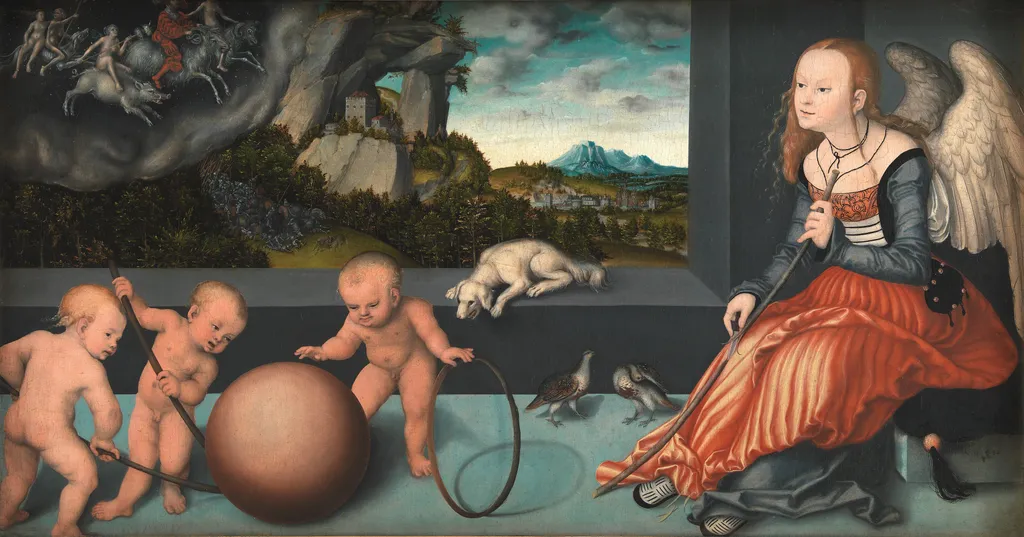
Melancholy is an oil painting by the Northern Renaissance artist Lucas Cranach the Elder. It dates from 1532 and is held in the collection of the Statens Museum for Kunst.
About this work
Lucas Cranach the Elder painted Melancholy in 1532. He used oil on wood. It’s a small panel, just 28 by 19 centimeters.
The scene shows a seated man with a book and a dog. His face looks weary. A single sphere glows on a pedestal behind him.
Next time you’re in Copenhagen, look for this painting at Statens Museum for Kunst.
Subject & Meaning
The composition reflects the horizontal format typical of the period, contrasting with a known vertical version housed in the Unterlinden Museum.
Melancholy, painted by Lucas Cranach the Elder in 1532, allegorically represents the Renaissance concept of melancholy as a melancholic temperament linked to Saturn. The work depicts three naked infants attempting to roll a large ball through a hoop, while a winged female figure, embodying melancholy, cuts a stick as if preparing another hoop. Additional symbols include a sphere, a dog, and a Grey Partridge, all tied to contemporary associations of the humors and celestial influences.
The composition reflects the horizontal format typical of the period, contrasting with a known vertical version housed in the Unterlinden Museum. The painting is part of the collection of the Statens Museum for Kunst in Copenhagen.
Technique & Style
The work is an oil painting on a wooden panel executed in 1532 by Lucas Cranach the Elder.
The composition is dominated by a horizontal format measuring 51 cm in height and 97 cm in width. It juxtaposes a winged female personification of melancholy, seated and absorbed in cutting a cane, with three nude infants attempting to roll a large ball through a hoop with sticks. A grey partridge and a dog appear among the allegorical elements.
The handling shows the smooth, fine modeling characteristic of Cranach’s workshop technique, with restrained color and delicate linear definition in the drapery and anatomy.
The painting’s condition is not described in the cited sources, and no technical notes on craquelure, abrasion, or later restorations are provided.
History & Provenance
The painting titled Melancholy was executed by Lucas Cranach the Elder in 1532, as recorded in contemporary documentation. Its earliest documented ownership appears in the inventories of Schloss Gottorf dated 1710 and 1742. The work was transferred to the Danish Royal Cabinet of Curiosities in 1759, forming part of the collection that later became the Statens Museum for Kunst.
The museum has held the painting continuously since that transfer, displaying it in its collection. No records indicate a specific commission or patron for the work; its creation history is documented only through these provenance entries.
Context
Created in 1532, Lucas Cranach the Elder's Melancholy engages directly with Renaissance analogical thinking, linking the condition to Saturn, dogs, and carpentry. The composition features a winged female figure reminiscent of Albrecht Dürer's earlier engraving Melencolia I, though Cranach situates her within a distinct narrative involving children rolling a sphere. Scholars such as Charles Zika have analyzed the background imagery, interpreting the falling soldiers and descending witches as references to witchcraft and sexual disorder in sixteenth-century Germany.
The work also reflects the theological tensions of the Reformation; Martin Luther, whom Cranach portrayed, viewed melancholy as a spiritual danger akin to Satan's bath. This painting exists in both horizontal and vertical formats, with a related version held in Colmar, demonstrating the artist's exploration of this complex allegorical subject across different compositions.
Legacy
Scholars have emphasized the painting’s role in shaping the Northern Renaissance visual language of melancholy, linking its allegorical elements to contemporary theories of Saturnine influence (Zika 1997; Barker 2000). The work’s iconography, including the winged figure and symbolic objects, has been repeatedly analyzed in studies of art and emotion (Bandmann 1960; Klibansky 1964). Its compositional innovations, such as the horizontal layout and the vertical counterpart in Colmar, have informed later interpretations of the genre (Wikipedia entries 4, 5).
The painting’s inclusion in major museum collections and its frequent citation in art‑historical literature underscore its lasting reputation as a key example of 16th‑century allegory.
Overview
Lucas Cranach the Elder's painting, Melancholy, was completed in 1532. This oil on wood panel is a notable work by the German Renaissance artist. Measuring a modest 28 by 19 centimeters, it is currently housed in the collection of the National Gallery of Denmark, also known as Statens Museum for Kunst, in Copenhagen. The artwork presents a contemplative scene, inviting viewers to consider its symbolic elements.
Artist & collection
Artist
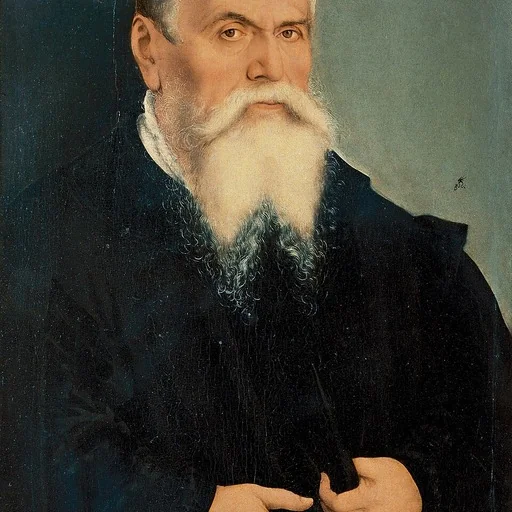
Lucas Cranach the Elder was a German Renaissance painter and printmaker in woodcut and engraving.

 The Rest on the Flight into Egypt
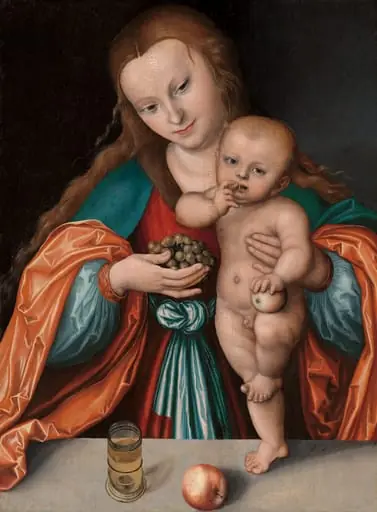
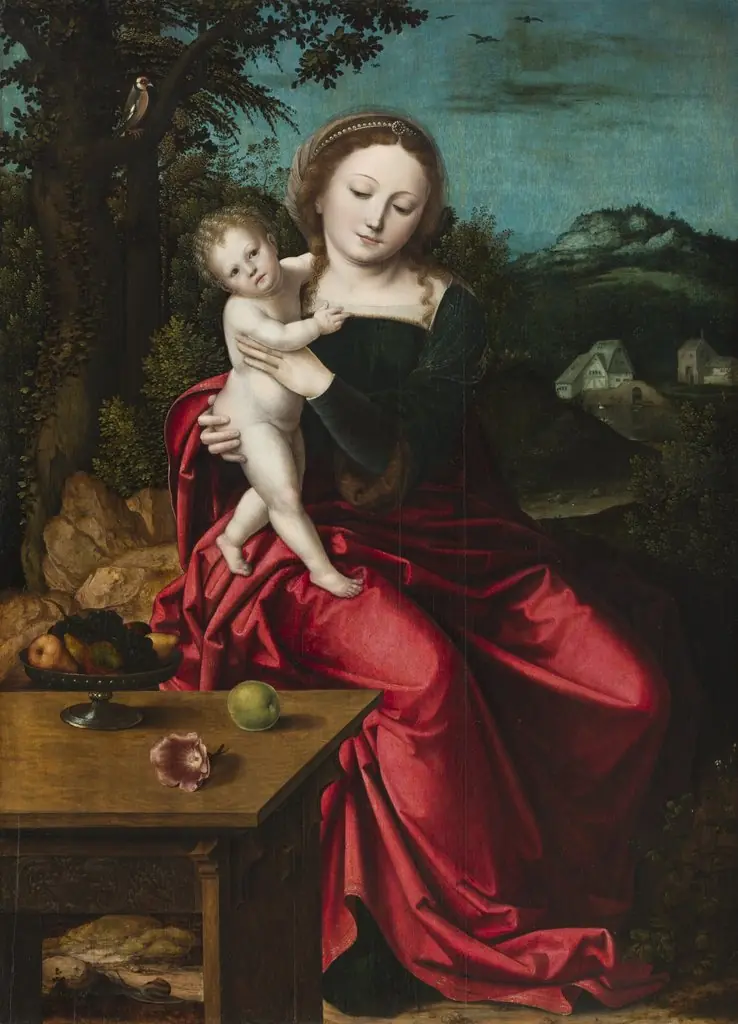 Madonna and Child
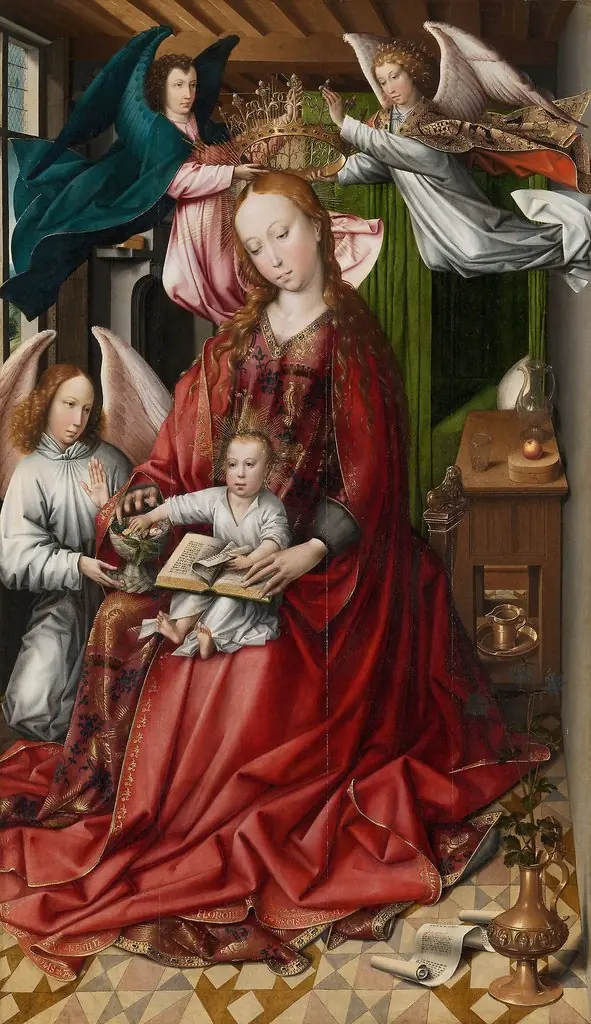 Virgin and Child Crowned by Angels
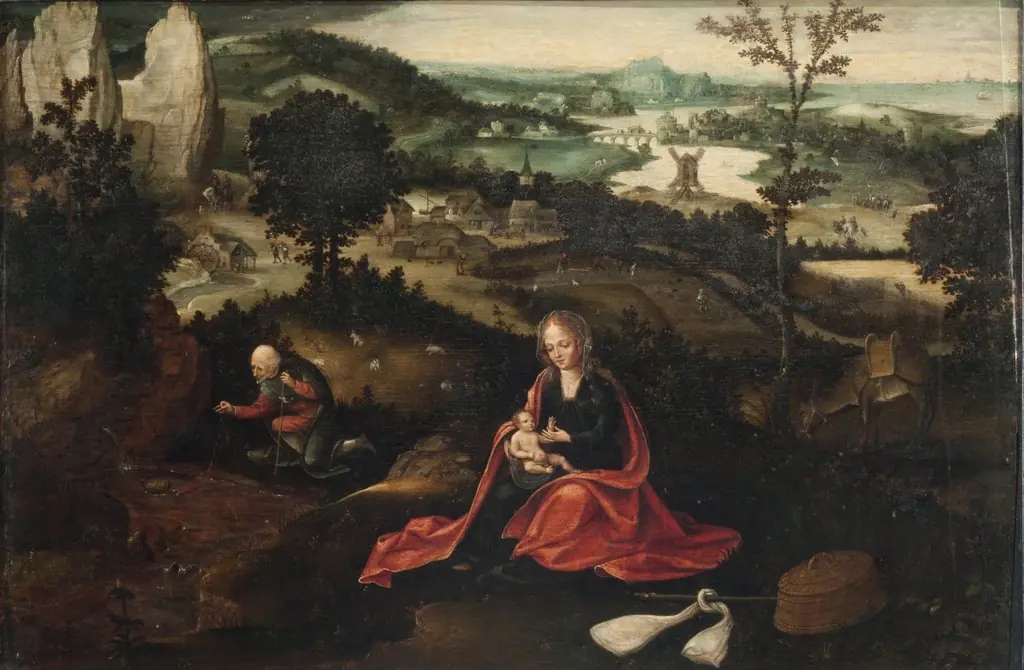 Rest on the Flight into Egypt
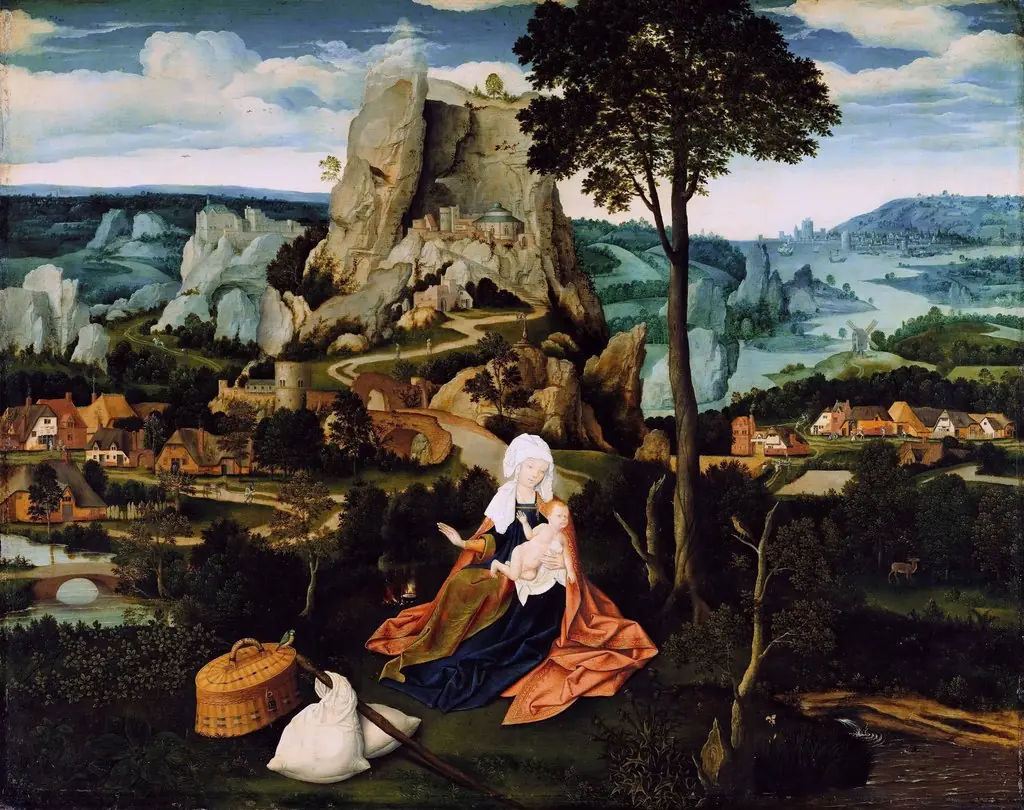 Rest on the Flight to Egypt
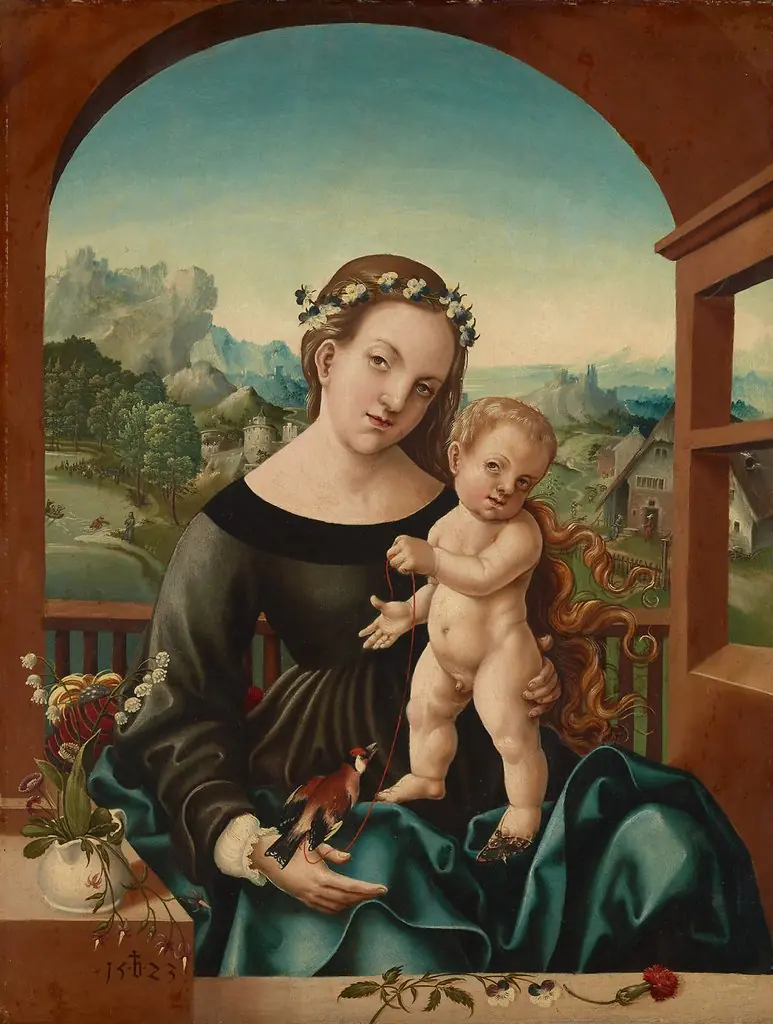 Mary with Child and Goldfinch 1523
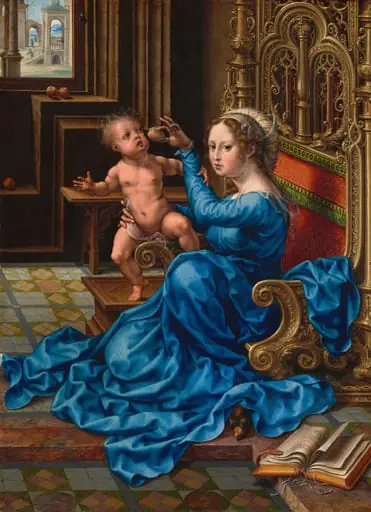 Madonna and Child
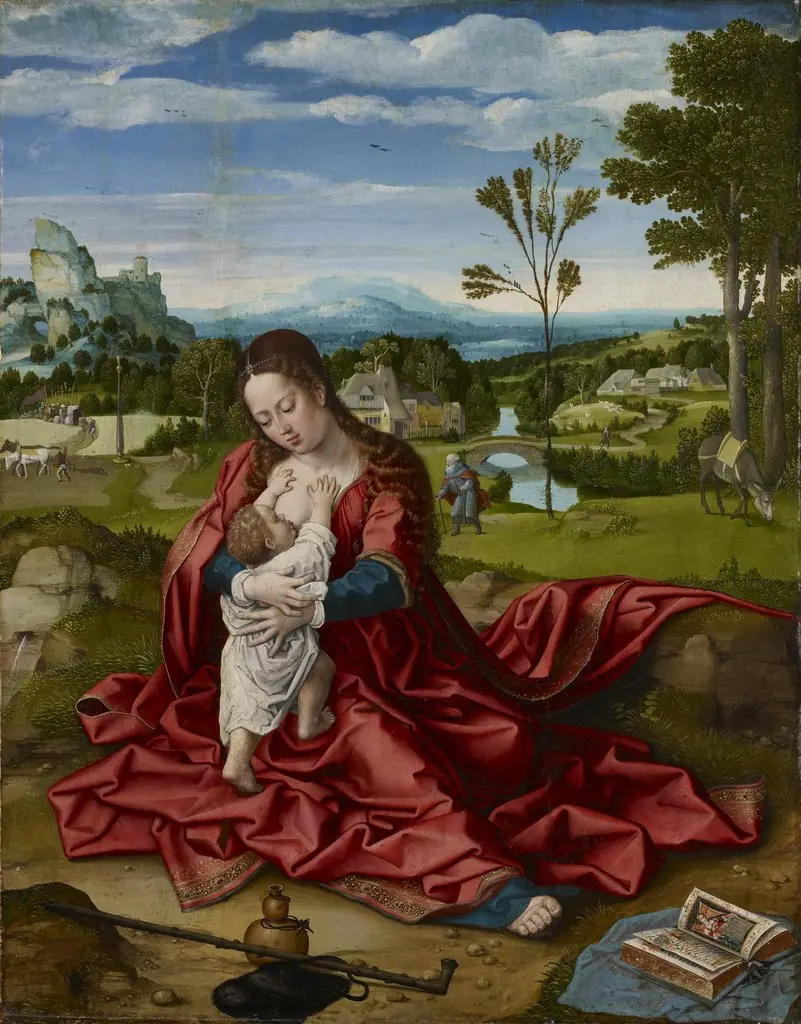 Rest on the Flight into Egypt
 The Holy Family with a Musician Angel Saints Catherine and Barbara
 The Virgin and Child