Artwork
Melancholy
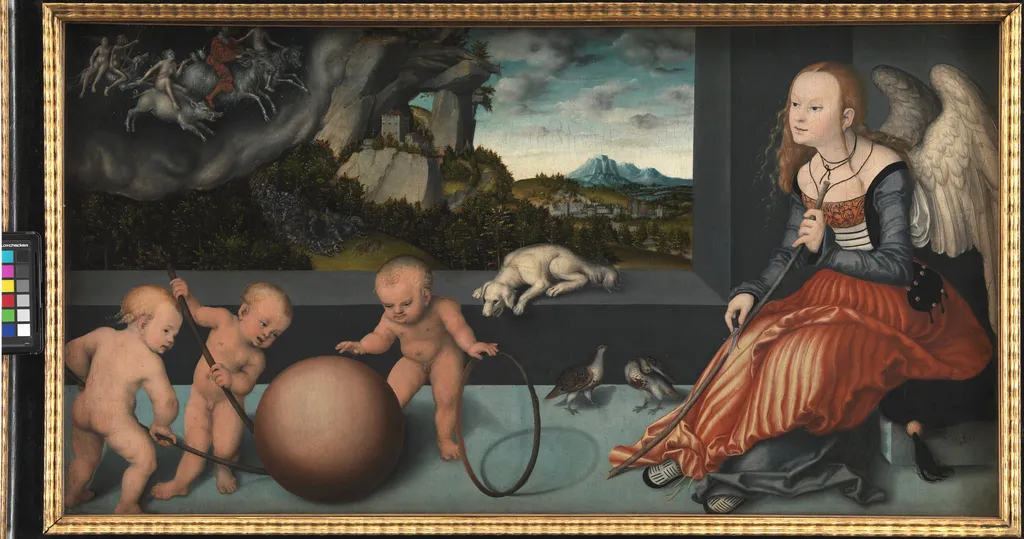
Melancholy is a photography by the Renaissance artist Unknown. It dates from 1532 and is held in the collection of the Statens Museum for Kunst. Created in 1532, this painting depicts a solitary winged woman kneeling beside three infants in a quiet, otherworldly landscape.
About this work
Overview
The work is currently held in the collection of the Museum of Ethnography, where its symbolic content continues to invite interpretation.
Created in 1532, this painting depicts a solitary winged woman kneeling beside three infants in a quiet, otherworldly landscape. The scene is rendered with careful attention to light and shadow, isolating the figures against a moody backdrop of distant mountains, a castle, and a turbulent sky. The work is currently held in the collection of the Museum of Ethnography, where its symbolic content continues to invite interpretation.
Subject & Meaning
The central figure, a woman with wings, appears sorrowful and still, contrasting with the playful infants who interact with a globe and a hoop. The presence of wings suggests a celestial or allegorical role, while the children’s engagement with symbolic objects may allude to human curiosity or the passage of time. A small dog and birds add to the scene’s quiet tension, reinforcing an atmosphere of contemplation rather than narrative clarity.
Technique & Style
The artist employs chiaroscuro to define the forms of the woman and children, using strong contrasts between light and dark to draw focus. The dark dress and red skirt of the central figure create visual weight, while the soft modeling of skin and fabric enhances their three-dimensionality. The background is rendered with looser brushwork, allowing the foreground figures to emerge with deliberate stillness and emotional gravity.
History & Provenance
The painting has been in the collection of the Museum of Ethnography since at least the late 19th century, though its early ownership remains undocumented. Its attribution to a specific artist from 1599 is uncertain and likely a misdating; stylistic analysis suggests a Northern European origin in the early 1500s. The work’s journey into institutional care reflects 19th-century interests in symbolic and folkloric imagery.
Context
Emerging during the Northern Renaissance, the painting reflects a period when allegory and moral symbolism were common in visual culture. Its enigmatic imagery, winged figures, infantile play, and elemental landscapes, parallels contemporary works exploring human nature, time, and divine order. Unlike overtly religious scenes, this piece resists clear doctrinal interpretation, instead evoking a mood of introspective unease.
Legacy
Though not widely reproduced or studied in mainstream art history, the painting has influenced later interpretations of melancholy in visual art through its quiet intensity and symbolic ambiguity. Its preservation in an ethnographic context underscores its perceived connection to mythic or archetypal themes, positioning it as a bridge between folk imagination and Renaissance visual language.
Artist & collection









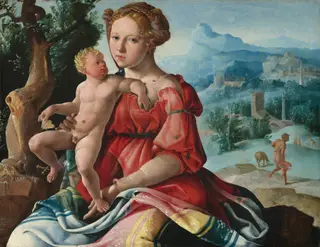 The Rest on the Flight into Egypt
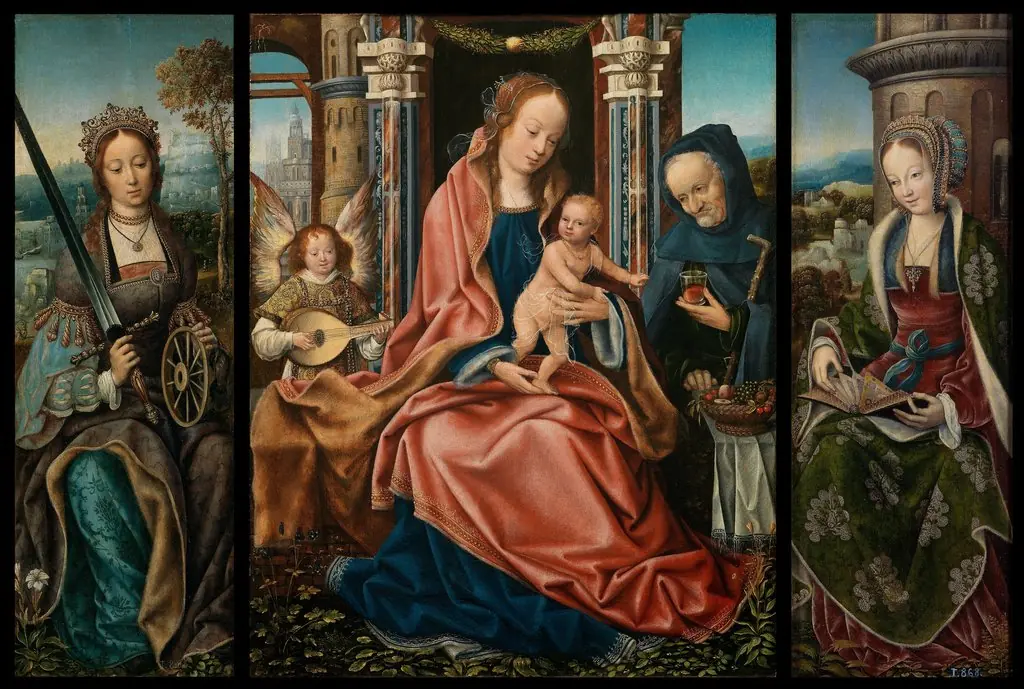 The Holy Family with a Musician Angel Saints Catherine and Barbara
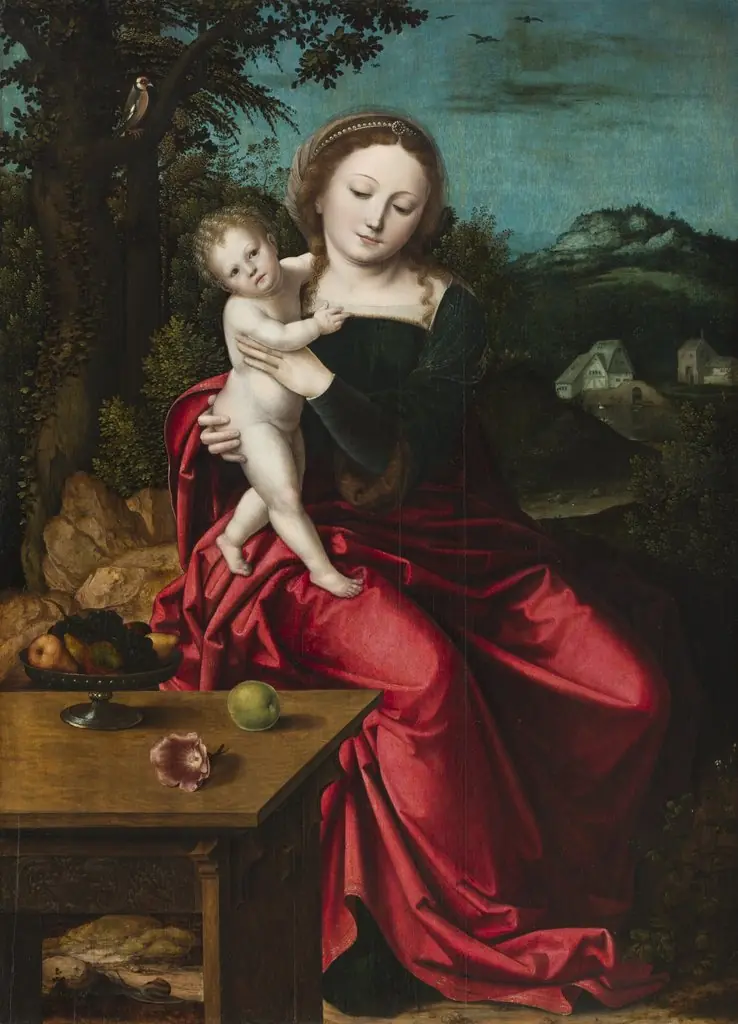 Madonna and Child
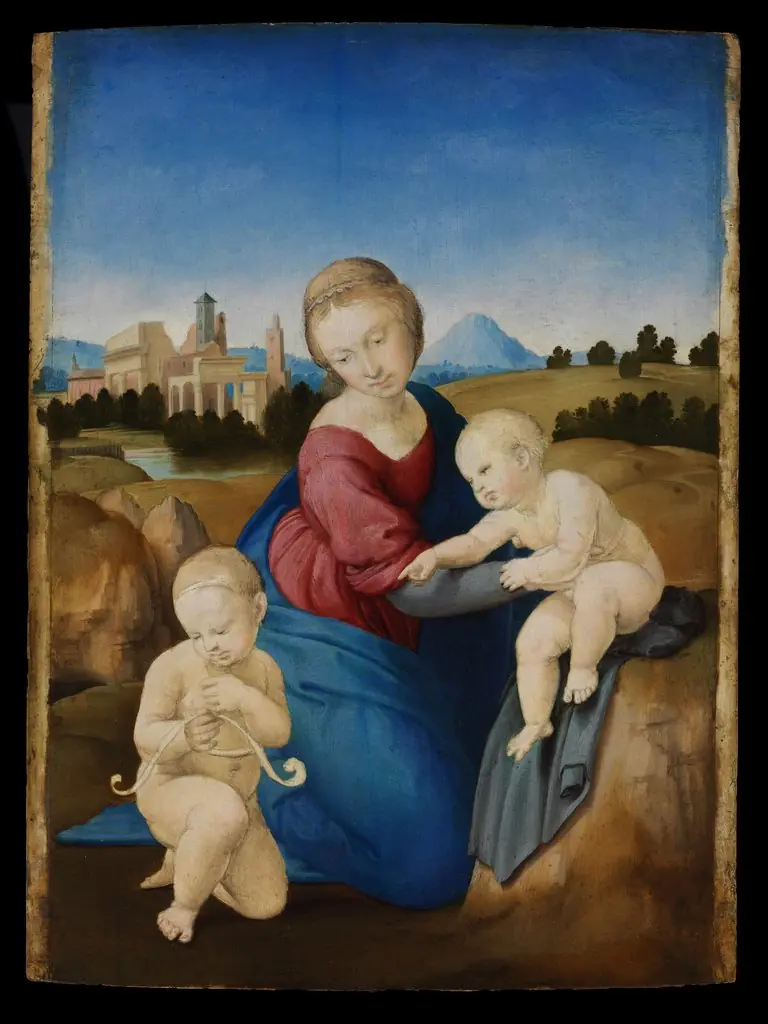 Esterhazy Madonna
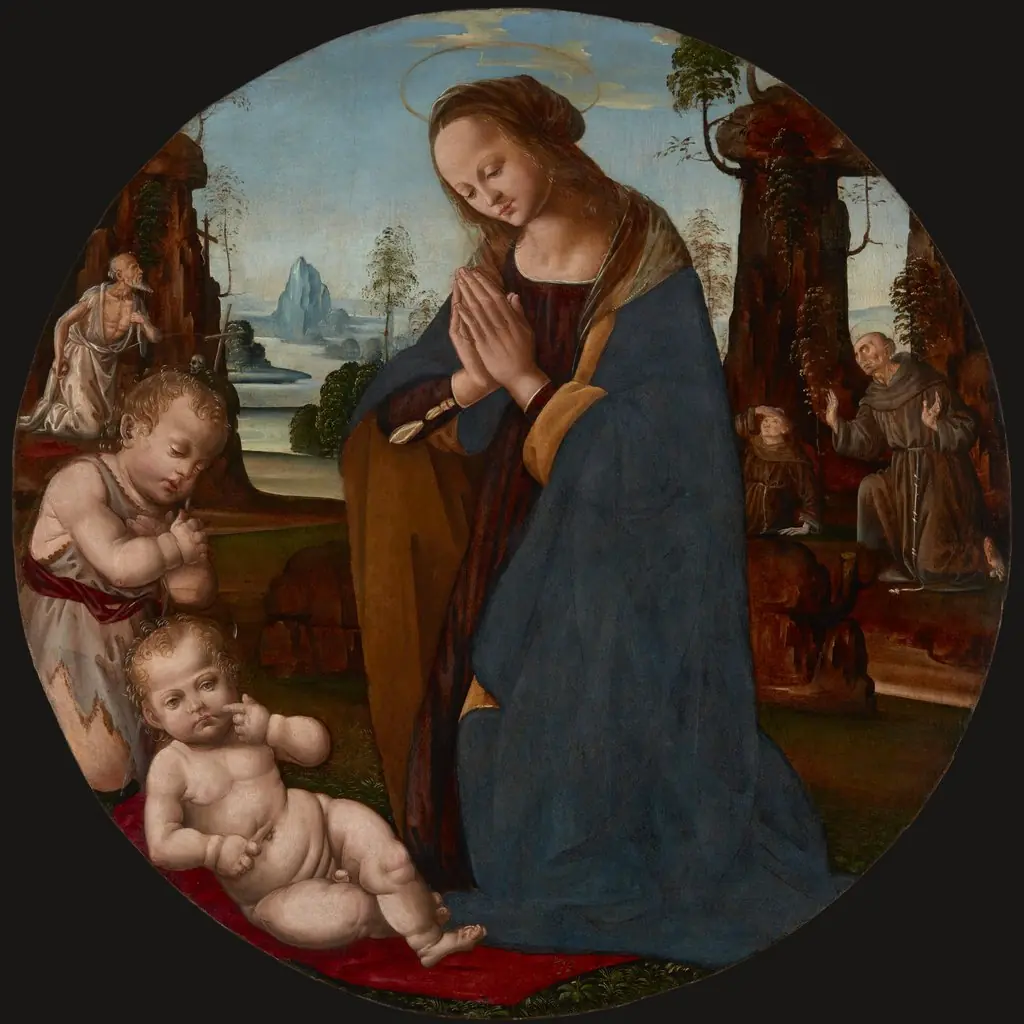 Adoration of the Child with Young St John the Baptist – Tondo
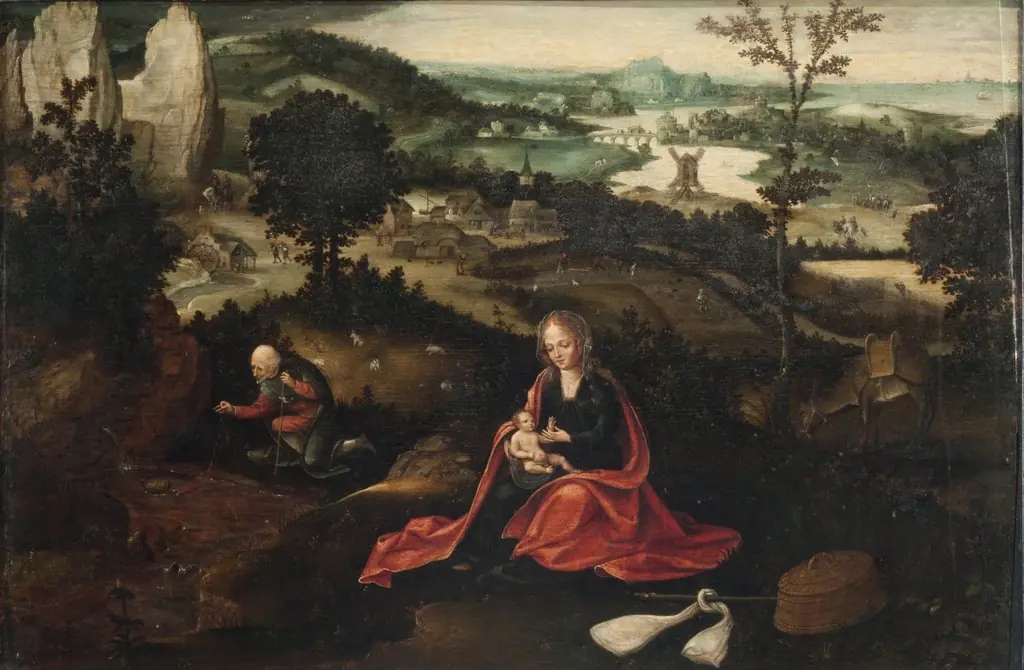 Rest on the Flight into Egypt
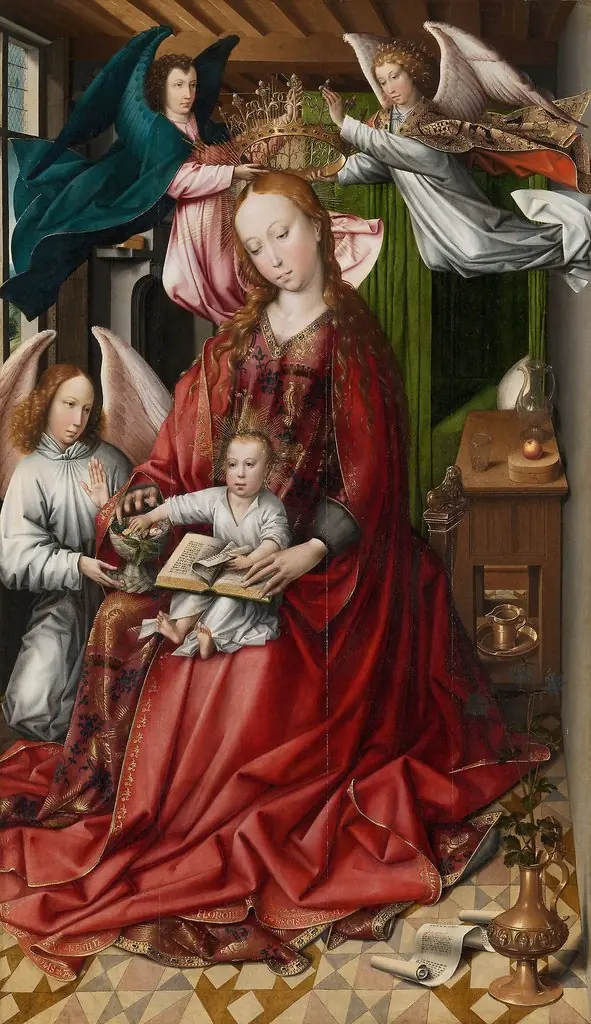 Virgin and Child Crowned by Angels
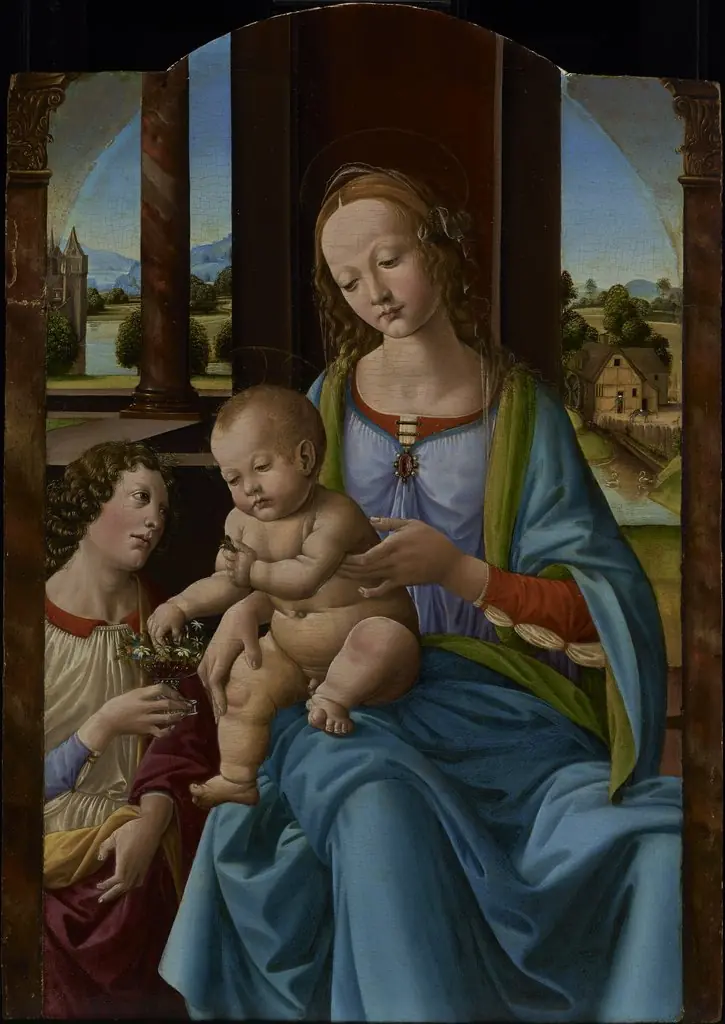 Madonna and Child
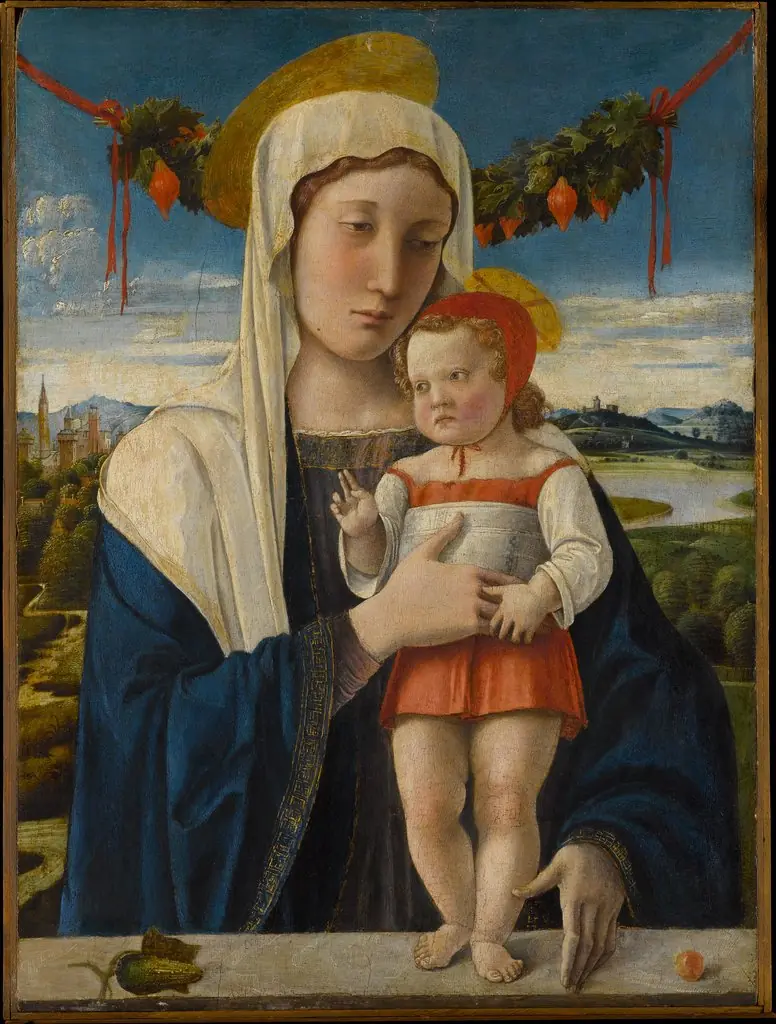 Lehman Madonna
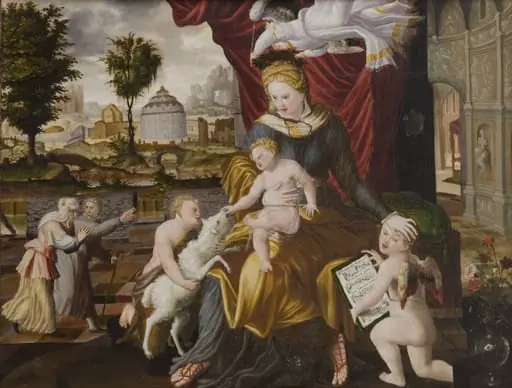 The Virgin Mary and Child, the Infant St.John and two angels