Artwork
Johann I (1468–1532), the Constant, Elector of Saxony
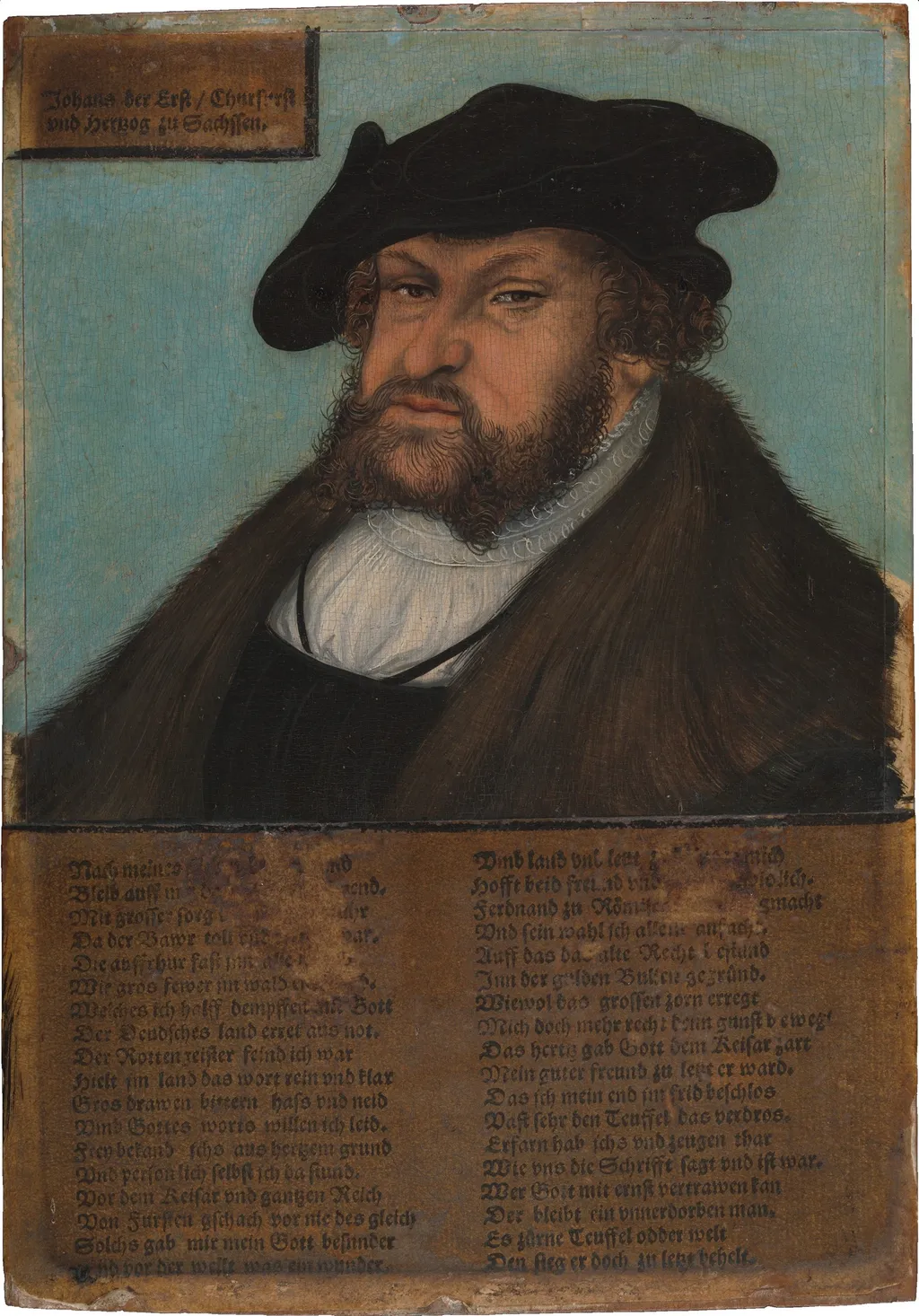
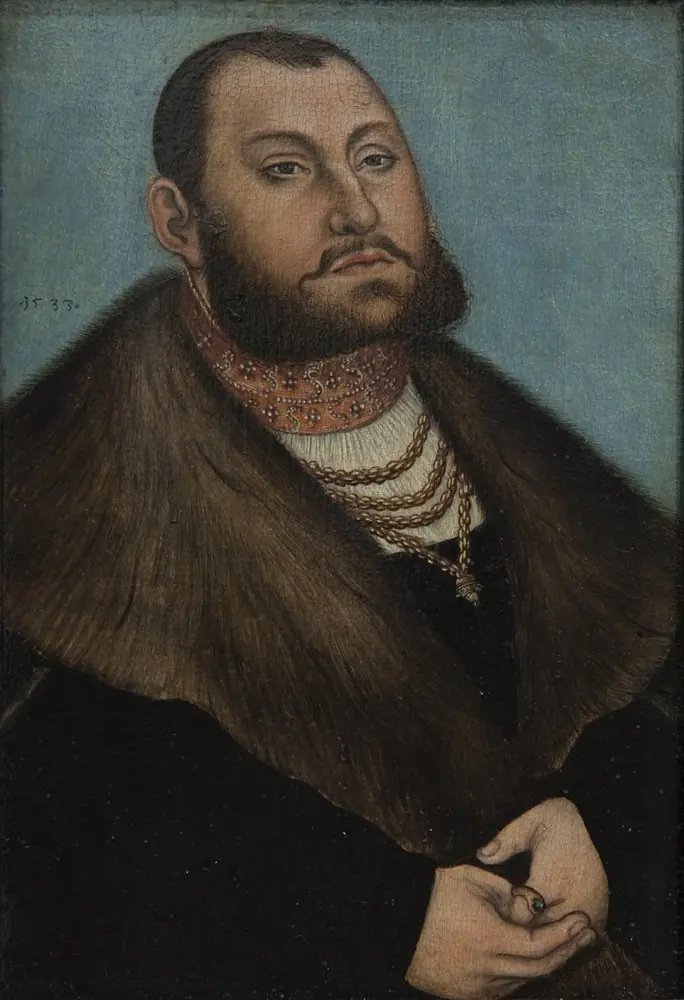
Johann I (1468–1532), the Constant, Elector of Saxony is an oil painting by the Northern Renaissance artist Lucas Cranach the Elder. It dates from 1532 and is held in the collection of the Metropolitan Museum of Art.
About this work
Technique & Style
As a panel painting, the medium consists of oil pigments applied to the wooden substrate, a characteristic technique of the artist's era for portraiture.
Created in 1532, this portrait of Johann I, Elector of Saxony, is executed in oil paint on a beech wood support. The work, attributed to Lucas Cranach the Elder and his workshop, measures 20.3 cm in height and 14.3 cm in width. As a panel painting, the medium consists of oil pigments applied to the wooden substrate, a characteristic technique of the artist's era for portraiture.
The formal composition presents the sitter in a genre defined strictly as a portrait, capturing the Elector's likeness with the stylistic conventions typical of Cranach's output during this period. The physical object remains a small-scale panel, emphasizing the intimate nature of the depiction.
History & Provenance
The portrait of Johann I (1468–1532), the Constant, Elector of Saxony, was produced by Lucas Cranach the Elder in 1532, executed in oil paint on beech wood. The painting entered the collection of the Metropolitan Museum of Art, where it is currently held and installed in Gallery 643. No further details regarding commission, prior ownership, or intermediate provenance are documented in the available sources.
The portrait is held by the Metropolitan Museum of Art in New York, where it is installed in Gallery 643 and belongs to the museum's permanent collection. The painting is executed in oil paint on beech wood, measures 20.3 cm in height by 14.3 cm in width, and dates to 1532. The sources do not provide an accession number or details of any exhibition history beyond its present placement in the museum's collection.
Context
The 1532 oil portrait of Johann I, Elector of Saxony, attributed to Lucas Cranach the Elder, exemplifies early German Renaissance court portraiture and is housed in the Metropolitan Museum of Art (Gallery 643). Contemporary scholarship identifies the work as a key example of Cranach’s representation of Saxon electoral authority, reflecting both the political stature of the Constant and the artistic conventions of courtly likeness in the early 16th century. Its formal composition, dimensions of 20.3 × 14.3 cm, and execution in oil on beech panel underscore its significance within Cranach’s oeuvre and the broader discourse on portraiture of German princes.
Legacy
The 1532 portrait by Lucas Cranach the Elder, documented in the Metropolitan Museum of Art's collection, has become a primary visual reference for Johann I, the Constant, shaping modern perceptions of his appearance and political stance. Its long‑term display in a leading museum and inclusion in scholarly catalogues have reinforced his legacy as a symbol of Saxon autonomy and religious conviction during the Reformation. Consequently, the artwork contributes significantly to the enduring reputation of Johann I as a steadfast ruler, frequently cited in studies of early modern portraiture and electoral identity.
Overview
Painted in 1532 by Lucas Cranach the Elder, this oil portrait depicts Johann I, Elector of Saxony, known as 'the Constant,' shortly before his death. The work presents the ruler in a three-quarter view against a flat, light blue background, a compositional choice typical of Cranach's portraiture that isolates the subject to emphasize his status and character. Johann is shown wearing a black hat and a heavy black coat over a white collar, with his curly hair and full beard rendered in precise detail.
His gaze meets the viewer directly with a serious, contemplative expression, conveying the dignity and resolve associated with his political role as a key supporter of the Protestant Reformation. Executed in the final year of the Elector's life, the painting serves as an official state image, utilizing the artist's signature style of smooth surfaces and stylized features to project authority. This work stands as a significant example of Cranach's late portraiture, documenting the visual identity of a major German prince during the early sixteenth century.
Subject & Meaning
The painting directly depicts Johann I (1468–1532), Elector of Saxony, a prominent patron of the Protestant Reformation and a staunch supporter of Martin Luther. Cranach portrays him with a serious, direct gaze, emphasizing his role and character. The Elector's attire, including a black hat and coat over a white collar, reflects the sober fashion of the period, while his curly hair and beard add to the individualized representation.
Own this work as a print
Artist & collection
Artist
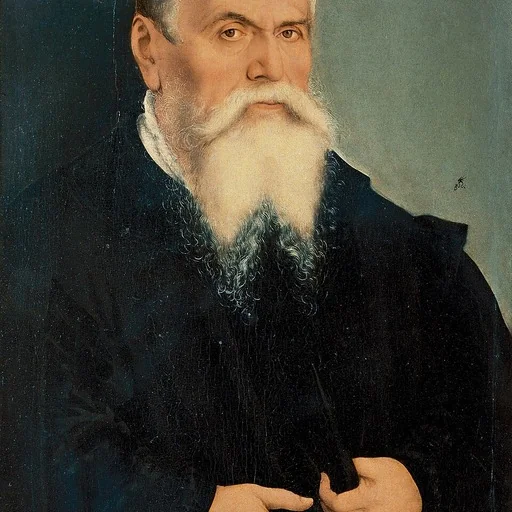
Lucas Cranach the Elder was a German Renaissance painter and printmaker in woodcut and engraving.

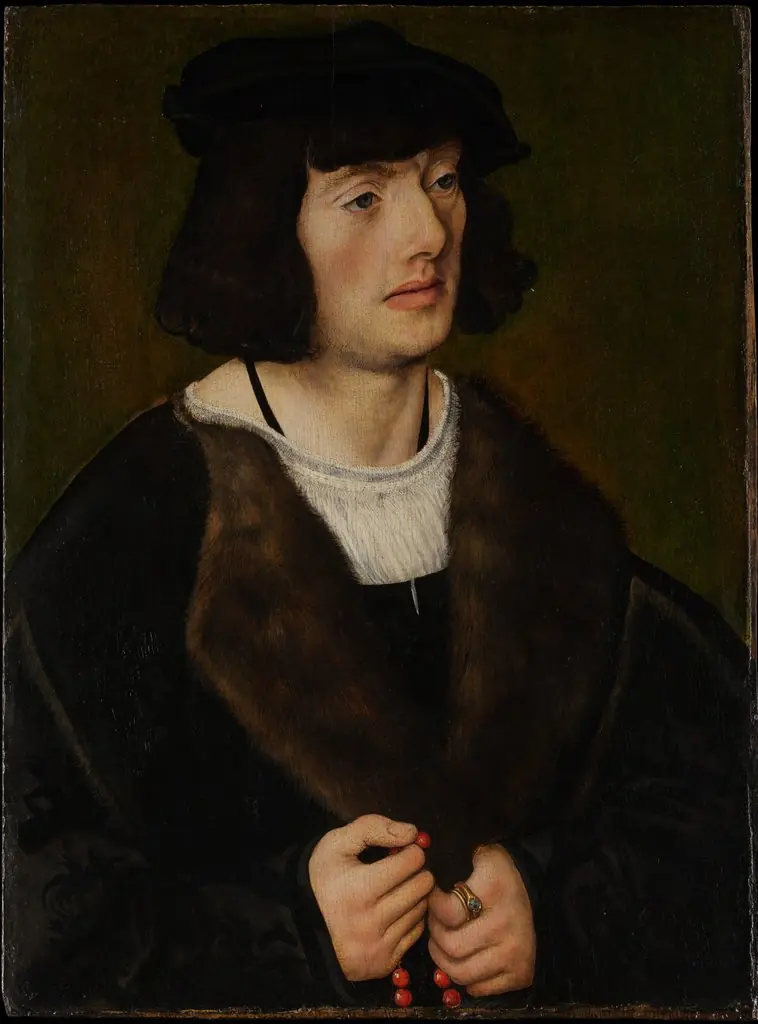
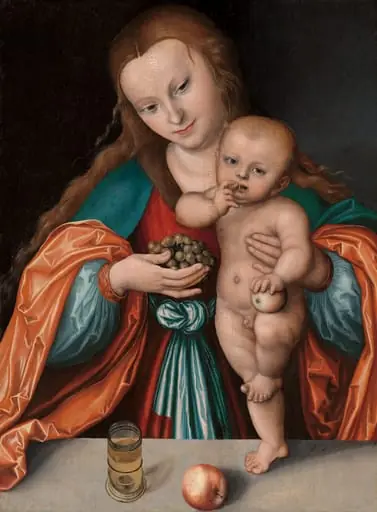
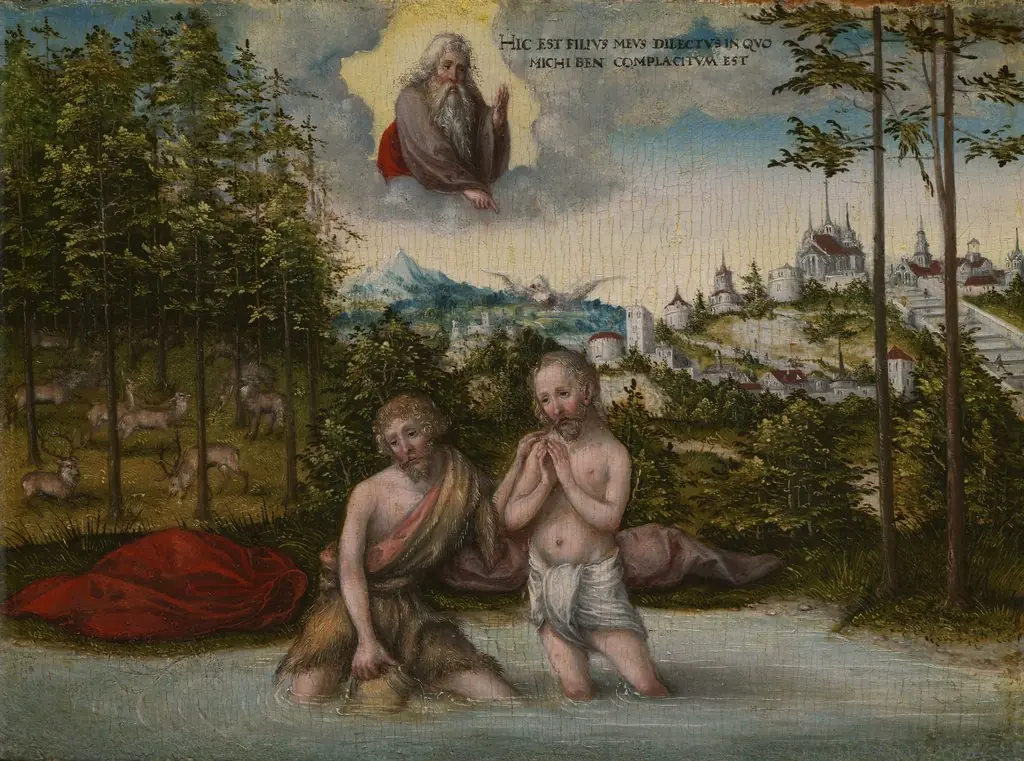
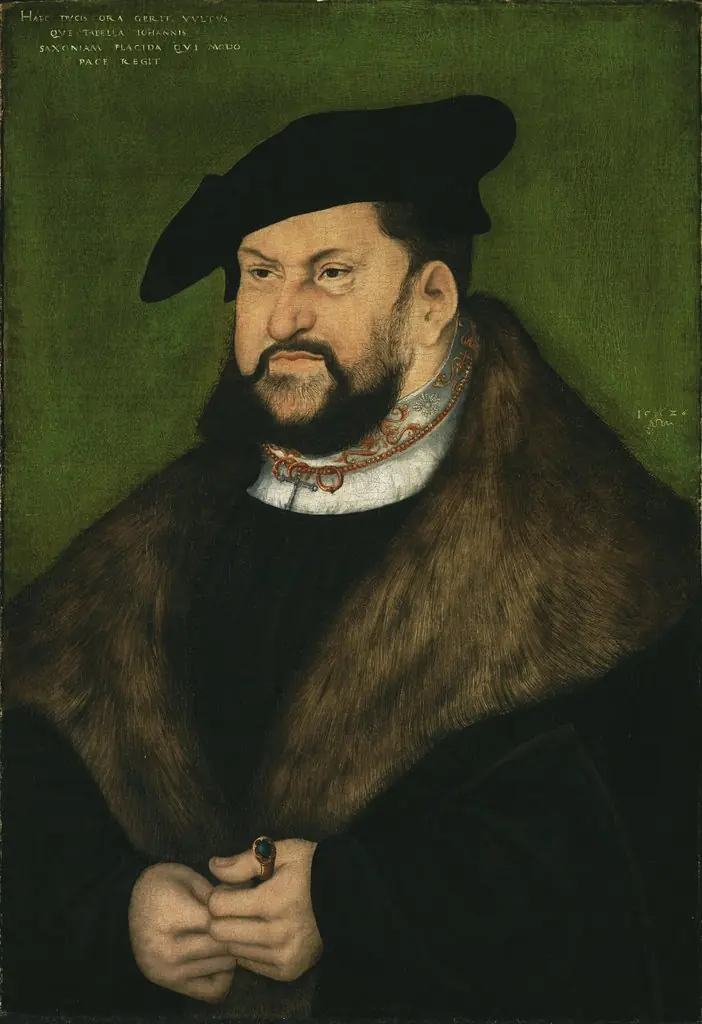
- Portrait of Johannes the Steadfast, Elector of Saxony
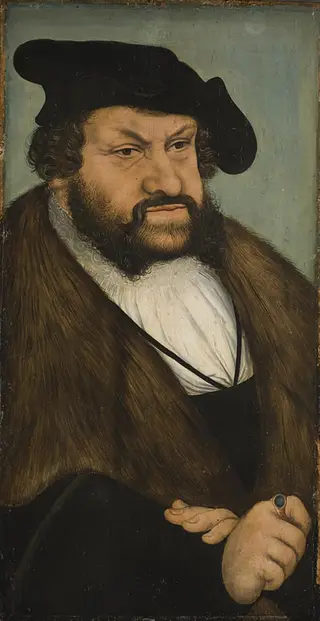 Portrait of the Elector John the Steadfast of Saxony (1468-1532)
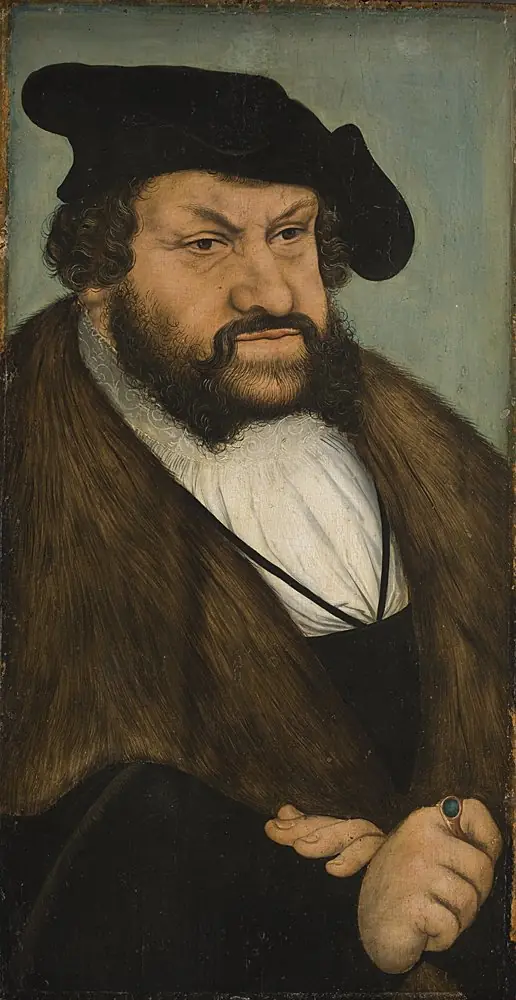 Portrait of the Elector John the Steadfast of Saxony (1468-1532)
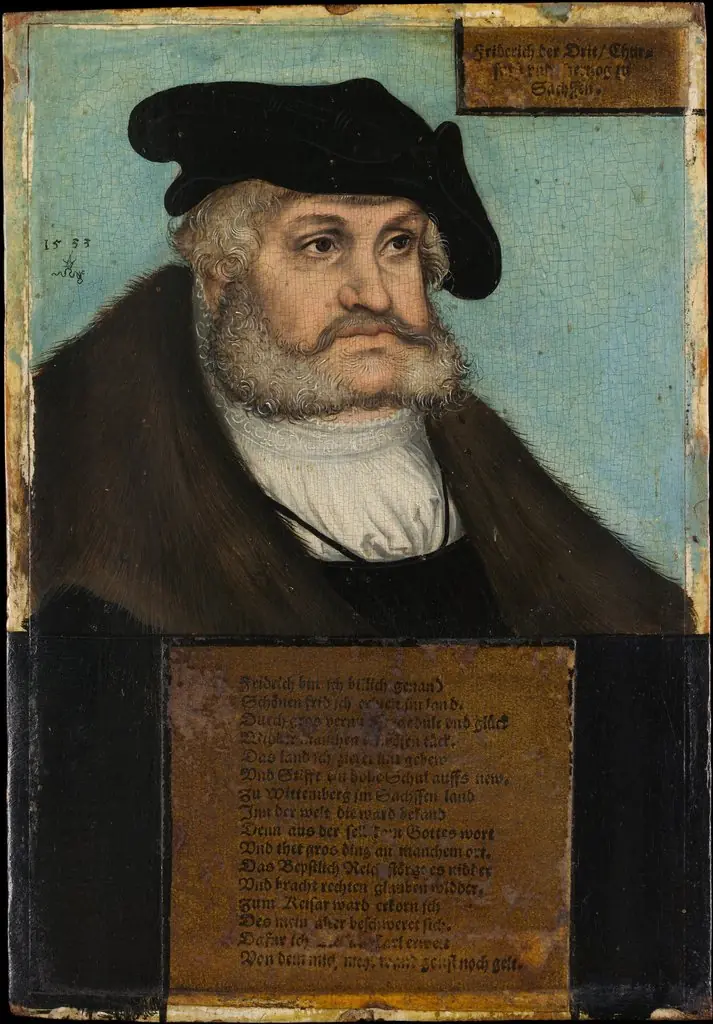 Friedrich III (1463–1525), the Wise, Elector of Saxony
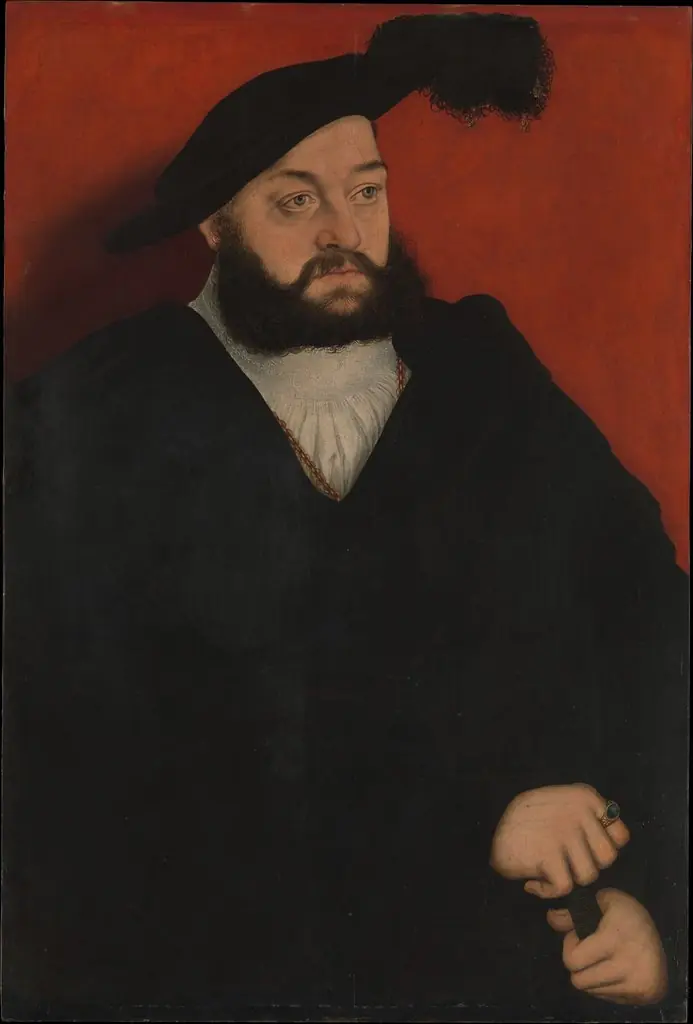 Johann (1498–1537), Duke of Saxony
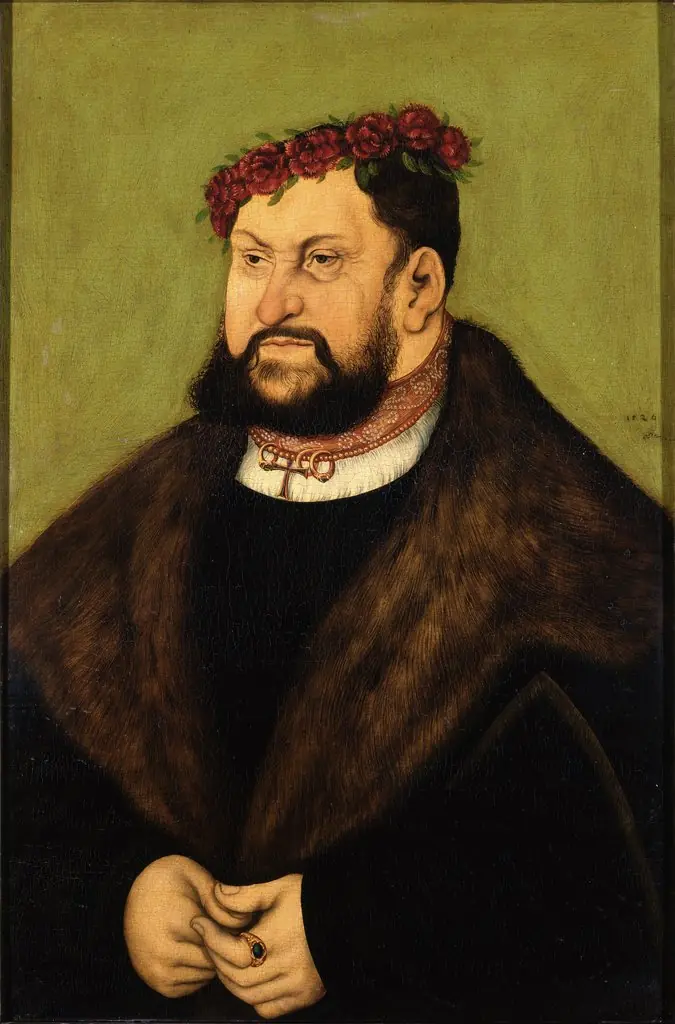 Johann the Steadfast, Elector of Saxony
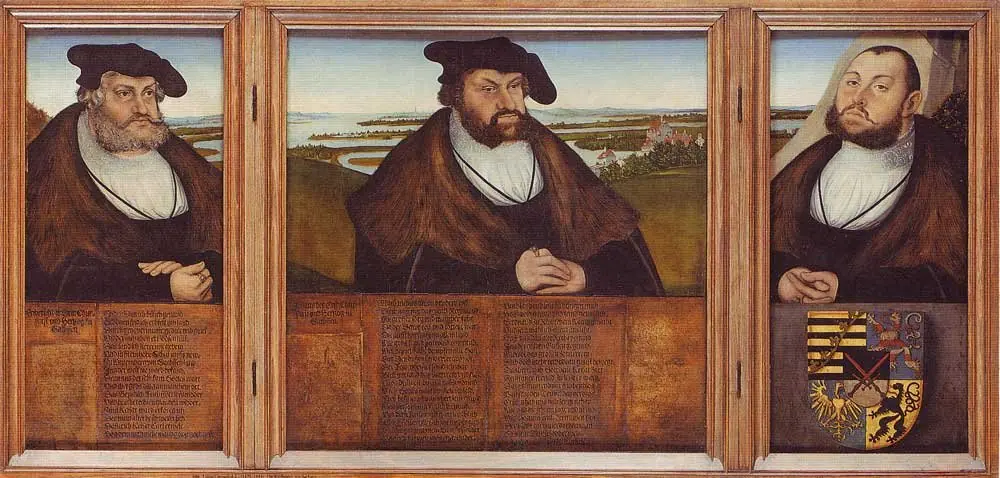 The three Electors of Saxony
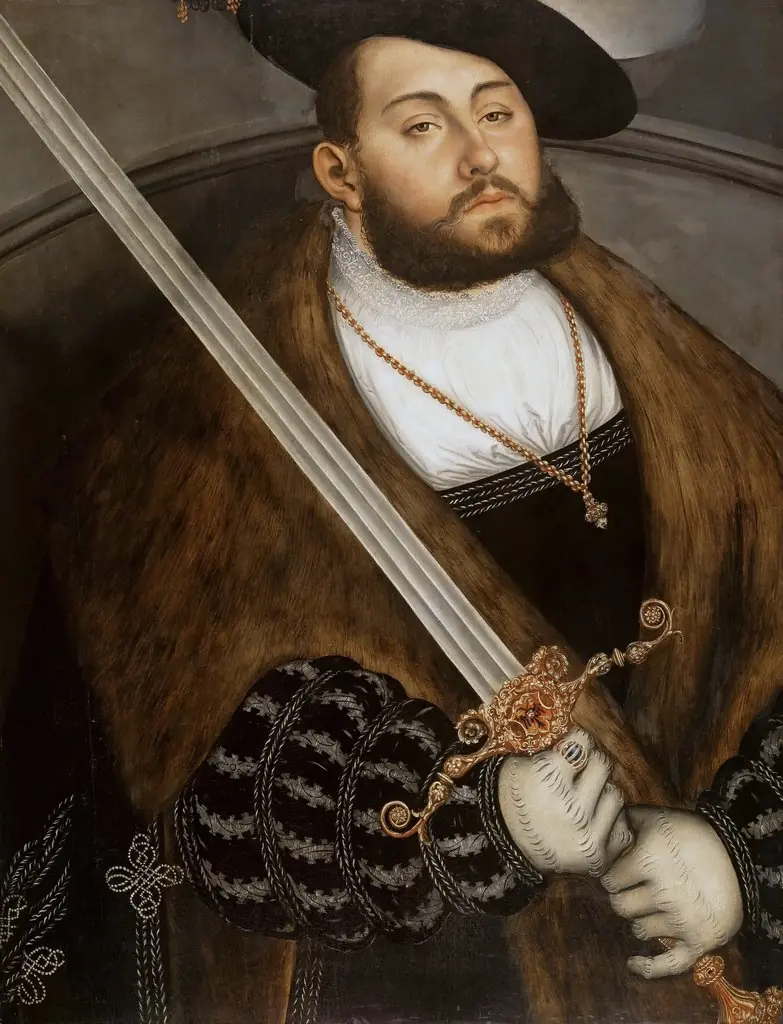 Johann Friedrich I, the Magnanimous, Elector of Saxony
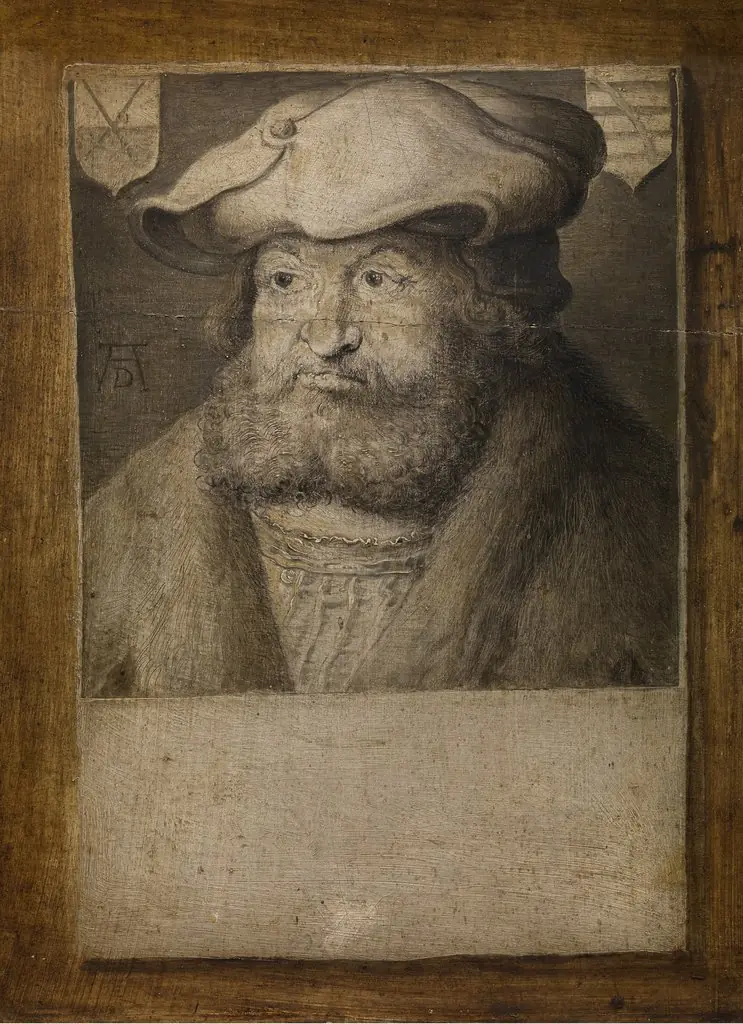 Elector of Saxony Frederick III
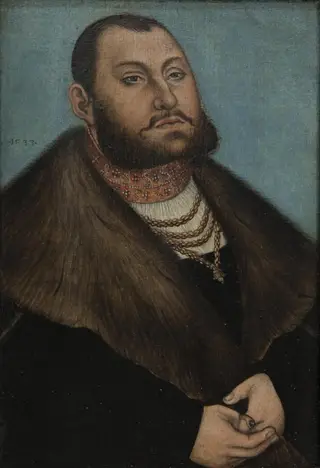 Portrait of the Elector John Frederic the Magnanimous of Saxony (1503-1554)
 Portrait of the Elector John Frederic the Magnanimous of Saxony (1503-1554)