Artwork
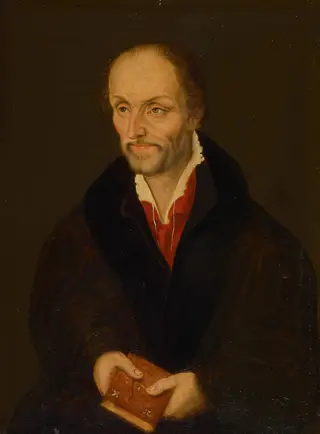
Portrait of Philipp Melanchthon, Church Reformer
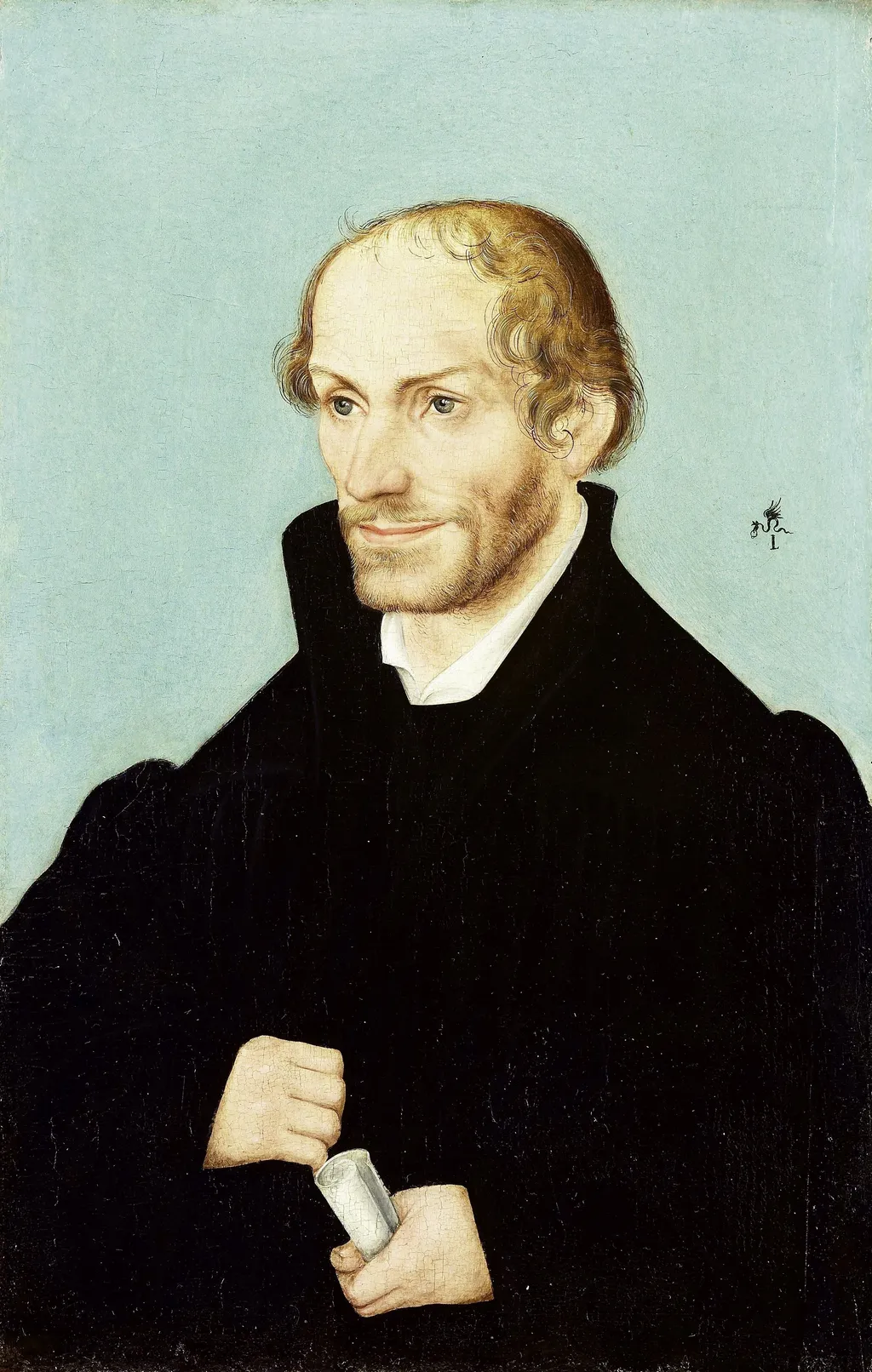
Portrait of Philipp Melanchthon, Church Reformer is an oil painting by the Northern Renaissance artist Lucas Cranach the Elder. It is held in the collection of the Rijksmuseum.
About this work
Subject & Meaning
The work depicts Philipp Melanchthon, a central figure of the Protestant Reformation often referred to as a church reformer.
The work depicts Philipp Melanchthon, a central figure of the Protestant Reformation often referred to as a church reformer. As a portrait from the German Renaissance movement, the image functions primarily as a likeness intended to document the reformer's appearance rather than employing complex allegorical symbolism. The painting captures Melanchthon as the main subject, emphasizing his role within the religious transformations of the era.
Executed in oil on panel, the piece serves as a visual record of the theologian, reflecting the period's interest in commemorating key intellectual and spiritual leaders through direct representation.
Technique & Style
Executed in oil paint on a panel support, this portrait exemplifies the formal qualities of the German Renaissance. The work measures 36 cm in height and 23 cm in width, presenting a compact format typical of the period's portraiture. Attributed to Lucas Cranach the Elder or his workshop, the piece utilizes the durable medium of oil on wood to depict the church reformer Philipp Melanchthon.
The handling of the materials reflects the stylistic conventions associated with Cranach's production during the mid-16th to early 17th century.
History & Provenance
Lucas Cranach the Elder painted this portrait of Philipp Melanchthon in 1600, depicting the German reformer on panel. It entered the collection of Cornelis Hoogendijk before being acquired by the Rijksmuseum and later transferred to the Mauritshuis, where it remains on display. The work was featured in the 1976 catalogue All the Paintings of the Rijksmuseum in Amsterdam and in the exhibition Lucas Cranach der Jüngere - Entdeckung eines Meisters, underscoring its documented provenance and scholarly recognition.
The portrait is held in the Mauritshuis collection, with a provenance linked to the Rijksmuseum. According to the records, it was once owned by Cornelis Hoogendijk before entering the Rijksmuseum holdings.
The work has been featured in two documented exhibitions. It appeared in the 1976 catalogue "All the Paintings of the Rijksmuseum in Amsterdam: a Completely Illustrated Catalogue," reflecting its association with that institution's collection. It was also included in "Lucas Cranach der Jüngere - Entdeckung eines Meisters," an exhibition devoted to the younger Cranach's oeuvre.
Context
The portrait is catalogued within the German Renaissance movement and attributed to Lucas Cranach the Elder, with the Wikidata record also acknowledging possible workshop involvement. Its small dimensions, 36 by 23 centimetres on panel, place it within the intimate, cabinet-picture tradition typical of sixteenth-century portraiture of reformers.
The painting has entered the scholarly literature through its inclusion in the 1976 catalogue "All the Paintings of the Rijksmuseum in Amsterdam: a Completely Illustrated Catalogue," and it has been featured in the exhibition "Lucas Cranach der Jüngere - Entdeckung eines Meisters," situating it within ongoing reassessment of the Cranach workshop's output. Its provenance traces through Cornelis Hoogendijk before entering the Rijksmuseum, with the Mauritshuis also listed among associated collections.
Legacy
The portrait of Philipp Melanchthon by Lucas Cranach the Elder has maintained a strong reputation as an emblem of German Renaissance portraiture, influencing how later artists approached scholarly subjects. Its inclusion in major exhibitions such as All the Paintings of the Rijksmuseum in Amsterdam (1976) and scholarly catalogues has reinforced its status within art historical discourse. The work continues to be cited in studies of Cranach’s workshop practices and the transmission of Reformation-era imagery, underscoring its enduring significance in both museum collections and academic research.
Overview
Lucas Cranach the Elder’s oil portrait of Philipp Melanchthon, dated 1600, presents the German reformer in a restrained pose. The work belongs to the Northern Renaissance tradition and is part of the Rijksmuseum’s collection. It measures the figure against a muted light blue‑green backdrop, emphasizing the sitter’s scholarly demeanor.
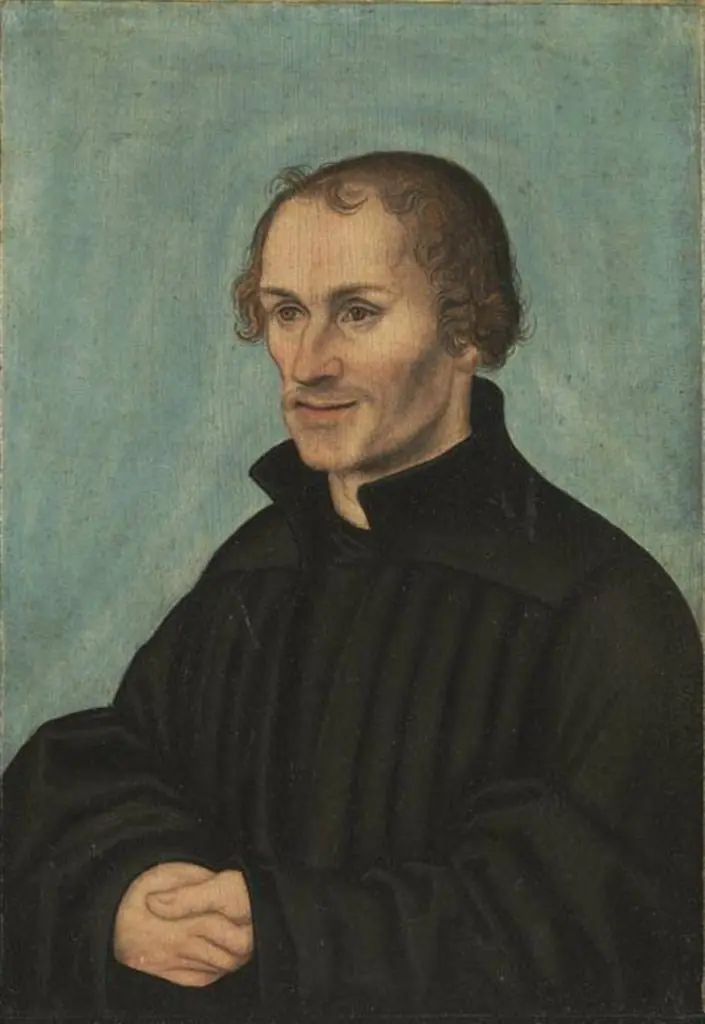
Own this work as a print
Artist & collection
Artist
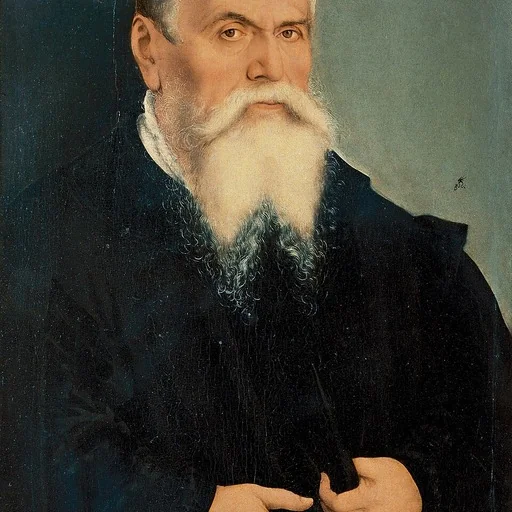
Lucas Cranach the Elder was a German Renaissance painter and printmaker in woodcut and engraving.

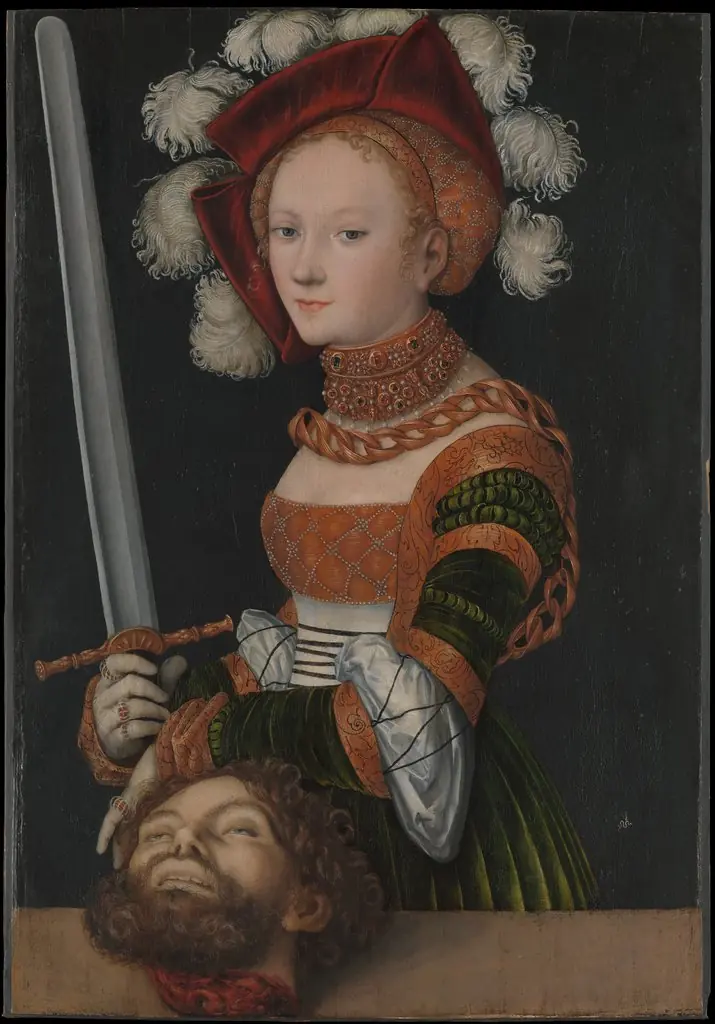
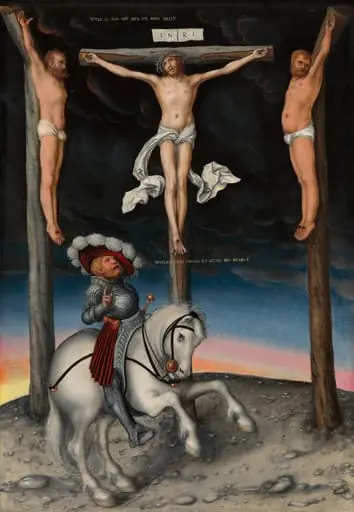
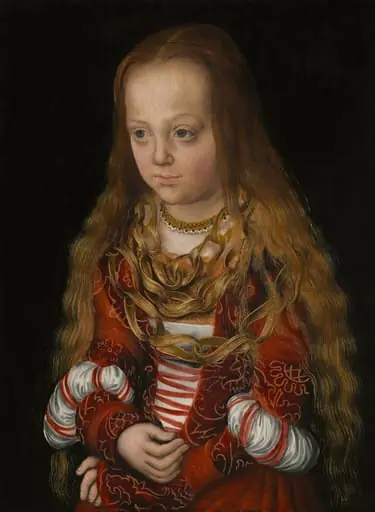
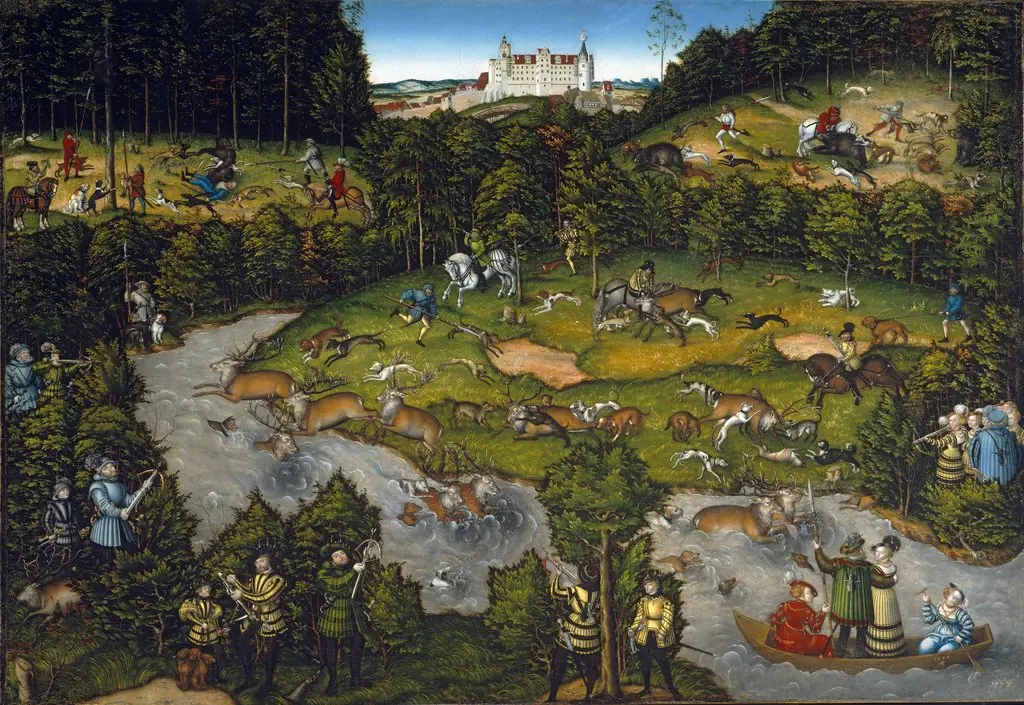
- Portrait of Philipp Melanchthon
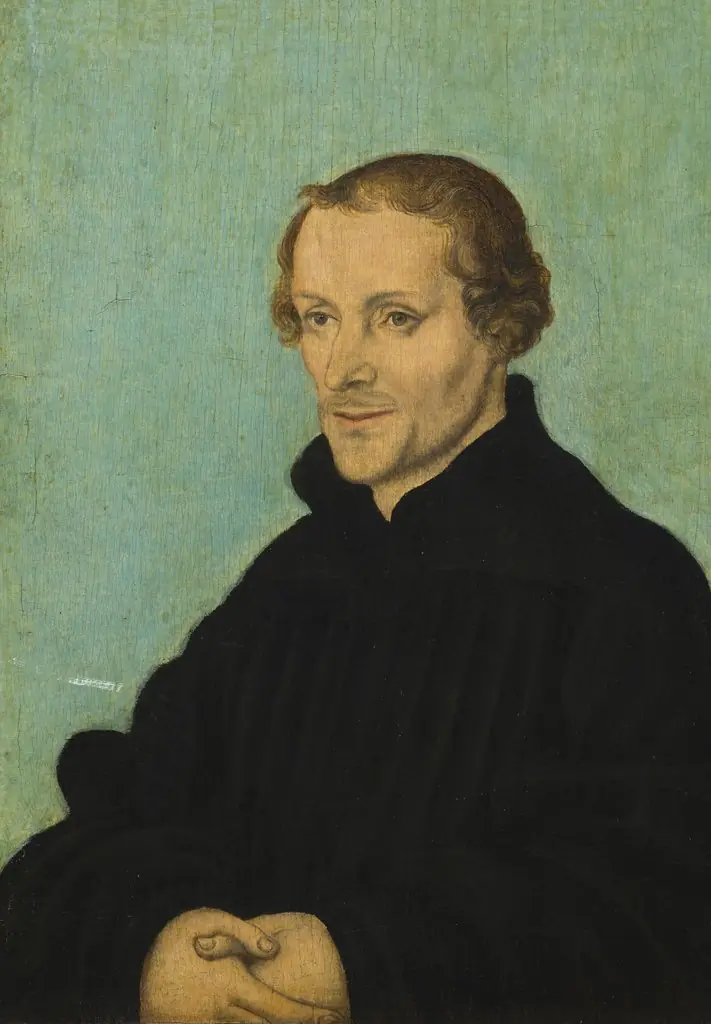 Portrait of Philipp Melanchton
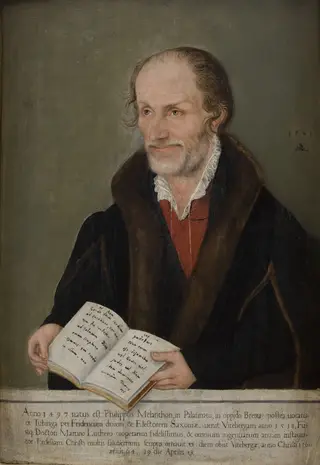 Portrait of Philipp Melanchthon (1497–1560)
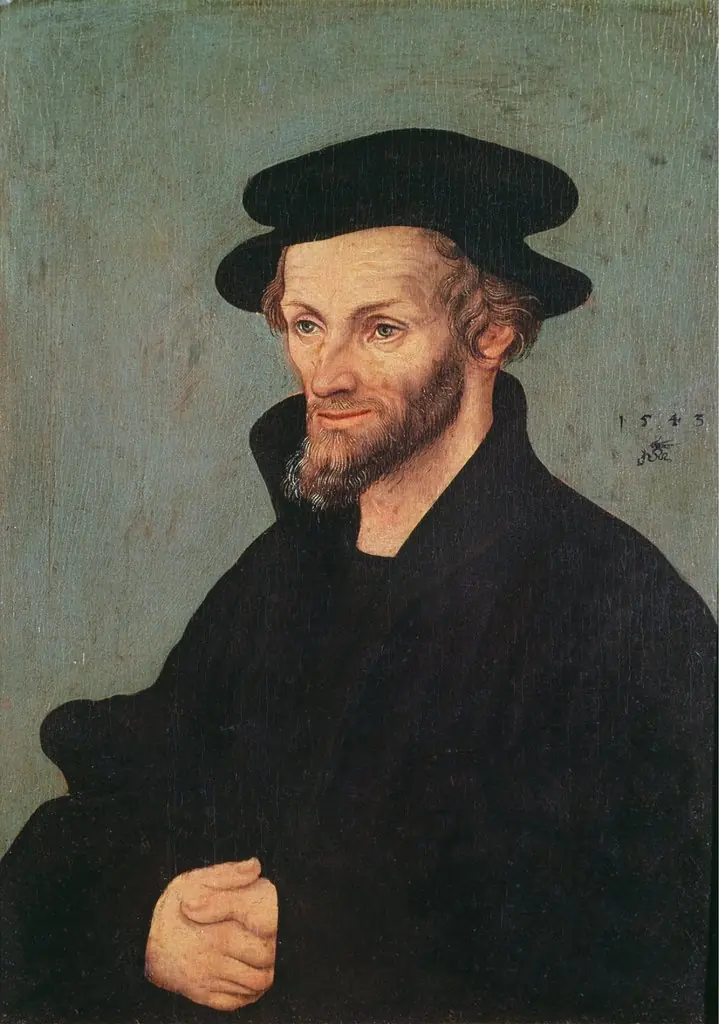 Portrait of Philipp Melanchton
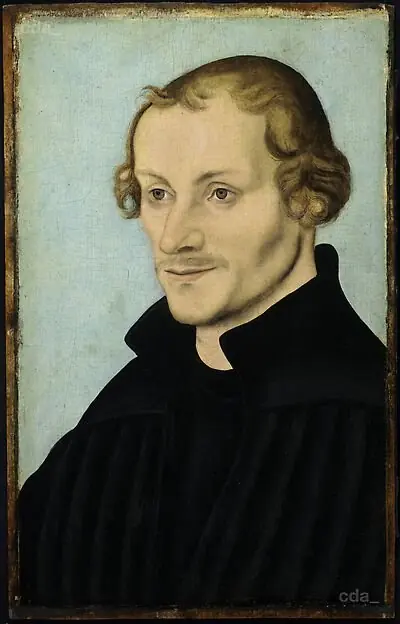 Portrait of Philipp Melanchthon (1497-1560)
 Philipp Melanchthon (1497-1560)
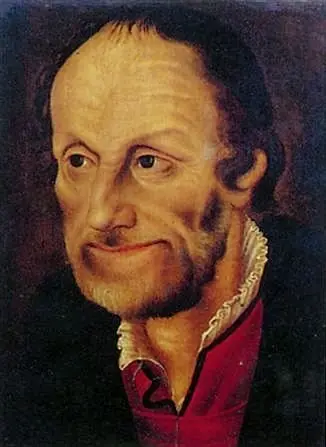 Portrait of Philipp Melanchton
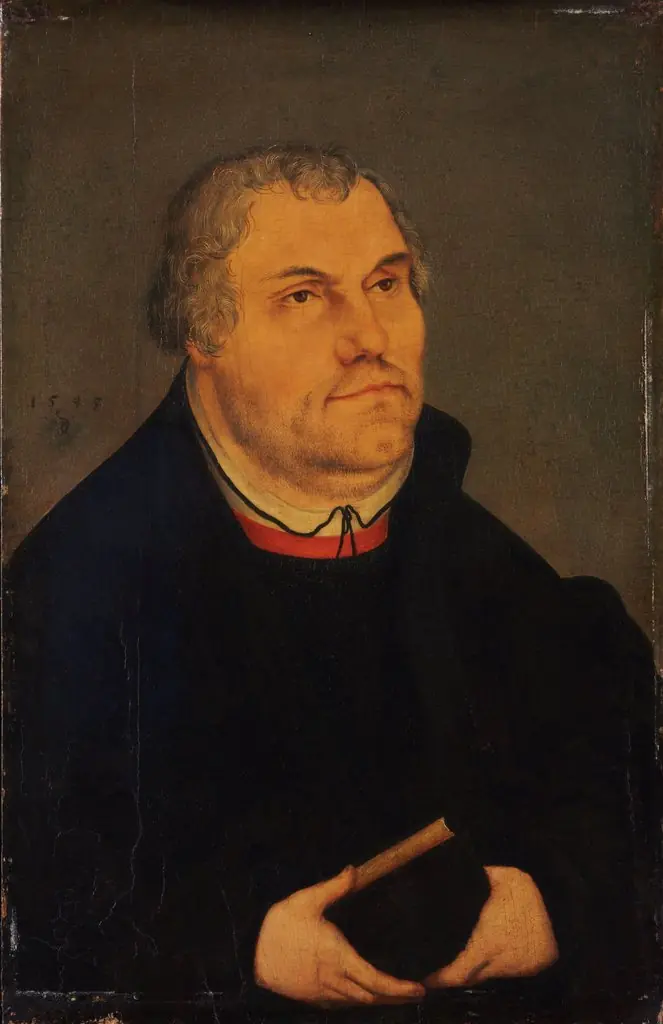 Portrait of Martin Luther
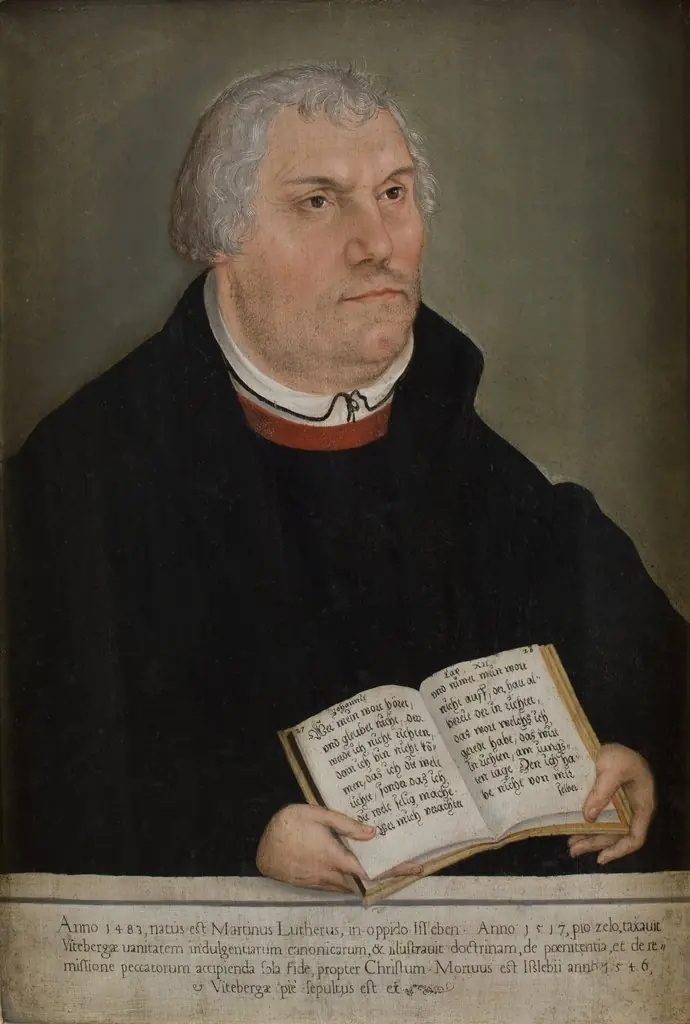 Portrait of Martin Luther (1483–1586)
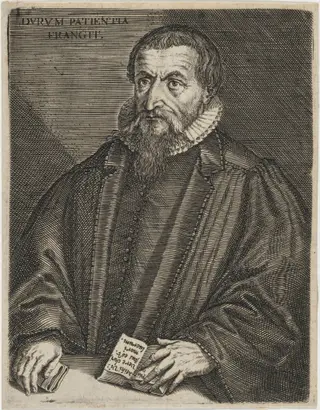 Portrait of a Clergyman
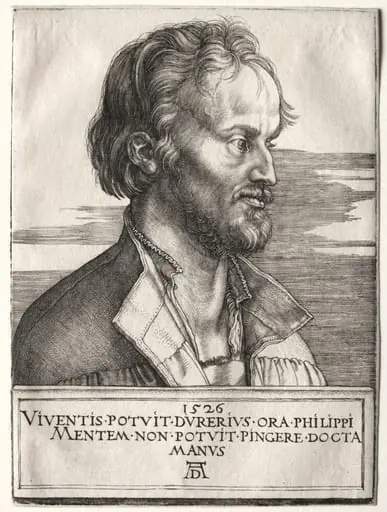 Philipp of Melanchthon