Artwork
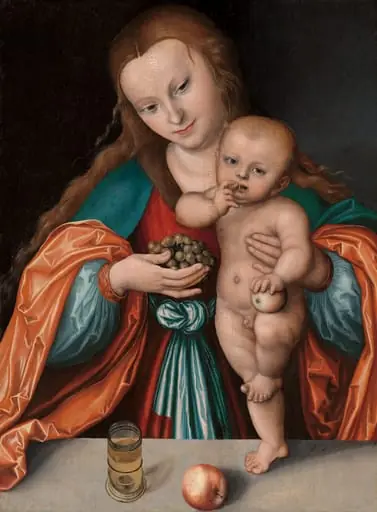
The Virgin and Child with the Infant St John
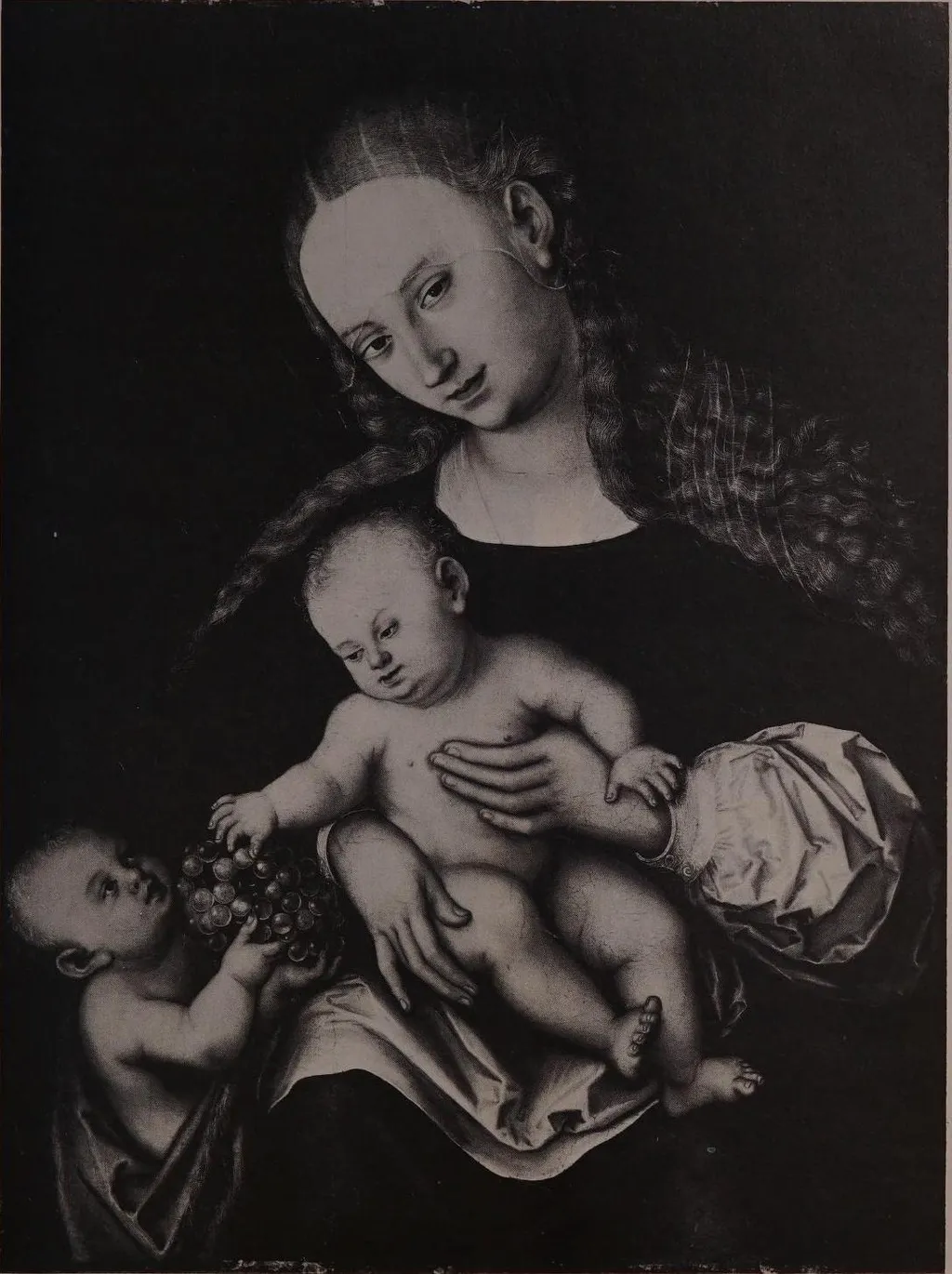
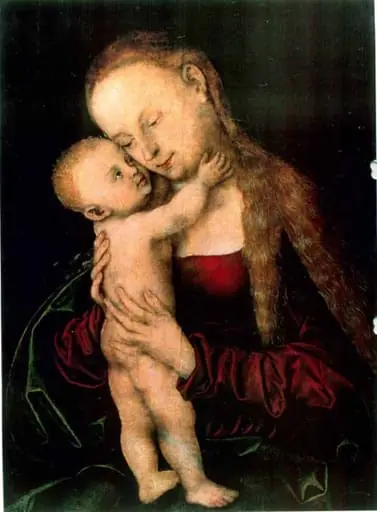
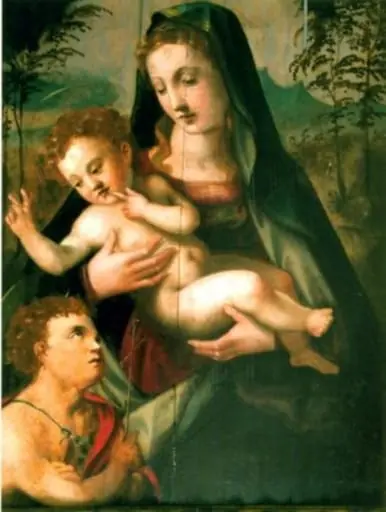
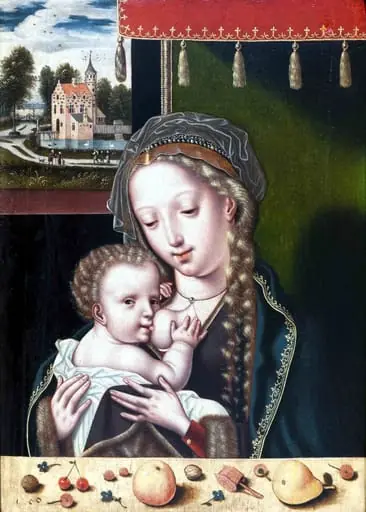
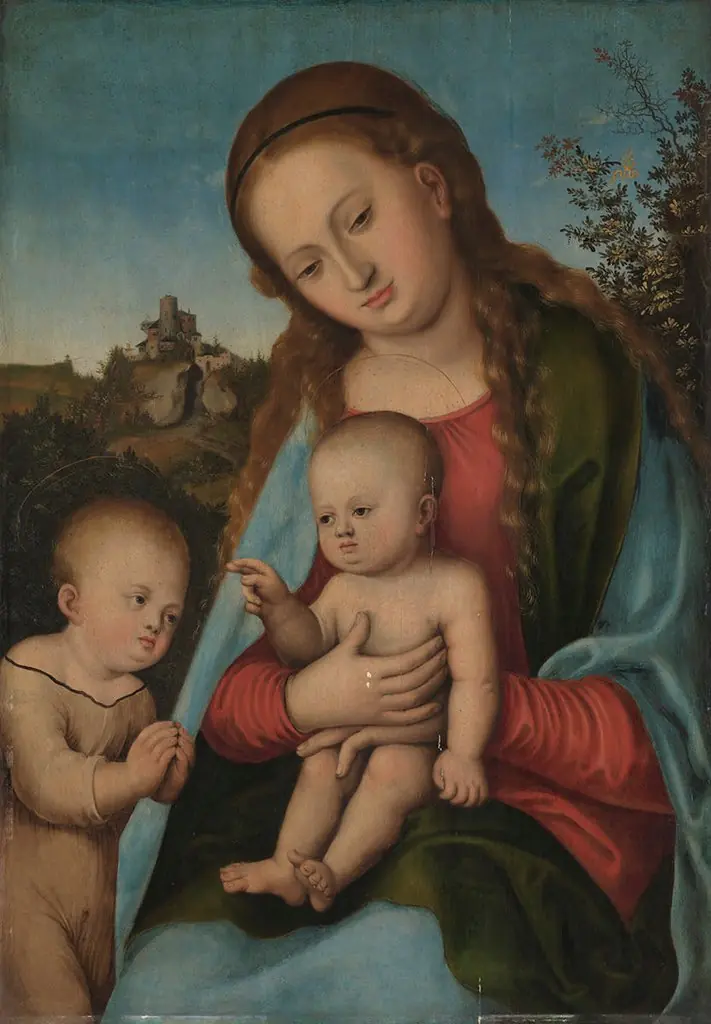
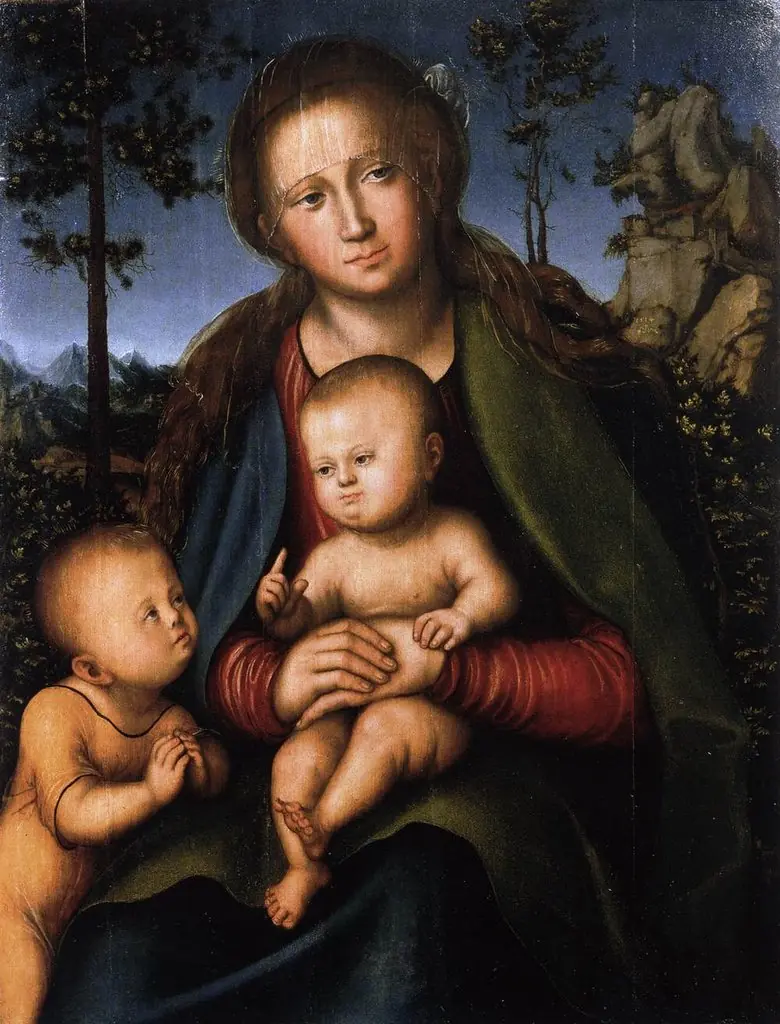
The Virgin and Child with the Infant St John is a paint painting by the Northern Renaissance artist Lucas Cranach the Elder. It dates from 1522 and is held in the collection of the Gemäldegalerie Berlin.
About this work
Overview
The composition centers on the Virgin Mary, depicted with a serene expression, pale skin, and flowing blonde hair cascading over a dark, high-necked gown.
Painted in 1522, Lucas Cranach the Elder's 'The Virgin and Child with the Infant St John' exemplifies the artist's mature style during the early Reformation period. The composition centers on the Virgin Mary, depicted with a serene expression, pale skin, and flowing blonde hair cascading over a dark, high-necked gown. She holds the Christ Child, who is rendered nude and grasps a cluster of grapes, a traditional symbol of the Eucharist and Christ's future passion.
To the right, the Infant Saint John the Baptist reaches toward the pair, clutching a reed cross or cloth bundle, signifying his role as the forerunner. Cranach employs his characteristic sharp outlines and smooth, enamel-like surface treatment, creating a sense of stylized elegance rather than naturalistic depth. The background is typically a dark, neutral void in works of this period, focusing the viewer's attention entirely on the intimate interaction between the figures.
This work reflects Cranach's ability to synthesize Northern Renaissance detail with emerging humanist sensibilities, producing religious imagery that remained popular in German-speaking lands despite the shifting theological landscape of the 1520s.
Subject & Meaning
The work combines two familiar devotional motifs: the Virgin Mary with the infant Jesus and the youthful Saint John the Baptist, often shown as a playmate. The grapes allude to the future Passion, symbolising Christ’s blood, whereas the cloth bundle suggests John’s role as the forerunner, bearing the weight of his prophetic mission.
Technique & Style
Cranach employs a pronounced chiaroscuro, allowing the illuminated figures to emerge sharply from the surrounding darkness. The contrast of light on flesh and fabric against the muted background creates a three‑dimensional presence. The painter’s handling of texture, smooth skin, flowing hair, and the soft folds of the dark dress, demonstrates his mastery of early Northern Renaissance oil techniques.
History & Provenance
Executed around 1522, the painting entered the collection of the Gemäldegalerie in Berlin, where it remains on display. Its attribution to Cranach the Elder is supported by stylistic parallels with other works from his workshop during the same period, confirming its place within his mature religious output.
Context
Created during the Reformation’s early years, the image reflects the continued demand for traditional Catholic iconography in German courts and private devotion. Cranach, a close associate of Martin Luther, balanced reformist sympathies with the production of conventional devotional images, catering to patrons who still valued familiar visual representations of the holy family.
Artist & collection
Artist
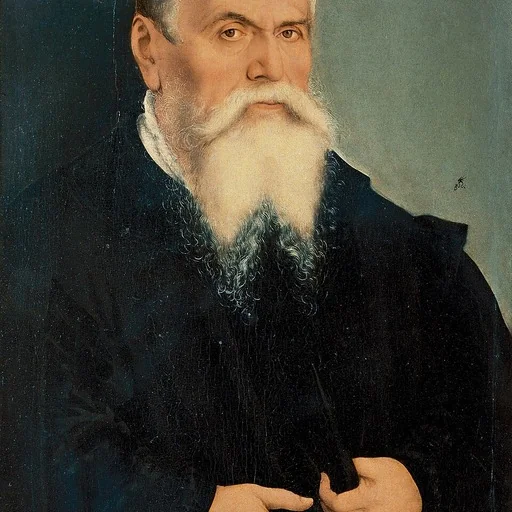
Lucas Cranach the Elder was a German Renaissance painter and printmaker in woodcut and engraving.