Artwork
Virgin and Child
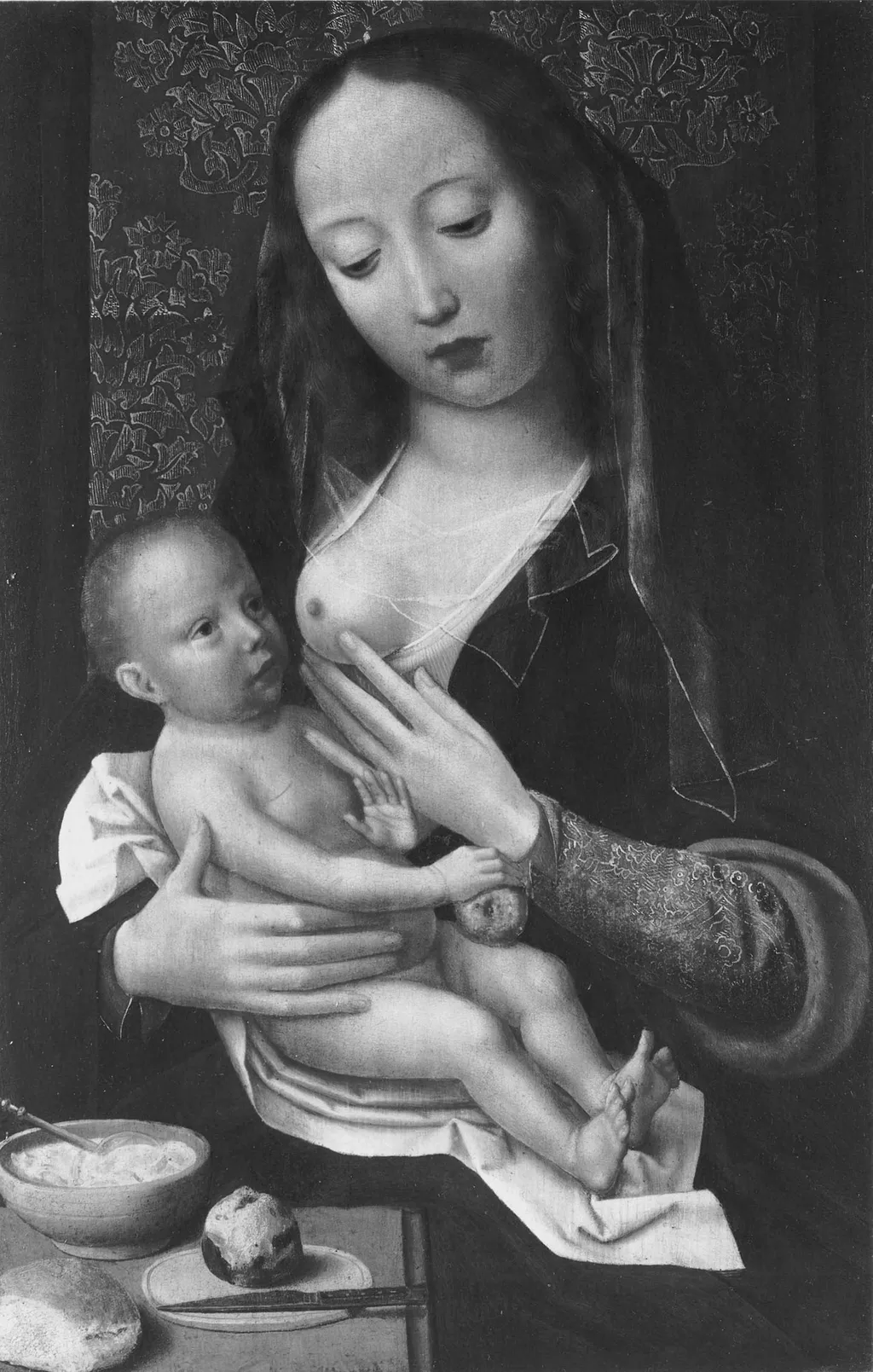
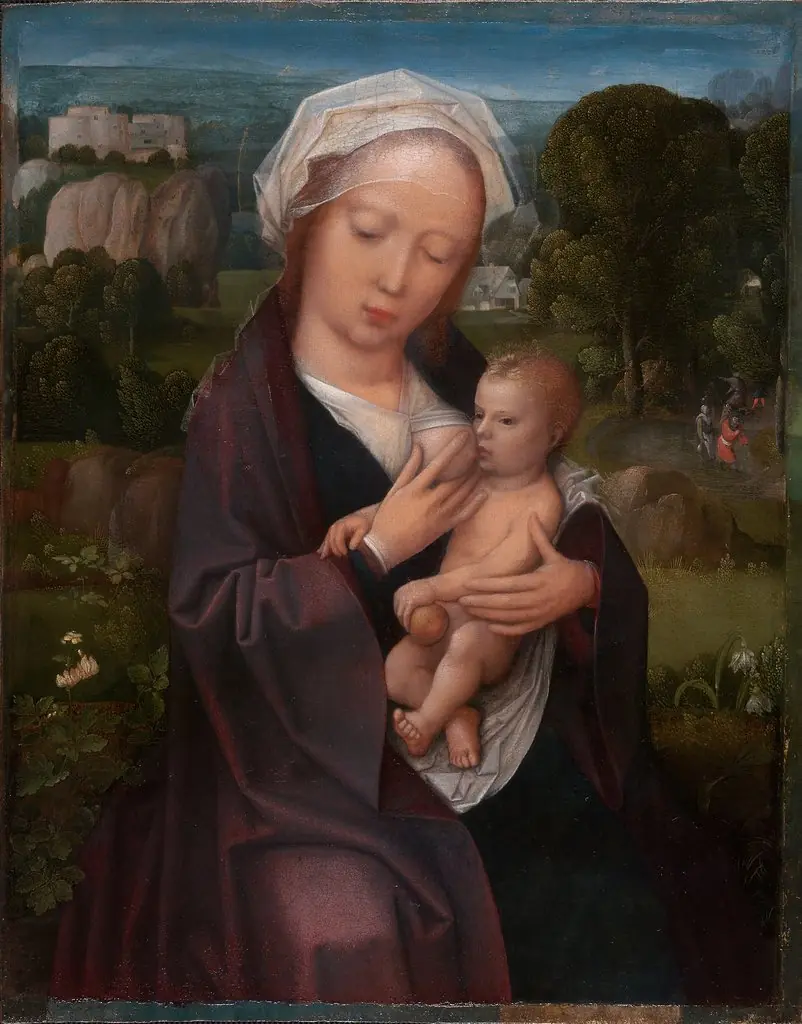
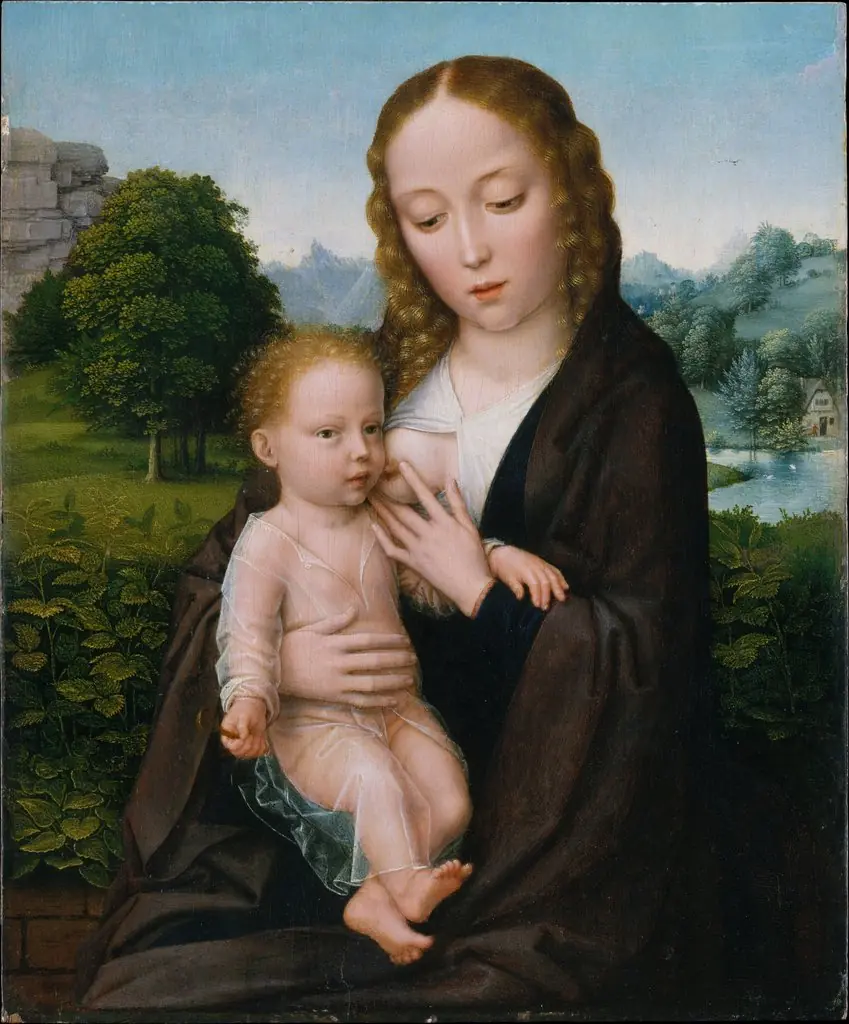
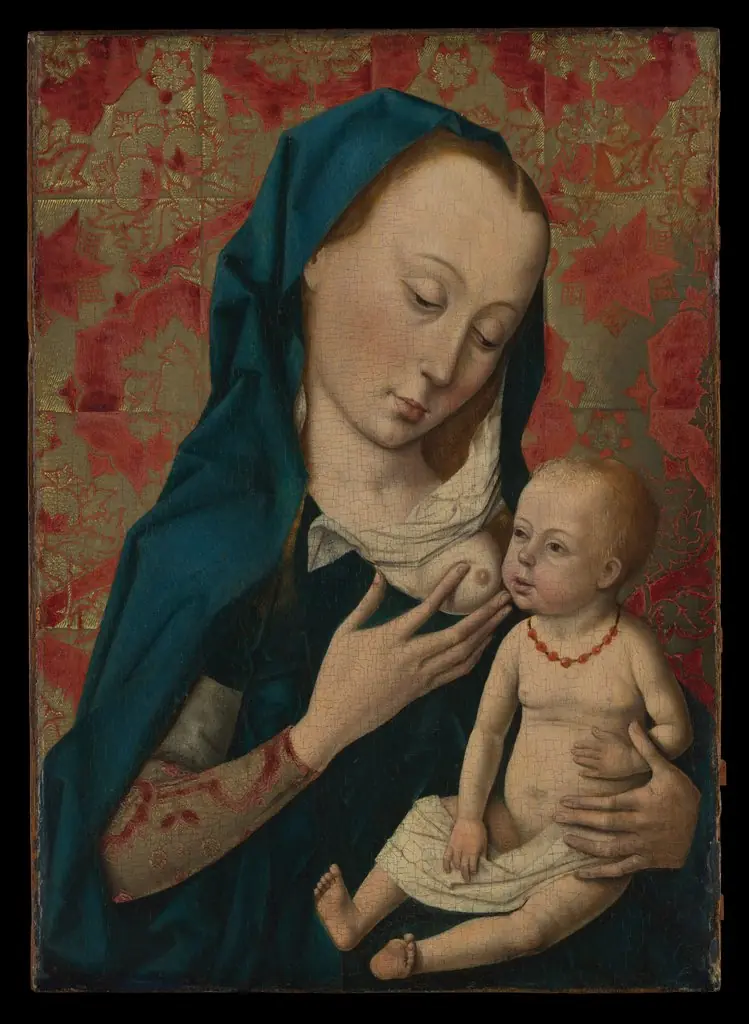
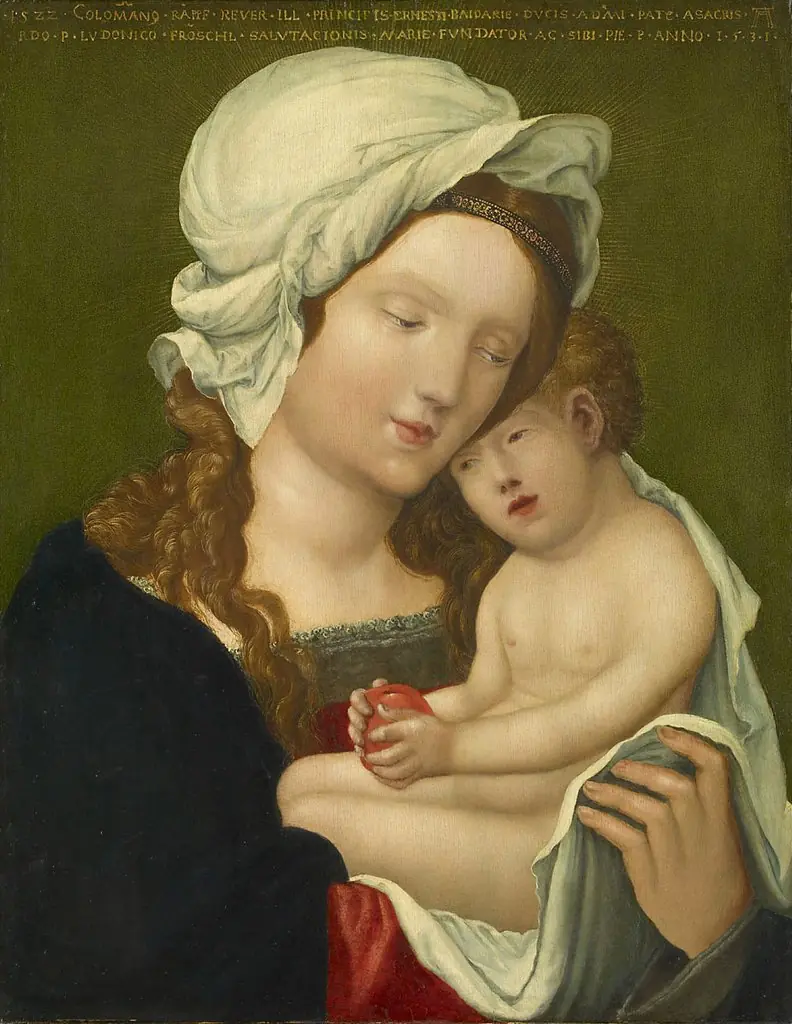
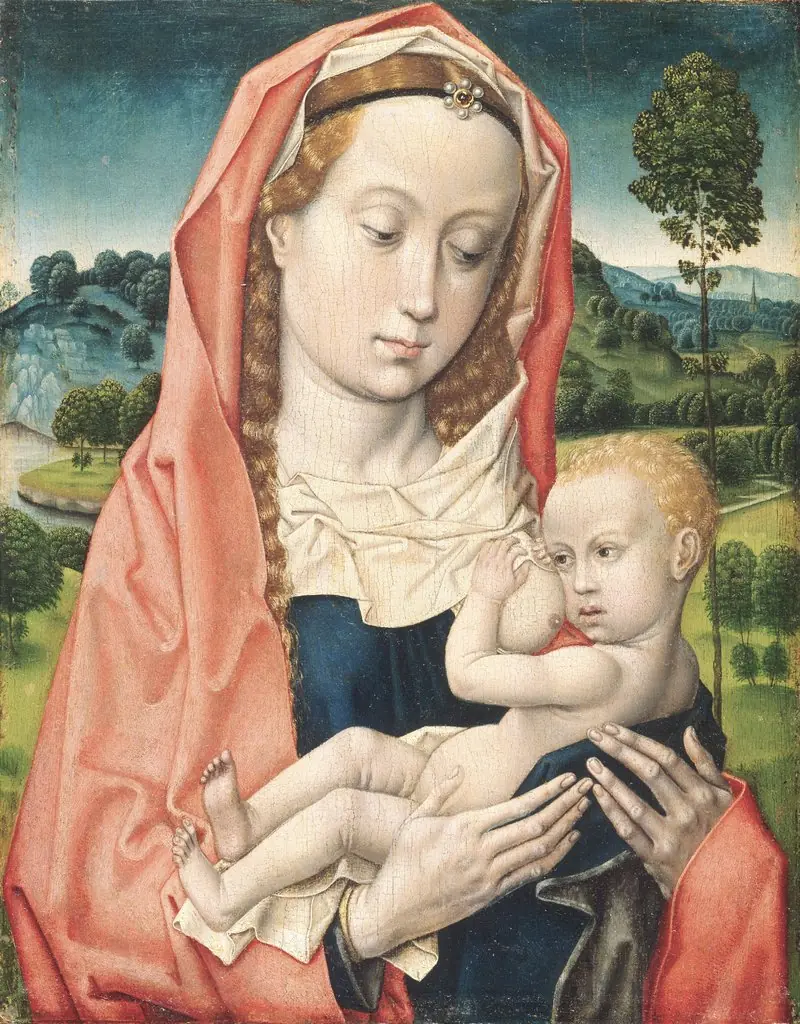
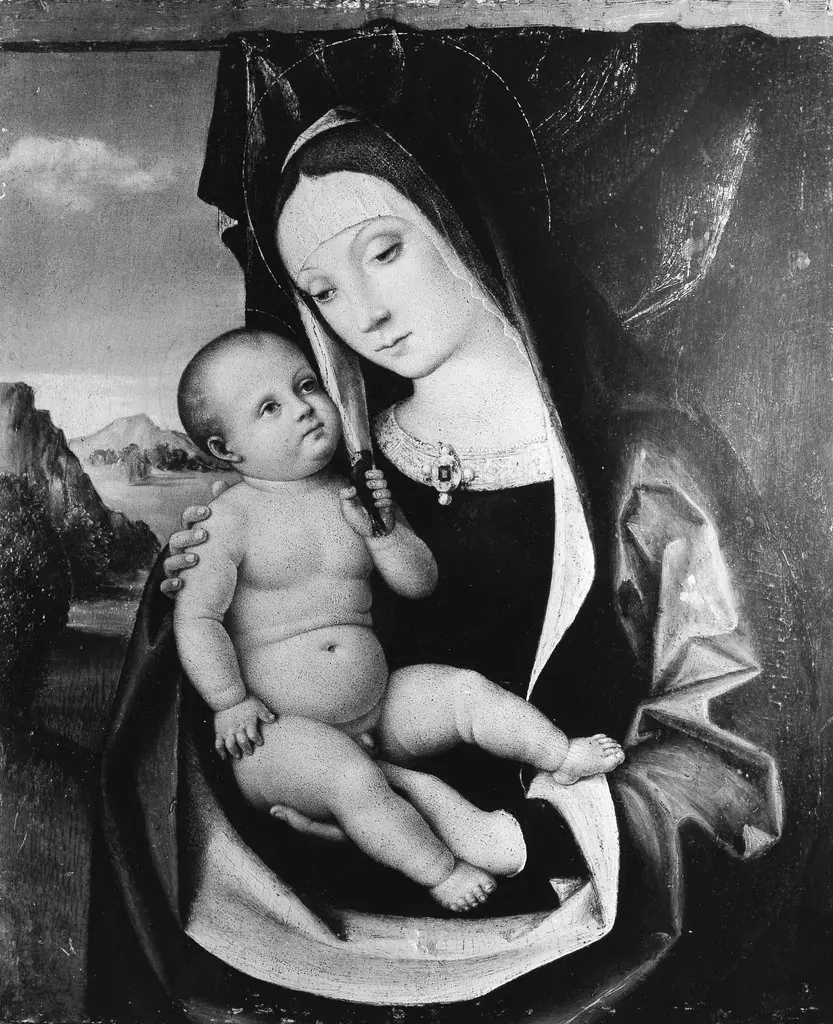
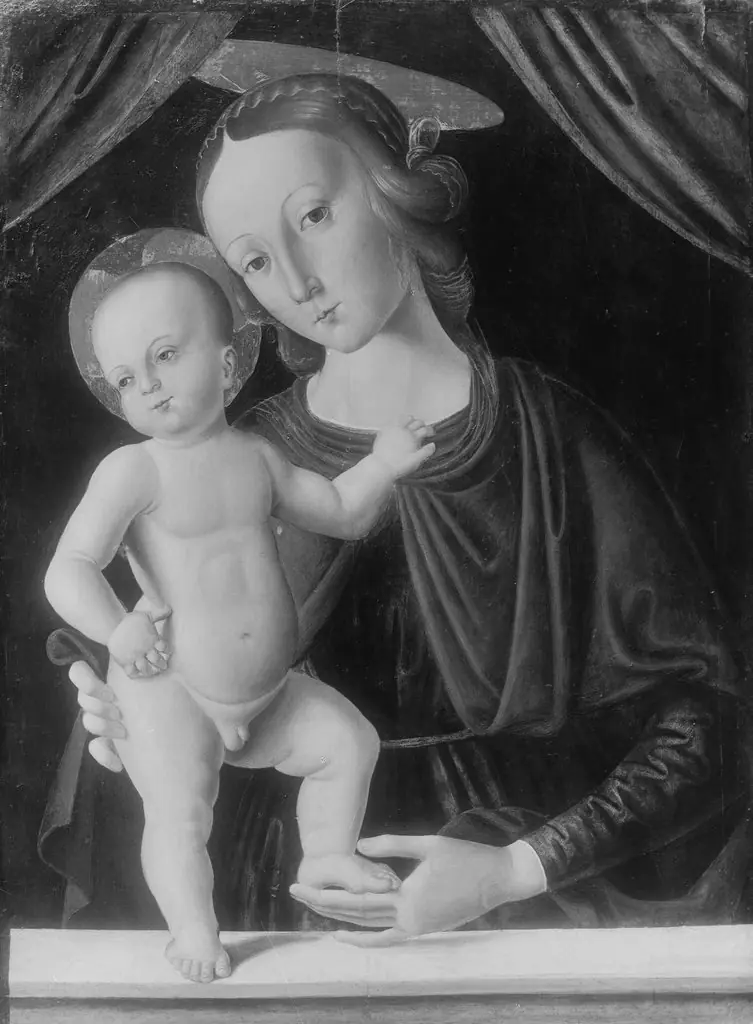
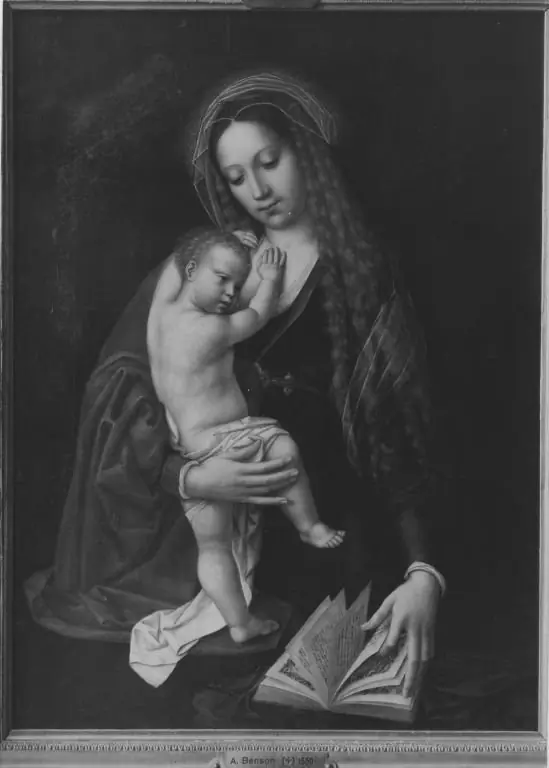
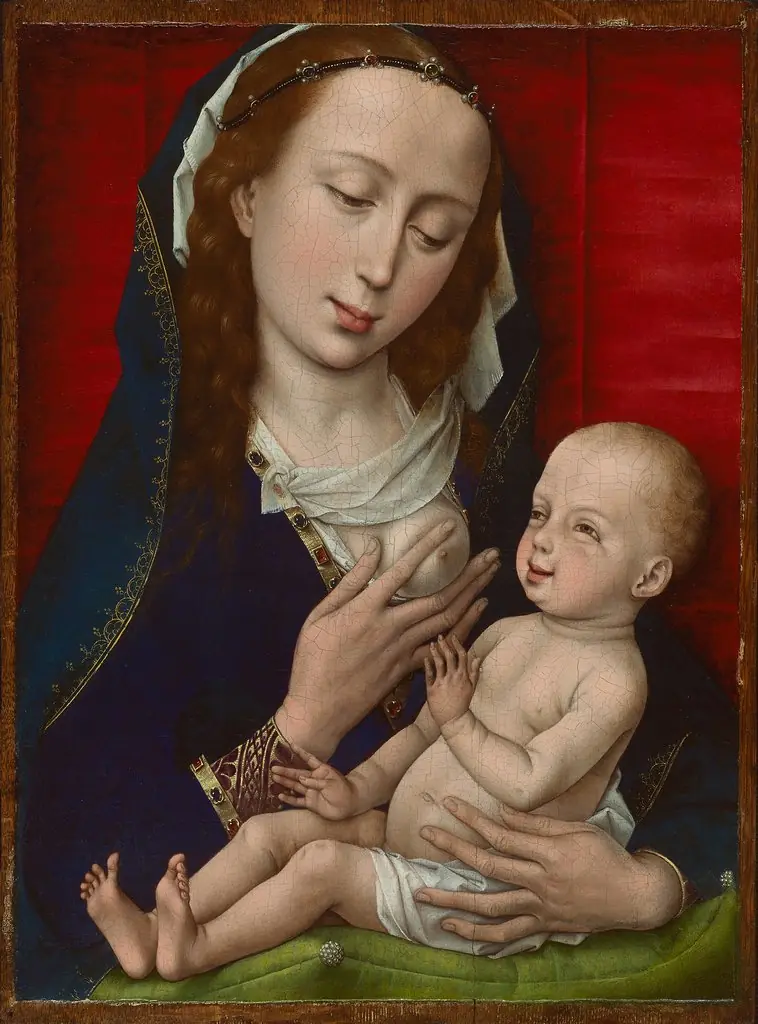
Virgin and Child is an oil painting by the Mannerist artist Unknown. It dates from 1530 and is held in the collection of the Art Institute of Chicago. The work depicts a seated woman cradling an infant who reaches toward her face.
About this work
Subject & Meaning
The composition reflects Counter-Reformation ideals of intimate, devotional imagery, inviting contemplation of the sacred relationship between mother and son.
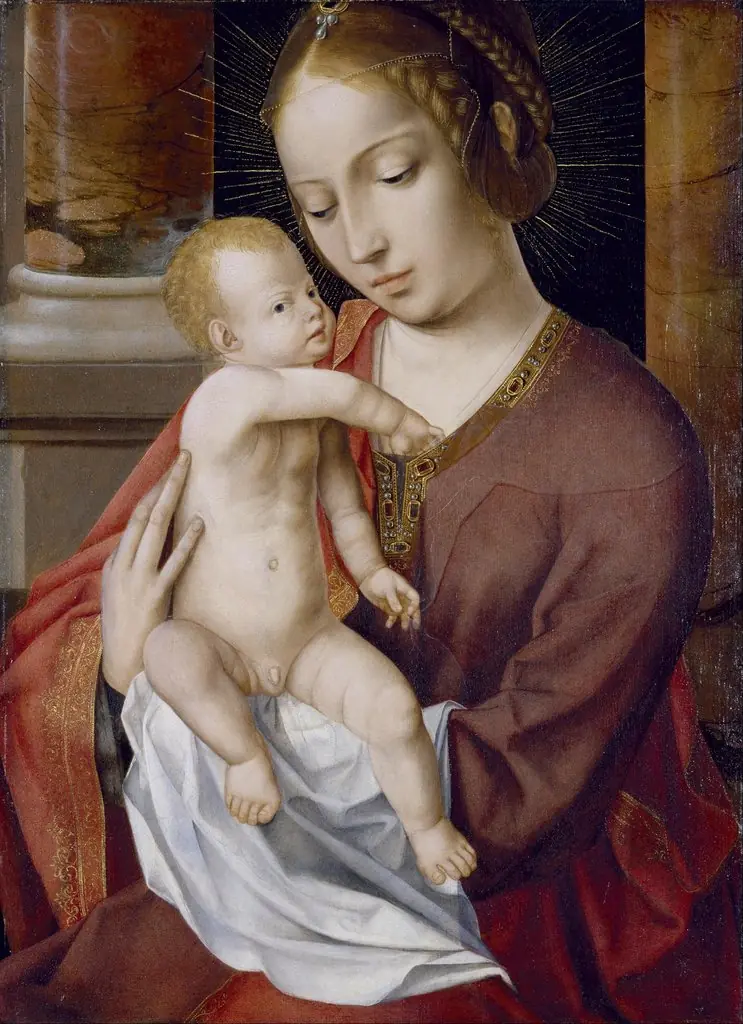
The painting portrays the Virgin Mary holding the infant Christ, a standard iconographic pairing in Western Christian art that signifies both maternal tenderness and divine incarnation. Mary is shown with a halo and simple dress, emphasizing her humility and purity, while the Child’s gesture of blessing underscores his role as savior. The composition reflects Counter-Reformation ideals of intimate, devotional imagery, inviting contemplation of the sacred relationship between mother and son.
Technique & Style
The painting is executed in oil on a wooden panel support, a standard medium for early-sixteenth-century Netherlandish works. Handling reflects the Bruges tradition, with fine glazes and meticulous brushwork that define the Virgin’s drapery and the Christ Child’s delicate flesh tones. The composition centers on a seated Virgin holding the Child, whose gaze and gesture direct attention toward the viewer.
Stylistic traits include softly modeled forms, restrained colorism, and a quiet, devotional mood that aligns with Bruges religious practice of the 1530s.
Condition appears stable; the panel’s dimensions (46.7 cm × 31.3 cm) suggest a private devotional format, consistent with contemporary Northern European practice.
History & Provenance
The Virgin and Child was created around 1530, as indicated by the work’s inception date recorded in the source data.
The painting entered the collection of the Art Institute of Chicago, where it remains held. It is identified as a Netherlandish work associated with Bruges, aligning with the broader regional and stylistic context of early sixteenth-century Flemish art.
The painting is held by the Art Institute of Chicago, where it is recorded under accession number 1920.124.
It has been exhibited at the Art Institute of Chicago in 1920, where it was first accessioned, and again in 1936 as part of a display of early Netherlandish works.
Overview
The work depicts a seated woman cradling an infant who reaches toward her face. Both figures are illuminated against a deep, unlit background, emphasizing their forms. A modest table nearby holds a bowl, a loaf of bread and a small cup, suggesting domestic intimacy. Rendered in oil, the composition focuses on the quiet interaction between mother and child.
Context
The composition follows a long tradition of mother‑and‑child depictions in Western art, echoing devotional and genre motifs. By focusing on a modest domestic setting rather than overt religious symbolism, the work aligns with later Baroque interests in everyday realism and emotional immediacy.
Artist & collection