Artwork
The Penitent Magdalen
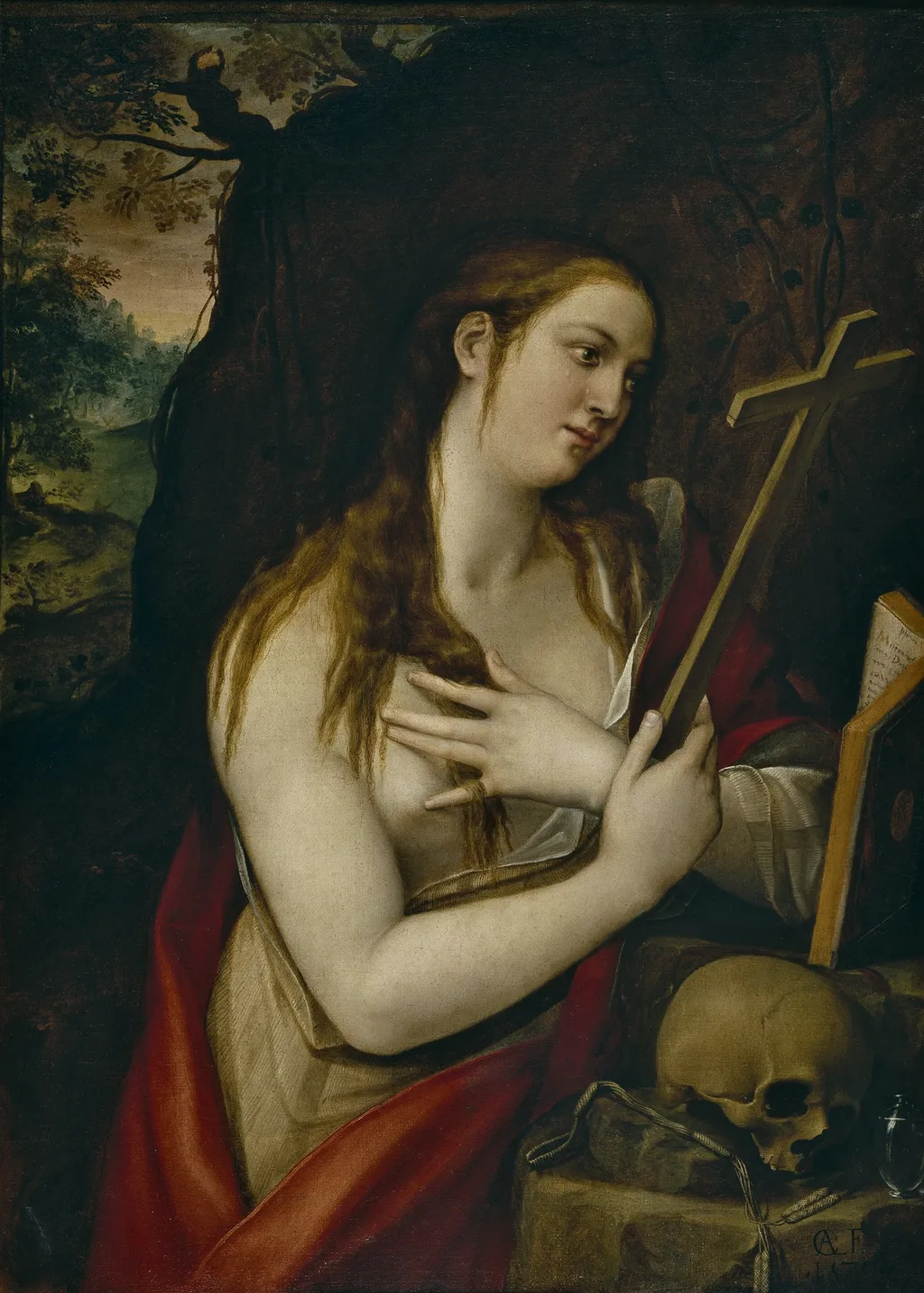
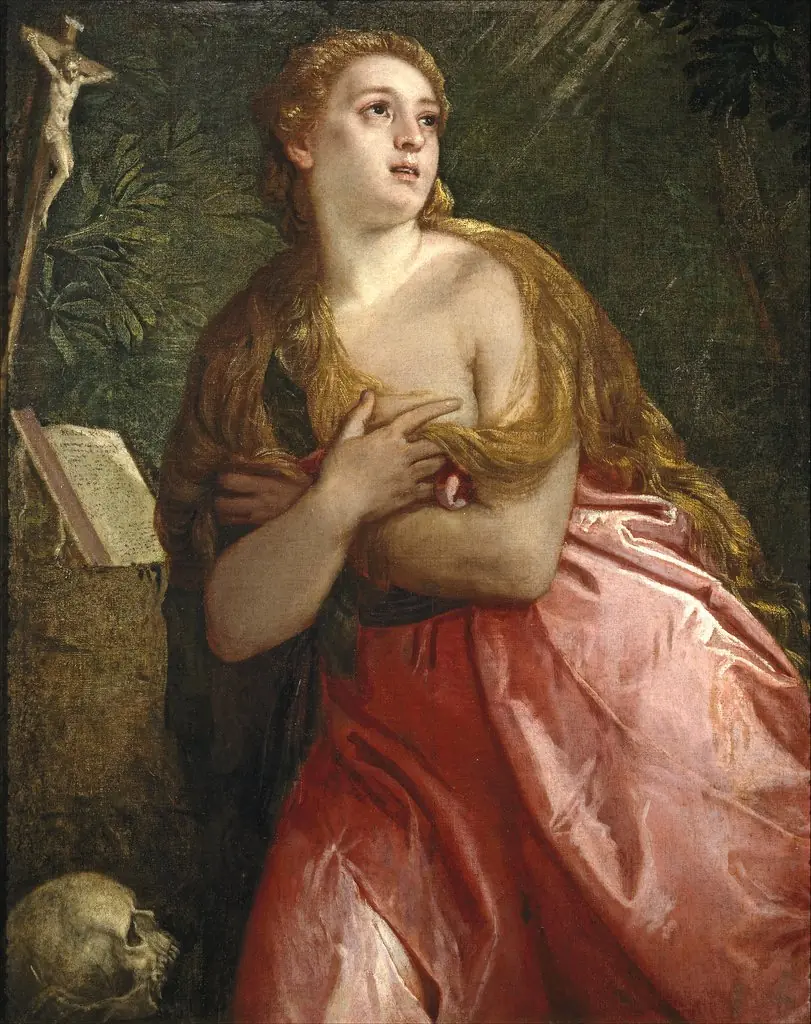
The Penitent Magdalen is an oil painting by the Mannerist artist Luis de Carvajal. It dates from 1590 and is held in the collection of the Museo del Prado.
About this work
Subject & Meaning
These elements collectively represent themes of mortality, spiritual reflection, and redemption associated with the Magdalene's repentance.
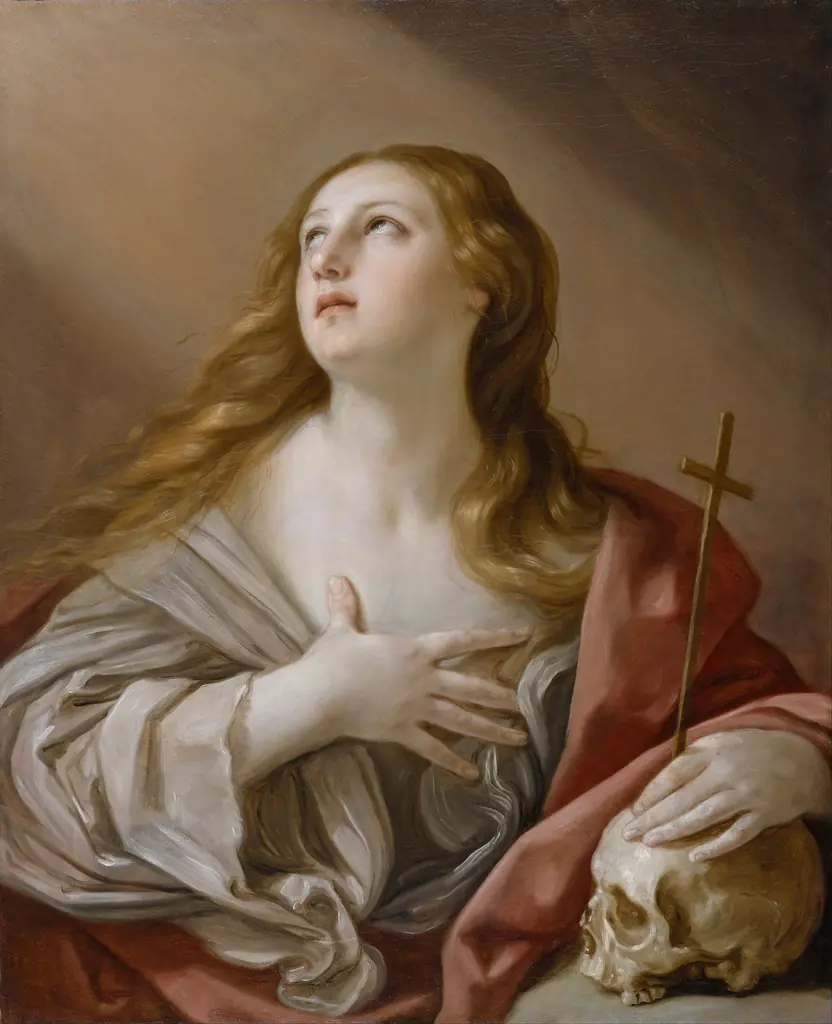
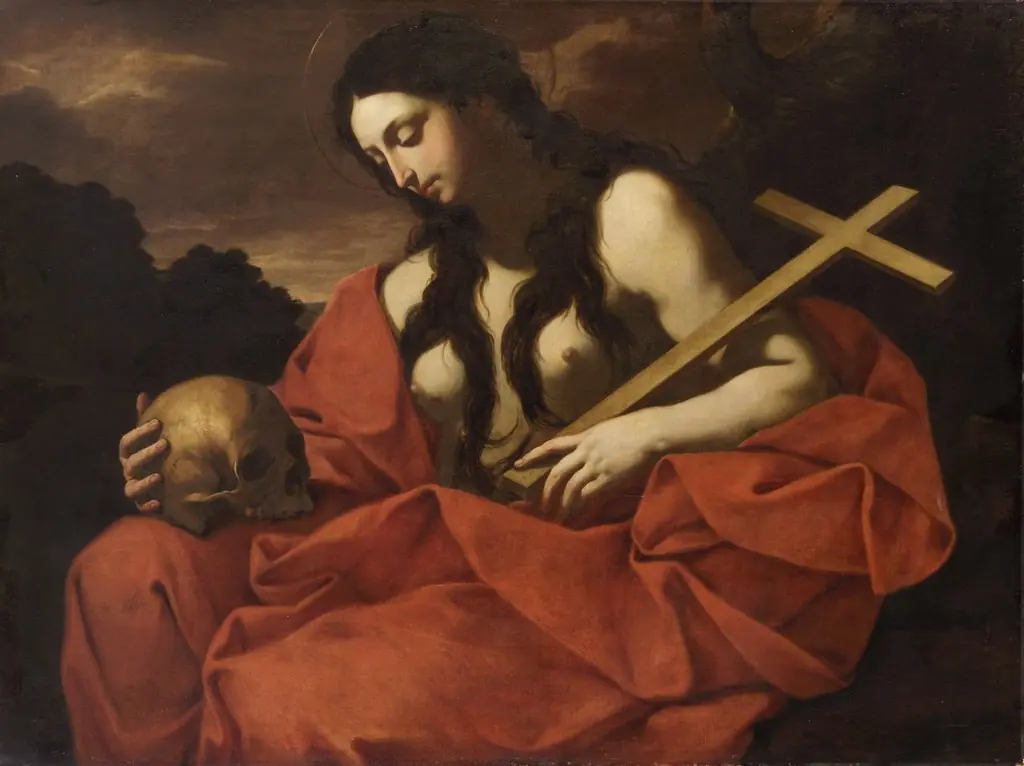
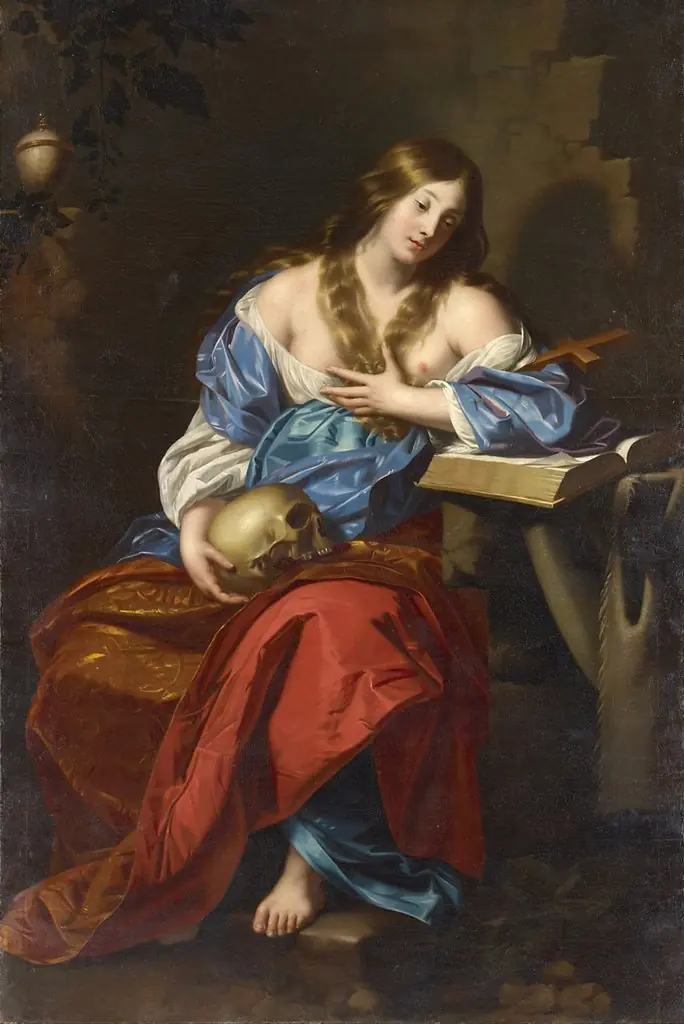
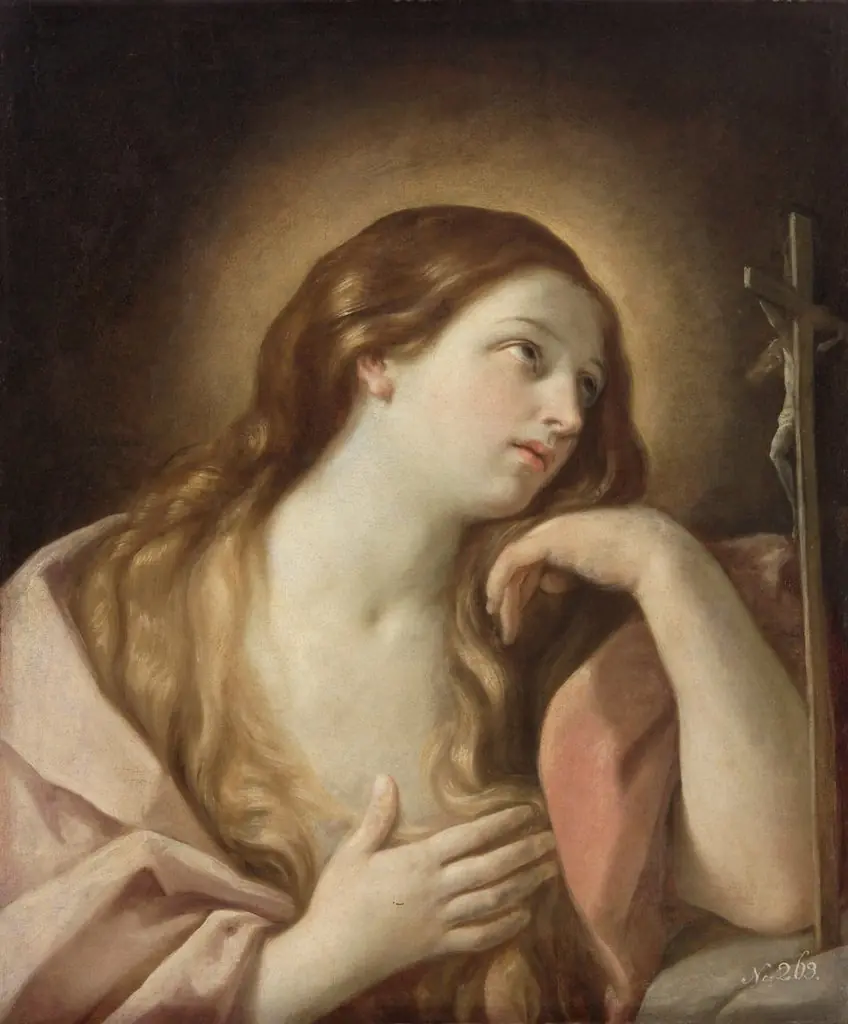
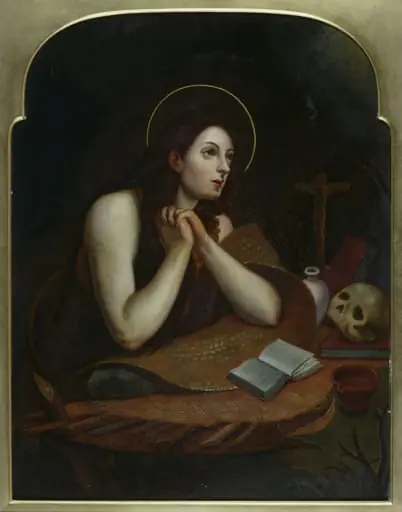
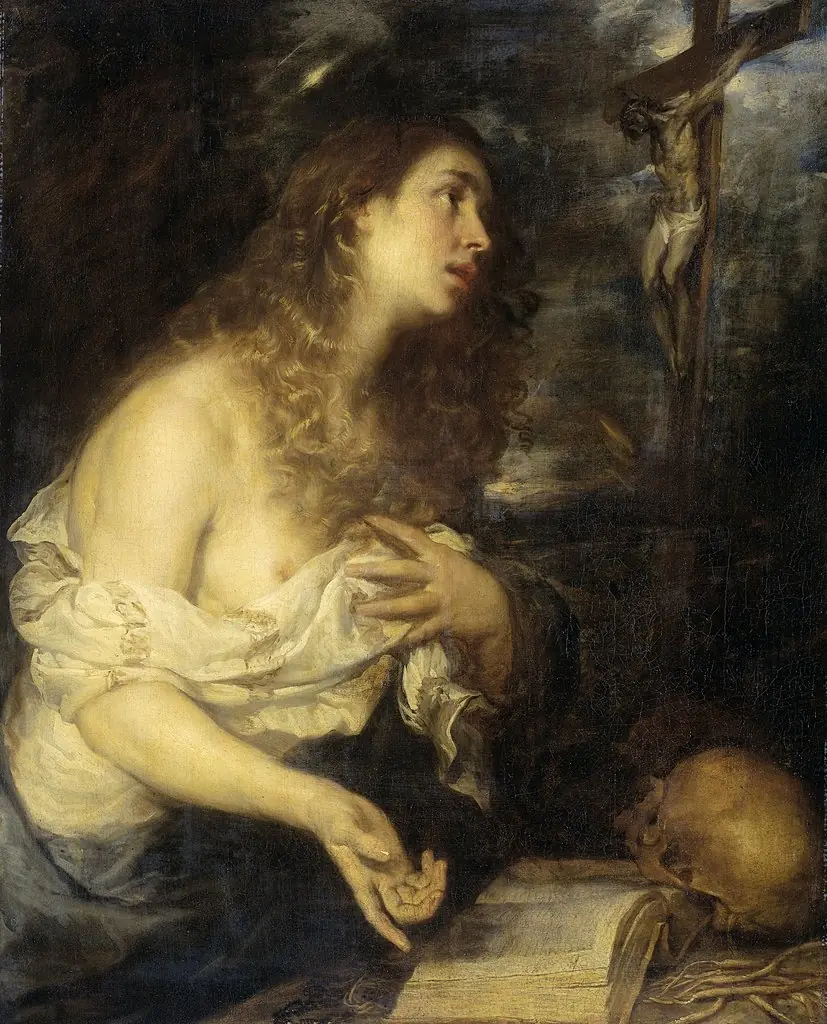
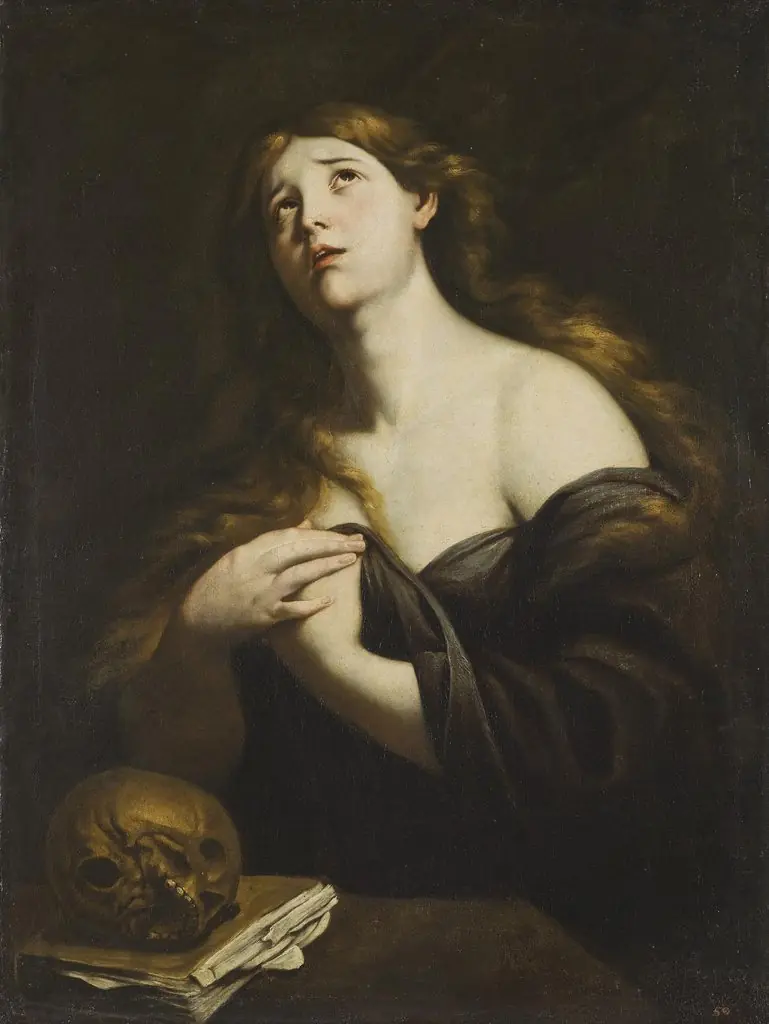
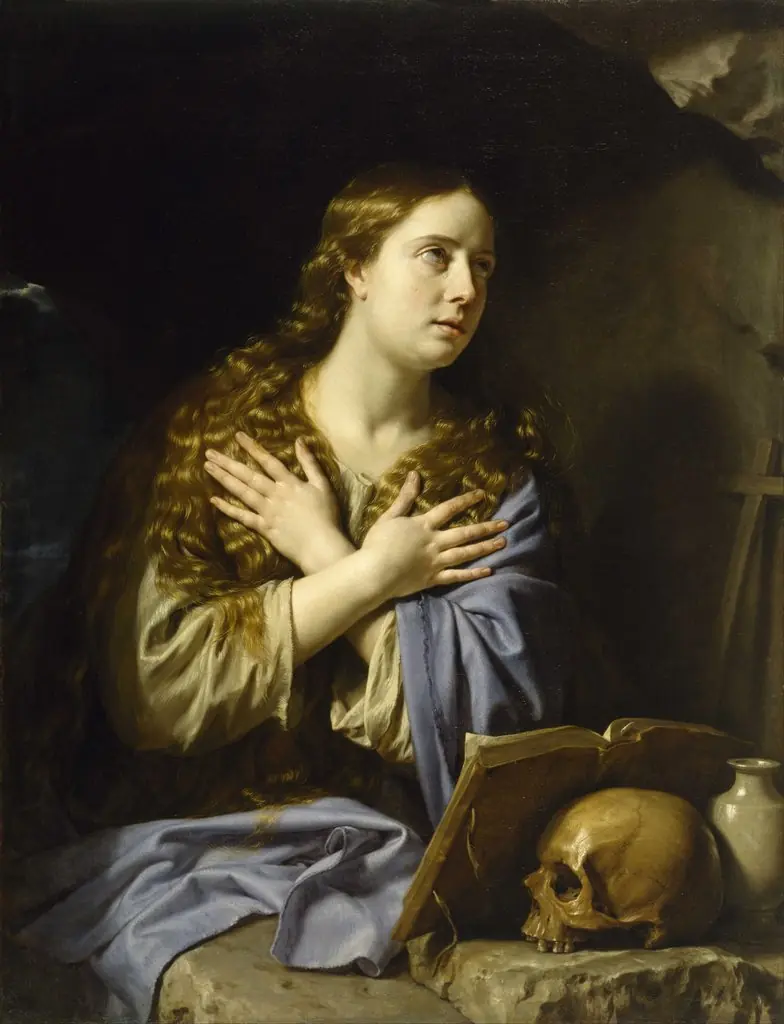
The painting depicts Mary Magdalene in a state of penitence, serving as the central subject of this religious work. The iconography includes specific symbolic objects placed within the composition: a skull, a book, and a crucifix. These elements collectively represent themes of mortality, spiritual reflection, and redemption associated with the Magdalene's repentance. The work functions as a religious art piece illustrating the saint's contemplation, emphasizing her devotion and sorrow.
Technique & Style
Created in 1579, The Penitent Magdalen is an oil painting executed on canvas. The work measures 130 cm in height and 94 cm in width. Stylistically, the composition focuses on the religious subject of Mary Magdalene, incorporating traditional iconographic elements such as a skull, a book, and a crucifix to signify penance and contemplation.
History & Provenance
The painting The Penitent Magdalen was created by Luis de Carvajal in 1579 as an oil on canvas work. It has remained in the collection of the Museo del Prado since its inception, where it is displayed as part of the museum's religious art holdings. The composition shows Mary Magdalene in a penitent pose, accompanied by traditional symbols including a skull, book, and crucifix.
The Penitent Magdalen is held at the Museo del Prado, with inventory number P00968. It was created in 1579 by Luis de Carvajal using oil paint on canvas. The work has been part of the museum's collection since its acquisition and was featured in the exhibition "Spanish Masters of the Golden Age" at the Prado in 2015.
Legacy
The painting has shaped scholarly discourse on Counter-Reformation imagery and informed curatorial approaches to Spanish Baroque religious art. Its depiction of Mary Magdalene as a penitent figure informed later interpretations of saintly conversion in European painting, as documented in art history surveys of the period. The work's presence in the Museo del Prado collection has ensured its continued visibility in exhibitions tracing the development of Spanish devotional art from the 16th century onward.
Overview
Luis de Carvajal’s oil painting The Penitent Magdalen, executed around 1590, presents a contemplative Mary Magdalene in a half‑clothed pose. The work is part of the Museo del Prado’s collection in Madrid and exemplifies late‑sixteenth‑century Spanish devotional art.
Context
During the Counter‑Reformation, depictions of Mary Magdalene as a penitent served didactic purposes, encouraging personal reflection on sin and redemption. Carvajal’s rendition aligns with contemporary Spanish iconography, emphasizing inner conversion through visual allegory rather than overt narrative.
Own this work as a print
Artist & collection