Artwork
Ecce Homo
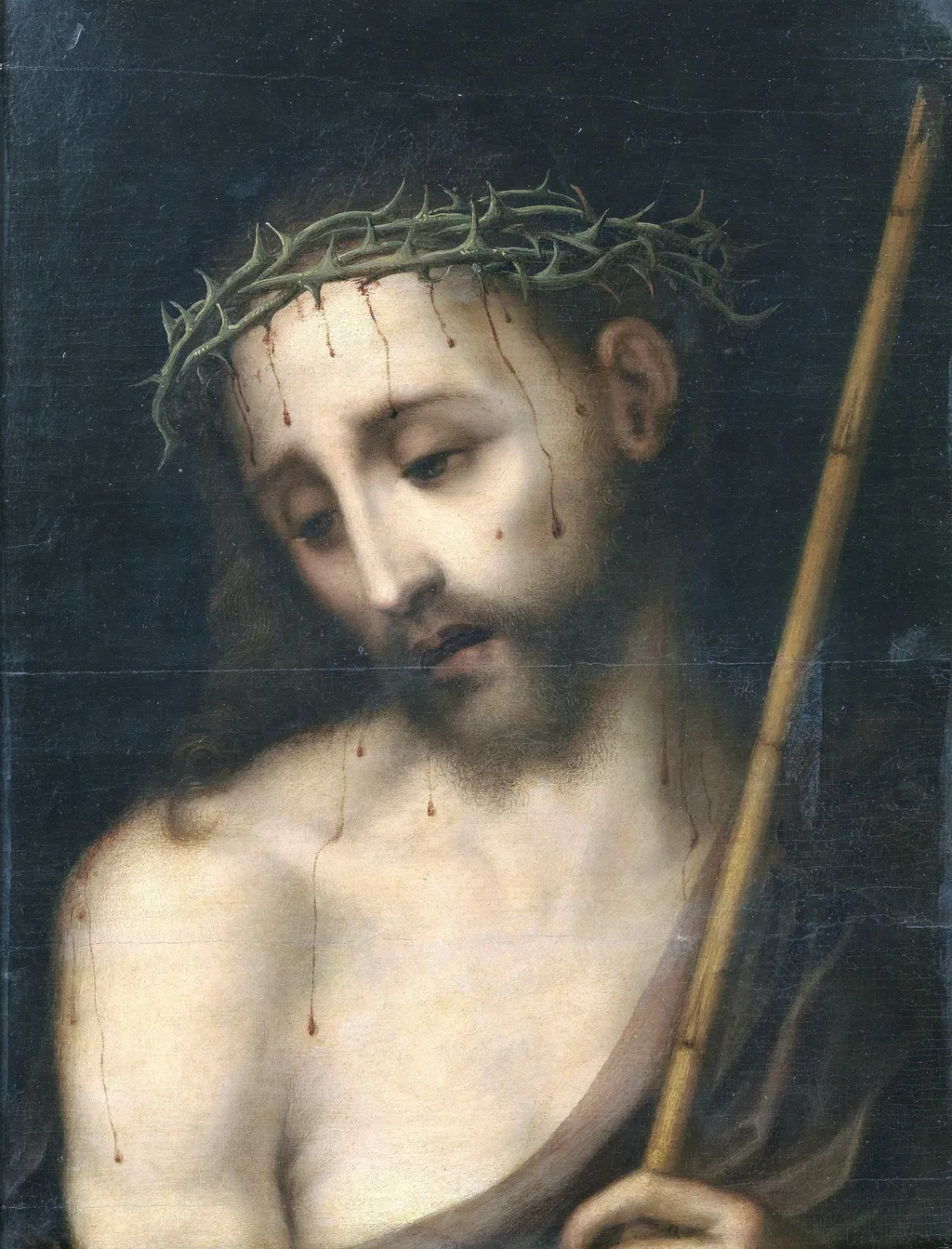
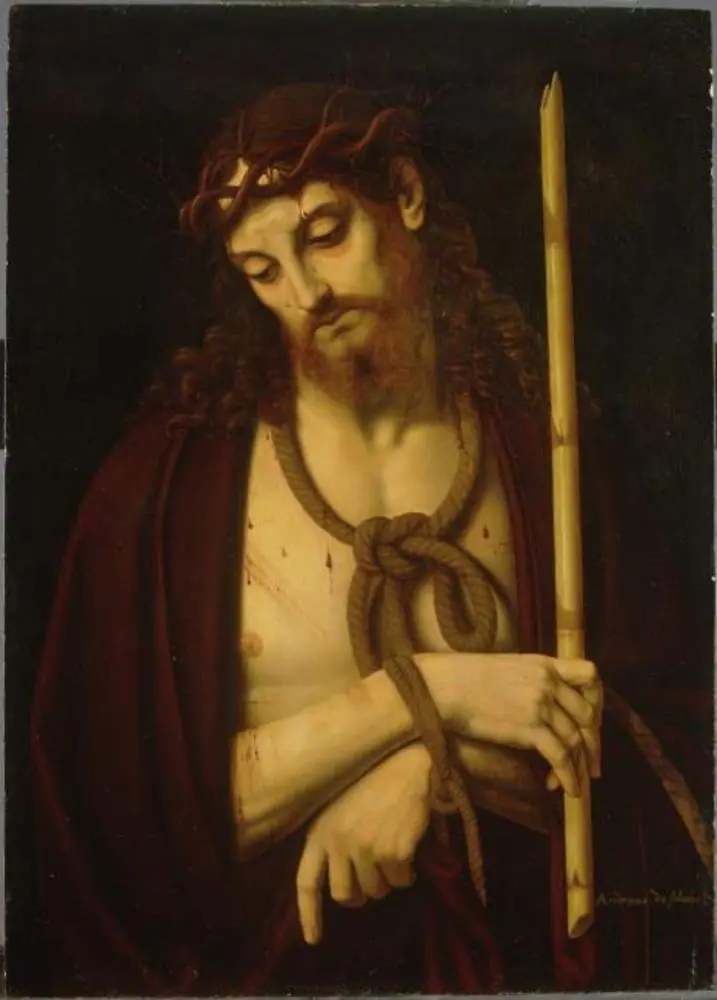
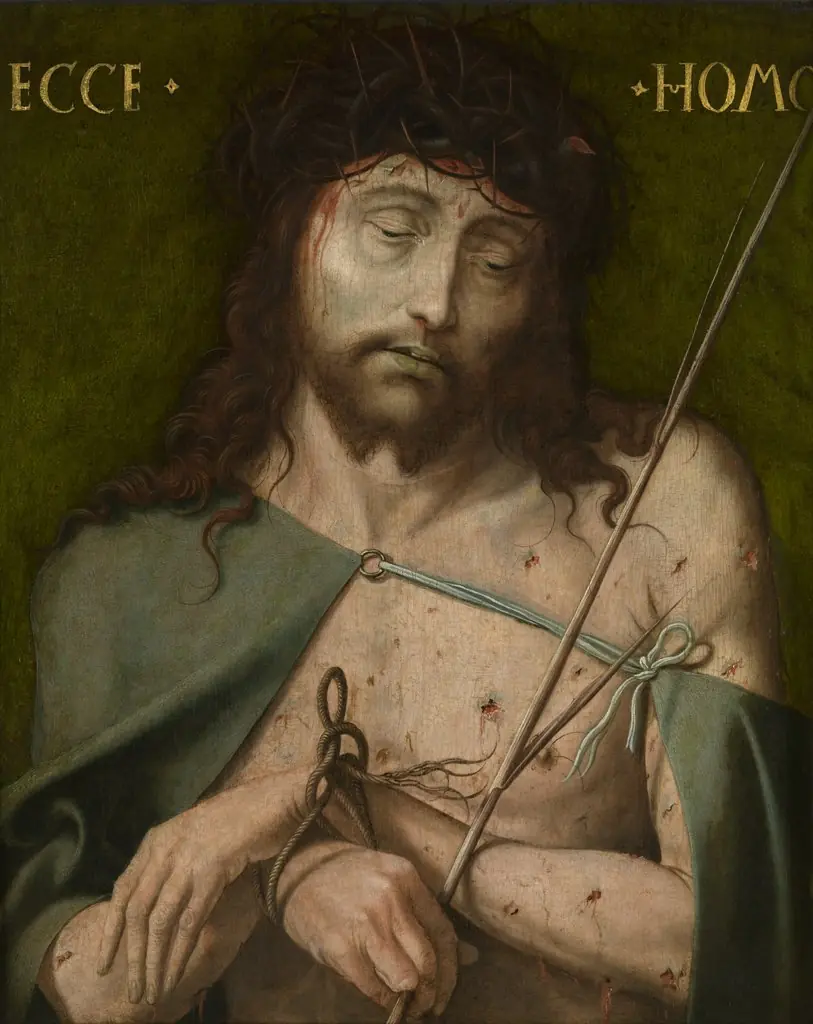
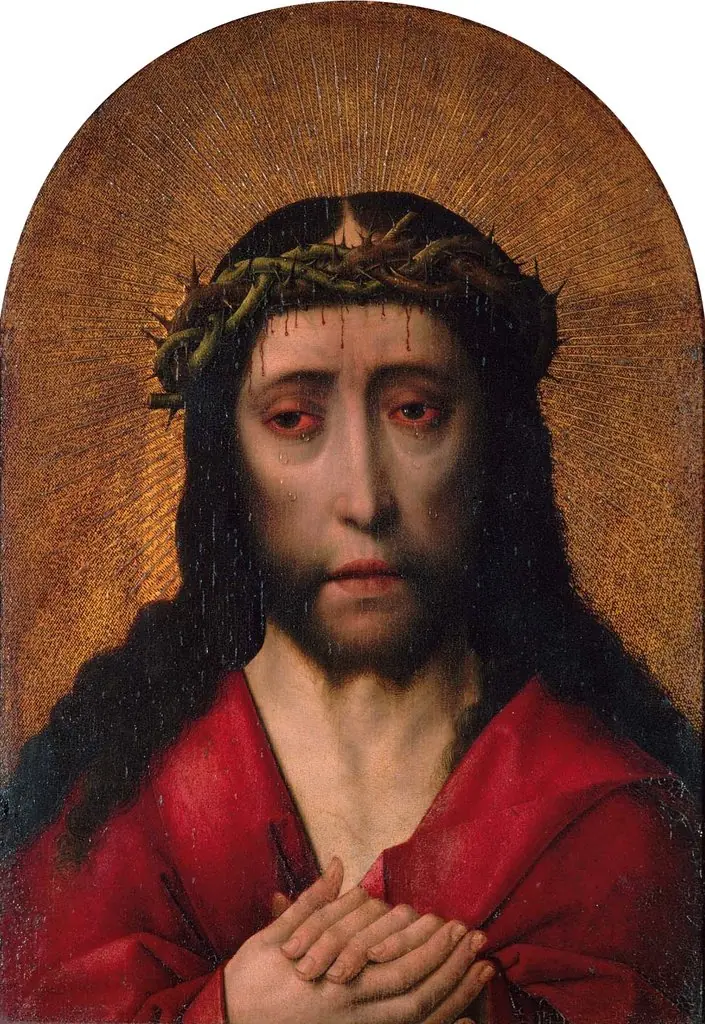
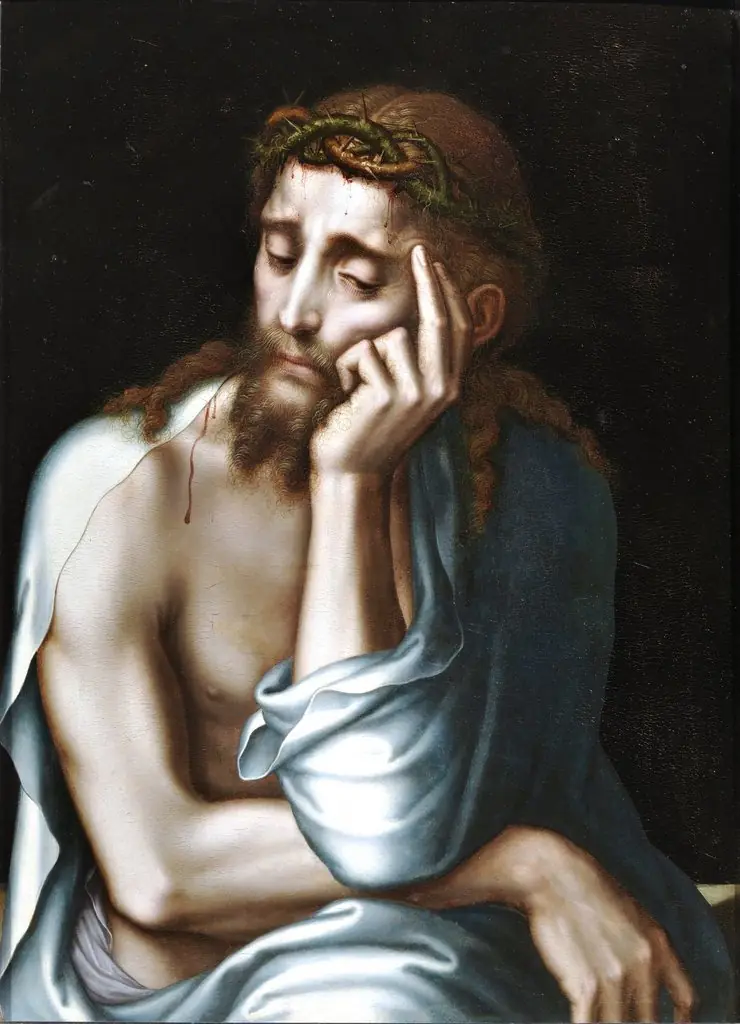
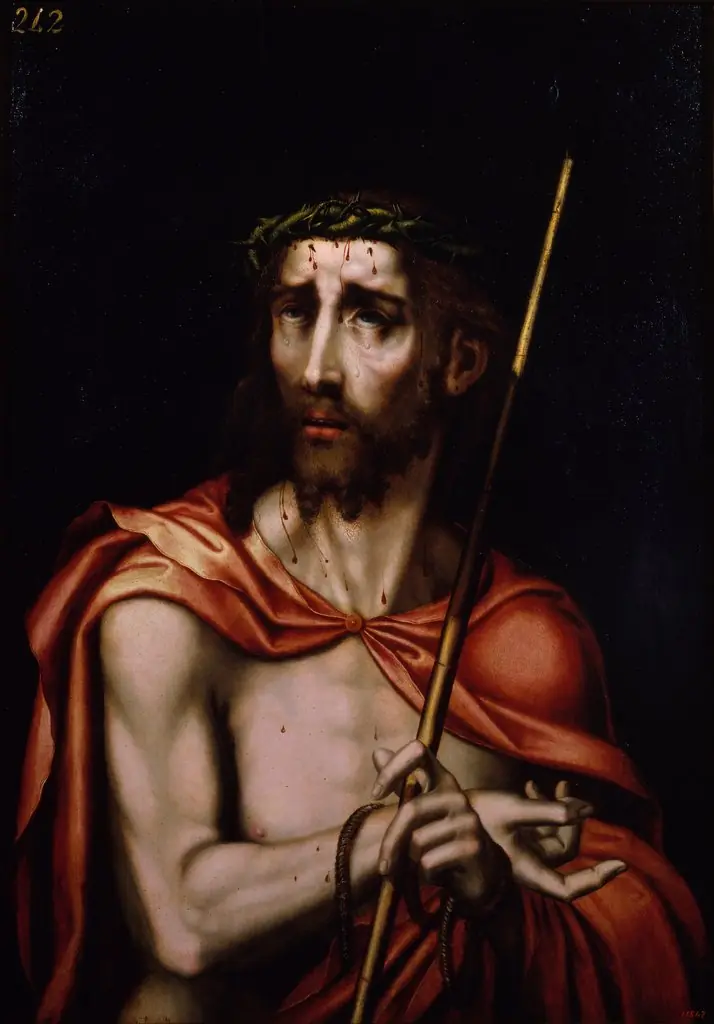
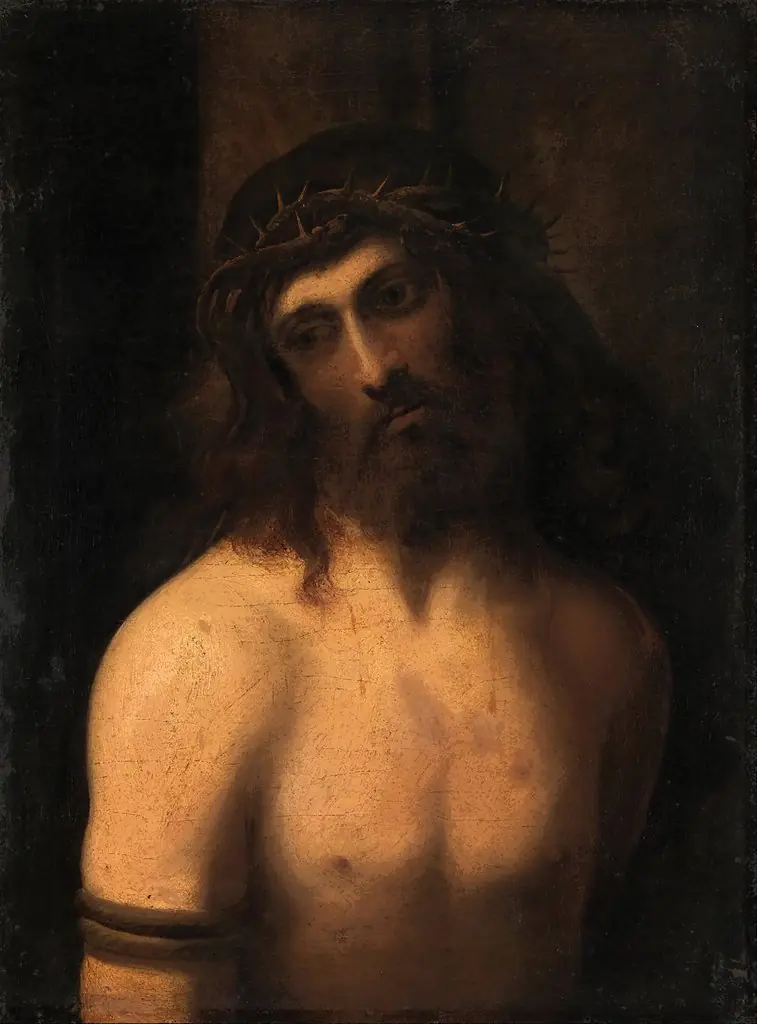
Ecce Homo is an oil painting by the Early Renaissance artist Luis de Morales. It dates from 1501 and is held in the collection of the Museo del Prado.
About this work
Subject & Meaning
The title, meaning "Behold the Man," refers to the biblical episode where Pontius Pilate presents the crowned and suffering Christ to the crowd.
The painting represents the Ecce Homo, a traditional religious subject that depicts Jesus Christ. The title, meaning "Behold the Man," refers to the biblical episode where Pontius Pilate presents the crowned and suffering Christ to the crowd. Within the genre of religious art, the work focuses on the physical and emotional torment of Christ prior to the Crucifixion, serving as an object of pious contemplation.
Technique & Style
Luis de Morales created the painting Ecce Homo in 1501 using oil paint applied to a panel support. The work measures 40 cm in height and 28 cm in width. As a religious genre piece, the formal qualities focus on the depiction of Jesus Christ as the main subject. The medium of oil on panel is characteristic of the artist's technique during this period.
History & Provenance
The painting Ecce Homo was created in 1501 by the Spanish artist Luis de Morales. Executed in oil paint on a panel measuring 40 cm by 28 cm, the work depicts Jesus Christ within the religious genre. The piece is currently held in the collection of the Museo del Prado, where it is cataloged under the identifier P002770.
While the specific circumstances of its original commission and the full chain of ownership prior to its museum acquisition are not detailed in the available records, its inception is firmly dated to the beginning of the sixteenth century.
Luis de Morales's painting Ecce Homo, dated 1501, is held in the collection of the Museo del Prado in Madrid. The work is cataloged under the accession number P002770. Identified as an oil-on-panel religious piece depicting Jesus Christ, the painting measures 40 cm in height and 28 cm in width. The provided sources do not contain specific details regarding a history of public exhibitions for this artwork.
Legacy
Luis de Morales' Ecce Homo, painted in 1501, has left a lasting imprint on religious art through its stark portrayal of Christ’s condemnation. The work’s intense emotional realism influenced subsequent Spanish Baroque depictions of the Passion, shaping devotional imagery in Spain’s artistic circles. Its presence in the Museo del Prado’s collection has cemented its reputation as a benchmark for Spanish Renaissance spirituality, inspiring scholarly discourse on its theological nuance and technical mastery.
The painting’s legacy endures as a reference point for artists exploring themes of suffering and redemption in the centuries that followed.
Overview
Luis de Morales, a Spanish painter of the early 1500s known by the nickname “El Divino,” executed the oil painting Ecce Homo in 1501. The work portrays the biblical figure of Christ during his Passion and is presently housed in the Museo del Prado. It belongs to the early Renaissance period, reflecting the artist’s engagement with contemporary Italian influences while retaining a distinct devotional tone.
Context
Morales’s approach reflects the impact of Italian masters such as Raphael and the Lombard circle of Leonardo da Vinci, whose compositional balance and anatomical precision informed his practice. At the same time, his Spanish background infused the piece with a heightened sense of piety, a quality that earned him contemporary acclaim for the realism and spirituality of his religious subjects.
Own this work as a print
Artist & collection
Artist
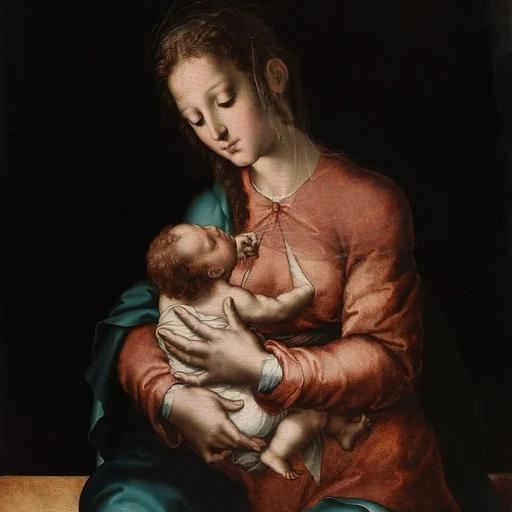
Luis de Morales (1509 – 9 May 1586) was a Spanish painter active during the Spanish Renaissance in the 16th century.