Artwork
Still-Life
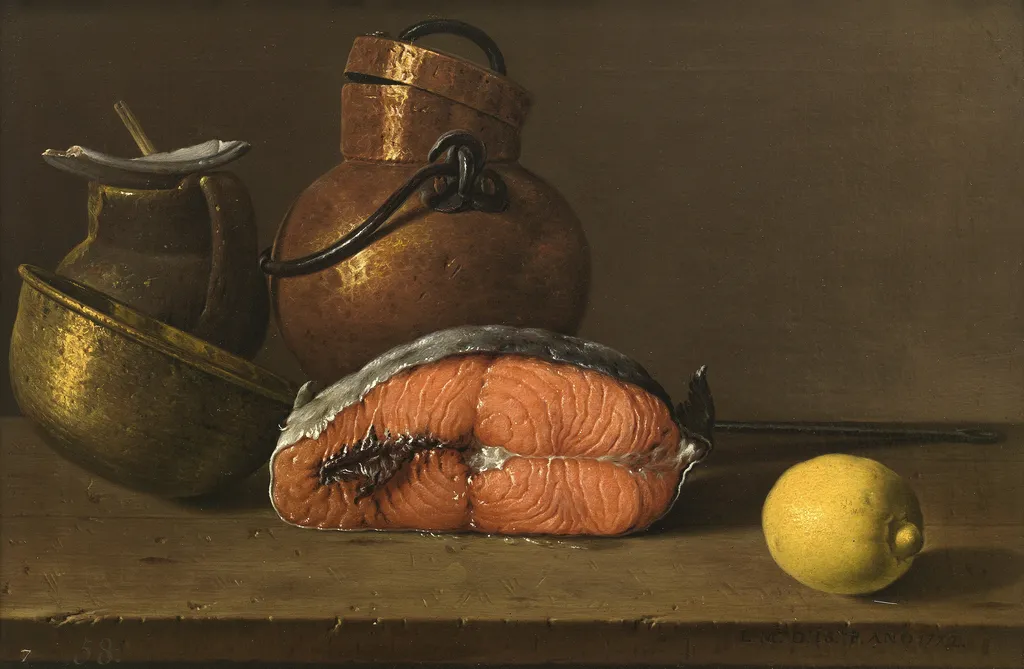
Still-Life is an oil painting by the Rococo painting artist Luis Egidio Meléndez. It dates from 1772 and is held in the collection of the Museo del Prado.
About this work
Subject & Meaning
Meléndez specializes in this genre, continuing a Spanish still-life tradition from the 17th century.
The artwork depicts a still-life composition featuring a fresh salmon slice with intense pink flesh, a lemon, and three copper containers including a pot, basin, and earthenware jug with a lid attached to a ladle. It also includes a Valdeverdeja pottery piece serving as a cover for a sauceboat.
Meléndez specializes in this genre, continuing a Spanish still-life tradition from the 17th century. The work serves as a pendant to another still-life in the Prado Museum collection.
Executed in oil on canvas in 1772, it measures 41 cm in height by 62.2 cm in width. It belongs to the Royal Collection and is housed in the Museo del Prado, Madrid.
Technique & Style
Executed in 1772, this work is an oil painting on canvas measuring 42 cm in height by 62 cm in width. The artist employs a Rococo style to depict a fresh salmon slice with intense pink coloration alongside a lemon and copper vessels. Meléndez demonstrates specific handling techniques by rendering the reflective brilliance of the copper pots and the texture of the smooth wooden table surface.
The composition relies on the traditional Spanish still-life genre, emphasizing the tactile qualities of the food and metal objects. The paint application captures the sheen of the metalware and the organic forms of the fruit and fish with precision.
History & Provenance
Still-Life was painted by Luis Egidio Meléndez in 1772, the same year the artist petitioned to be appointed painter to the king, a favor that was not granted. The work entered the Spanish royal collection and was held at the Royal Palace of Aranjuez, where it remained part of the holdings associated with Ferdinand VII of Spain. From the Aranjuez royal collection, the painting was transferred to the Museo del Prado in Madrid, where it is now housed as one of the institution's best-known works.
The painting is considered the pendant to Meléndez's Still Life with Giltfish and Oranges, also in the Prado, and has subsequently been featured in exhibitions including the Spanish art show held in Tokyo and Kyoto in 1970 (catalogue no. 93), the Brueghel to Soutine still-life exhibition in Bordeaux in 1978 (no. 120), and the Cinq siècles d'art espagnol show at the Petit Palais in Paris from October 1987 to January 1988.
This 1772 oil painting by Luis Egidio Meléndez is held in the collection of the Museo del Prado in Madrid. The work entered the museum's holdings from the Royal Collection, specifically originating from the Royal Palace of Aranjuez, and was historically associated with the ownership of Ferdinand VII of Spain.
The painting has a documented exhibition history, having been displayed at the Spanish Art exhibition in Tokyo and Kyoto in 1970. It was subsequently featured in the Still Life from Brueghel to Soutine exhibition in Bordeaux in 1978. Later, the work was presented in Paris at the Five Centuries of Spanish Art exhibition held at the Musée du Petit Palais from October 1987 to January 1988.
Context
Painted in 1772, the same year Meléndez sought the title of royal painter, a favour that was not granted, this still life stands among the most recognized works in the Museo del Prado's collection. It belongs to the Spanish rococo tradition and exemplifies the artist's specialization in the bodegón, a genre cherished in Spanish painting since the early seventeenth century. The canvas is considered the pendant to the artist's Still Life with Oranges and Pomelos, also held by the Prado.
Provenance traces through the Royal Collection of Aranjuez, later passing to Ferdinand VII of Spain before entering the museum. The painting has been featured in several exhibitions, including the Spanish art show in Tokyo and Kyoto in 1970, the Bordeaux still-life survey from Brueghel to Soutine in 1978, and the Paris presentation Cinq siècles d'art espagnol at the Petit Palais between October 1987 and January 1988.
Legacy
The painting is among Meléndez’s most recognized works in the Museo del Prado’s holdings and has been repeatedly selected for major international exhibitions charting the history of still life. It appeared in Tokyo and Kyoto in 1970 within a Spanish art survey, in Bordeaux’s 1978 still-life show, and in the 1987–88 Paris exhibition "Cinq siècles d’art espagnol" at the Petit Palais. These presentations helped consolidate its status as a canonical example of eighteenth-century Spanish still life, often paired with Meléndez’s Still Life with Red Mullet and Oranges as emblematic of his oeuvre.
Overview
Still-Life, painted in 1772 by Luis Egidio Meléndez, is an 18th-century Spanish oil painting featuring everyday objects arranged on a wooden shelf.
Own this work as a print
Artist & collection
Artist
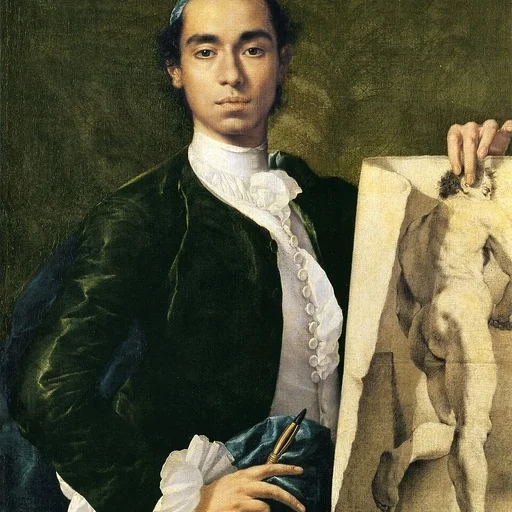
Luis Egidio Meléndez (1716–1780) was a Spanish painter. Though he received little acclaim during his lifetime and died in poverty, Meléndez is recognized as one of the greatest Spanish still-life painters of the 18th…

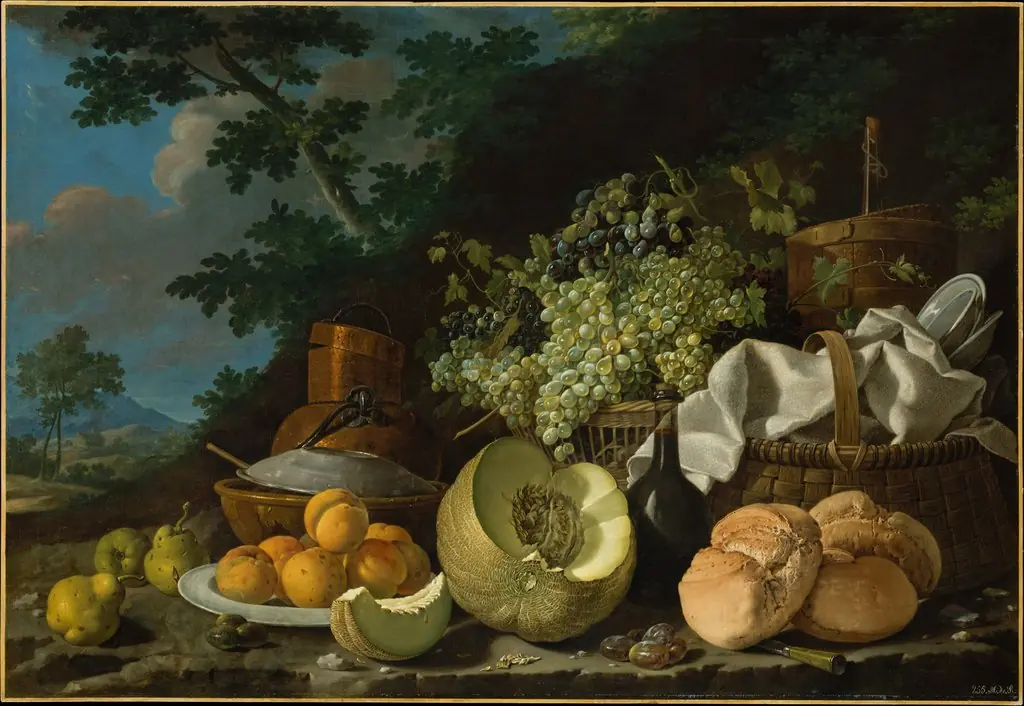 The Afternoon Meal (La Merienda)
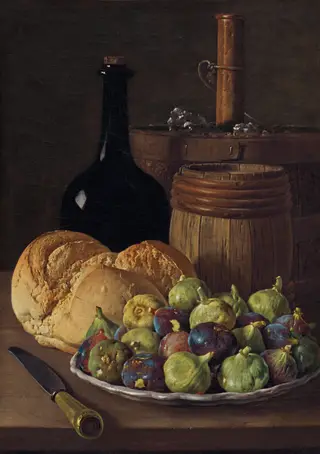 Still Life with Figs and Bread
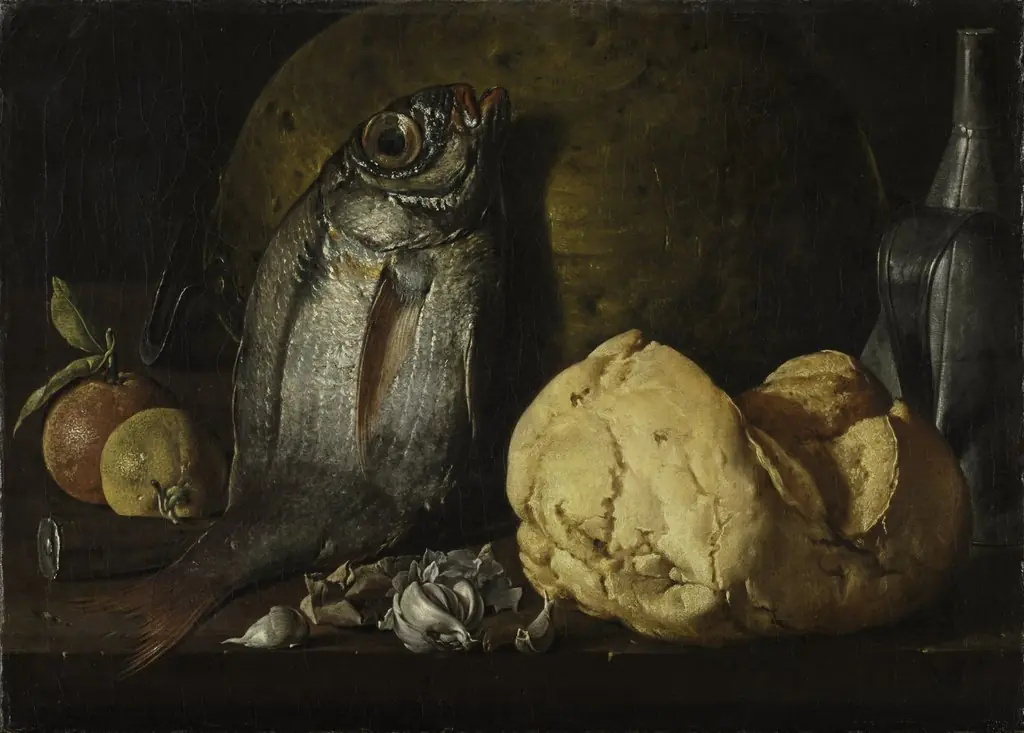 Still Life with Fish, Bread, and Kettle
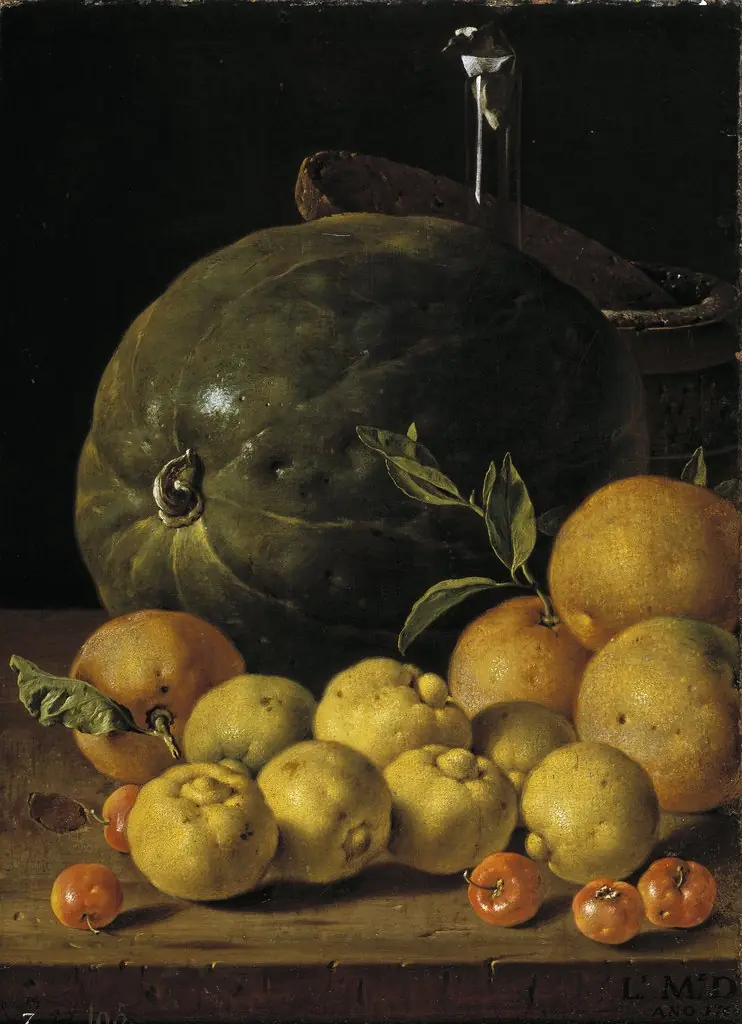 Still Life with Limes Oranges Haw Berries and Watermelon
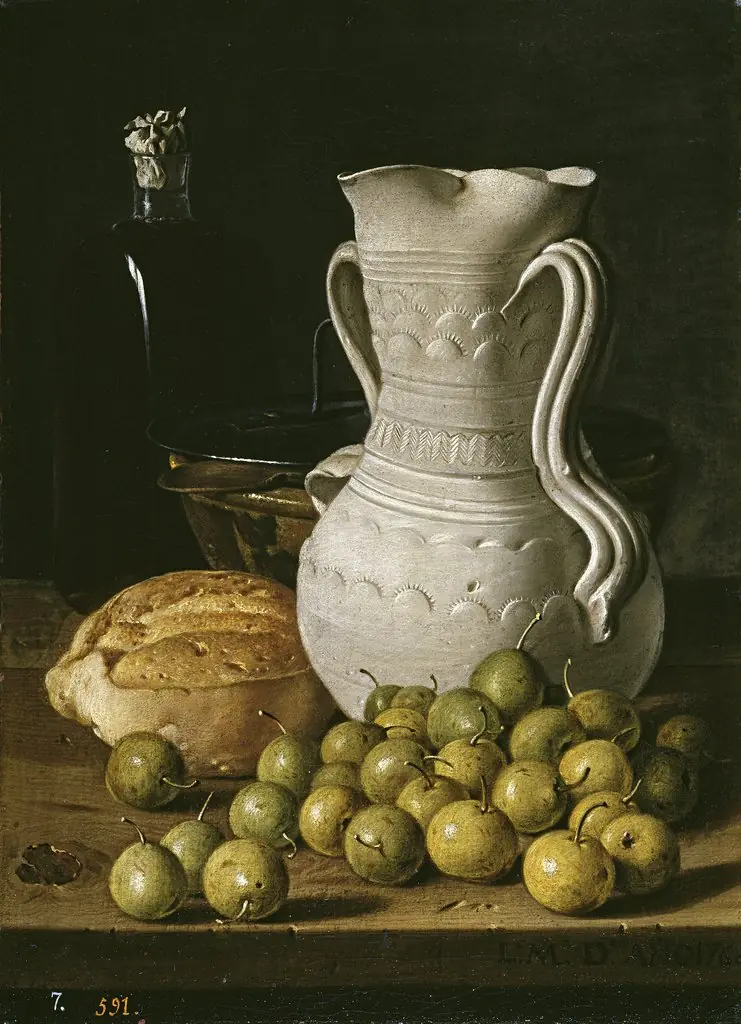 Still Life with Small Pears Bread Flask Bowl and Dry Leaves
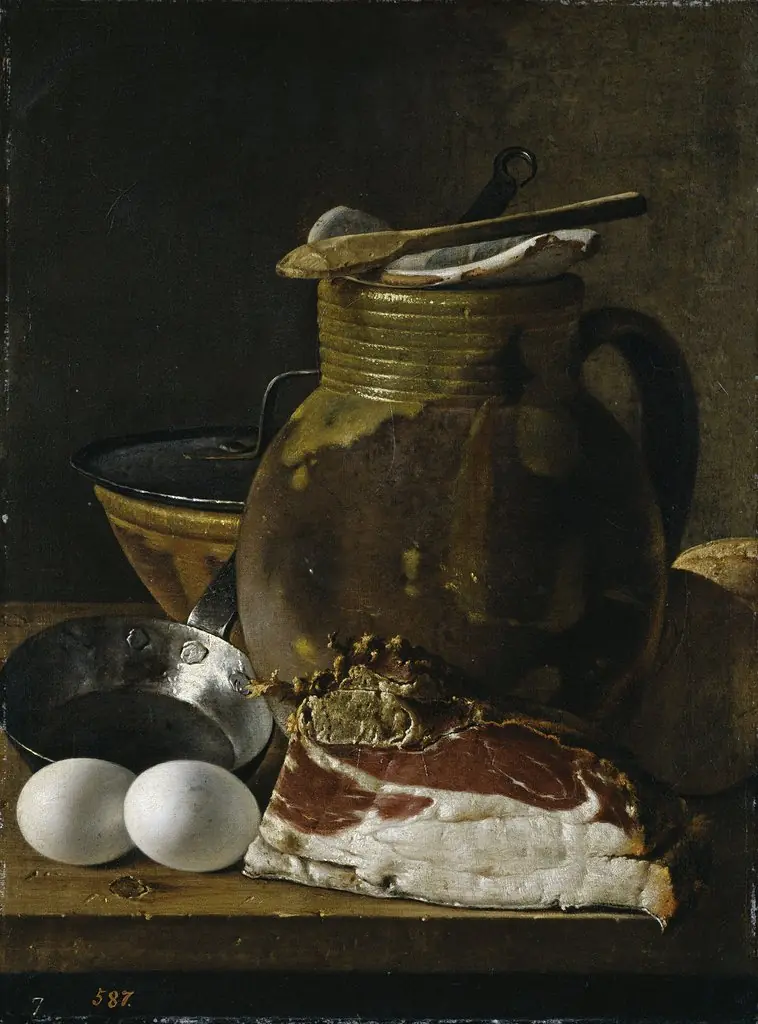 Still Life with Ham Eggs and Vessels
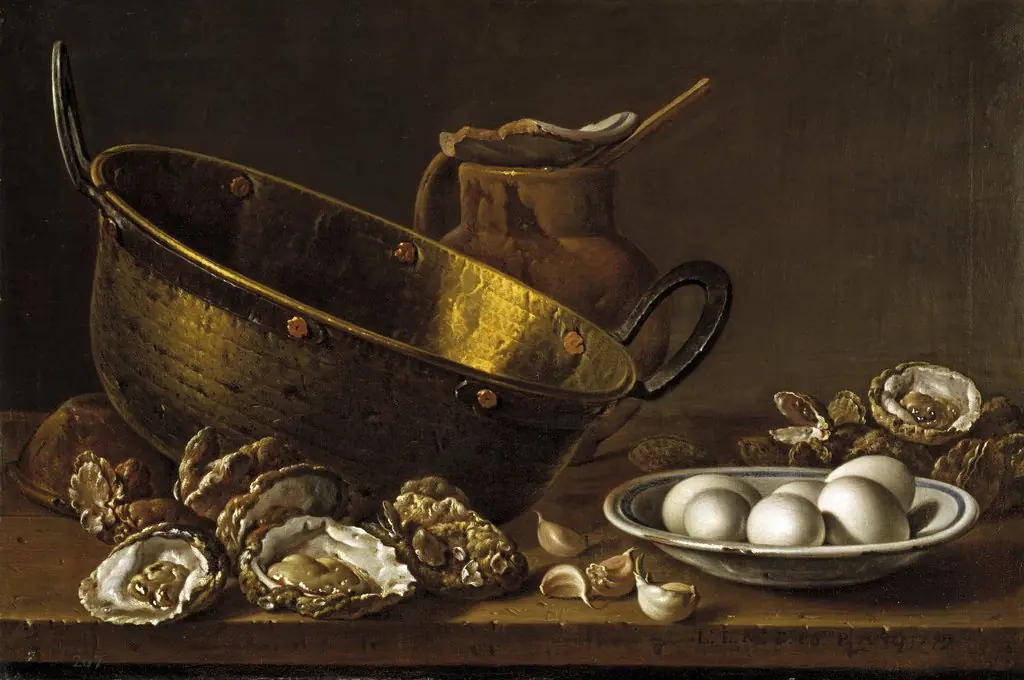 Still Life with Oysters Garlic Eggs Pot and Pan
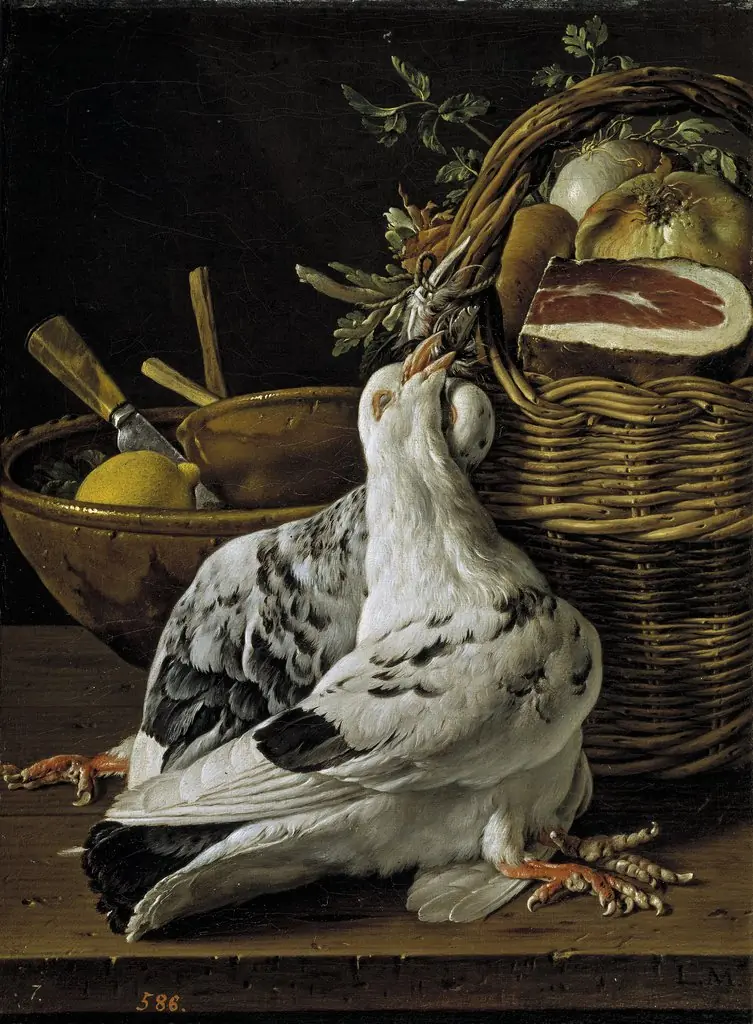 Bodegón con pichones cesta de comida y cuencos
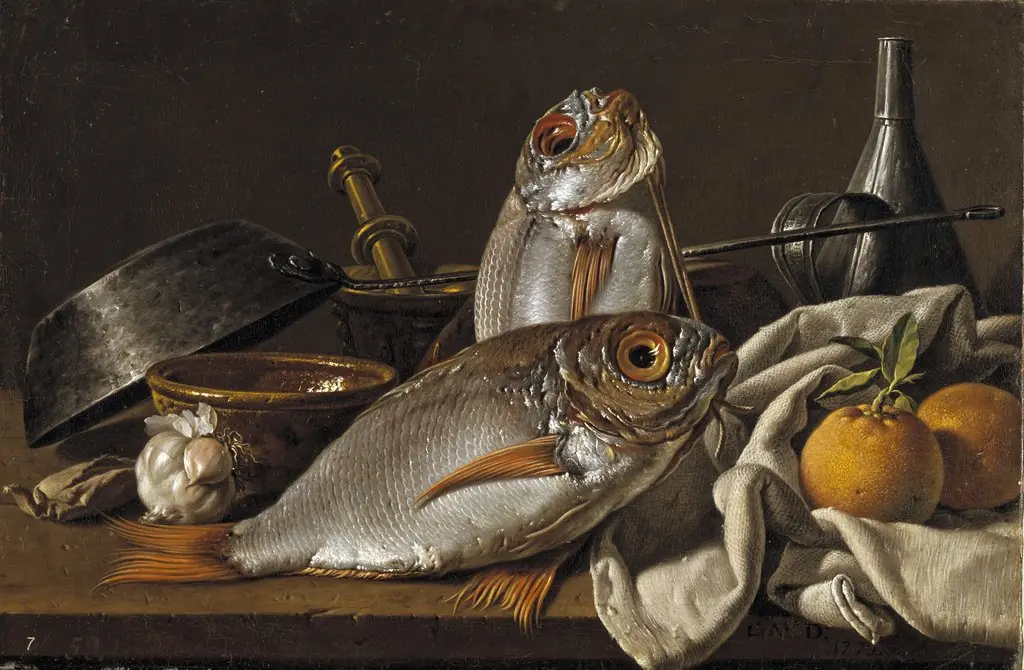 Still Life with Breams, Oranges, Garlic, Condiments, and Kitchen Utensils
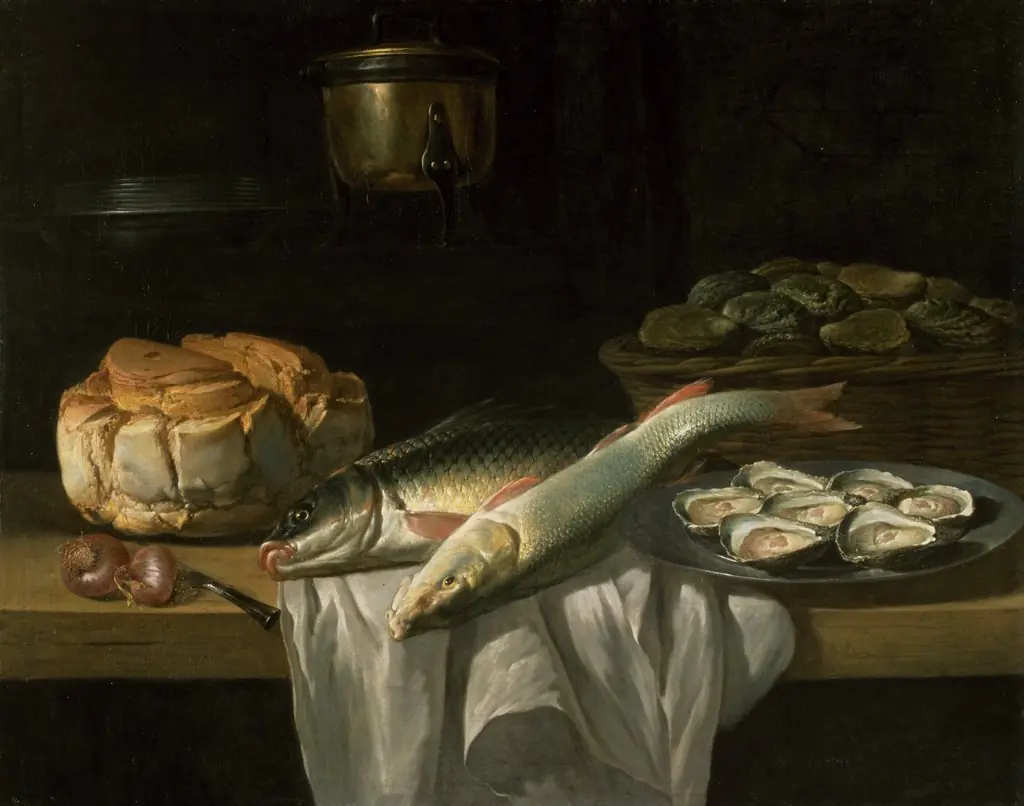 Still Life with Carp and Pike
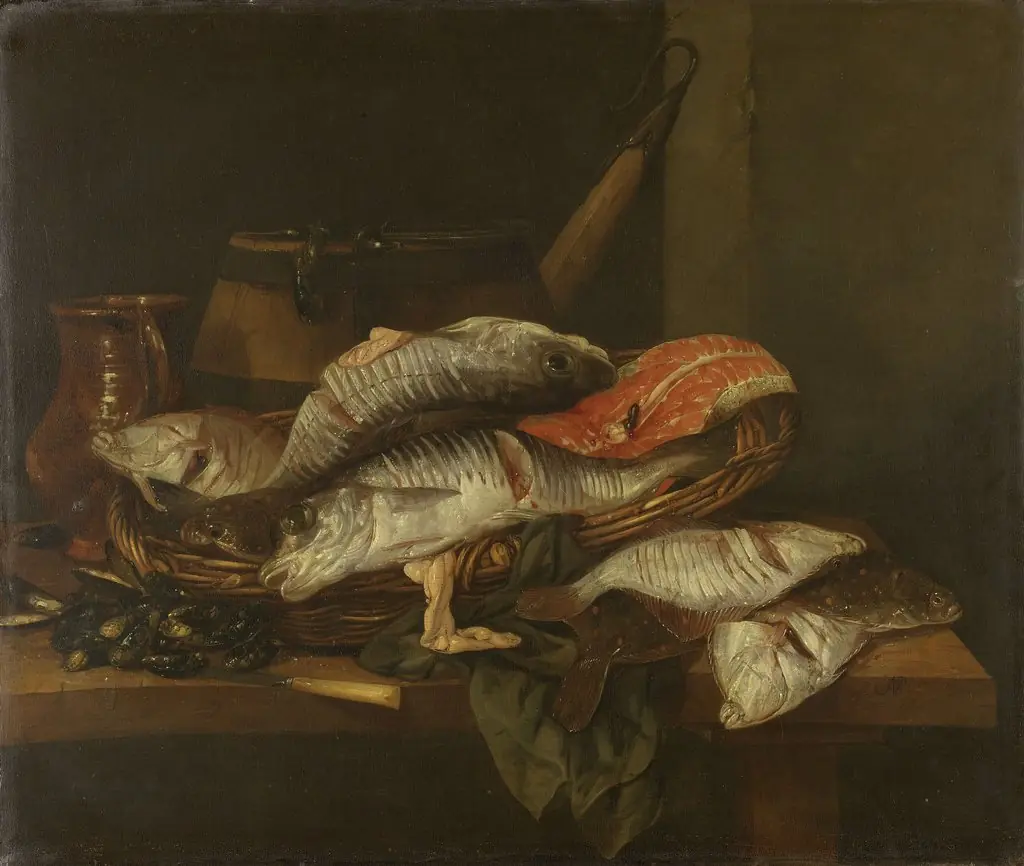 Still life with fish
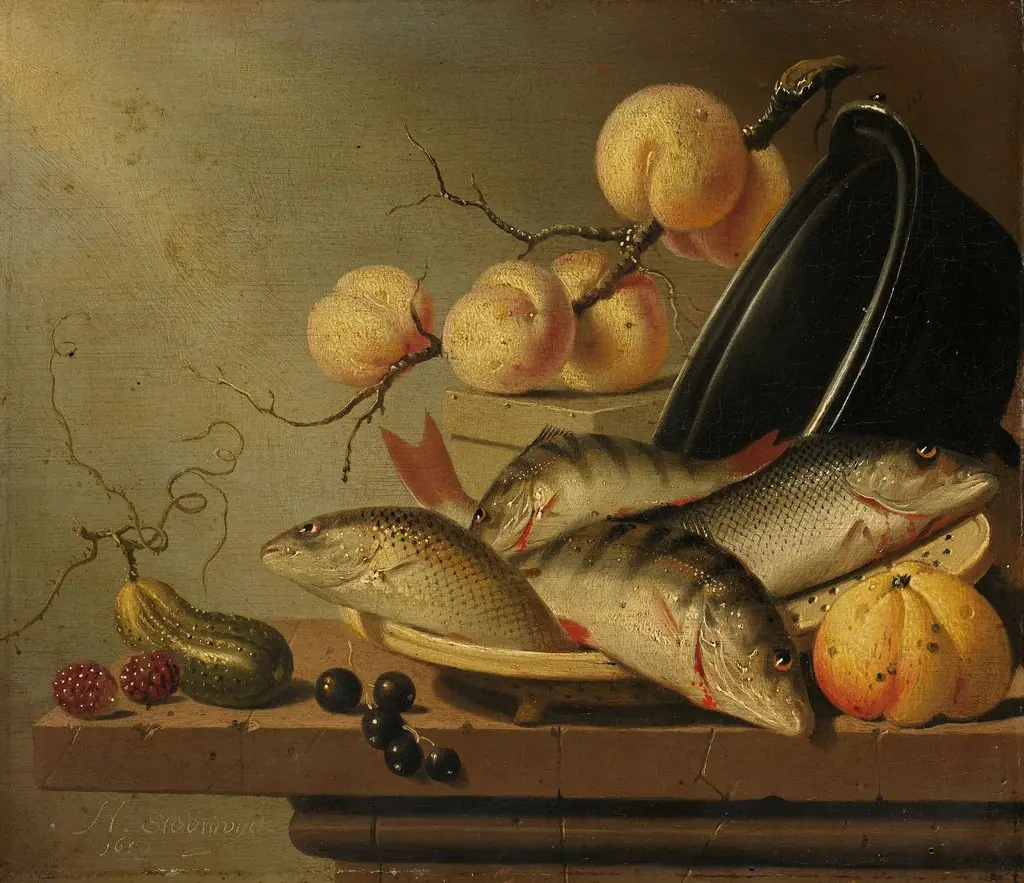 Still Life with Fish and Fruit
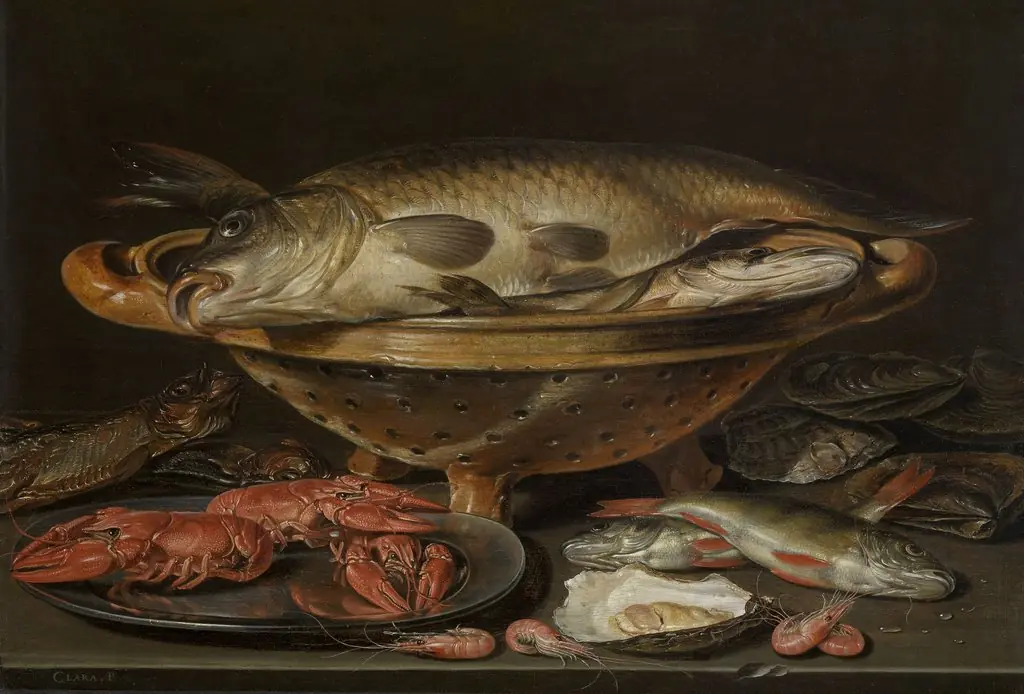 Still Life with Fish
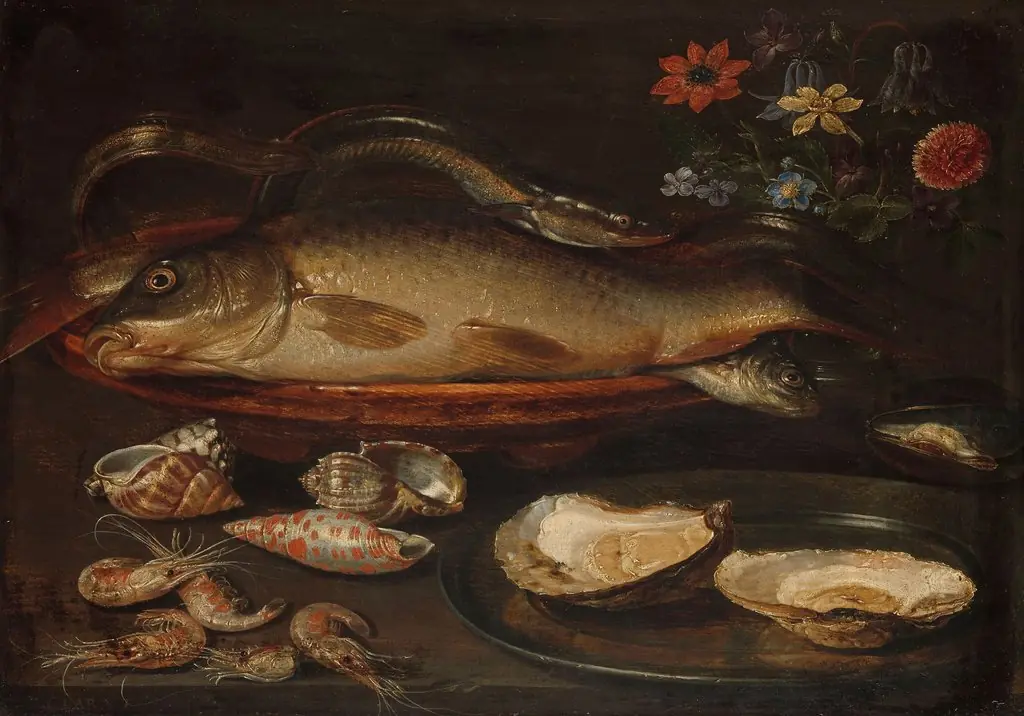 Still life with fish, oysters and shrimps
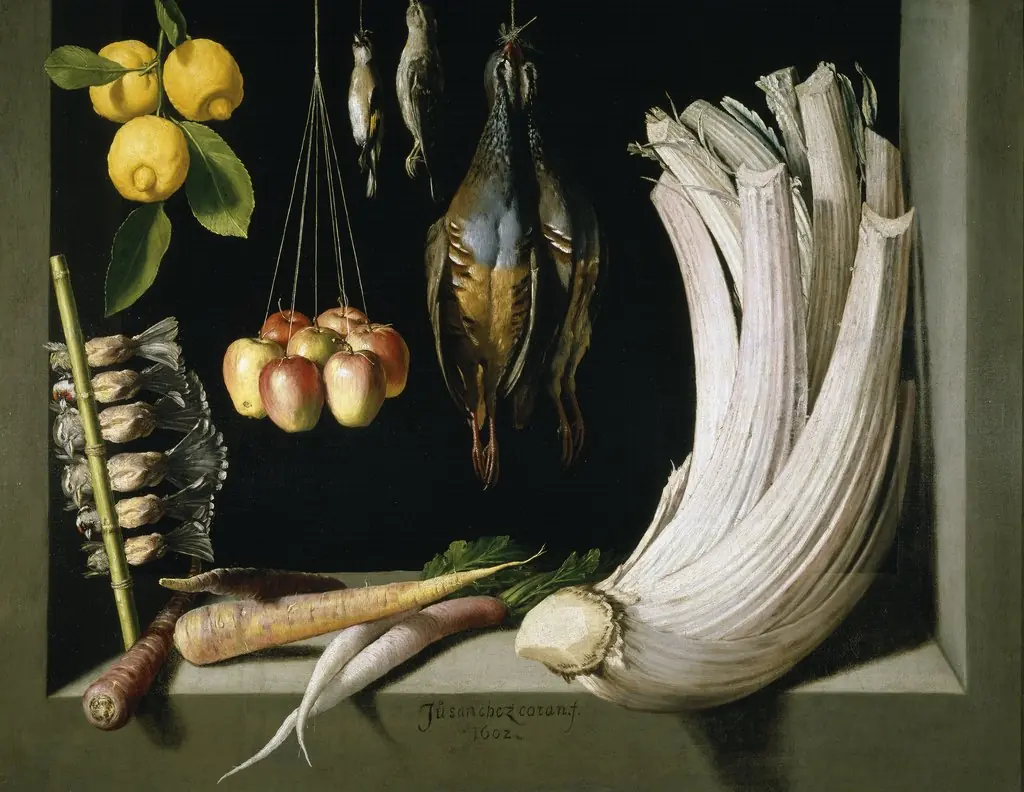 Still Life with Game Fowl,Vegetables and Fruits
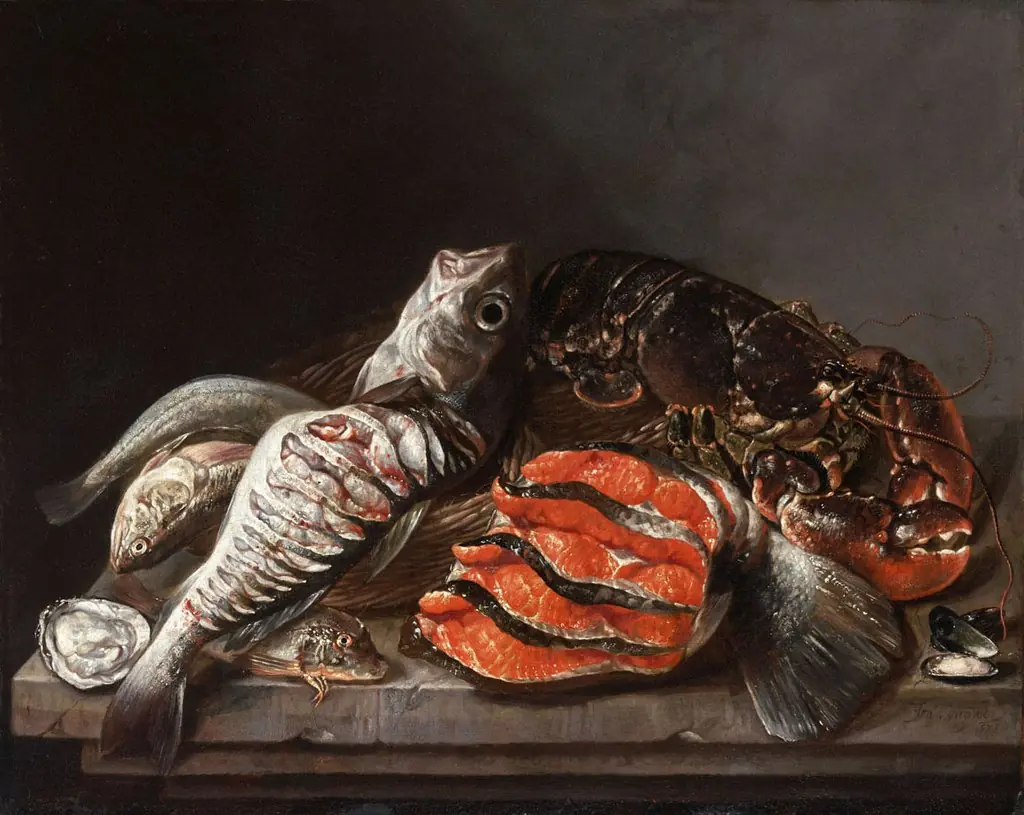 Fish (Still Life)
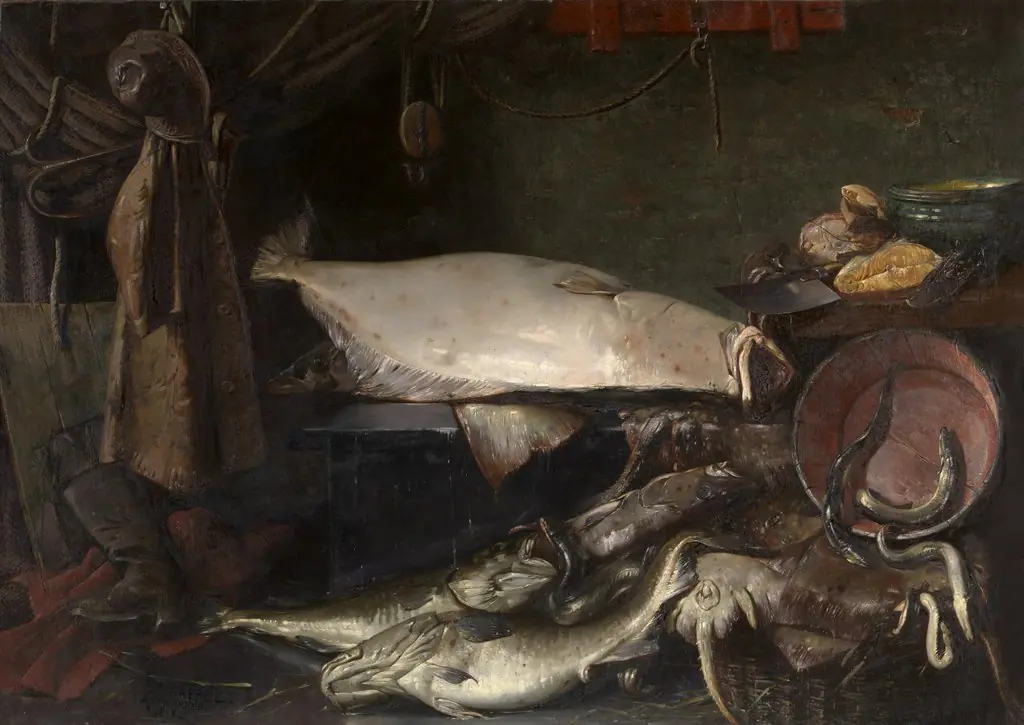 Still Life with Fish
 Still life of fish with a candlestick
- Still-Life