Artwork
Still Life with Fish and Fruit
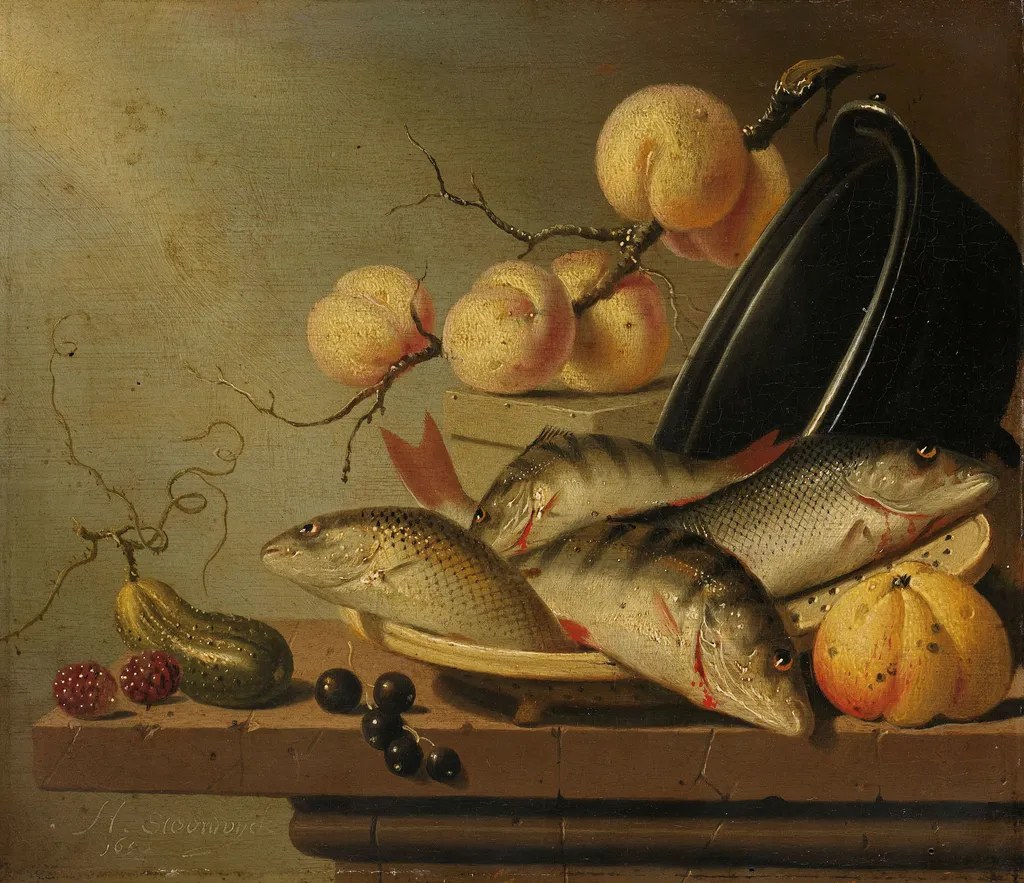
Still Life with Fish and Fruit is an oil painting by the Dutch Golden Age artist Harmen Steenwijck. It dates from 1652 and is held in the collection of the Rijksmuseum.
About this work
Subject & Meaning
The overall restraint in color and the muted palette focus attention on these emblematic objects rather than on ostentation.
The painting presents a modest still-life arrangement on a wooden ledge, dominated by a single fish laid diagonally across the composition alongside a knife and a lemon wedge.
Scholars associate the fish with Christian Eucharistic symbolism, recalling Christ’s miraculous provision and the early Christian typology of the fish as a sign of redemption. The lemon wedge, with its sharp peel and pale flesh, may signal the bitterness of Christ’s Passion or the sourness of sin, while the knife underscores the theme of sacrifice. The overall restraint in color and the muted palette focus attention on these emblematic objects rather than on ostentation.
Technique & Style
Harmen Steenwijck created Still Life with Fish and Fruit in 1652 using oil paint applied to a panel support. The work measures 23 cm in height and 27 cm in width, adhering to the intimate scale typical of Dutch Golden Age still lifes. Stylistically, the painting depicts fruit and fish, reflecting the genre's focus on detailed observation of natural subjects.
The medium of oil on panel suggests a durable surface suited for the precise rendering of textures characteristic of the artist's approach during this period.
History & Provenance
Harmen Steenwijck created the oil painting Still Life with Fish and Fruit in 1652. The work was executed on a wooden panel measuring 23 cm in height and 27 cm in width. Historical records indicate that the painting was once owned by Abraham Bredius. The artwork is currently held in the collection of the Rijksmuseum.
Still Life with Fish and Fruit is held at the Rijksmuseum, where it is recorded under the inventory number SK-A-1173. The work entered the museum's collection through the bequest of Abraham Bredius, a noted Dutch art collector and scholar. It has been exhibited in several Rijksmuseum presentations focusing on Dutch Golden Age still lifes, including the 1999 exhibition 'Dutch Still Lifes from the Rijksmuseum Collection' and the 2015-2016 show 'Rembrandt and the Golden Age'.
Context
Harmen Steenwijck's 1652 painting Still Life with Fish and Fruit exemplifies the refined compositional balance and meticulous detail characteristic of Dutch Golden Age still life. The work features a carefully arranged assortment of fish, citrus fruits, and peeled lemons on a stone ledge, reflecting contemporary fascination with exotic produce and the transience of abundance. Its inclusion in the Rijksmuseum collection, formerly owned by scholar Abraham Bredius, underscores its significance within the artist's oeuvre and the broader study of 17th-century Dutch painting practices.
Overview
Harmen Steenwijck, a Dutch painter of the early‑mid‑17th century, created this oil on canvas in 1652. The work presents a still‑life composition that brings together fish, fruit, and kitchen implements on a wooden tabletop, set against a muted background. It exemplifies the vanitas tradition, where ordinary objects are arranged to prompt reflection on transience and material abundance.
Own this work as a print
Artist & collection
Artist
Harmen Steenwijck or Harmen Steenwyck (c. 1612 – after 1656) was a Dutch Golden Age painter who specialised in still life painting, especially in the style of Dutch vanitas.

- Still Life with Fish
 Still life with fish
 Still life with fish
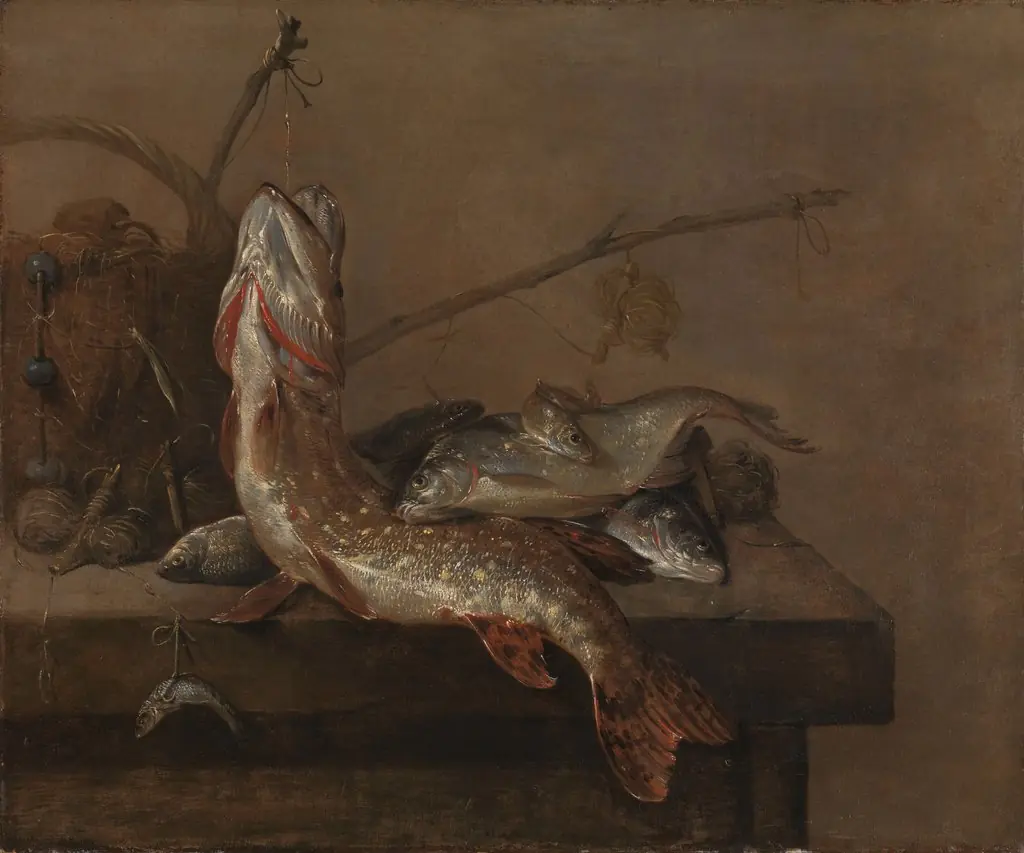 Still life with fish
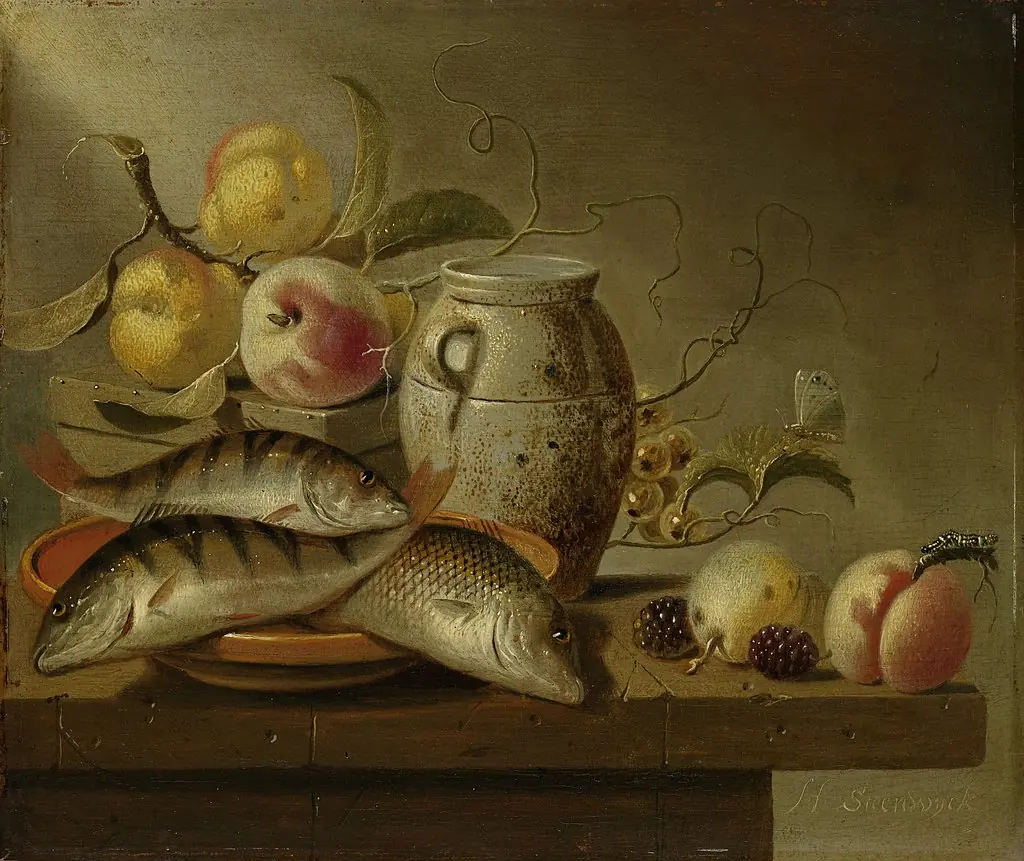 Still Life with Earthenware Jar, Fish and Fruit
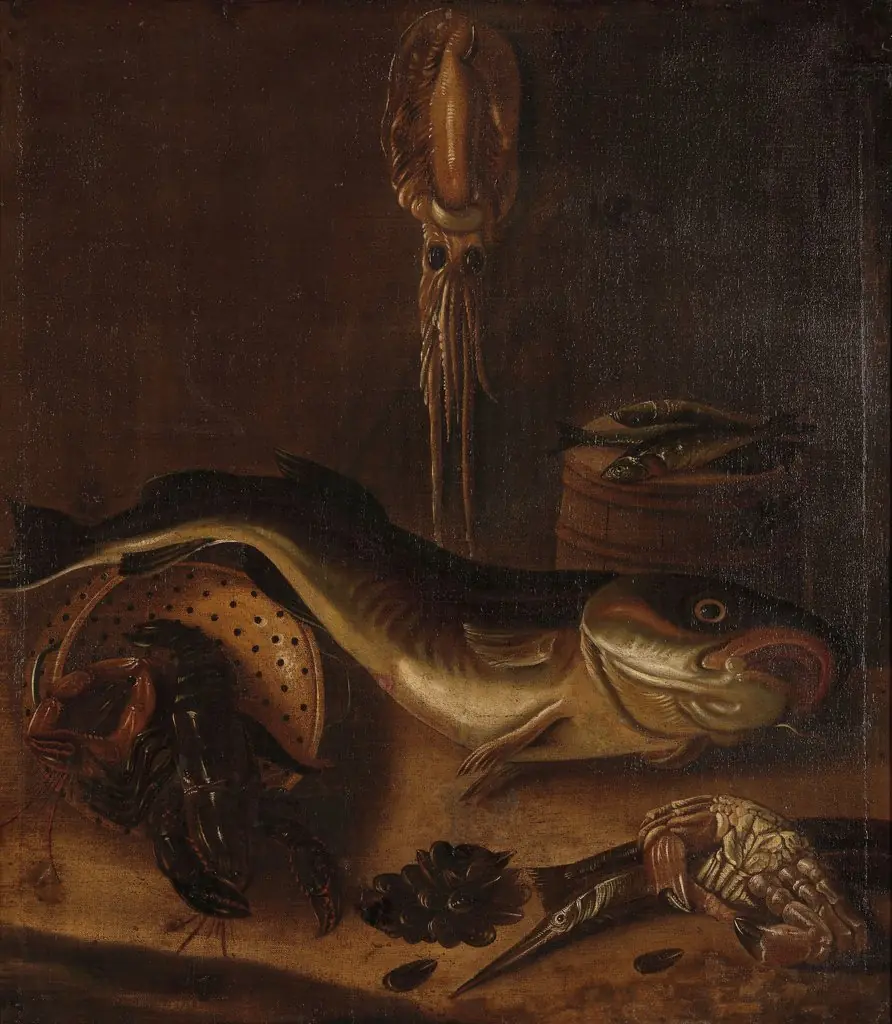 Still Life with Fish
 Still Life with Earthenware Jar, Fish and Fruit
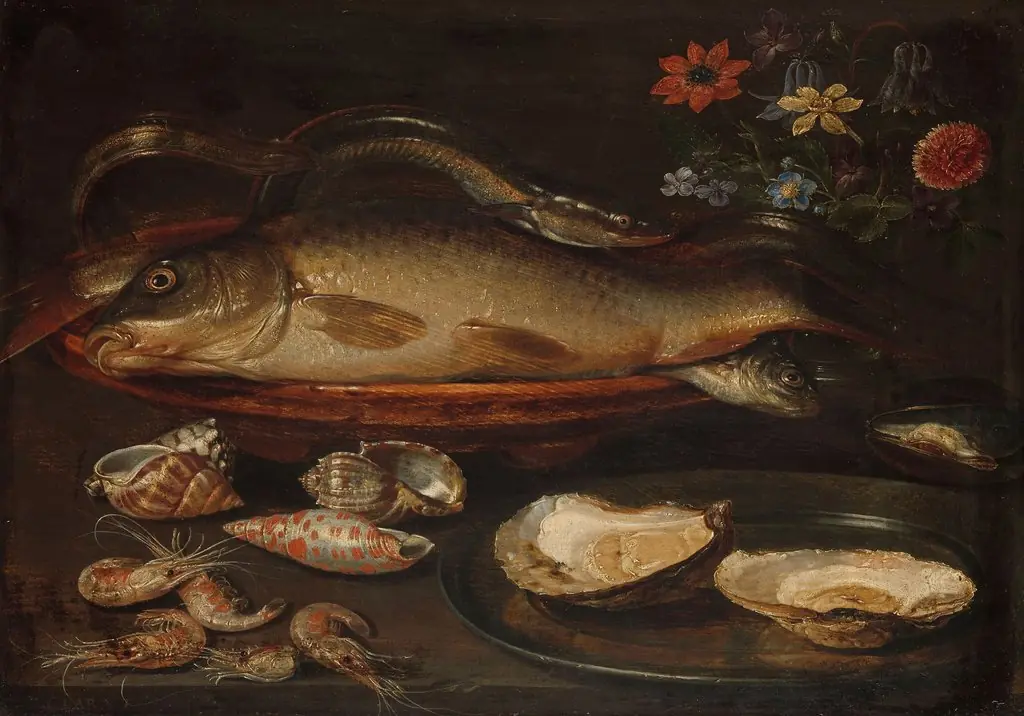 Still life with fish, oysters and shrimps
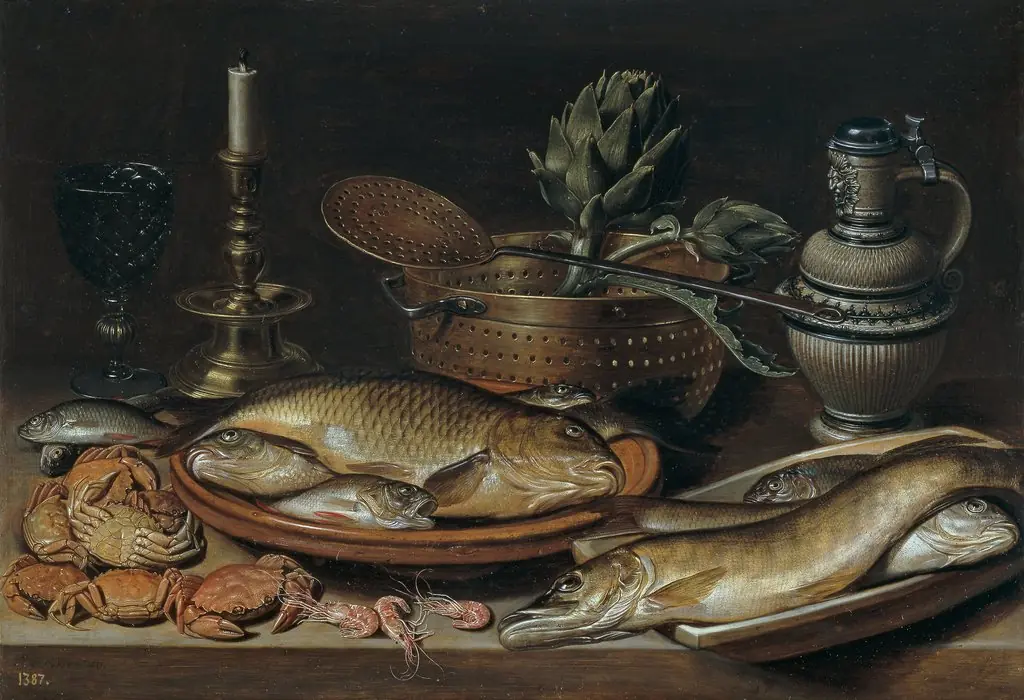 Still life of fish with a candlestick
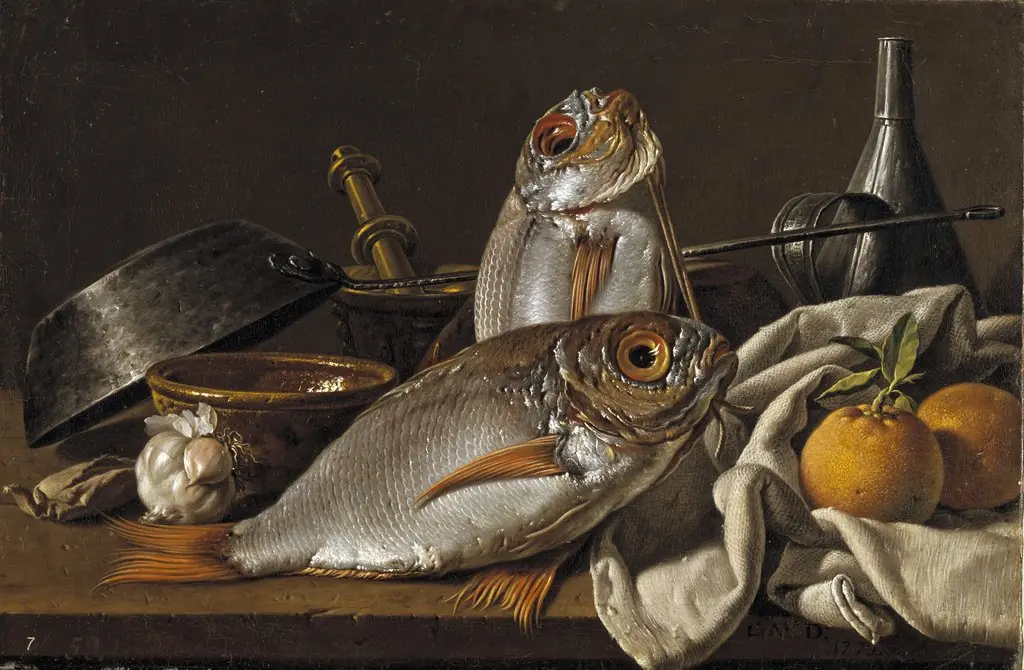 Still Life with Breams, Oranges, Garlic, Condiments, and Kitchen Utensils
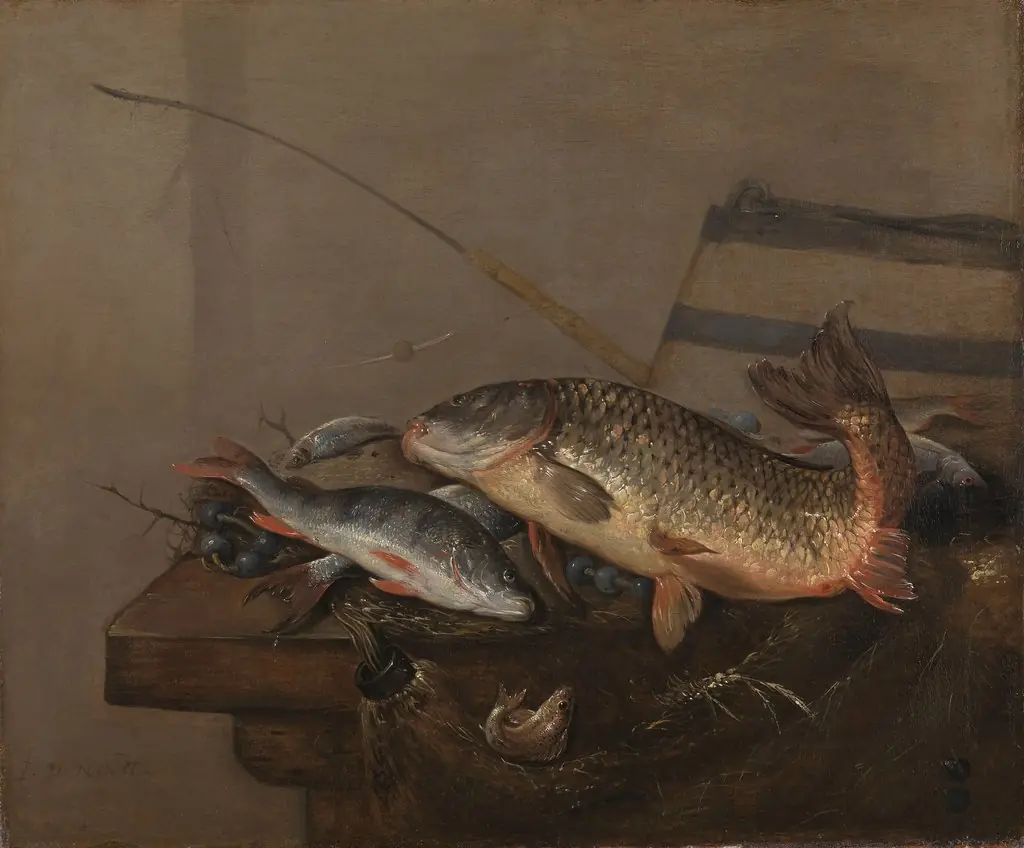 Still life with fish
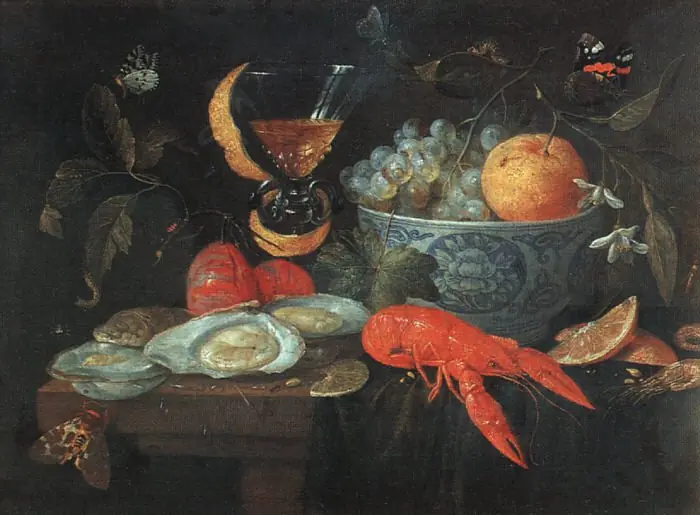 Still-Life with Fruit and Shellfish