Artwork
Old Tree and Flowing Stream
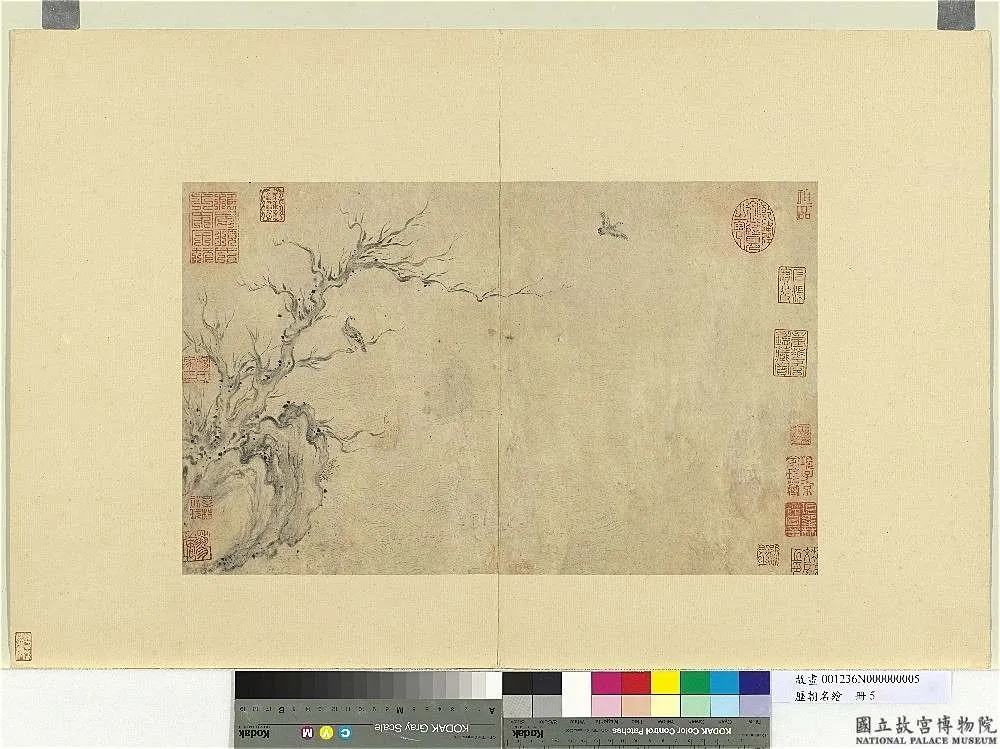
Old Tree and Flowing Stream is an unspecified painting by Ma Hezhi. It dates from 1200 and is held in the collection of the National Palace Museum.
About this work
Overview
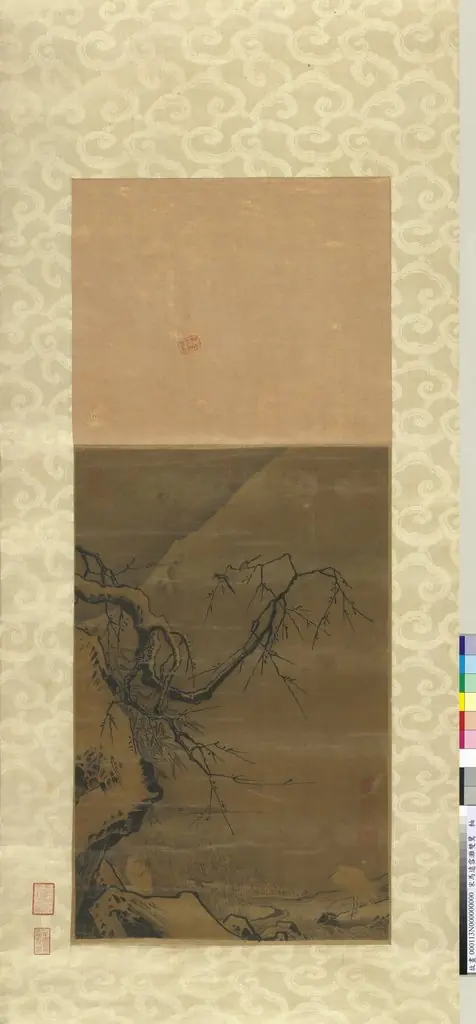
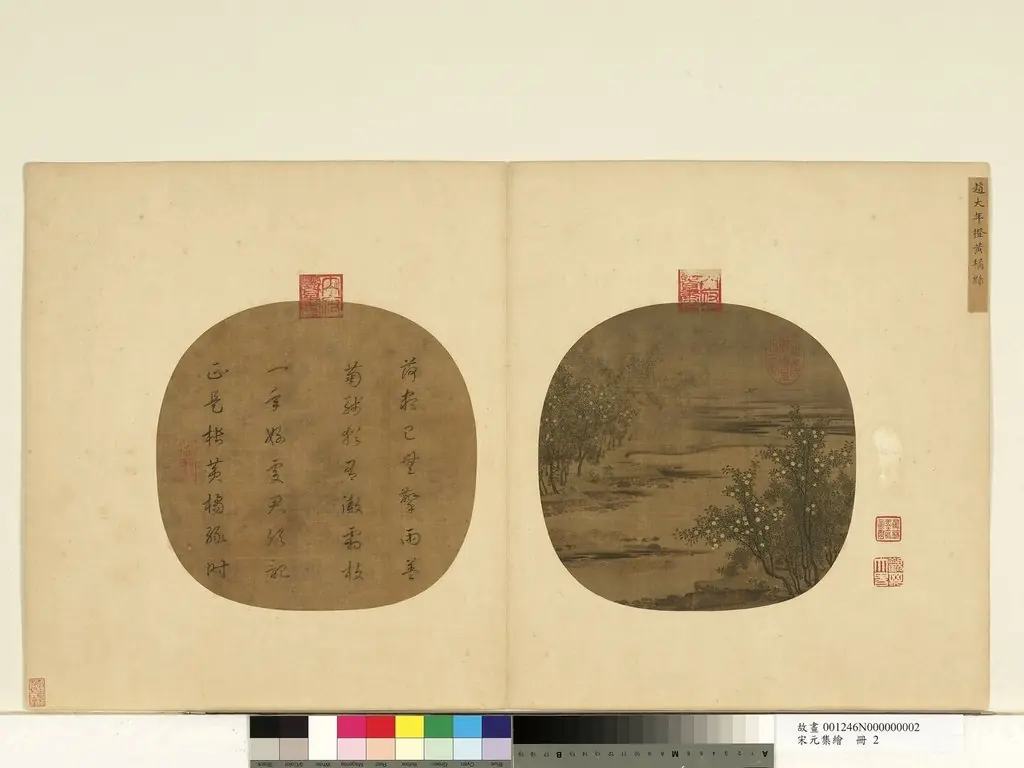
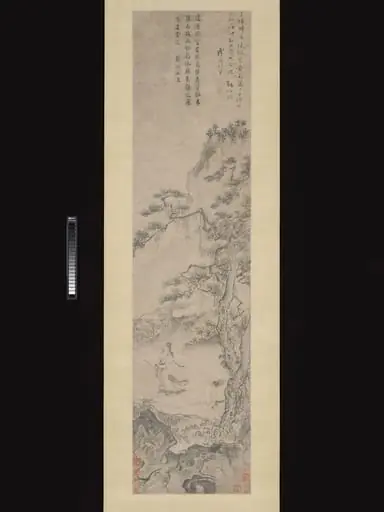
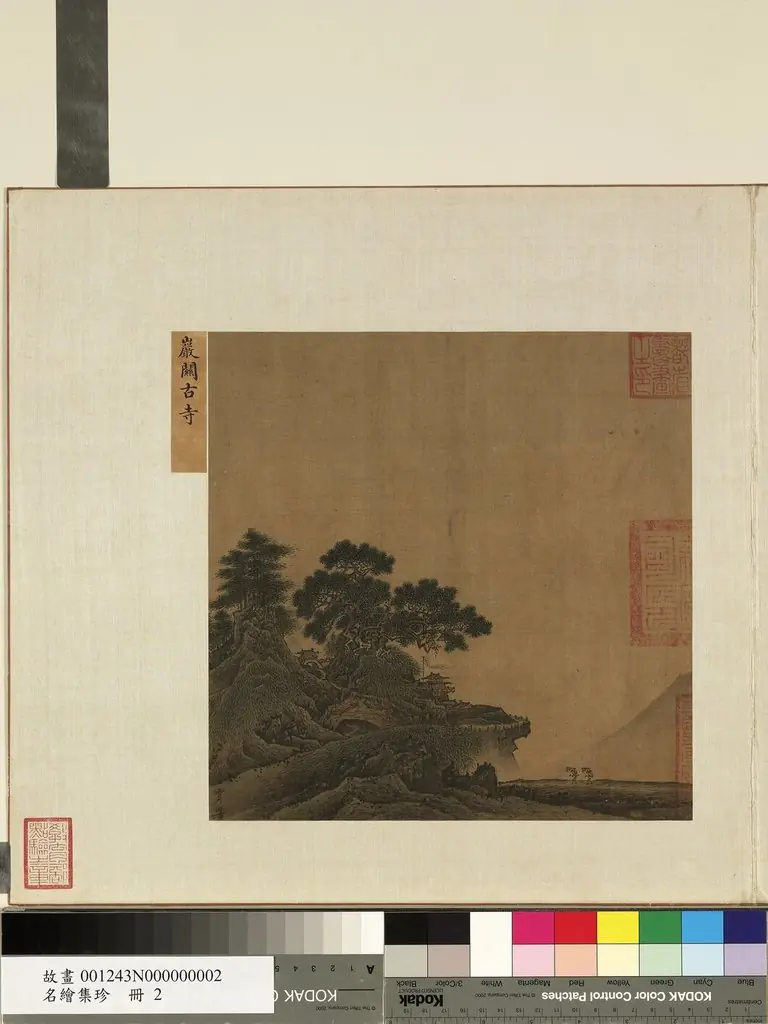
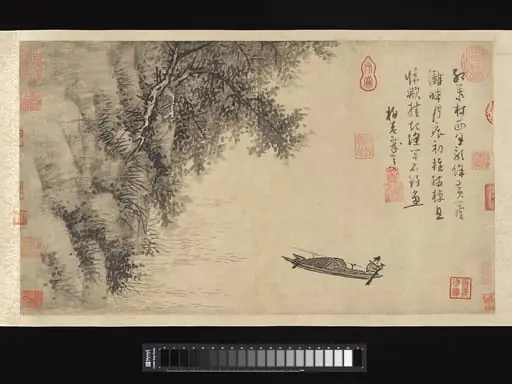
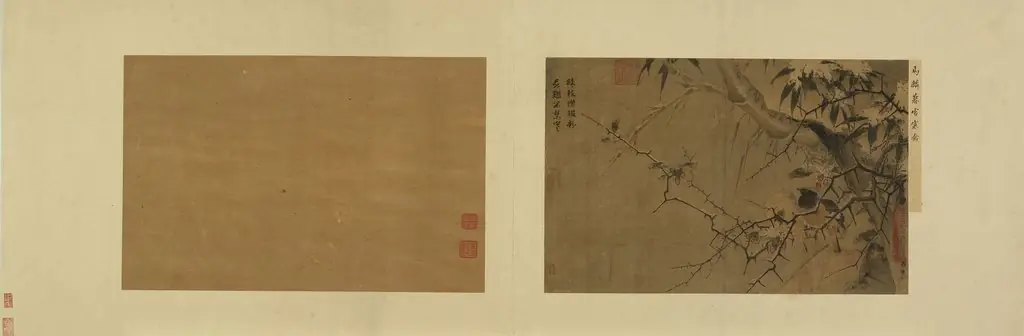
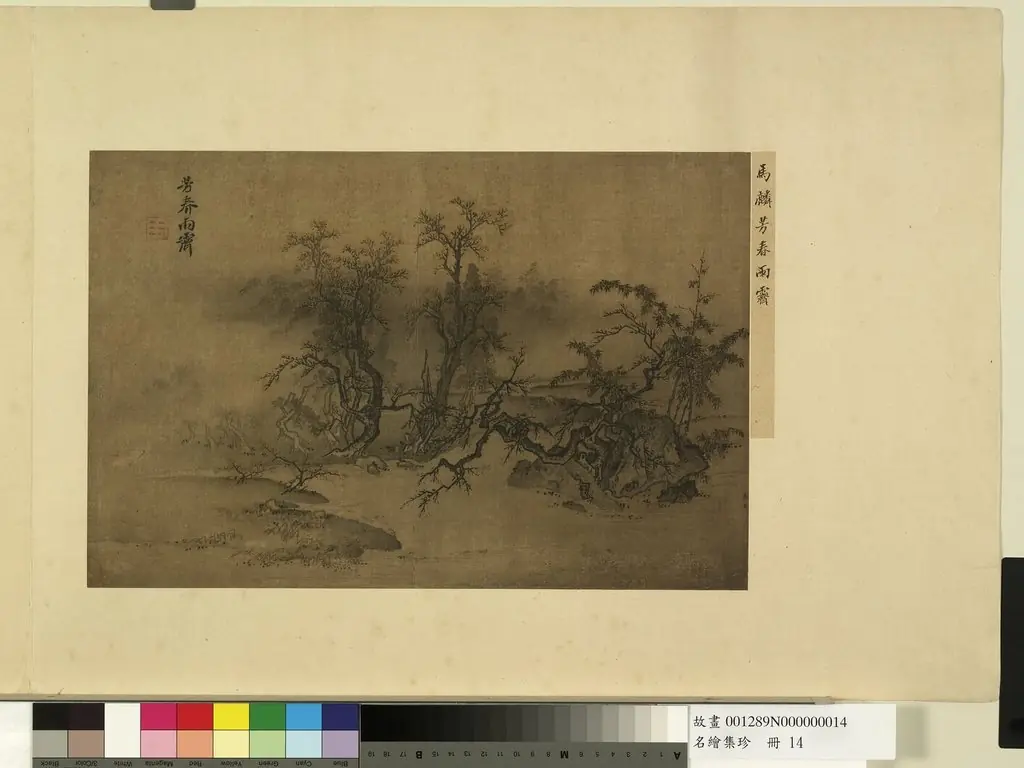
Old Tree and Flowing Stream, created around 1200 by Ma Hezhi, is a painting housed at the National Palace Museum. The work depicts a serene landscape dominated by a bare-branched tree and a winding stream.
Subject & Meaning
The painting's central elements, a lone, bare tree on the left and a stream flowing diagonally from top right to bottom left, compose a contemplative scene. The juxtaposition may symbolize the harmony between static and dynamic elements in nature.
Technique & Style
Characterized by bold brushstrokes and nuanced color variations, the painting exhibits a simple yet refined aesthetic. Techniques to achieve texture and depth are evident, from the tree's rough bark to the stream's smooth flow.
History & Provenance
Dating to circa 1200, the work is attributed to Ma Hezhi. It is currently part of the National Palace Museum's collection. Inscriptions on the painting include Chinese characters, though their content is not specified here.
Context
This painting reflects traditional Chinese landscape painting principles, emphasizing balance and the interplay of natural elements. The style aligns with the artistic values of its time, prioritizing harmony and subtlety.
Legacy
As a work by Ma Hezhi from the early 13th century, Old Tree and Flowing Stream contributes to the understanding of Chinese painting techniques and aesthetic preferences during this period. Its simplicity and depth continue to illustrate the artist's skill in capturing natural essence.
Artist & collection
Artist
Ma Hezhi was a Chinese painter active during the mid-twelfth century under the Southern Song dynasty.