Artwork
Bamboo and Ducks by a Rushing Stream
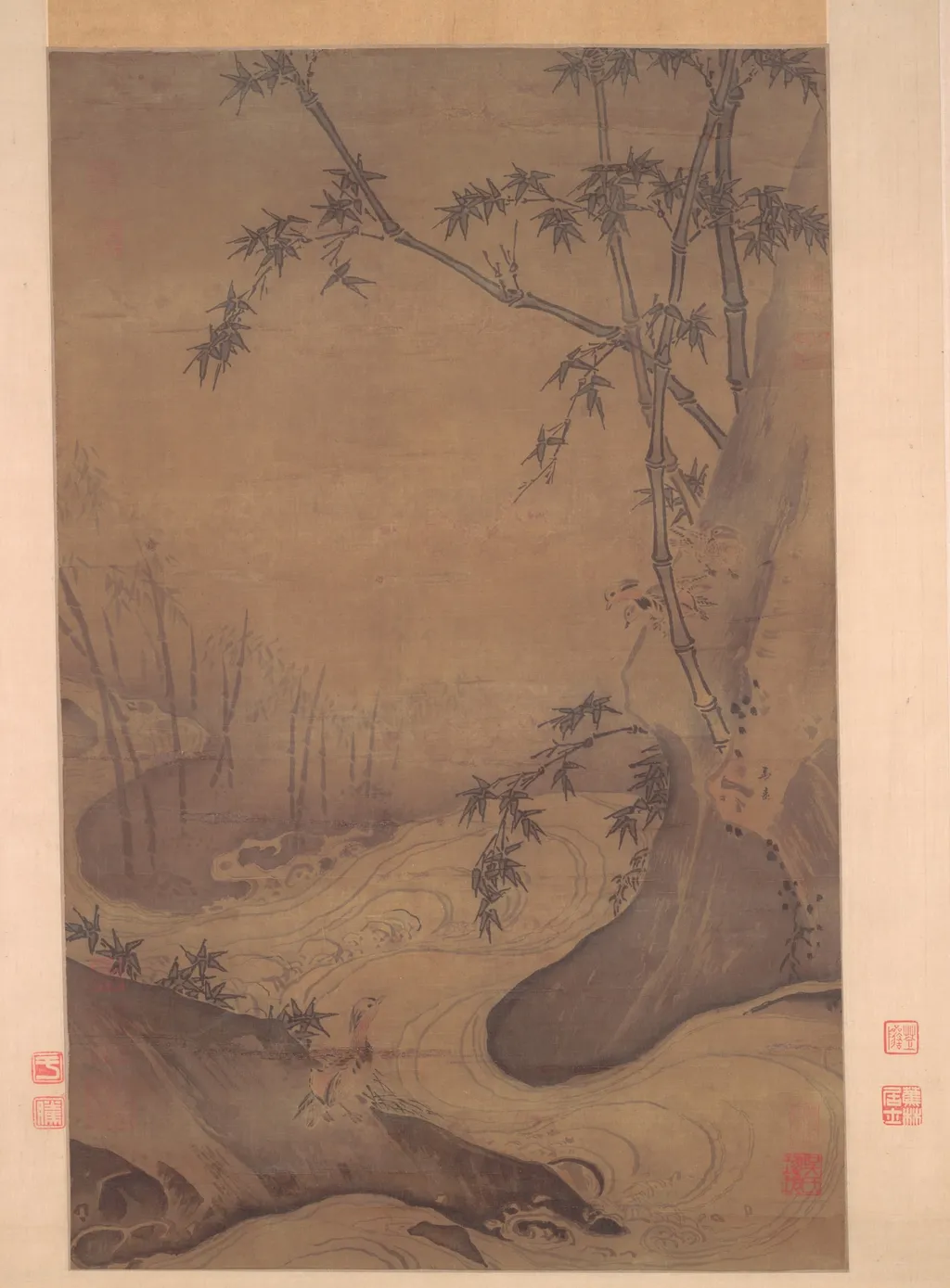
Bamboo and Ducks by a Rushing Stream is an unspecified painting by the Song dynasty landscape artist Ma Yuan. It dates from 1203 and is held in the collection of the Cleveland Museum of Art. Created in 1203, this ink painting depicts a modest landscape of bamboo, water and ducks.
About this work
History & Provenance
Created in 1203 by the Chinese artist Ma Yuan, the piece was produced in China and remains part of the museum's holdings in Cleveland.
Bamboo and Ducks by a Rushing Stream is a painting by Ma Yuan dated 1203, produced in China. The work is held in the collection of the Cleveland Museum of Art, where it is catalogued under accession number 1967.145. The sources do not document a prior ownership chain, commissioning party, or earlier provenance for the painting, nor do they record how or when it entered the Cleveland Museum of Art's holdings.
The sources establish only the creation date, place of origin, and current institutional ownership, leaving the intervening history of the work unrecorded in the available documentation.
The painting Bamboo and Ducks by a Rushing Stream is held in the collection of the Cleveland Museum of Art. The institution identifies the work with the accession number 1967.145. Created in 1203 by the Chinese artist Ma Yuan, the piece was produced in China and remains part of the museum's holdings in Cleveland.
Overview
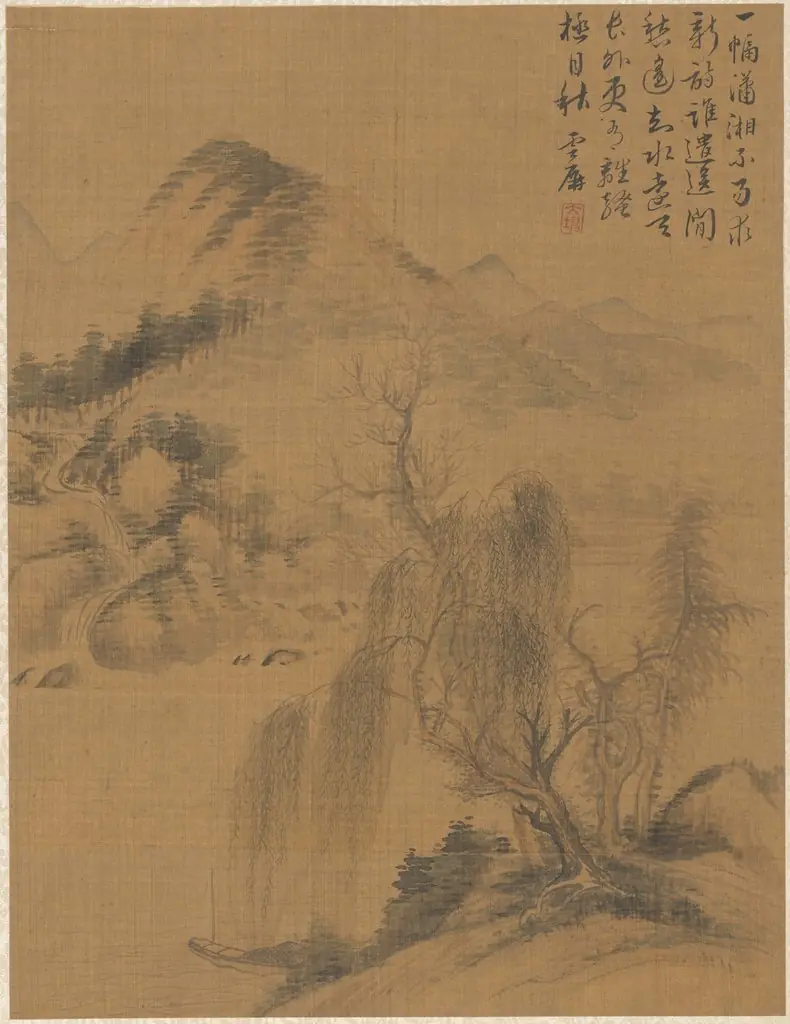
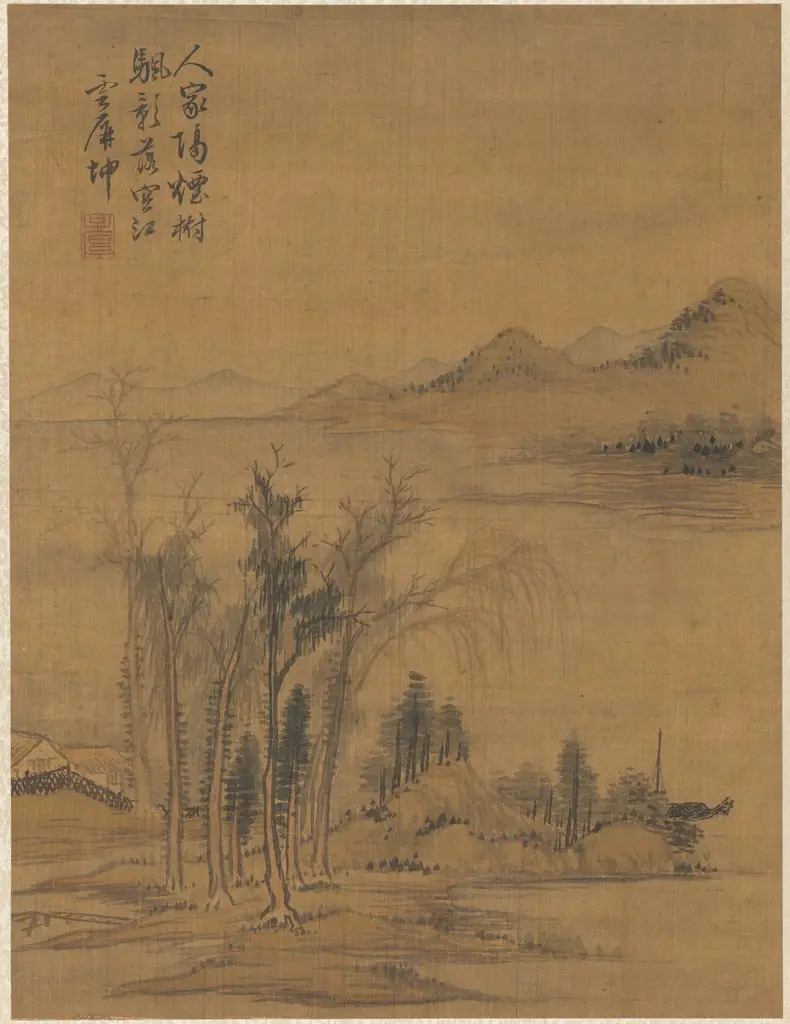
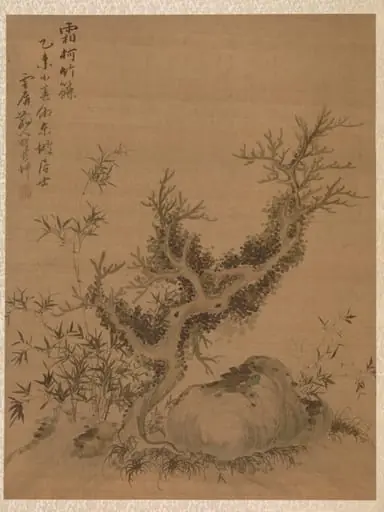
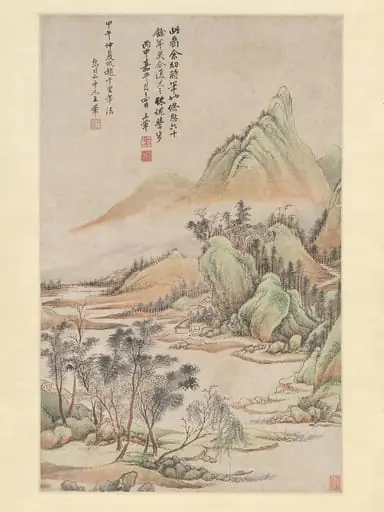
Created in 1203, this ink painting depicts a modest landscape of bamboo, water and ducks. Tall bamboo stalks rise from a rocky slope, while a sinuous stream winds below, its banks visited by a pair of ducks. A faint, mist‑shrouded mountain range recedes in the background, rendered in muted earth tones and soft greens that convey a tranquil atmosphere.
Subject & Meaning
The composition centers on the interaction between flora and fauna, using the bamboo’s vertical strength and the ducks’ gentle activity to suggest a harmonious natural order. The quiet scene invites contemplation of the subtle rhythms of rural life, a common theme in Song‑period art that emphasizes balance between human presence and the surrounding environment.
Technique & Style
Executed with swift, expressive brushstrokes, the work exemplifies the Ma‑Xia school’s emphasis on economy of line. The bamboo and water are suggested rather than fully detailed, creating a sense of movement and immediacy. Ink washes provide atmospheric depth, while the restrained palette of browns and greens reinforces the painting’s minimalist aesthetic.
Context
During the Southern Song, artists turned toward intimate, lyrical landscapes that favored personal expression over grandiose scenery. Ma Yuan, alongside Xia Gui, pioneered this shift, focusing on isolated elements, such as a single bamboo clump or a quiet stream, to evoke mood. The painting aligns with contemporary literary ideals that prized subtlety and the evocation of inner feeling through external nature.
Own this work as a print
Artist & collection

Artist
Ma Yuan (Chinese: 馬遠; pinyin: Mǎ Yuǎn; Wade–Giles: Ma Yüan; c. 1160–65 – 1225) was a Chinese painter of the Song dynasty. His works, together with that of Xia Gui, formed the basis of the so-called Ma-Xia (馬夏) school of…