Artwork
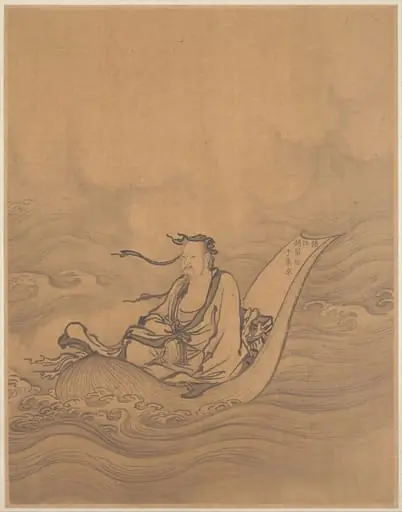
張騫図|The Chinese Explorer Zhang Qian on a Raft
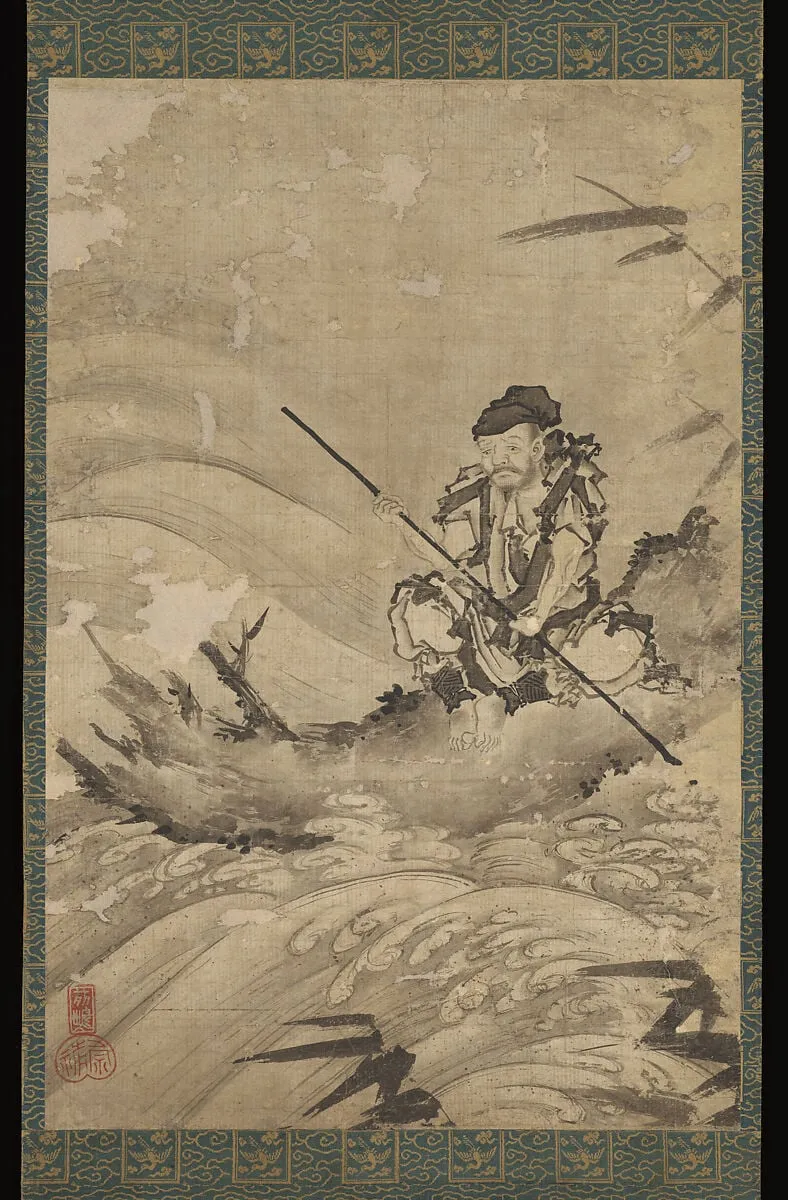
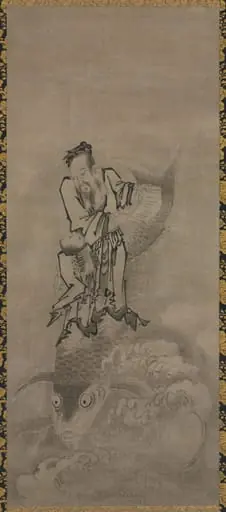
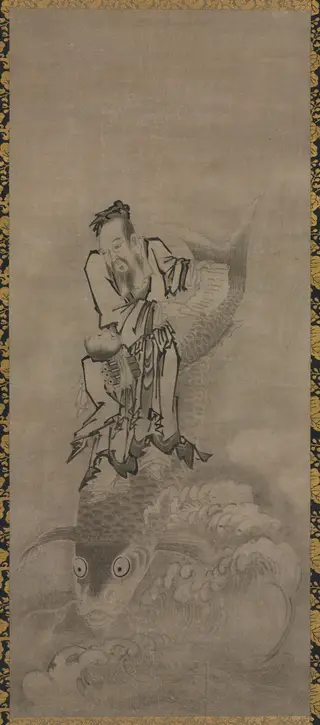
張騫図|The Chinese Explorer Zhang Qian on a Raft is an ink painting by the Nanga artist Maejima Sōyū. It dates from 1550 and is held in the collection of the Metropolitan Museum of Art.
About this work
Subject & Meaning
As a history painting, the subject focuses on a solitary man navigating the water, illustrating a specific moment from the explorer's life.
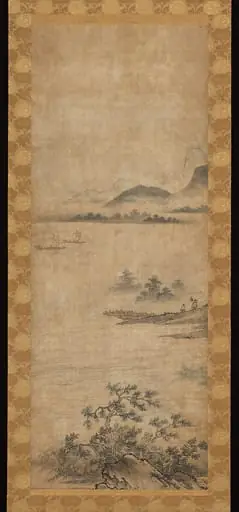
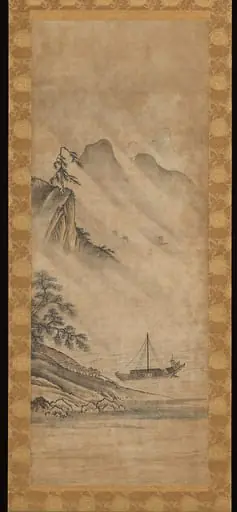
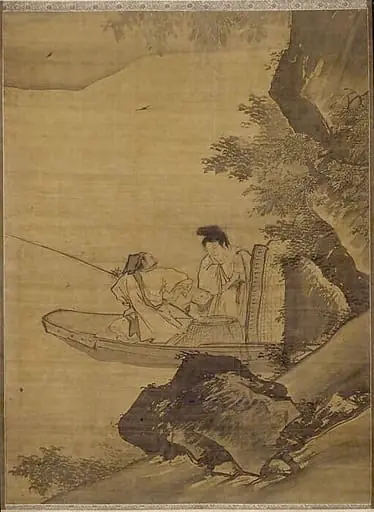
The work depicts the historical Chinese explorer Zhang Qian traveling on a raft across a river. As a history painting, the subject focuses on a solitary man navigating the water, illustrating a specific moment from the explorer's life. The imagery emphasizes the figure's journey and interaction with the natural environment of the river. This visual narrative serves to represent the historical figure's exploration efforts through a direct, figurative portrayal.
Technique & Style
The work is executed as a hanging scroll in ink on paper, a format typical of Japanese painting of the Muromachi-Edo transition. Maejima Sōyū rendered the scene with brushwork that emphasizes the flowing river and the solitary figure, using varying densities of ink to suggest depth and movement. As a history painting, the composition narrates an episode from Chinese exploration, presenting the explorer Zhang Qian on a raft amid a stylized landscape.
The piece was created in Japan in 1550 and entered the collection of the Metropolitan Museum of Art, where it remains on display.
History & Provenance
The hanging scroll titled The Chinese Explorer Zhang Qian on a Raft was created by Maejima Sōyū in 1550, executed in ink on paper as a history painting in Japan. The work is held in the collection of the Metropolitan Museum of Art, where it is currently located. No further details regarding the chain of ownership, commission, or intermediate provenance prior to its accession by the museum are documented in the available sources.
Overview
The Chinese Explorer Zhang Qian on a Raft is a hanging scroll rendered in ink on paper by the Japanese artist Maejima Sōyū, created around 1550. This painting portrays the legendary Chinese diplomat Zhang Qian navigating a river on a simple raft. It exemplifies a history painting, interpreting an ancient narrative through the lens of a later era and culture.
Context
Maejima Sōyū, a Japanese artist, painted this scene centuries after the actual travels of Zhang Qian, a significant Chinese diplomat from the Han dynasty. This temporal and cultural distance allowed Sōyū to re-imagine the historical figure, infusing the narrative with a personal and contemporary sensibility. The work thus bridges historical account with artistic interpretation, reflecting cross-cultural engagement.
Artist & collection