Artwork
Hotei with Daoist Immortals: Immortal Riding Carp
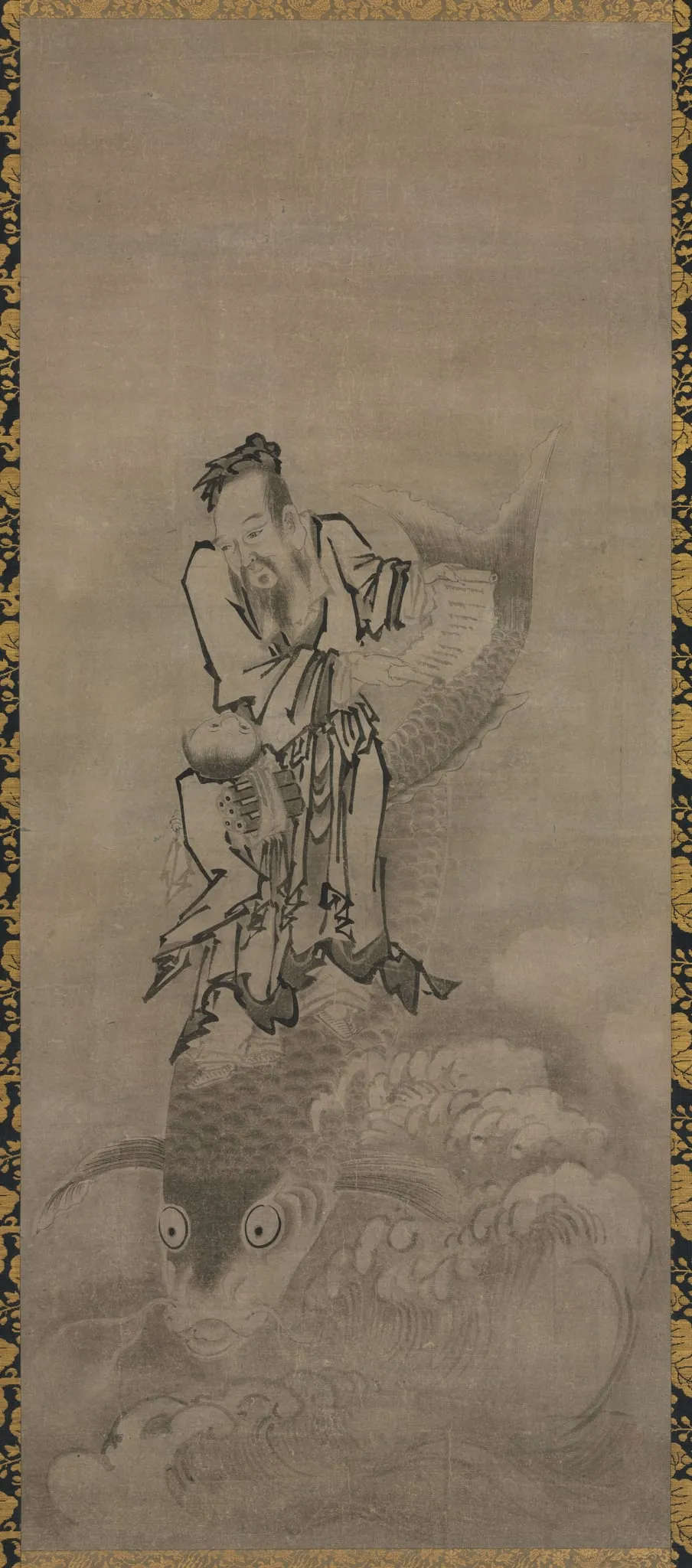
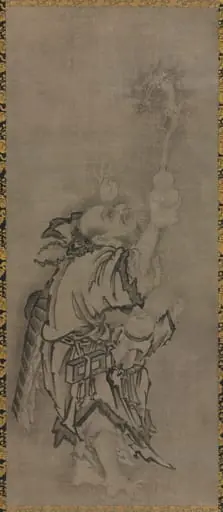
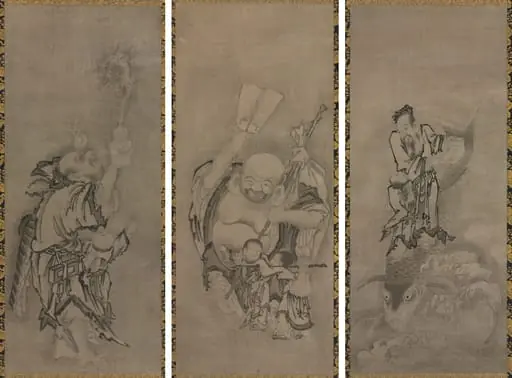
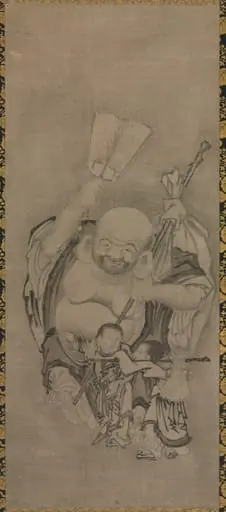
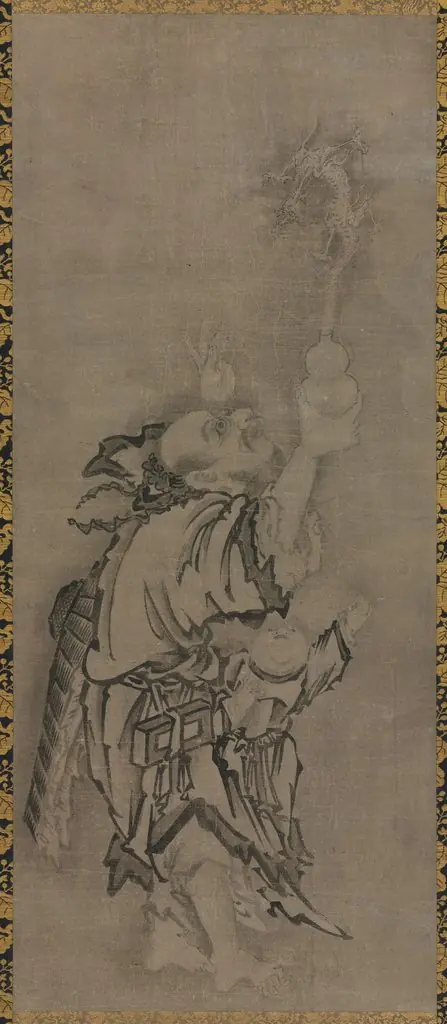
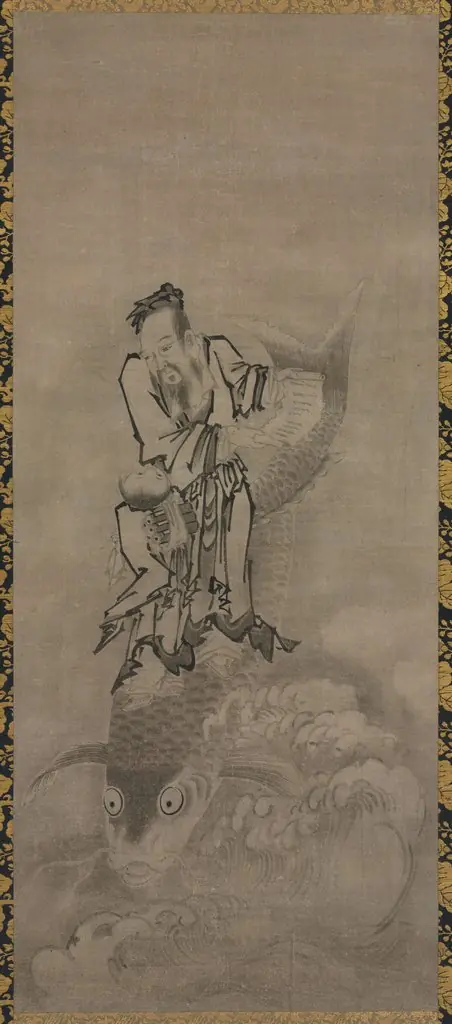
Hotei with Daoist Immortals: Immortal Riding Carp is an unspecified painting by the Baroque artist Kyūseki Tomonobu. It dates from 1696 and is held in the collection of the Cleveland Museum of Art. The work is a three‑panel painted scroll, or triptych, depicting a jovial figure of Hotei seated upon a carp that appears to glide on water.
- Accession no.
- 1989.8.1
- Credit line
- Mr. and Mrs. William H. Marlatt Fund
About this work
The carp means luck and long life in Japan, while the immortals ride clouds across the sky.
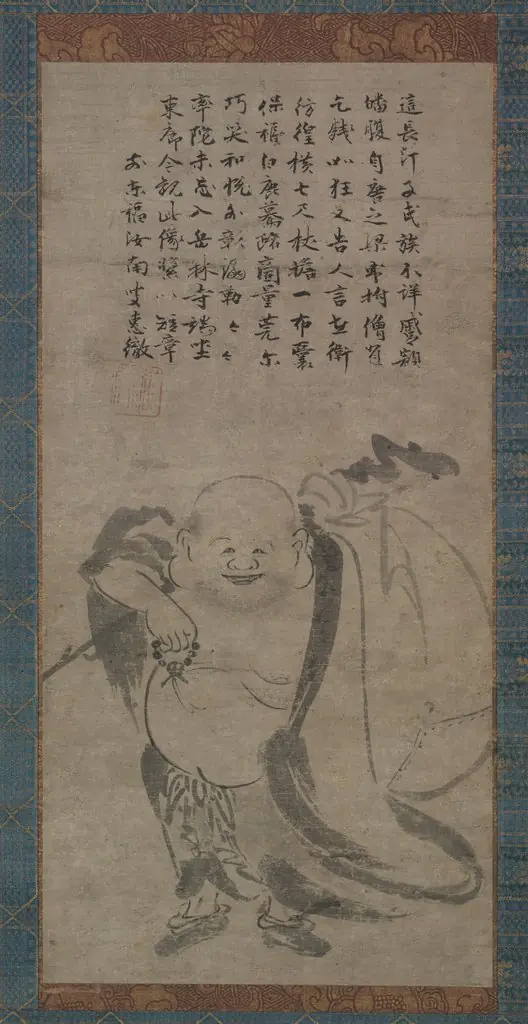
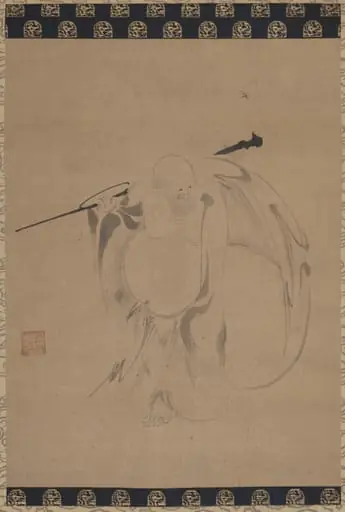
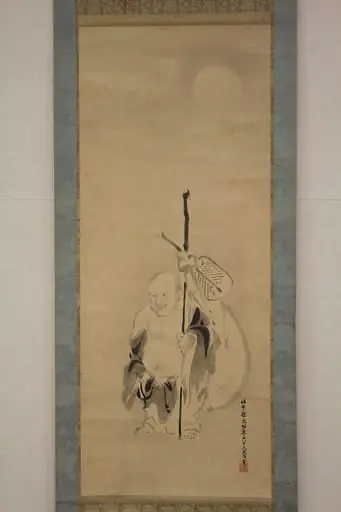
This triptych shows a big laughing Hotei sitting on a floating carp. The left and right panels add two Daoist immortals in cloudy robes. Hotei’s wide grin and belly symbolize joy and plenty in Zen belief.
Daist and Zen ideas rarely mix, yet this rare scroll blends both. The carp means luck and long life in Japan, while the immortals ride clouds across the sky.
Look up Kyūseki Tomonobu (Japanese, 1653–1721) next.
Overview
The work is a three‑panel painted scroll, or triptych, depicting a jovial figure of Hotei seated upon a carp that appears to glide on water. Flanking panels present two Daoist immortals dressed in flowing, cloud‑like robes, creating a balanced composition that unites distinct religious iconography within a single narrative setting.
Subject & Meaning
Hotei, a historical Chan monk later transformed into a popular folk deity, is shown with a wide grin and a protruding belly, symbols of happiness and abundance in Zen thought. The carp beneath him conveys wishes for longevity and good fortune, while the Daoist figures, rendered with exotic features, embody the timeless quest for immortality, linking Buddhist and Daoist aspirations.
Technique & Style
Executed in ink on paper, the scrolls retain the fluid brushwork characteristic of East Asian painting, with delicate washes for clouds and bold, expressive strokes for Hotei’s figure. The Daoist panels employ slightly more decorative line work, emphasizing the otherworldly nature of the immortals. Original ink tones remain untouched, as no inpainting was applied during conservation.
History & Provenance
The central figure of Hotei originated in 10th‑century China but became venerated in Japan by the 14th century, spawning a cult that crossed Zen and other religious traditions. The triptych, likely assembled as a cohesive set, entered the museum collection with compromised mounting and cracked paper, prompting a full remounting and surface cleaning to stabilize the work.
Context
By juxtaposing Zen and Daoist imagery, the scroll illustrates a rare visual dialogue between two spiritual paths that were often kept separate. Its preservation allows contemporary viewers to appreciate the historical syncretism and the enduring popularity of Hotei as a cultural figure, while also reflecting broader patterns of religious exchange in medieval Japan.
Artist & collection