Artwork
Immortal Riding on a Carp
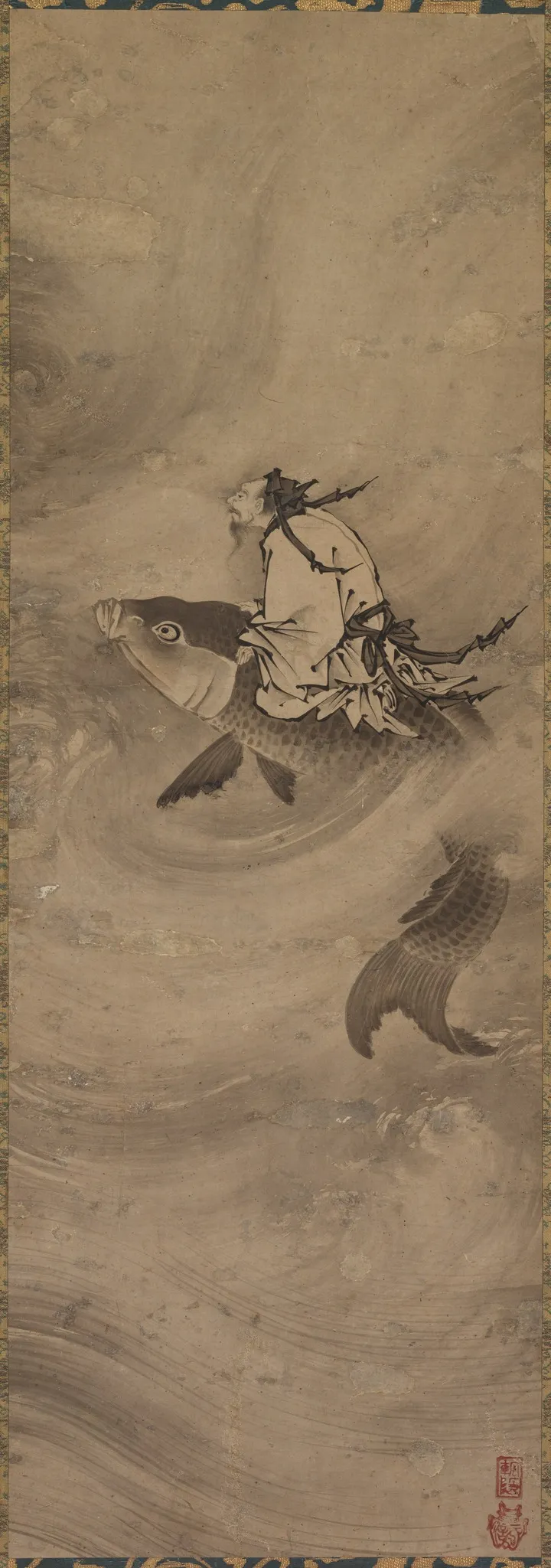
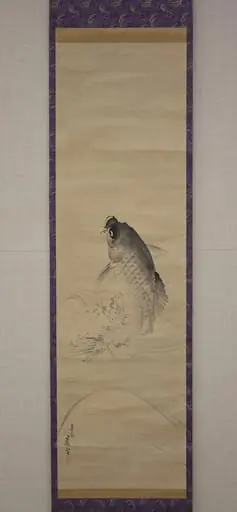
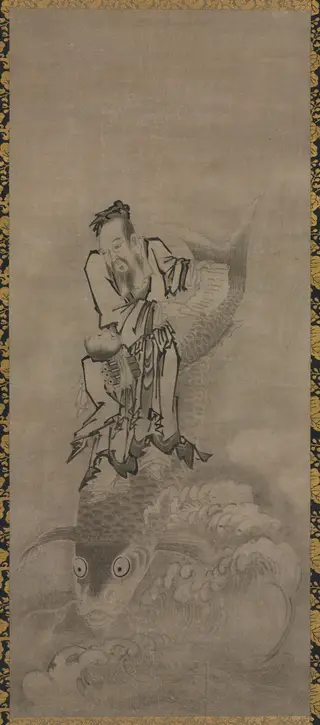
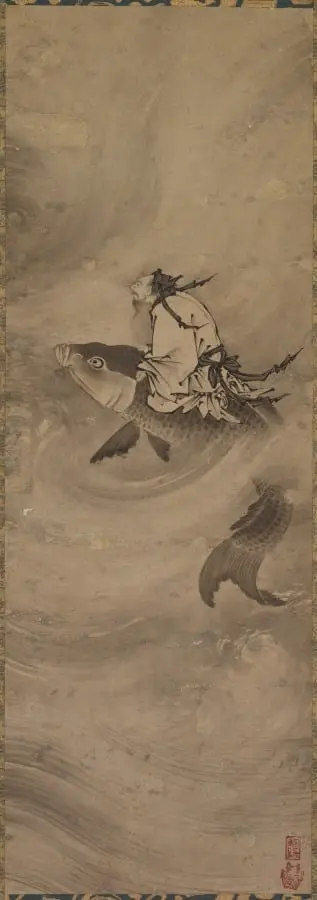
Immortal Riding on a Carp is an unspecified painting. It dates from 1600 and is held in the collection of the Cleveland Museum of Art. The work depicts a lone figure astride a massive carp, set against a turbulent watery backdrop rendered with swift, gestural brushwork.
About this work
Overview
The work depicts a lone figure astride a massive carp, set against a turbulent watery backdrop rendered with swift, gestural brushwork. The fish’s scales are emphasized through stark, dark outlines, while the rider clutches a slender branch or plant. The composition conveys a sense of rapid motion despite an overall quiet atmosphere.
Subject & Meaning
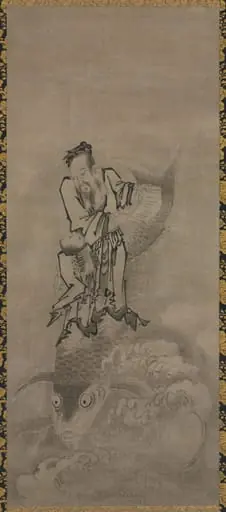
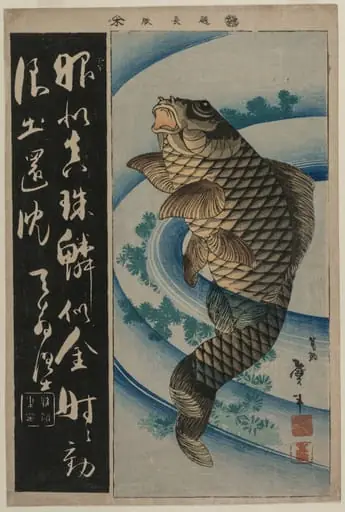
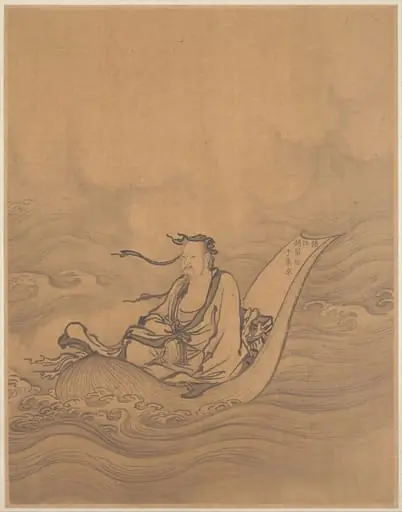
In East Asian visual tradition, the carp frequently symbolizes transformation and journey, often associated with perseverance and ascent. By placing a human figure upon the fish, the painting suggests a passage beyond ordinary limits, evoking the notion of floating or soaring above the water’s surface.
Technique & Style
The artist employs loose, energetic strokes to suggest the swirling water, contrasting with precise, linear treatment of the carp’s scales. This juxtaposition of rapid, expressive washes and defined contours creates a dynamic tension that underscores the scene’s implied speed.
Context
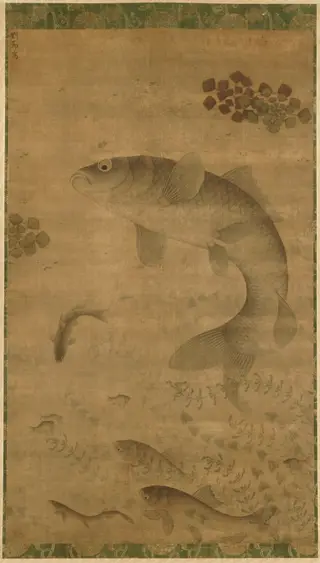
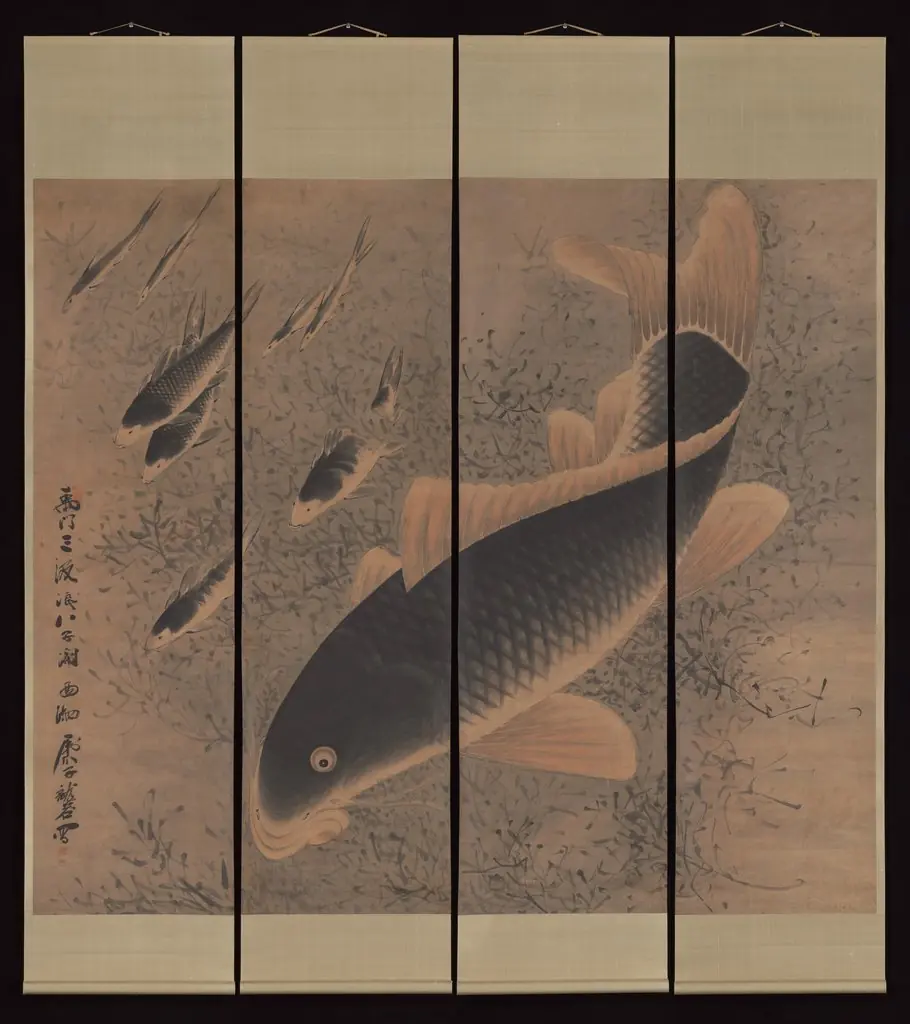
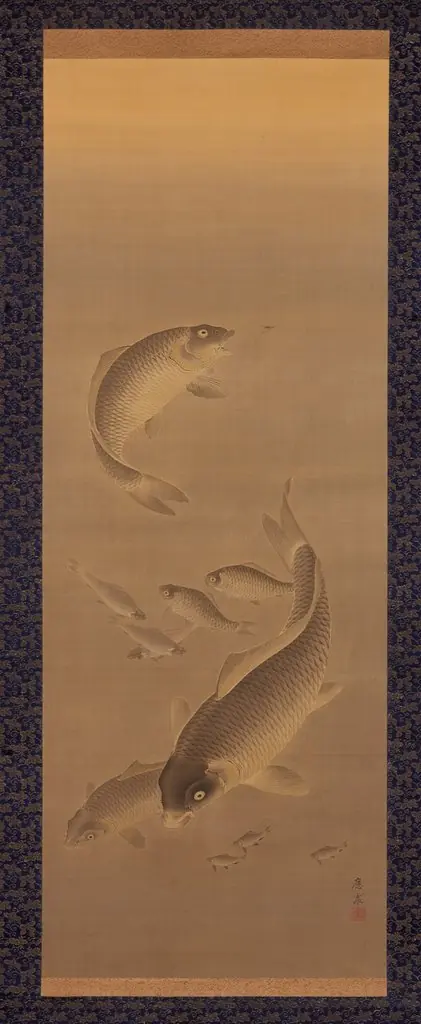
The motif of riding a carp appears in Chinese and Japanese folklore, where the fish’s leap is linked to the legend of the Dragon Gate. The painting’s visual language aligns with these cultural narratives, employing familiar symbolic elements to convey personal or spiritual ascent.
Legacy
Works that explore similar themes of transformation through aquatic symbolism continue to be displayed in institutions such as the Cleveland Museum of Art, where comparable pieces illustrate the enduring resonance of the carp motif in East Asian artistic heritage.
Artist & collection