Artwork
明 傳張路 溪畔漁家圖 軸|Fisherman and family
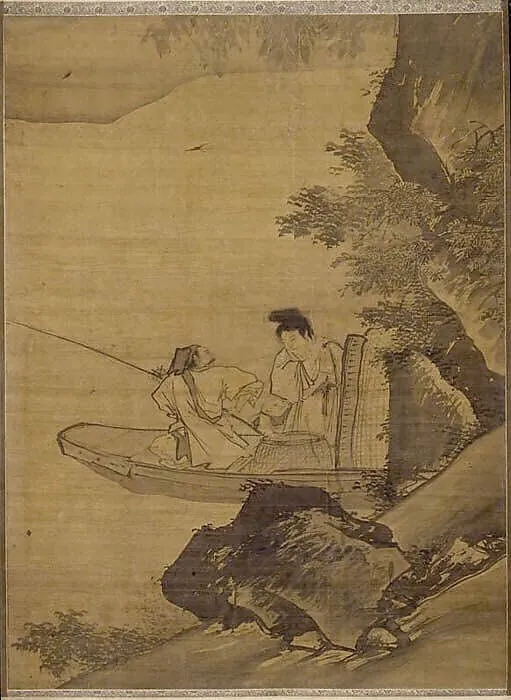
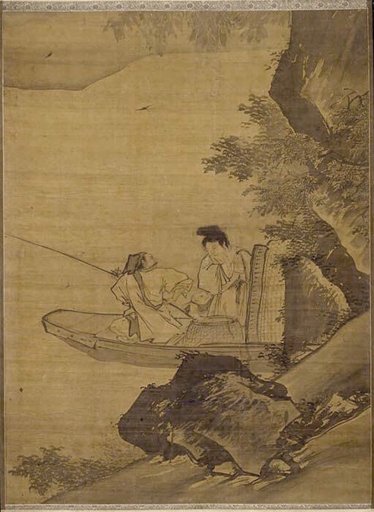
明 傳張路 溪畔漁家圖 軸|Fisherman and family is an ink painting by the Ming dynasty painting artist Zhang Lu. It dates from 1526 and is held in the collection of the Metropolitan Museum of Art.
About this work
Subject & Meaning
The hanging scroll portrays a fisherman together with a woman, likely his spouse, standing beside a riverbank while a small boat rests nearby.
The hanging scroll portrays a fisherman together with a woman, likely his spouse, standing beside a riverbank while a small boat rests nearby. The composition emphasizes the everyday activity of fishing, a livelihood tied to the water, and the presence of both figures suggests familial partnership and domestic stability. Water in Chinese painting often symbolizes continuity and transformation, and the modest boat serves as a vessel for both material sustenance and spiritual journey.
By depicting the couple in a tranquil natural setting, Zhang Lu conveys harmony between human activity and the natural world, reflecting Confucian ideals of balanced family life and the dignity of labor.
Technique & Style
Created in 1526, this artwork is a hanging scroll executed in ink and color on silk. The piece measures 110.2 cm in height and 81.0 cm in width, presenting a landscape genre scene that depicts a boat, fishing activities, a man, and a woman. Attributed to the artist Zhang Lu, the work is part of the collection at the Metropolitan Museum of Art.
The medium combines traditional ink wash techniques with applied color on a silk support, characteristic of the period's hanging scroll format. The composition focuses on the daily life of a fishing family within a natural setting, rendered through the specific handling of ink and pigment on the textile surface.
History & Provenance
Attributed to the Ming dynasty painter Zhang Lu, this hanging scroll titled 'Fisherman and family' (溪畔漁家圖) was created in 1526. Executed in ink and color on silk, the work originates from China and depicts a landscape scene featuring a boat, fishing activity, and figures including a man and a woman. It is held in the collection of the Metropolitan Museum of Art.
The specific commission history and ownership chain prior to its museum acquisition are not enumerated in the available records, and no exhibition history is documented in the sources.
Legacy
The hanging scroll Fisherman and family, attributed to Zhang Lu and dated 1526, exemplifies Ming‑dynasty landscape and genre painting through its ink-and-color-on-silk depiction of a fisherman, a boat, and a woman in a riverside setting. Its inclusion in the Metropolitan Museum of Art’s collection reflects its standing as an example of the period's painting, and its compositional treatment of water and everyday rural activity is characteristic of Ming genre scenes.
Overview
The hanging scroll titled "Fisherman and family," attributed to Zhang Lu and created in 1526, is rendered in ink and color on silk. This painting offers a quiet depiction of daily life, diverging from many contemporary Ming dynasty works that focused on grand landscapes or scholarly pursuits. It captures a serene moment on a riverbank, where a family observes a lone figure poling a small boat. The artwork's gentle palette and attention to detail contribute to its intimate portrayal of everyday existence.
Context
During the 16th century, Chinese painting often featured monumental mountainscapes or idealized scenes of scholarly pursuits within cultivated gardens. "Fisherman and family" represents a departure from these prevalent themes. By centering on the lives of common people engaged in fishing, the work offers an alternative perspective, highlighting the quiet beauty found in everyday labor and domesticity.
This focus contrasts with the era's typical emphasis on the grand or the intellectual, providing a more grounded view of human experience.

Artist & collection