Artwork
Untitled
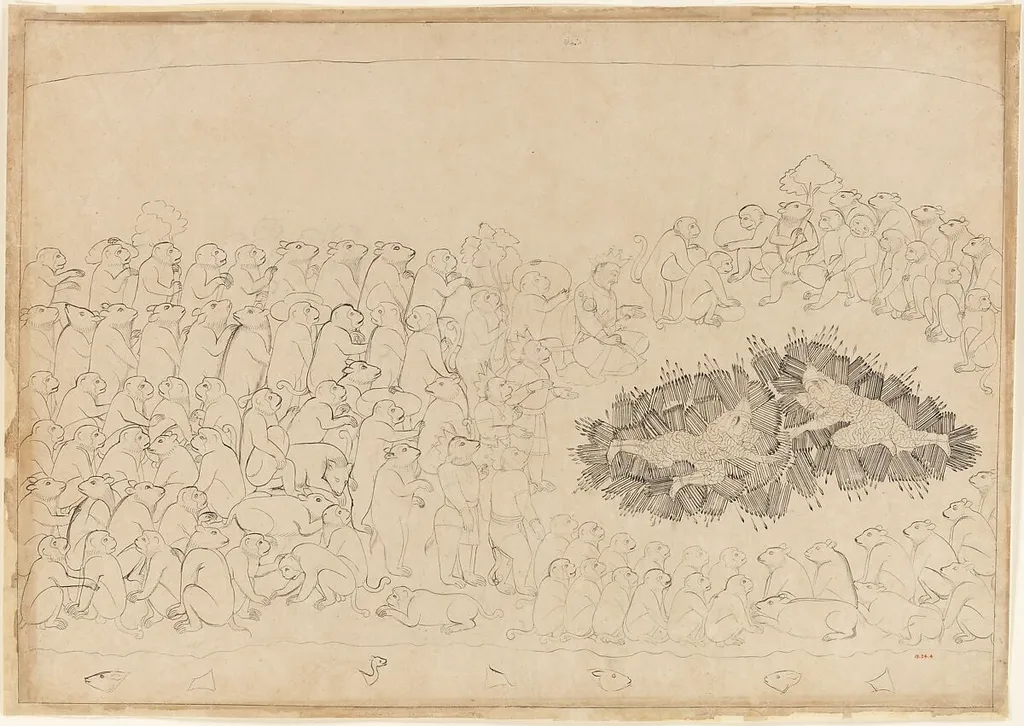
Untitled is an ink painting by the Baroque artist Seu Family. It dates from 1725 and is held in the collection of the Metropolitan Museum of Art.
About this work
Subject & Meaning
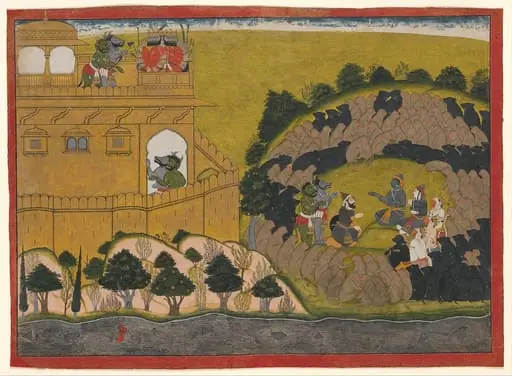
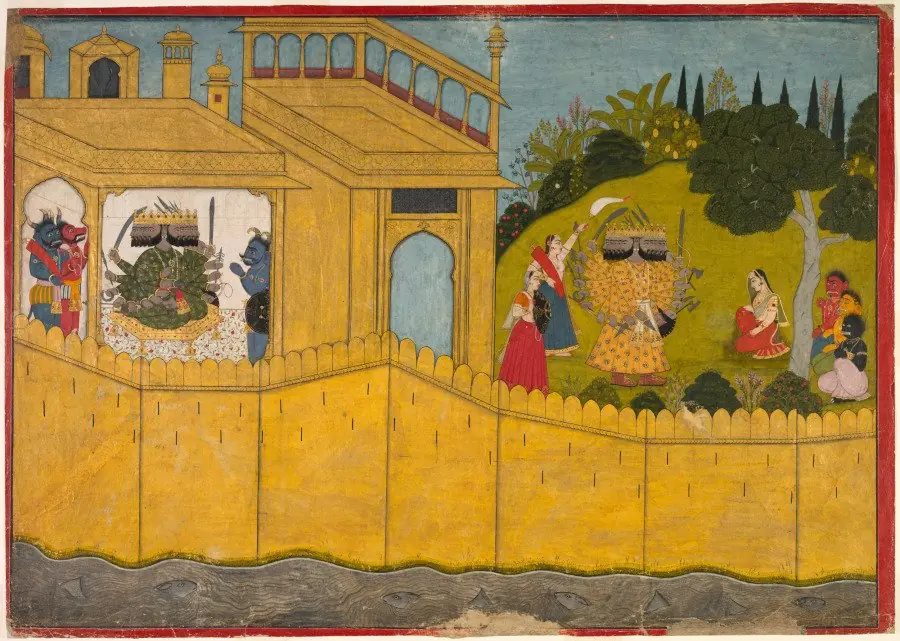
Created in 1725 by the artist Manaku of the Seu family, this work on paper belongs to the genre of mythology.
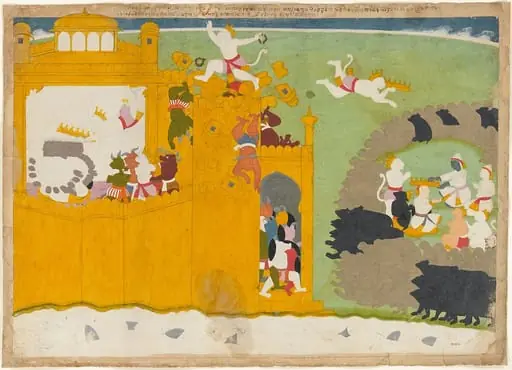
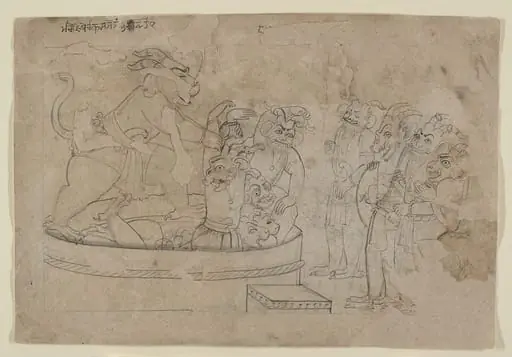
Created in 1725 by the artist Manaku of the Seu family, this work on paper belongs to the genre of mythology. The composition depicts specific figures including an arrow, a bear, and a monkey. While the provided records identify these literal elements, they do not elaborate on the specific narrative episode, deeper iconographic associations, or the symbolic meaning these figures hold within the context of the painting.
Consequently, the work represents a mythological scene featuring these distinct entities, though the precise allegorical interpretation or the story being illustrated is not detailed in the available documentation.
Technique & Style
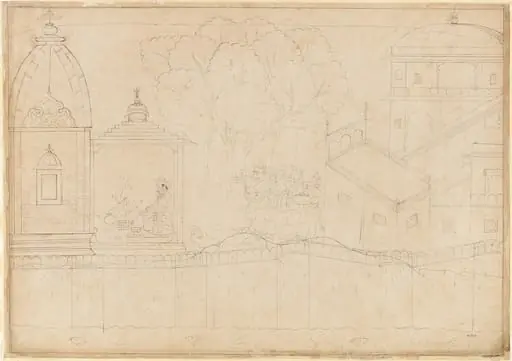
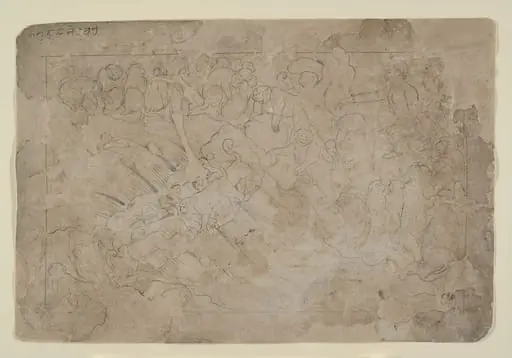
Created in 1725, this work by Manaku of the Seu family is executed in ink on paper, a traditional medium for the Guler school of Pahari painting. The support consists of paper, a standard surface for this genre of mythological illustration. The artist employs a linear technique characteristic of the period, utilizing ink to delineate figures and narrative elements without the application of color.
The composition depicts mythological scenes featuring specific motifs including an arrow, a bear, and a monkey. As a painting classified within the mythology genre, the work reflects the formal stylistic qualities of early 18th-century Indian manuscript illustration, emphasizing narrative clarity through precise ink work. The piece is part of the collection of the Metropolitan Museum of Art.
History & Provenance
Created in 1725 in India, this ink-on-paper work titled Untitled is attributed to the artist Manaku of the Seu family. The painting, which illustrates a mythological scene featuring a bear, a monkey, and an arrow, currently resides in the collection of the Metropolitan Museum of Art. While the specific circumstances of its commission and the detailed chain of ownership prior to its museum acquisition are not documented in the available records, the work's inception date and attribution to Manaku are established. The piece is classified as a painting within the museum's holdings.
Context
Untitled, attributed to the 18th-century Indian painter Manaku of the Seu family workshop, exemplifies early Pahari mythological miniatures. Executed in ink on paper circa 1725, the work portrays arrow, bear and monkey motifs and is held by the Metropolitan Museum of Art in New York. It is representative of regional stylistic trends within the corpus of Indian miniature painting and contributes to the study of trans-regional artistic exchange.
Overview
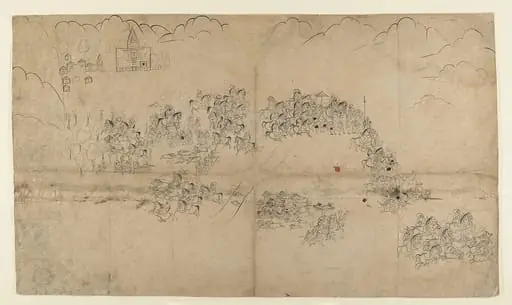
Created in 1725 by Manaku, a prominent painter of the Guler school in the Punjab Hills, this untitled work on paper depicts a dynamic battle scene from the Ramayana. The composition illustrates the conflict between the monkey army of Rama and the bear forces of Jambavan, or potentially a specific engagement involving the Vanara and Vanara allies, characterized by a dense arrangement of figures. Manaku fills the entire sheet with ink, leaving no negative space, a technique that emphasizes the chaotic energy of the combat.
Hundreds of tiny, lively monkeys and bears are shown shooting arrows in wild, intersecting arcs, creating a sense of frenetic movement across the forest setting. Executed in the artist's early mature period, the drawing showcases his distinctive style of vigorous line work and narrative density. This piece reflects the broader tradition of Pahari painting, where Hindu epics were visualized with intimate detail and emotional intensity.
The work stands as a significant example of Manaku's contribution to the development of the Guler style, bridging the transition from earlier Mughal influences to a more localized, expressive idiom that would define the region's art for decades.
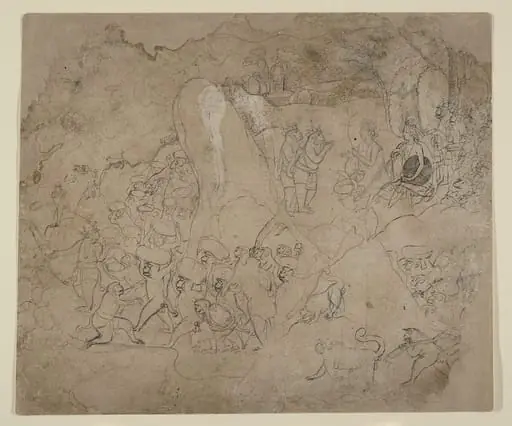
Artist & collection
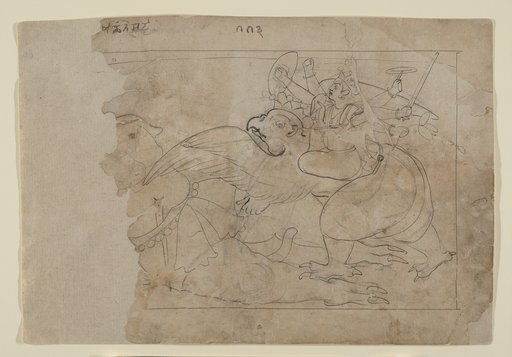

- Untitled
![Sheet of Studies [recto and verso], by John Flaxman](https://artifactworldgallery.com/img/john-flaxman--sheet-of-studies-recto-and-verso--5d19d38e20f446c0-w320.webp) Sheet of Studies [recto and verso]
Sheet of Studies [recto and verso]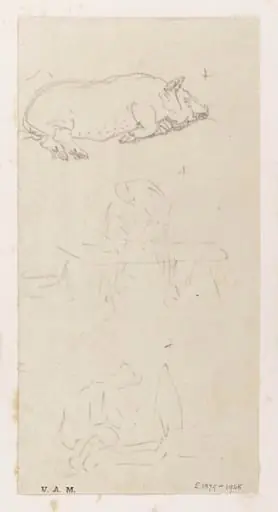 A pig lying on its side
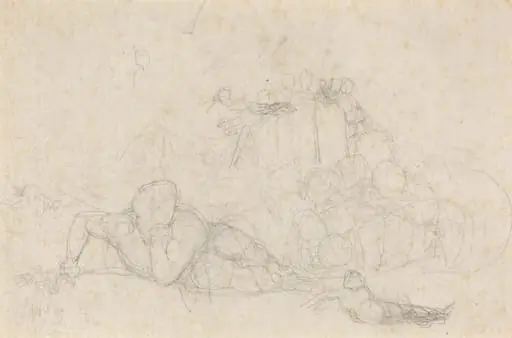 Sheet of Studies
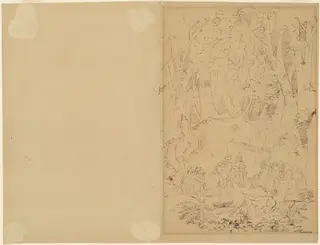 Eighteenth-Century Colonist Preaching to Indians
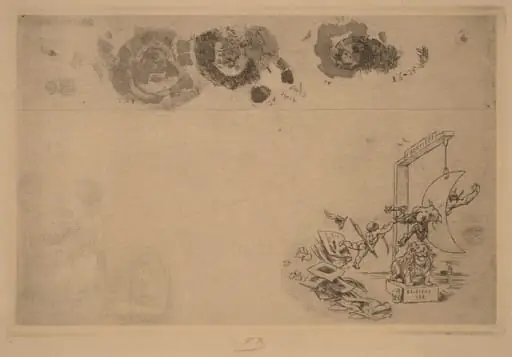 Belgian Border, Bill of Disorder (Frontiere de Belgique. Billet a Desordre)
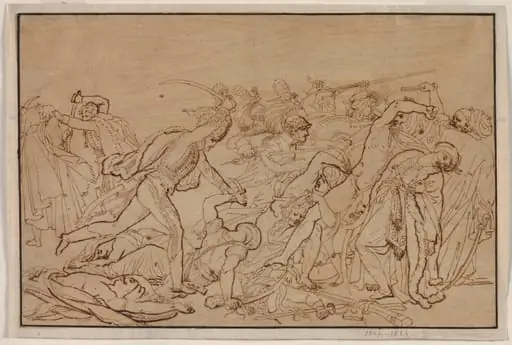 Study for "The Revolt of Cairo"
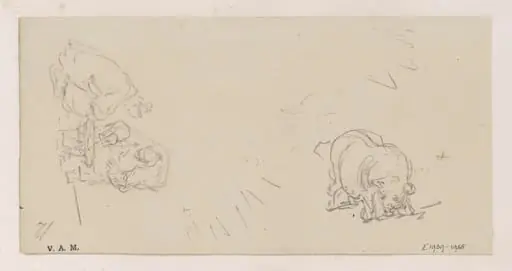 Figures at a stove, and a pig
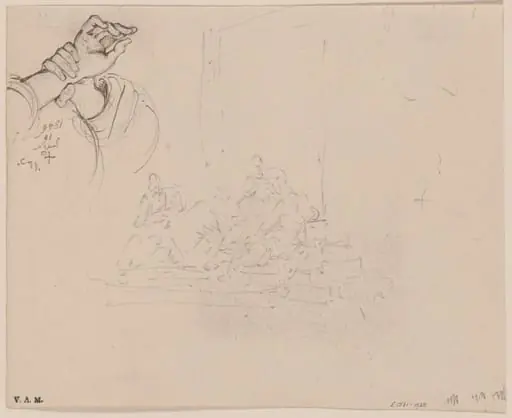 Clasped hands, and a sketch of Chinese figures
 Untitled
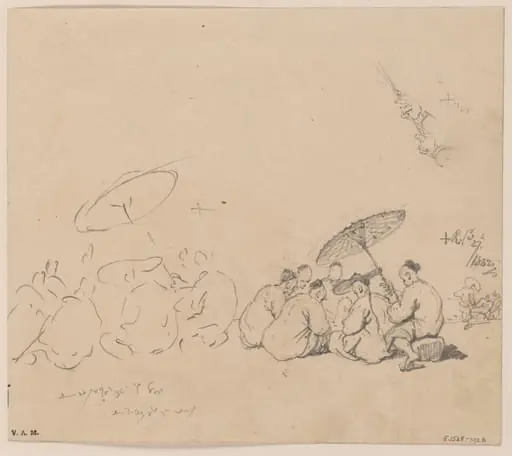 Two drawings of a group of Chinese figures
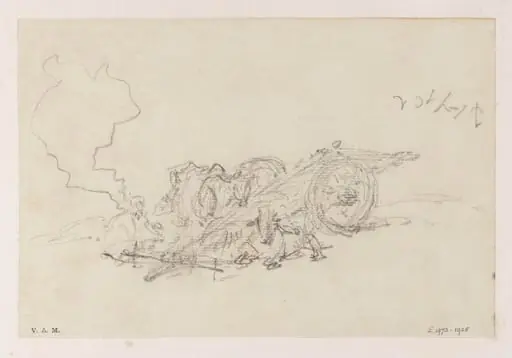 An Indian cart