Artwork
Faraj
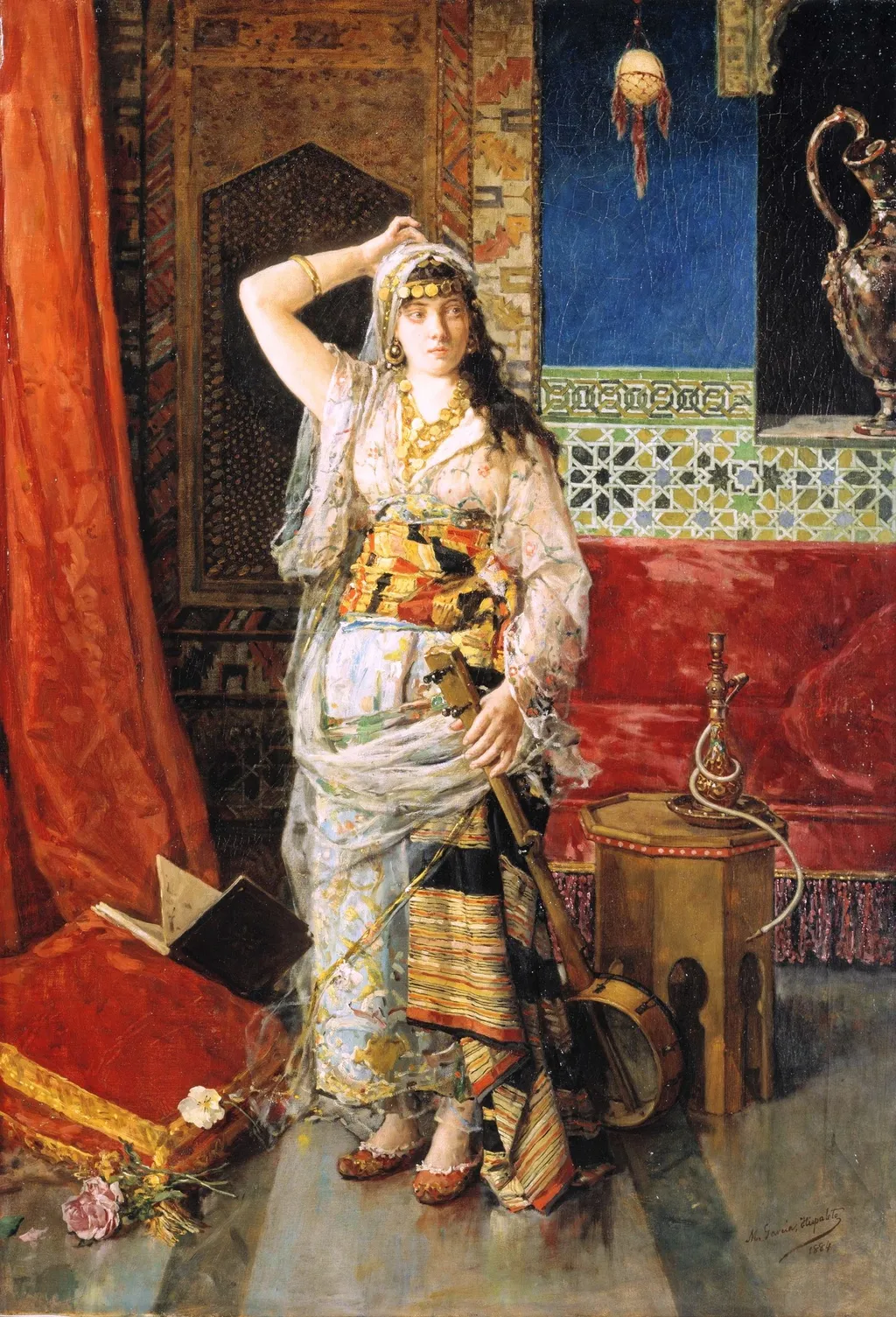
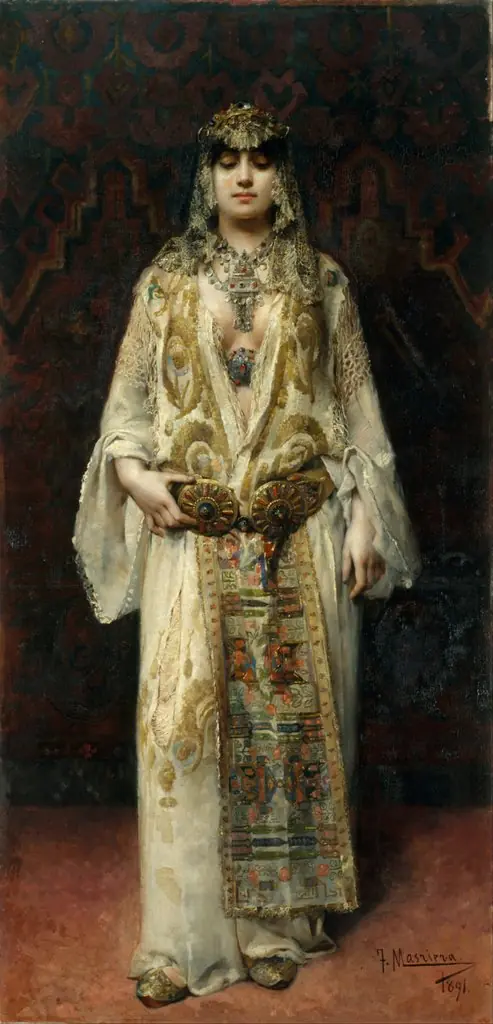
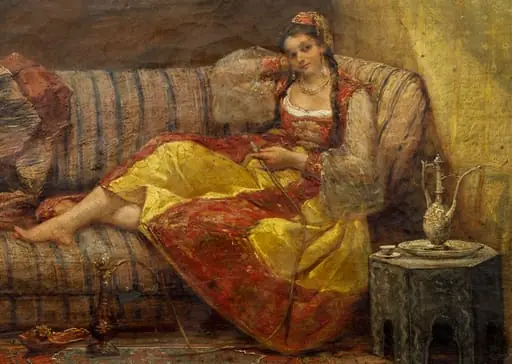
Faraj is an oil painting by the Post-Impressionist artist Manuel García Hispaleto. It dates from 1892 and is held in the collection of the Museo del Prado.
About this work
Subject & Meaning
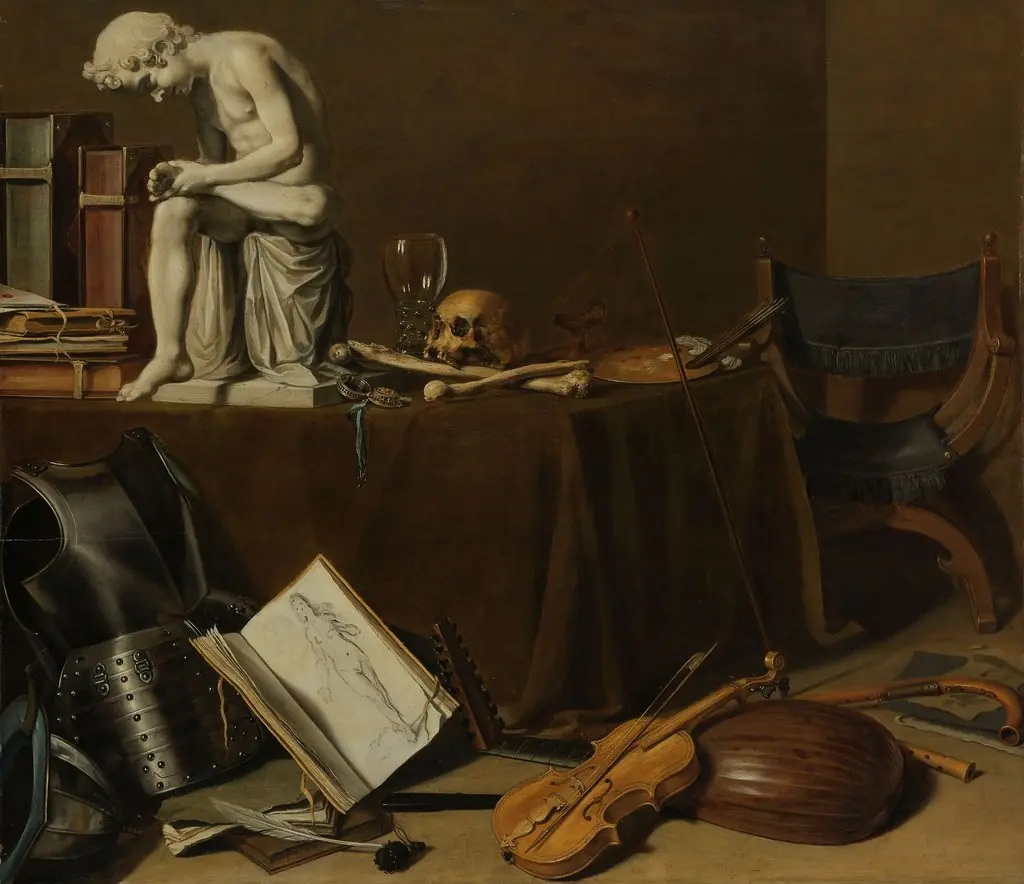
Manuel García Hispaleto's 1884 oil painting, Faraj, presents a still-life composition centered on specific objects.
Manuel García Hispaleto's 1884 oil painting, Faraj, presents a still-life composition centered on specific objects. The work depicts a lute, a book, and a gemstone arranged on a surface. These items function as the primary iconographic elements of the piece, with the lute suggesting musical or poetic themes, the book representing knowledge or literature, and the gemstone indicating value or material wealth. The arrangement of these distinct objects constitutes the entire subject matter of the canvas.
Technique & Style
The work is an oil painting executed on canvas. Documentation confirms its medium and support as oil paint applied to a canvas surface.
Formal elements include a lute, a book, and a gemstone, arranged with careful attention to light and texture characteristic of late 19th‑century Spanish academic practice. The surface handling reveals a smooth finish without visible degradation, and the condition is noted as stable in the museum's records.
History & Provenance
Manuel García Hispaleto painted Faraj in 1884, a work executed in oil on canvas measuring 90 cm by 61 cm. The painting entered the collection of the Museo del Prado, where it remains on display. Its creation is documented as beginning on 1 January 1884, and it portrays a lute, a book, and a gemstone.
The painting Faraj by Manuel García Hispaleto is housed in the Museo del Prado, where it holds inventory number P009686. It was created in 1884 and has been part of the museum's collection since its acquisition. The work was exhibited in the Prado's retrospective of García Hispaleto in 1955.
Legacy
The painting's enduring reputation stems from its presence in a major national collection, where it continues to be studied and referenced in scholarship on 19th-century Spanish art. Its composition and symbolism have influenced later artists exploring themes of cultural identity, though specific later works directly citing it are not documented in available sources. The work's inclusion in prominent exhibitions and academic discourse has solidified its status as a representative piece of the period, contributing to ongoing research into Spain's artistic heritage.
Overview
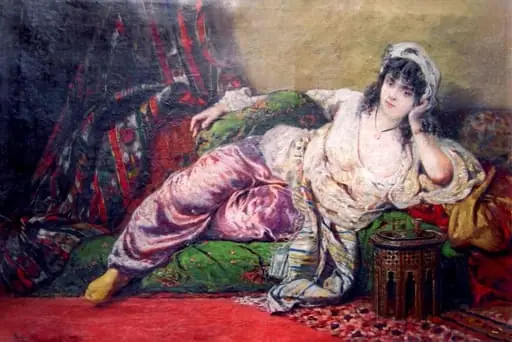
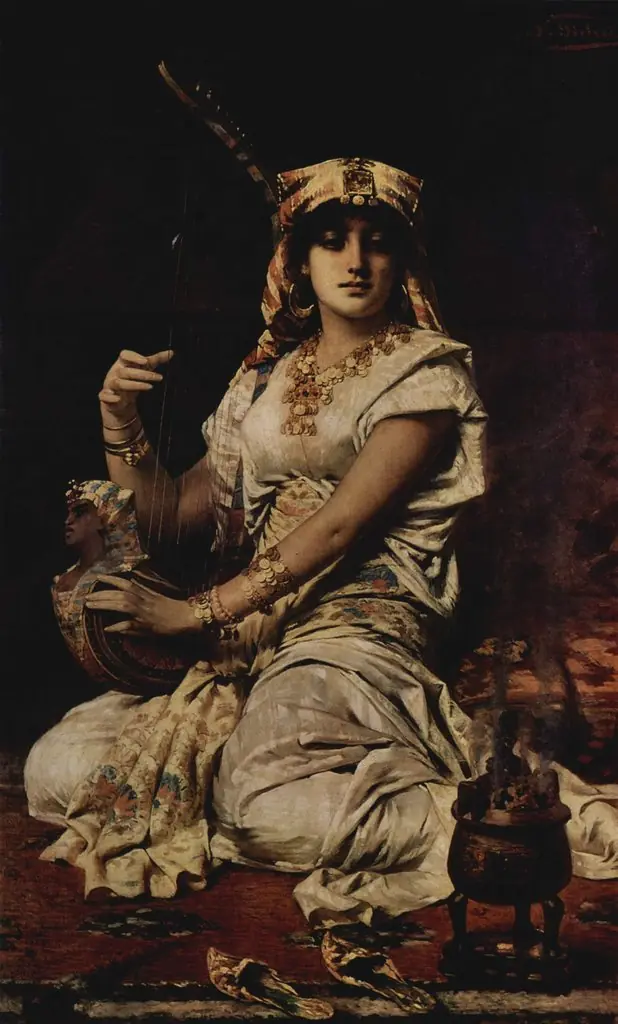
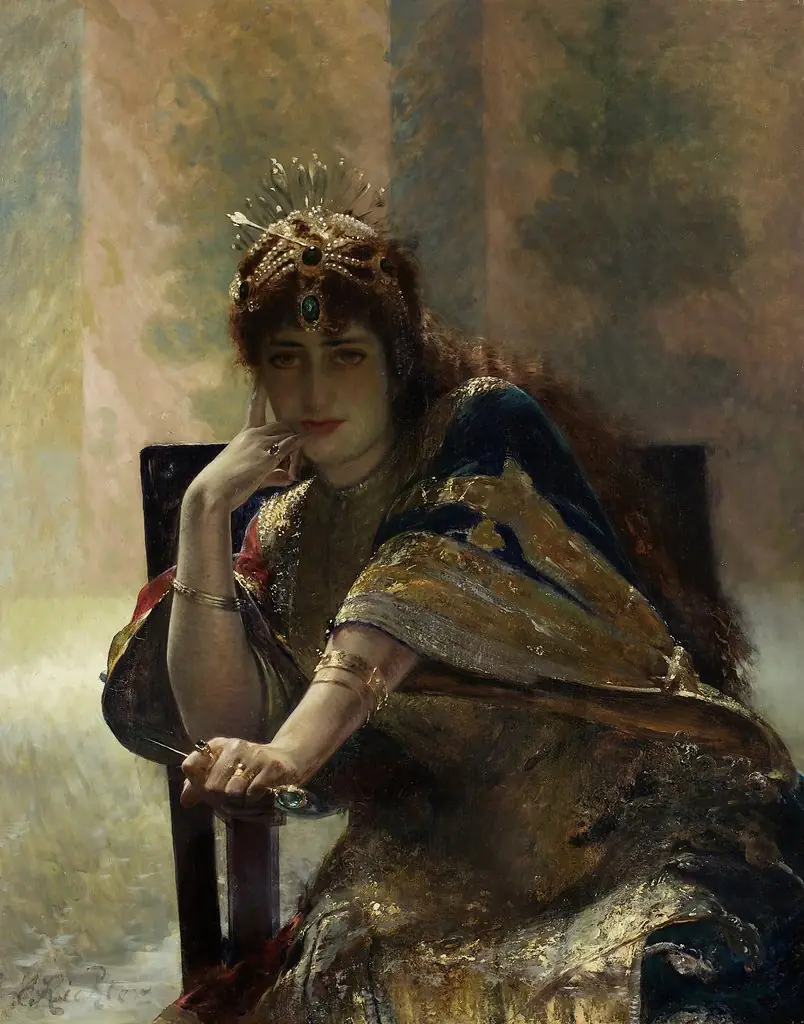
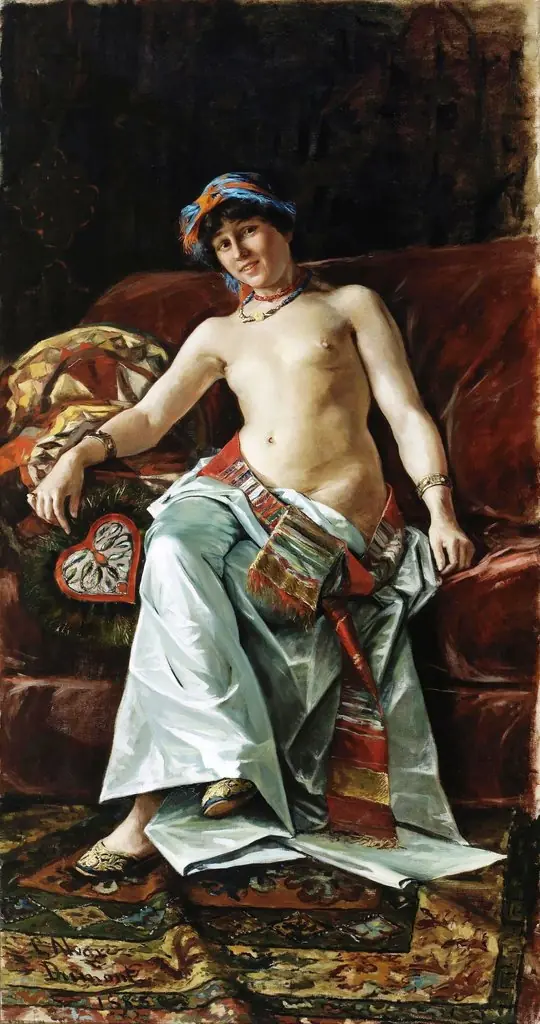
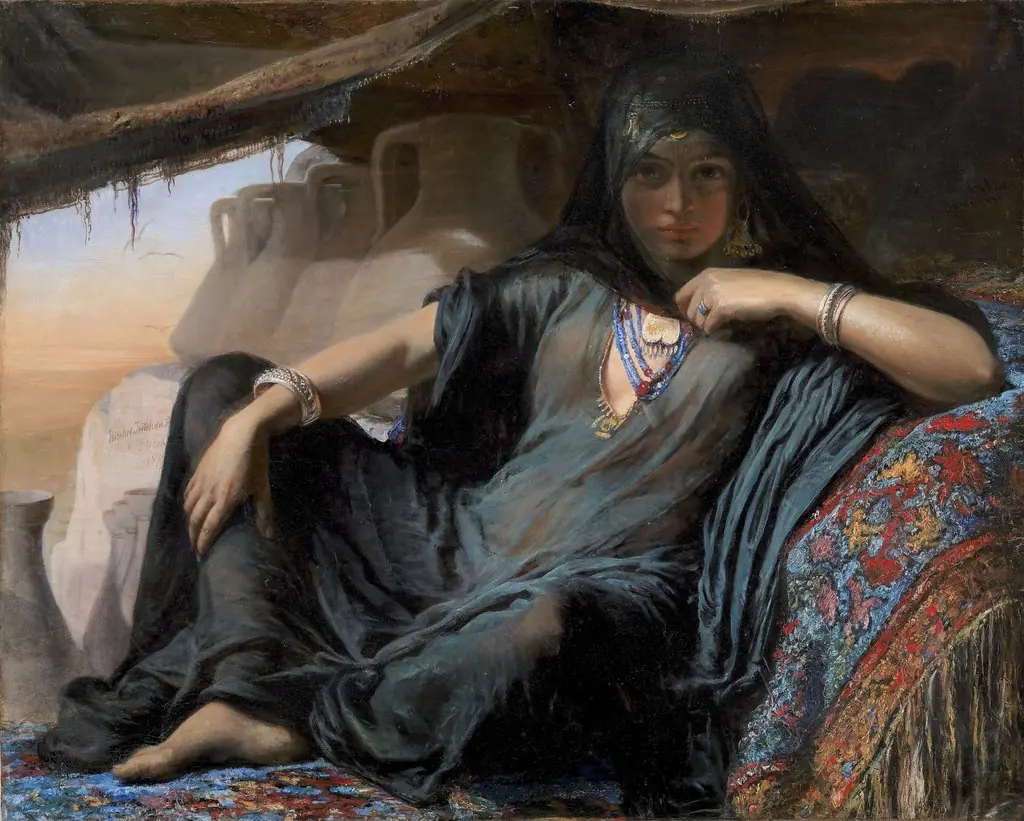
Faraj is an oil painting created by Spanish artist Manuel García Hispaleto in 1892. The work features a woman in a vibrant, interior setting, characterized by expressive brushwork and a contrast of light and shadow.
Context
García Hispaleto's work, including Faraj, reflects his background in both portraiture and costumbrista scenes, which often highlighted everyday Spanish life and customs. The painting's setting and the subject's dress may allude to the artist's Andalusian roots.
Own this work as a print
Artist & collection
Artist
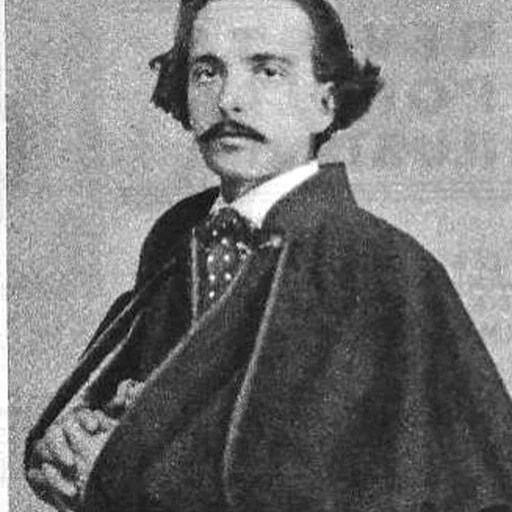
Manuel García Hispaleto, originally Manuel García y Martínez (22 November 1836, Seville - 26 December 1898, Madrid) was a Spanish painter; known for portraits and costumbrista scenes.