Artwork
Self-portrait with Jacopo Strada (1507-1588)
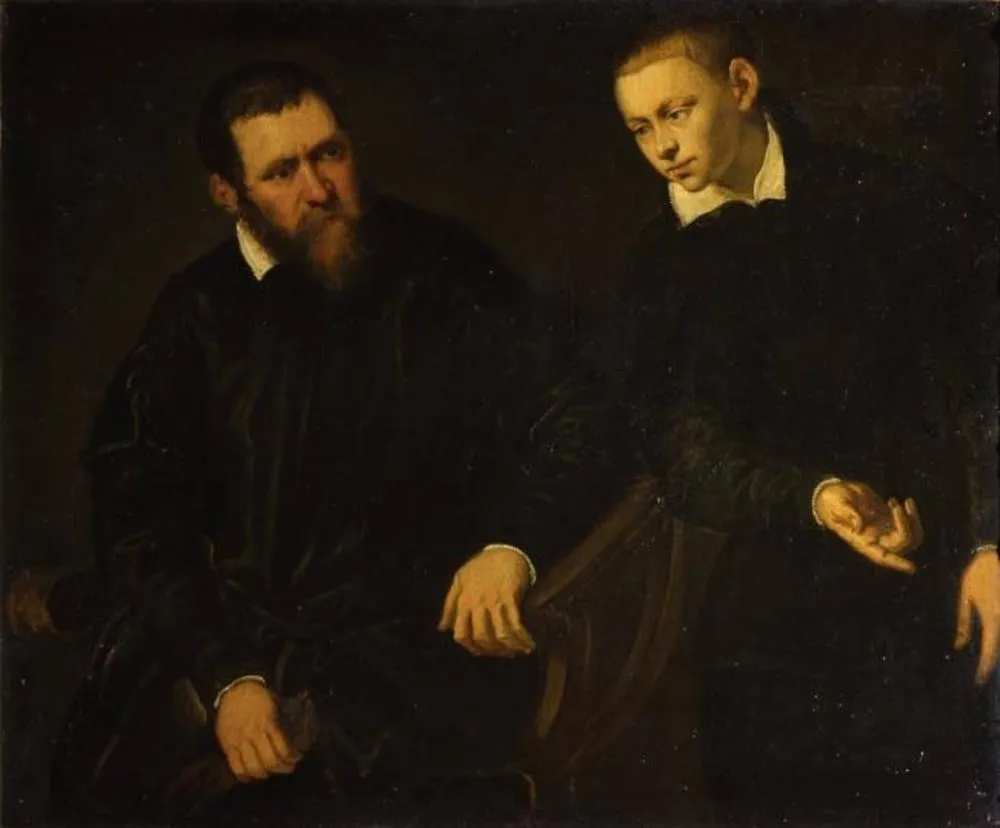
Self-portrait with Jacopo Strada (1507-1588) is an oil painting by the Venetian Renaissance artist Marietta Robusti. It dates from 1567 and is held in the collection of the Staatliche Kunstsammlungen Dresden.
About this work
Overview
Marietta Robusti, known as Tintoretta, executed an oil painting in 1567 that pairs her own likeness with that of the humanist Jacopo Strada. The work, a product of the Venetian Renaissance, is presently conserved in the Gemäldegalerie Alte Meister. As a rare example of a female artist’s self‑portrait from the period, it offers insight into both personal identity and scholarly patronage.
Subject & Meaning
The composition presents Robusti standing beside Strada, who is seated and bears a scholarly demeanor. Their juxtaposition underscores a dialogue between artistic creation and intellectual inquiry, suggesting mutual respect and the artist’s connection to the learned circles of her time.
Technique & Style
Robusti employs chiaroscuro to model the figures against a dark backdrop, allowing the light to define facial features and the texture of their garments. The restrained palette and careful handling of oil paint reflect the Venetian emphasis on tonal harmony and depth.
History & Provenance
Created in the late 1560s, the painting entered the collection of the Gemäldegalerie Alte Meister in the 19th century, where it has remained on public display. Its attribution to Tintoretta has been affirmed through stylistic analysis and archival references linking the work to her workshop.
Context
Robusti worked in the shadow of her father, the celebrated Tintoretto, yet cultivated an independent reputation within Venice’s artistic community. The inclusion of Jacopo Strada, a noted antiquarian and diplomat, situates the portrait within the broader network of Renaissance humanism and patronage.
Artist & collection
Artist
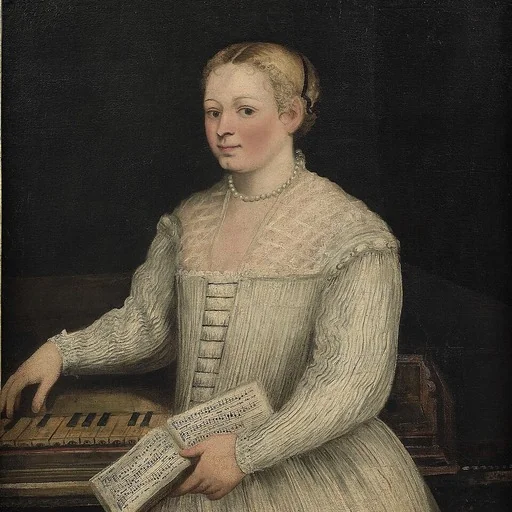
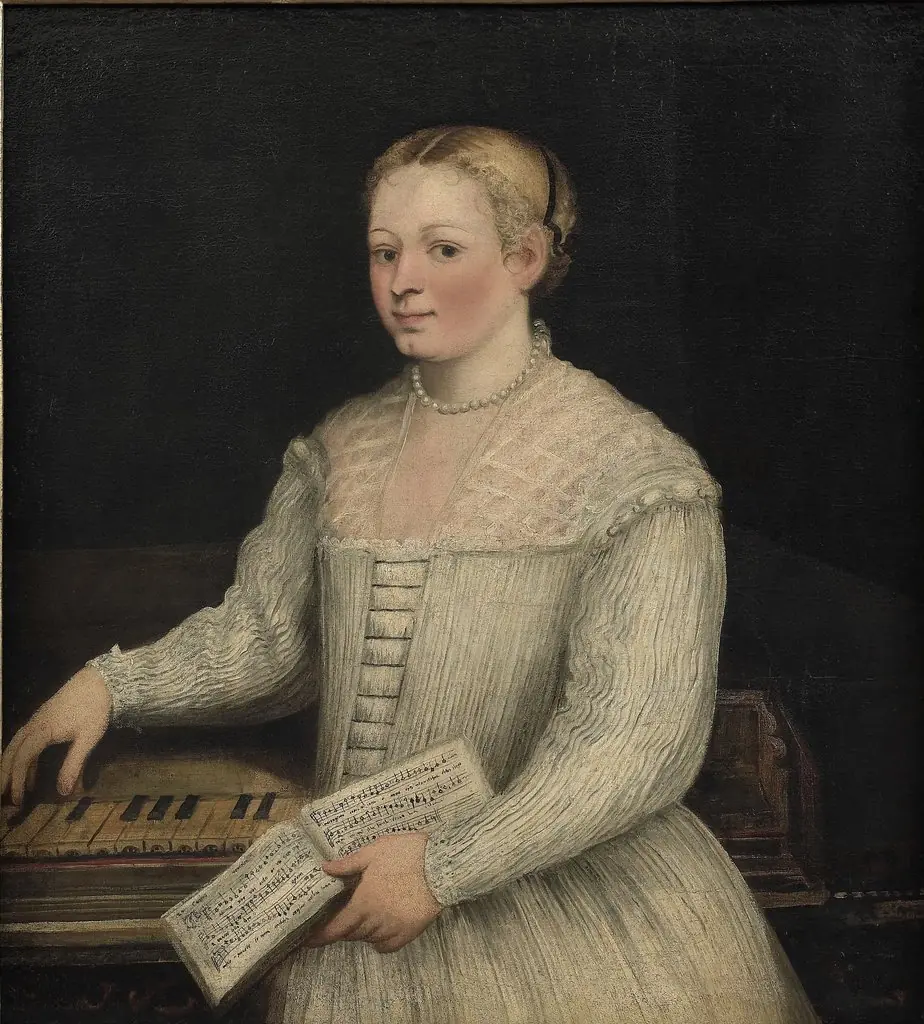
Marietta Robusti (1560? – 1590) was a Venetian painter of the Renaissance period. She was the daughter of Tintoretto (Jacobo Robusti) and sometimes, is referred to as Tintoretta.

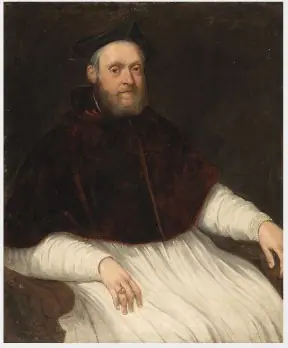
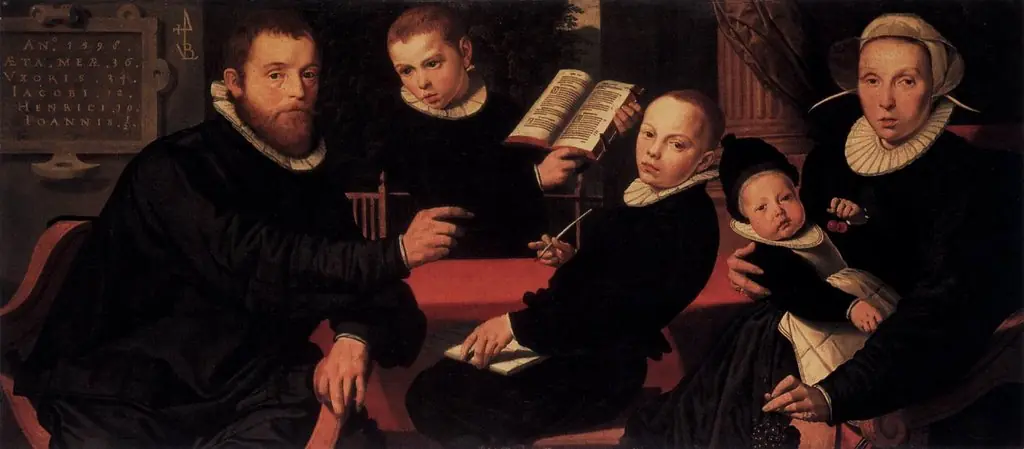
- Portrait of Laurens Jacobsz. (....-1603) and his family
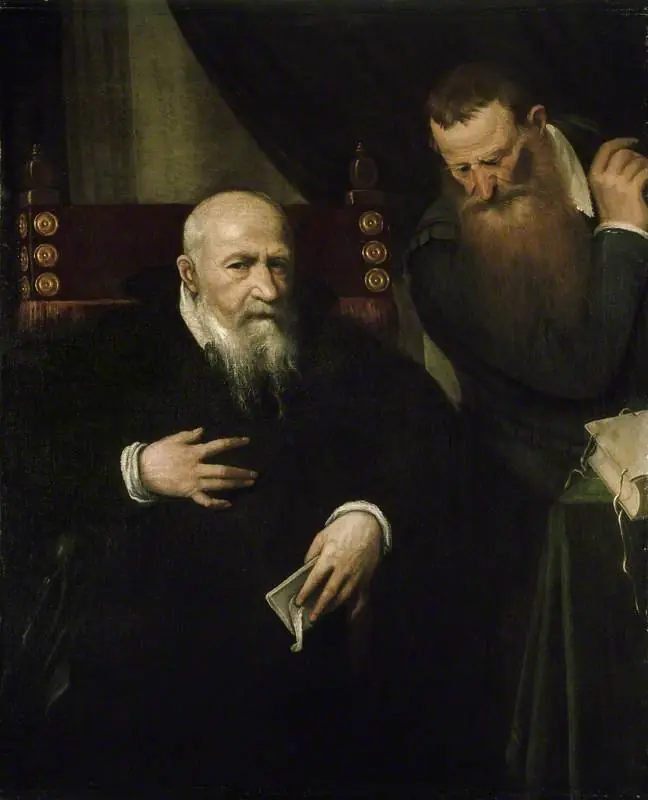 Portrait of a Man and his Secretary
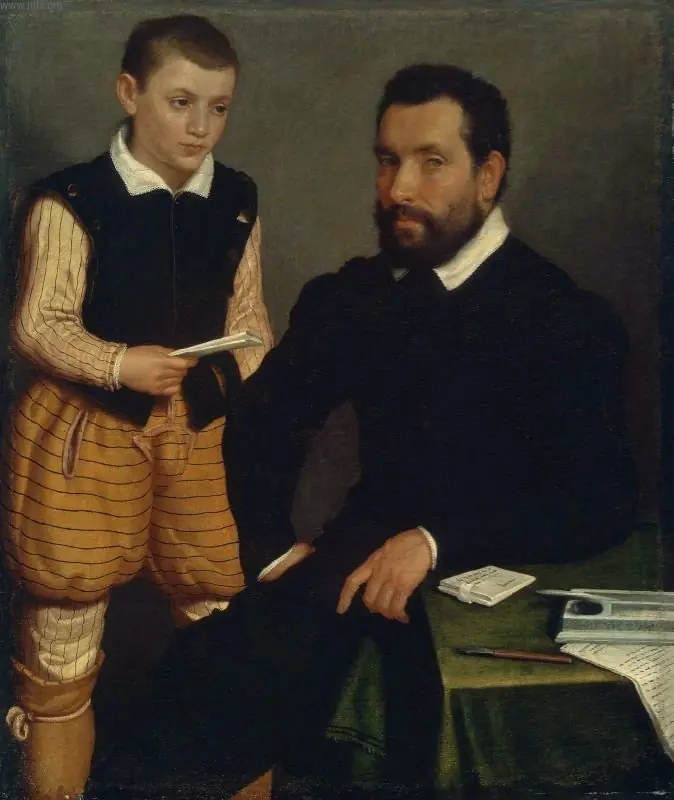 Portrait of a Man and a Boy (Count Alborghetti & Son)
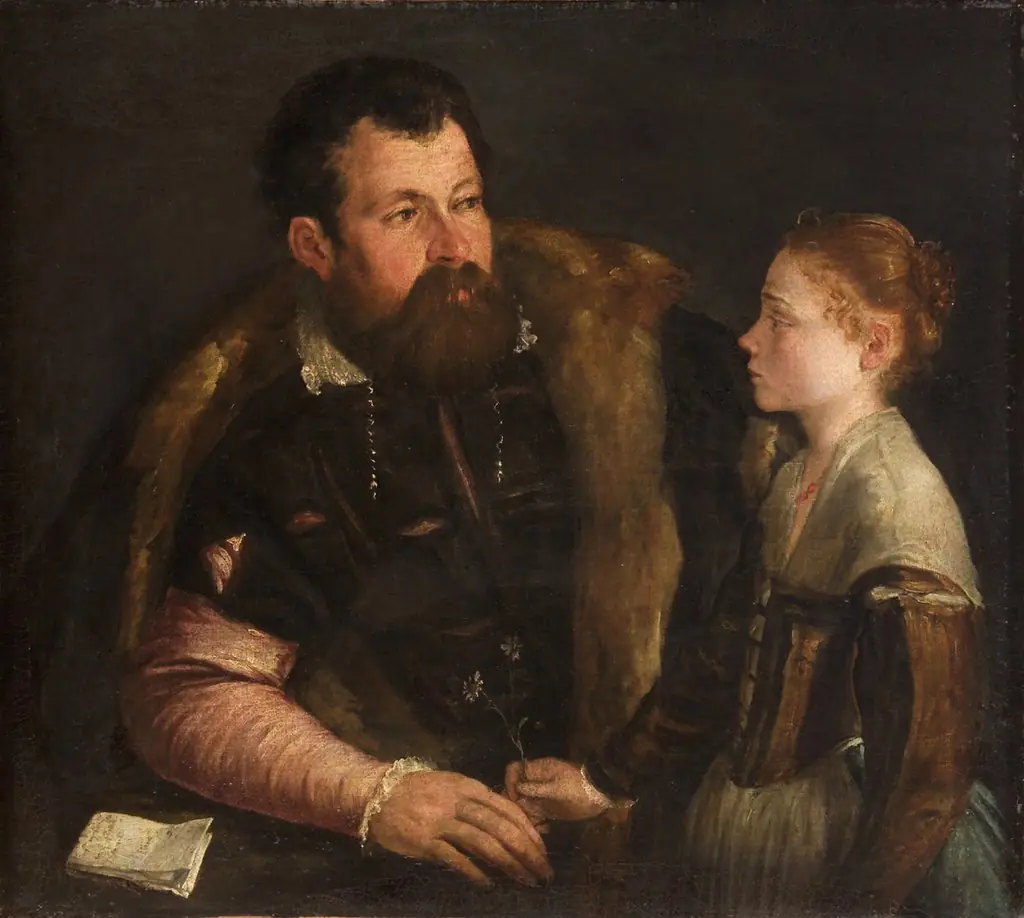 Vater und Tochter
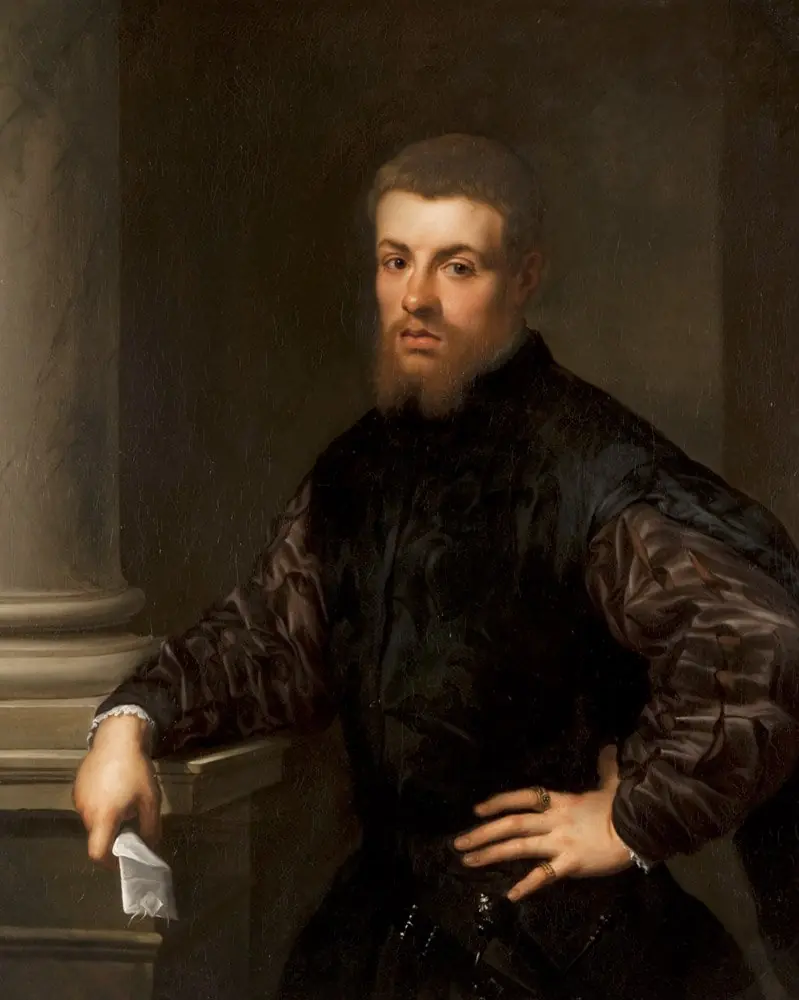 Portrait of a Young Man (possibly Melchior von Brauweiler, 1515–1569)
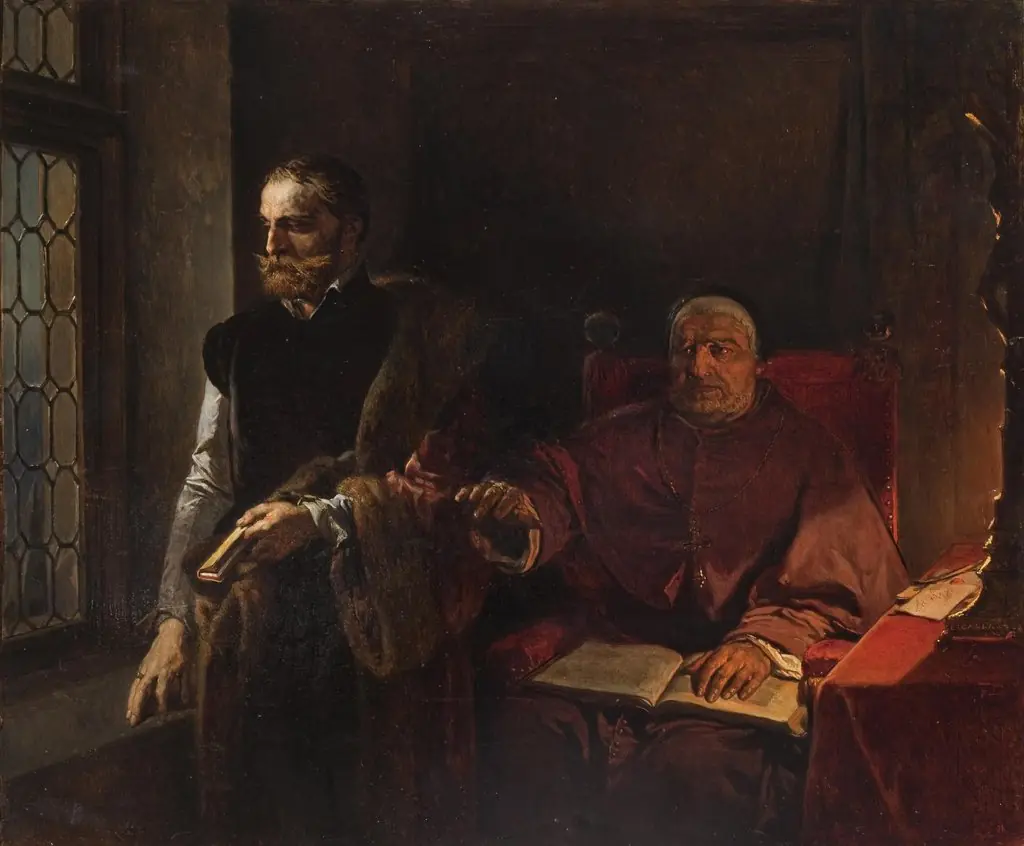 The Last Moments of Count Egmont (Count Egmont Before His Death)
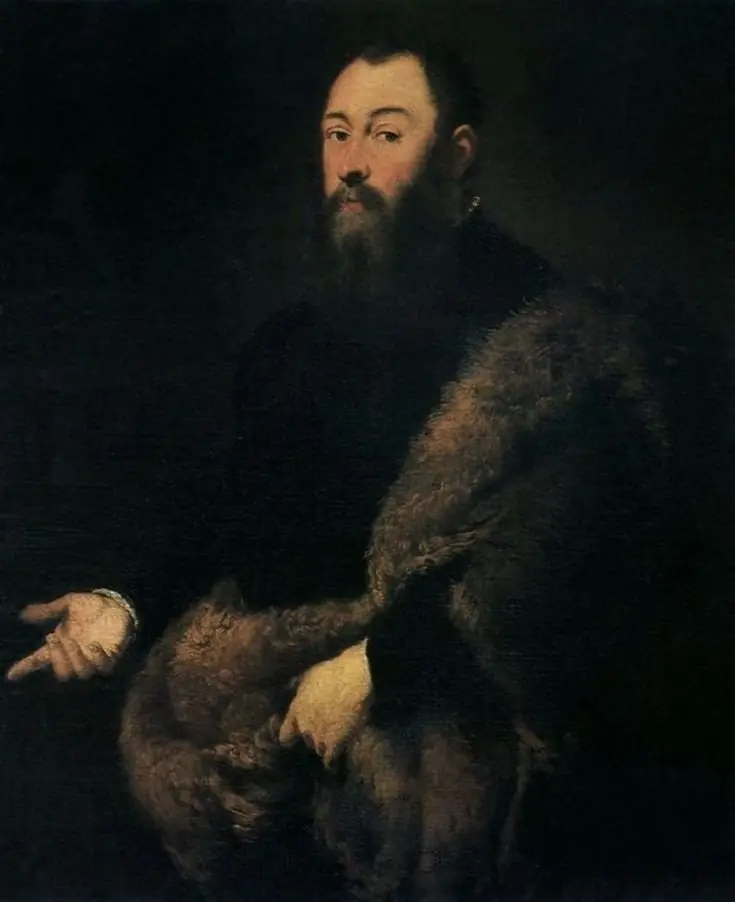 Portrait of a man in a fur coat
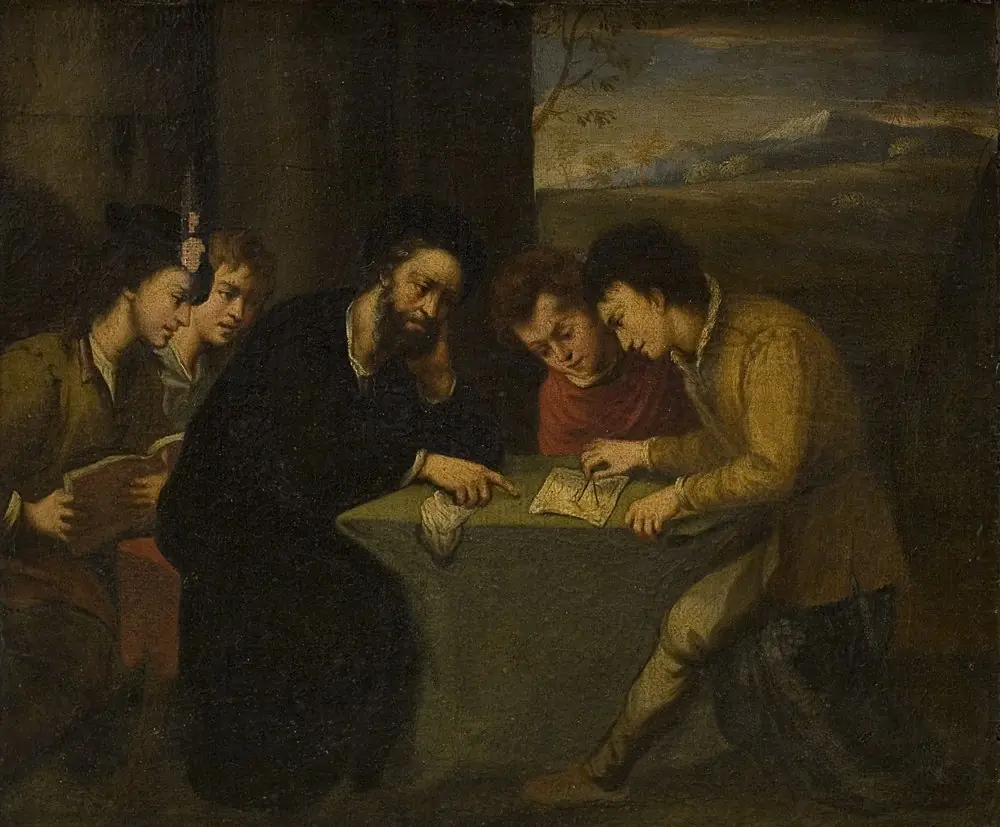 School Teaching, a Teacher with Four Pupils
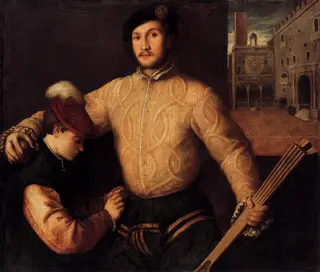 A Ballplayer and His Page
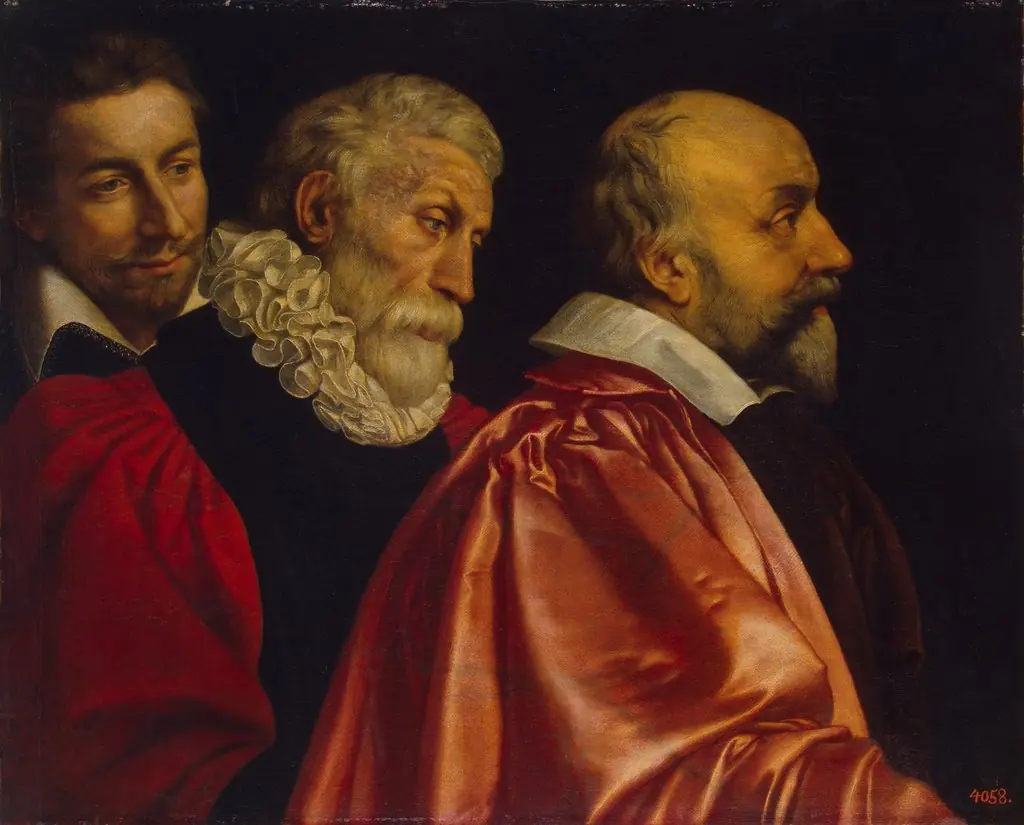 Group Portrait of Three Members of the Paris Council (fragment of the lost painting)
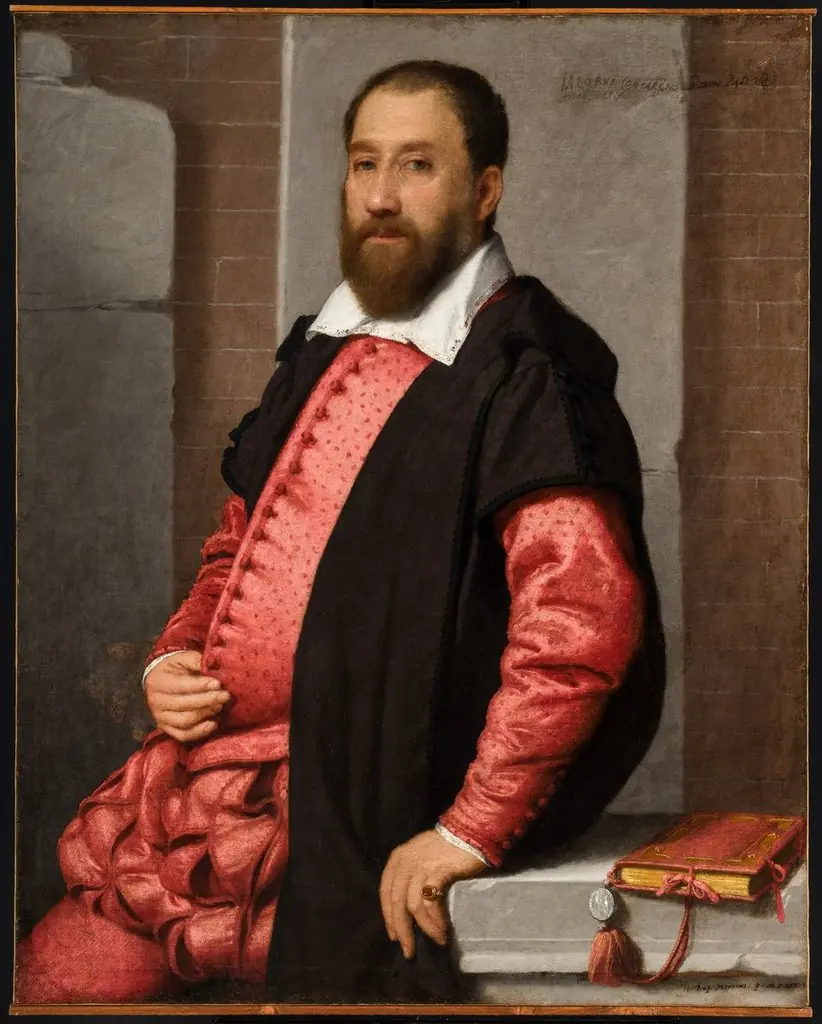 Portrait of Jacopo Foscarini
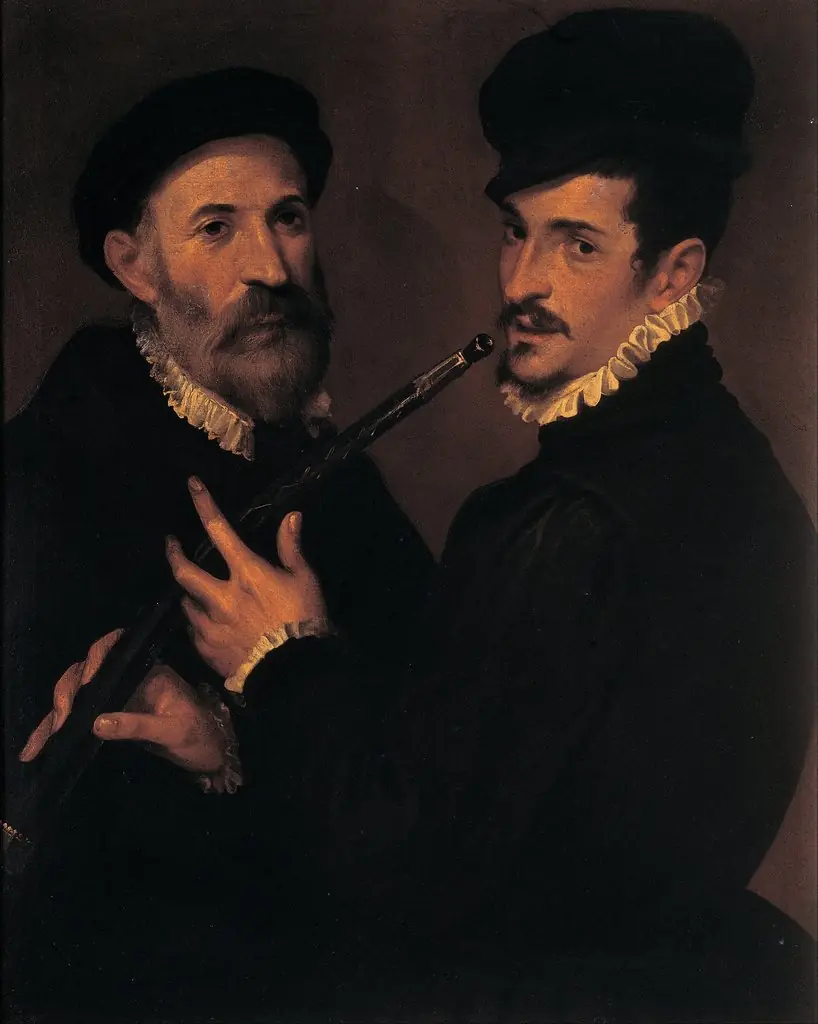 Double portrait of musicians